
Emancipation of the Russian Serfs
1861
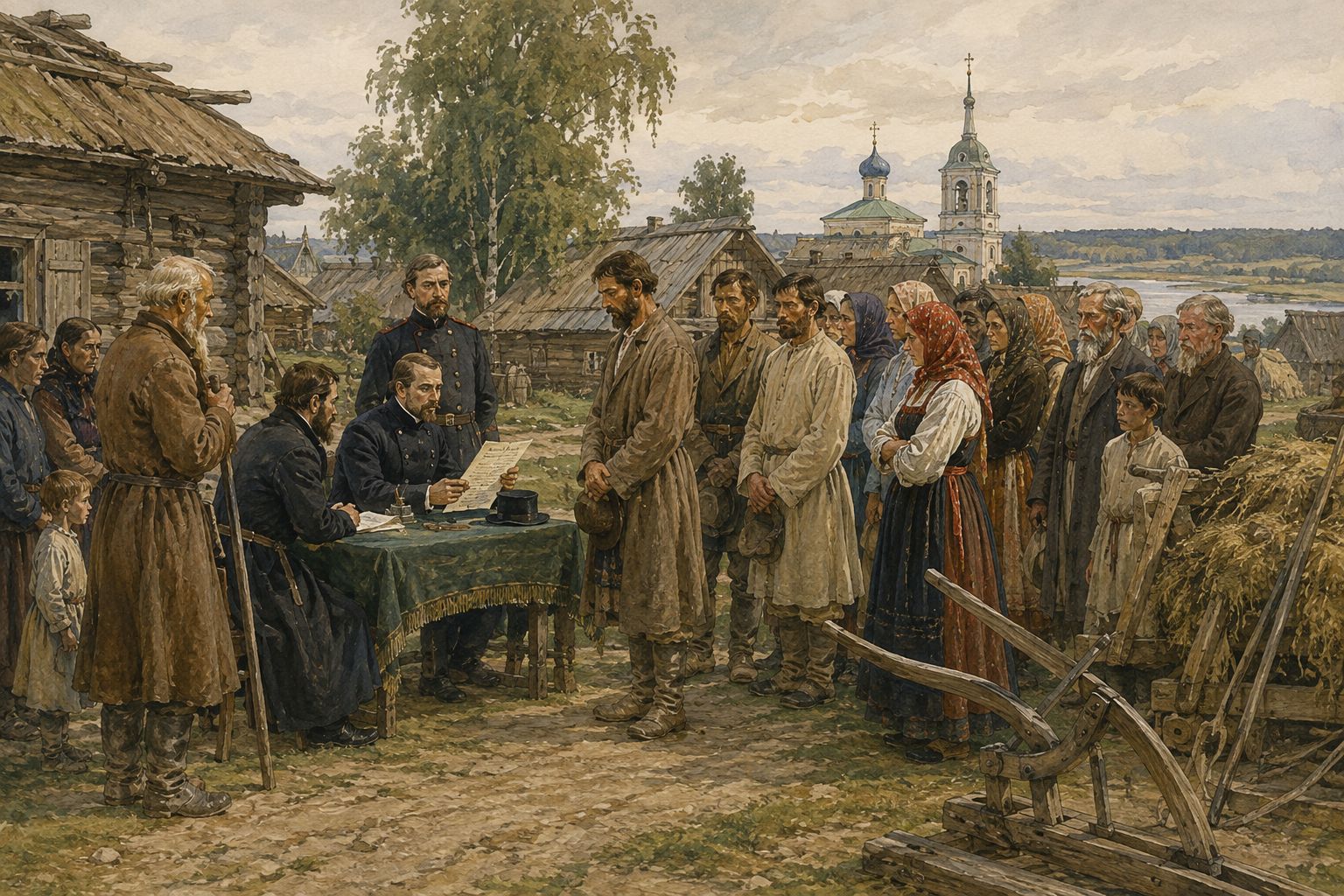
Alexander II’s reform legally abolished serfdom and began a reorganization of rural society and land relations.

- Period
- 1861
- Kind
- Political event
- Regions
- Europe
- Keywords
- Emancipation of the Russian Serfs · the Russian Empire · modern · background · turning point · impact
Follow the story · Four stages
Background
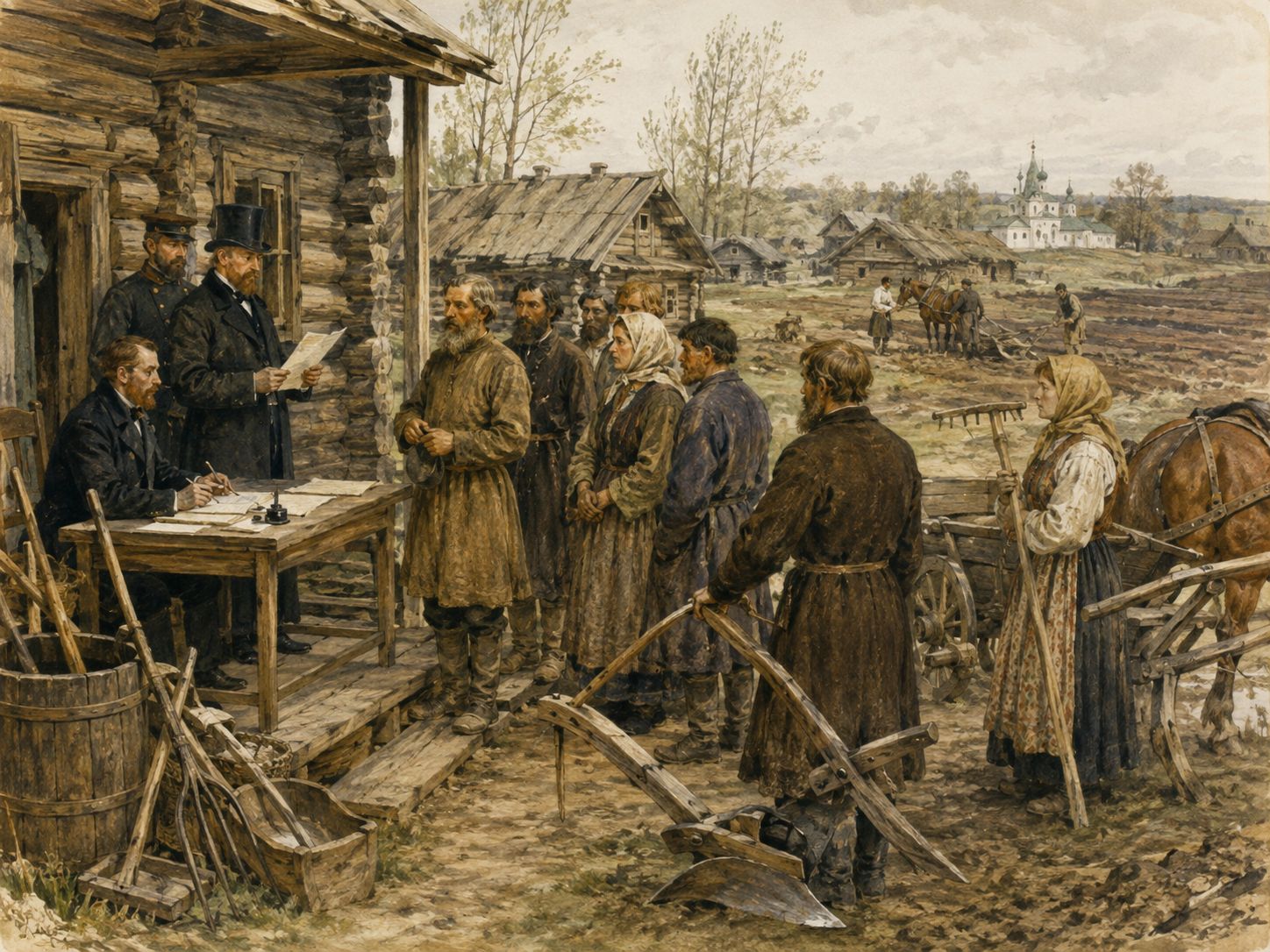
Political, social, and commercial changes around the Russian Empire formed the setting: Alexander II’s reform legally abolished serfdom and began a reorganization of rural society and land relations.
- In and around the Russian Empire, the setting took shape as Alexander II’s reform legally abolished serfdom and began a reorganization of rural society and land relations.
- Core event: Alexander II’s reform legally abolished serfdom and began a reorganization of rural society and land relations.
- Connection to the next stage: Alexander II’s reform legally abolished serfdom and began a reorganization of rural society and land relations. The change unfolded through decisions by rulers, institutions, and local communities.
Course
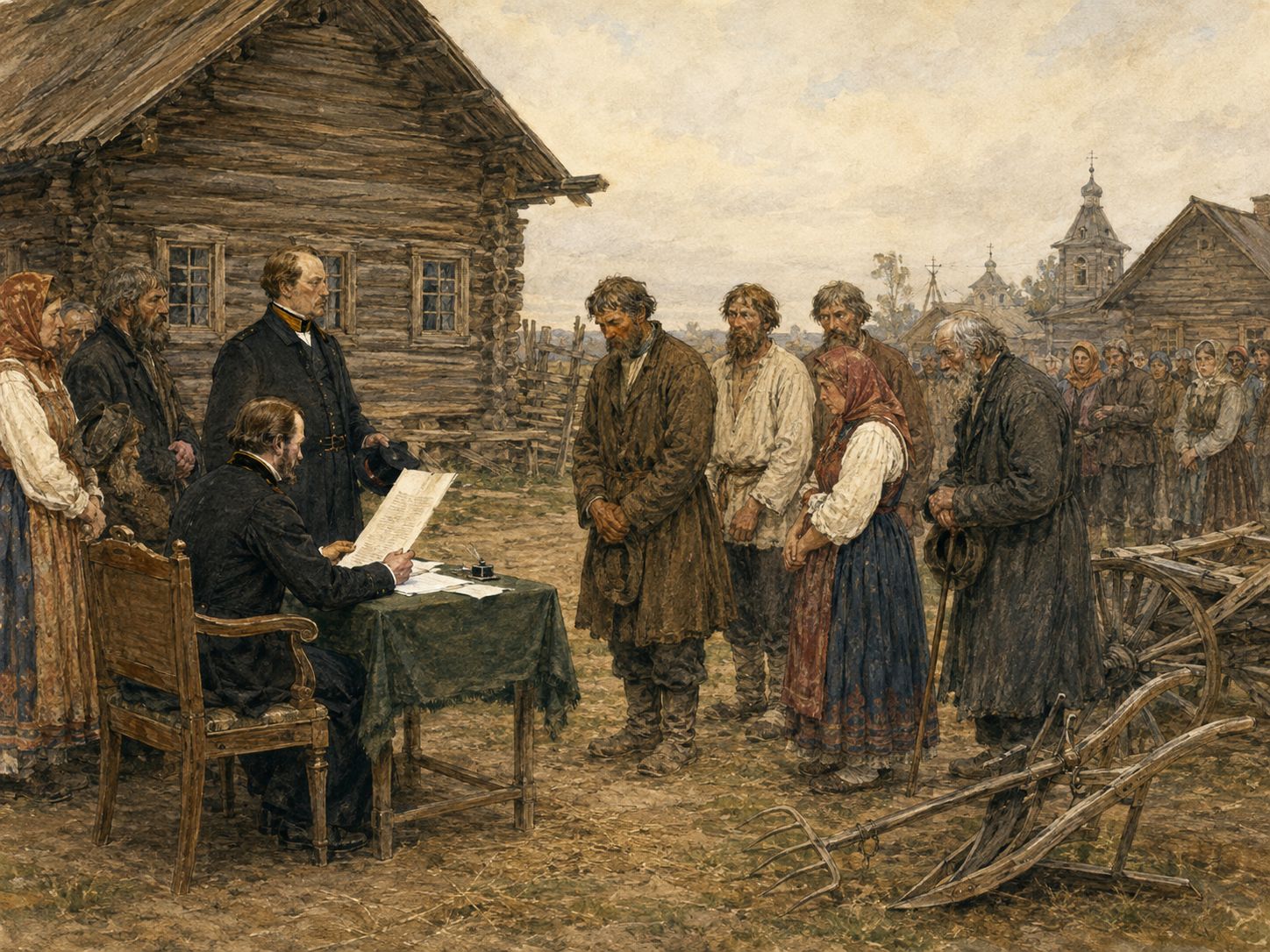
Alexander II’s reform legally abolished serfdom and began a reorganization of rural society and land relations. The choices of the participating powers and responses of local communities shaped the course.
- Alexander II’s reform legally abolished serfdom and began a reorganization of rural society and land relations.
- The change unfolded through decisions by rulers, institutions, and local communities.
- Conditions behind the action: In and around the Russian Empire, the setting took shape as Alexander II’s reform legally abolished serfdom and began a reorganization of rural society and land relations.
Outcome
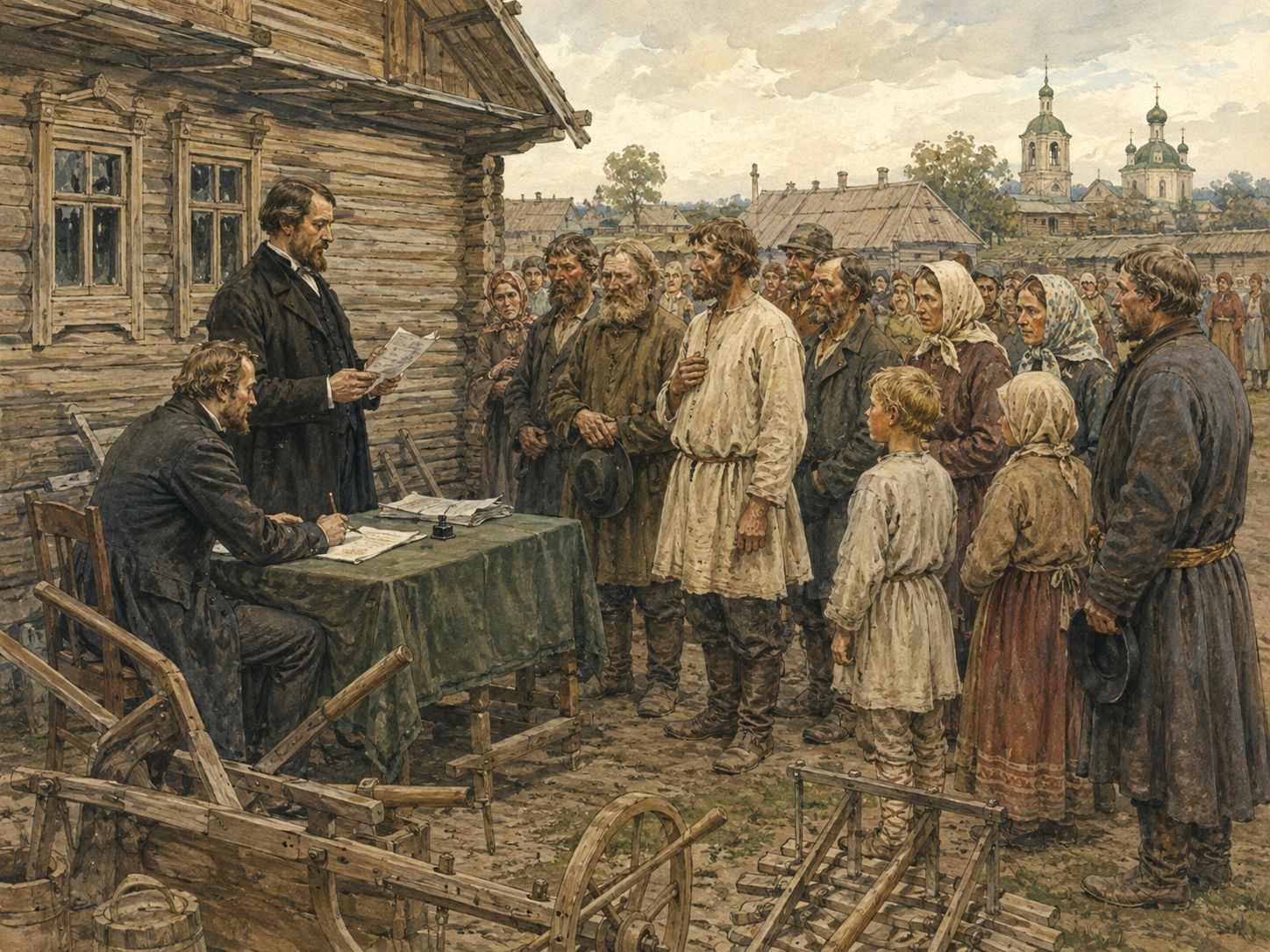
As a result, The reform advanced modernization while leaving grievances over land shortages and redemption payments.
- The reform advanced modernization while leaving grievances over land shortages and redemption payments.
- Process producing the result: Alexander II’s reform legally abolished serfdom and began a reorganization of rural society and land relations. The change unfolded through decisions by rulers, institutions, and local communities.
- Question carried forward: In the longer term, the reform advanced modernization while leaving grievances over land shortages and redemption payments.
Historical significance
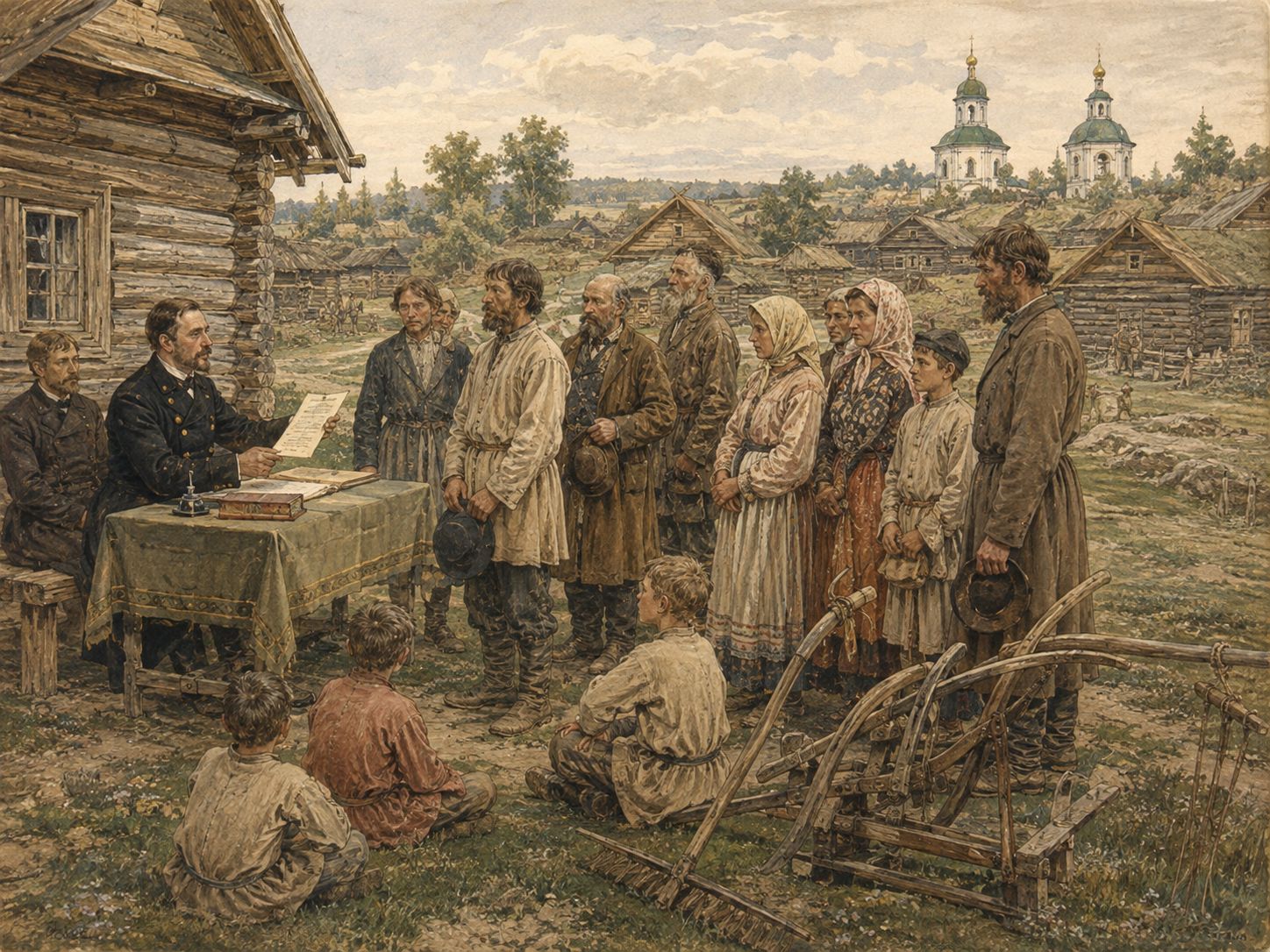
The significance of this event lies in the fact that the reform advanced modernization while leaving grievances over land shortages and redemption payments.
- In the longer term, the reform advanced modernization while leaving grievances over land shortages and redemption payments.
- Immediate consequence: The reform advanced modernization while leaving grievances over land shortages and redemption payments.
- Historical turning point: Alexander II’s reform legally abolished serfdom and began a reorganization of rural society and land relations.


Related events
1853
Crimean War exposes imperial weakness
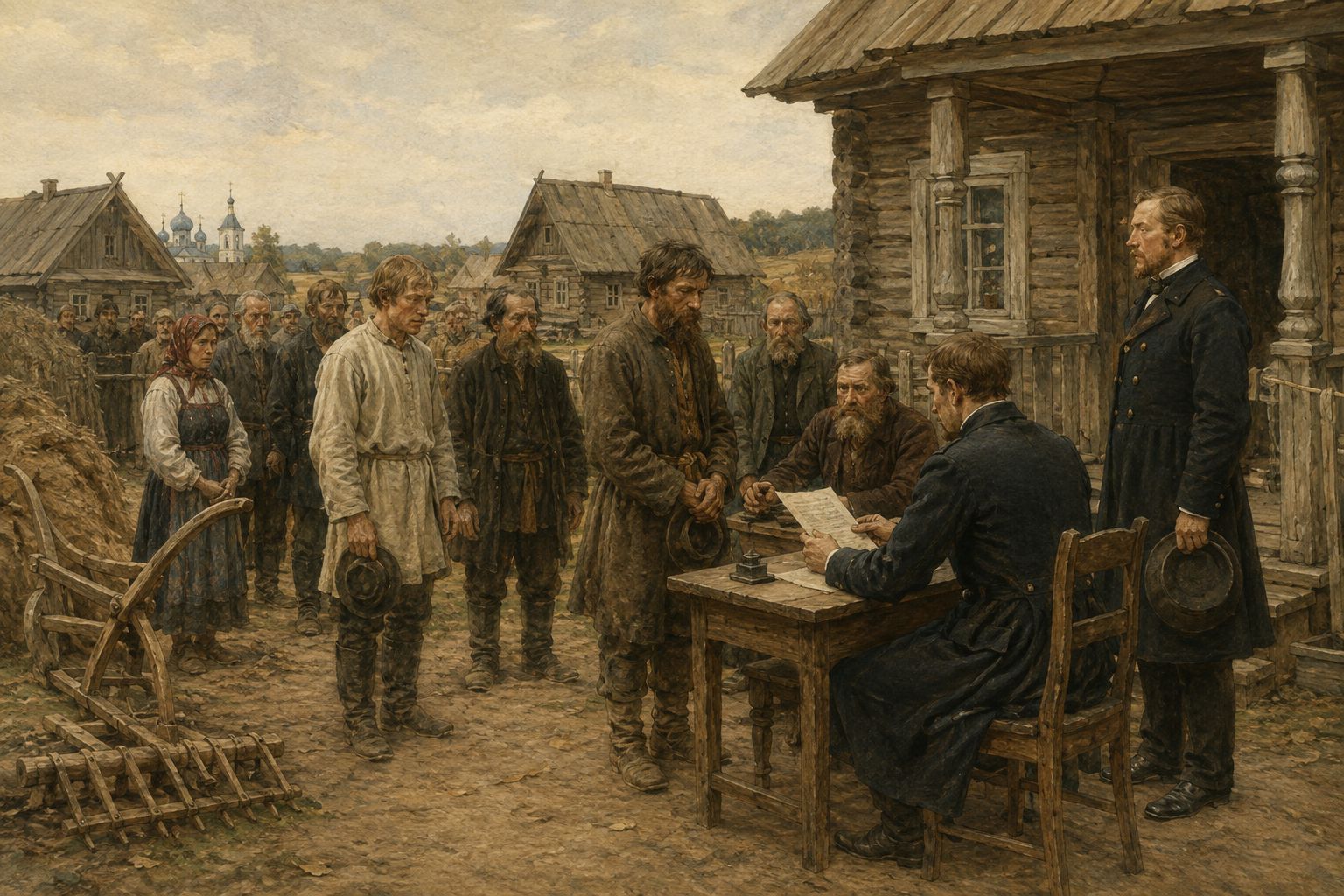
Crimean War exposes imperial weakness — In and around the Russian Empire, the setting took shape as Alexander II’s reform legally abolished serfdom and began a reorganization of rural society and land relations.
1857
Rescript begins formal emancipation planning
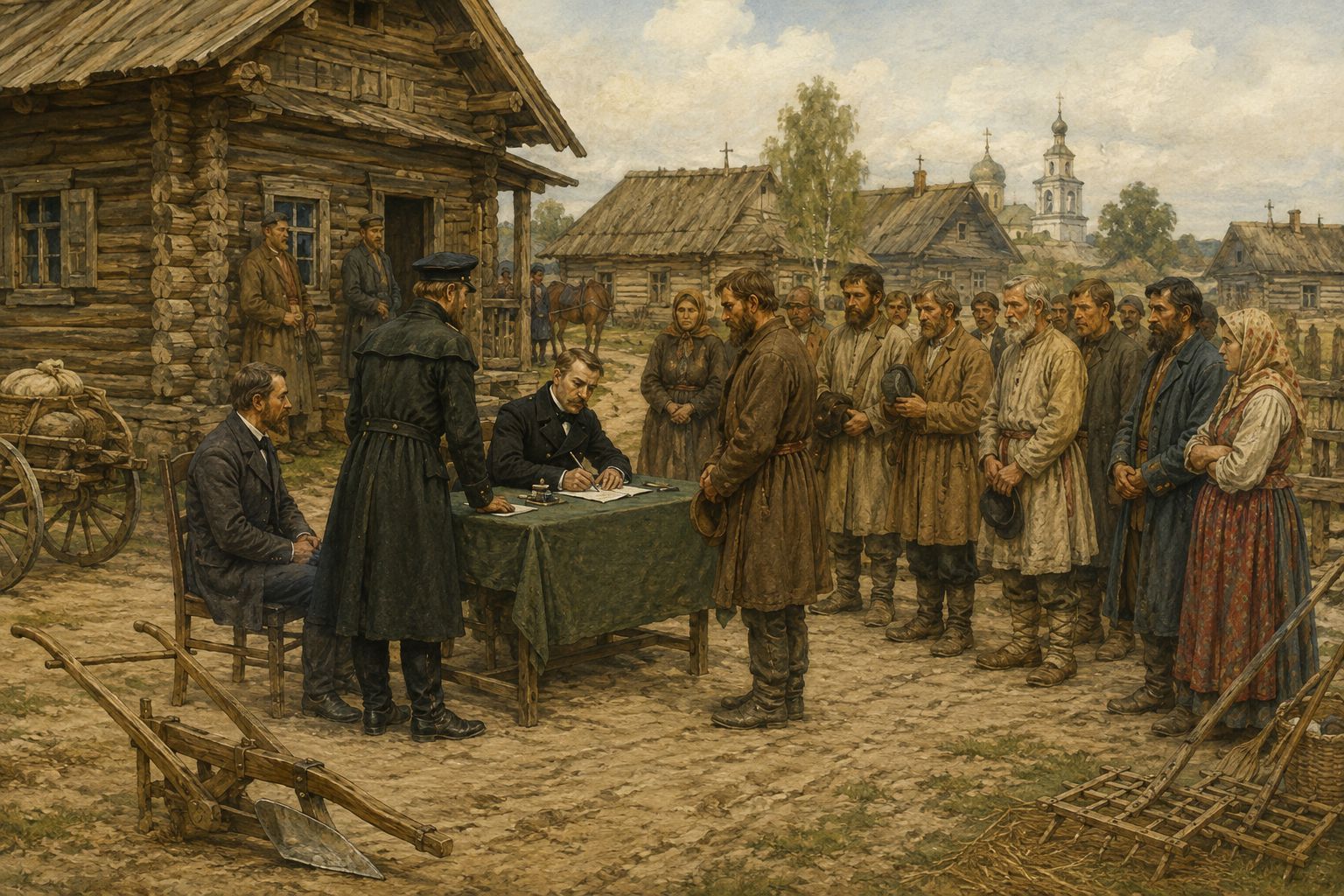
Rescript begins formal emancipation planning — Alexander II’s reform legally abolished serfdom and began a reorganization of rural society and land relations. The change unfolded through decisions by rulers, institutions, and local communities.
1861
Emancipation Manifesto issued
Current event
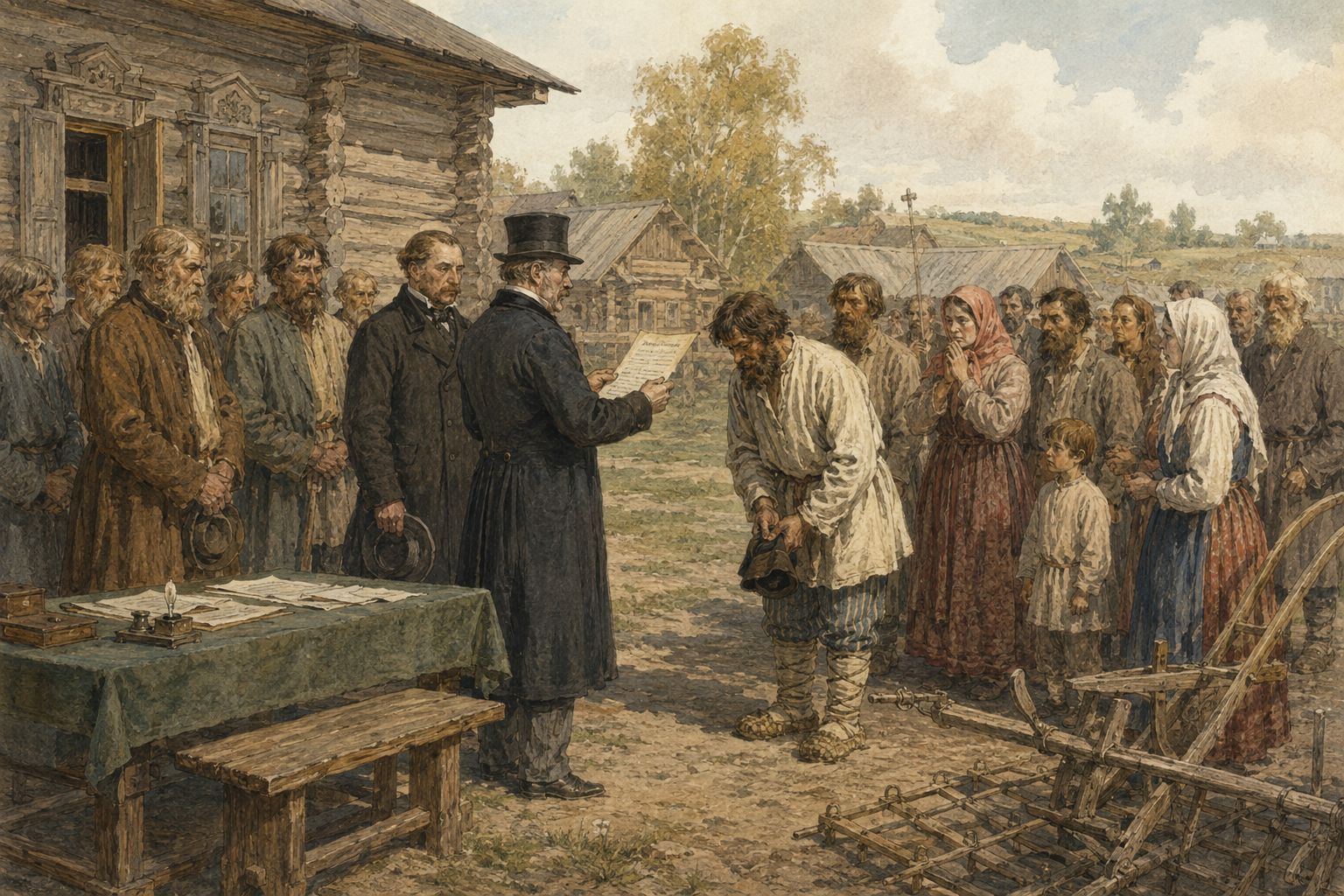
Emancipation Manifesto issued — Alexander II’s reform legally abolished serfdom and began a reorganization of rural society and land relations.
1863
Reform terms extend across the empire
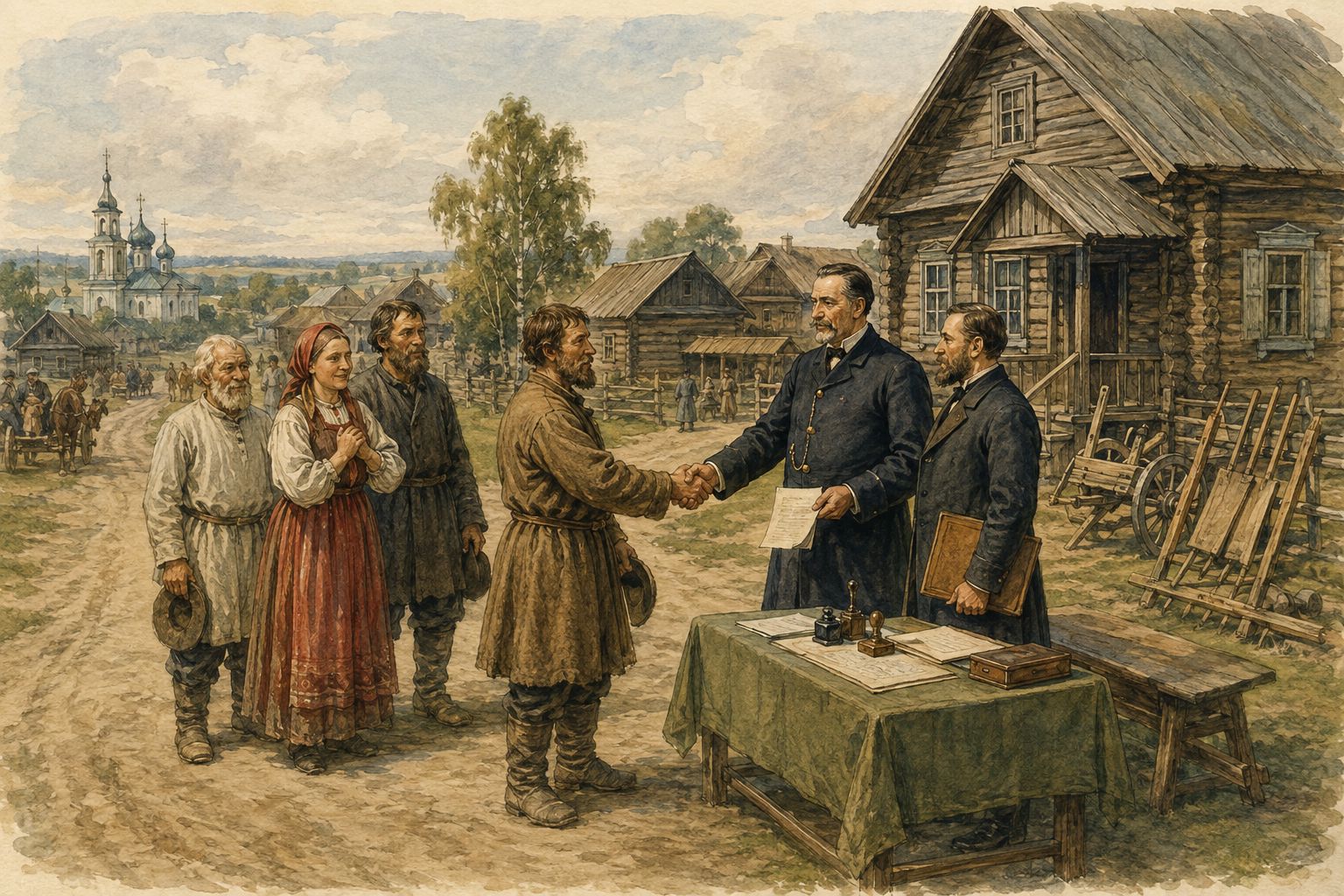
Reform terms extend across the empire — The reform advanced modernization while leaving grievances over land shortages and redemption payments.
1907
Redemption payments abolished
Redemption payments abolished — In the longer term, the reform advanced modernization while leaving grievances over land shortages and redemption payments.


Sources
- Emancipation of the Russian Serfs — Timeline (Daiichi Gakushusha)www.daiichi-g.co.jpThis Daiichi Gakushusha resource supports the chronology, setting, and course of Emancipation of the Russian Serfs.
- Emancipation of the Russian Serfs — Emancipation Of The Russian Serfs (Encyclopaedia Britannica)www.britannica.comThis Encyclopaedia Britannica resource supports the chronology, setting, and course of Emancipation of the Russian Serfs.
- Emancipation of the Russian Serfs — Emancipation Of The Russian Serfs (Wikidata)www.wikidata.orgThis Wikidata resource supports the chronology, setting, and course of Emancipation of the Russian Serfs.