
Formation of the Hellenistic Successor Kingdoms
c. 323 BC–c. 301 BC
After Alexander the Great died in 323 BCE, his generals divided the conquered territories and formed the kingdoms of the Hellenistic age.

- Period
- c. 323 BC–c. 301 BC
- Kind
- War
- Regions
- East Asia
- Keywords
- Diadochi · successor wars · Hellenism · dynasties · cities
Follow the story · Four stages
Background
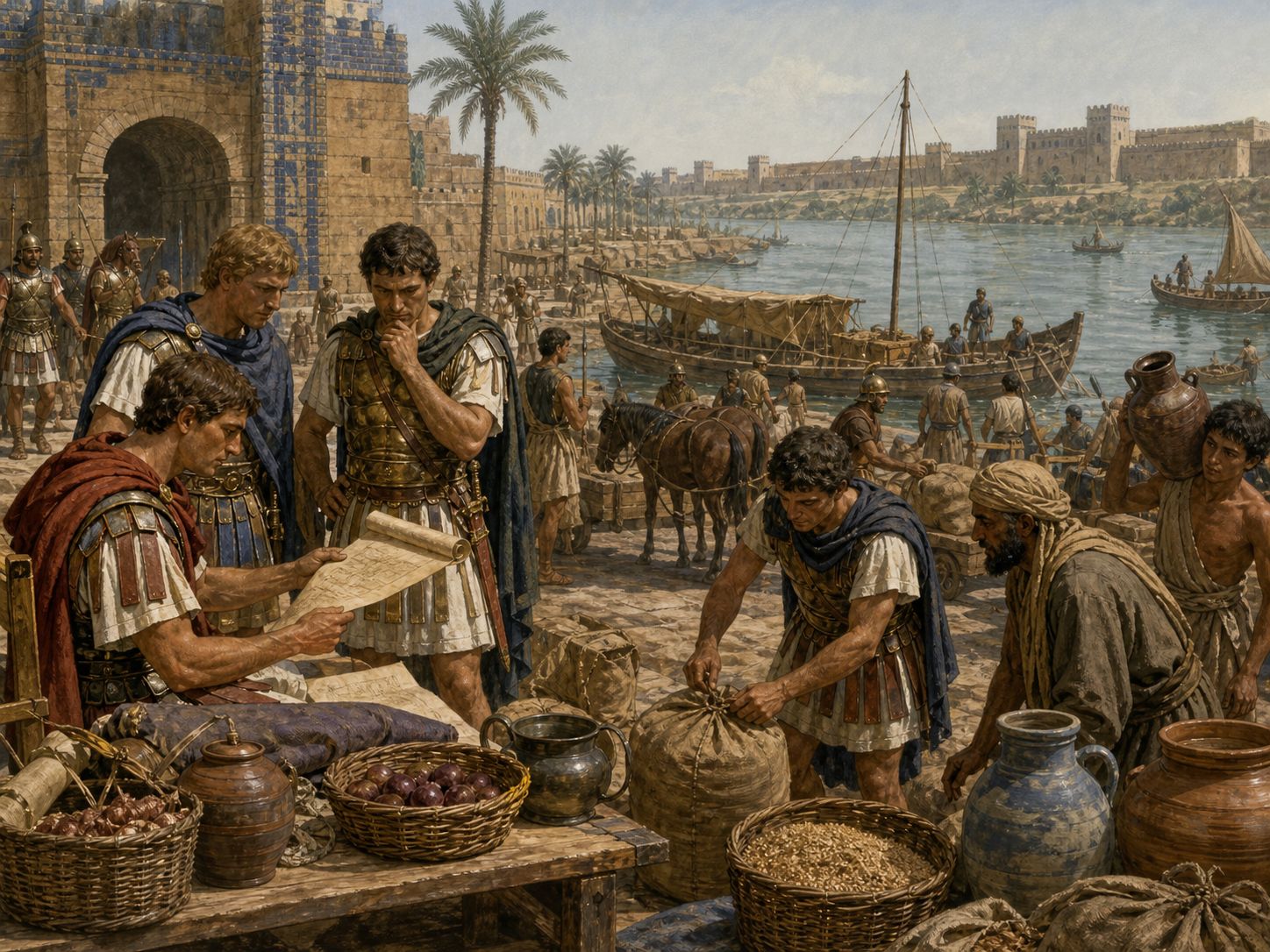
The Macedonian king's sudden death left a succession crisis, and commanders and satraps competed for royal authority and territory.
- The king’s sudden death created a succession crisis without an uncontested adult heir
- Generals and satraps competed over royal authority and territorial assignments
- Politics in regions from Babylon to the Mediterranean became tightly connected
Course
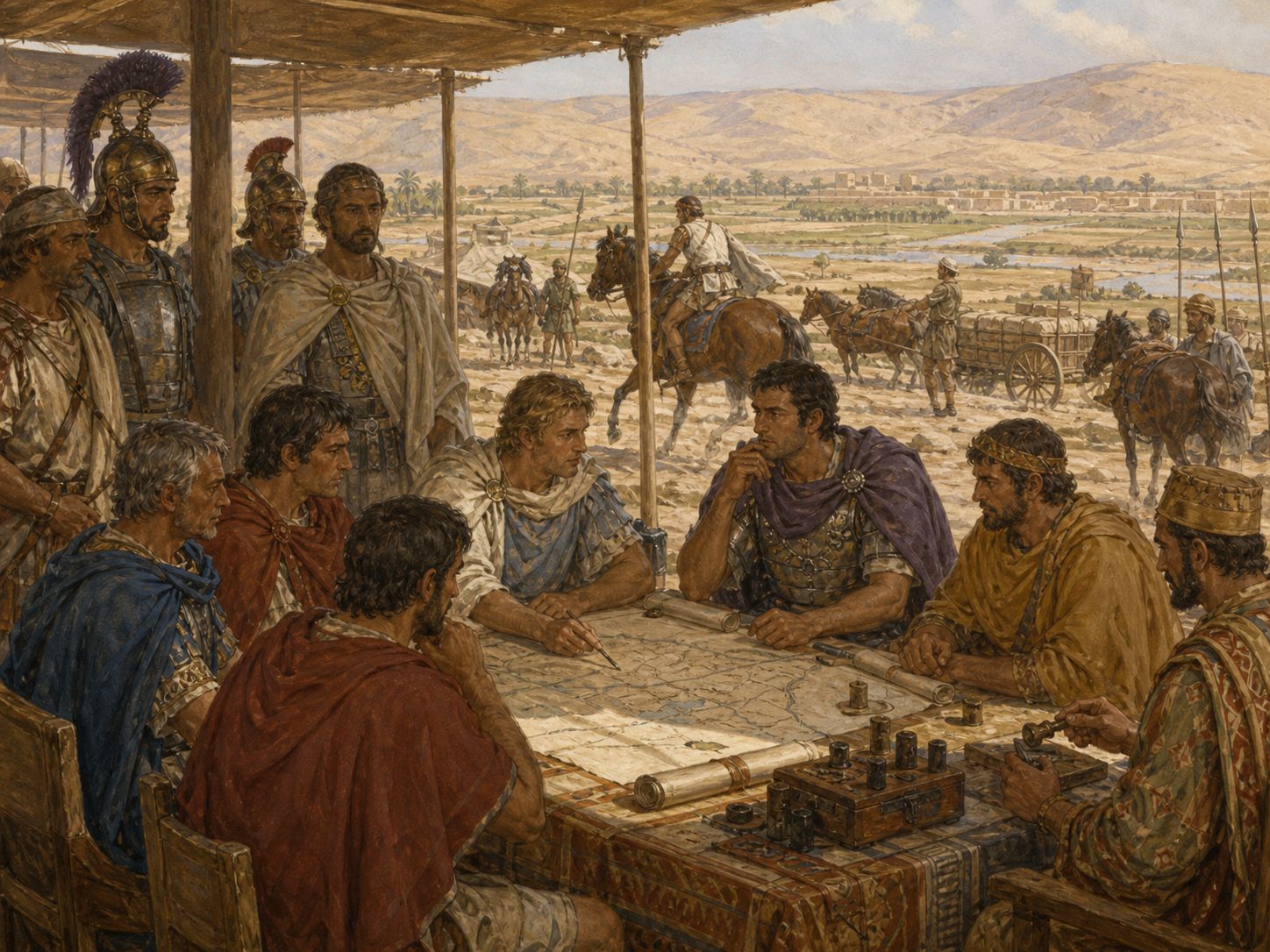
Regents and generals alternated between treaties and wars, while Ptolemaic Egypt, the Seleucid realm in Syria and western Asia, and Antigonid Macedonia took shape.
- Regents and commanders alternated between agreements and armed conflict
- The Triparadeisos settlement rearranged satrapies and military appointments
- Dynastic bases consolidated around Egypt and Syria
Outcome
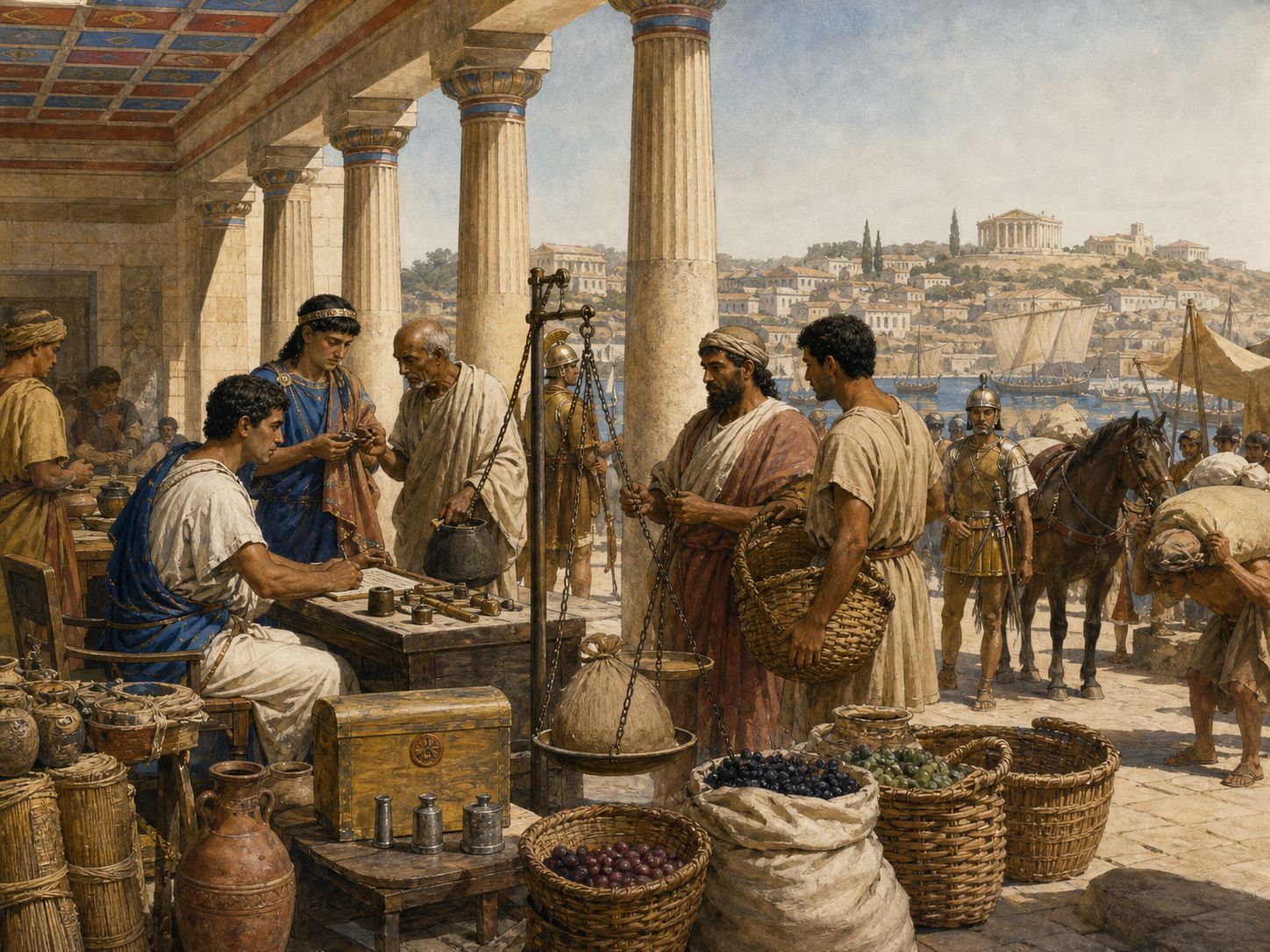
After the Battle of Ipsus in 301 BCE, imperial unity had disappeared and several dynastic states stood across the eastern Mediterranean and western Asia.
- Imperial unity was lost after Ipsus in 301 BCE
- Ptolemaic, Seleucid, and Antigonid dynasties stood alongside one another
- Cities and courts supported regional administration and exchange
Historical significance
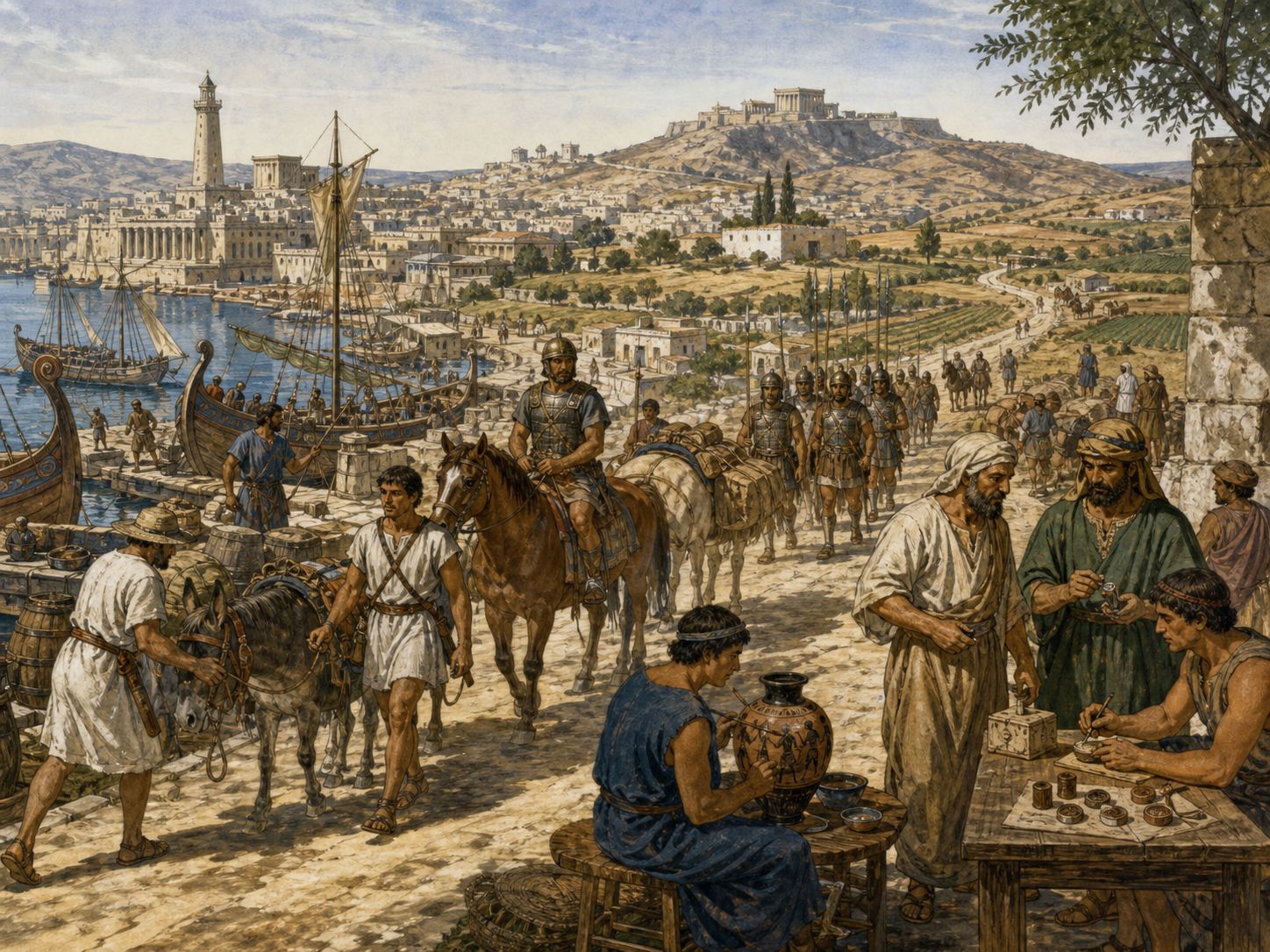
Political fragmentation helped create a Hellenistic world in which Greek language, cities, trade, and royal patronage circulated across regions without erasing local traditions.
- Greek language and urban institutions mediated long-distance exchange
- Dynastic competition overlapped with local traditions rather than erasing them
- The Hellenistic world became a space of simultaneous fragmentation and connection


Related events
323 BC
The empire fractures
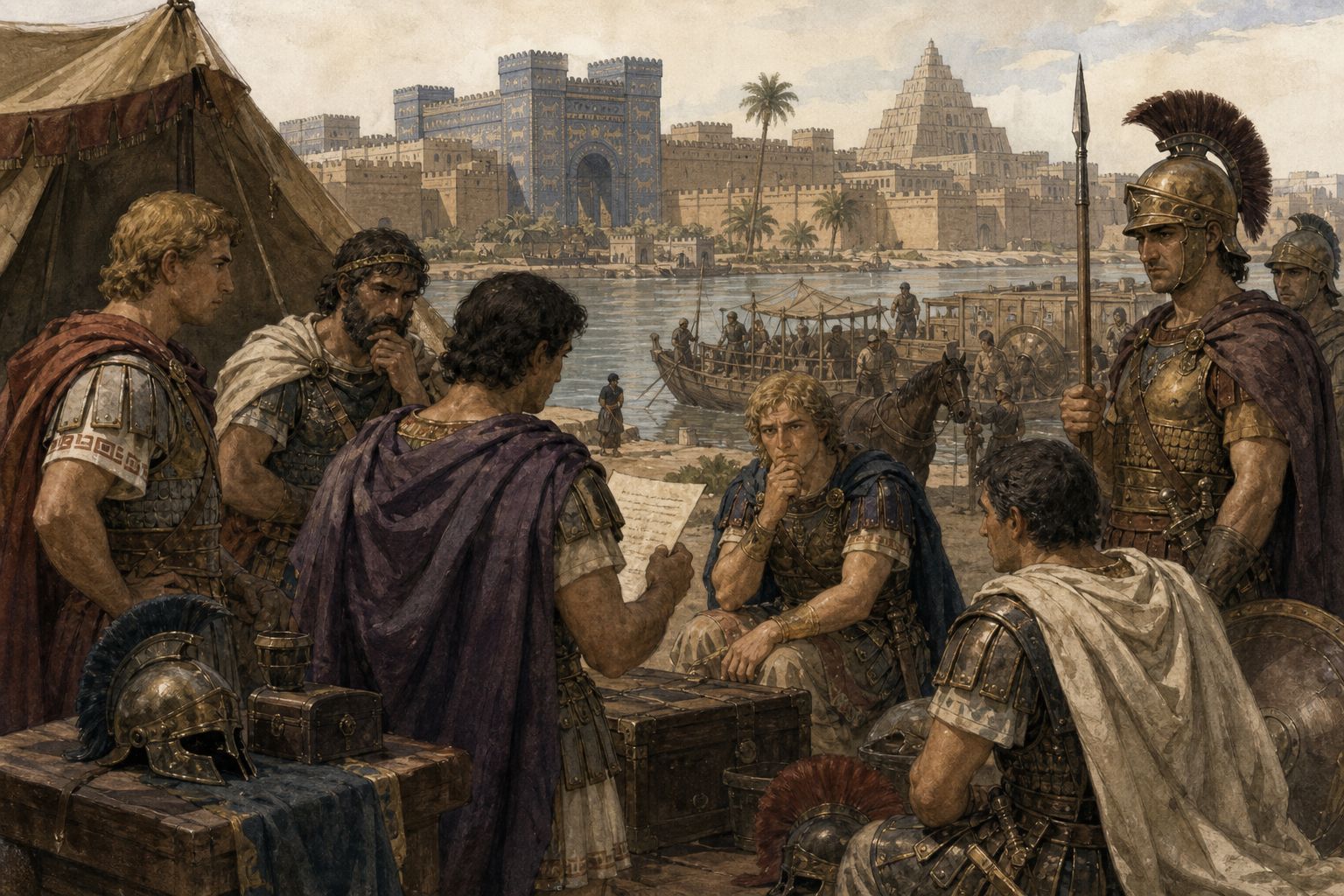
Alexander’s death in 323 BCE opened a succession crisis over the throne and conquered territories.
321 BC
Triparadeisos settlement
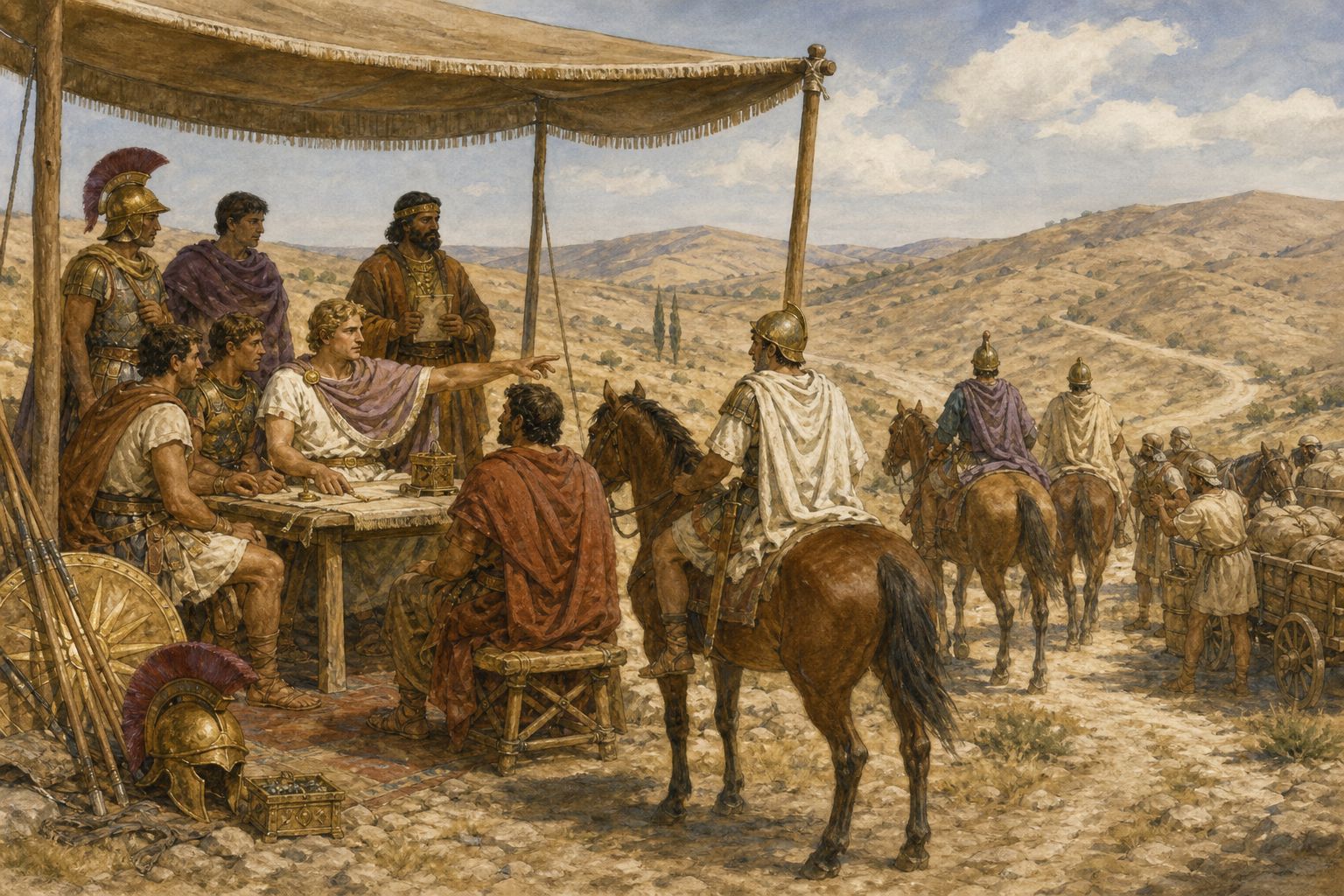
In 321 BCE, commanders rearranged satrapies and armies in an attempt to stabilize the contest.
315 BC
The Antigonid challenge
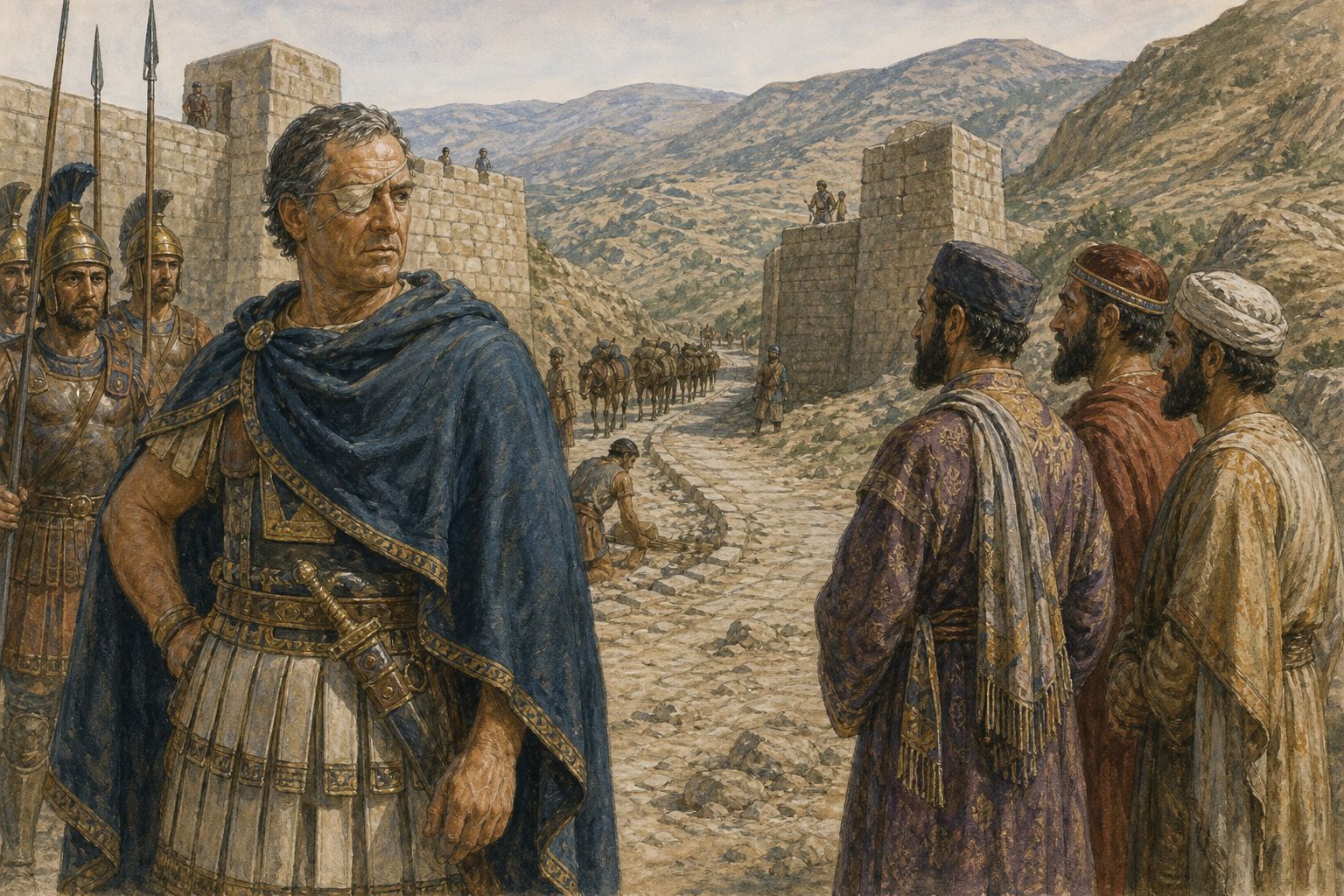
Competing military power and royal claims made the preservation of imperial unity increasingly difficult.
305 BC–301 BC
Seleucid–Ptolemaic rivalry
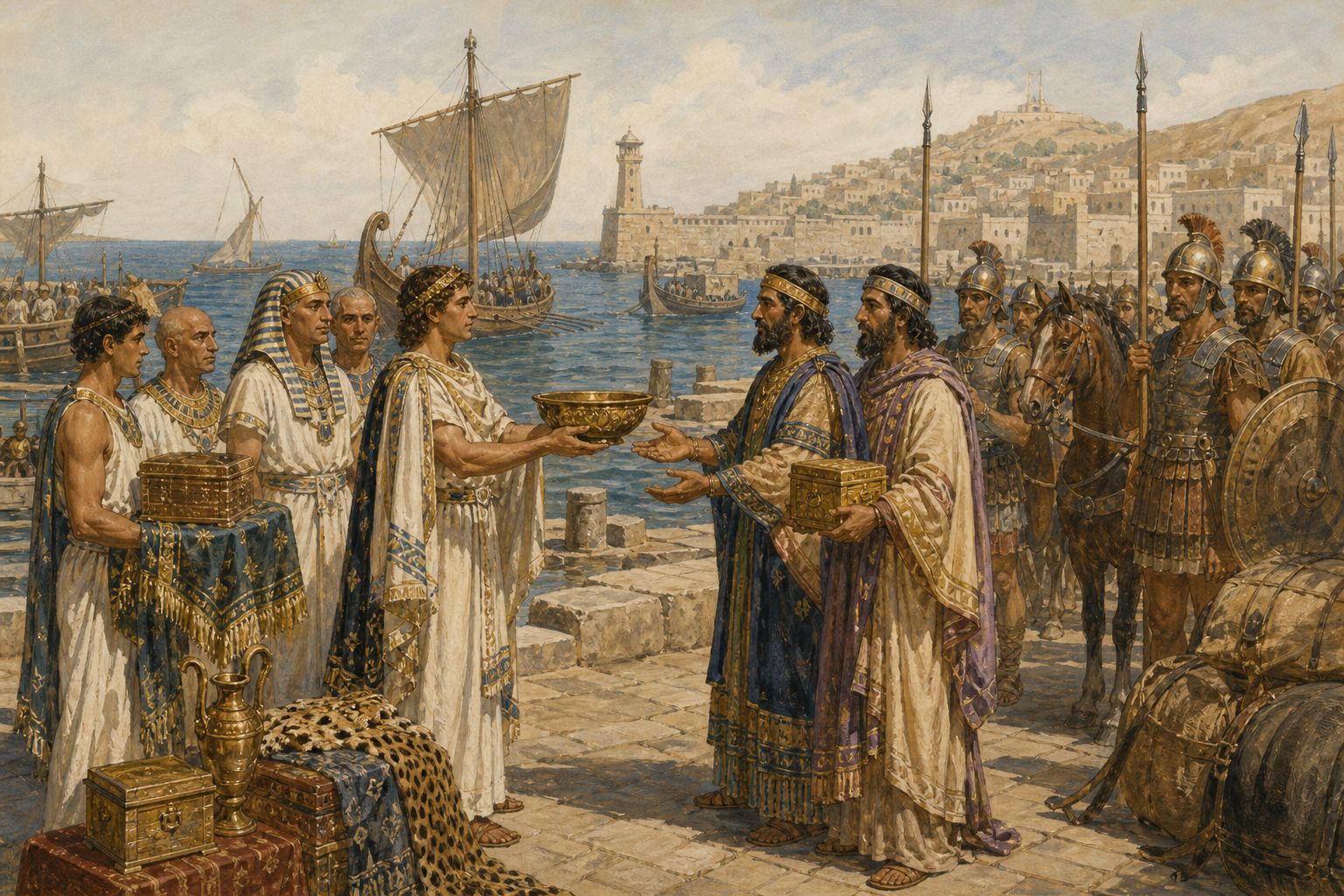
Dynasties based in Syria and Egypt competed across the eastern Mediterranean and western Asia.
c. 323 BC–c. 30 BC
The Hellenistic world
Current event
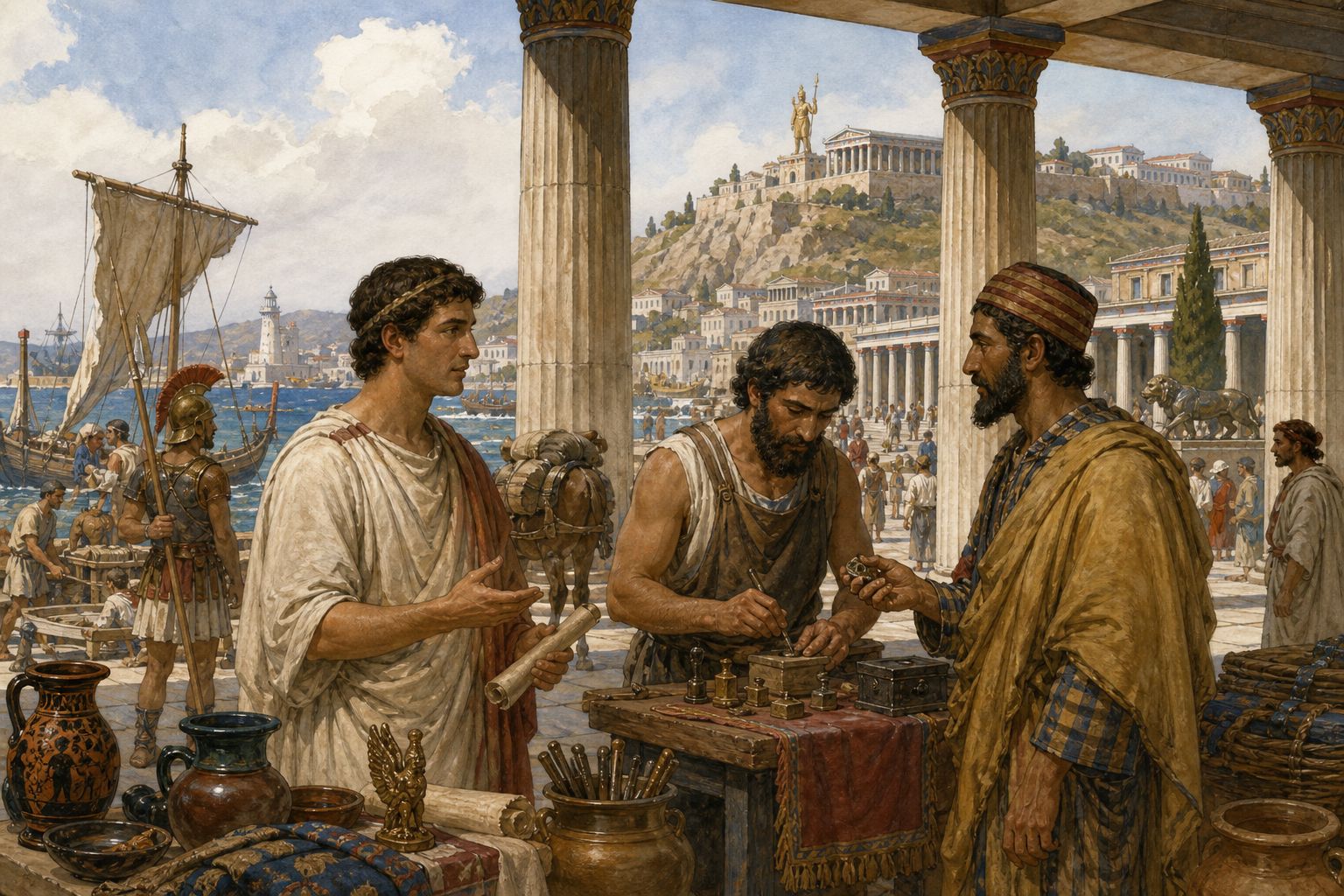
Cities and courts in separate kingdoms carried people, goods, and languages across regions.


Sources
- Alexander's Successor KingdomsEncyclopaedia BritannicaA reference overview of the succession crisis and the formation of successor dynasties.
- Alexander's Successor KingdomsThe Metropolitan Museum of ArtAn art-history context for Hellenistic cities, dynasties, and cultural exchange.
- Alexander's Successor KingdomsWorld History EncyclopediaA concise account of the Diadochi wars and the rise of Ptolemaic and Seleucid rule.