
Algerian Independence
1954–1962
From 1954 to 1962, the National Liberation Front fought French colonial rule and Algeria achieved independence.

- Period
- 1954–1962
- Kind
- Political event
- Regions
- Africa
- Keywords
- Algerian Independence · political event · contemporary · africa
Follow the story · Four stages
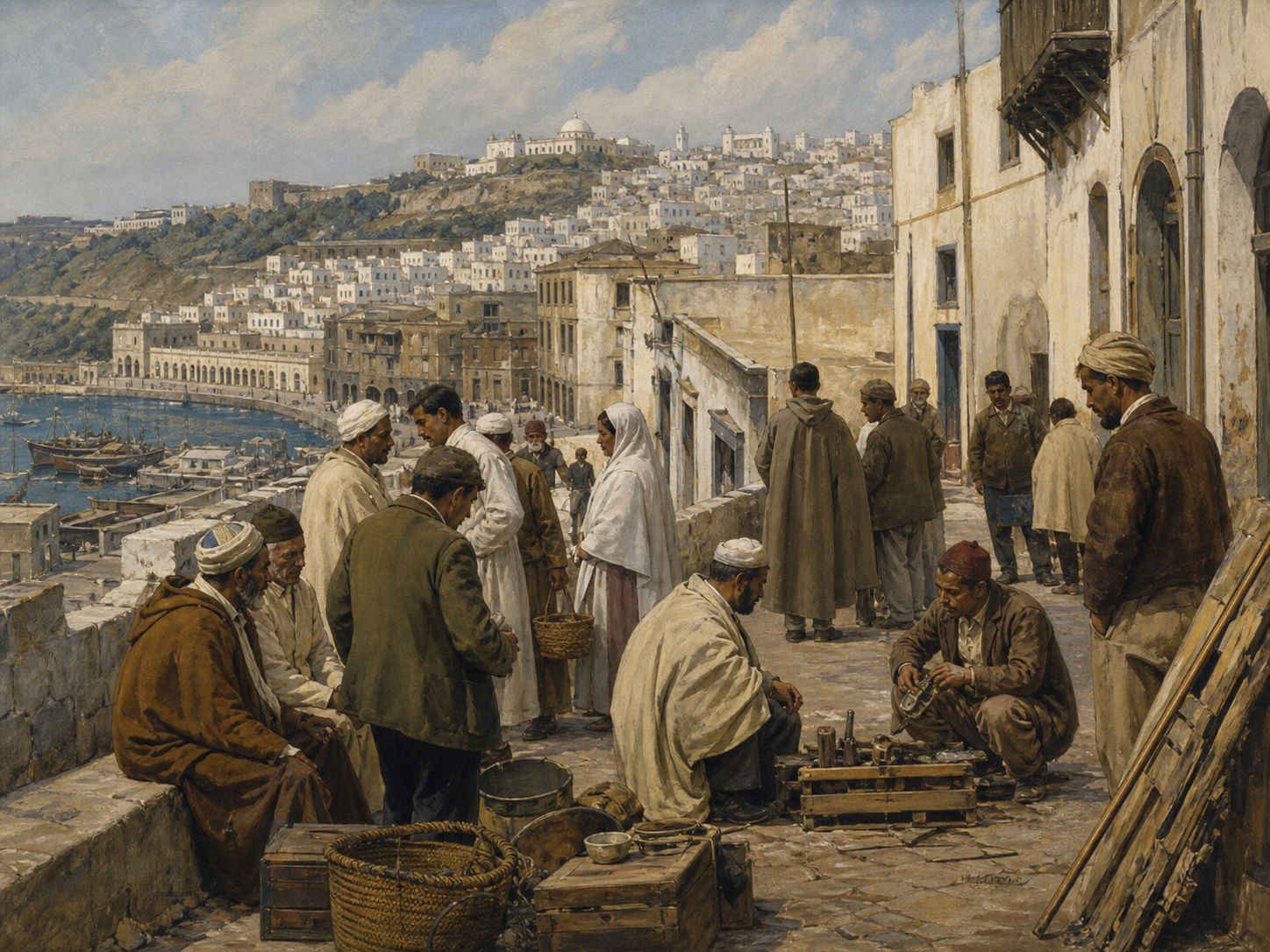
Background
Settler rule, unequal land and citizenship, and postwar self-determination strengthened the independence movement.
- Settler rule, unequal land and citizenship, and postwar self-determination strengthened the independence movement.
- Core event: From 1954 to 1962, the National Liberation Front fought French colonial rule and Algeria achieved independence.
- Connection to the next stage: The FLN combined rural guerrilla warfare, urban networks, and diplomacy abroad while facing French counterinsurgency and torture.
Course
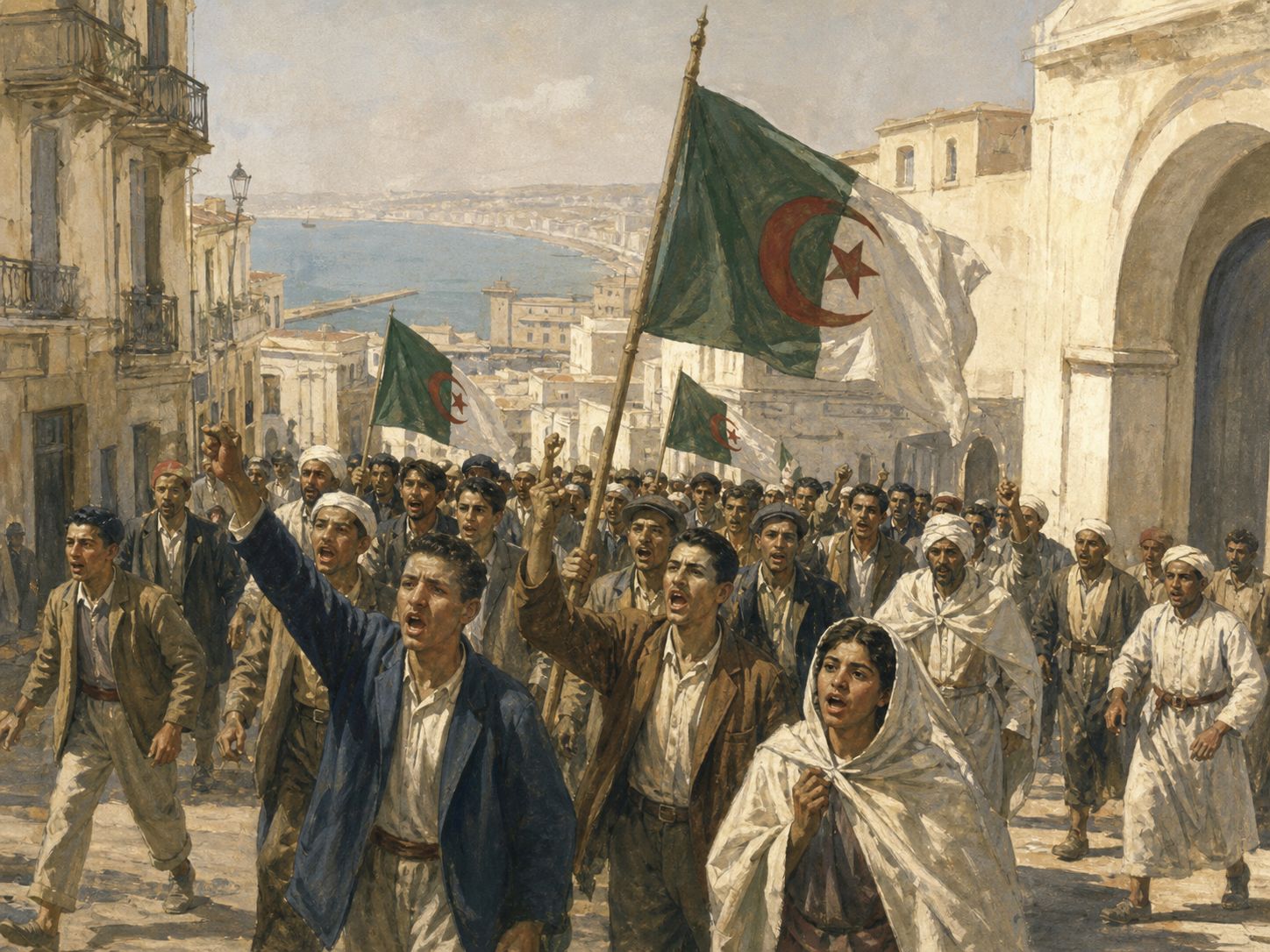
The FLN combined rural guerrilla warfare, urban networks, and diplomacy abroad while facing French counterinsurgency and torture.
- The FLN combined rural guerrilla warfare, urban networks, and diplomacy abroad while facing French counterinsurgency and torture.
- Conditions behind the action: Settler rule, unequal land and citizenship, and postwar self-determination strengthened the independence movement.
- Meaning of the turning point: From 1954 to 1962, the National Liberation Front fought French colonial rule and Algeria achieved independence.
Outcome
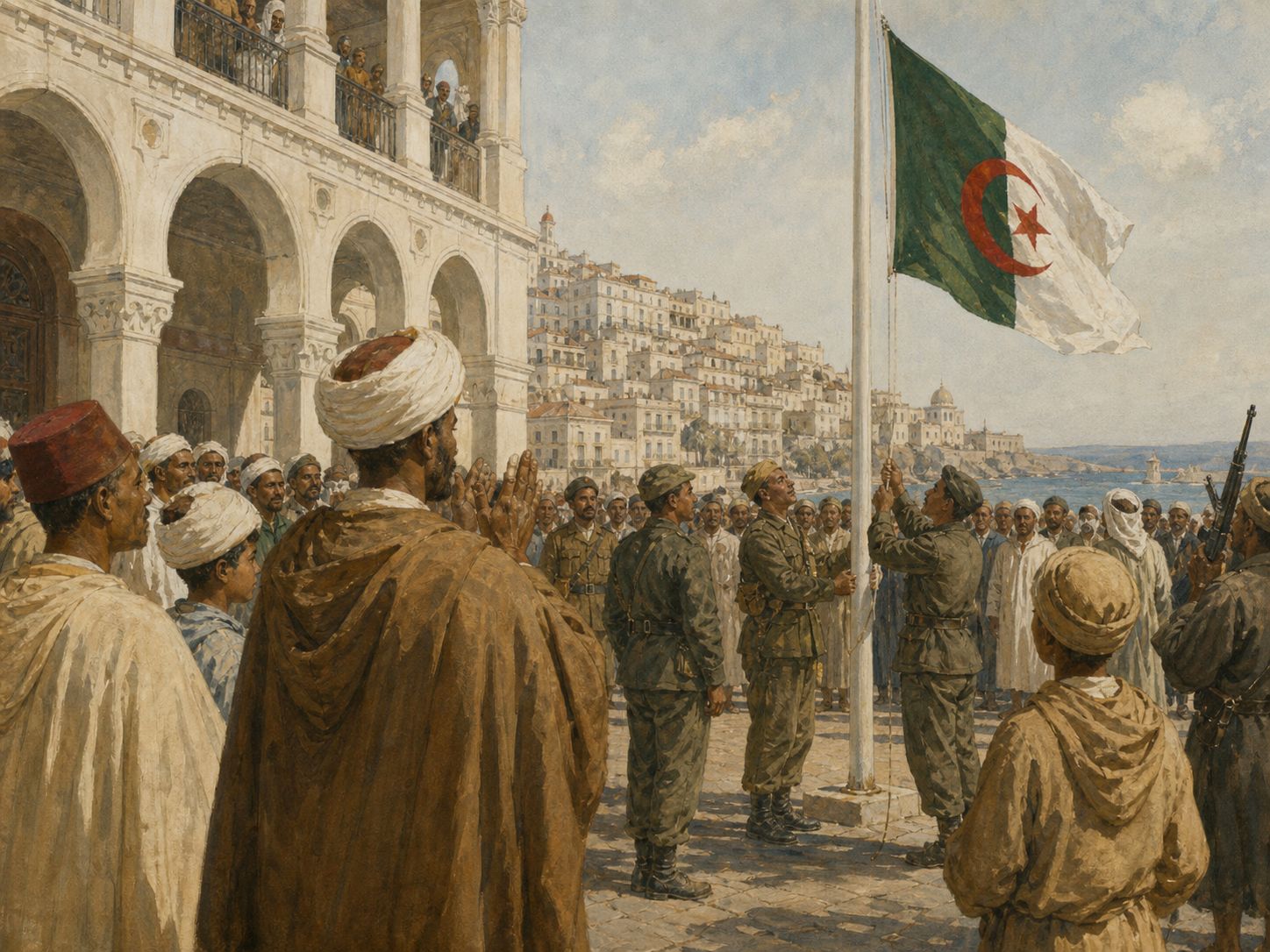
The Evian Accords and a 1962 referendum led to independence, followed by the departure of many European settlers.
- The Evian Accords and a 1962 referendum led to independence, followed by the departure of many European settlers.
- Process producing the result: The FLN combined rural guerrilla warfare, urban networks, and diplomacy abroad while facing French counterinsurgency and torture.
- Question carried forward: The war became a symbol of decolonization while leaving violence, displacement, and burdens of state-building.
Historical significance
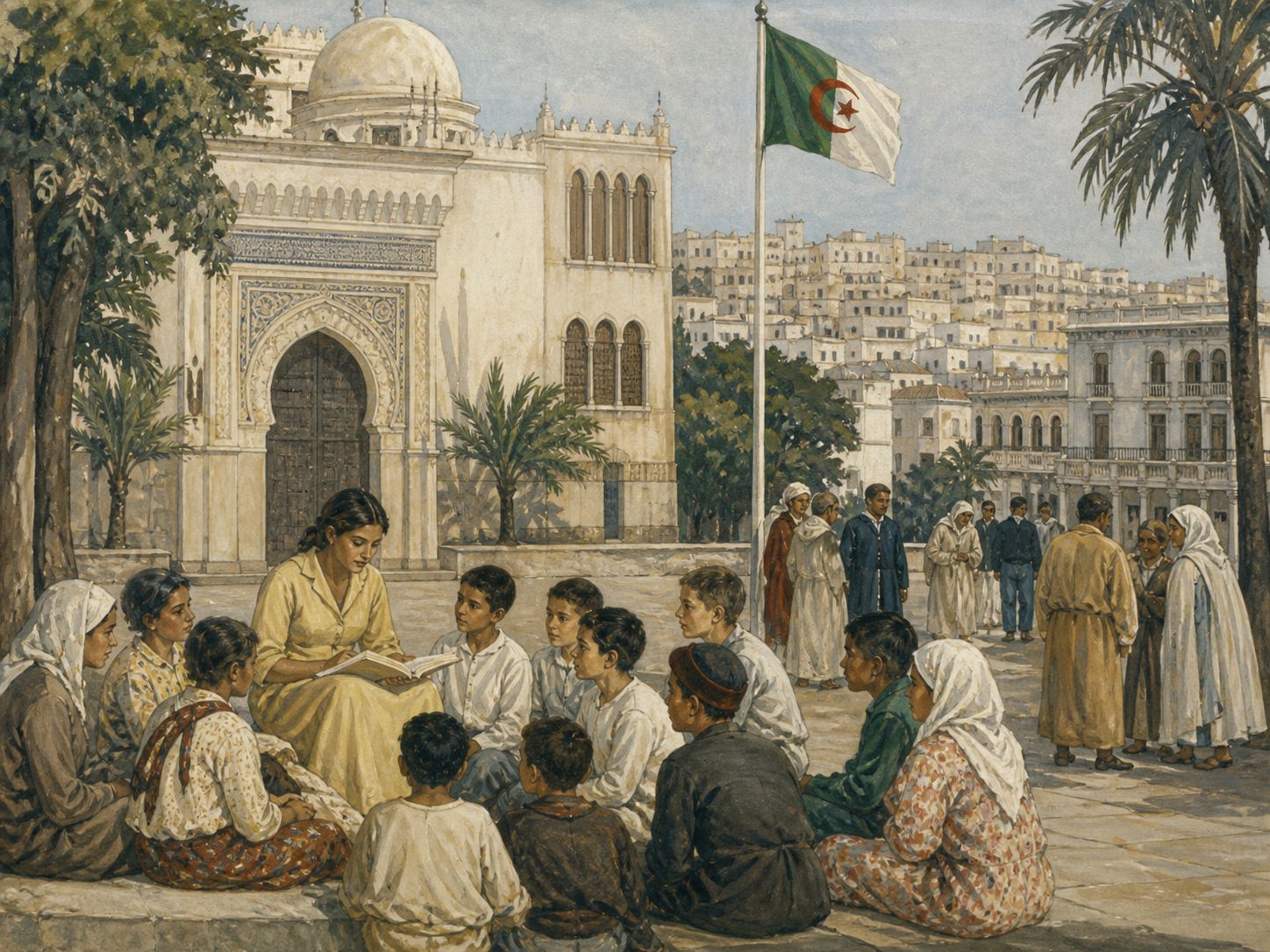
The war became a symbol of decolonization while leaving violence, displacement, and burdens of state-building.
- The war became a symbol of decolonization while leaving violence, displacement, and burdens of state-building.
- Immediate consequence: The Evian Accords and a 1962 referendum led to independence, followed by the departure of many European settlers.
- Historical turning point: From 1954 to 1962, the National Liberation Front fought French colonial rule and Algeria achieved independence.


Related events
c. 1954
Prelude
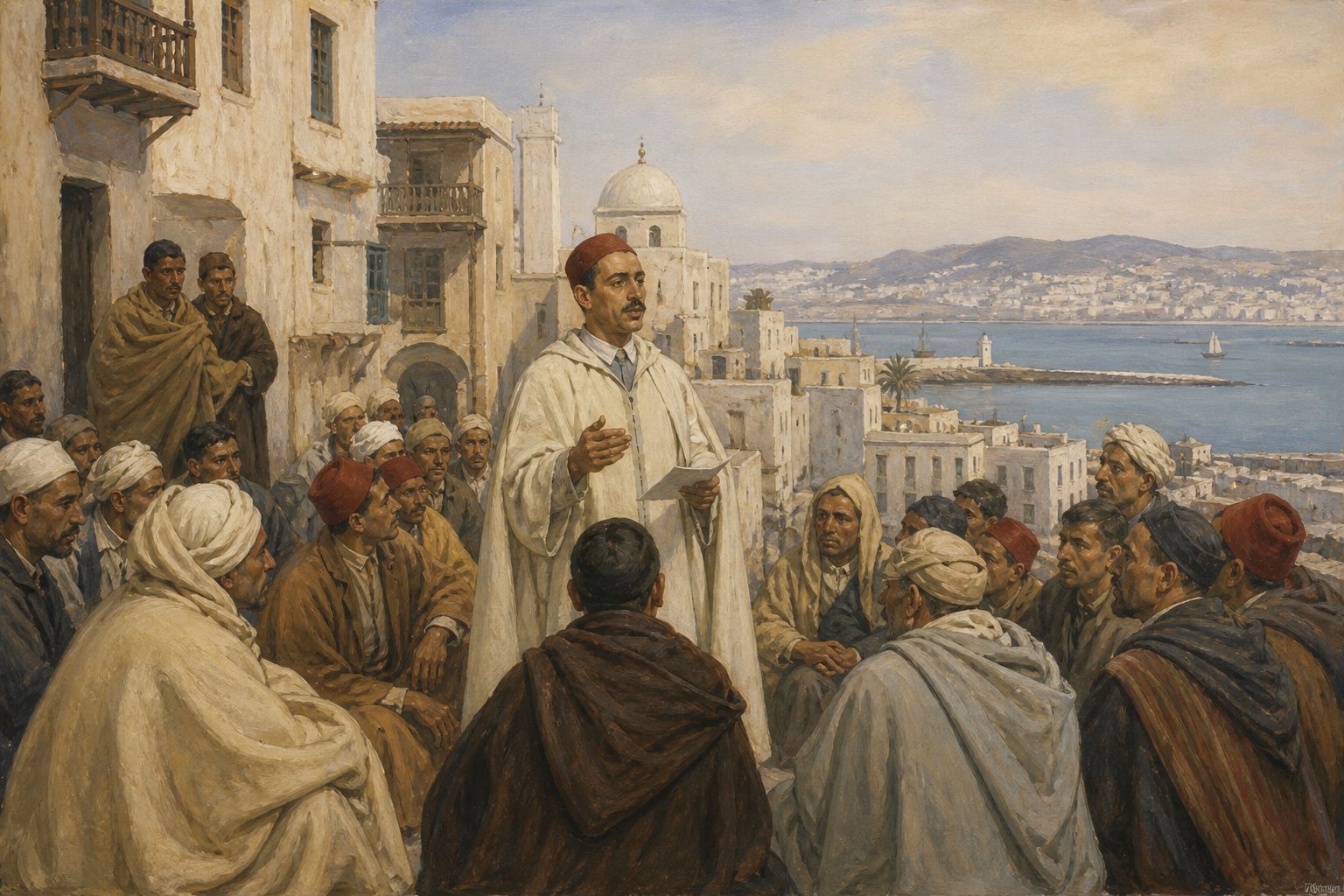
Prelude — Background: Settler rule, unequal land and citizenship, and postwar self-determination strengthened the independence movement.
c. 1954
Turning point
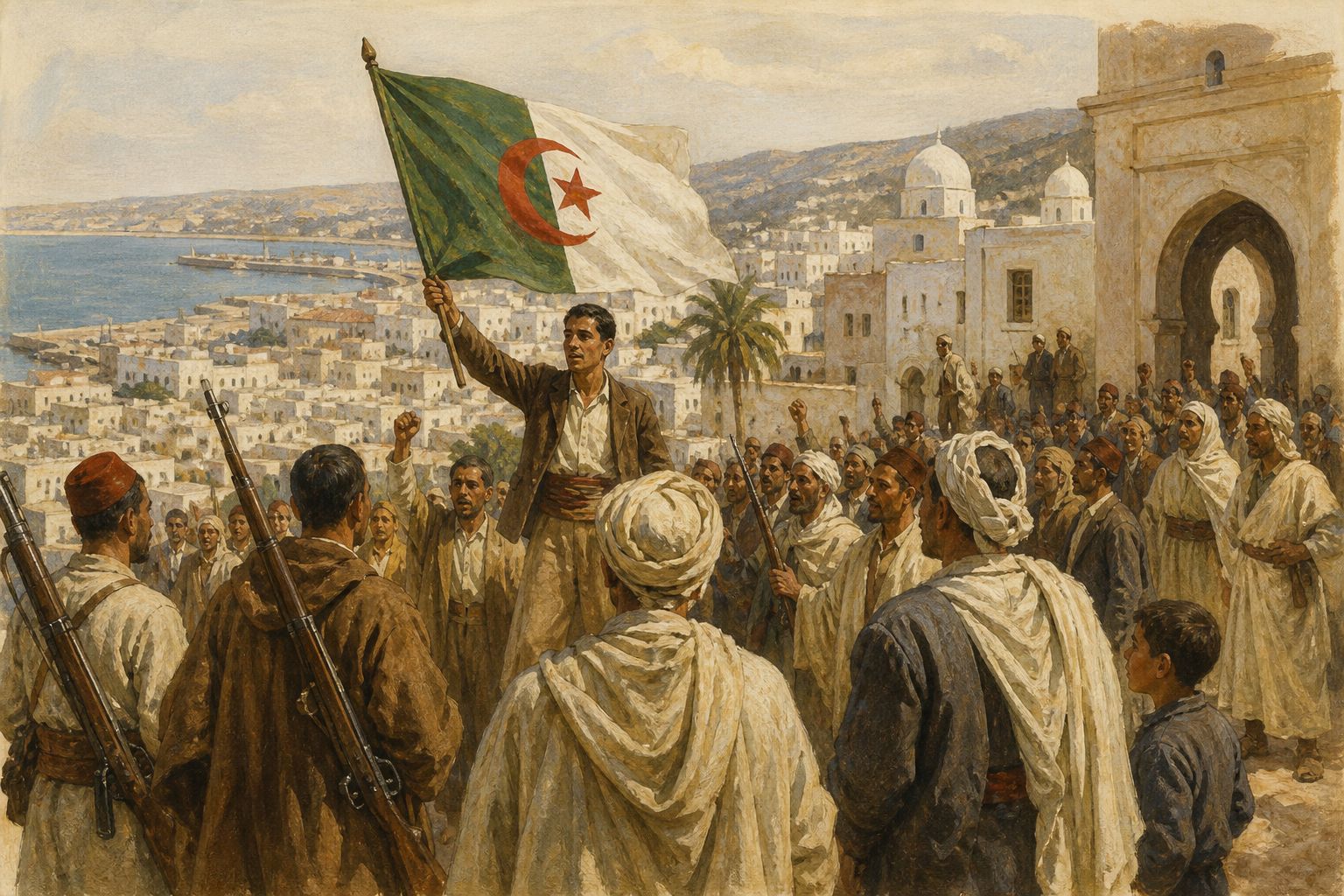
Turning point — Build-up: The FLN combined rural guerrilla warfare, urban networks, and diplomacy abroad while facing French counterinsurgency and torture.
1954–1962
Current phase
Current event
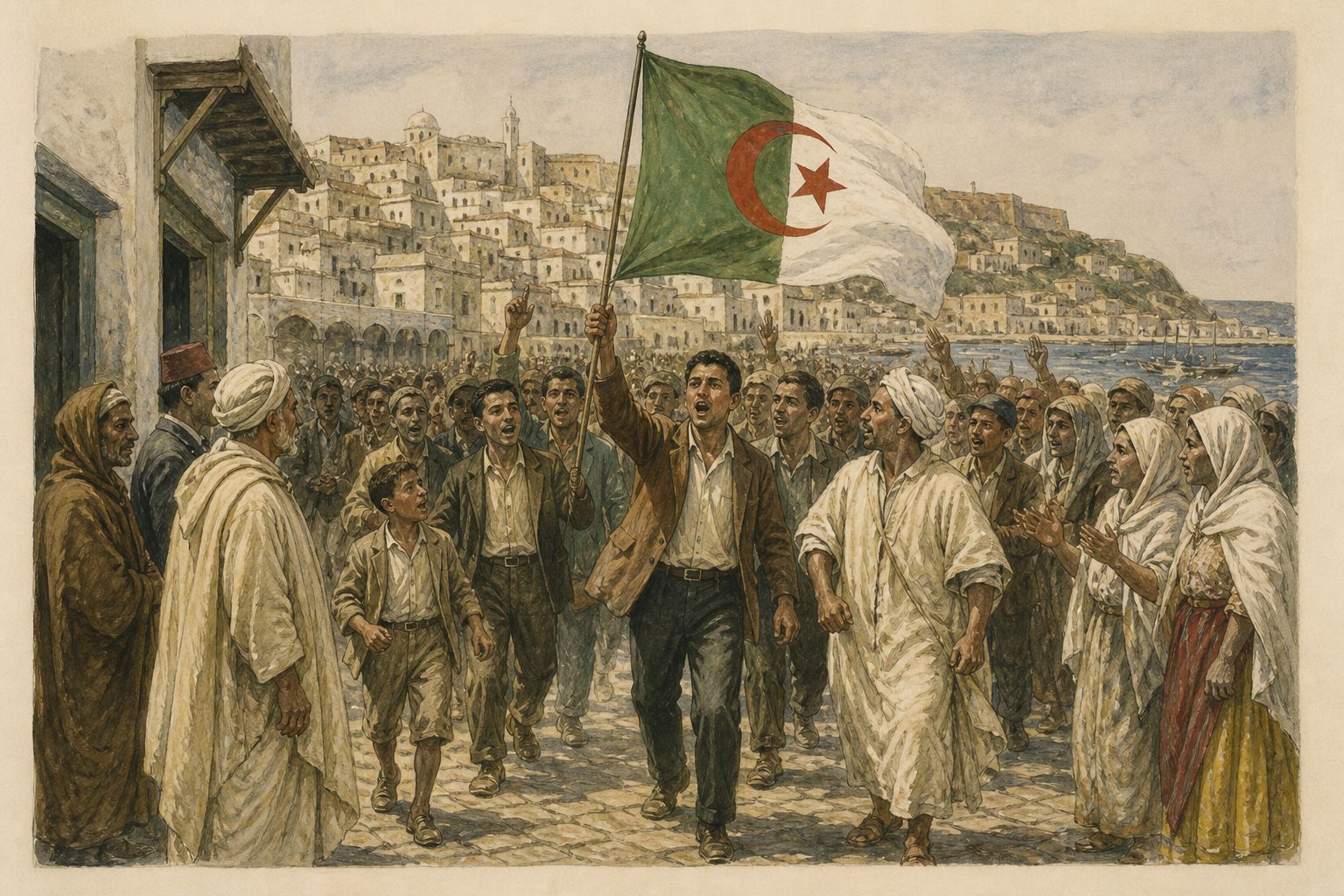
Current phase — Central transition: From 1954 to 1962, the National Liberation Front fought French colonial rule and Algeria achieved independence.
c. 1963
Immediate aftermath
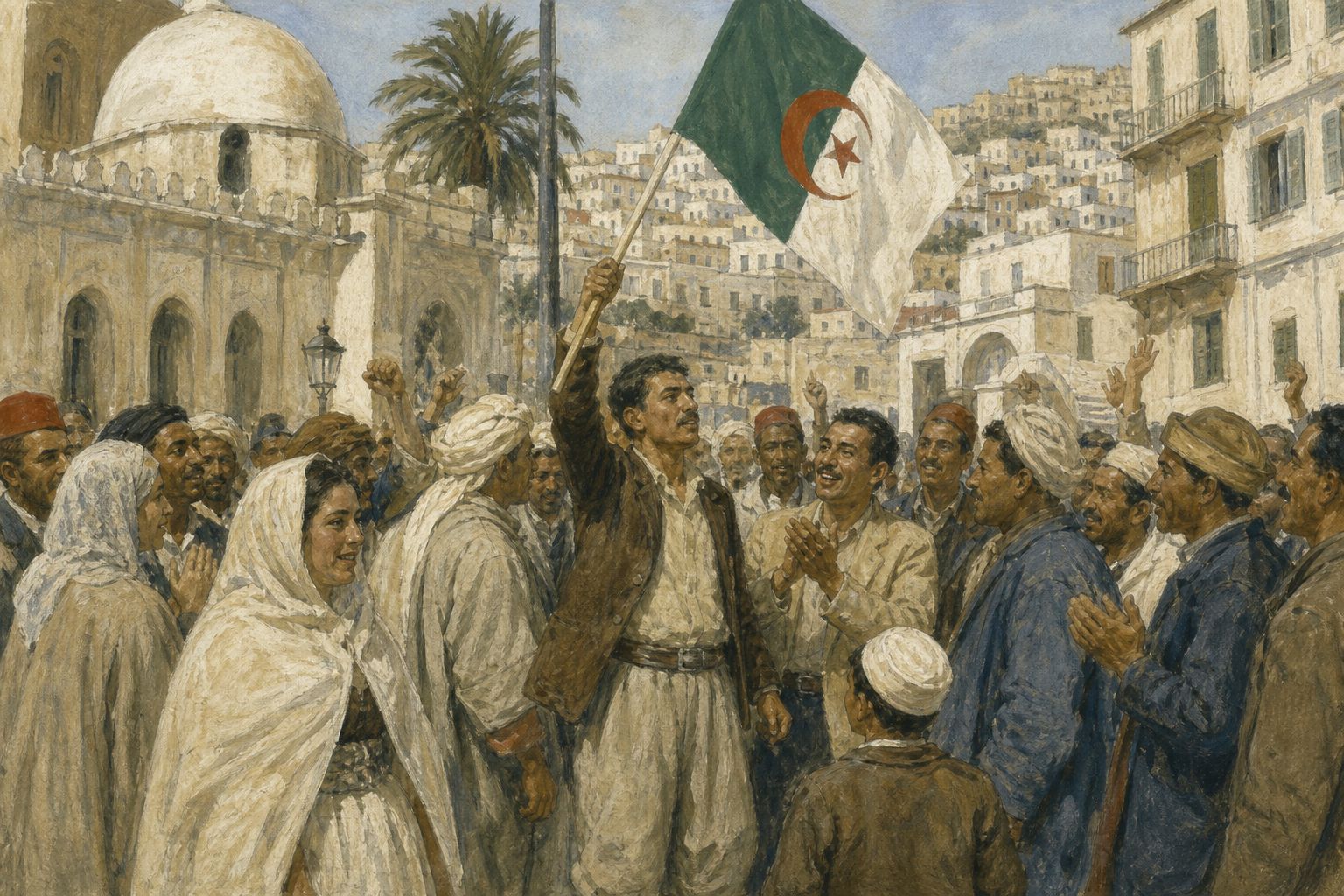
Immediate aftermath — Immediate result: The Evian Accords and a 1962 referendum led to independence, followed by the departure of many European settlers.
c. 1972
Long-term significance
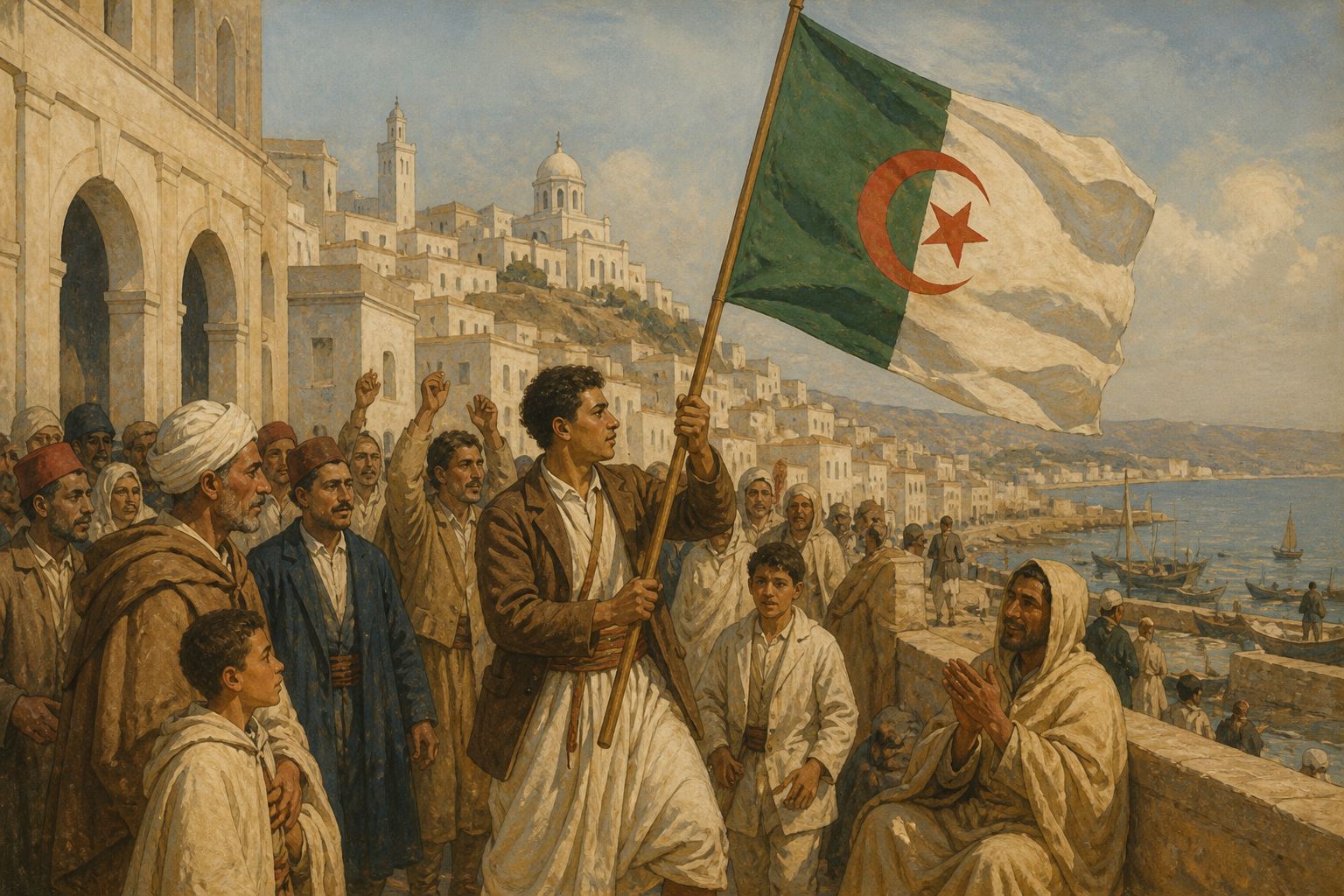
Long-term significance — Long-term significance: The war became a symbol of decolonization while leaving violence, displacement, and burdens of state-building.


Sources
- Algerian Independence — Algerian War (Encyclopaedia Britannica)britannica.comThis Encyclopaedia Britannica resource supports the chronology, setting, and course of Algerian Independence.
- Algerian Independence — Algeria (U.S. Office of the Historian)history.state.govThis U.S. Office of the Historian resource supports the chronology, setting, and course of Algerian Independence.
- Algerian Independence — Algeria (United Nations)un.orgThis United Nations resource supports the chronology, setting, and course of Algerian Independence.