
American Declaration of Independence
1776
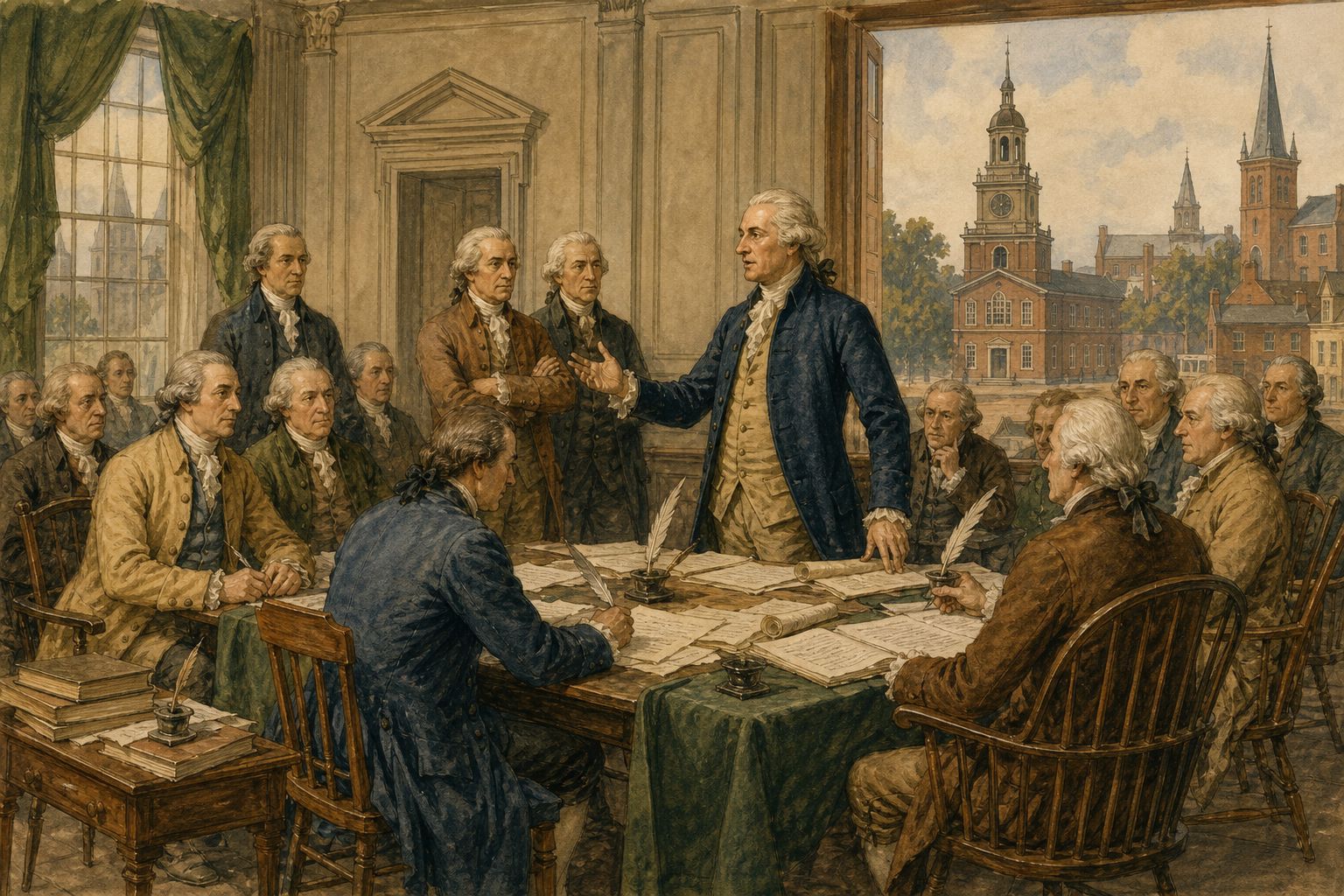
Representatives of the thirteen colonies declared independence from the British Crown and presented natural rights and consent as political principles.

- Period
- 1776
- Kind
- Political event
- Regions
- North America
- Keywords
- American Declaration of Independence · Philadelphia · early-modern · background · turning point · impact
Follow the story · Four stages
Background
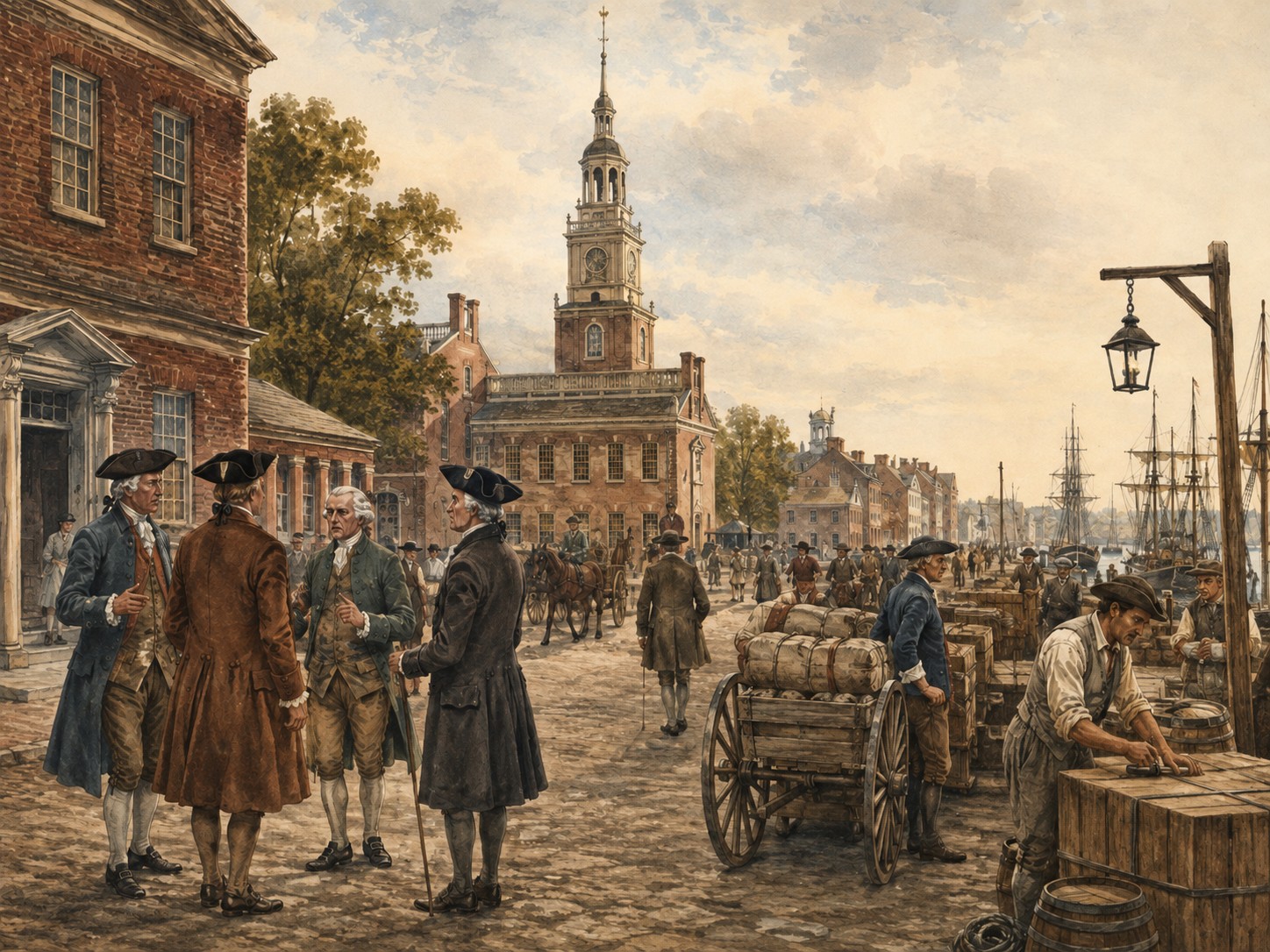
Political, social, and commercial changes around Philadelphia formed the setting: Representatives of the thirteen colonies declared independence from the British Crown and presented natural rights and consent as political principles.
- In and around Philadelphia, the setting took shape as Representatives of the thirteen colonies declared independence from the British Crown and presented natural rights and consent as political principles.
- Core event: Representatives of the thirteen colonies declared independence from the British Crown and presented natural rights and consent as political principles.
- Connection to the next stage: Representatives of the thirteen colonies declared independence from the British Crown and presented natural rights and consent as political principles. The change unfolded through decisions by rulers, institutions, and local communities.
Course
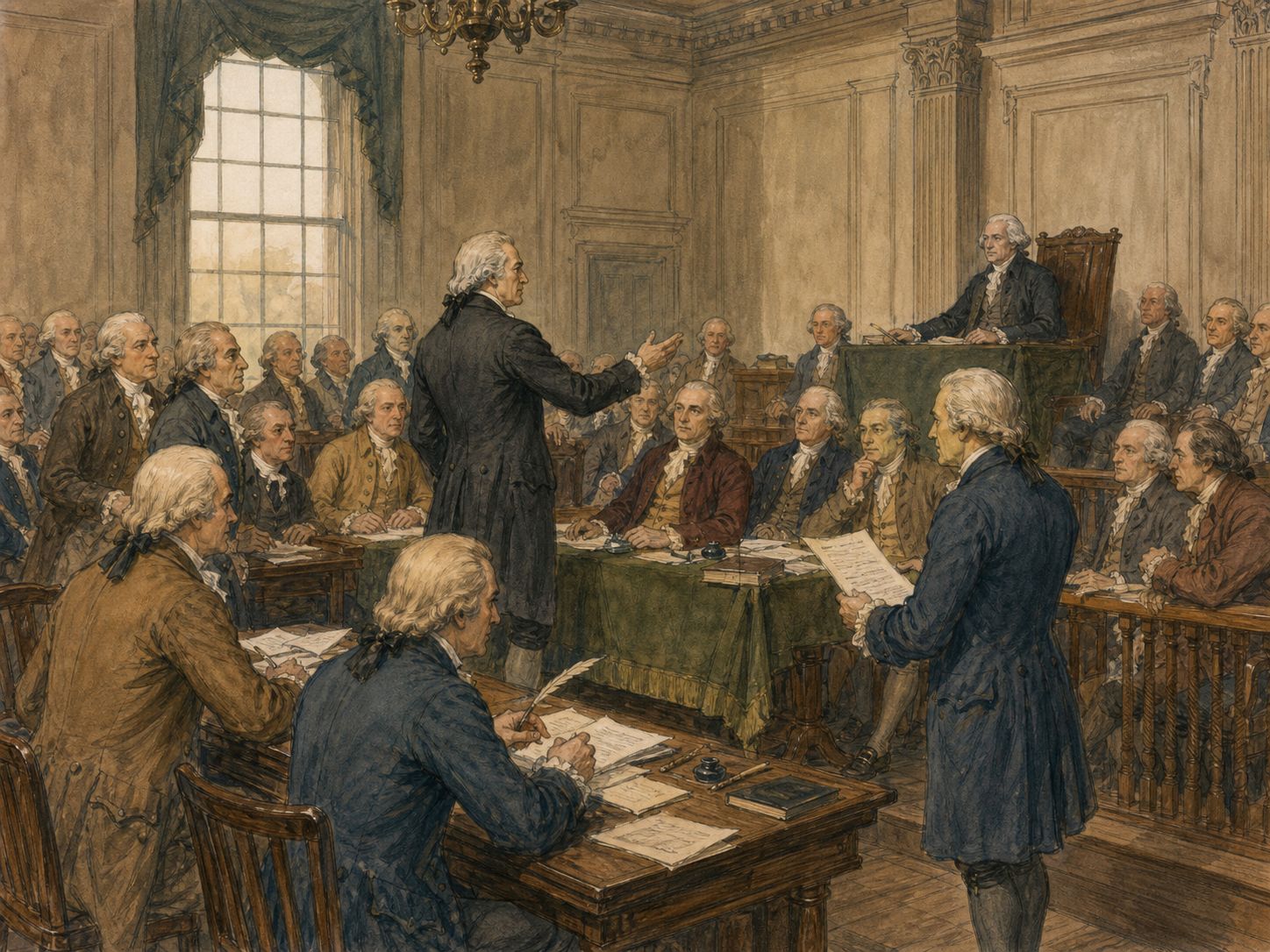
Representatives of the thirteen colonies declared independence from the British Crown and presented natural rights and consent as political principles. The choices of the participating powers and responses of local communities shaped the course.
- Representatives of the thirteen colonies declared independence from the British Crown and presented natural rights and consent as political principles.
- The change unfolded through decisions by rulers, institutions, and local communities.
- Conditions behind the action: In and around Philadelphia, the setting took shape as Representatives of the thirteen colonies declared independence from the British Crown and presented natural rights and consent as political principles.
Outcome
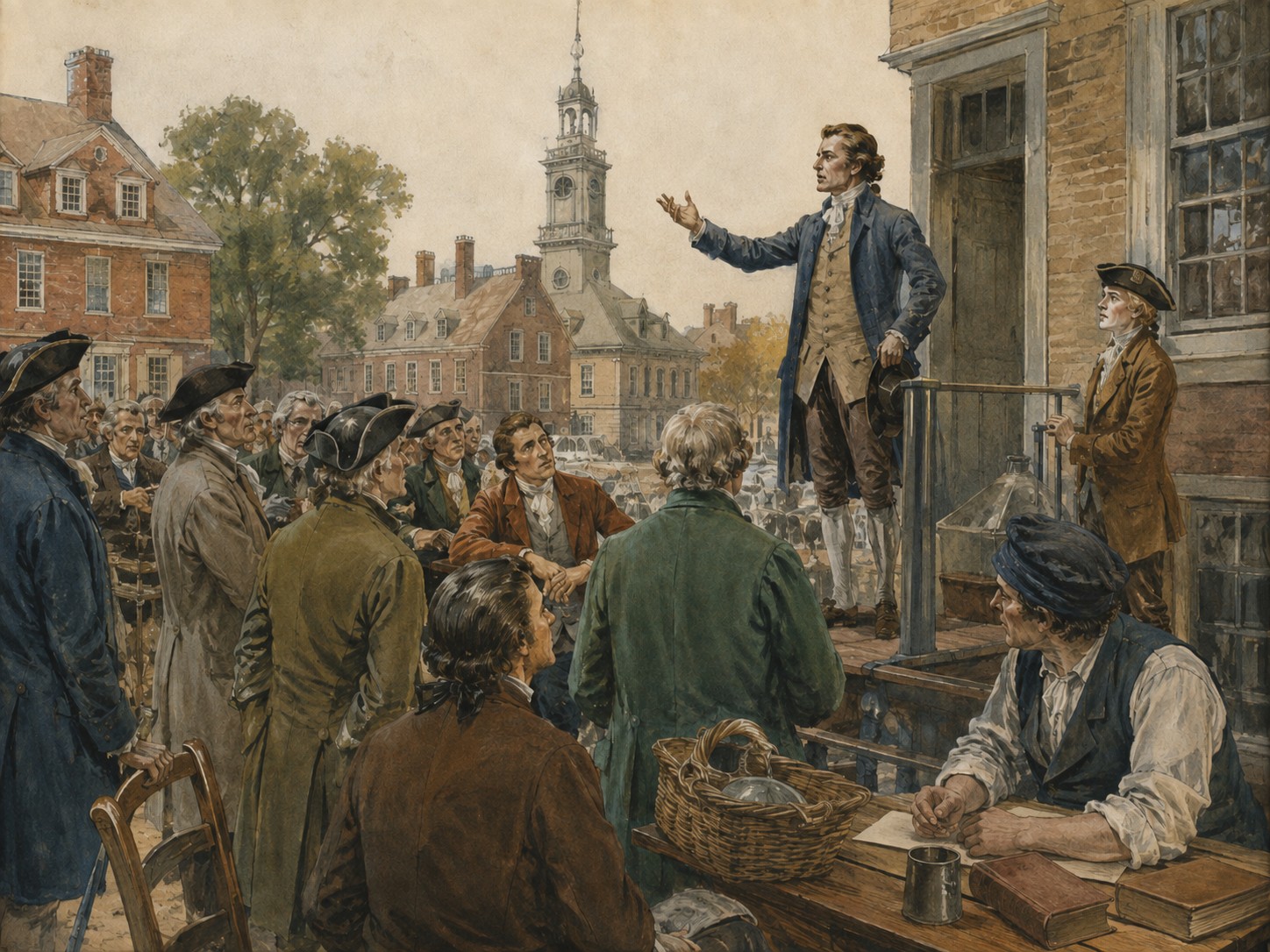
As a result, Beyond justifying the war, it supplied political language for later republican and rights movements.
- Beyond justifying the war, it supplied political language for later republican and rights movements.
- Process producing the result: Representatives of the thirteen colonies declared independence from the British Crown and presented natural rights and consent as political principles. The change unfolded through decisions by rulers, institutions, and local communities.
- Question carried forward: In the longer term, beyond justifying the war, it supplied political language for later republican and rights movements.
Historical significance
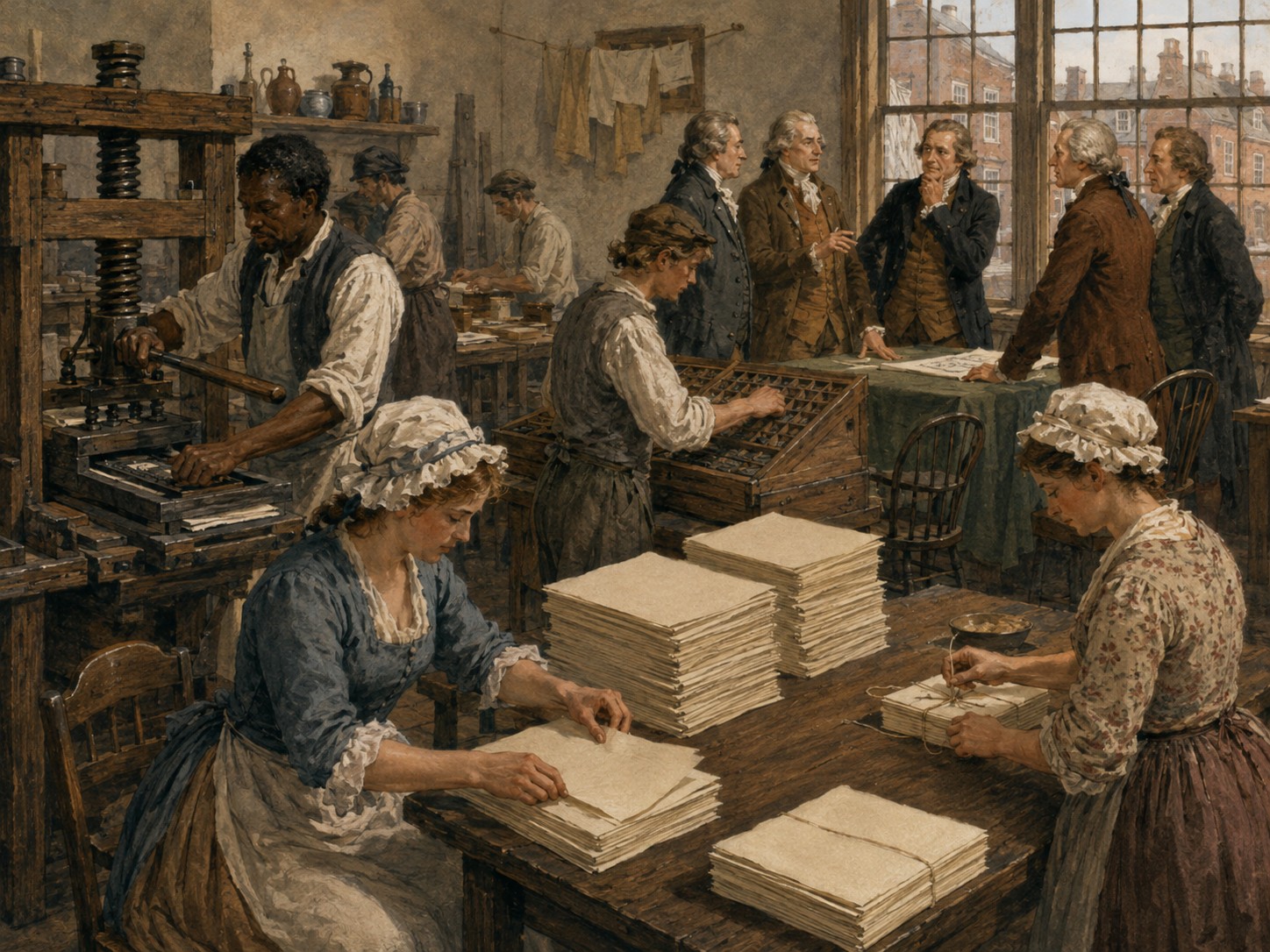
The significance of this event lies in the fact that beyond justifying the war, it supplied political language for later republican and rights movements.
- In the longer term, beyond justifying the war, it supplied political language for later republican and rights movements.
- Immediate consequence: Beyond justifying the war, it supplied political language for later republican and rights movements.
- Historical turning point: Representatives of the thirteen colonies declared independence from the British Crown and presented natural rights and consent as political principles.


Related events
1775
War begins at Lexington and Concord
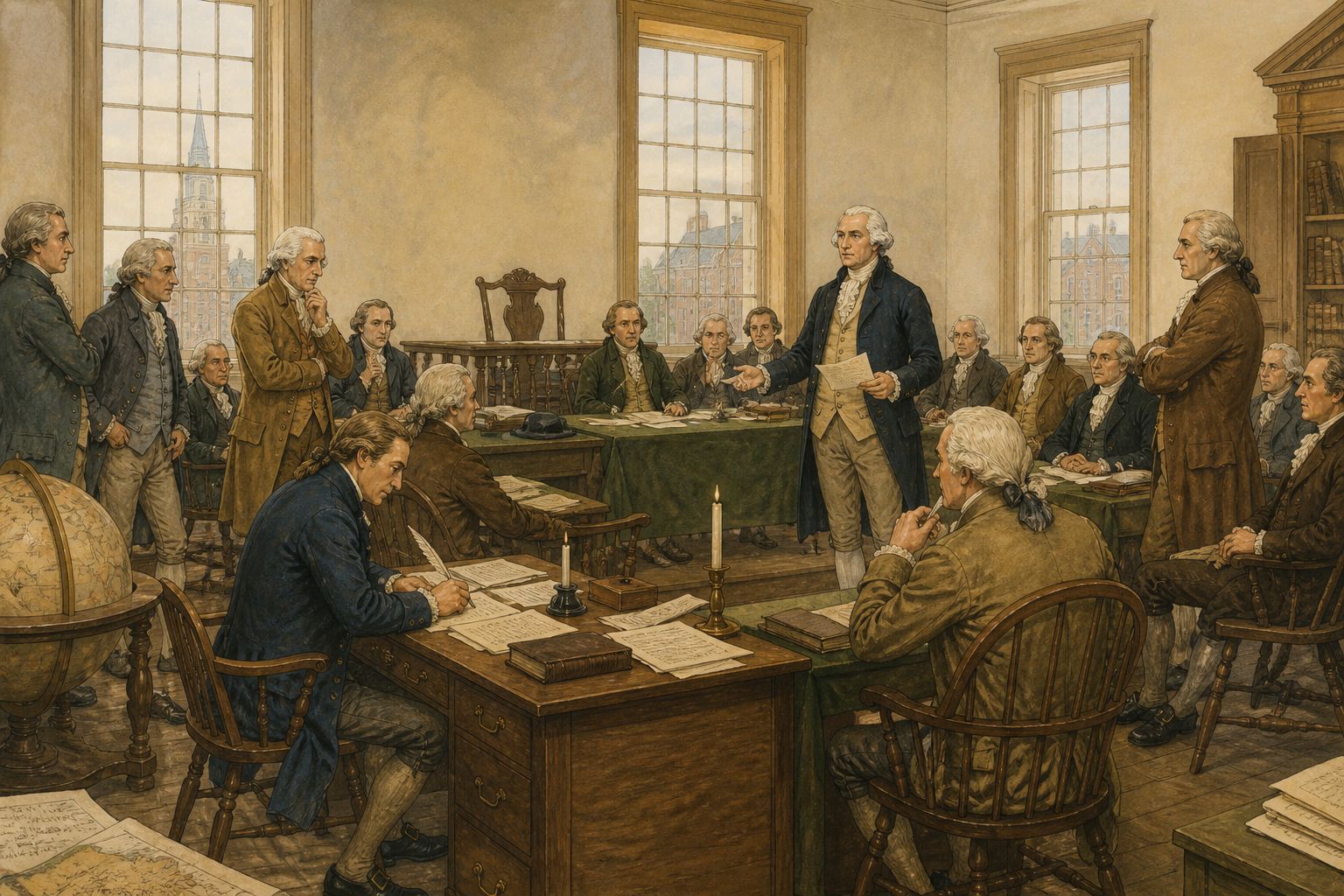
War begins at Lexington and Concord — In and around Philadelphia, the setting took shape as Representatives of the thirteen colonies declared independence from the British Crown and presented natural rights and consent as political principles.
1776
Congress adopts the Lee Resolution
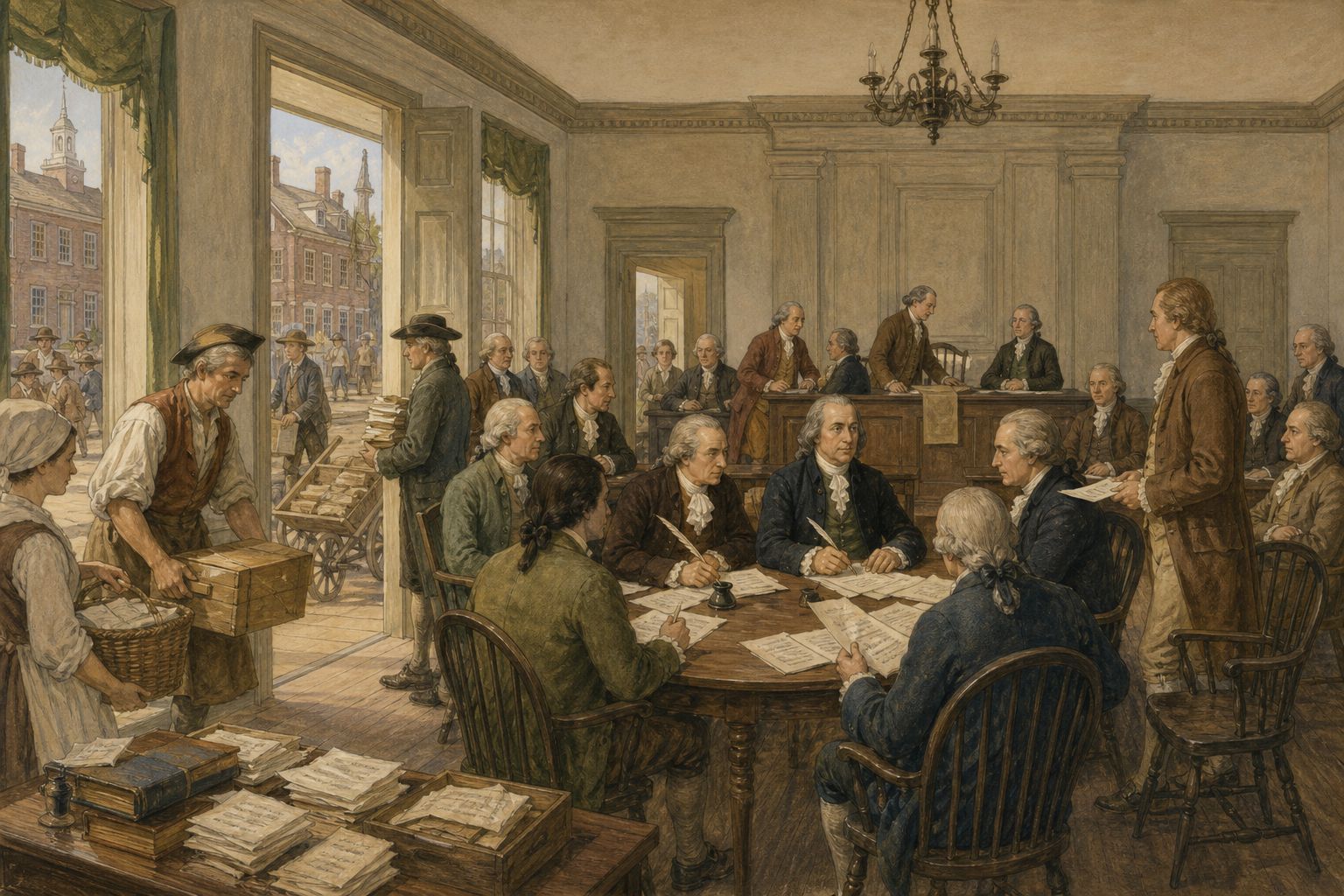
Congress adopts the Lee Resolution — Representatives of the thirteen colonies declared independence from the British Crown and presented natural rights and consent as political principles. The change unfolded through decisions by rulers, institutions, and local communities.
1776
Declaration adopted on 4 July
Current event
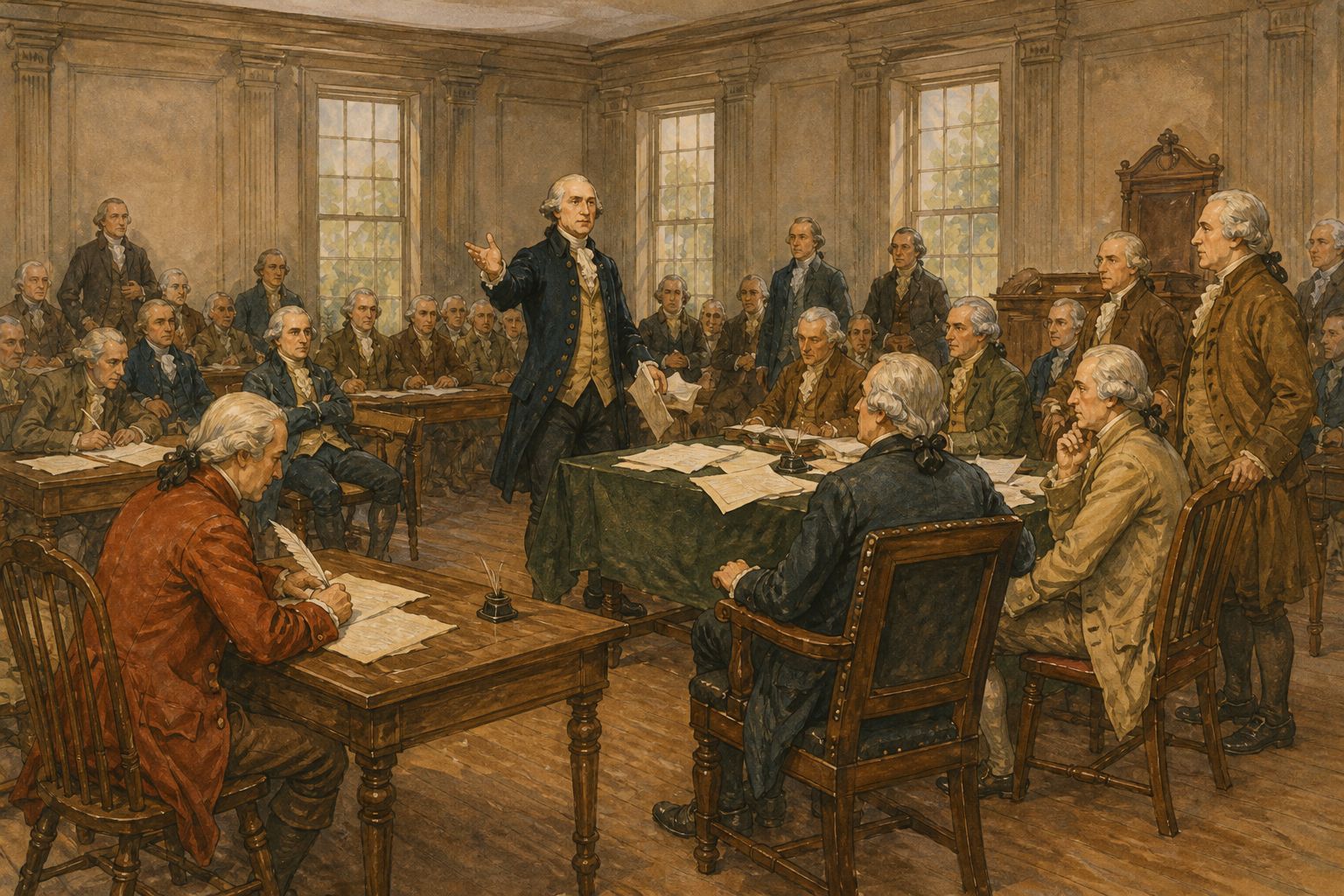
Declaration adopted on 4 July — Representatives of the thirteen colonies declared independence from the British Crown and presented natural rights and consent as political principles.
1781
British army surrenders at Yorktown
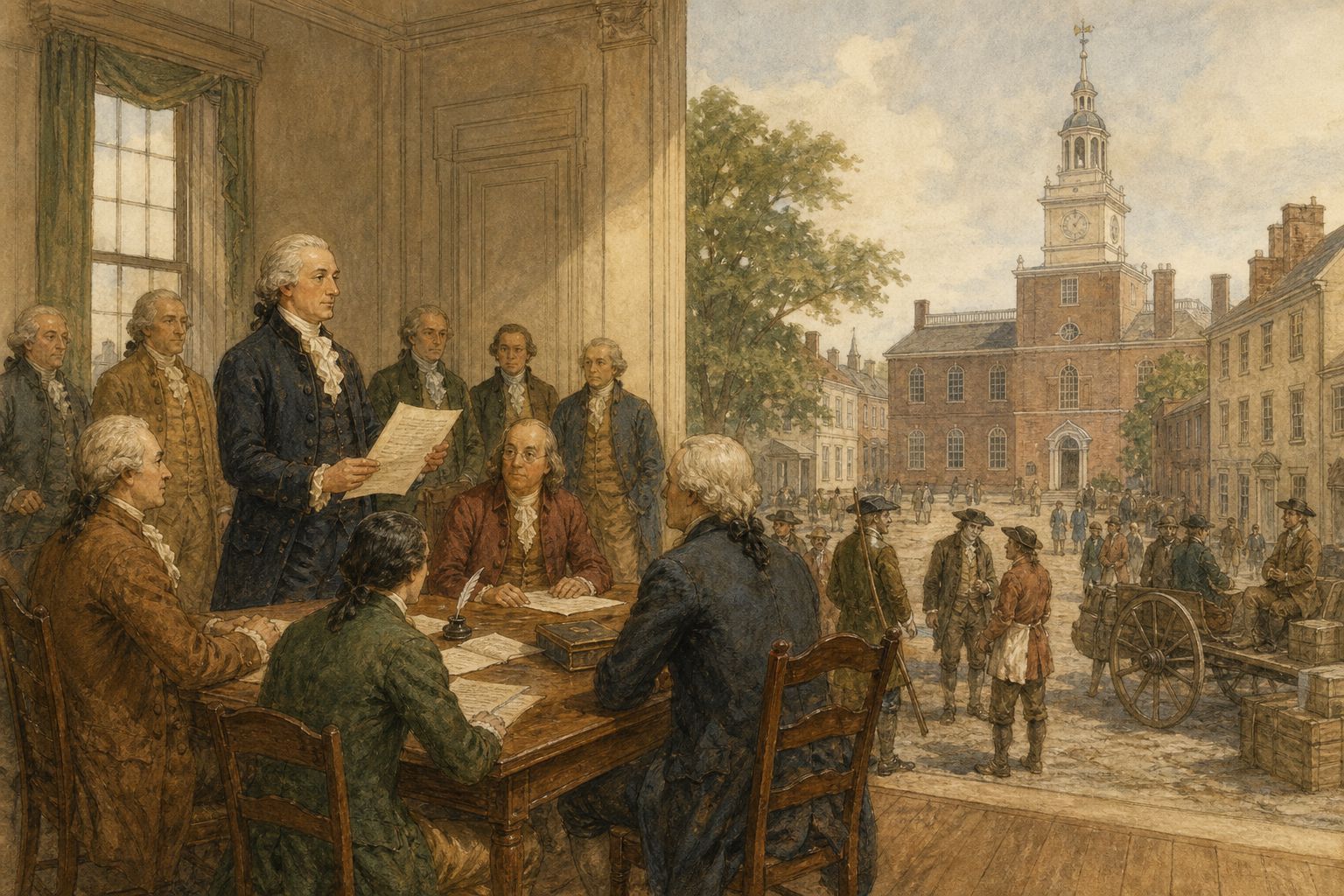
British army surrenders at Yorktown — Beyond justifying the war, it supplied political language for later republican and rights movements.
1783
Treaty of Paris recognizes independence
Treaty of Paris recognizes independence — In the longer term, beyond justifying the war, it supplied political language for later republican and rights movements.


Sources
- American Declaration of Independence — Timeline (Daiichi Gakushusha)www.daiichi-g.co.jpThis Daiichi Gakushusha resource supports the chronology, setting, and course of American Declaration of Independence.
- American Declaration of Independence — American Declaration Of Independence (Encyclopaedia Britannica)www.britannica.comThis Encyclopaedia Britannica resource supports the chronology, setting, and course of American Declaration of Independence.
- American Declaration of Independence — American Declaration Of Independence (Wikidata)www.wikidata.orgThis Wikidata resource supports the chronology, setting, and course of American Declaration of Independence.