
Formation of Athenian Democracy
c. 508 BC
Around 508 BCE, the reforms associated with Cleisthenes reorganized Athenian civic groups and political participation.

- Period
- c. 508 BC
- Kind
- Political event
- Regions
- Europe
- Keywords
- Formation of Athenian Democracy · political event · ancient · europe
Follow the story · Four stages
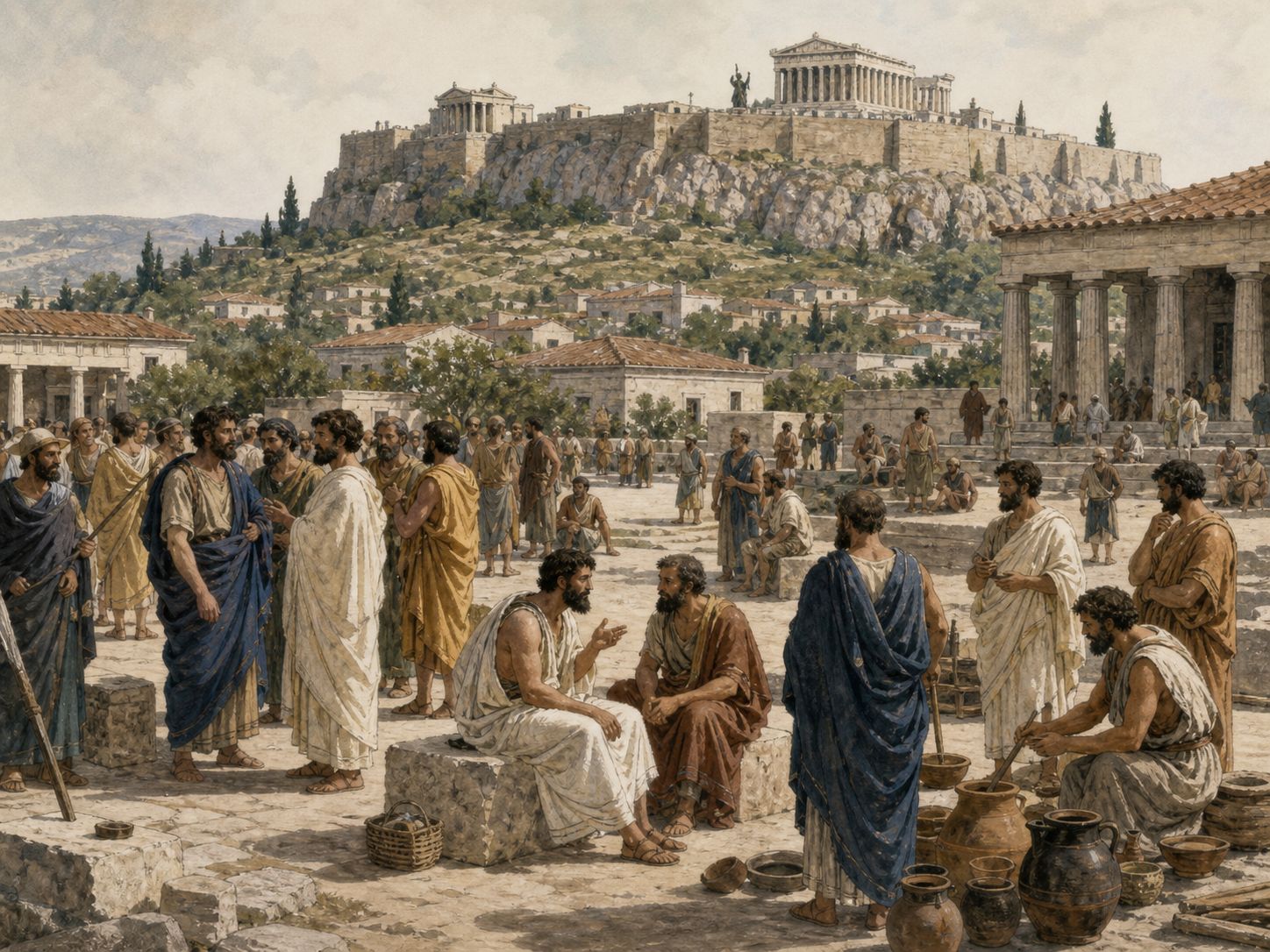
Background
After the end of tyranny, Athens faced the problem of reconnecting aristocratic competition with broader civic participation.
- After the end of tyranny, Athens faced the problem of reconnecting aristocratic competition with broader civic participation.
- Core event: Around 508 BCE, the reforms associated with Cleisthenes reorganized Athenian civic groups and political participation.
- Connection to the next stage: New territorial divisions and institutions such as the Council of Five Hundred weakened older arrangements based primarily on kinship.
Course
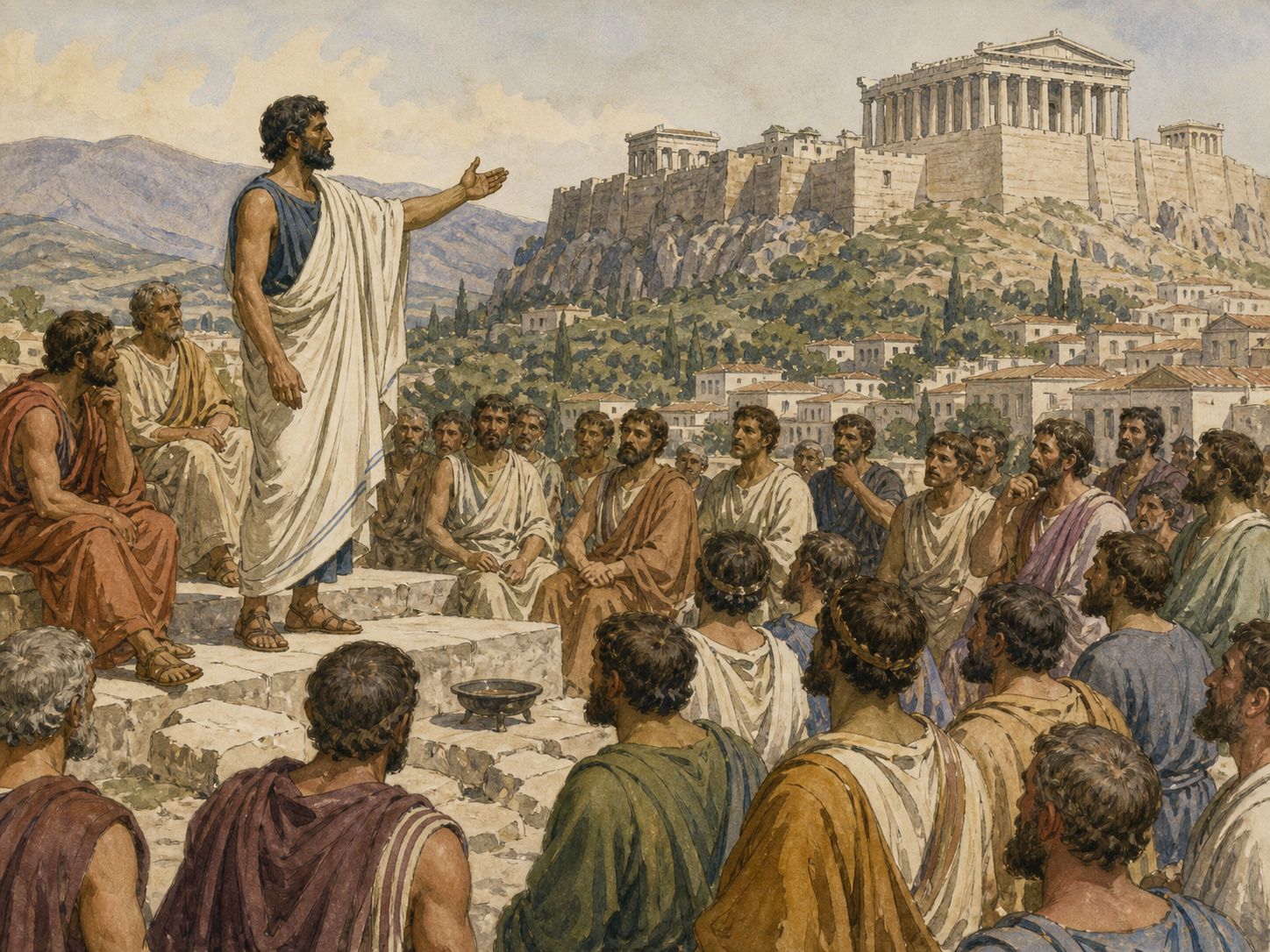
New territorial divisions and institutions such as the Council of Five Hundred weakened older arrangements based primarily on kinship.
- New territorial divisions and institutions such as the Council of Five Hundred weakened older arrangements based primarily on kinship.
- Conditions behind the action: After the end of tyranny, Athens faced the problem of reconnecting aristocratic competition with broader civic participation.
- Meaning of the turning point: Around 508 BCE, the reforms associated with Cleisthenes reorganized Athenian civic groups and political participation.
Outcome
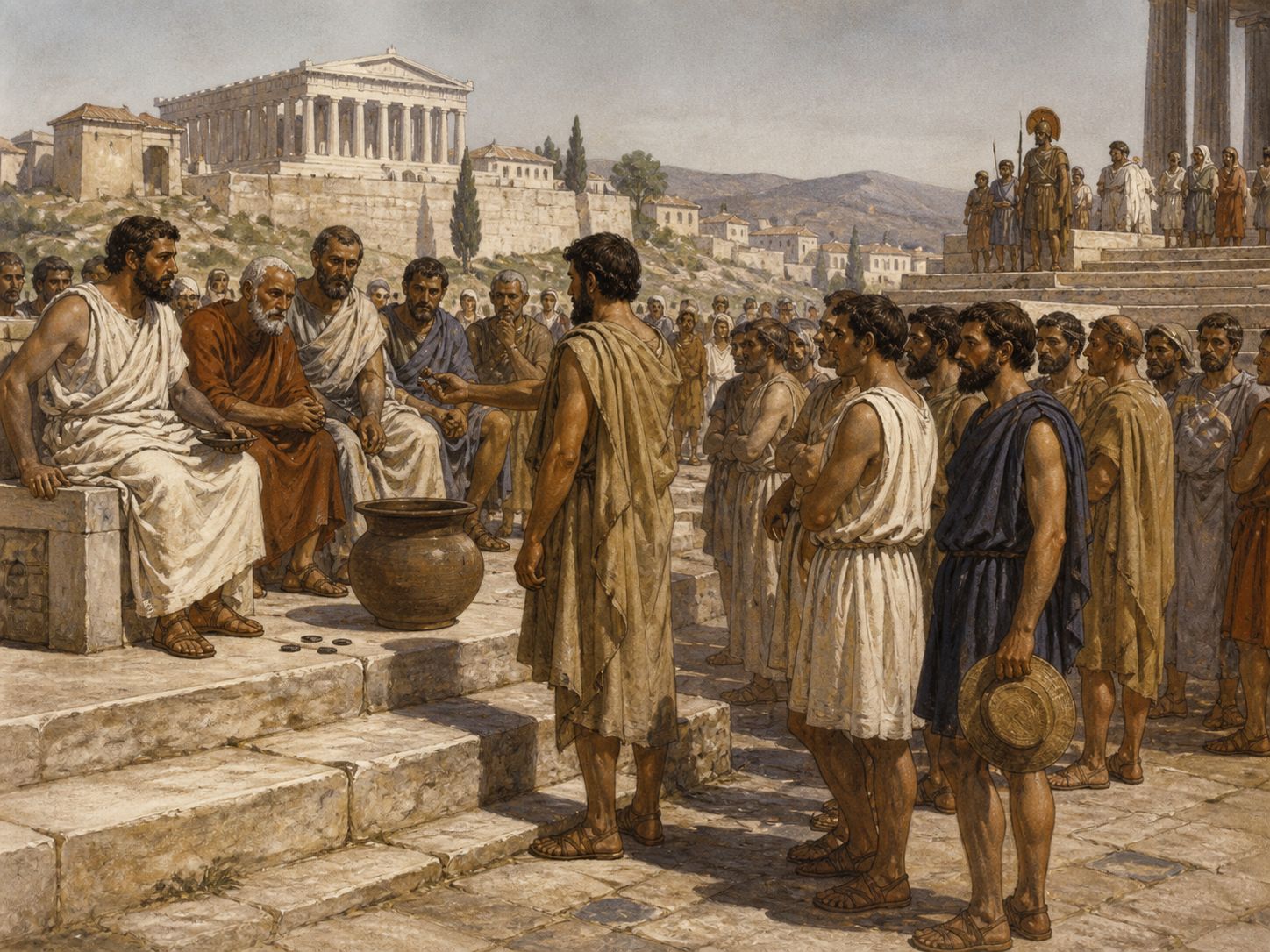
A durable institutional basis formed for citizen participation in the assembly and in offices assigned by lot.
- A durable institutional basis formed for citizen participation in the assembly and in offices assigned by lot.
- Process producing the result: New territorial divisions and institutions such as the Council of Five Hundred weakened older arrangements based primarily on kinship.
- Question carried forward: Athenian democracy was still a restricted system and should not be treated as identical to modern democracy.
Historical significance
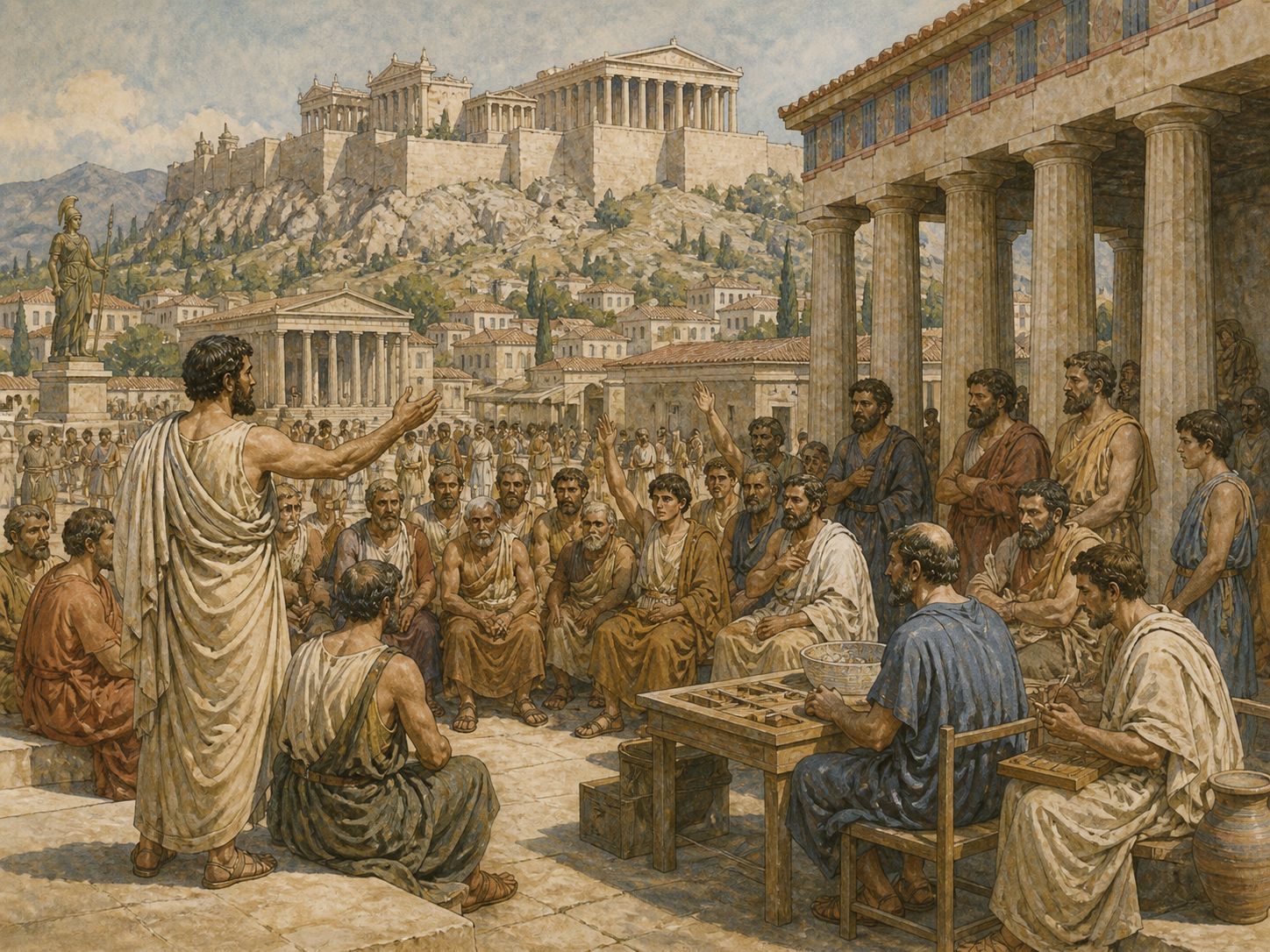
Athenian democracy was still a restricted system and should not be treated as identical to modern democracy.
- Athenian democracy was still a restricted system and should not be treated as identical to modern democracy.
- Immediate consequence: A durable institutional basis formed for citizen participation in the assembly and in offices assigned by lot.
- Historical turning point: Around 508 BCE, the reforms associated with Cleisthenes reorganized Athenian civic groups and political participation.


Related events
c. 509 BC
Prelude
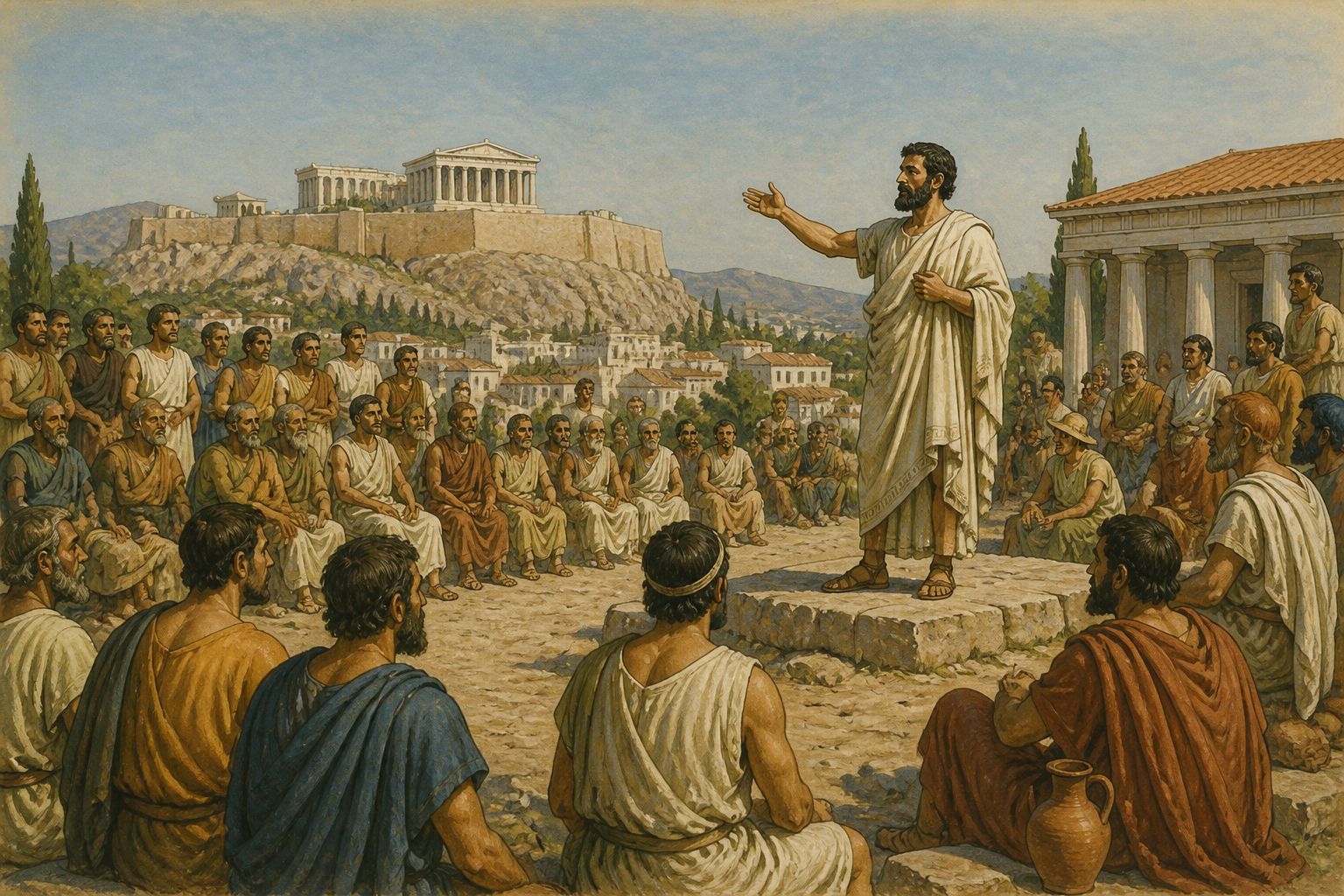
Prelude — Background: After the end of tyranny, Athens faced the problem of reconnecting aristocratic competition with broader civic participation.
c. 509 BC
Turning point
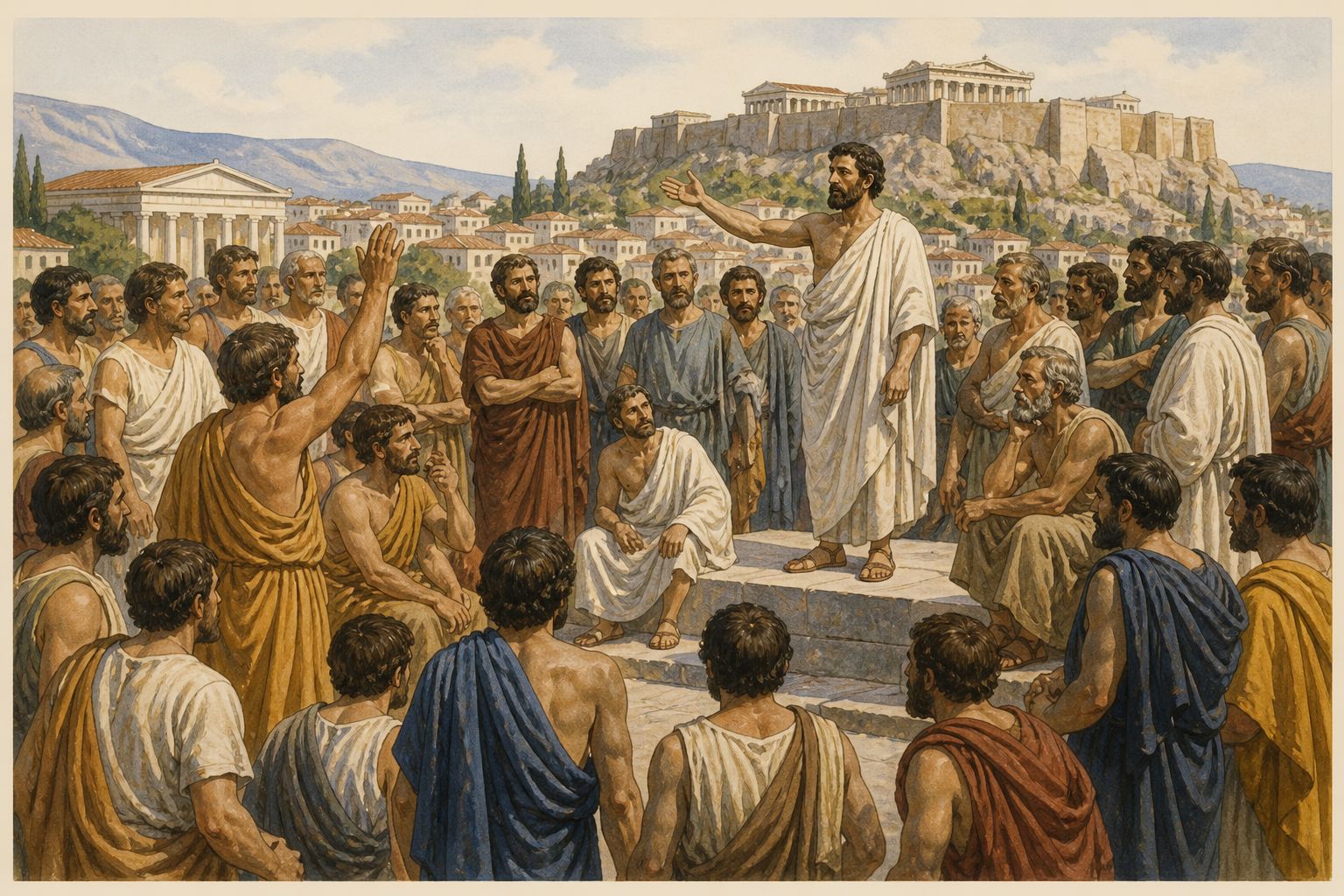
Turning point — Build-up: New territorial divisions and institutions such as the Council of Five Hundred weakened older arrangements based primarily on kinship.
c. 508 BC
Formation of Athenian Democracy
Current event
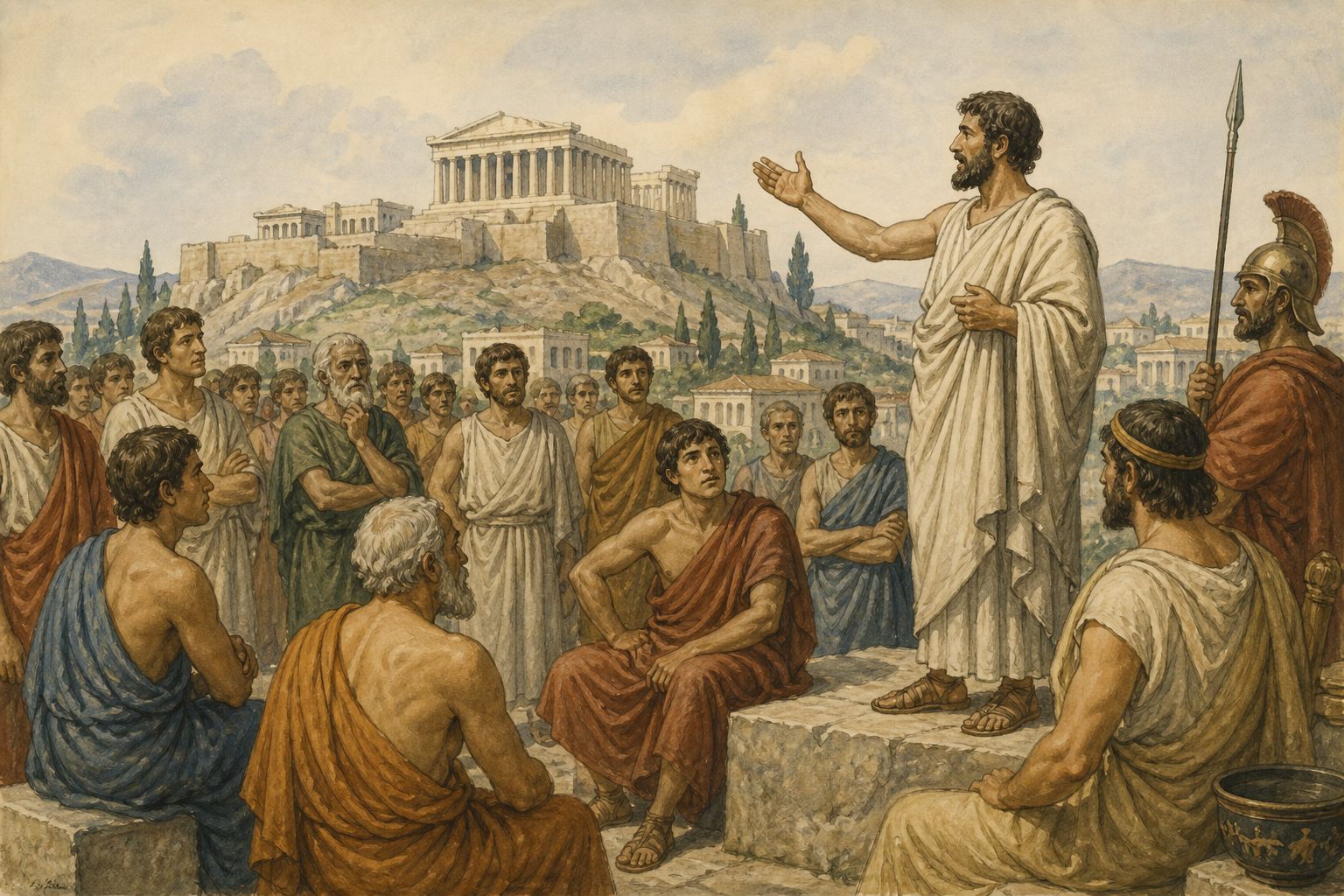
Formation of Athenian Democracy — Central transition: Around 508 BCE, the reforms associated with Cleisthenes reorganized Athenian civic groups and political participation.
c. 507 BC
Immediate aftermath
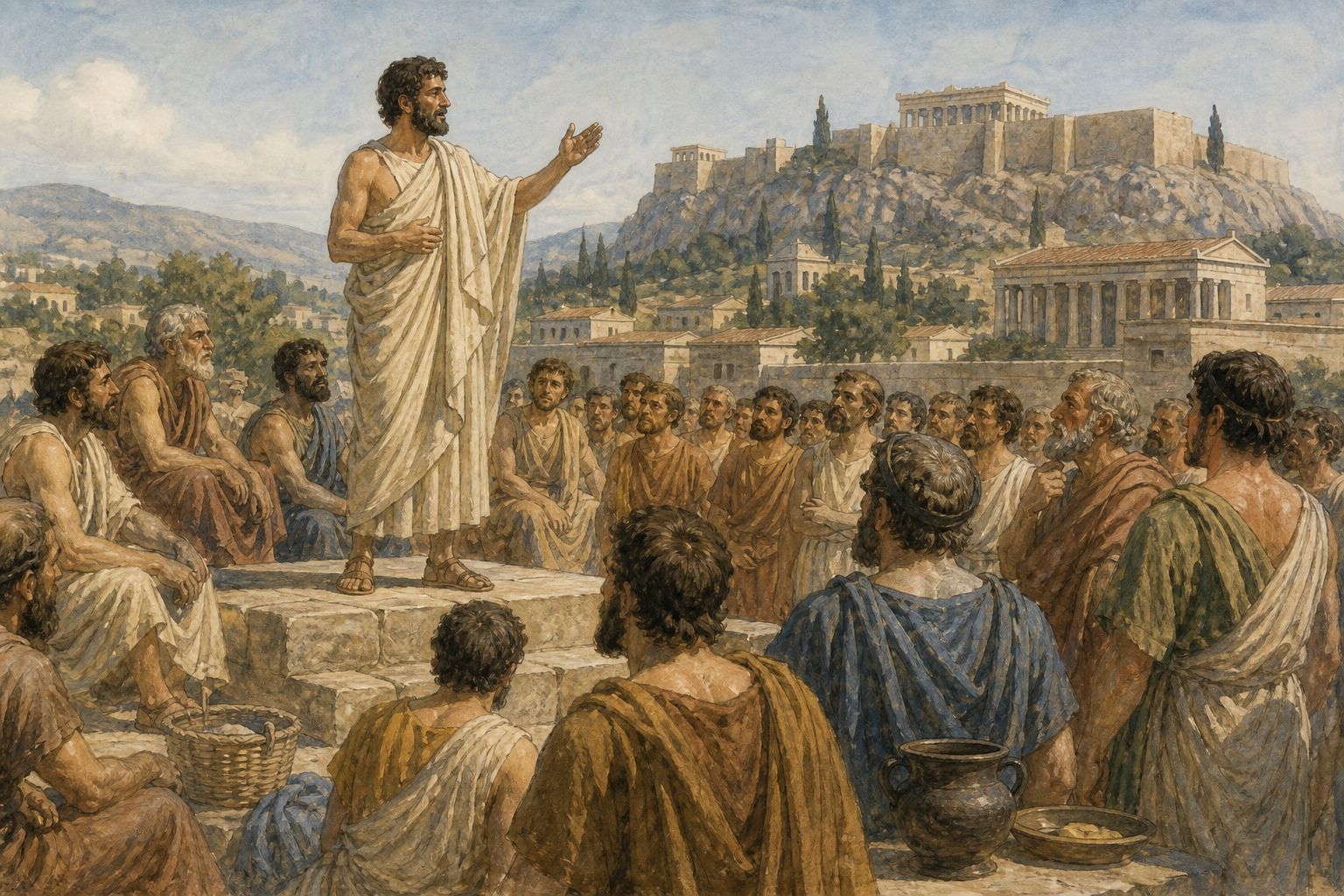
Immediate aftermath — Immediate result: A durable institutional basis formed for citizen participation in the assembly and in offices assigned by lot.
c. 498 BC
Long-term significance
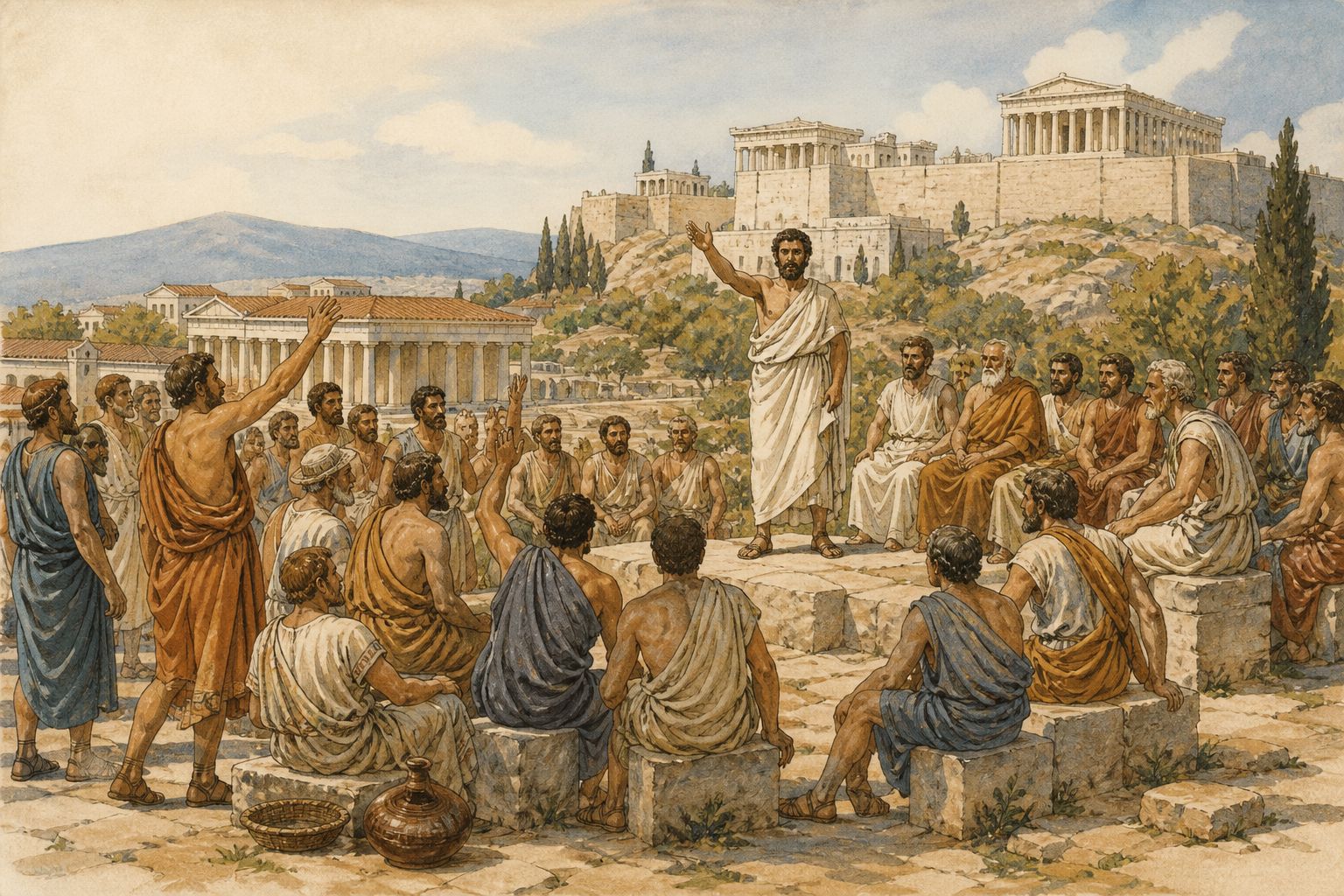
Long-term significance — Long-term significance: Athenian democracy was still a restricted system and should not be treated as identical to modern democracy.


Sources
- Formation of Athenian Democracy — Ancient Greece (Encyclopaedia Britannica)britannica.comThis Encyclopaedia Britannica resource supports the chronology, setting, and course of Formation of Athenian Democracy.
- Formation of Athenian Democracy — Athenian Democracy (World History Encyclopedia)worldhistory.orgThis World History Encyclopedia resource supports the chronology, setting, and course of Formation of Athenian Democracy.
- Formation of Athenian Democracy — Text (Perseus Digital Library)perseus.tufts.eduThis Perseus Digital Library resource supports the chronology, setting, and course of Formation of Athenian Democracy.