Battle of Talas
751
In 751, Abbasid-aligned forces and Tang armies clashed near the Talas River, changing the balance of power in Central Asia.

- Period
- 751
- Kind
- Battle
- Regions
- Central Asia, Middle East
- Keywords
- Battle of Talas · battle · medieval · central asia · middle east
Follow the story · Four stages
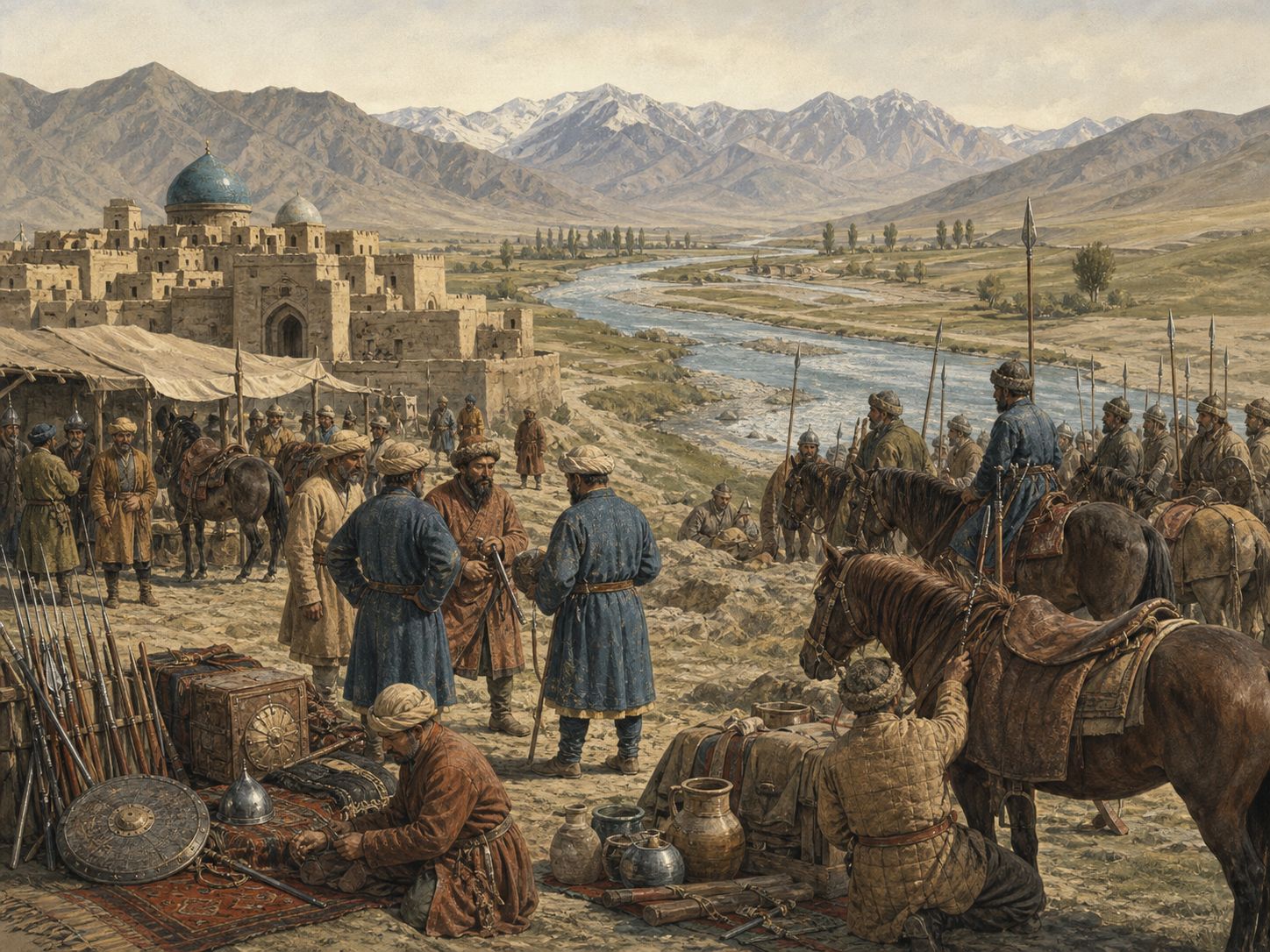
Background
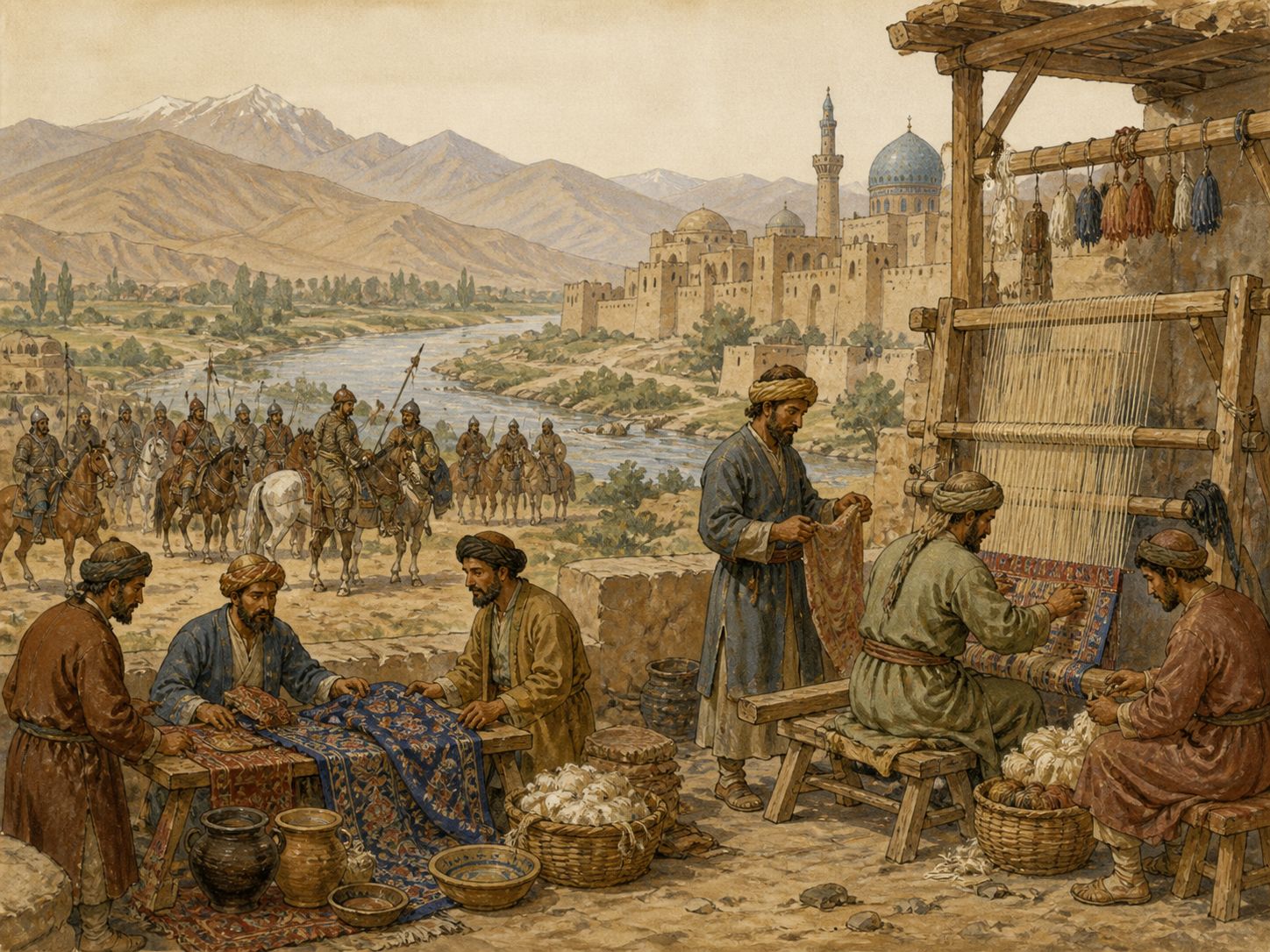
Tang China and western Islamic powers competed and formed alliances around Silk Road cities and steppe powers.
- Tang China and western Islamic powers competed and formed alliances around Silk Road cities and steppe powers.
- Core event: In 751, Abbasid-aligned forces and Tang armies clashed near the Talas River, changing the balance of power in Central Asia.
- Connection to the next stage: Tang forces under Gao Xianzhi faced Abbasid-aligned troops for several days, with Karluk defection traditionally said to have affected the outcome.
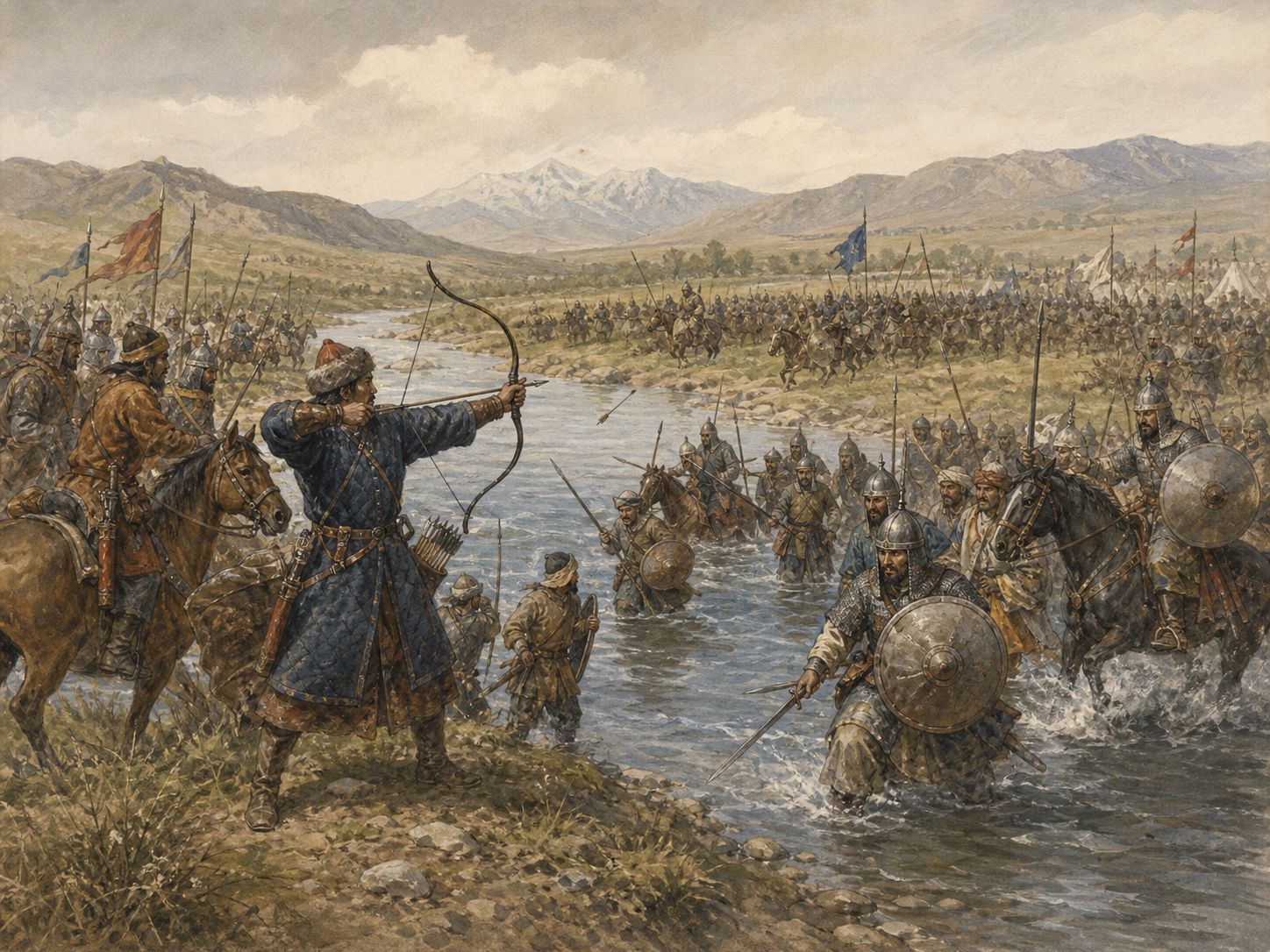
Course
Tang forces under Gao Xianzhi faced Abbasid-aligned troops for several days, with Karluk defection traditionally said to have affected the outcome.
- Tang forces under Gao Xianzhi faced Abbasid-aligned troops for several days, with Karluk defection traditionally said to have affected the outcome.
- Conditions behind the action: Tang China and western Islamic powers competed and formed alliances around Silk Road cities and steppe powers.
- Meaning of the turning point: In 751, Abbasid-aligned forces and Tang armies clashed near the Talas River, changing the balance of power in Central Asia.
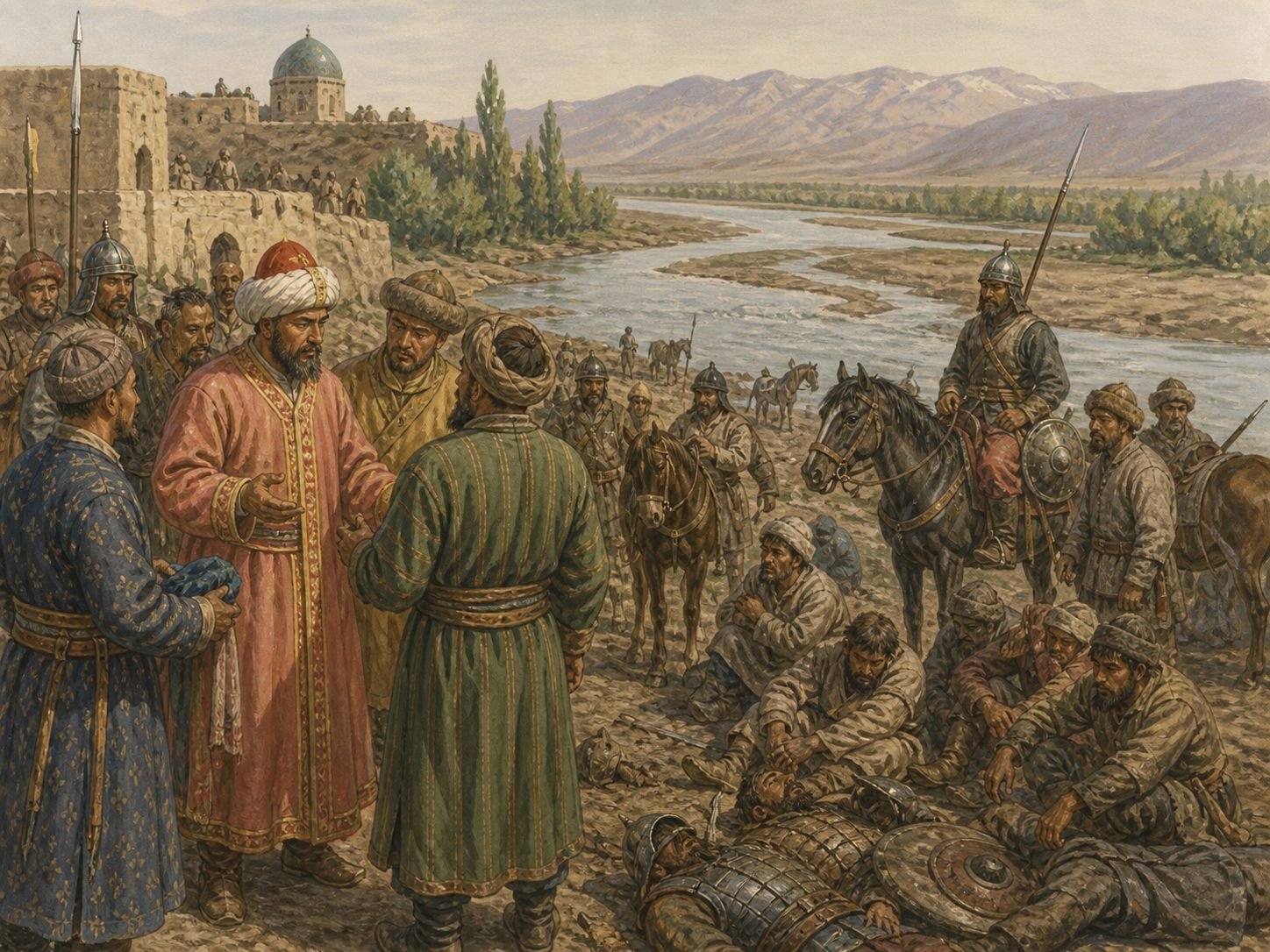
Outcome
Tang military activity in the west receded as Islamic and Central Asian powers gained influence; the story of papermaking transmission includes later tradition.
- Tang military activity in the west receded as Islamic and Central Asian powers gained influence; the story of papermaking transmission includes later tradition.
- Process producing the result: Tang forces under Gao Xianzhi faced Abbasid-aligned troops for several days, with Karluk defection traditionally said to have affected the outcome.
- Question carried forward: Talas was not a single night that abruptly changed civilizations but one episode in longer political and commercial changes across Central Asia.
Historical significance
Talas was not a single night that abruptly changed civilizations but one episode in longer political and commercial changes across Central Asia.
- Talas was not a single night that abruptly changed civilizations but one episode in longer political and commercial changes across Central Asia.
- Immediate consequence: Tang military activity in the west receded as Islamic and Central Asian powers gained influence; the story of papermaking transmission includes later tradition.
- Historical turning point: In 751, Abbasid-aligned forces and Tang armies clashed near the Talas River, changing the balance of power in Central Asia.


Related events
c. 750
Prelude
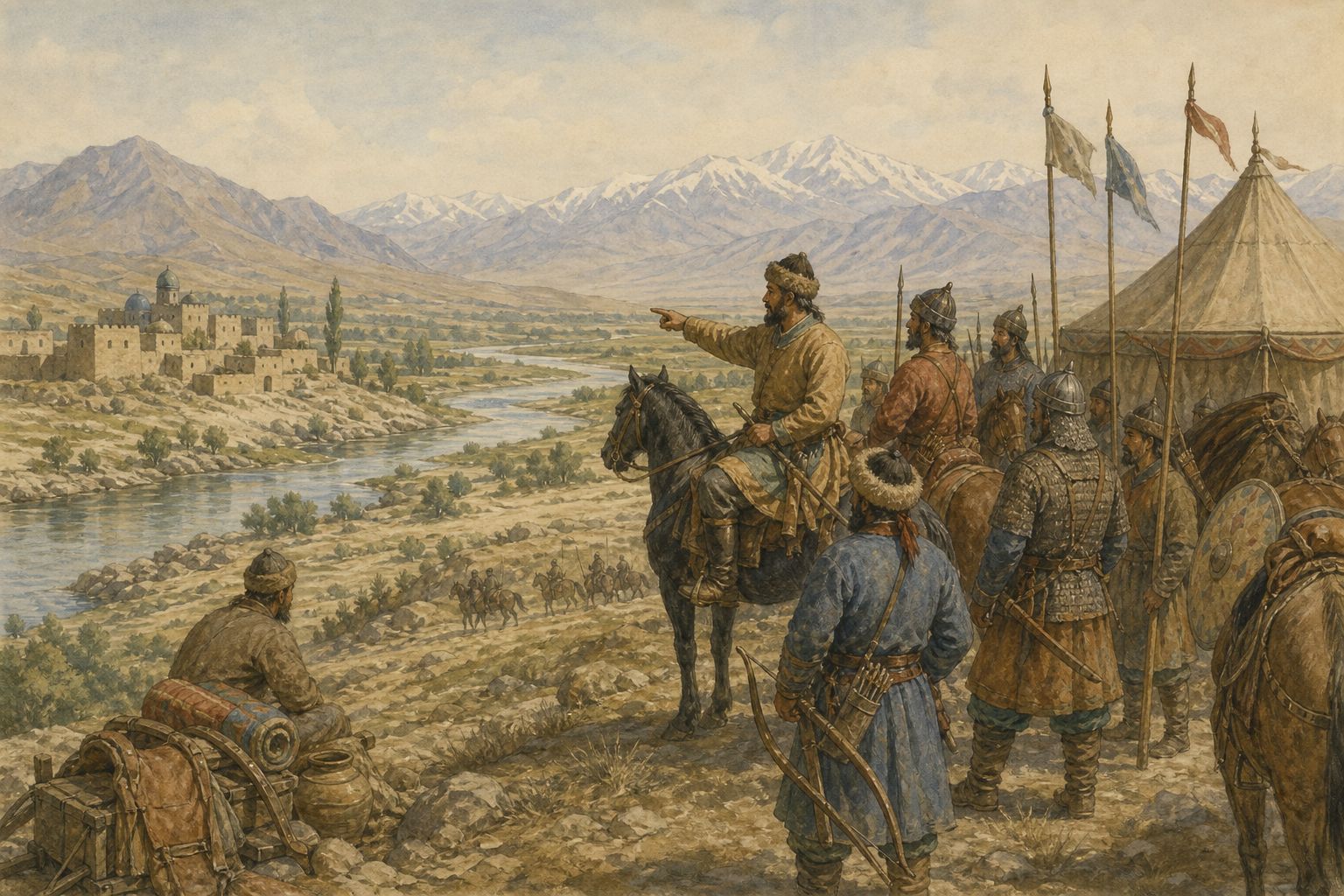
Prelude — Background: Tang China and western Islamic powers competed and formed alliances around Silk Road cities and steppe powers.
c. 750
Turning point
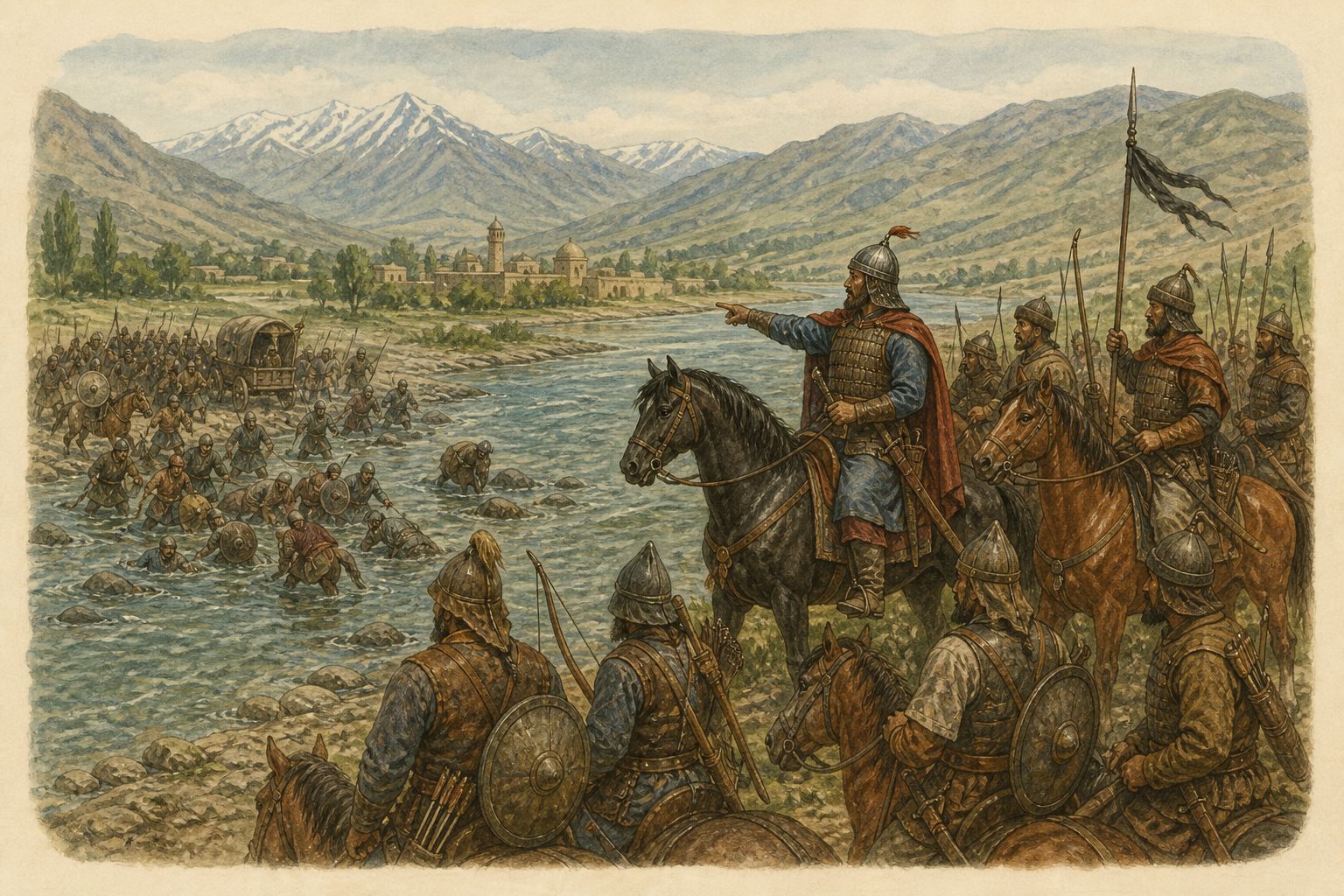
Turning point — Build-up: Tang forces under Gao Xianzhi faced Abbasid-aligned troops for several days, with Karluk defection traditionally said to have affected the outcome.
751
Battle of Talas
Current event
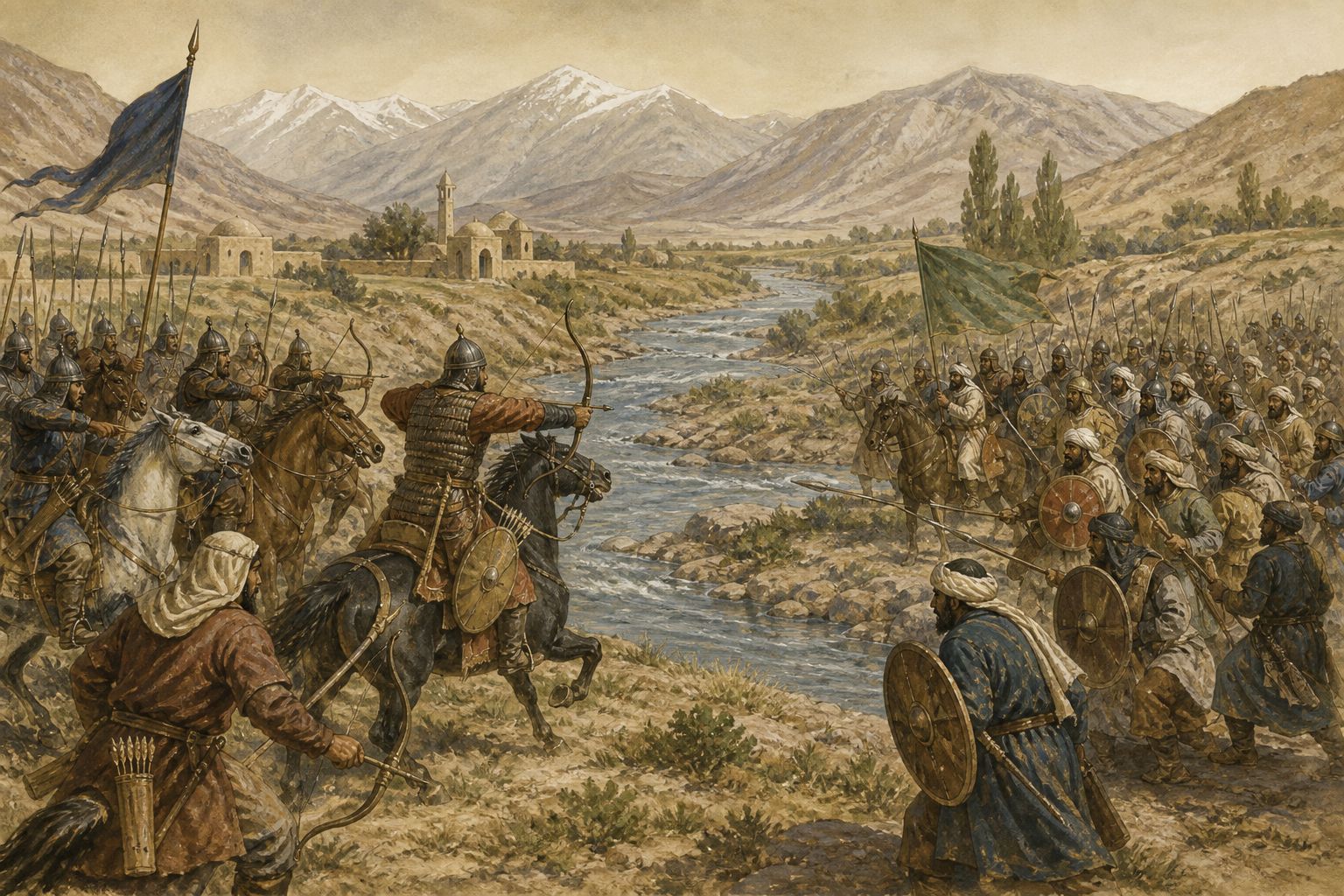
Battle of Talas — Central transition: In 751, Abbasid-aligned forces and Tang armies clashed near the Talas River, changing the balance of power in Central Asia.
c. 752
Immediate aftermath
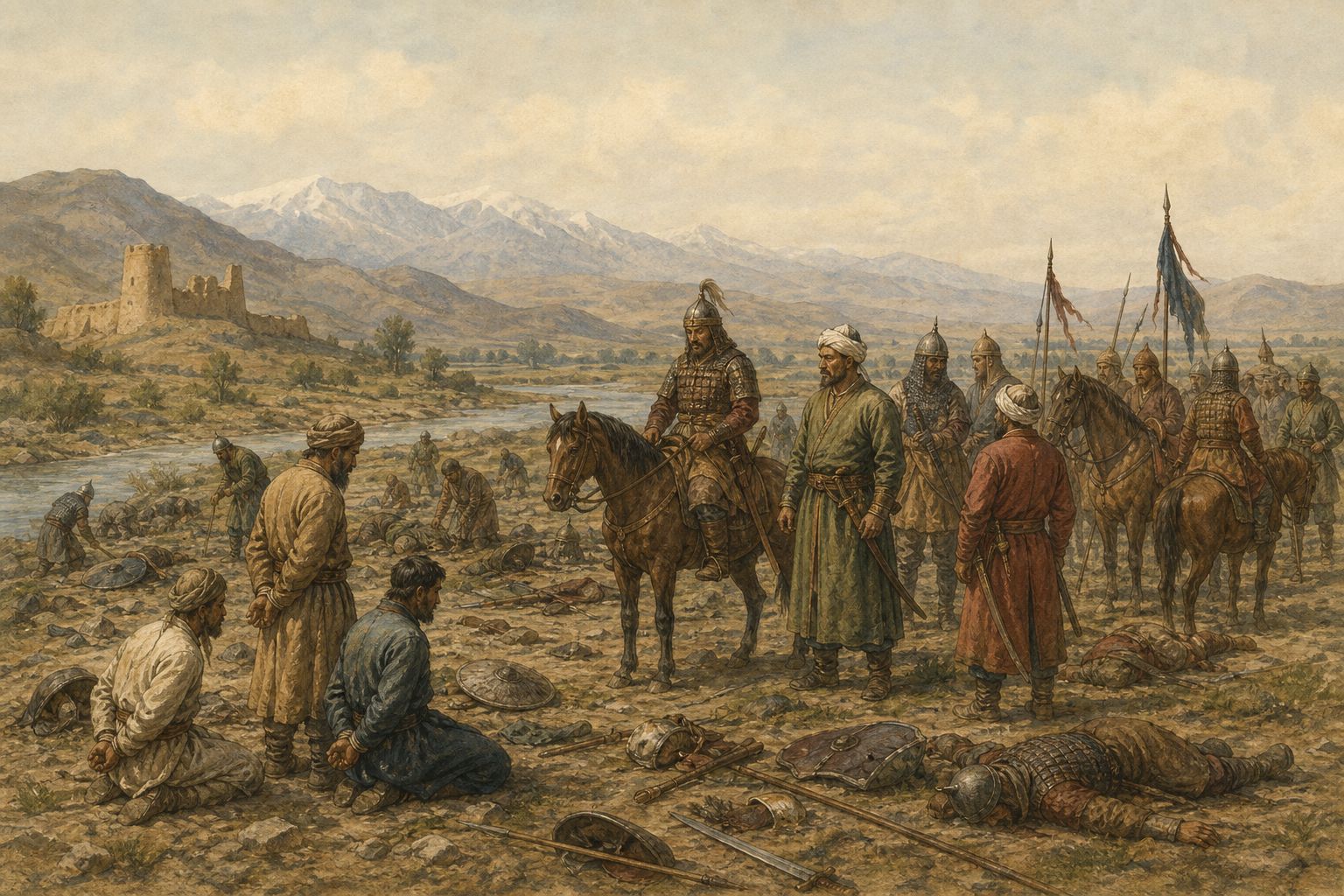
Immediate aftermath — Immediate result: Tang military activity in the west receded as Islamic and Central Asian powers gained influence; the story of papermaking transmission includes later tradition.
c. 761
Long-term significance
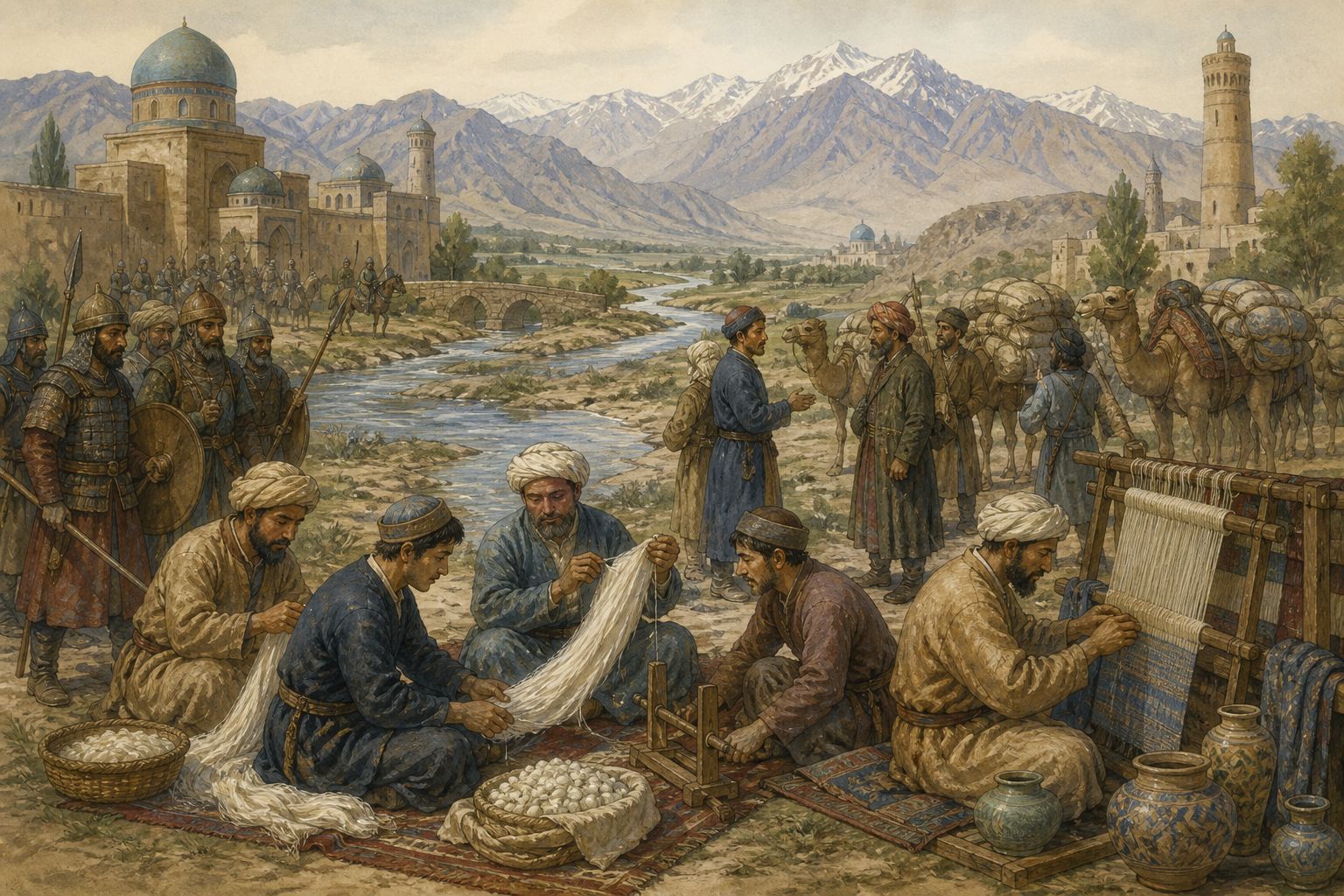
Long-term significance — Long-term significance: Talas was not a single night that abruptly changed civilizations but one episode in longer political and commercial changes across Central Asia.


Sources
- Battle of Talas — Chinese Turkestan Iii (Iranicaonline)iranicaonline.orgThis Iranicaonline resource supports the chronology, setting, and course of Battle of Talas.
- Battle of Talas — A8C0B8A95E9A6049D6EC0B098784A287 (Cambridge University Press)cambridge.orgThis Cambridge University Press resource supports the chronology, setting, and course of Battle of Talas.
- Battle of Talas — 92F70DA1CD0ABA6F49BF346E2116FCB4 (Cambridge University Press)cambridge.orgThis Cambridge University Press resource supports the chronology, setting, and course of Battle of Talas.