
Bosnian War
c. 1992–c. 1995
From 1992 to 1995, Bosnia and Herzegovina became the center of an internationalized civil war during the breakup of Yugoslavia.

- Period
- c. 1992–c. 1995
- Kind
- Conference
- Regions
- Middle East
- Keywords
- Bosnian War · Siege of Sarajevo · Srebrenica · ethnic cleansing · Dayton Peace Agreement
Follow the story · Four stages
Background
Yugoslavia’s political crisis and disputes over republican independence combined with nationalism, territorial claims, and intervention from Serbia and Croatia.
- Yugoslavia’s political crisis and disputes over Bosnia’s independence deepened
- Nationalism and territorial claims were joined by intervention from Serbia and Croatia
- Bosnia and Herzegovina’s mixed communities and cities came under pressure to divide
Course
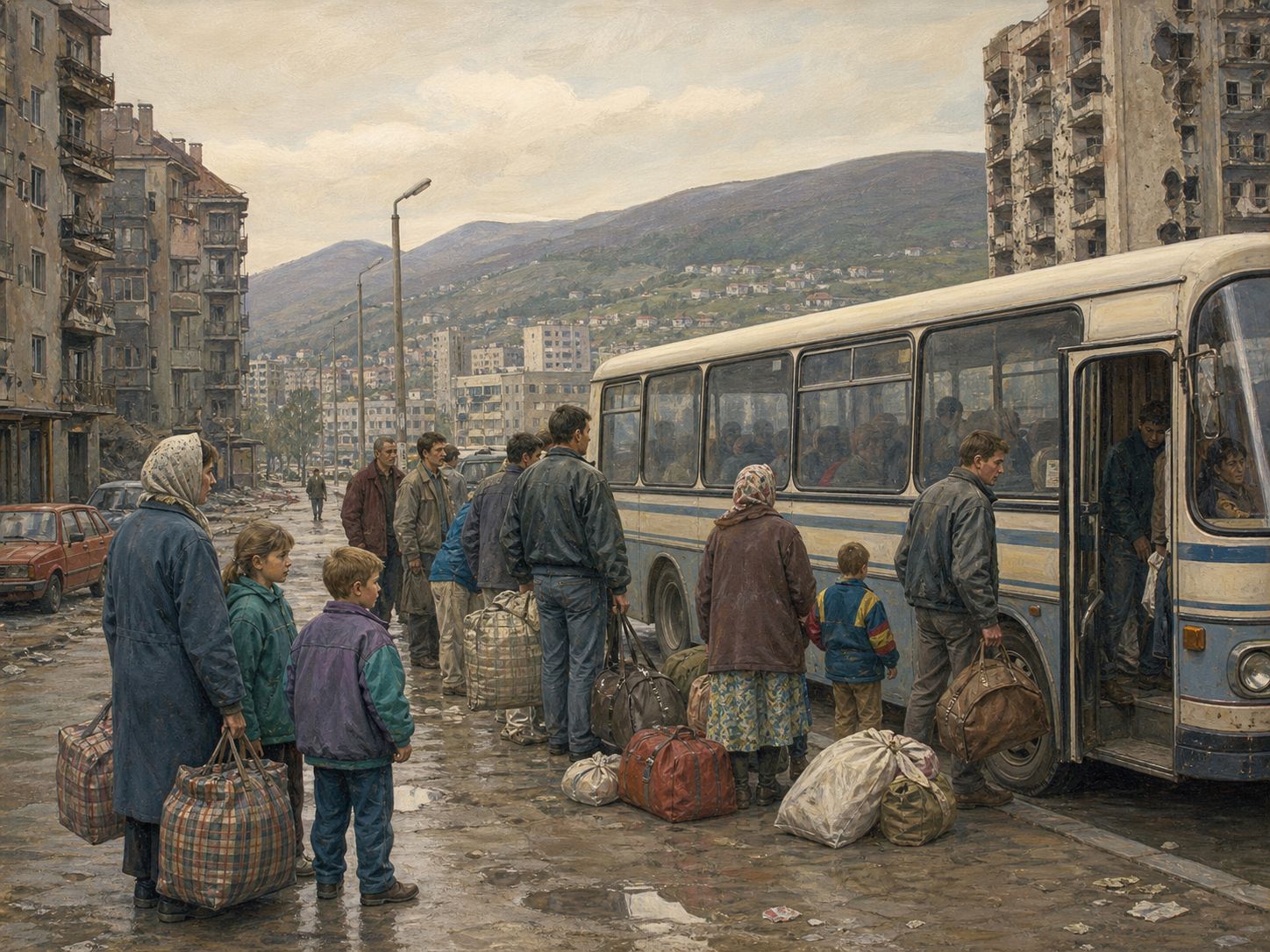
Bosniak, Serb, and Croat forces fought across the country while siege, expulsion, detention, and mass killing shattered civilian life; international peace efforts repeatedly stalled.
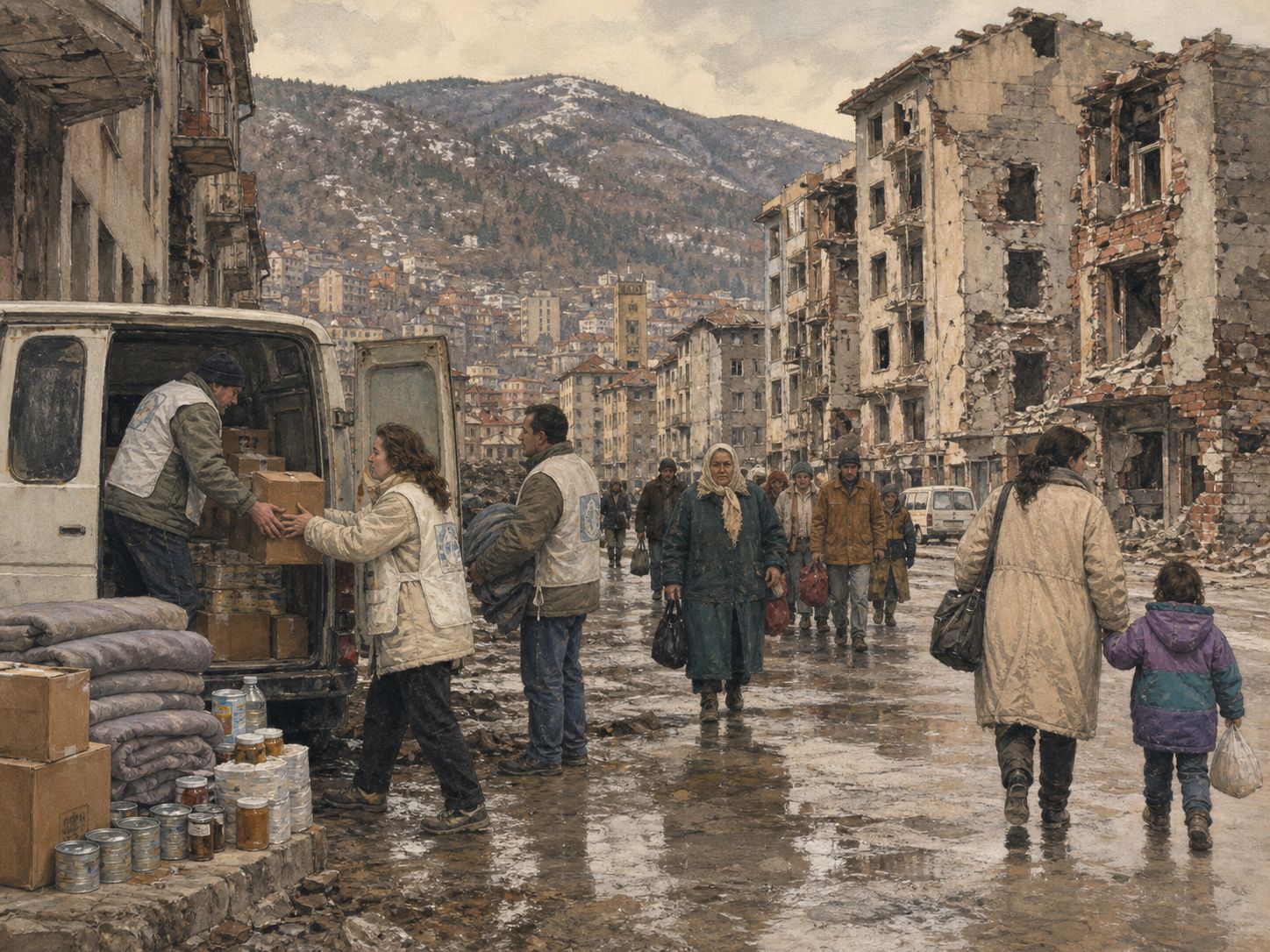
- Sarajevo remained under siege while residents faced danger and shortages of water and food
- Expulsion and displacement spread, with aid vehicles and humanitarian corridors supporting survival
- International peace efforts stalled, and mass killing took place at Srebrenica in 1995
Outcome
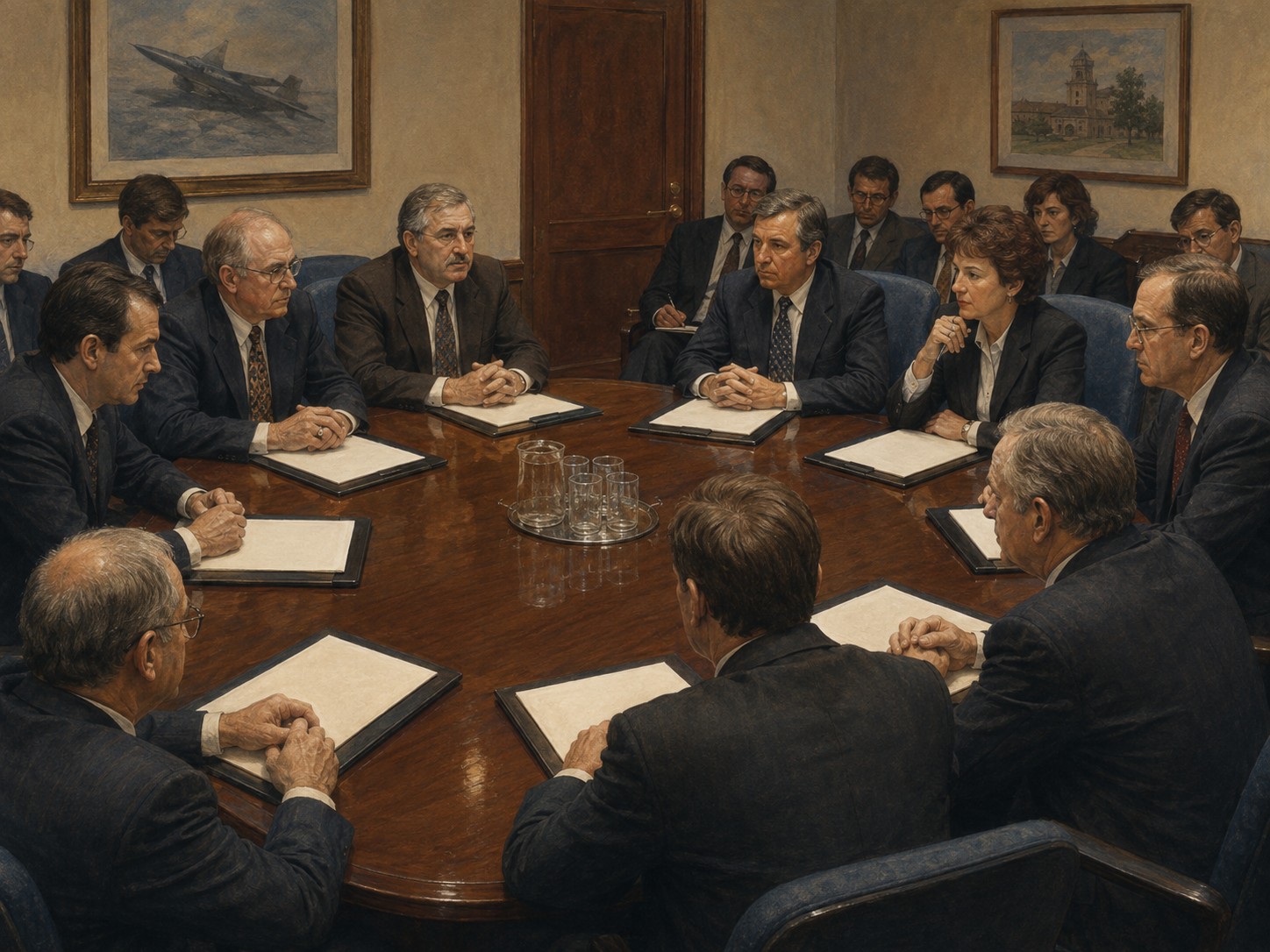
The 1995 Dayton Peace Agreement set a ceasefire and a complex governing framework for Bosnia and Herzegovina, bringing the war to an end.
- The 1995 Dayton Peace Agreement established a ceasefire and ended the war
- Bosnia and Herzegovina received a complex governing framework
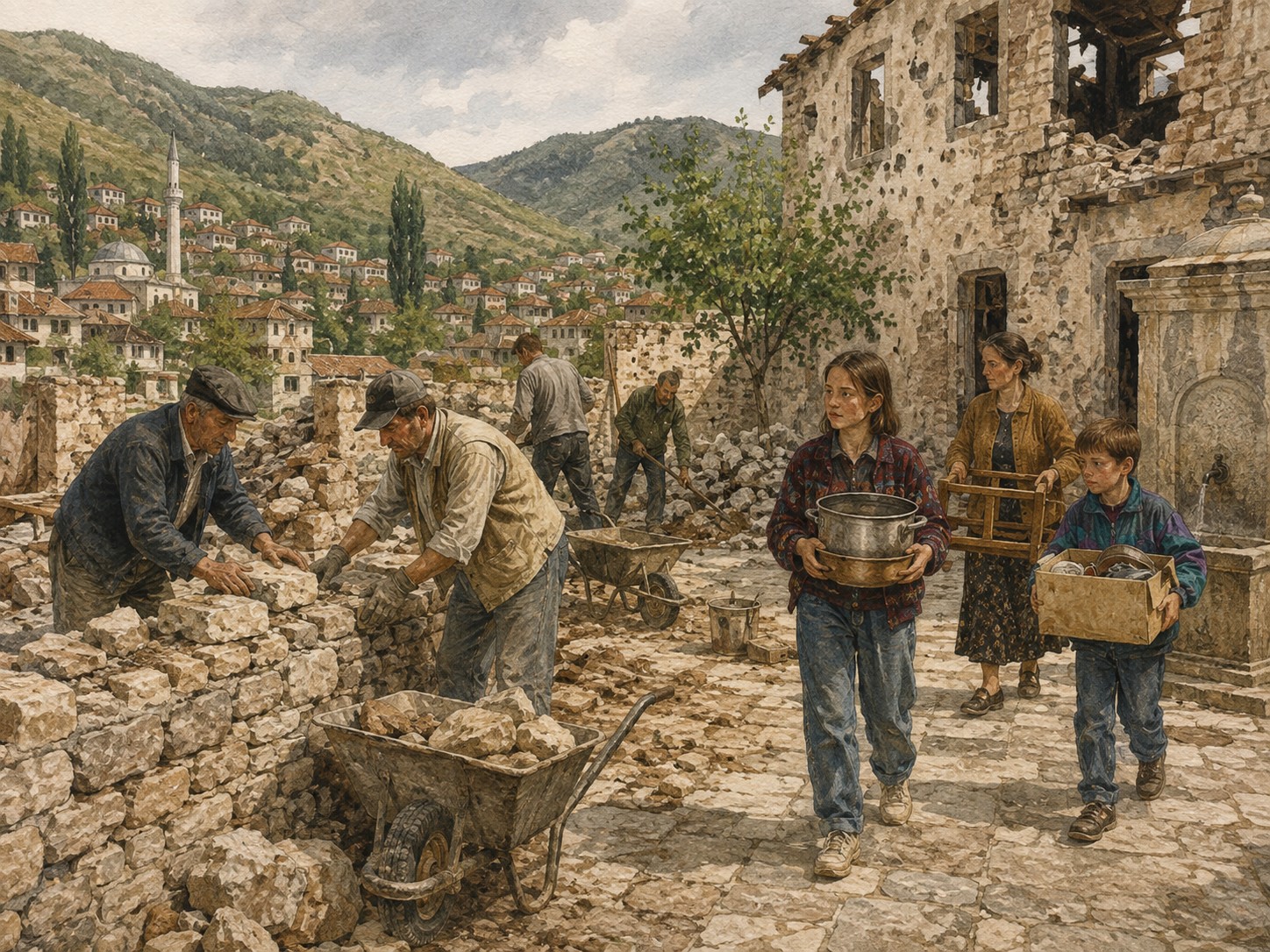
- Fighting stopped while displacement, reconstruction, justice, and memory remained unresolved
Historical significance
The conflict was a post-Cold War European crisis in which ethnic exclusion, state collapse, and international intervention converged, leaving both halted violence and deep institutional division.
- The conflict joined state collapse, ethnic exclusion, and international intervention in post-Cold War Europe
- The experiences of urban residents, displaced people, and aid workers give the conflict its human scale
- Peace halted violence while also institutionalizing forms of political division


Related events
c. 1991–c. 1992
The Yugoslav crisis
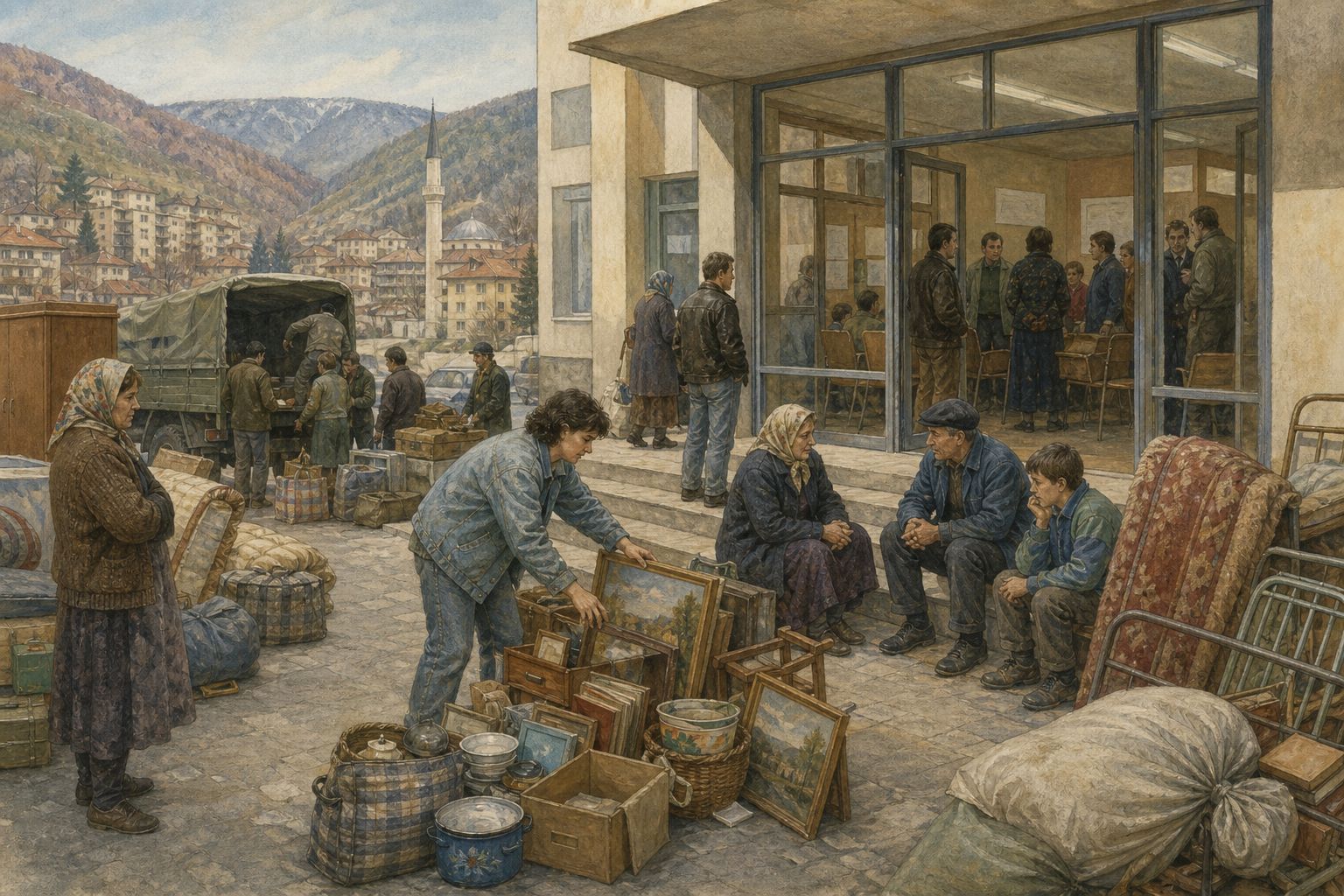
Federal breakup and the dispute over Bosnia and Herzegovina’s independence intensified communal and territorial division.
1992–1995
The siege of Sarajevo
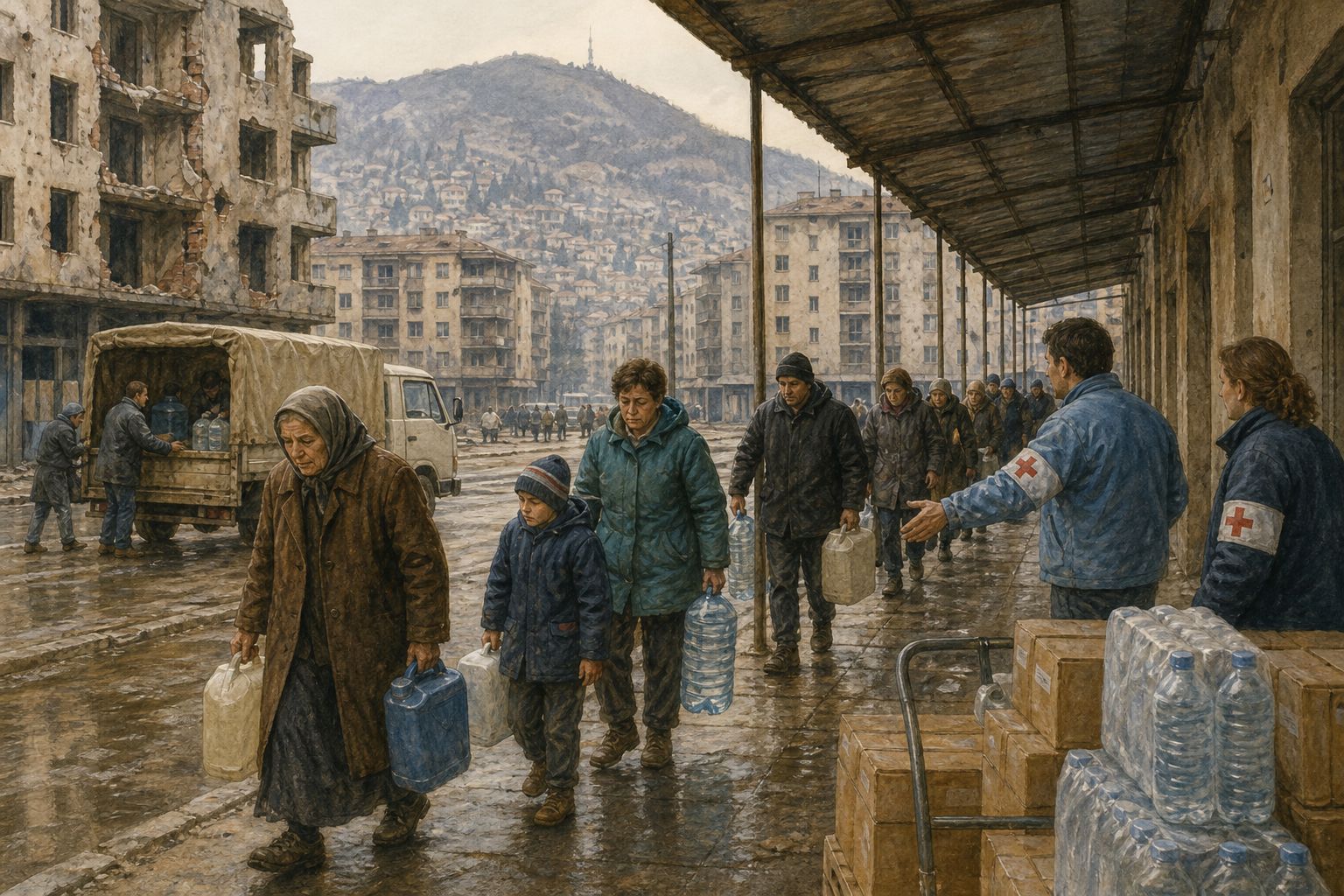
From 1992 to 1995, Sarajevo’s residents lived under bombardment and shortages of water and food.
c. 1992–c. 1995
Expulsion and displacement
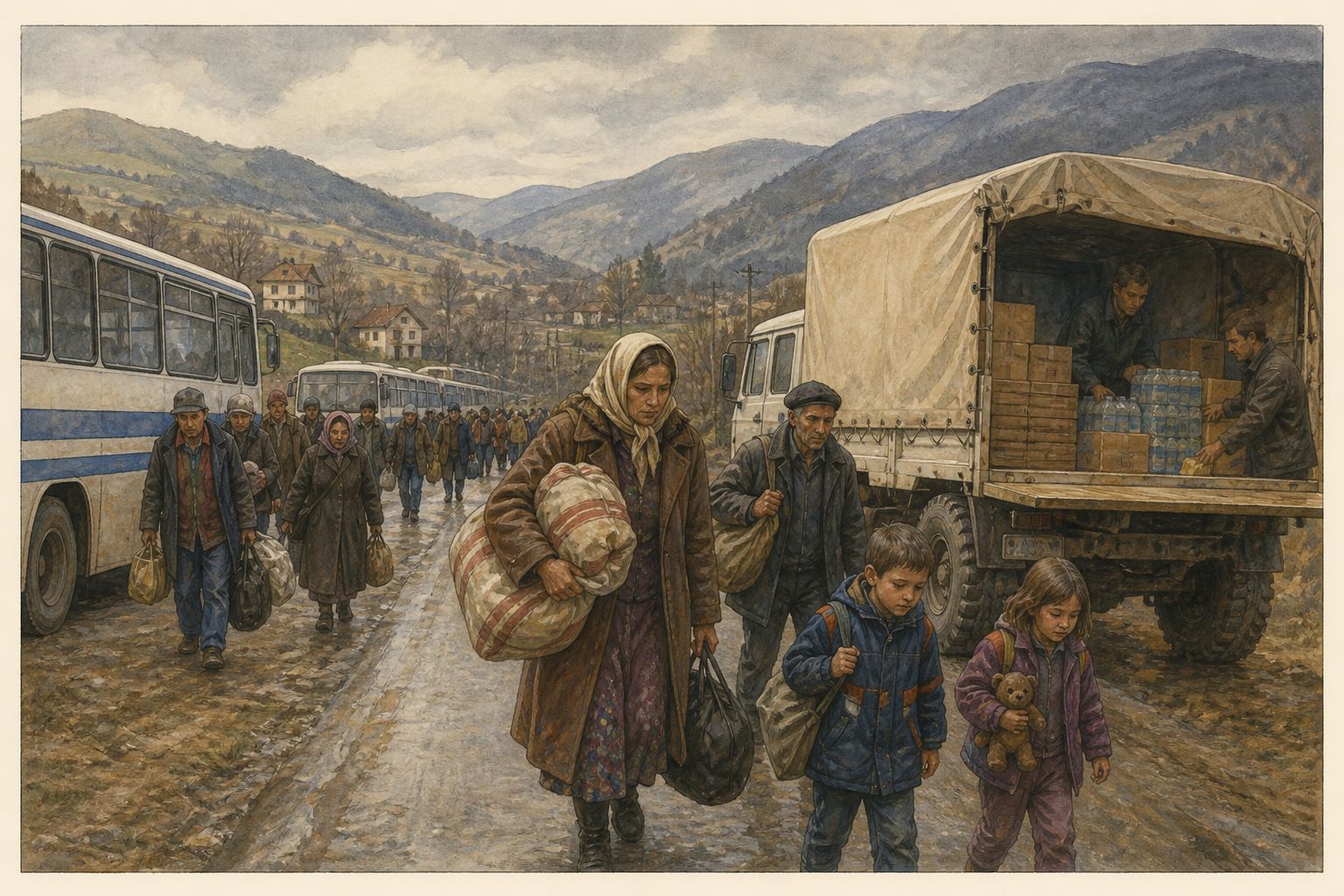
Forced movement spread across the country as families carried belongings along roads toward uncertain refuge.
1995
Srebrenica
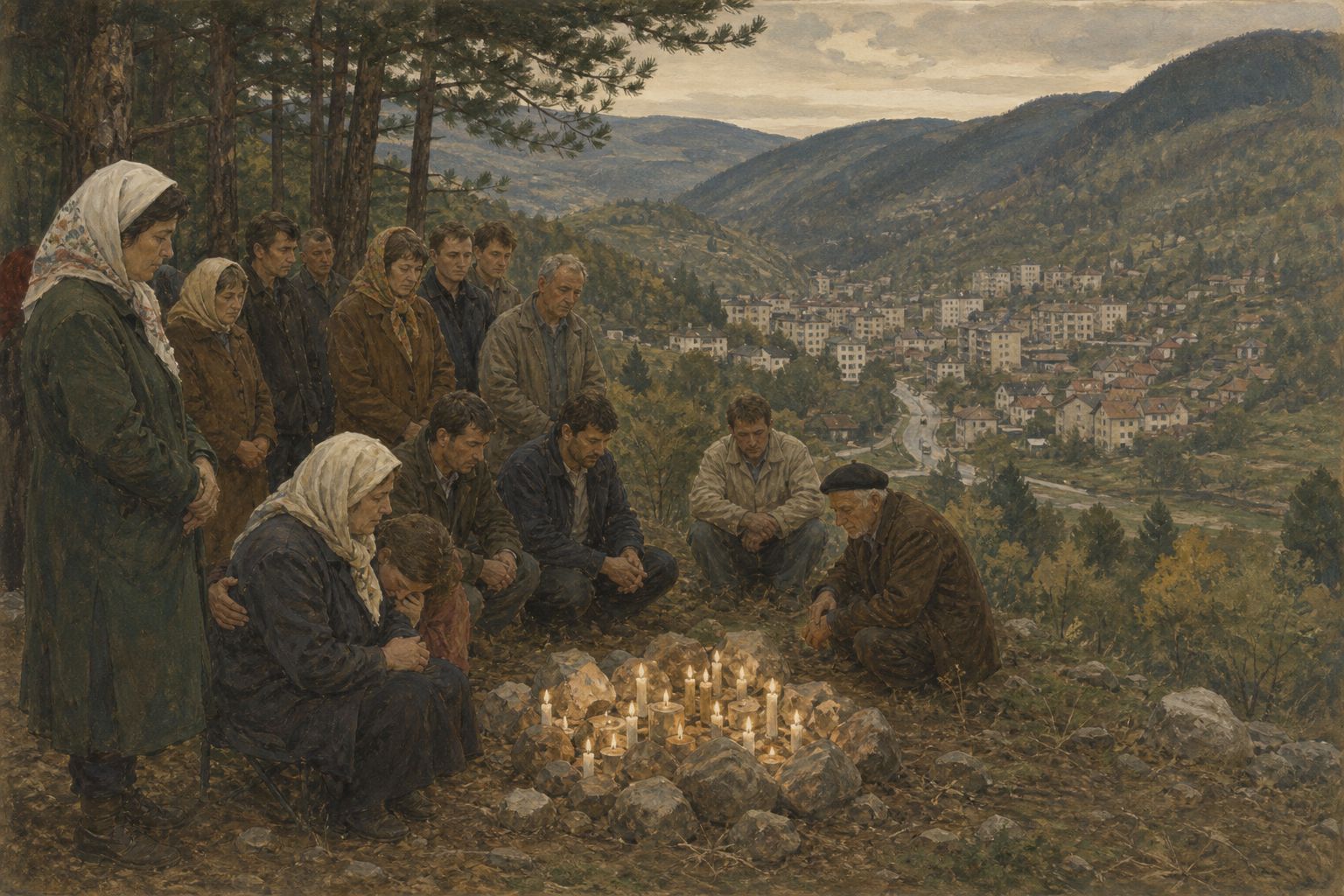
In July 1995, Bosniak men and boys were killed at Srebrenica, a symbol of international failure.
1995
The Dayton Peace Agreement
Current event
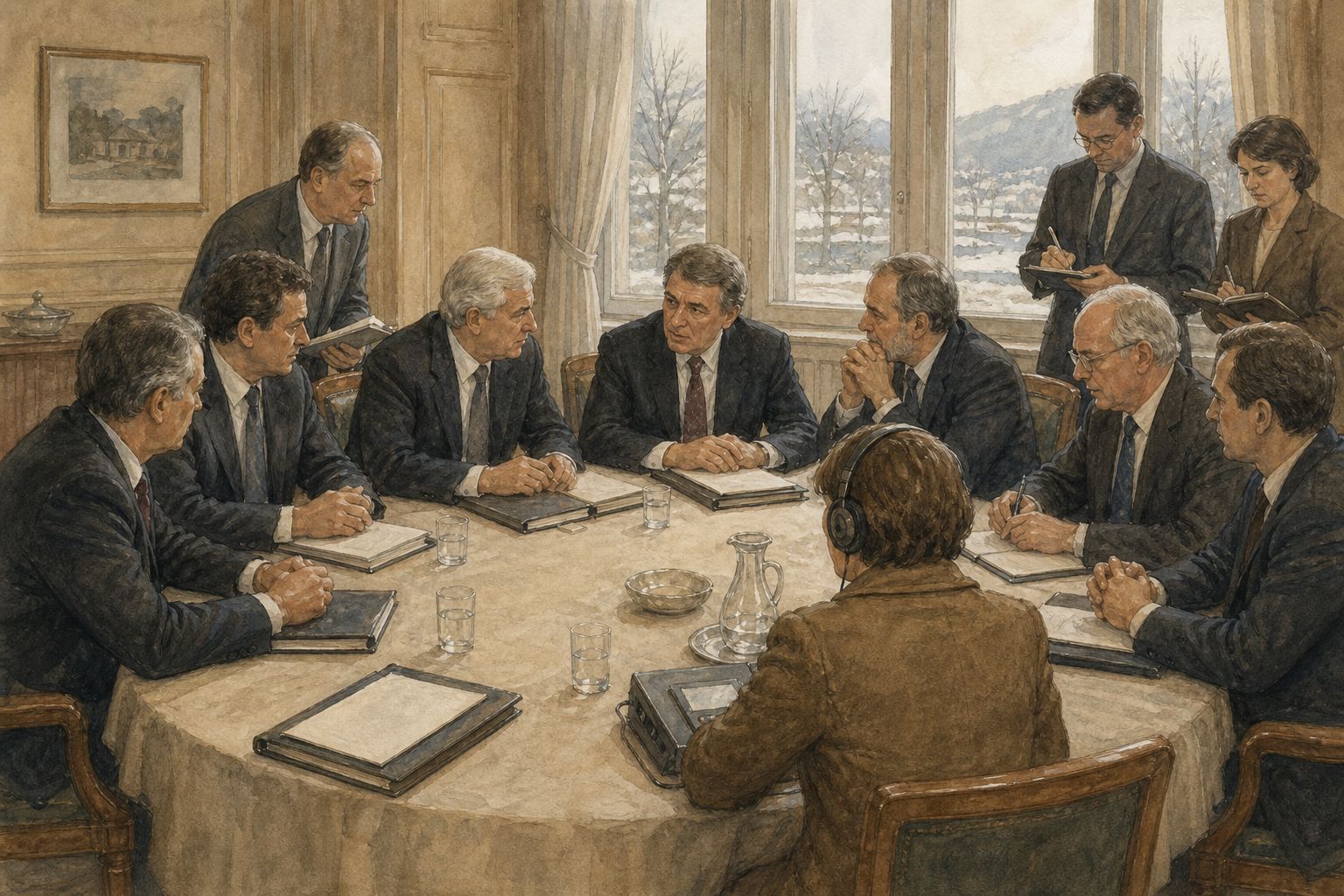
In 1995, negotiations established a ceasefire and a complex constitutional framework that ended the war.


Sources
- Bosnian WarEncyclopaedia BritannicaA foundational account of the Yugoslav breakup, principal forces, war, and Dayton settlement.
- Bosnian WarThe Metropolitan Museum of ArtThe visual and historical context of Sarajevo’s urban life, humanitarian crisis, and international intervention.
- Bosnian WarWorld History EncyclopediaAn overview of the conflict’s background, ethnic cleansing, Srebrenica, and the Dayton peace process.