
Boxer Rebellion
1899–1901
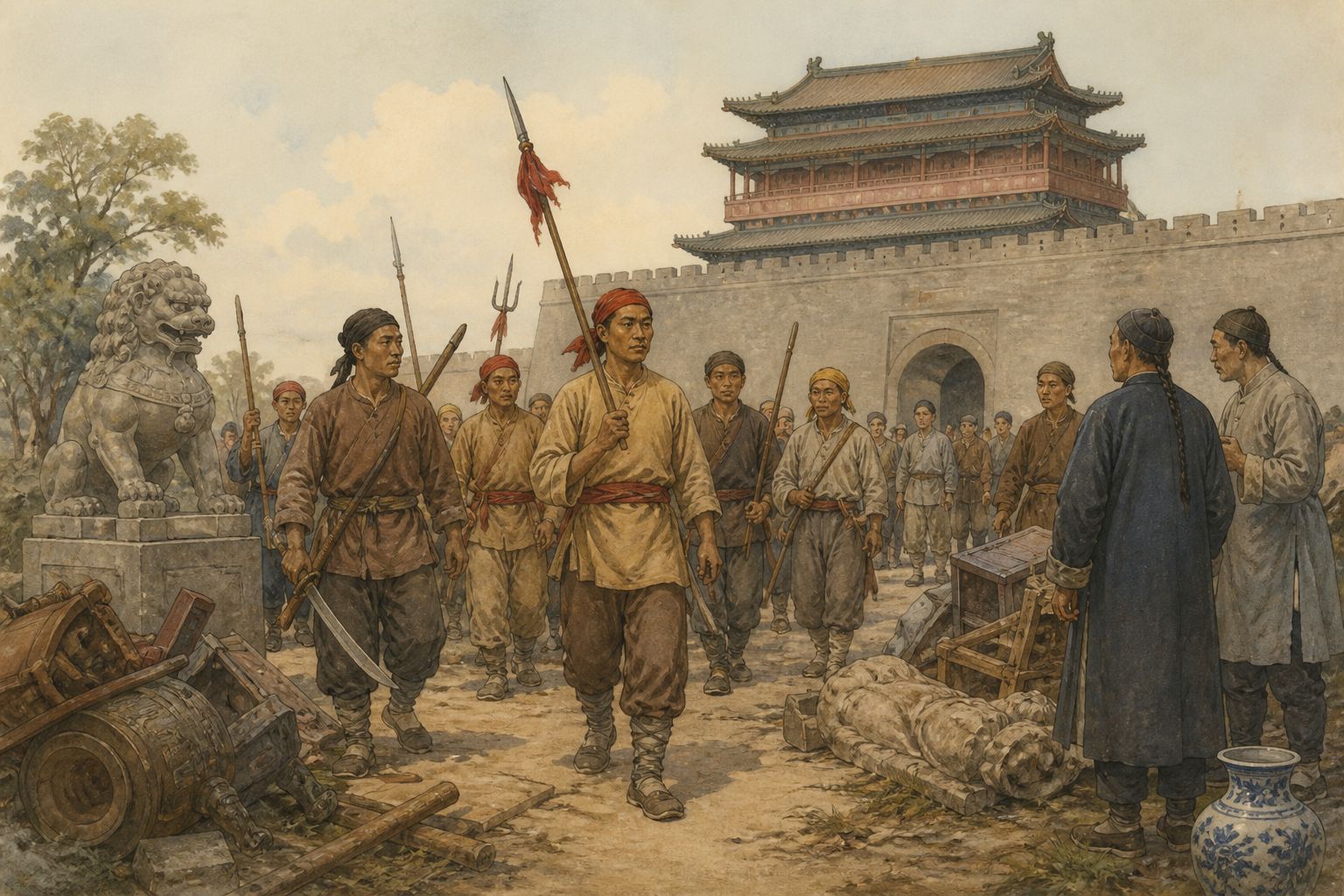
From 1899 to 1901, the Boxer anti-foreign and anti-Christian movement drew in the Qing state and military intervention by foreign powers.

- Period
- 1899–1901
- Kind
- Rebellion
- Regions
- East Asia
- Keywords
- Boxer Rebellion · rebellion · modern · east asia
Follow the story · Four stages
Background
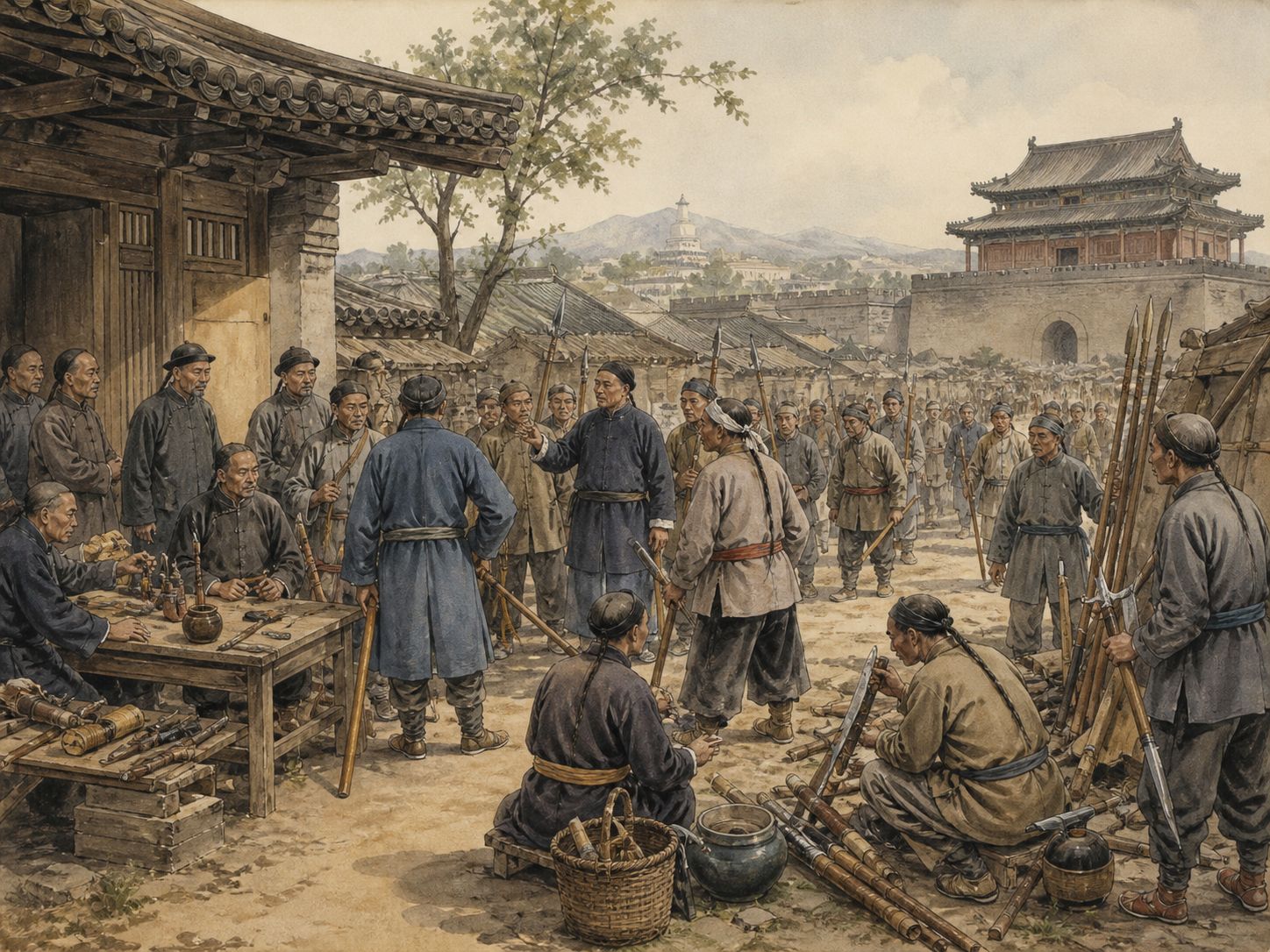
Foreign concessions, railways, missionary activity, disasters, and poverty heightened tensions in north China.
- Foreign concessions, railways, missionary activity, disasters, and poverty heightened tensions in north China.
- Core event: From 1899 to 1901, the Boxer anti-foreign and anti-Christian movement drew in the Qing state and military intervention by foreign powers.
- Connection to the next stage: Boxer groups attacked churches and foreigners, and parts of the Qing state moved toward them as foreign legations in Beijing were besieged.
Course
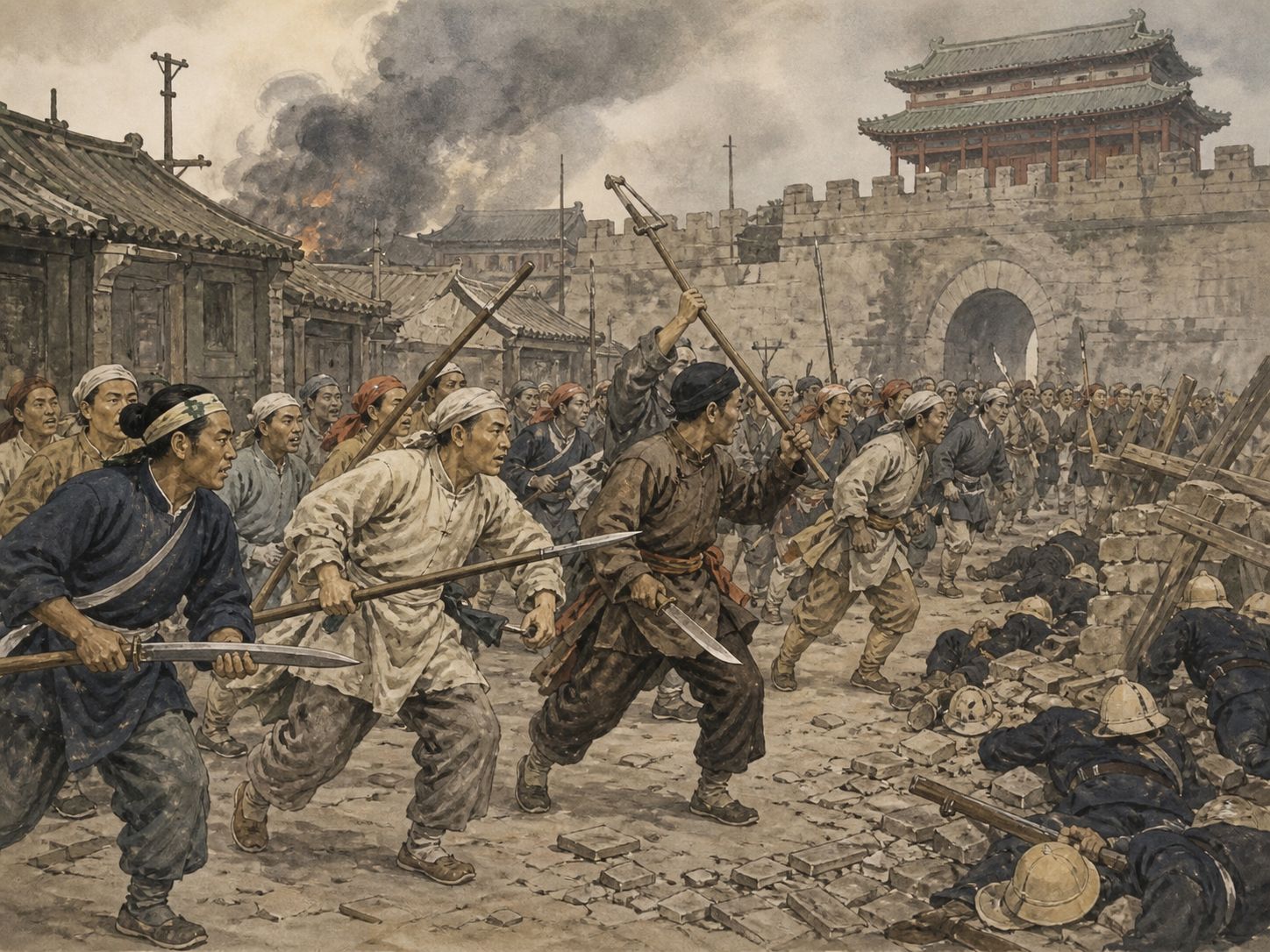
Boxer groups attacked churches and foreigners, and parts of the Qing state moved toward them as foreign legations in Beijing were besieged.
- Boxer groups attacked churches and foreigners, and parts of the Qing state moved toward them as foreign legations in Beijing were besieged.
- Conditions behind the action: Foreign concessions, railways, missionary activity, disasters, and poverty heightened tensions in north China.
- Meaning of the turning point: From 1899 to 1901, the Boxer anti-foreign and anti-Christian movement drew in the Qing state and military intervention by foreign powers.
Outcome
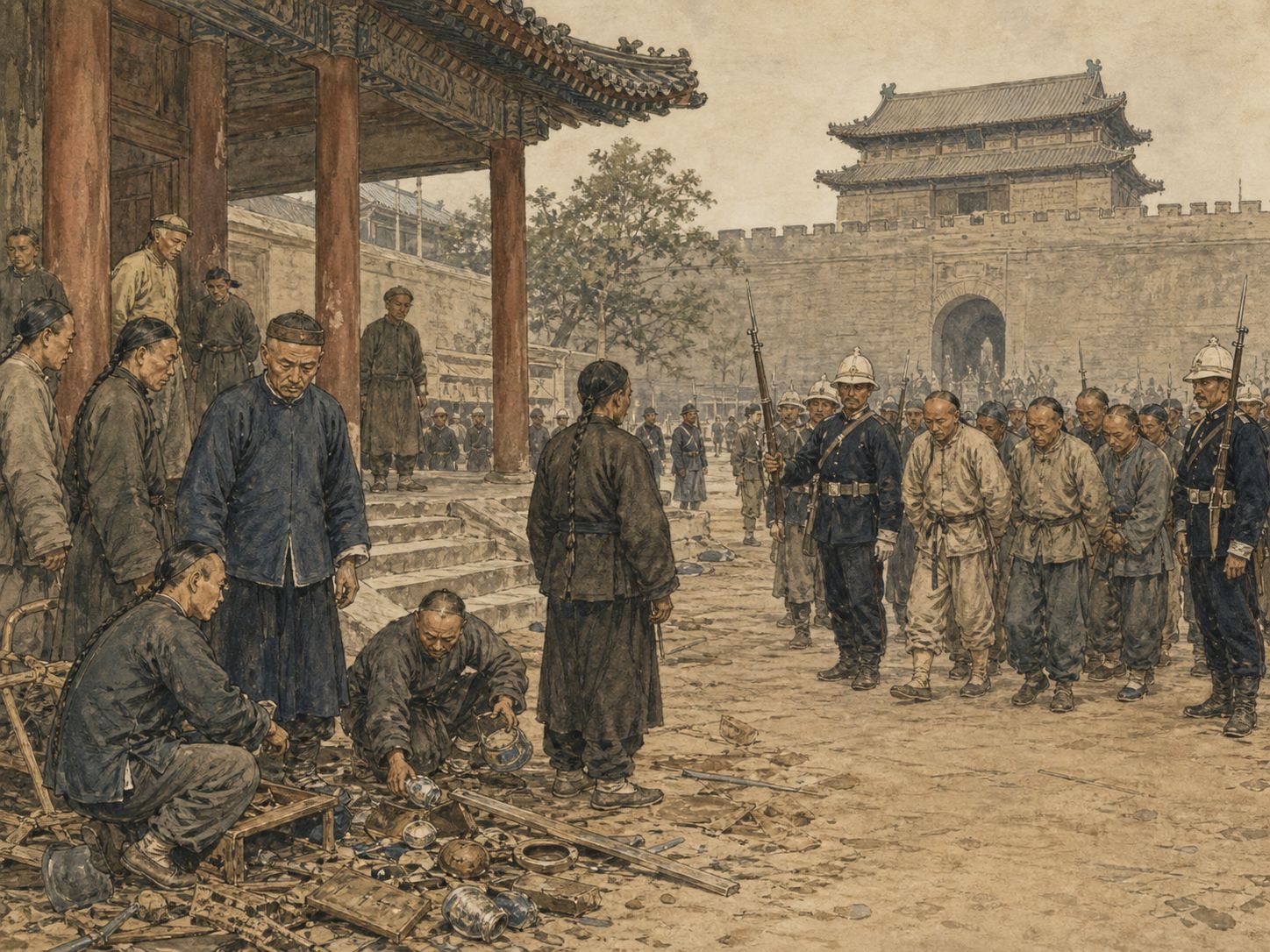
An eight-power expedition occupied Beijing, and the Qing accepted indemnities and military restrictions under the Boxer Protocol.
- An eight-power expedition occupied Beijing, and the Qing accepted indemnities and military restrictions under the Boxer Protocol.
- Process producing the result: Boxer groups attacked churches and foreigners, and parts of the Qing state moved toward them as foreign legations in Beijing were besieged.
- Question carried forward: The crisis exposed Qing weakness and imperial intervention, accelerating debates about reform and revolution.
Historical significance
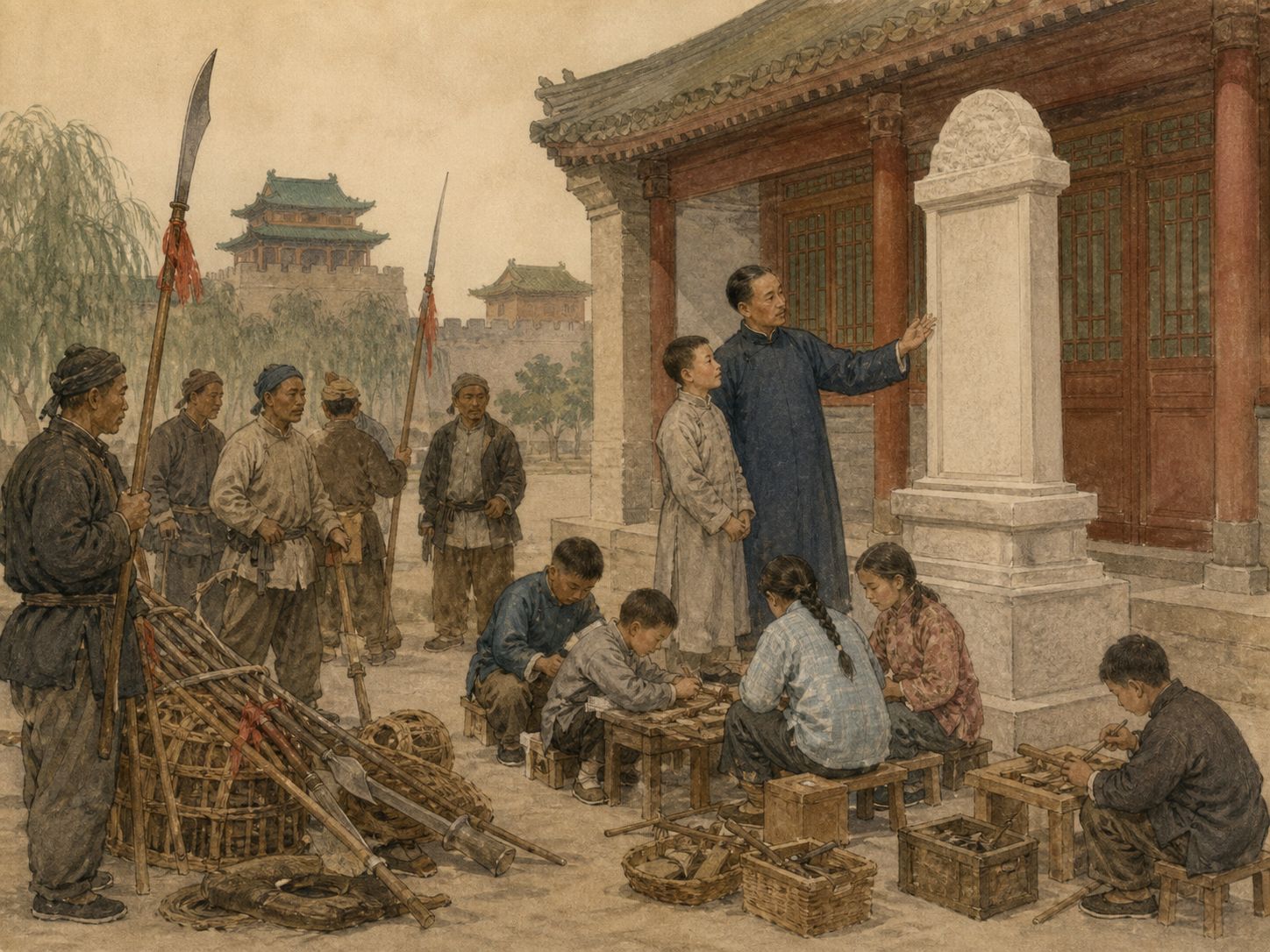
The crisis exposed Qing weakness and imperial intervention, accelerating debates about reform and revolution.
- The crisis exposed Qing weakness and imperial intervention, accelerating debates about reform and revolution.
- Immediate consequence: An eight-power expedition occupied Beijing, and the Qing accepted indemnities and military restrictions under the Boxer Protocol.
- Historical turning point: From 1899 to 1901, the Boxer anti-foreign and anti-Christian movement drew in the Qing state and military intervention by foreign powers.


Related events
c. 1899
Prelude
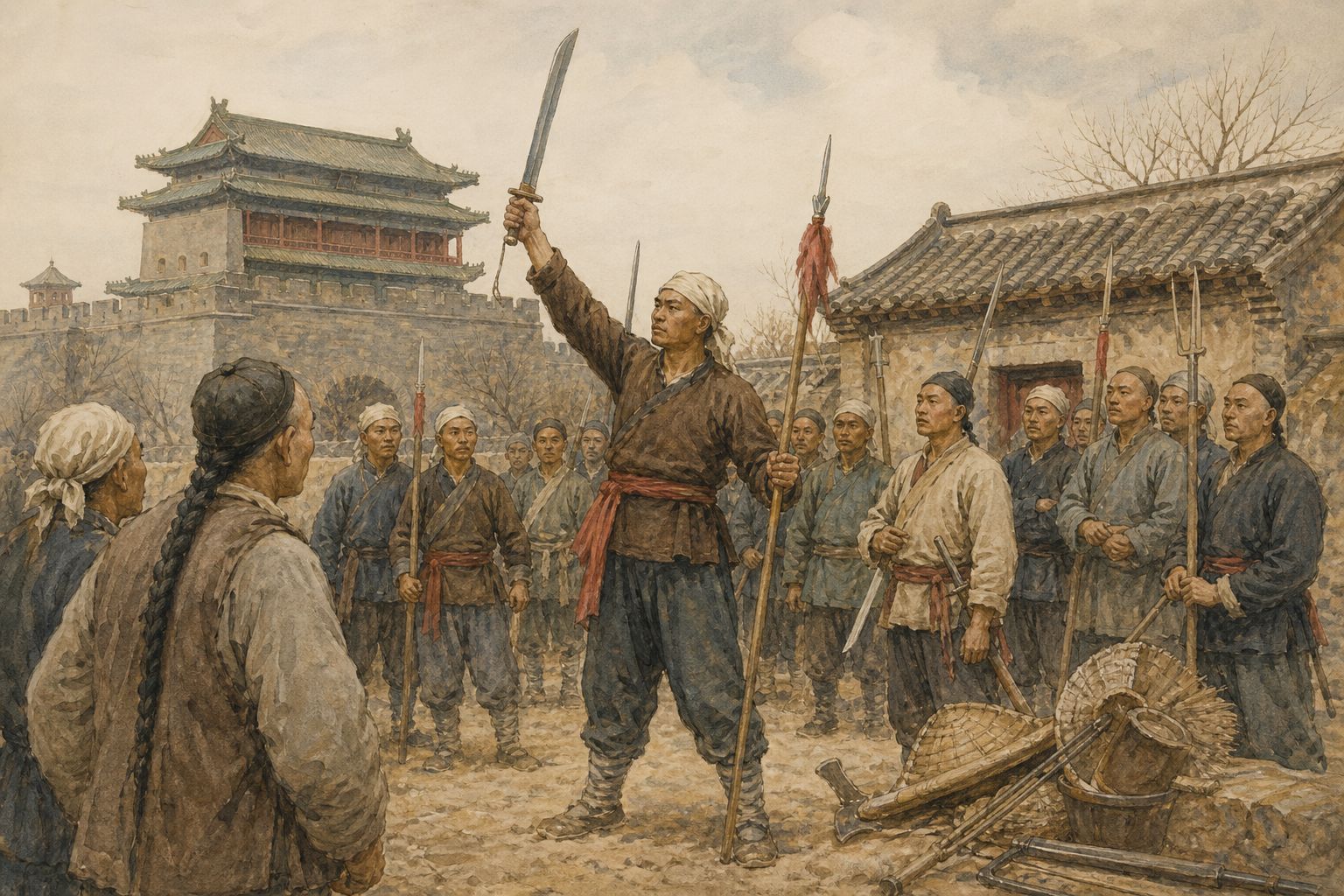
Prelude — Background: Foreign concessions, railways, missionary activity, disasters, and poverty heightened tensions in north China.
c. 1899
Turning point
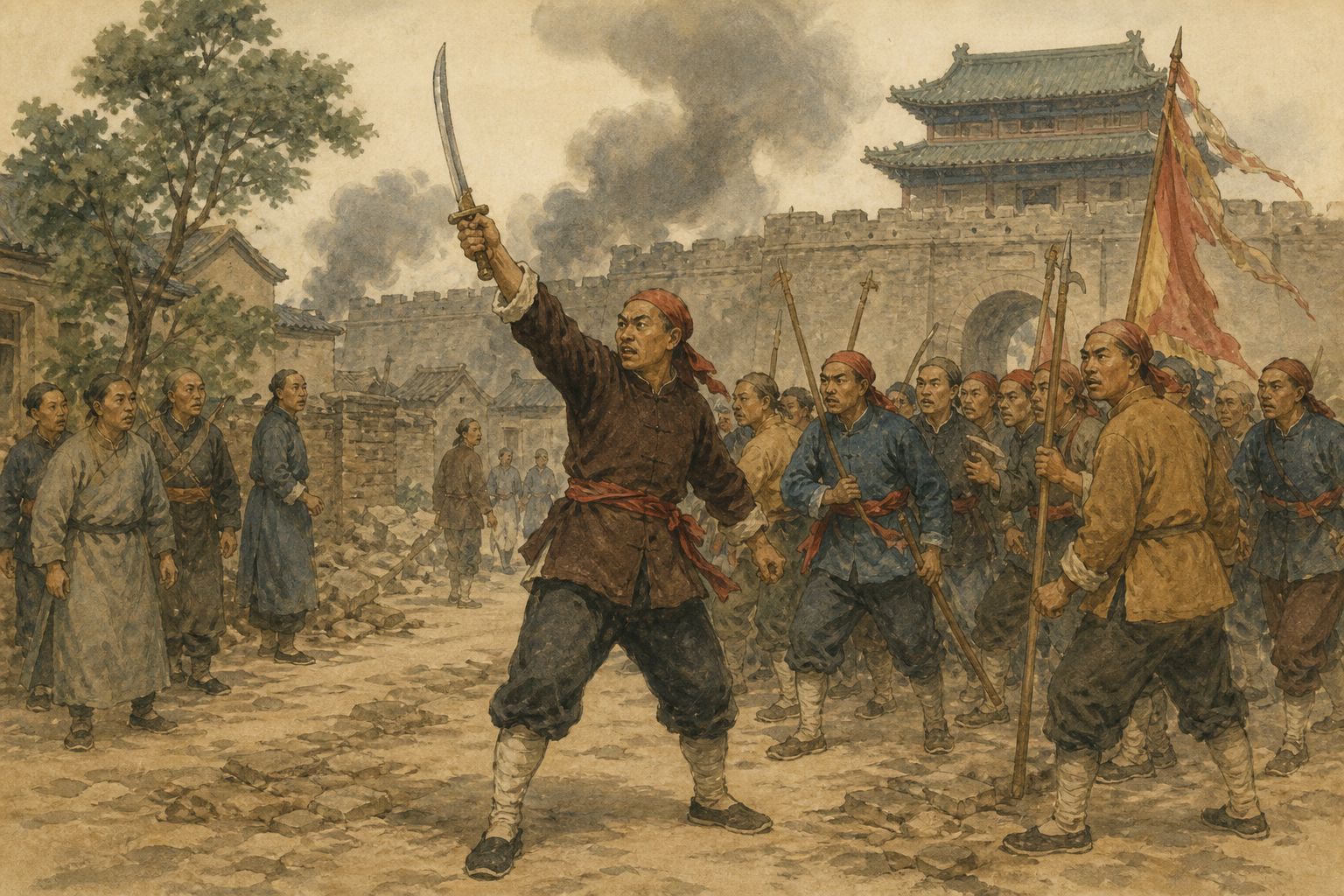
Turning point — Build-up: Boxer groups attacked churches and foreigners, and parts of the Qing state moved toward them as foreign legations in Beijing were besieged.
1899–1901
Current phase
Current event
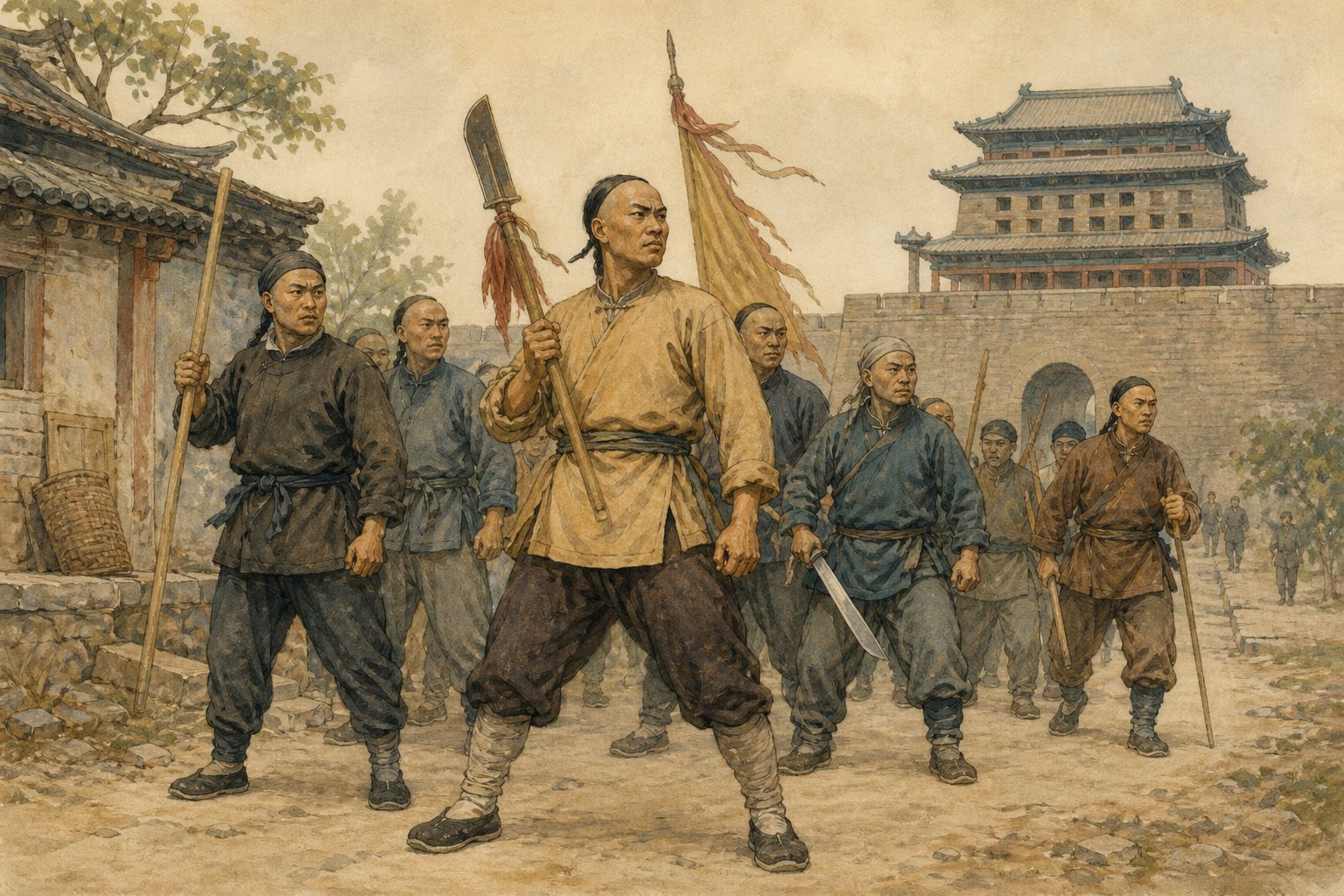
Current phase — Central transition: From 1899 to 1901, the Boxer anti-foreign and anti-Christian movement drew in the Qing state and military intervention by foreign powers.
c. 1902
Immediate aftermath
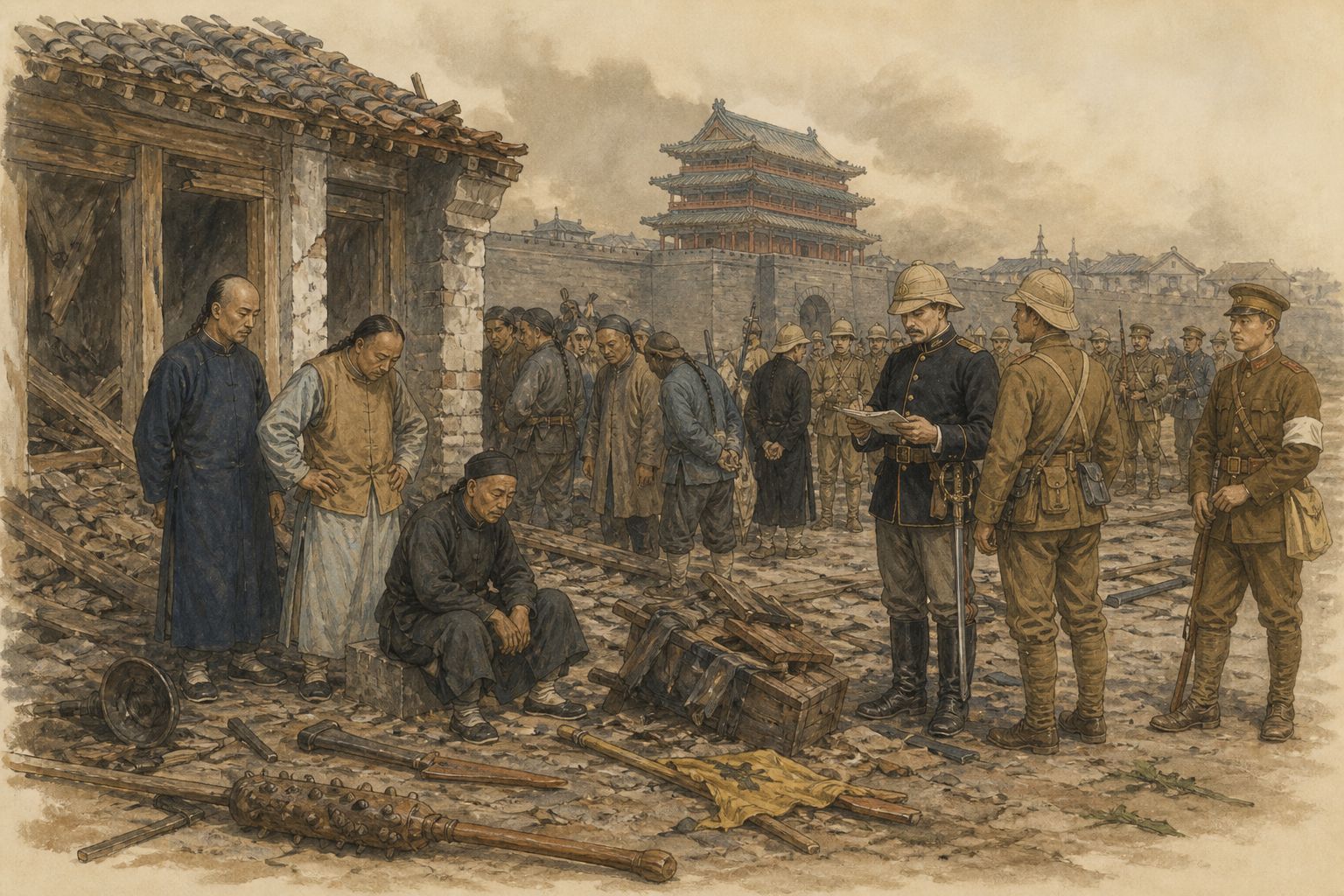
Immediate aftermath — Immediate result: An eight-power expedition occupied Beijing, and the Qing accepted indemnities and military restrictions under the Boxer Protocol.
c. 1911
Long-term significance
Long-term significance — Long-term significance: The crisis exposed Qing weakness and imperial intervention, accelerating debates about reform and revolution.


Sources
- Boxer Rebellion — Hay And China (U.S. Office of the Historian)history.state.govThis U.S. Office of the Historian resource supports the chronology, setting, and course of Boxer Rebellion.
- Boxer Rebellion — D69 (U.S. Office of the Historian)history.state.govThis U.S. Office of the Historian resource supports the chronology, setting, and course of Boxer Rebellion.
- Boxer Rebellion — D72 (U.S. Office of the Historian)history.state.govThis U.S. Office of the Historian resource supports the chronology, setting, and course of Boxer Rebellion.