Conquest of the Inca Empire
1532–1572
From Cajamarca in 1532 to the fall of Vilcabamba in 1572, the Inca Empire was conquered through succession conflict, Spanish intervention, Indigenous alliances, disease, and colonial institutions.

- Period
- 1532–1572
- Kind
- Political event
- Regions
- South Asia
- Keywords
- Conquest of the Inca Empire · Spanish conquest of Peru · Vilcabamba · political event · early modern · south asia
Follow the story · Four stages
Background
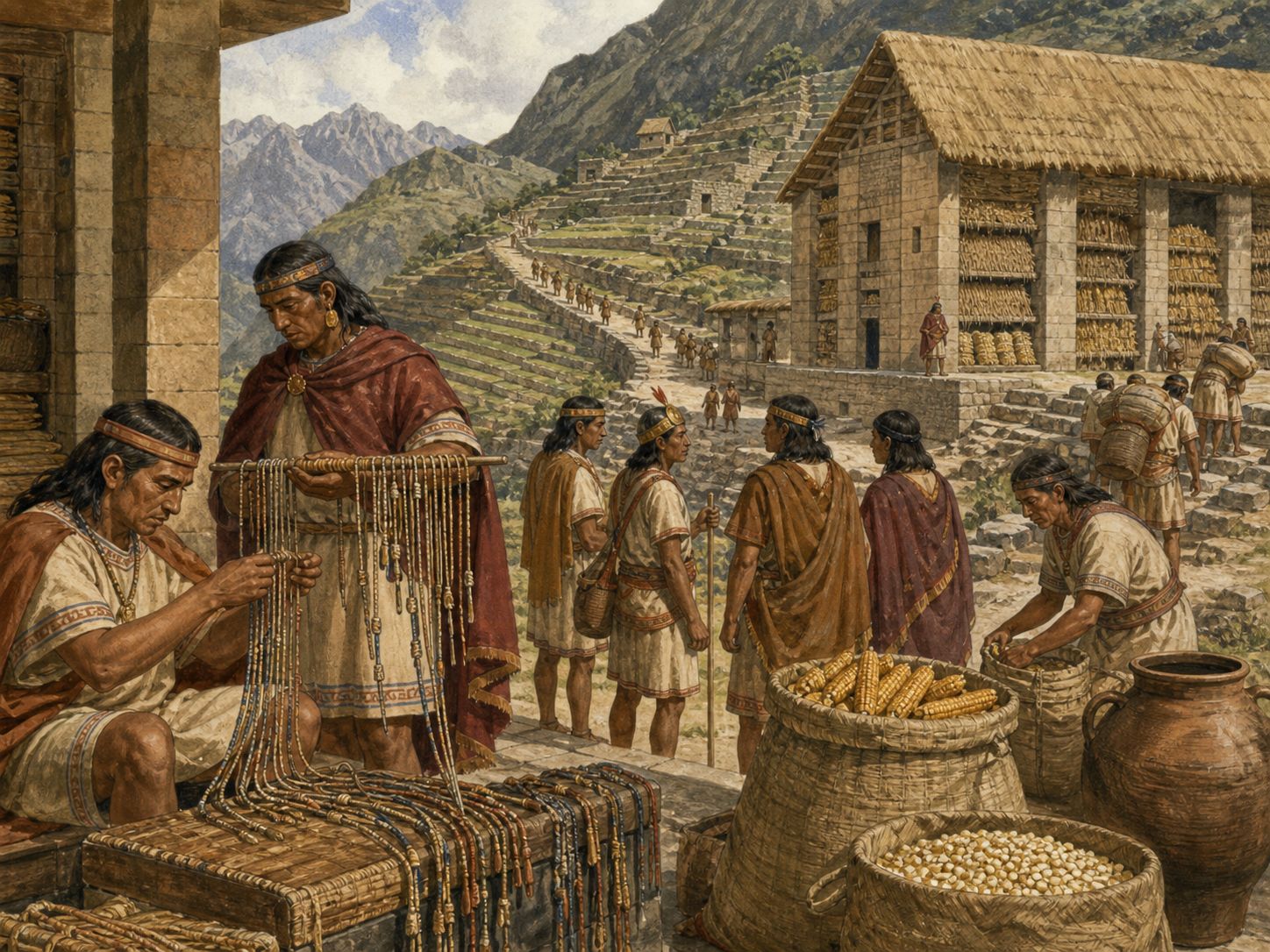
A succession struggle after the death of Huayna Capac divided the empire, giving Francisco Pizarro’s expedition opportunities to exploit Andean political rivalries and alliances.
- A succession struggle after the death of Huayna Capac divided the empire, giving Francisco Pizarro’s expedition opportunities to exploit Andean political rivalries and alliances.
- Core event: From Cajamarca in 1532 to the fall of Vilcabamba in 1572, the Inca Empire was conquered through succession conflict, Spanish intervention, Indigenous alliances, disease, and colonial institutions.
- Connection to the next stage: After capturing Atahualpa at Cajamarca in 1532, Spanish forces and Indigenous allies moved on Cusco and confronted the resistance led by Manco Inca and the independent Vilcabamba state.
Course
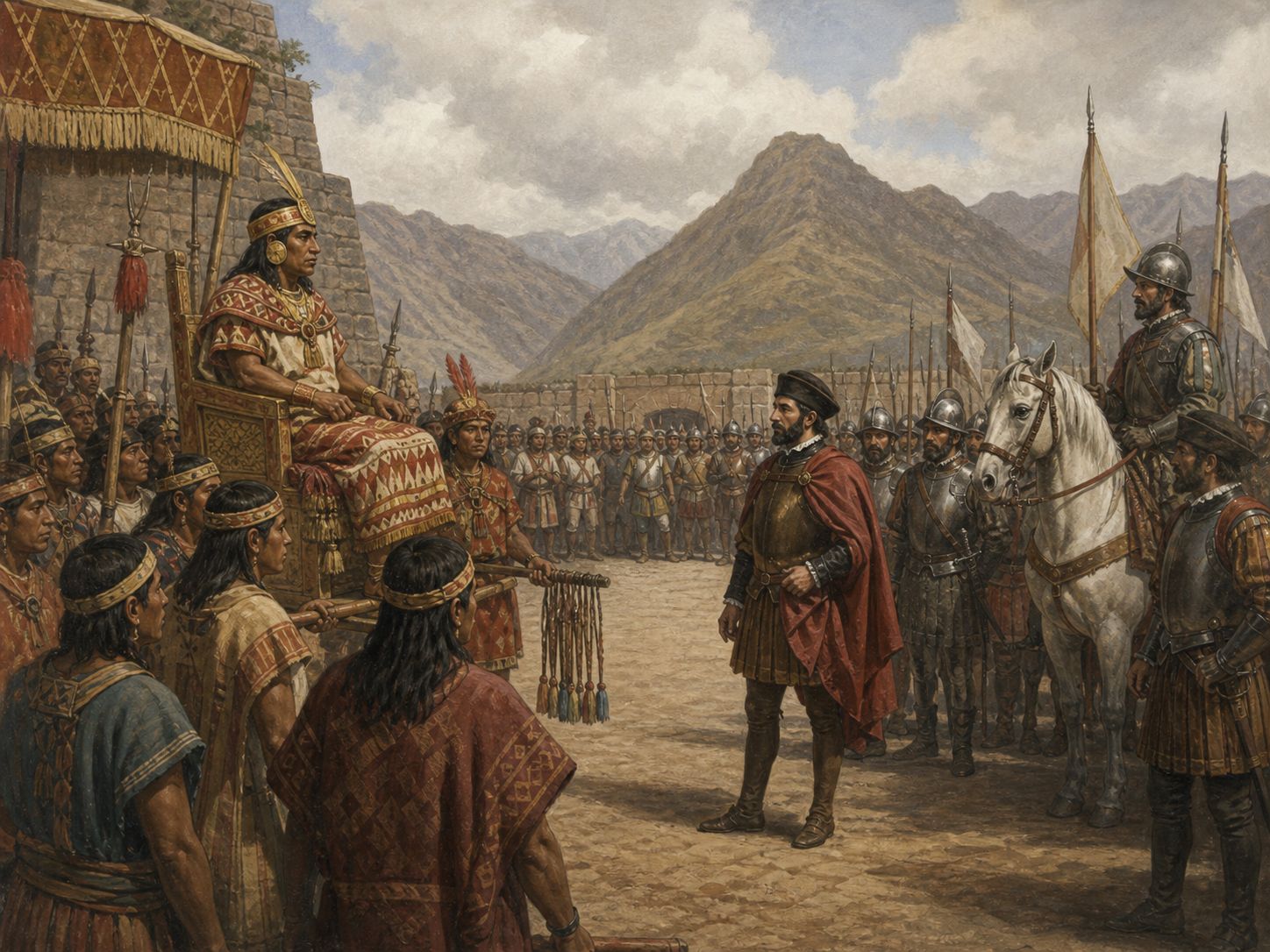
After capturing Atahualpa at Cajamarca in 1532, Spanish forces and Indigenous allies moved on Cusco and confronted the resistance led by Manco Inca and the independent Vilcabamba state.
- After capturing Atahualpa at Cajamarca in 1532, Spanish forces and Indigenous allies moved on Cusco and confronted the resistance led by Manco Inca and the independent Vilcabamba state.
- Conditions behind the action: A succession struggle after the death of Huayna Capac divided the empire, giving Francisco Pizarro’s expedition opportunities to exploit Andean political rivalries and alliances.
- Meaning of the turning point: From Cajamarca in 1532 to the fall of Vilcabamba in 1572, the Inca Empire was conquered through succession conflict, Spanish intervention, Indigenous alliances, disease, and colonial institutions.
Outcome
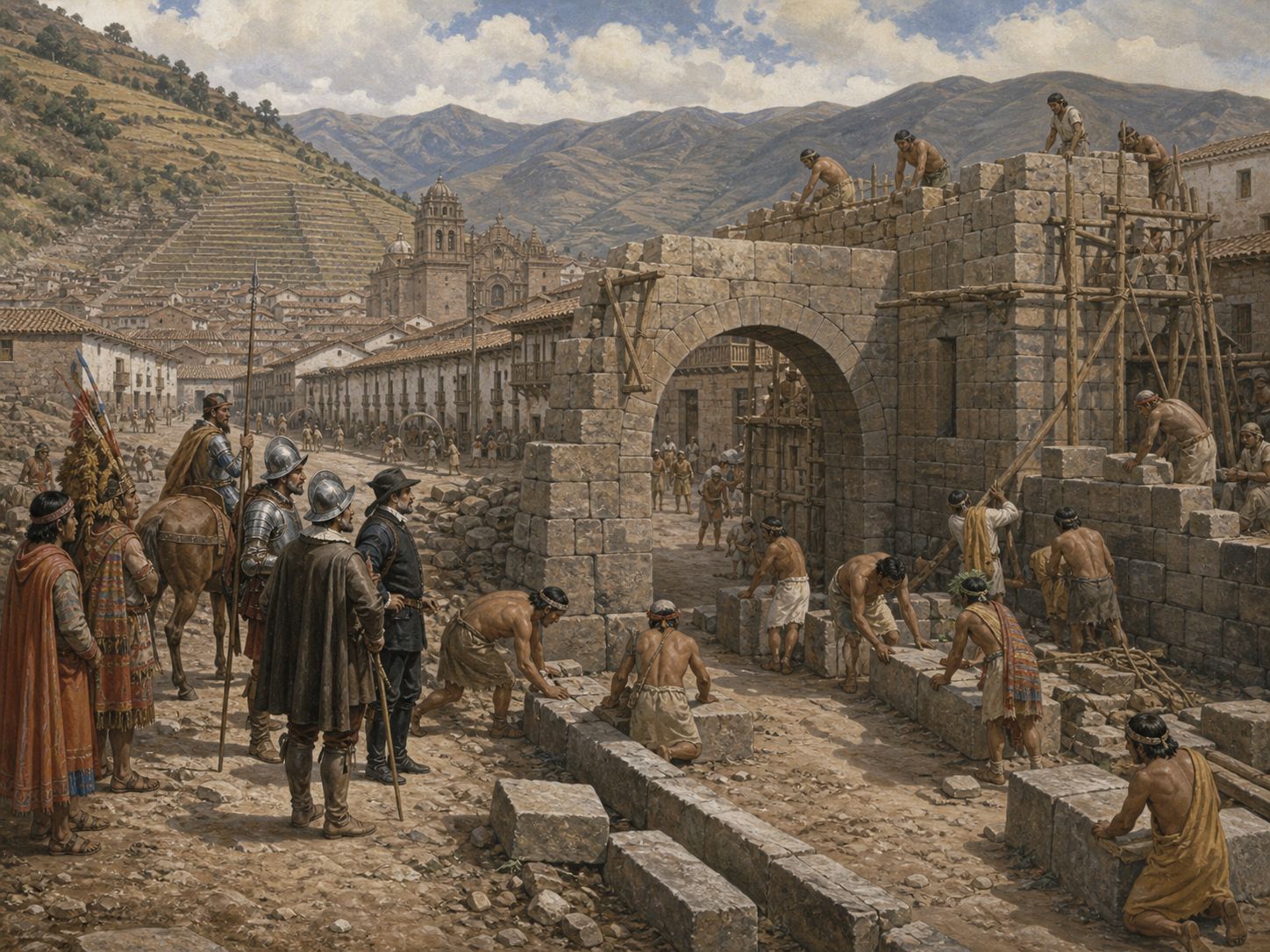
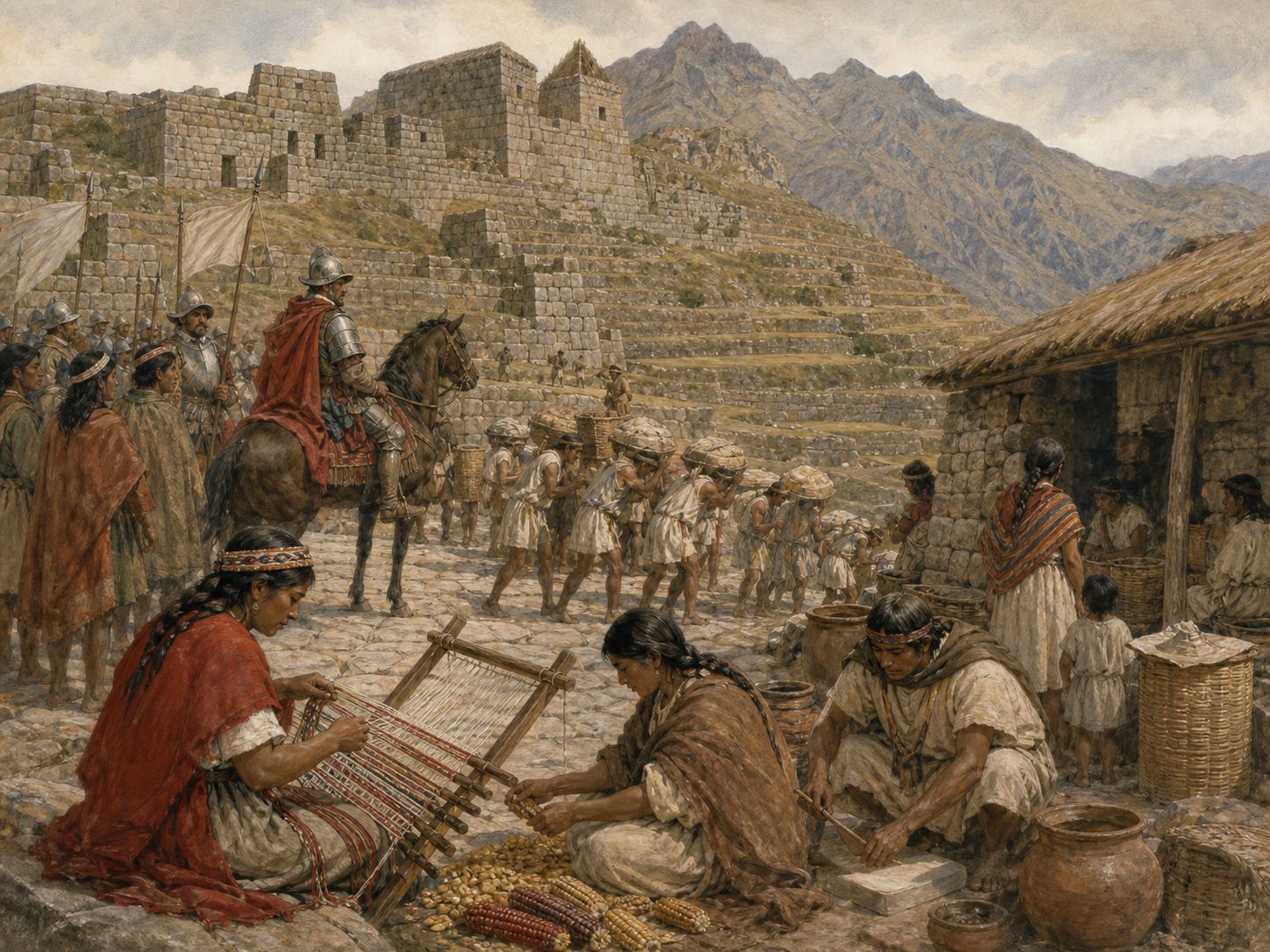
Cusco and the imperial heartland came under Spanish rule, and Vilcabamba fell in 1572. Forced labor, conversion, epidemic disease, and land reorganization expanded, while Andean institutions and cultures continued in transformed forms.
- Cusco and the imperial heartland came under Spanish rule, and Vilcabamba fell in 1572.
- Forced labor, conversion, epidemic disease, and land reorganization expanded, while Andean institutions and cultures continued in transformed forms.
- Process producing the result: After capturing Atahualpa at Cajamarca in 1532, Spanish forces and Indigenous allies moved on Cusco and confronted the resistance led by Manco Inca and the independent Vilcabamba state.
Historical significance
The conquest cannot be explained by a small Spanish force’s technology alone. Civil war, Indigenous alliances, opposition to imperial rule, disease, terrain, and colonial violence all mattered.
- The conquest cannot be explained by a small Spanish force’s technology alone.
- Civil war, Indigenous alliances, opposition to imperial rule, disease, terrain, and colonial violence all mattered.
- Immediate consequence: Cusco and the imperial heartland came under Spanish rule, and Vilcabamba fell in 1572. Forced labor, conversion, epidemic disease, and land reorganization expanded, while Andean institutions and cultures continued in transformed forms.


Related events
1525–1532
Inca civil war and succession crisis
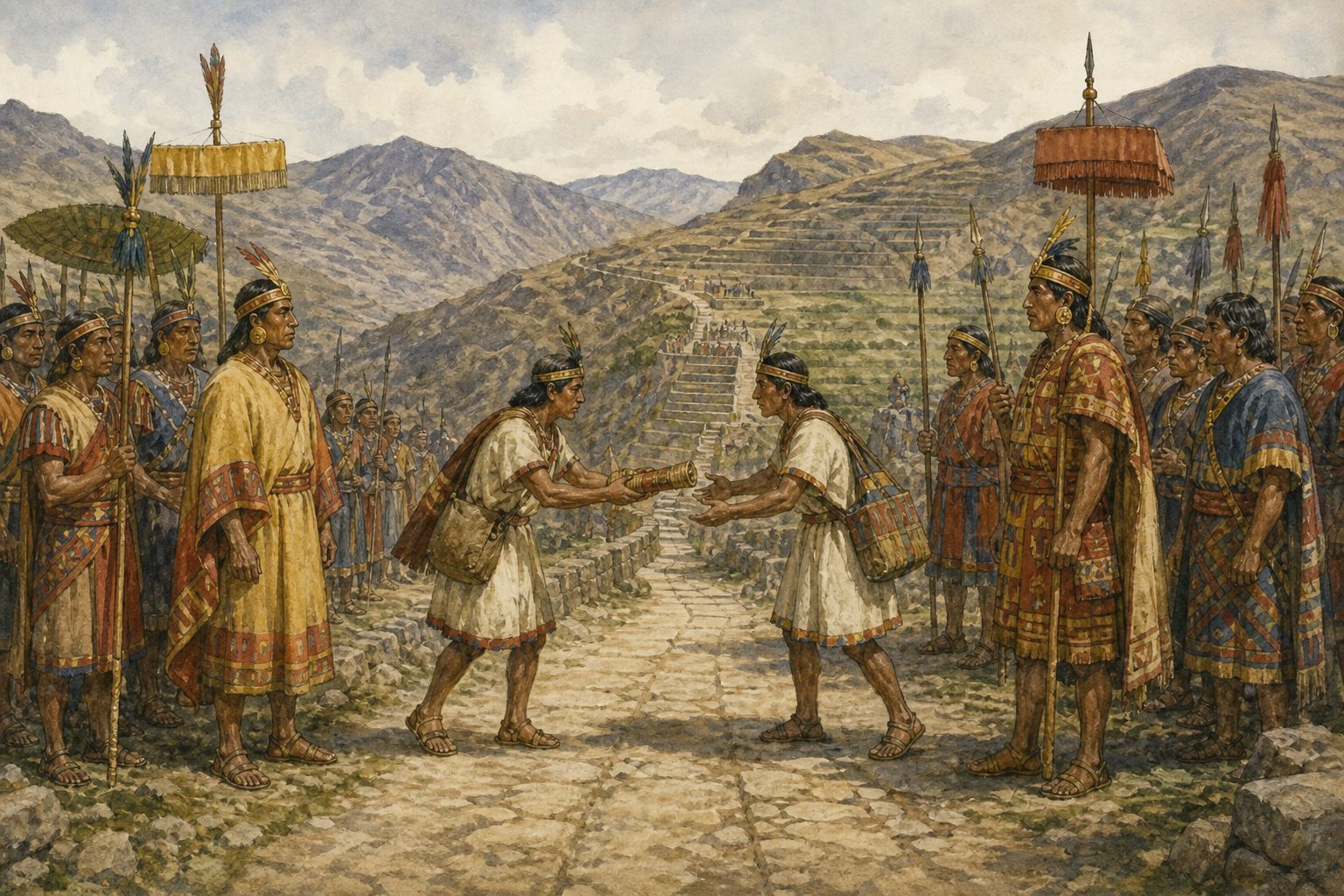
Inca civil war and succession crisis — Background: A succession struggle after the death of Huayna Capac divided the empire, giving Francisco Pizarro’s expedition opportunities to exploit Andean political rivalries and alliances.
1532–1532
Capture of Atahualpa at Cajamarca
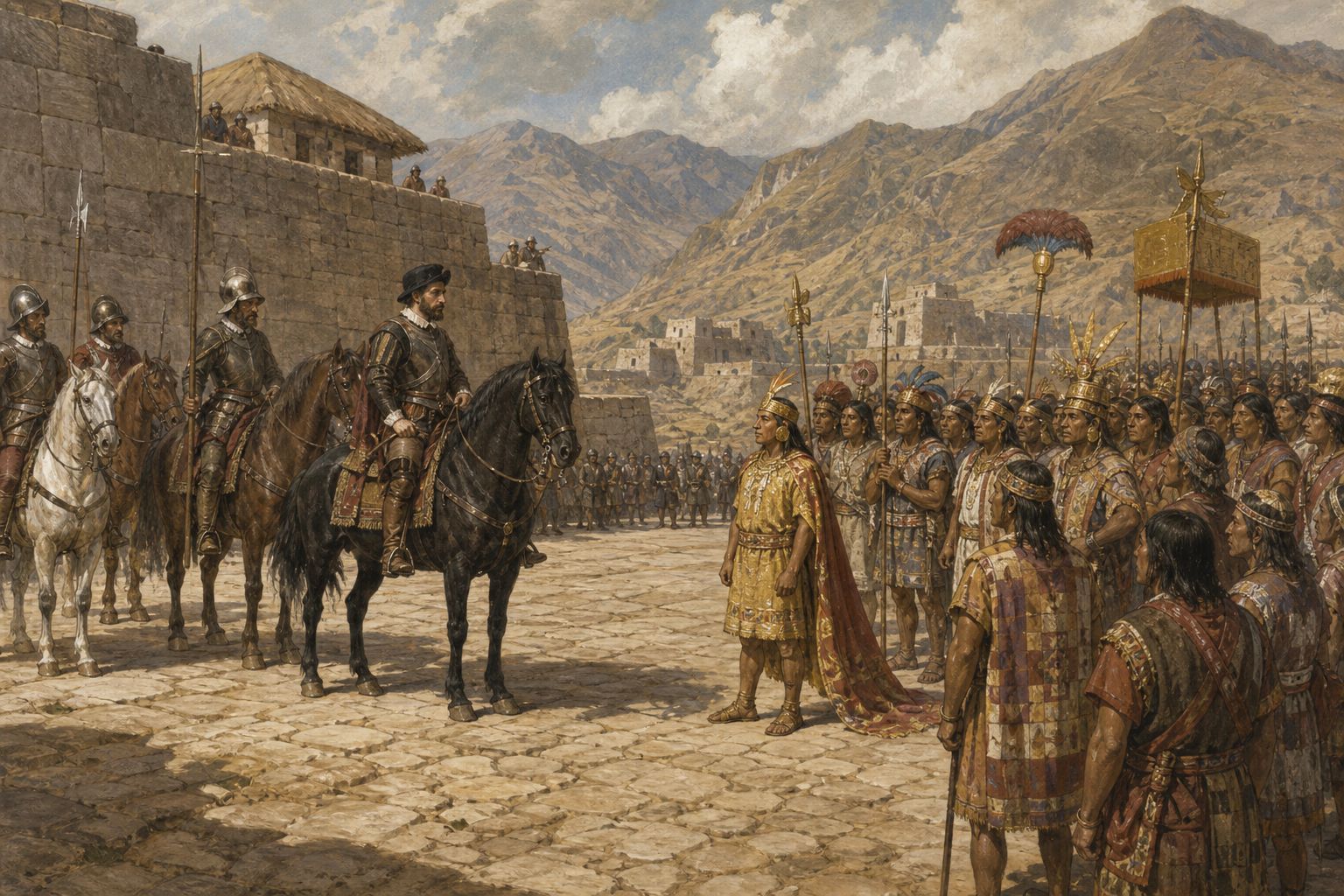
Capture of Atahualpa at Cajamarca — Build-up: After capturing Atahualpa at Cajamarca in 1532, Spanish forces and Indigenous allies moved on Cusco and confronted the resistance led by Manco Inca and the independent Vilcabamba state.
1533–1533
Spanish entry into Cusco
Current event
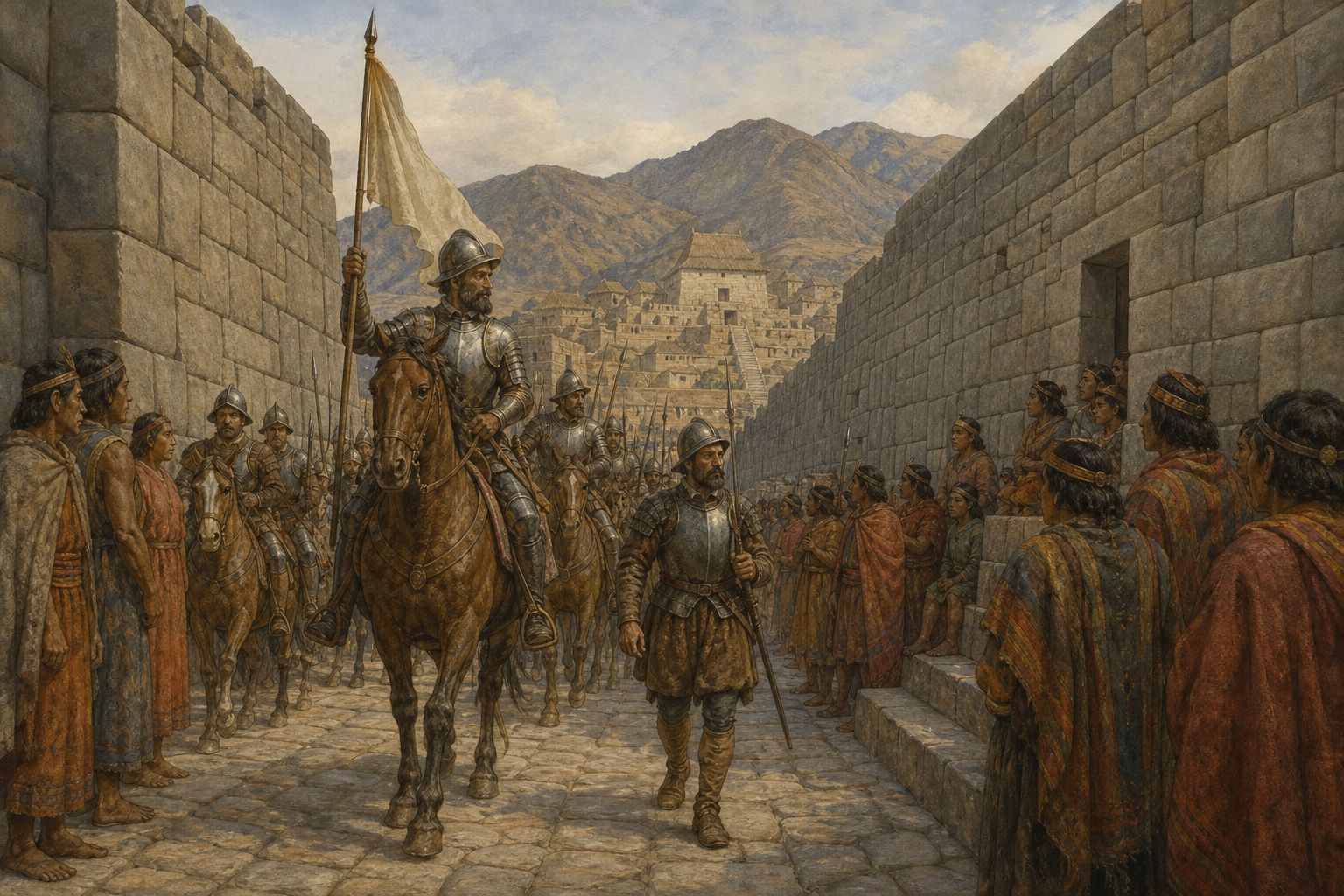
Spanish entry into Cusco — Central transition: From Cajamarca in 1532 to the fall of Vilcabamba in 1572, the Inca Empire was conquered through succession conflict, Spanish intervention, Indigenous alliances, disease, and colonial institutions.
1536–1544
Manco Inca and continuing resistance
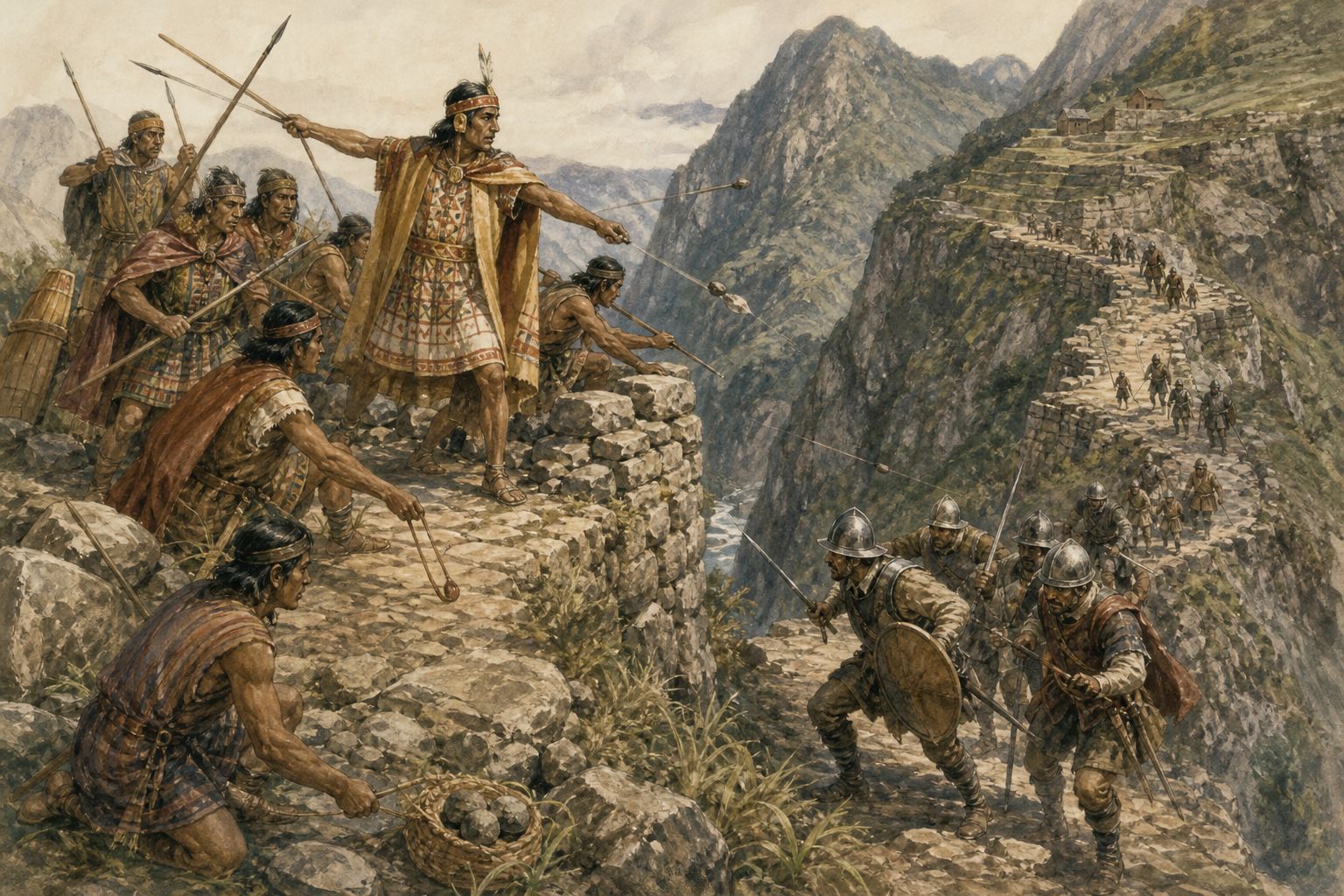
Manco Inca and continuing resistance — Immediate result: Cusco and the imperial heartland came under Spanish rule, and Vilcabamba fell in 1572. Forced labor, conversion, epidemic disease, and land reorganization expanded, while Andean institutions and cultures continued in transformed forms.
1572–1572
Fall of Vilcabamba
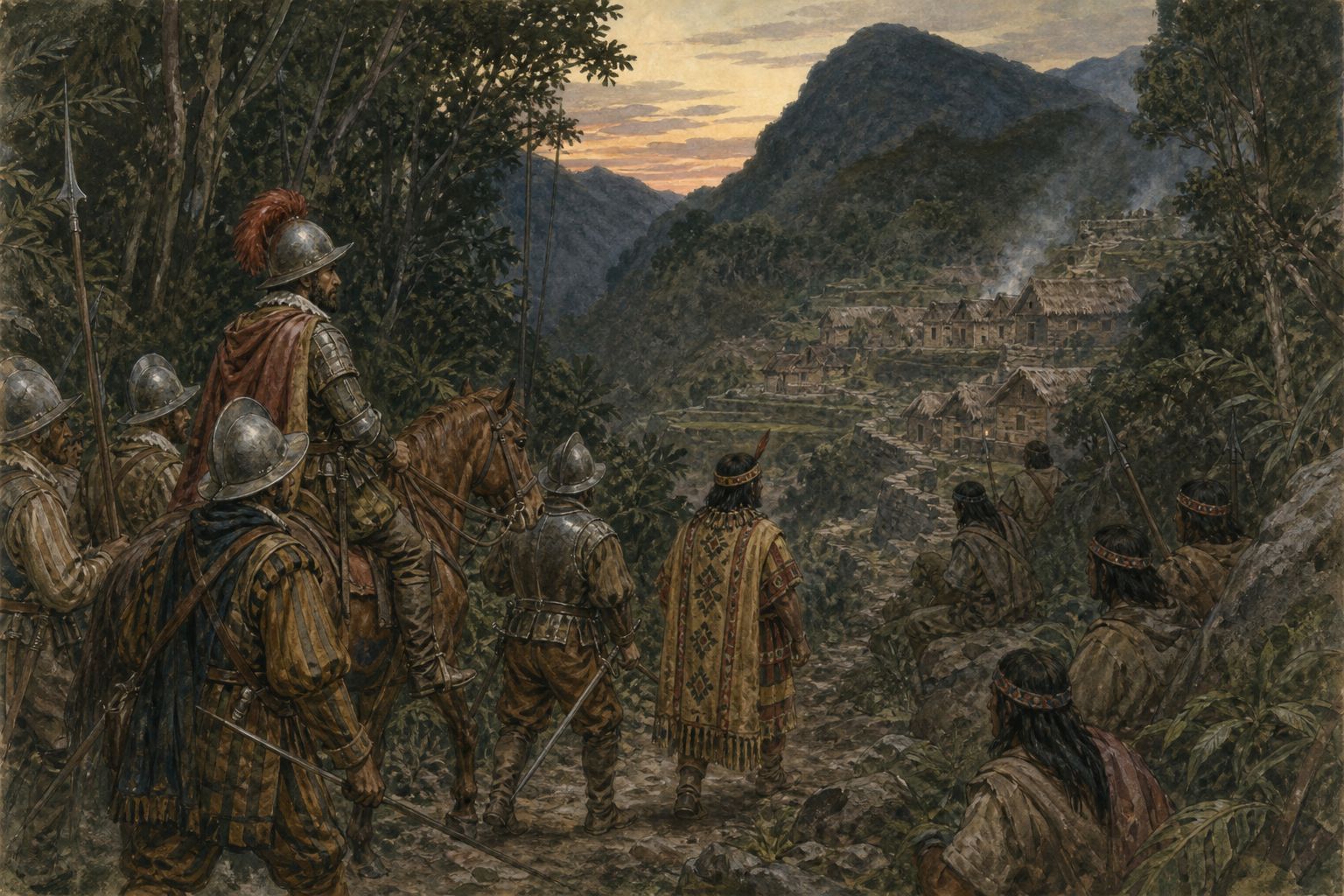
Fall of Vilcabamba — Long-term significance: The conquest cannot be explained by a small Spanish force’s technology alone. Civil war, Indigenous alliances, opposition to imperial rule, disease, terrain, and colonial violence all mattered.


Sources
- Conquest of the Inca Empire — Conquest Of Inca Empire (Encyclopaedia Britannica)britannica.comThis Encyclopaedia Britannica resource supports the chronology, setting, and course of Conquest of the Inca Empire.
- Conquest of the Inca Empire — Hd Conquest Of Inca Empire (The Metropolitan Museum of Art)metmuseum.orgThis The Metropolitan Museum of Art resource supports the chronology, setting, and course of Conquest of the Inca Empire.
- Conquest of the Inca Empire — Conquest Of Inca Empire (World History Encyclopedia)worldhistory.orgThis World History Encyclopedia resource supports the chronology, setting, and course of Conquest of the Inca Empire.