
Edict of Milan
313
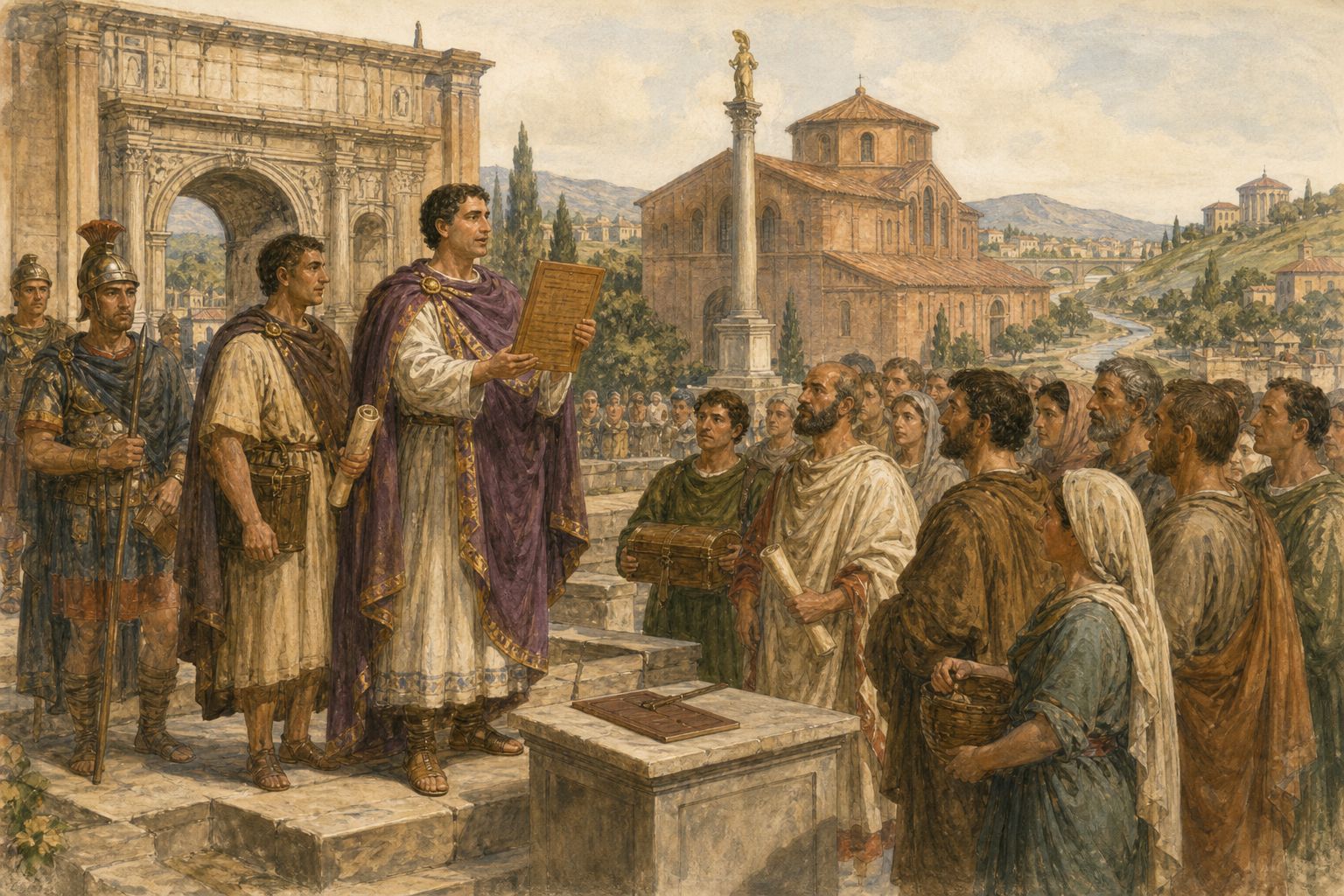
Constantine I and Licinius established an imperial policy of religious toleration and ordered the return of confiscated Christian property.

- Period
- 313
- Kind
- Political event
- Regions
- Europe
- Keywords
- Edict of Milan · Milan · ancient · background · turning point · impact
Follow the story · Four stages
Background
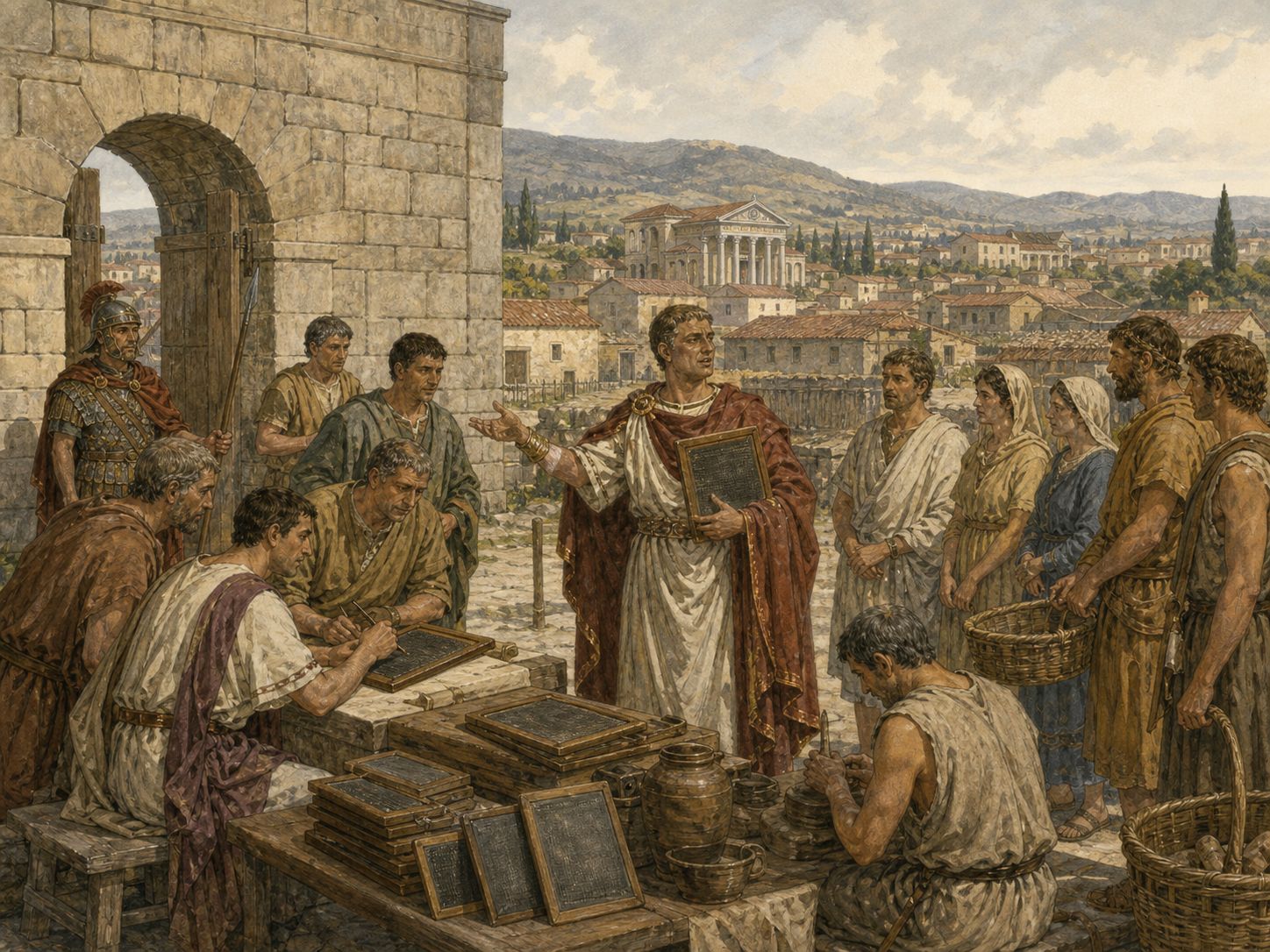
Political, social, and commercial changes around Milan formed the setting: Constantine I and Licinius established an imperial policy of religious toleration and ordered the return of confiscated Christian property.
- In and around Milan, the setting took shape as Constantine I and Licinius established an imperial policy of religious toleration and ordered the return of confiscated Christian property.
- Core event: Constantine I and Licinius established an imperial policy of religious toleration and ordered the return of confiscated Christian property.
- Connection to the next stage: Constantine I and Licinius established an imperial policy of religious toleration and ordered the return of confiscated Christian property. The change unfolded through decisions by rulers, institutions, and local communities.
Course
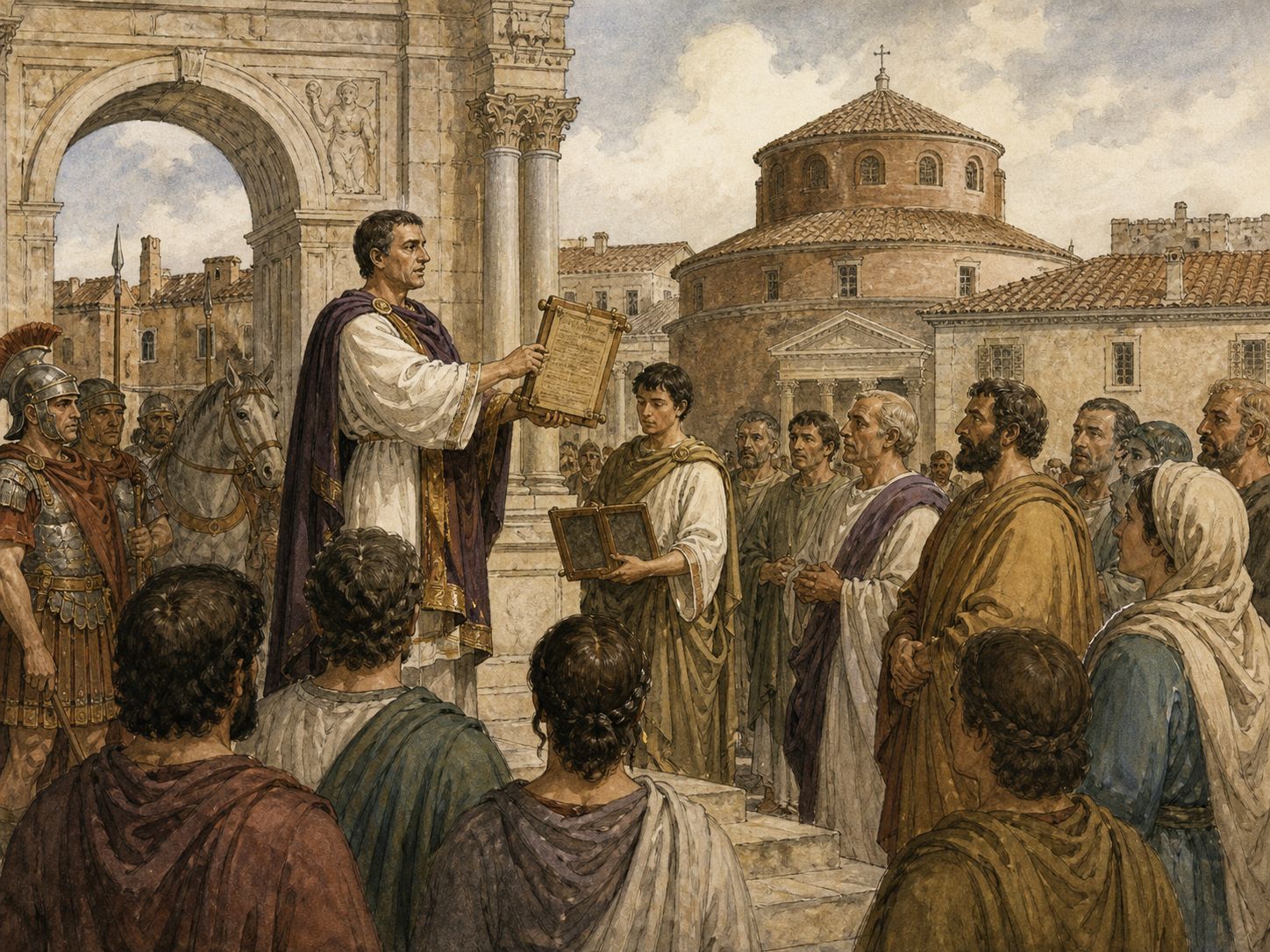
Constantine I and Licinius established an imperial policy of religious toleration and ordered the return of confiscated Christian property. The choices of the participating powers and responses of local communities shaped the course.
- Constantine I and Licinius established an imperial policy of religious toleration and ordered the return of confiscated Christian property.
- The change unfolded through decisions by rulers, institutions, and local communities.
- Conditions behind the action: In and around Milan, the setting took shape as Constantine I and Licinius established an imperial policy of religious toleration and ordered the return of confiscated Christian property.
Outcome
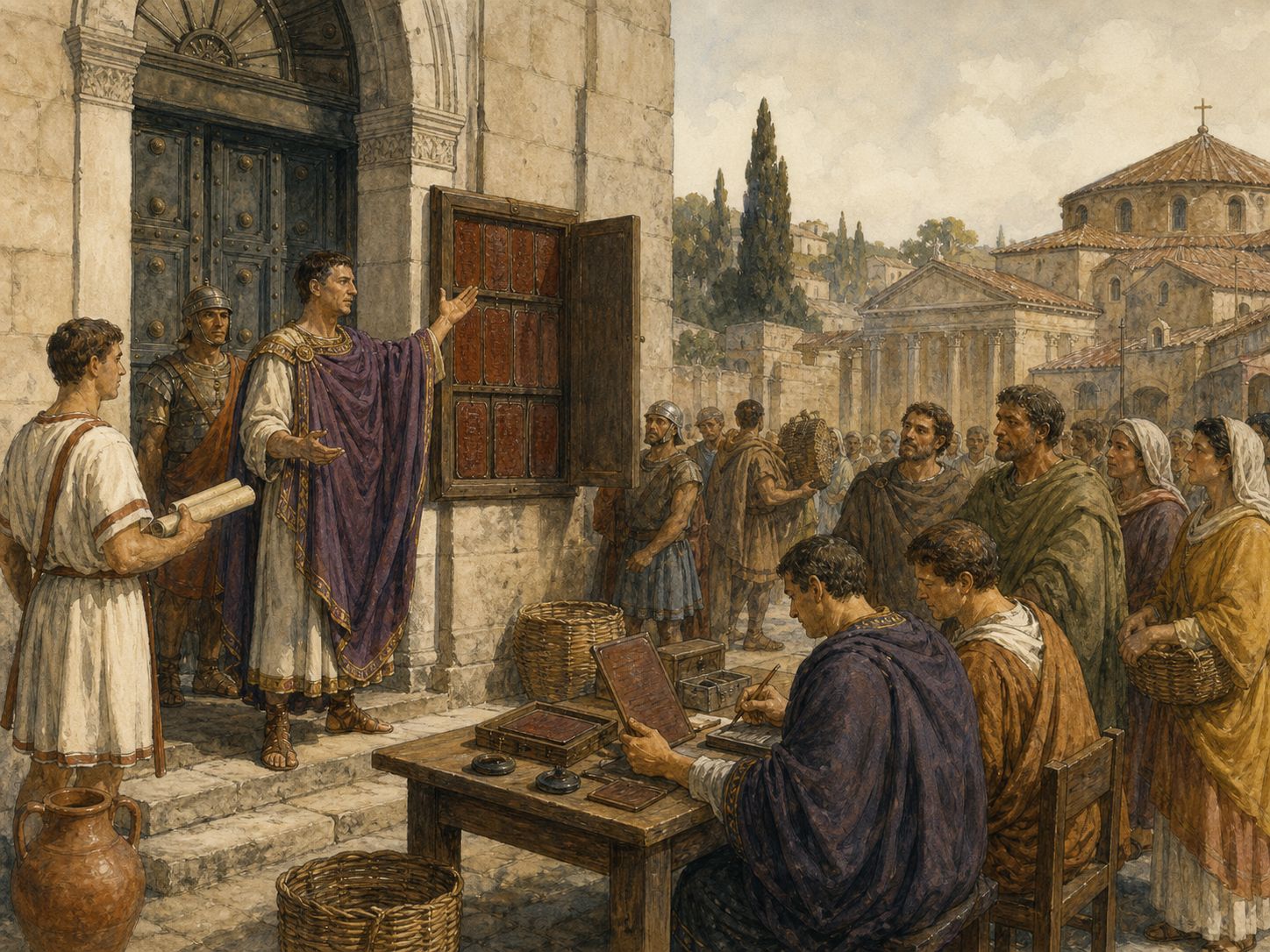
As a result, It reshaped the relationship between the Roman Empire and Christian communities and helped lead toward later imperial patronage.
- It reshaped the relationship between the Roman Empire and Christian communities and helped lead toward later imperial patronage.
- Process producing the result: Constantine I and Licinius established an imperial policy of religious toleration and ordered the return of confiscated Christian property. The change unfolded through decisions by rulers, institutions, and local communities.
- Question carried forward: In the longer term, it reshaped the relationship between the roman empire and christian communities and helped lead toward later imperial patronage.
Historical significance
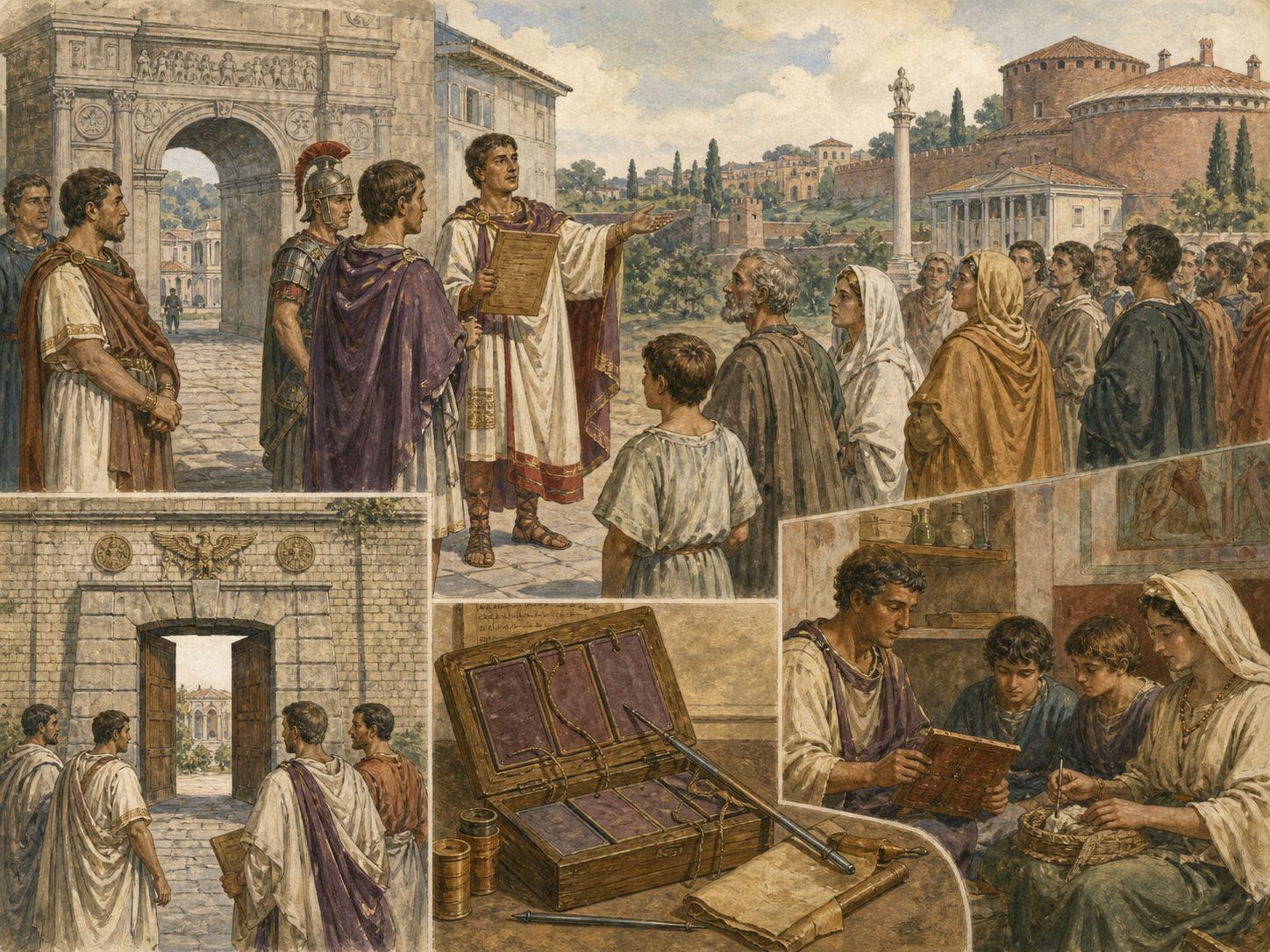
The significance of this event lies in the fact that it reshaped the relationship between the roman empire and christian communities and helped lead toward later imperial patronage.
- In the longer term, it reshaped the relationship between the roman empire and christian communities and helped lead toward later imperial patronage.
- Immediate consequence: It reshaped the relationship between the Roman Empire and Christian communities and helped lead toward later imperial patronage.
- Historical turning point: Constantine I and Licinius established an imperial policy of religious toleration and ordered the return of confiscated Christian property.


Related events
303
Great Persecution begins
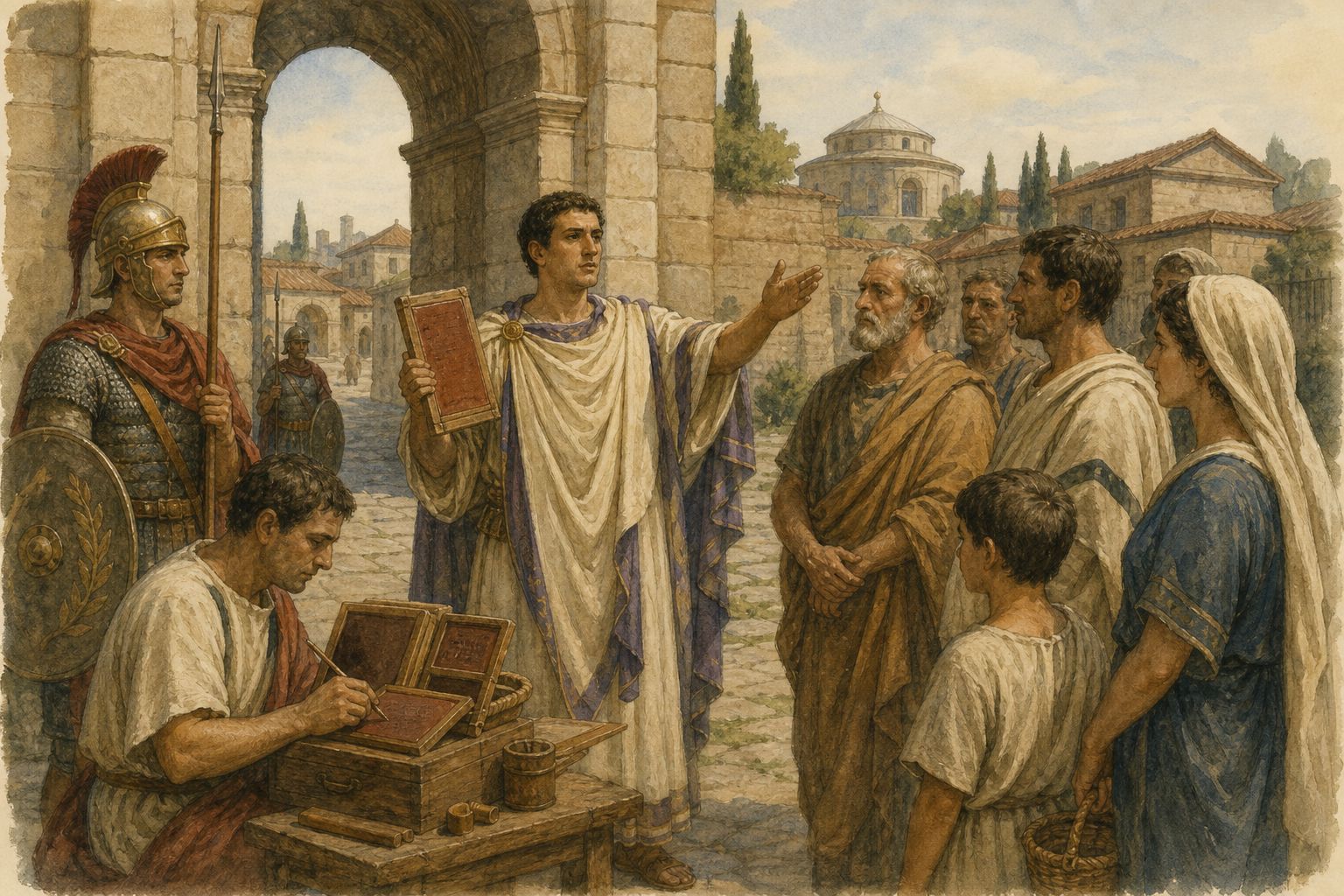
Great Persecution begins — In and around Milan, the setting took shape as Constantine I and Licinius established an imperial policy of religious toleration and ordered the return of confiscated Christian property.
312
Constantine wins at the Milvian Bridge
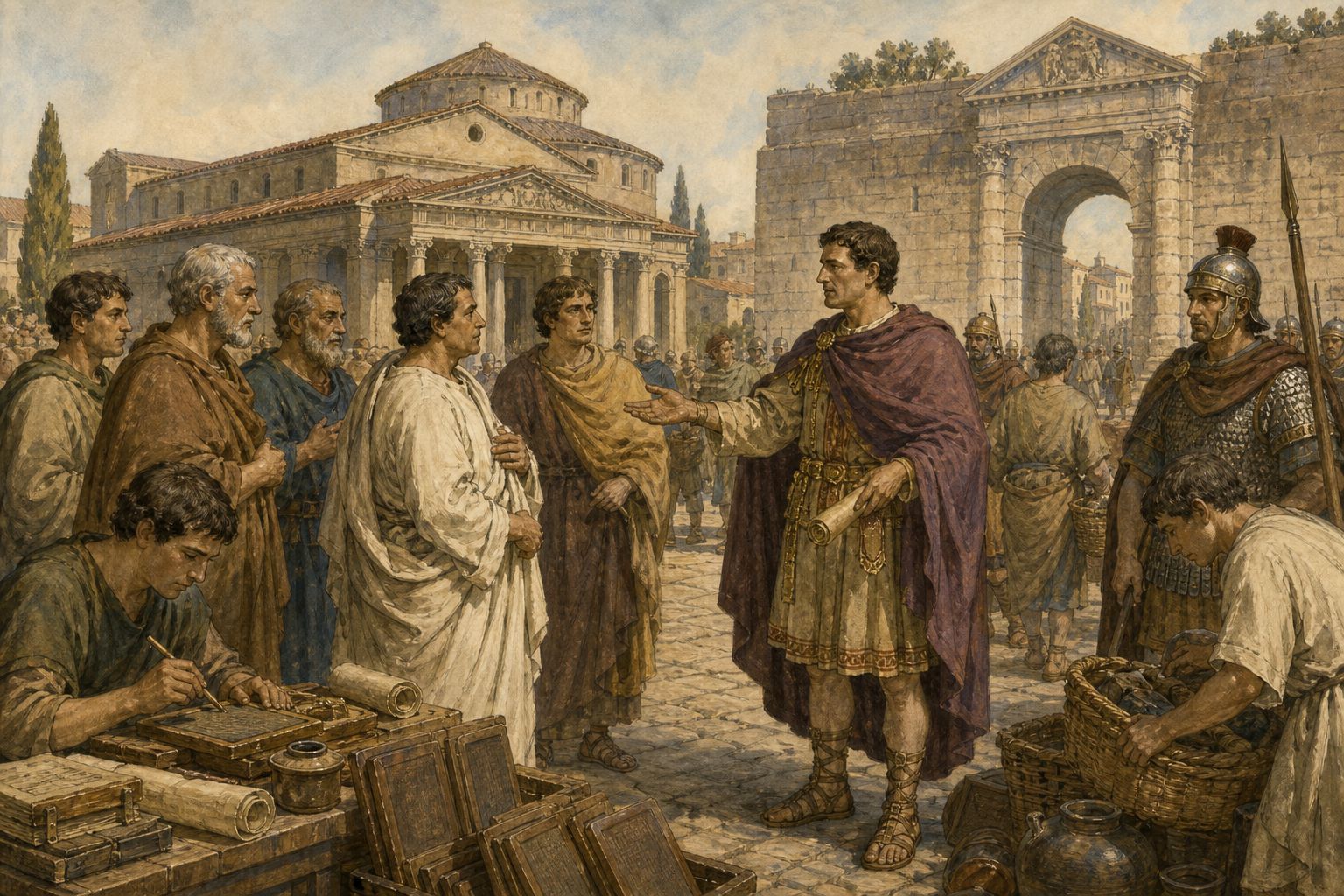
Constantine wins at the Milvian Bridge — Constantine I and Licinius established an imperial policy of religious toleration and ordered the return of confiscated Christian property. The change unfolded through decisions by rulers, institutions, and local communities.
313
Milan agreement announced
Current event
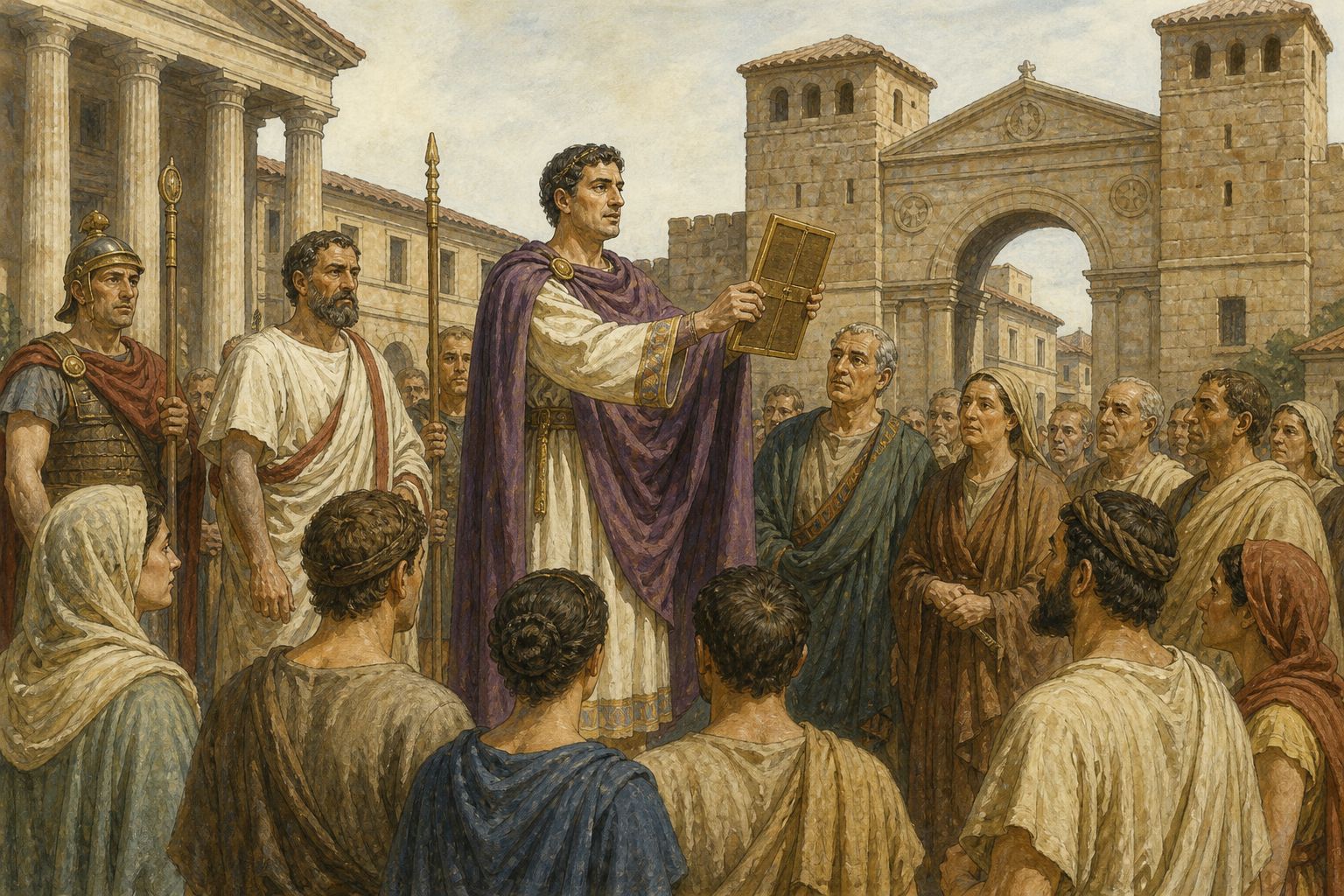
Milan agreement announced — Constantine I and Licinius established an imperial policy of religious toleration and ordered the return of confiscated Christian property.
324
Constantine becomes sole emperor
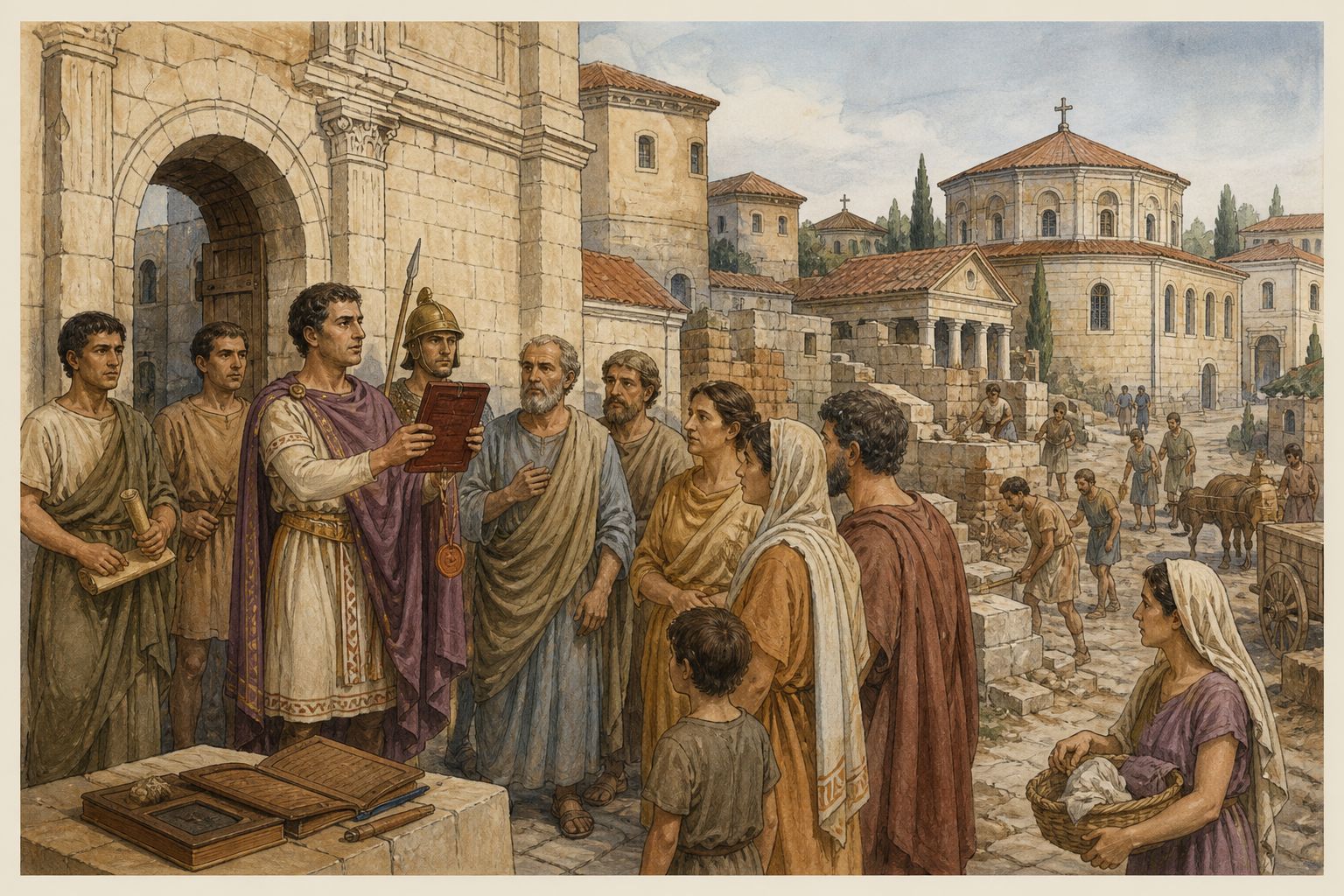
Constantine becomes sole emperor — It reshaped the relationship between the Roman Empire and Christian communities and helped lead toward later imperial patronage.
380
Nicene Christianity becomes imperial orthodoxy
Nicene Christianity becomes imperial orthodoxy — In the longer term, it reshaped the relationship between the roman empire and christian communities and helped lead toward later imperial patronage.


Sources
- Edict of Milan — Timeline (Daiichi Gakushusha)www.daiichi-g.co.jpThis Daiichi Gakushusha resource supports the chronology, setting, and course of Edict of Milan.
- Edict of Milan — Edict Of Milan (Encyclopaedia Britannica)www.britannica.comThis Encyclopaedia Britannica resource supports the chronology, setting, and course of Edict of Milan.
- Edict of Milan — Edict Of Milan (Wikidata)www.wikidata.orgThis Wikidata resource supports the chronology, setting, and course of Edict of Milan.