
Roman Annexation of Ptolemaic Egypt
30 BC
In 30 BCE, after Actium, Rome incorporated Ptolemaic Egypt as a province.

- Period
- 30 BC
- Kind
- Political event
- Regions
- Africa, Europe
- Keywords
- Roman Annexation of Ptolemaic Egypt · political event · ancient · africa · europe
Follow the story · Four stages
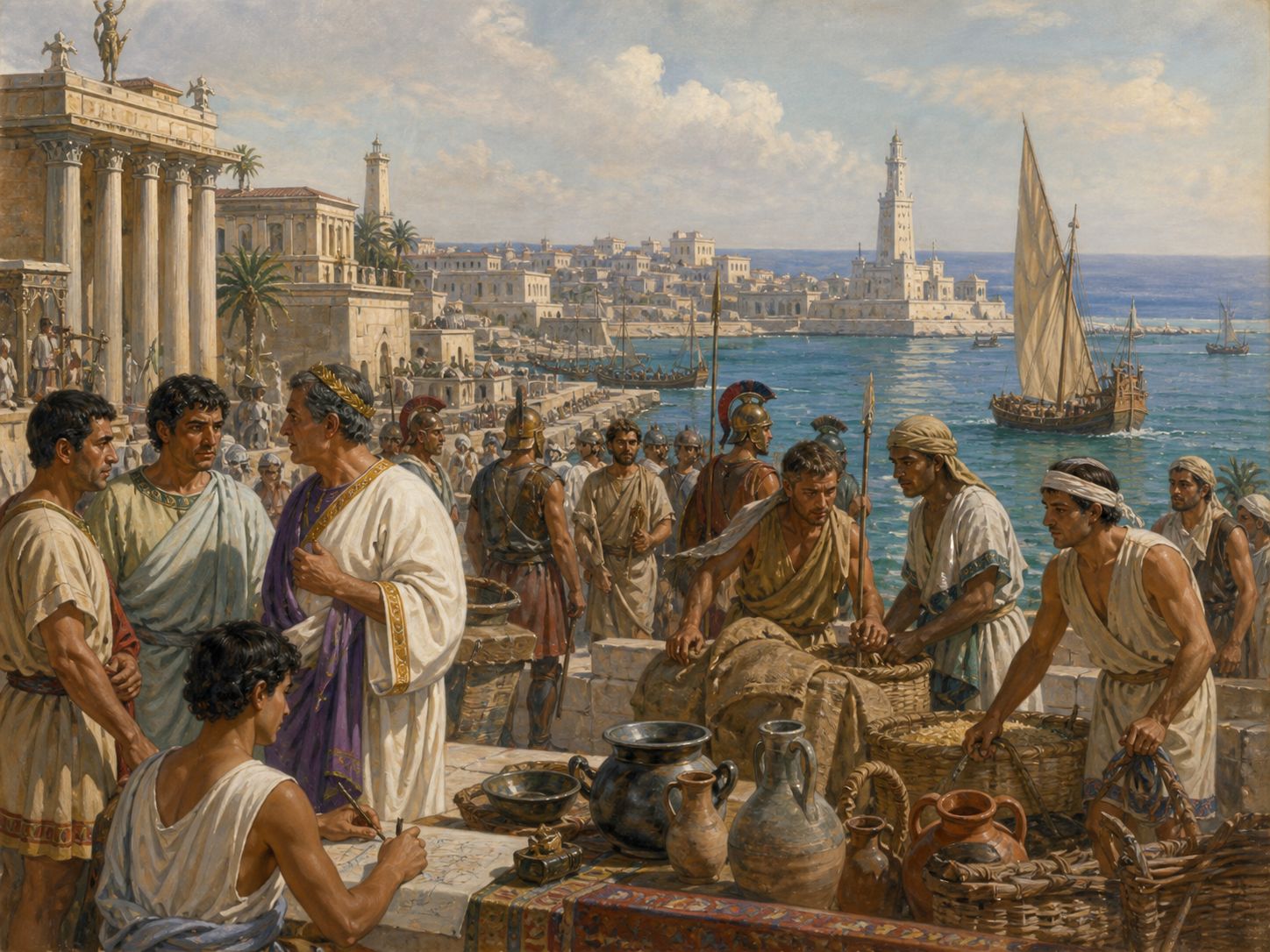
Background
The Alexandrian monarchy became entangled with Roman civil war, and the defeat of Cleopatra VII and Antony narrowed the kingdom’s options.
- The Alexandrian monarchy became entangled with Roman civil war, and the defeat of Cleopatra VII and Antony narrowed the kingdom’s options.
- Core event: In 30 BCE, after Actium, Rome incorporated Ptolemaic Egypt as a province.
- Connection to the next stage: Octavian’s forces entered Alexandria and took control of the dynastic court and the grain-producing center.
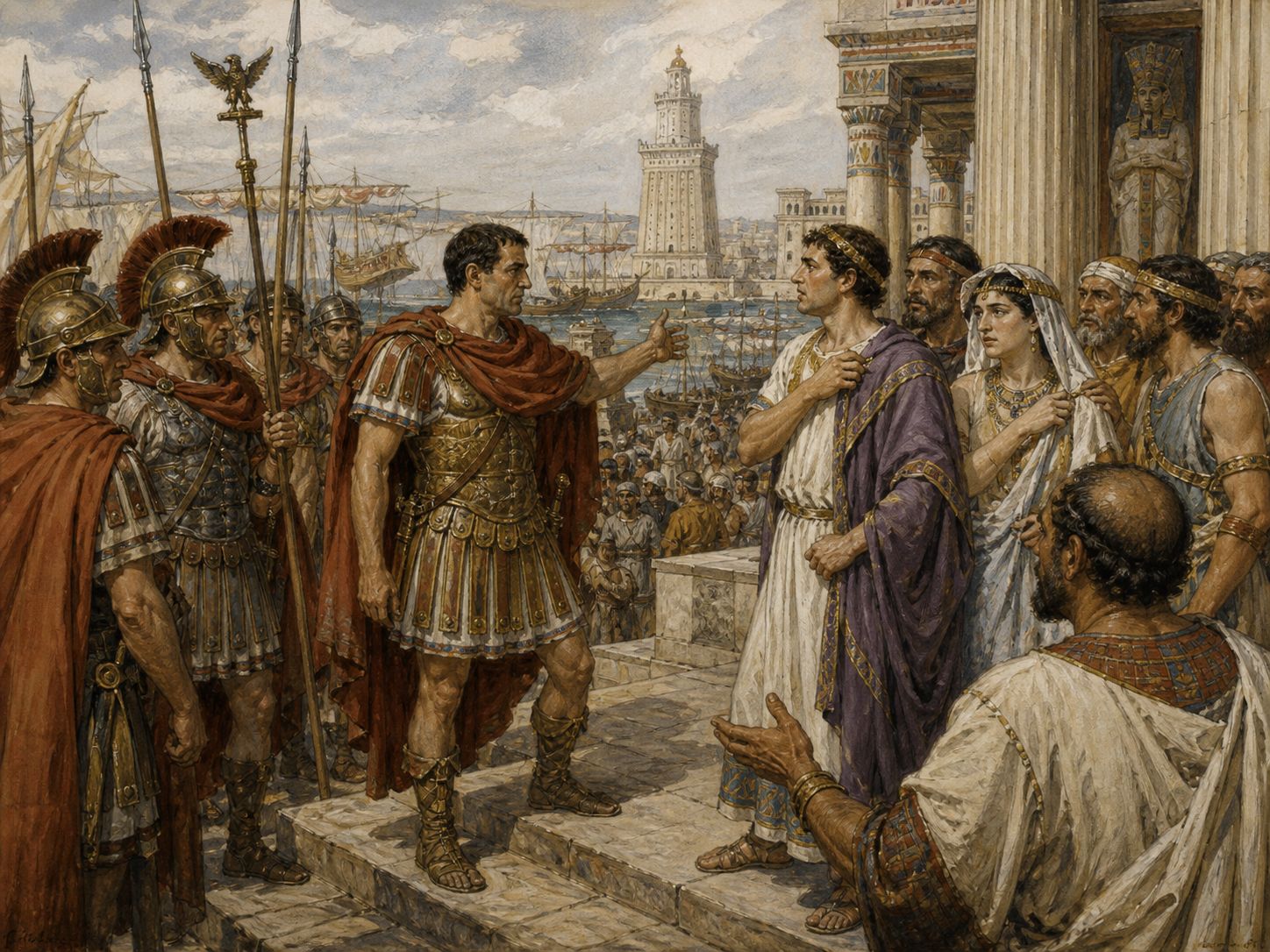
Course
Octavian’s forces entered Alexandria and took control of the dynastic court and the grain-producing center.
- Octavian’s forces entered Alexandria and took control of the dynastic court and the grain-producing center.
- Conditions behind the action: The Alexandrian monarchy became entangled with Roman civil war, and the defeat of Cleopatra VII and Antony narrowed the kingdom’s options.
- Meaning of the turning point: In 30 BCE, after Actium, Rome incorporated Ptolemaic Egypt as a province.
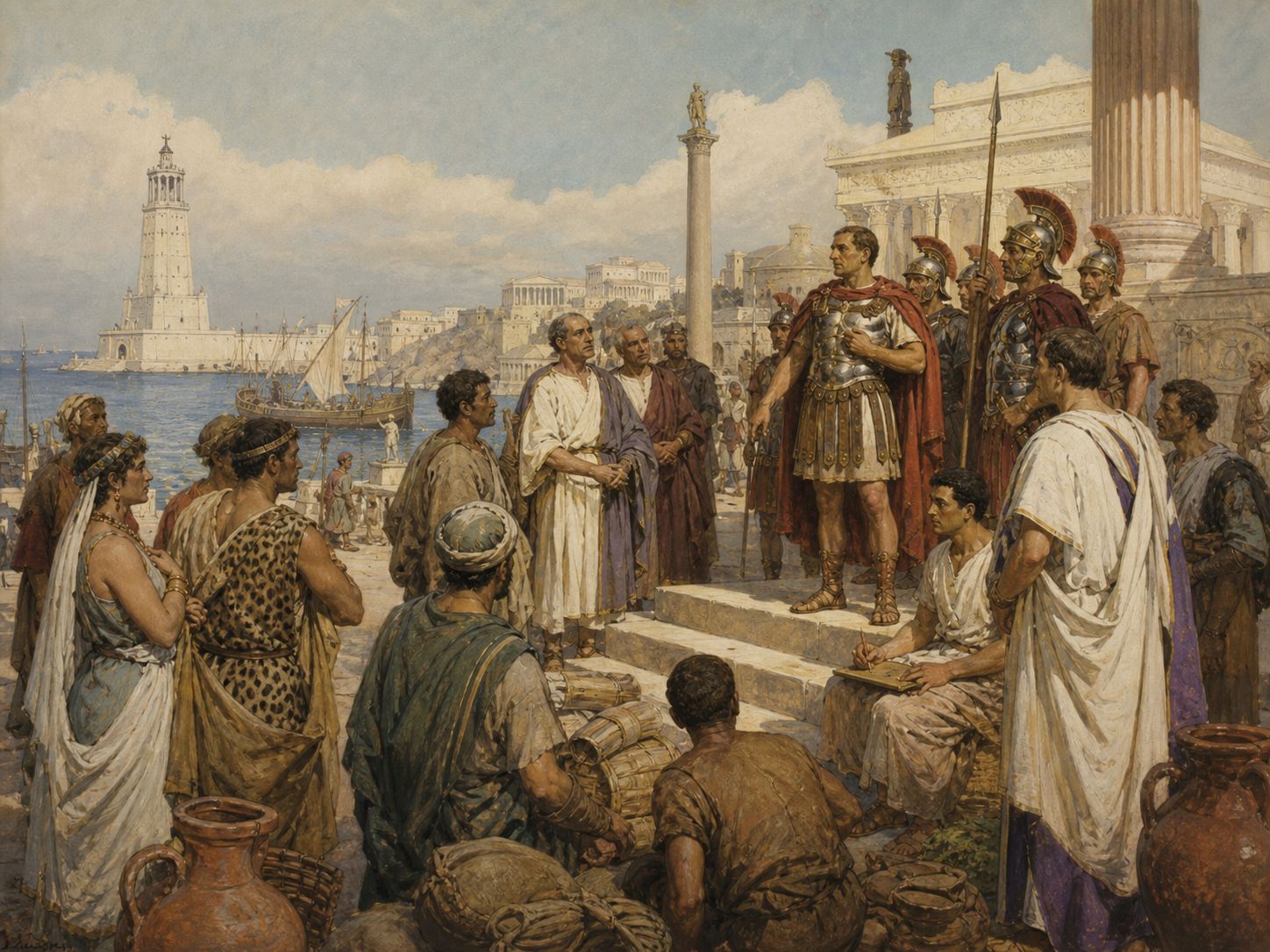
Outcome
The Ptolemaic dynasty ended, and Egypt became a special Roman province closely tied to the emperor.
- The Ptolemaic dynasty ended, and Egypt became a special Roman province closely tied to the emperor.
- Process producing the result: Octavian’s forces entered Alexandria and took control of the dynastic court and the grain-producing center.
- Question carried forward: The annexation connected Egypt’s politics and grain supply to the Roman Empire and symbolized the end of an ancient kingdom.
Historical significance
The annexation connected Egypt’s politics and grain supply to the Roman Empire and symbolized the end of an ancient kingdom.
- The annexation connected Egypt’s politics and grain supply to the Roman Empire and symbolized the end of an ancient kingdom.
- Immediate consequence: The Ptolemaic dynasty ended, and Egypt became a special Roman province closely tied to the emperor.
- Historical turning point: In 30 BCE, after Actium, Rome incorporated Ptolemaic Egypt as a province.



Related events
c. 31 BC
Prelude
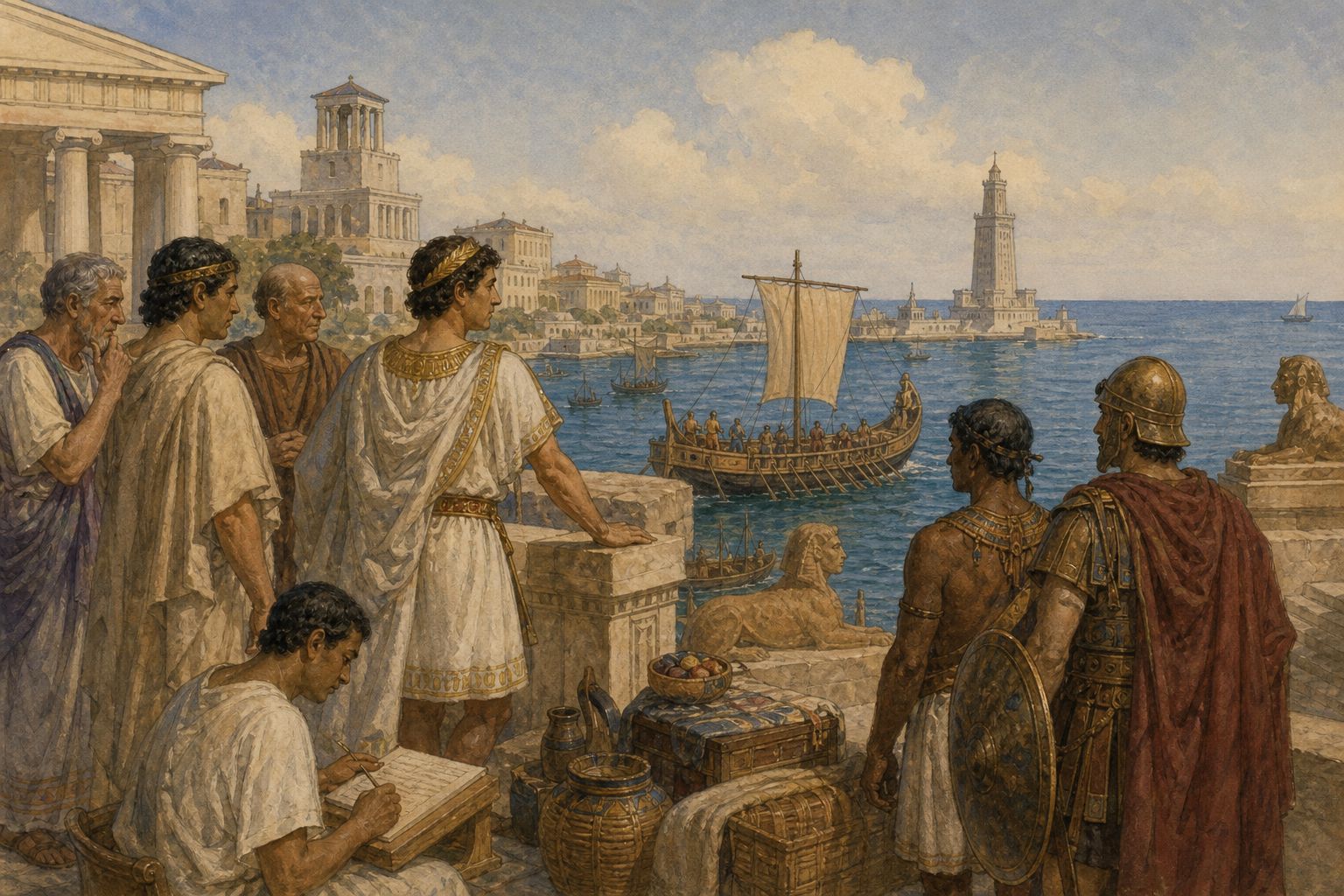
Prelude — Background: The Alexandrian monarchy became entangled with Roman civil war, and the defeat of Cleopatra VII and Antony narrowed the kingdom’s options.
c. 31 BC
Turning point
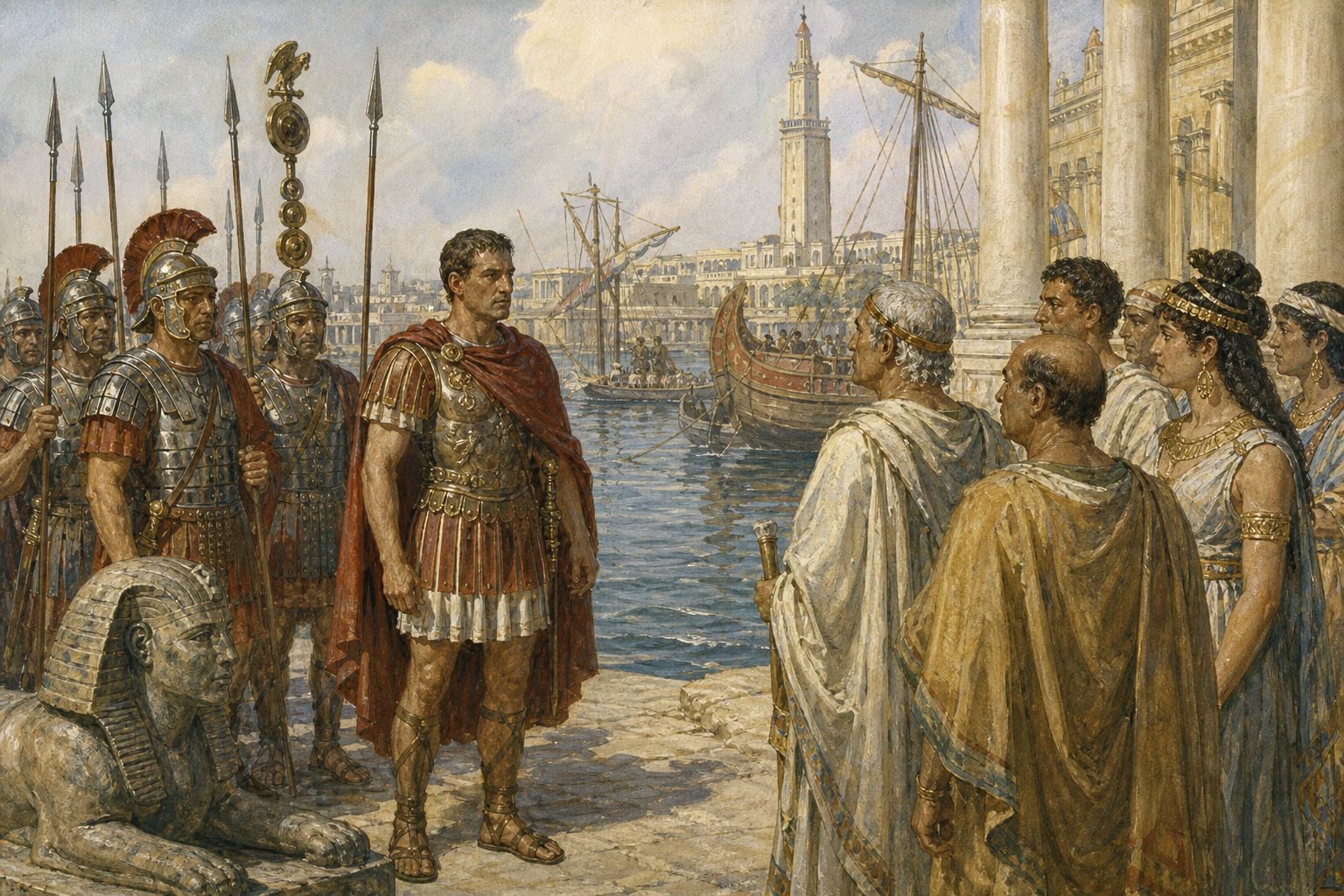
Turning point — Build-up: Octavian’s forces entered Alexandria and took control of the dynastic court and the grain-producing center.
30 BC
Roman Annexation of Ptolemaic Egypt
Current event

Roman Annexation of Ptolemaic Egypt — Central transition: In 30 BCE, after Actium, Rome incorporated Ptolemaic Egypt as a province.
c. 29 BC
Immediate aftermath
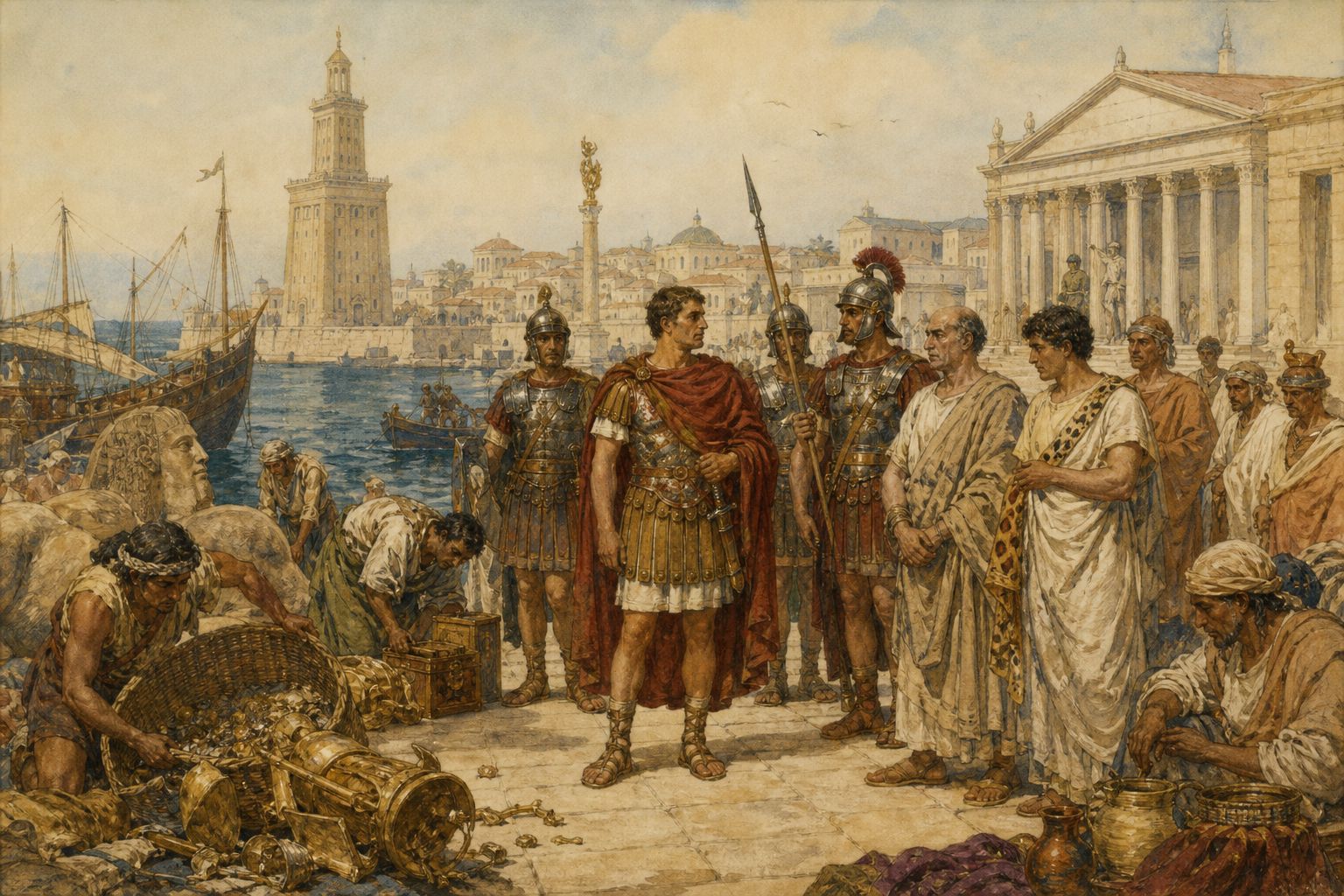
Immediate aftermath — Immediate result: The Ptolemaic dynasty ended, and Egypt became a special Roman province closely tied to the emperor.
c. 20 BC
Long-term significance
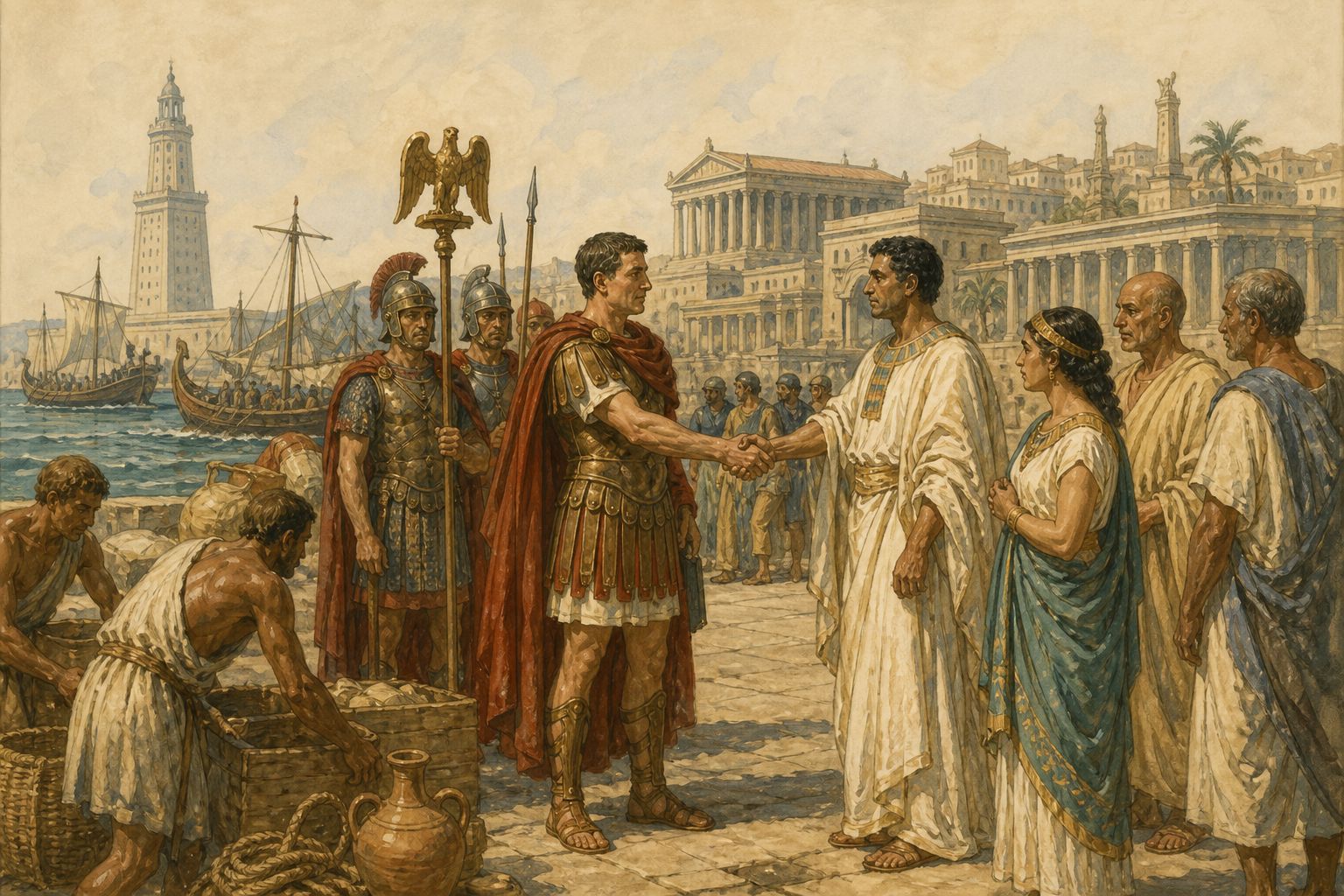
Long-term significance — Long-term significance: The annexation connected Egypt’s politics and grain supply to the Roman Empire and symbolized the end of an ancient kingdom.


Sources
- Roman Annexation of Ptolemaic Egypt — Roman And Byzantine Egypt (Encyclopaedia Britannica)britannica.comThis Encyclopaedia Britannica resource supports the chronology, setting, and course of Roman Annexation of Ptolemaic Egypt.
- Roman Annexation of Ptolemaic Egypt — Hd Ptol (The Metropolitan Museum of Art)metmuseum.orgThis The Metropolitan Museum of Art resource supports the chronology, setting, and course of Roman Annexation of Ptolemaic Egypt.
- Roman Annexation of Ptolemaic Egypt — Ptolemaic Dynasty (World History Encyclopedia)worldhistory.orgThis World History Encyclopedia resource supports the chronology, setting, and course of Roman Annexation of Ptolemaic Egypt.