
Unification of Ancient Egypt
c. 3100 BC
Around 3100 BCE, Upper and Lower Egypt were brought under a single kingship, inaugurating the Early Dynastic period and a durable political tradition in the Nile Valley.

- Period
- c. 3100 BC
- Kind
- Political event
- Regions
- Africa
- Keywords
- Unification of Ancient Egypt · unification of Egypt · Upper and Lower Egypt · Early Dynastic Egypt · political-event
Follow the story · Four stages
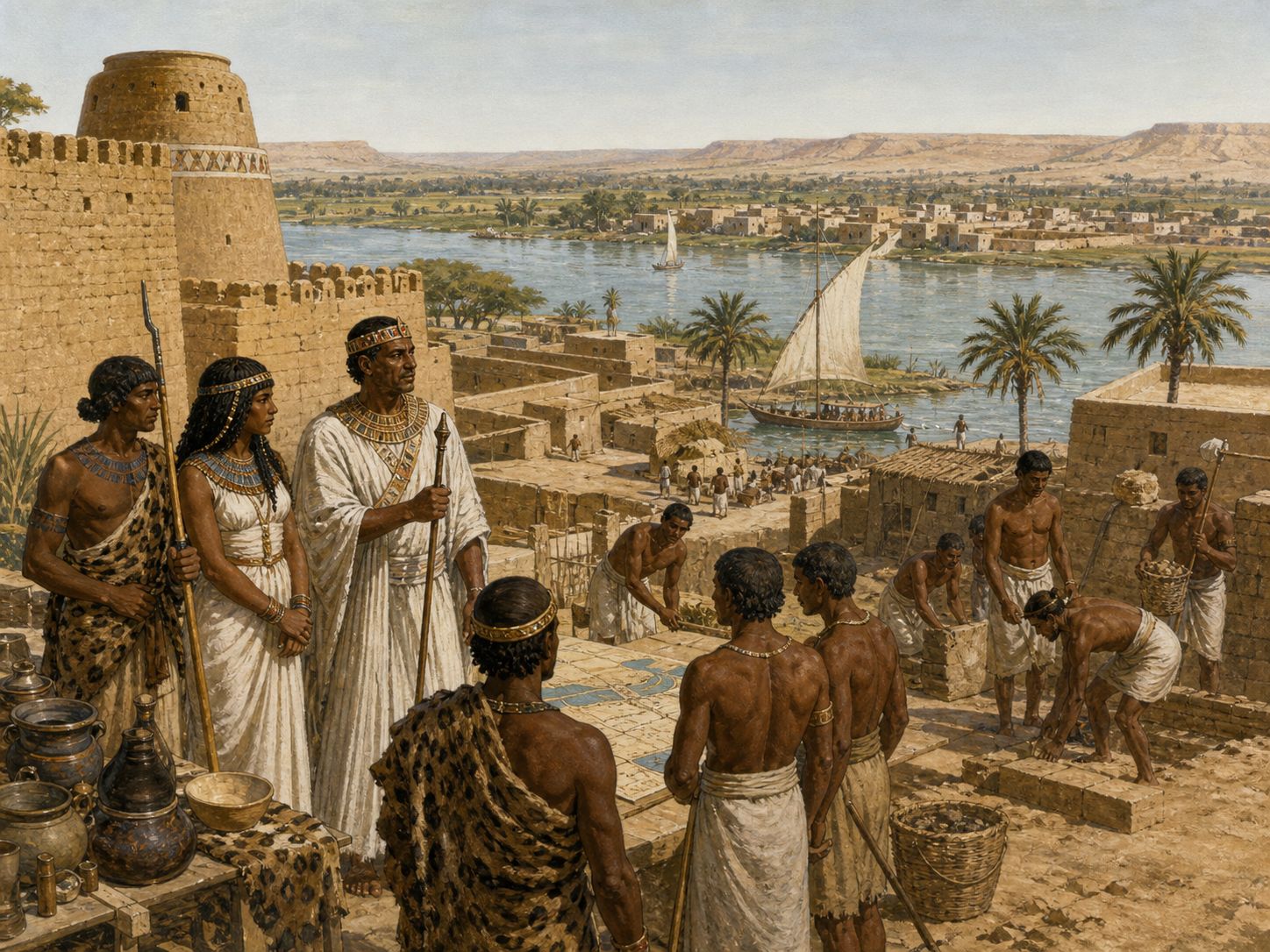
Background
Communities and competing chiefly powers developed along the river and in the Delta. The process is known through later king lists and images, so the identity and precise route of the unifier conventionally called Narmer remain uncertain.
- Communities and competing chiefly powers developed along the river and in the Delta.
- The process is known through later king lists and images, so the identity and precise route of the unifier conventionally called Narmer remain uncertain.
- Core event: Around 3100 BCE, Upper and Lower Egypt were brought under a single kingship, inaugurating the Early Dynastic period and a durable political tradition in the Nile Valley.
Course
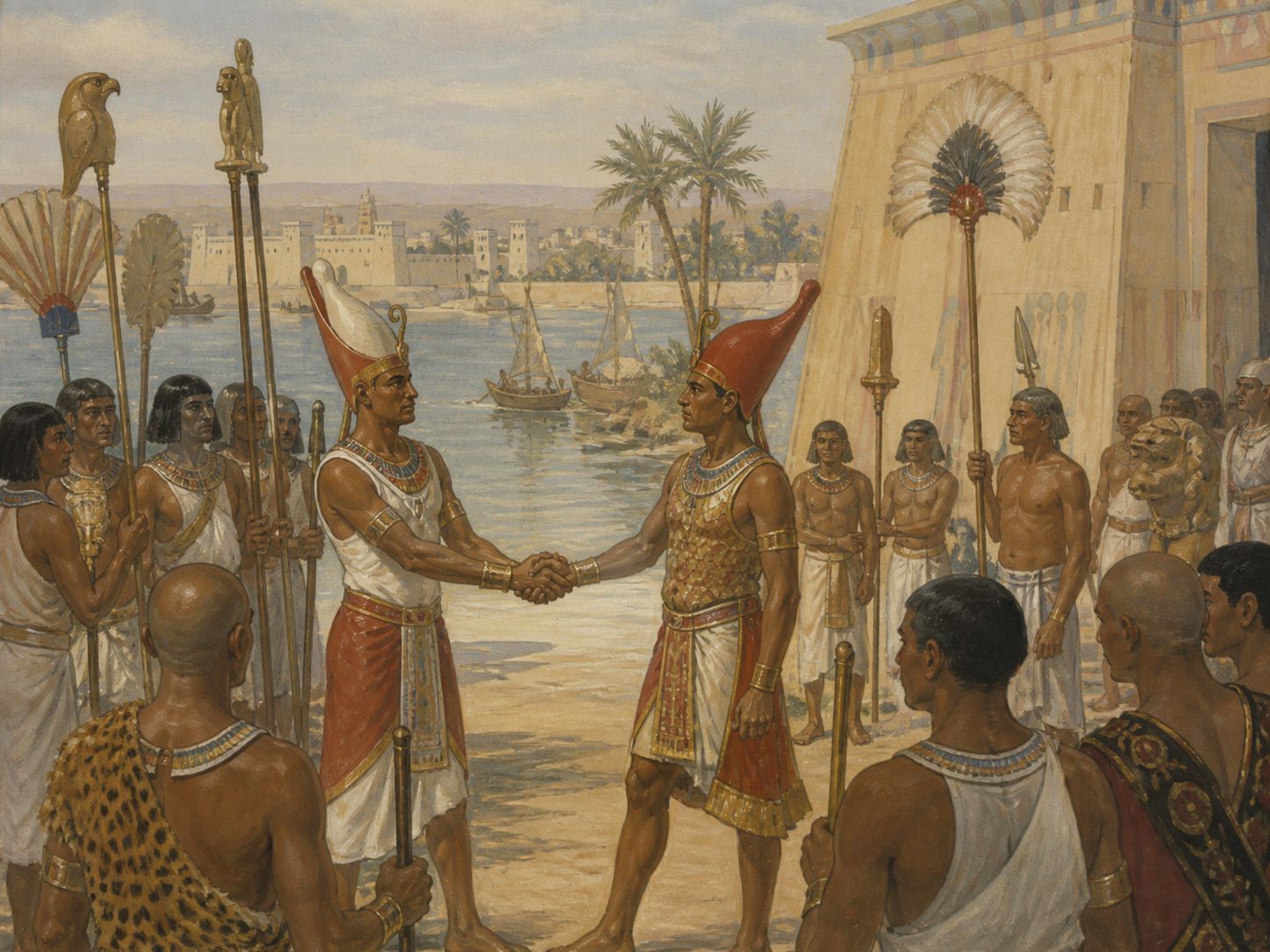
A kingship rooted in Upper Egypt extended influence northward and incorporated Delta centers. Crowns, rituals, and administrative settlements represented the two lands as one royal domain, with the Memphis region linking the river zones.
- A kingship rooted in Upper Egypt extended influence northward and incorporated Delta centers.
- Crowns, rituals, and administrative settlements represented the two lands as one royal domain, with the Memphis region linking the river zones.
- Conditions behind the action: Communities and competing chiefly powers developed along the river and in the Delta. The process is known through later king lists and images, so the identity and precise route of the unifier conventionally called Narmer remain uncertain.
Outcome
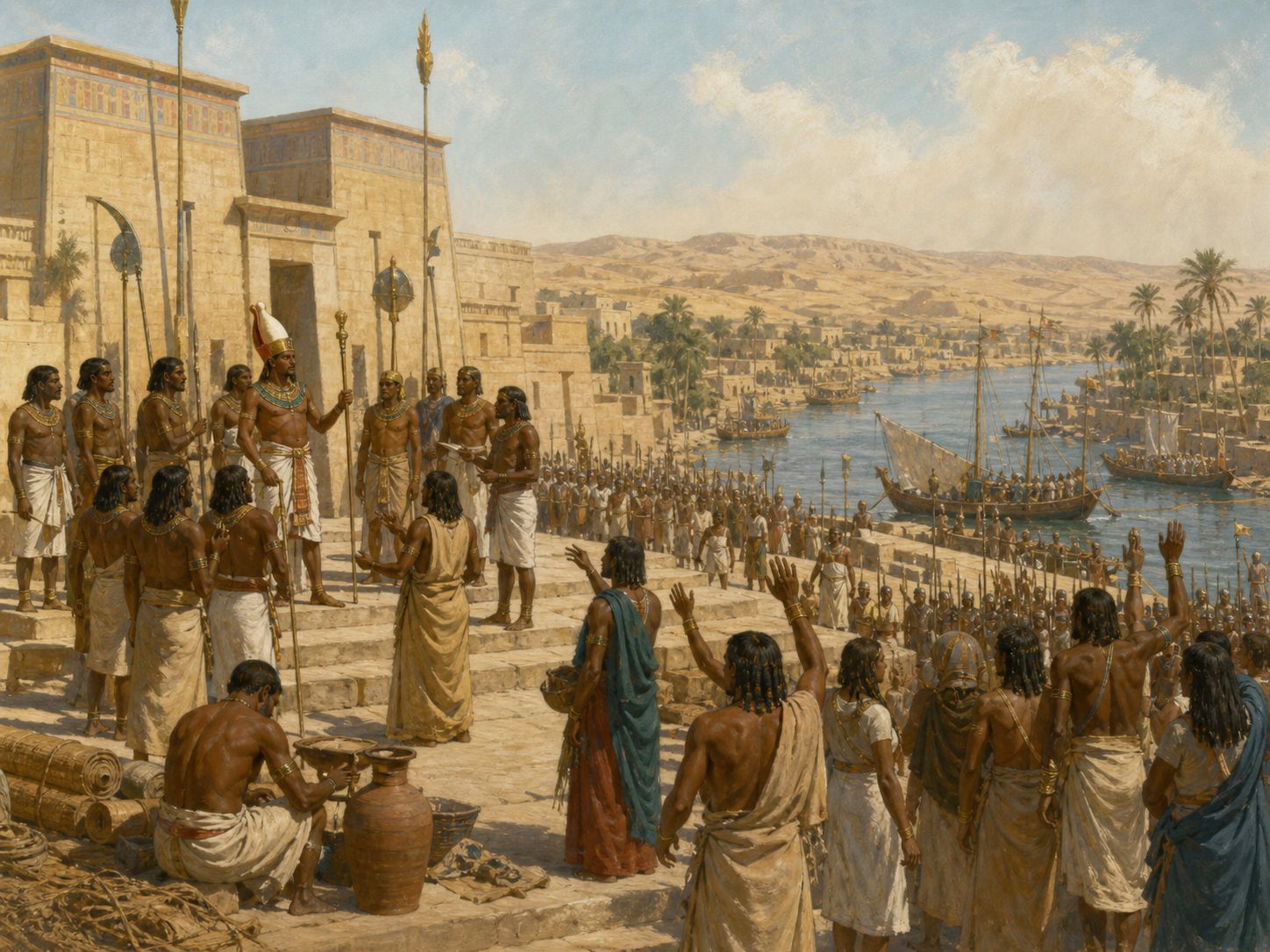
The unified monarchy organized taxation, cult, and labor through palaces and provincial centers, creating foundations for the First Dynasty and later state institutions. Integration was a process of institutional consolidation rather than one single battle.
- The unified monarchy organized taxation, cult, and labor through palaces and provincial centers, creating foundations for the First Dynasty and later state institutions.
- Integration was a process of institutional consolidation rather than one single battle.
- Process producing the result: A kingship rooted in Upper Egypt extended influence northward and incorporated Delta centers. Crowns, rituals, and administrative settlements represented the two lands as one royal domain, with the Memphis region linking the river zones.
Historical significance
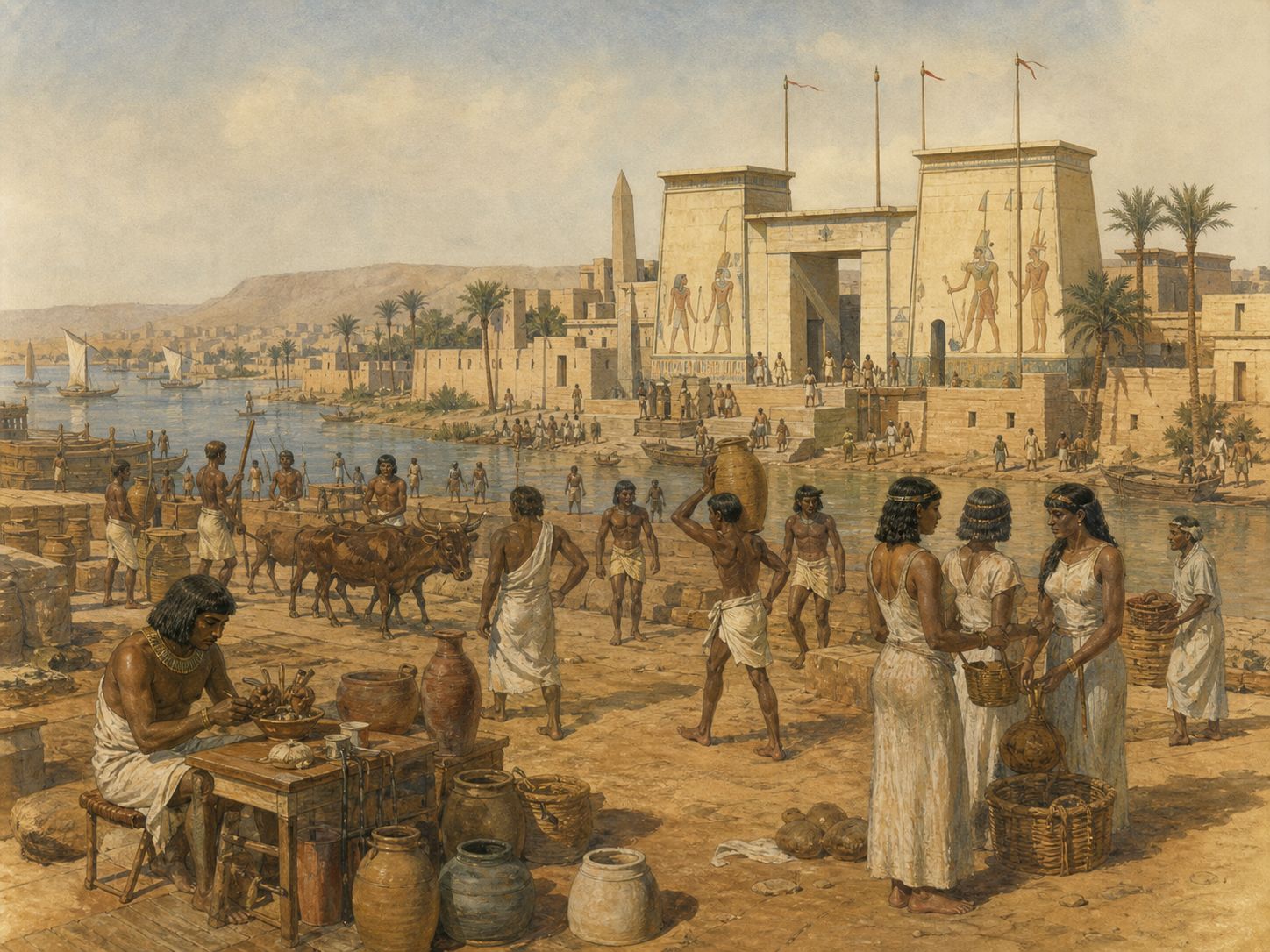
Unification created a long-lasting state framework in which kingship, religion, and the Nile environment were closely connected. The language of two lands clarifies the political project but can obscure the diversity of local communities.
- Unification created a long-lasting state framework in which kingship, religion, and the Nile environment were closely connected.
- The language of two lands clarifies the political project but can obscure the diversity of local communities.
- Immediate consequence: The unified monarchy organized taxation, cult, and labor through palaces and provincial centers, creating foundations for the First Dynasty and later state institutions. Integration was a process of institutional consolidation rather than one single battle.


Related events
c. 3101 BC
Prelude
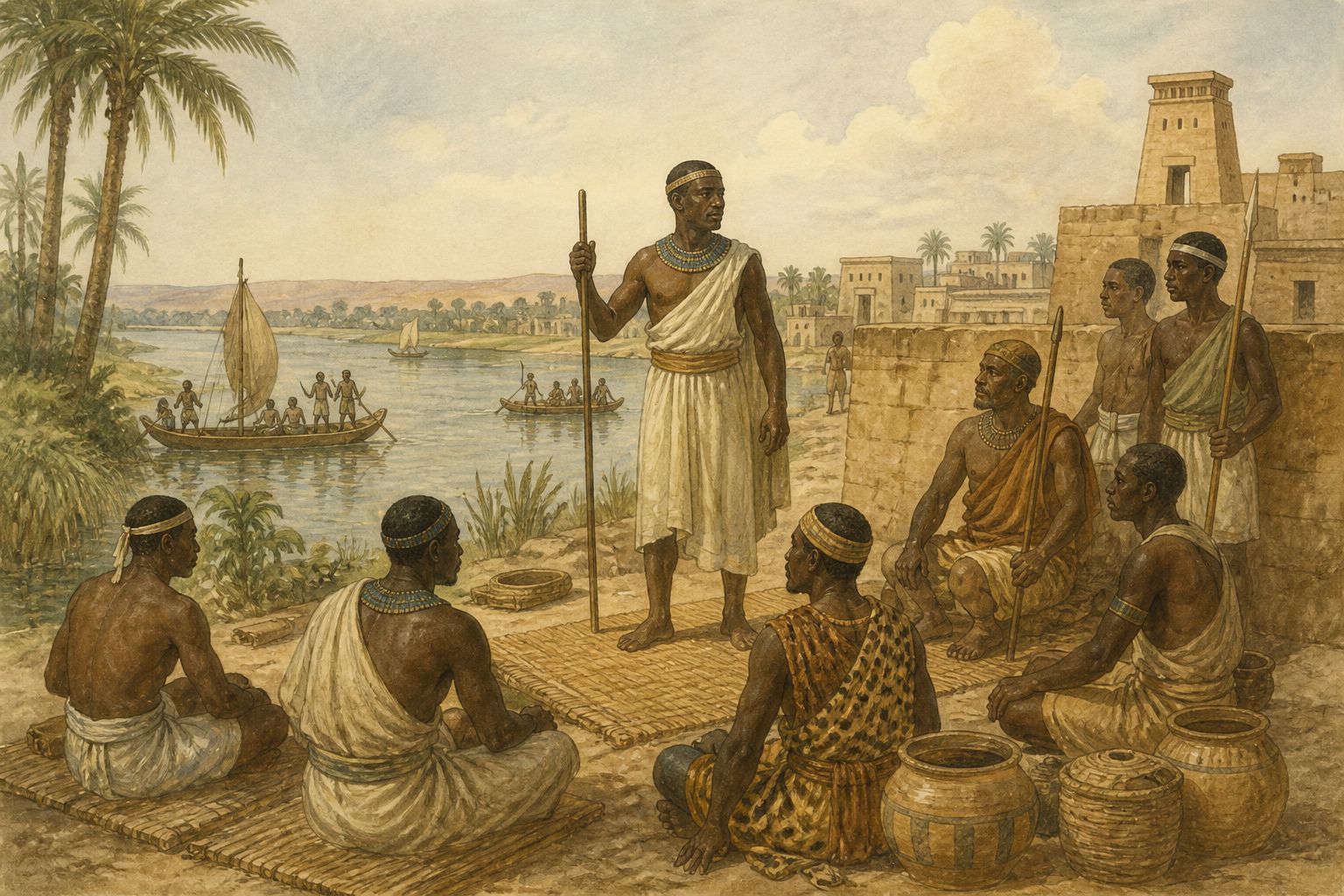
Prelude — Background: Communities and competing chiefly powers developed along the river and in the Delta. The process is known through later king lists and images, so the identity and precise route of the unifier conventionally called Narmer remain uncertain.
c. 3101 BC
Turning point
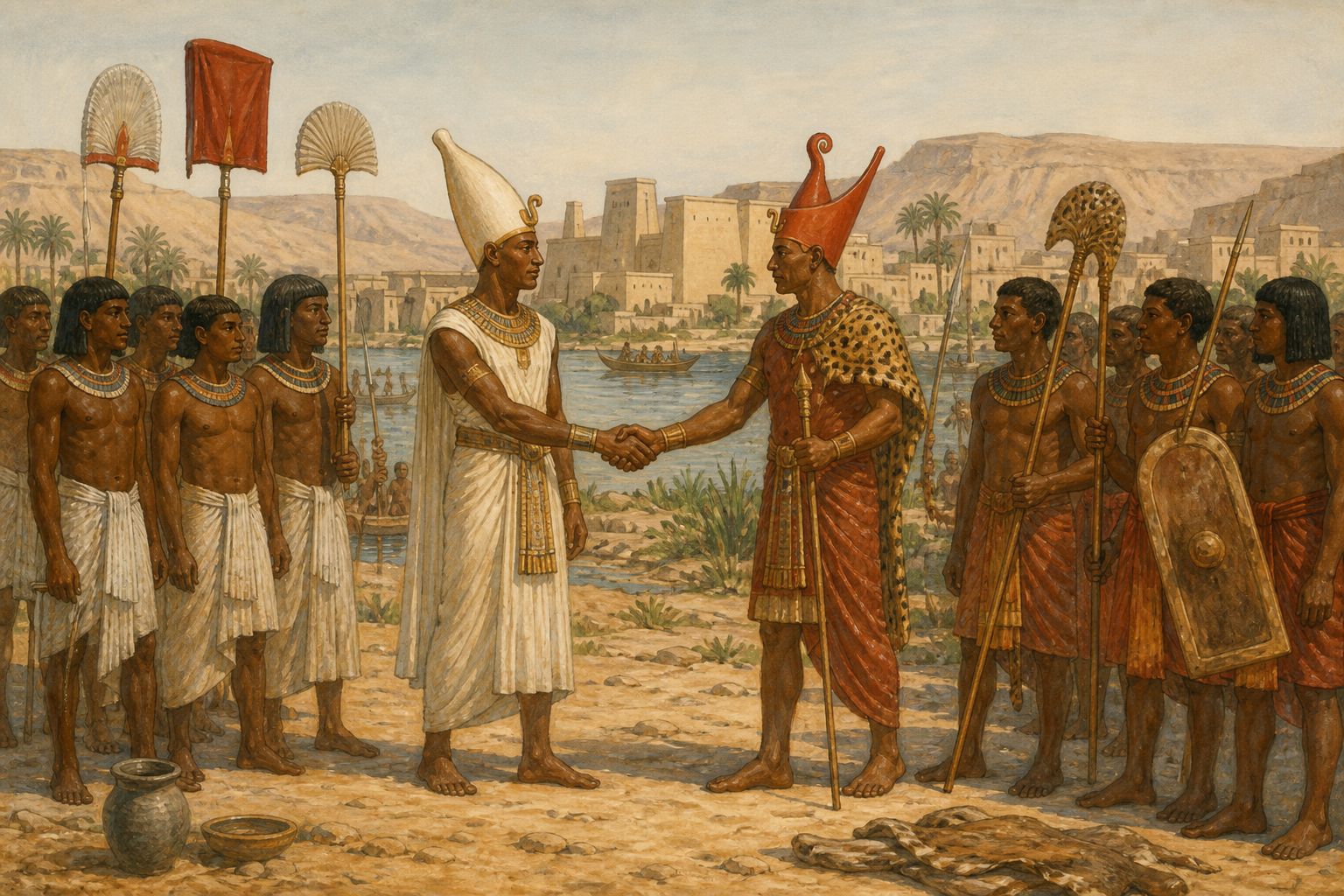
Turning point — Build-up: A kingship rooted in Upper Egypt extended influence northward and incorporated Delta centers. Crowns, rituals, and administrative settlements represented the two lands as one royal domain, with the Memphis region linking the river zones.
c. 3100 BC
Unification of Ancient Egypt
Current event
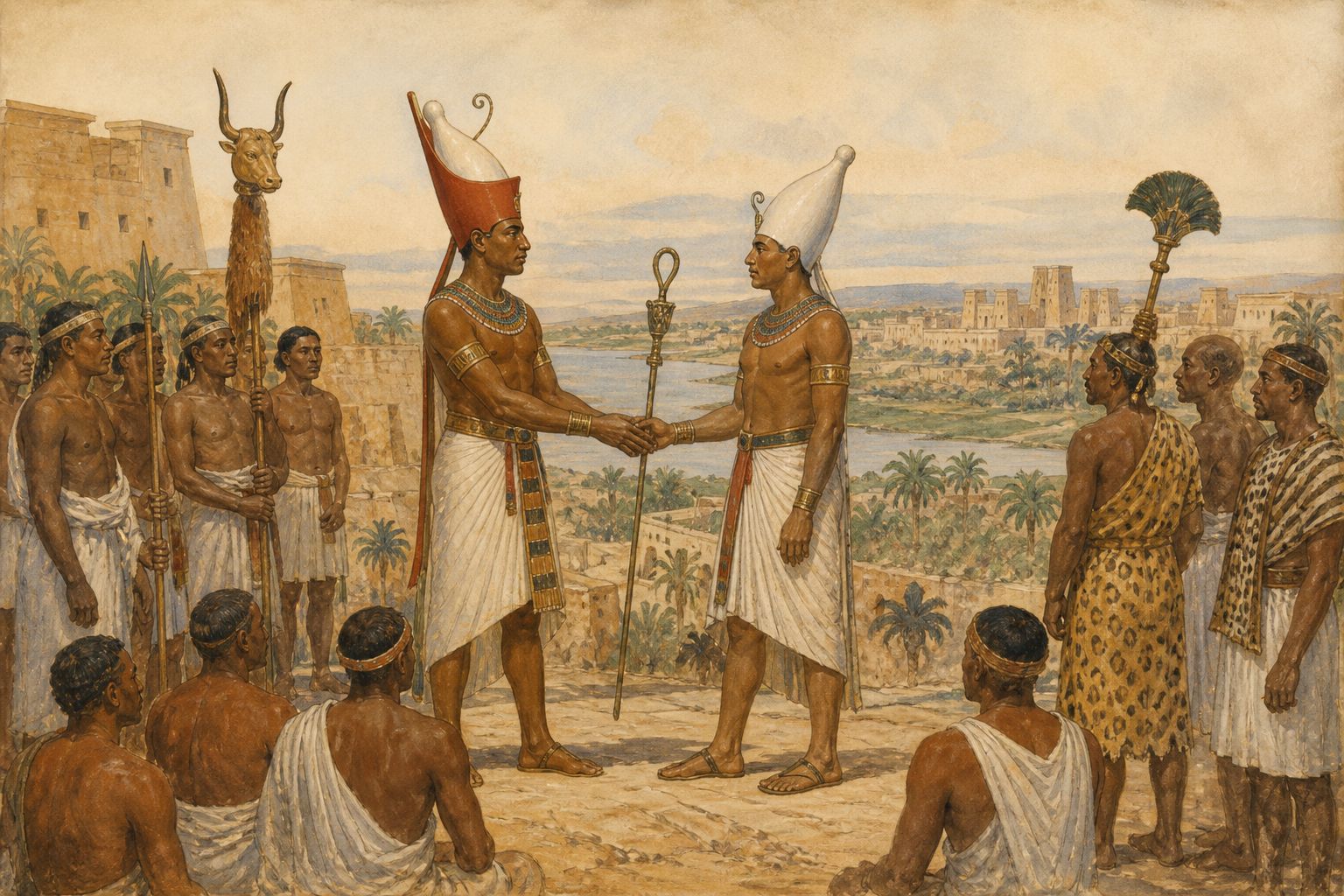
Unification of Ancient Egypt — Central transition: Around 3100 BCE, Upper and Lower Egypt were brought under a single kingship, inaugurating the Early Dynastic period and a durable political tradition in the Nile Valley.
c. 3099 BC
Immediate aftermath
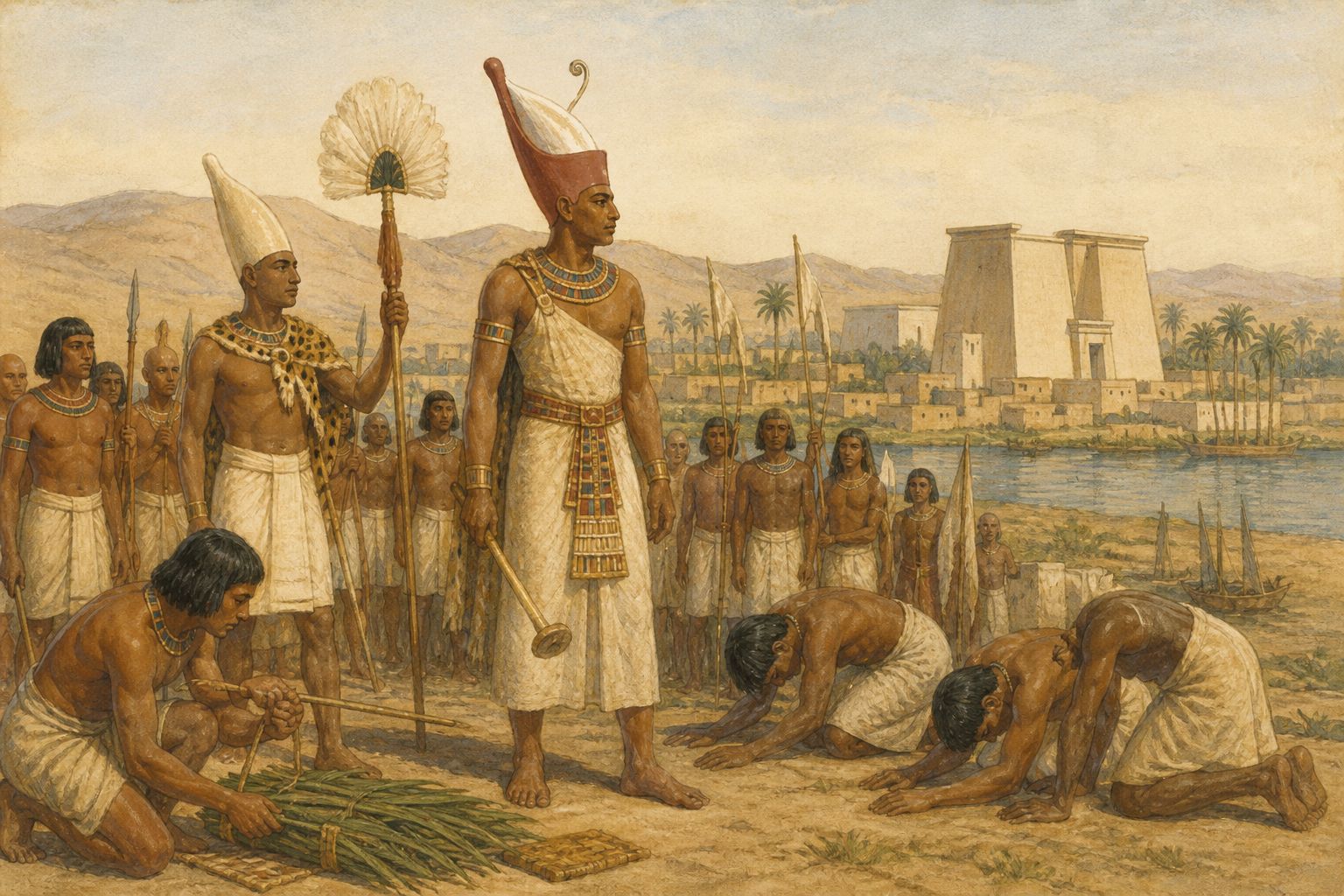
Immediate aftermath — Immediate result: The unified monarchy organized taxation, cult, and labor through palaces and provincial centers, creating foundations for the First Dynasty and later state institutions. Integration was a process of institutional consolidation rather than one single battle.
c. 3090 BC
Long-term significance
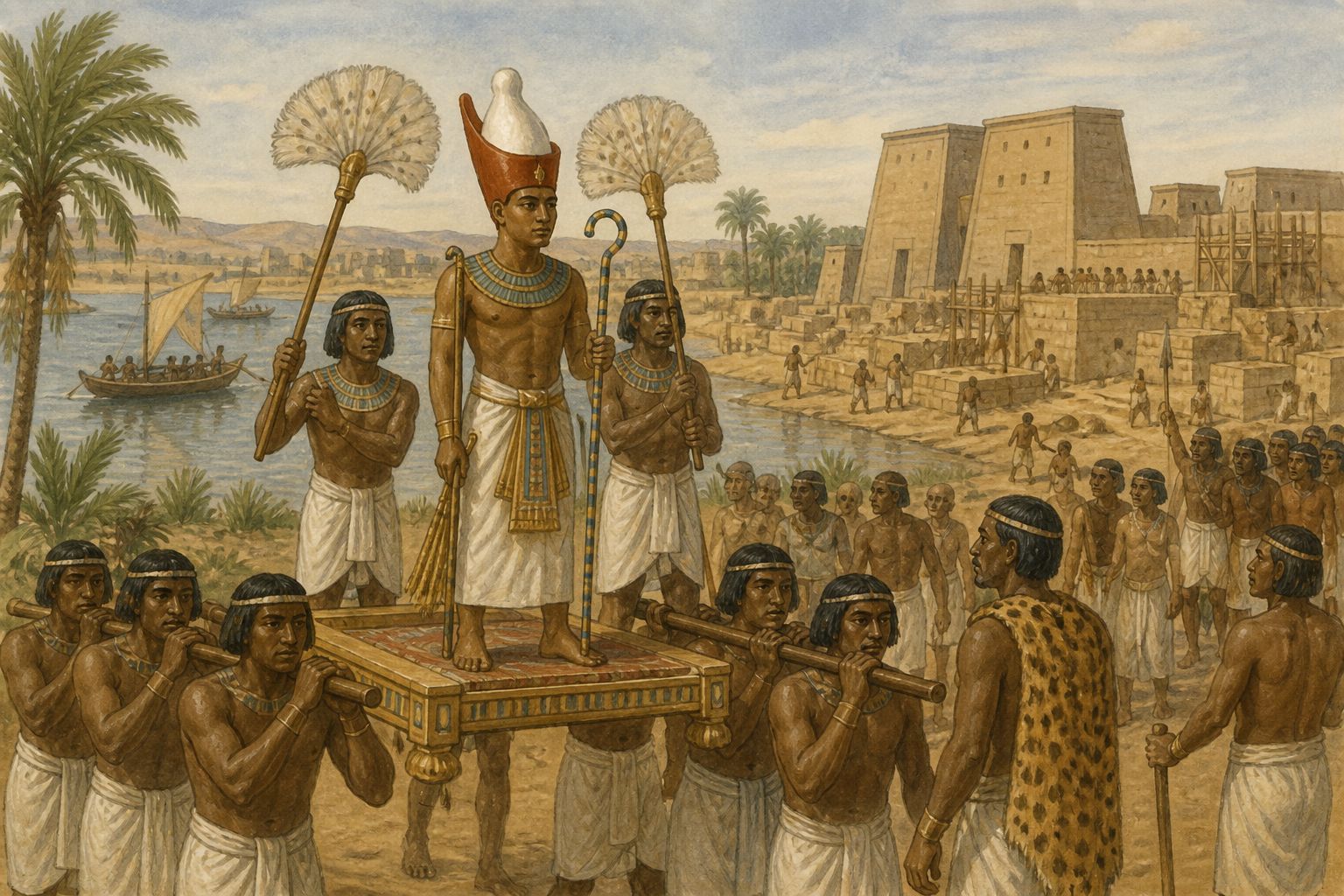
Long-term significance — Long-term significance: Unification created a long-lasting state framework in which kingship, religion, and the Nile environment were closely connected. The language of two lands clarifies the political project but can obscure the diversity of local communities.


Sources
- Unification of Ancient Egypt — Ancient Egypt (Encyclopaedia Britannica)britannica.comThis Encyclopaedia Britannica resource supports the chronology, setting, and course of Unification of Ancient Egypt.
- Unification of Ancient Egypt — Hd Egyp (The Metropolitan Museum of Art)metmuseum.orgThis The Metropolitan Museum of Art resource supports the chronology, setting, and course of Unification of Ancient Egypt.
- Unification of Ancient Egypt — Egyptian Civilization (World History Encyclopedia)worldhistory.orgThis World History Encyclopedia resource supports the chronology, setting, and course of Unification of Ancient Egypt.