
English Civil War
1642–1651
From 1642 to 1651, conflict over royal and parliamentary authority developed into the English Civil War within the wider Wars of the Three Kingdoms.

- Period
- 1642–1651
- Kind
- Revolution
- Regions
- Europe
- Keywords
- English Civil War · revolution · early modern · europe
Follow the story · Four stages
Background
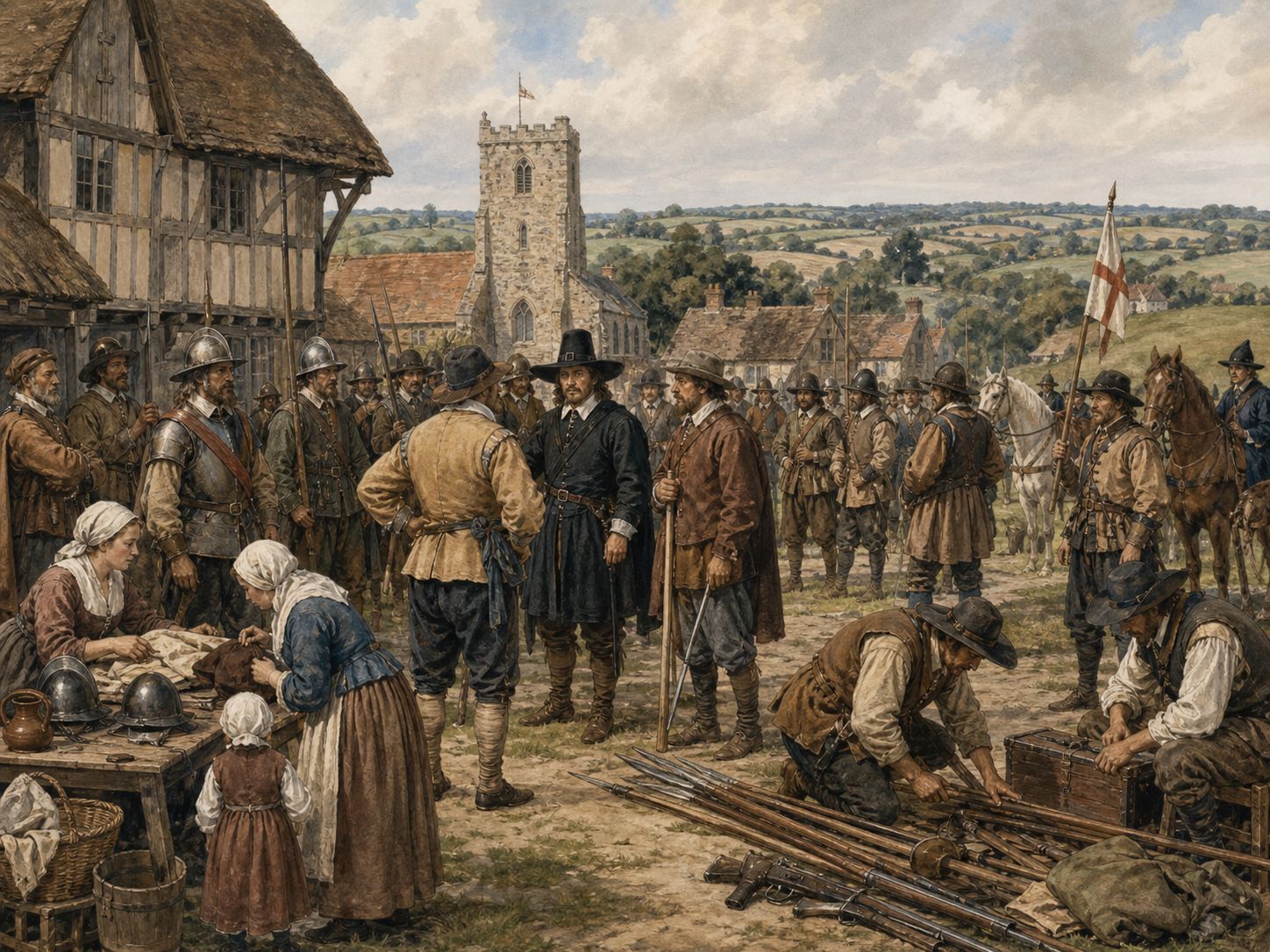
Taxation, religion, parliamentary privilege, and relations with Scotland and Ireland destabilized Charles I’s rule.
- Taxation, religion, parliamentary privilege, and relations with Scotland and Ireland destabilized Charles I’s rule.
- Core event: From 1642 to 1651, conflict over royal and parliamentary authority developed into the English Civil War within the wider Wars of the Three Kingdoms.
- Connection to the next stage: Royalists and Parliamentarians fought, while Parliament’s New Model Army gained military superiority through reorganization.
Course
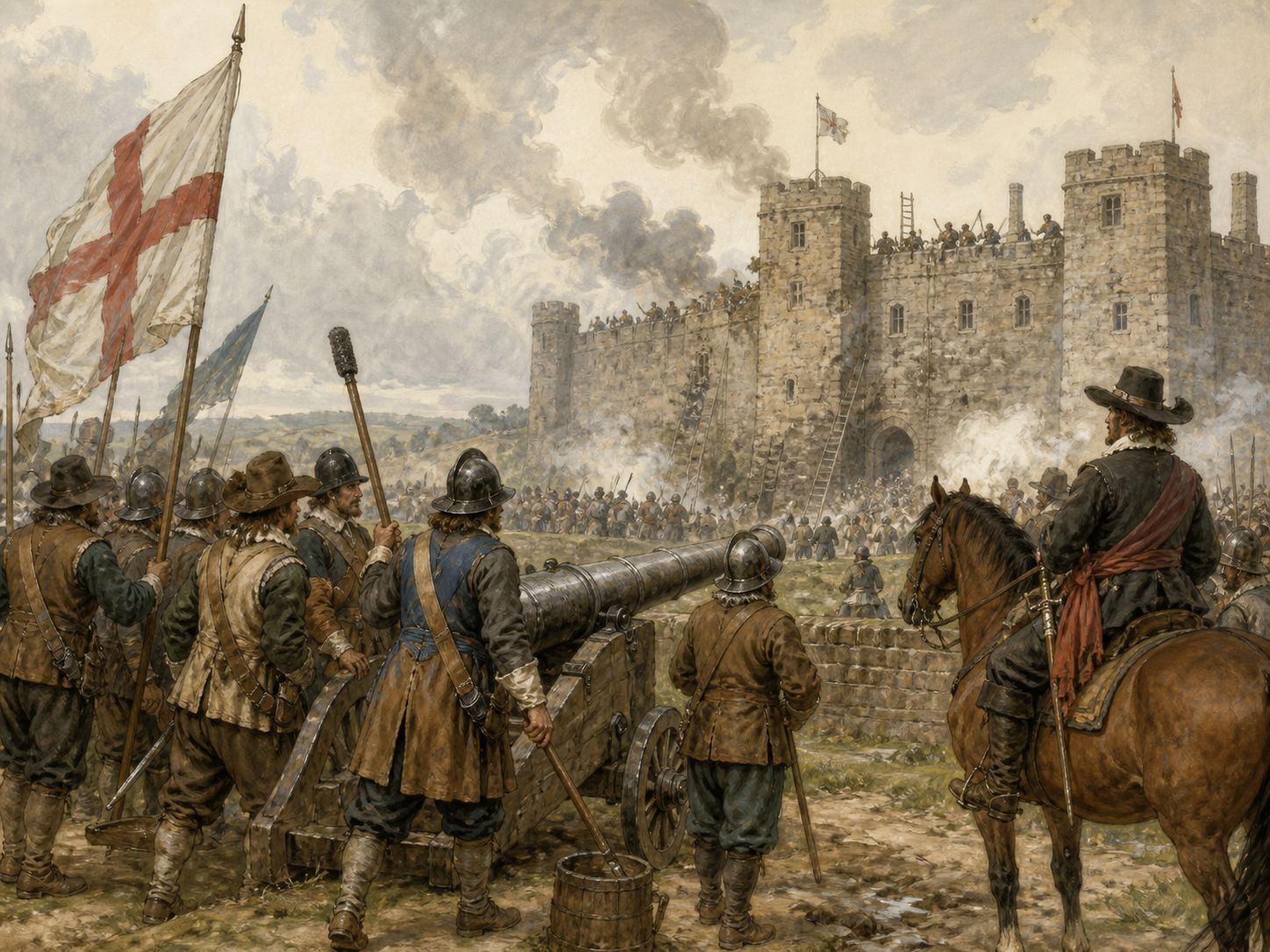
Royalists and Parliamentarians fought, while Parliament’s New Model Army gained military superiority through reorganization.
- Royalists and Parliamentarians fought, while Parliament’s New Model Army gained military superiority through reorganization.
- Conditions behind the action: Taxation, religion, parliamentary privilege, and relations with Scotland and Ireland destabilized Charles I’s rule.
- Meaning of the turning point: From 1642 to 1651, conflict over royal and parliamentary authority developed into the English Civil War within the wider Wars of the Three Kingdoms.
Outcome
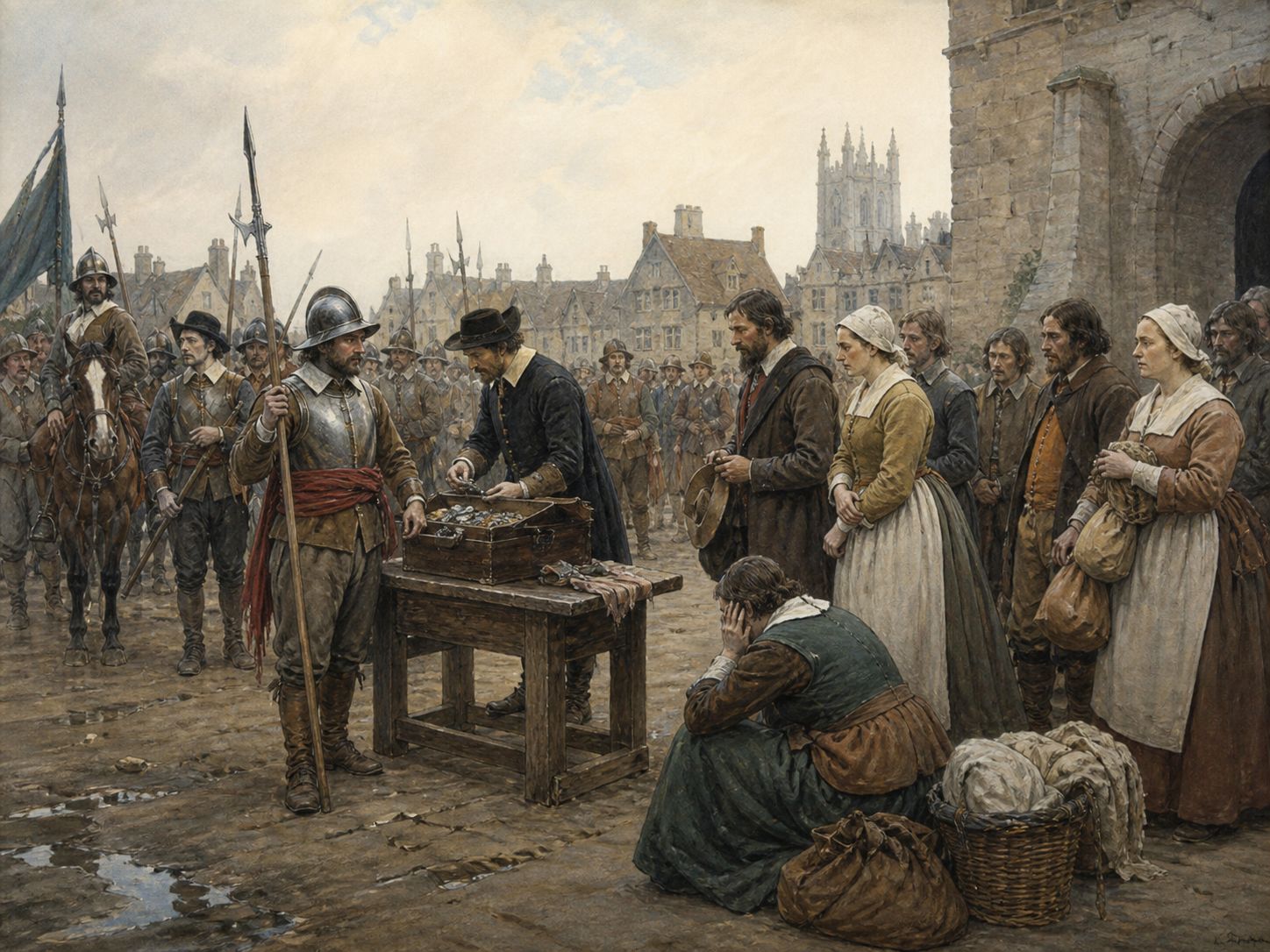
Charles I was executed in 1649, followed by a republic and Protectorate before the Restoration.
- Charles I was executed in 1649, followed by a republic and Protectorate before the Restoration.
- Process producing the result: Royalists and Parliamentarians fought, while Parliament’s New Model Army gained military superiority through reorganization.
- Question carried forward: The war altered crown–Parliament relations but was not a linear birth of modern democracy; it was a compound crisis of religion, military power, and empire.
Historical significance
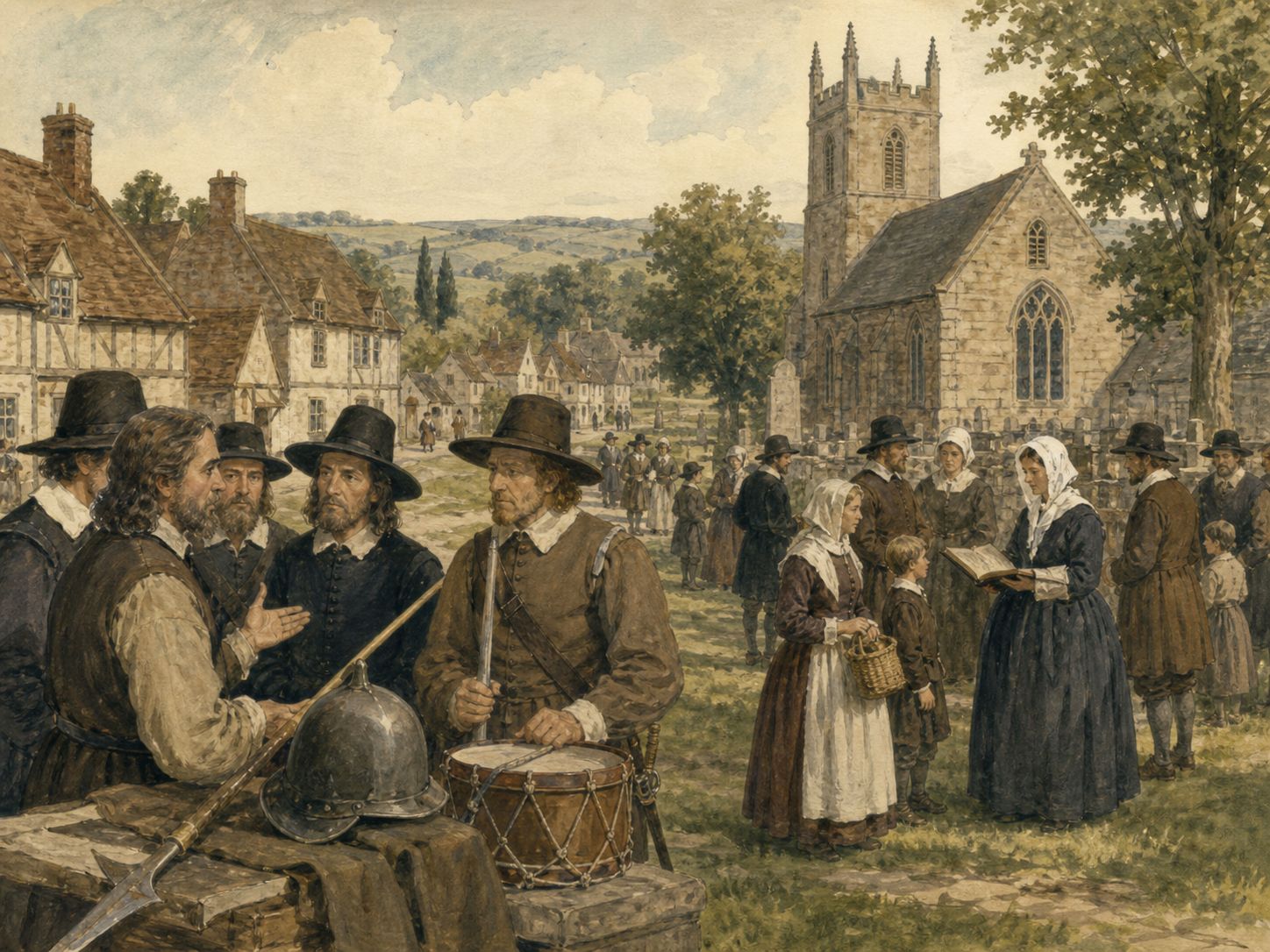
The war altered crown–Parliament relations but was not a linear birth of modern democracy; it was a compound crisis of religion, military power, and empire.
- The war altered crown–Parliament relations but was not a linear birth of modern democracy; it was a compound crisis of religion, military power, and empire.
- Immediate consequence: Charles I was executed in 1649, followed by a republic and Protectorate before the Restoration.
- Historical turning point: From 1642 to 1651, conflict over royal and parliamentary authority developed into the English Civil War within the wider Wars of the Three Kingdoms.


Related events
c. 1639
Prelude
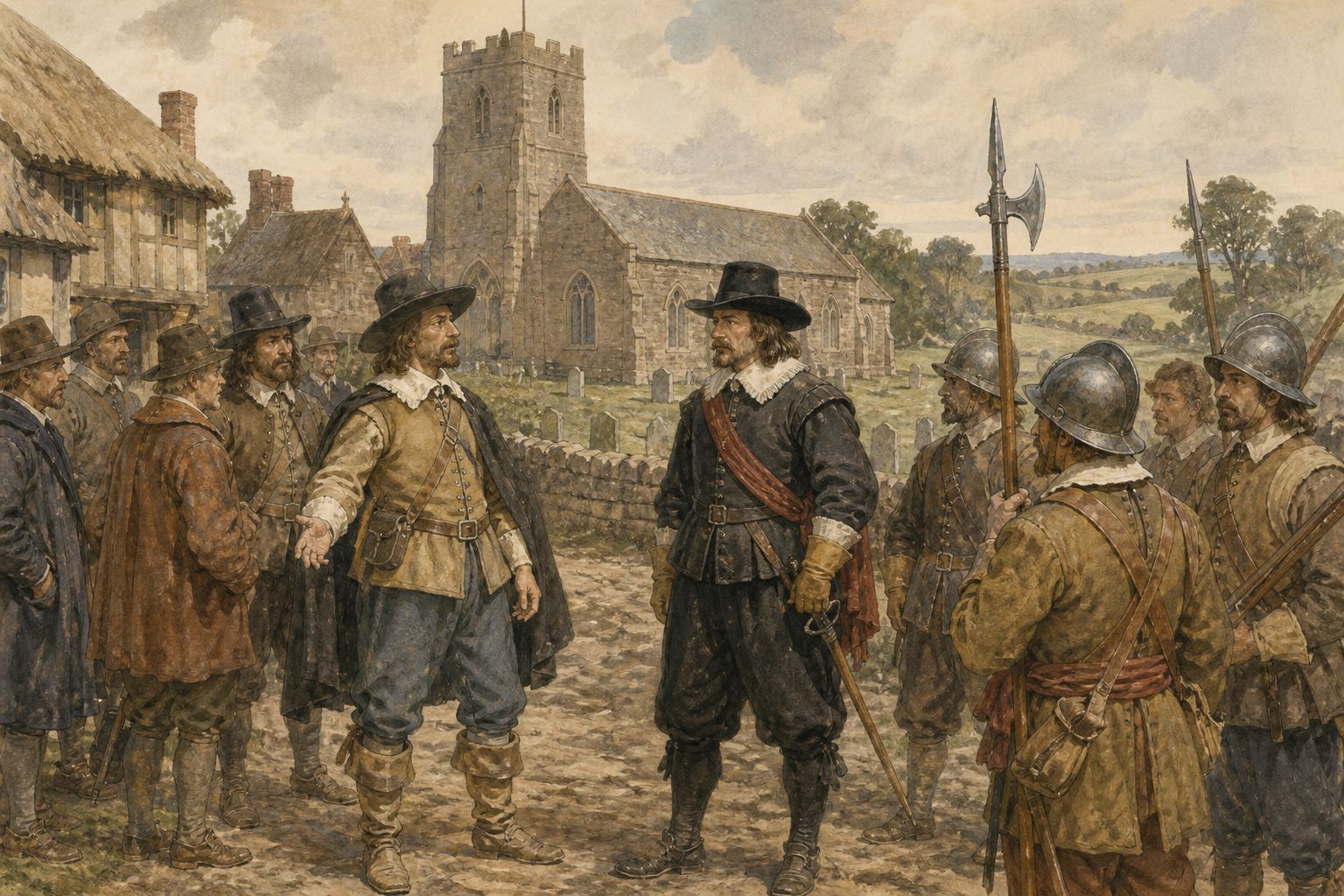
Prelude — Background: Taxation, religion, parliamentary privilege, and relations with Scotland and Ireland destabilized Charles I’s rule.
c. 1641
Turning point
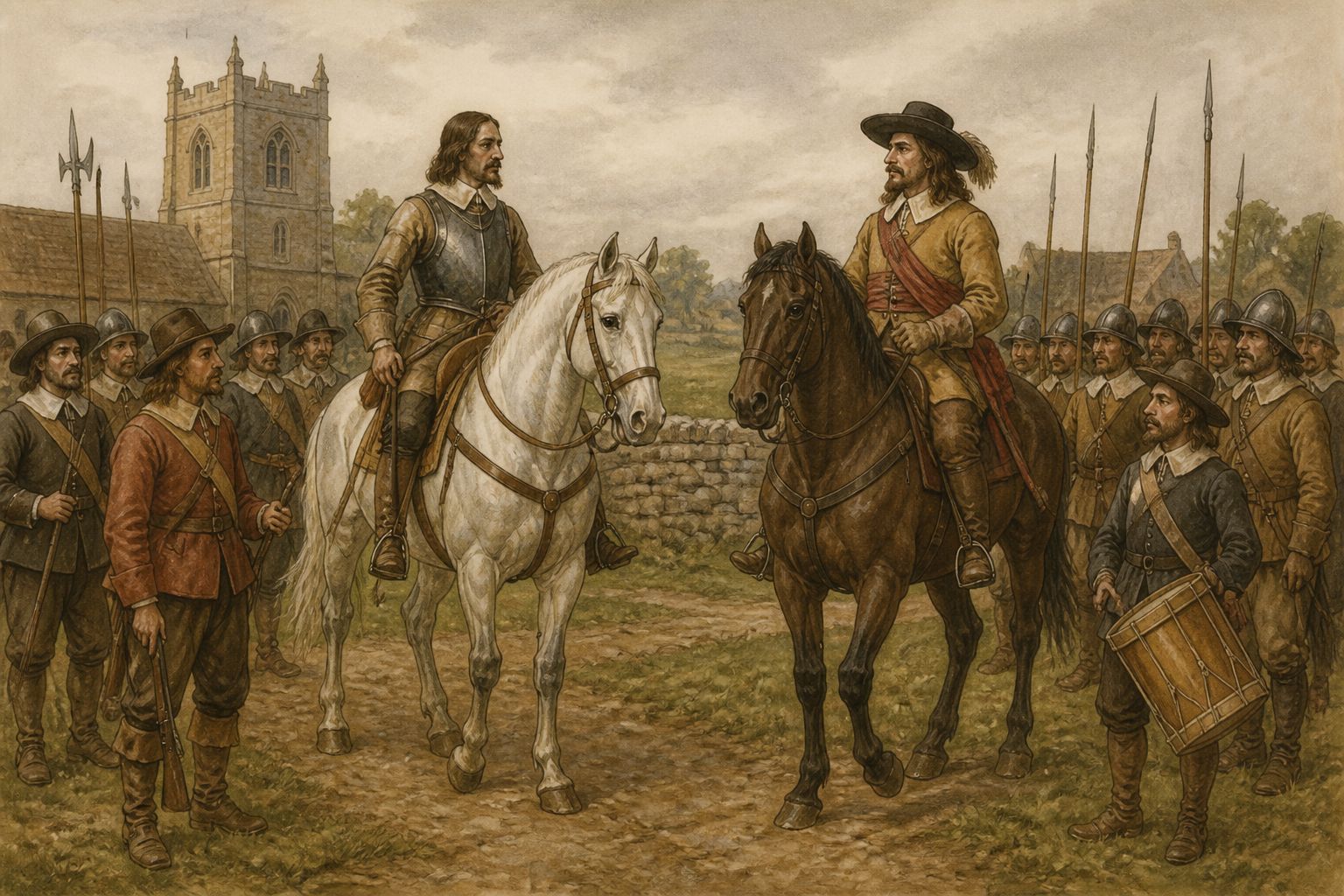
Turning point — Build-up: Royalists and Parliamentarians fought, while Parliament’s New Model Army gained military superiority through reorganization.
1642–1651
English Civil War
Current event
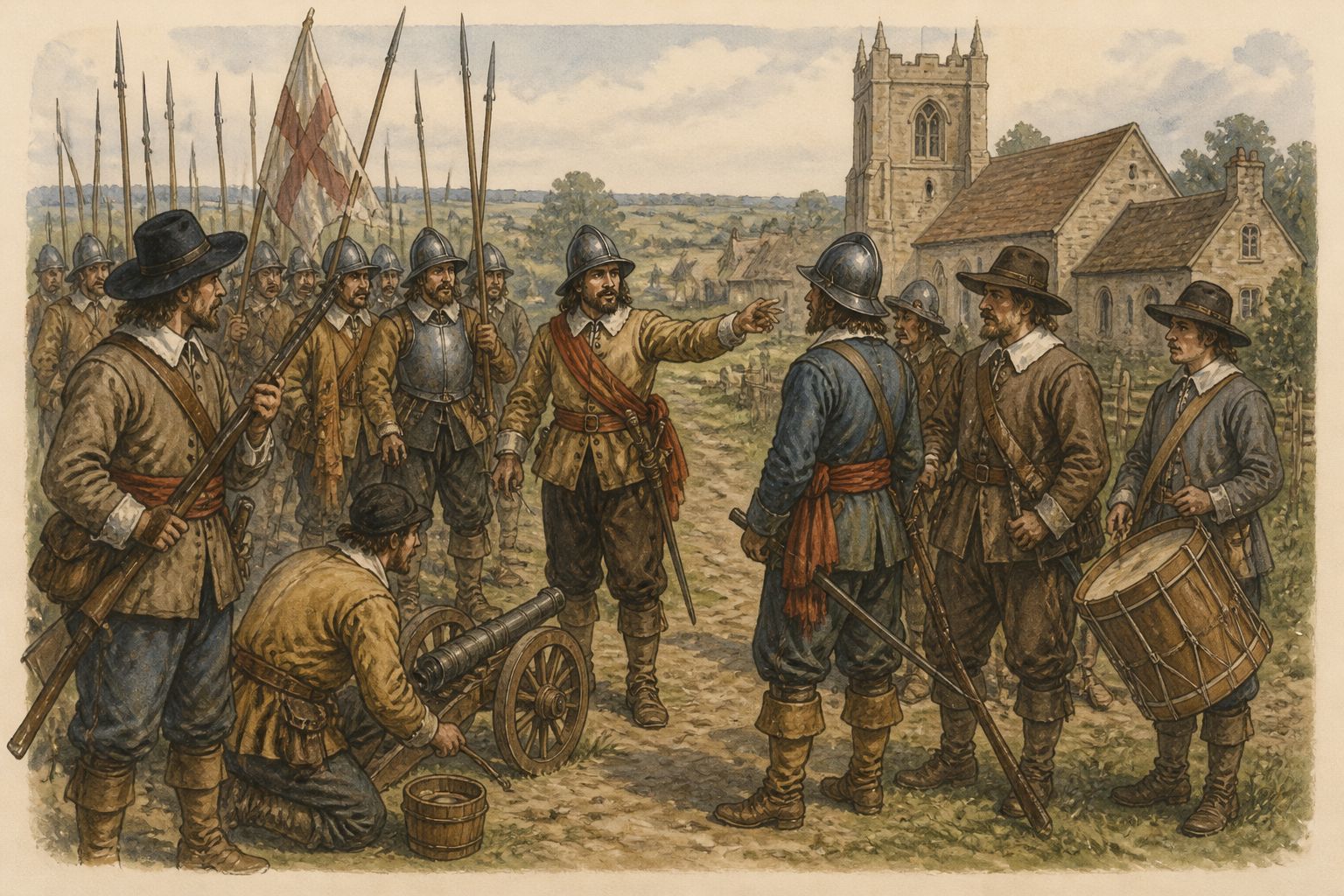
English Civil War — Central transition: From 1642 to 1651, conflict over royal and parliamentary authority developed into the English Civil War within the wider Wars of the Three Kingdoms.
c. 1655
Immediate aftermath
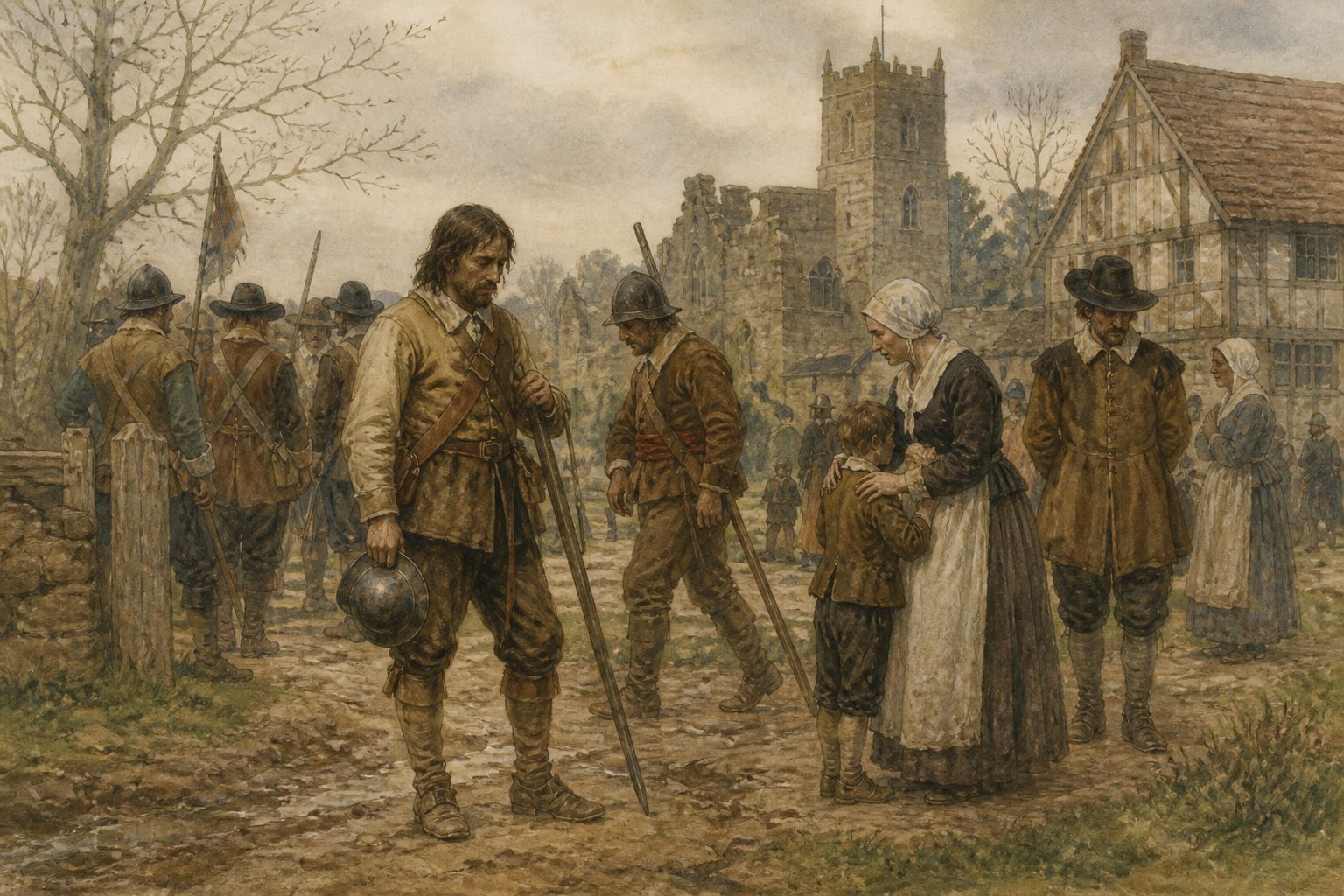
Immediate aftermath — Immediate result: Charles I was executed in 1649, followed by a republic and Protectorate before the Restoration.
c. 1665
Long-term significance
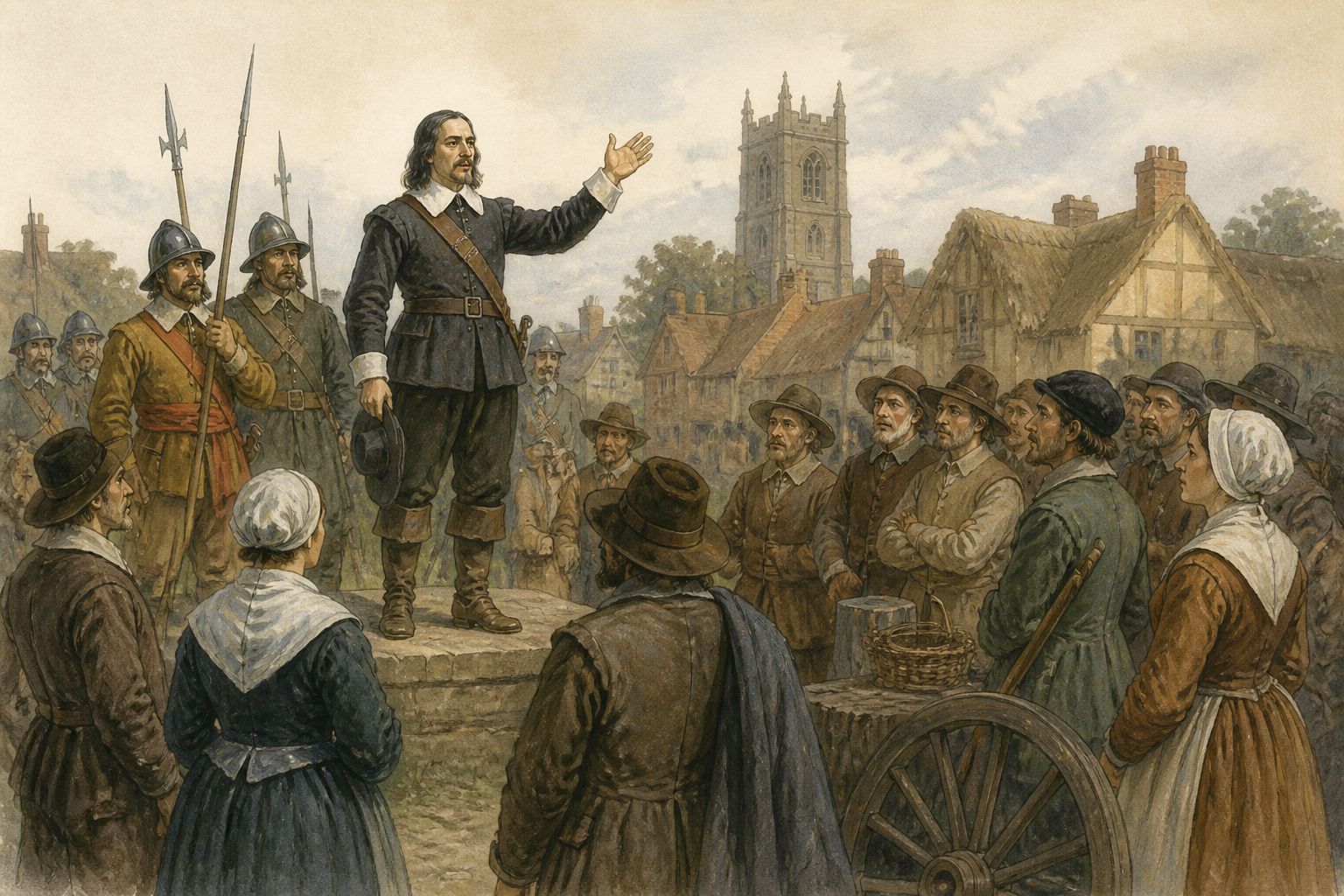
Long-term significance — Long-term significance: The war altered crown–Parliament relations but was not a linear birth of modern democracy; it was a compound crisis of religion, military power, and empire.


Sources
- English Civil War — The Civil War (UK Parliament)parliament.ukThis UK Parliament resource supports the chronology, setting, and course of English Civil War.
- English Civil War — English Civil Wars (Encyclopaedia Britannica)britannica.comThis Encyclopaedia Britannica resource supports the chronology, setting, and course of English Civil War.
- English Civil War — Civil War (The National Archives)nationalarchives.gov.ukThis The National Archives resource supports the chronology, setting, and course of English Civil War.