
English Reformation
1534
Around the Act of Supremacy of 1534, church governance in England shifted from papal authority to the crown.

- Period
- 1534
- Kind
- Political event
- Regions
- Europe
- Keywords
- English Reformation · political event · early modern · europe
Follow the story · Four stages
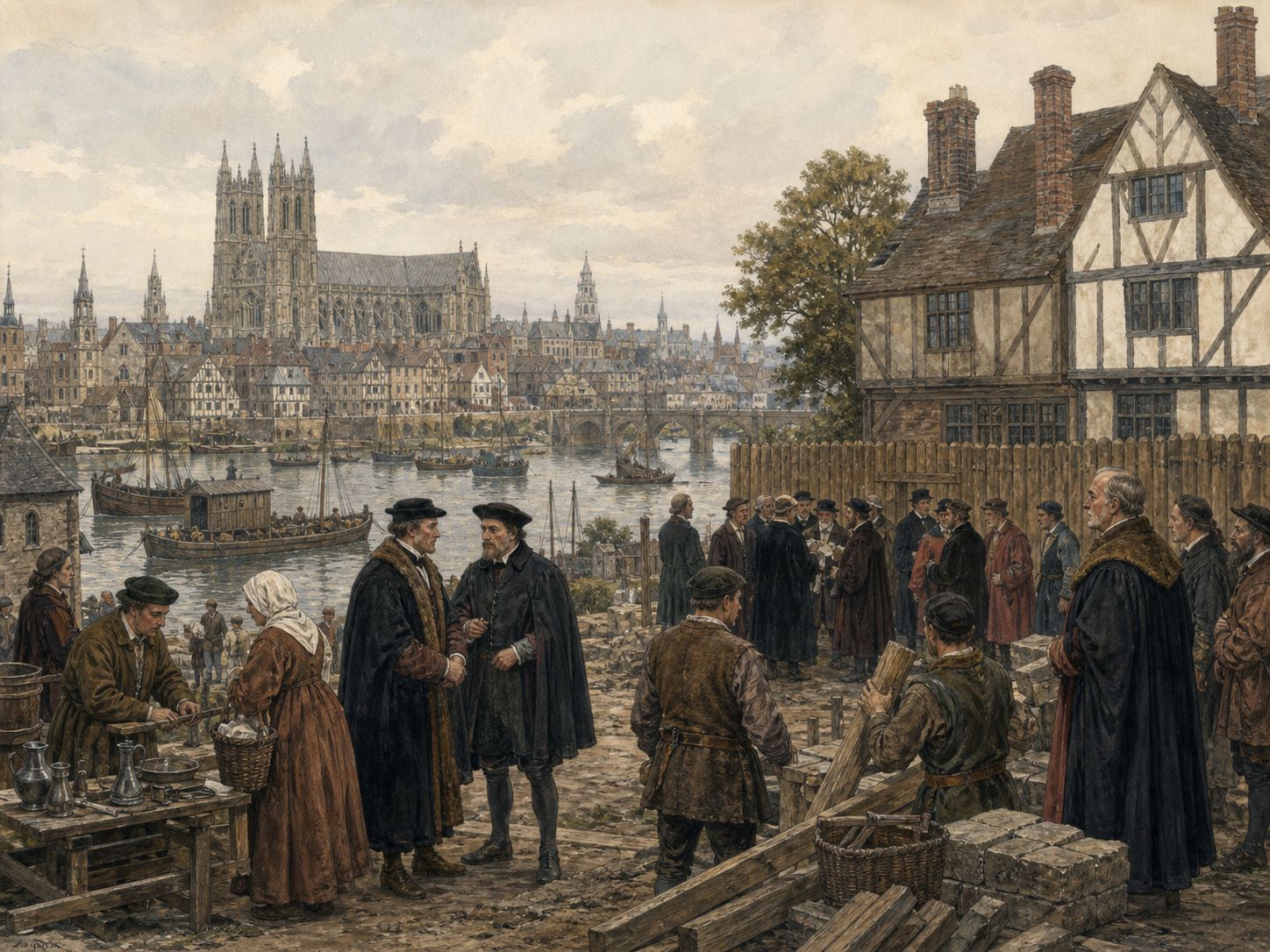
Background
Henry VIII’s marriage crisis deepened conflict with the papacy as crown and Parliament addressed ecclesiastical jurisdiction and property.
- Henry VIII’s marriage crisis deepened conflict with the papacy as crown and Parliament addressed ecclesiastical jurisdiction and property.
- Core event: Around the Act of Supremacy of 1534, church governance in England shifted from papal authority to the crown.
- Connection to the next stage: Legislation made the king supreme head of the Church of England, followed by the dissolution of monasteries and gradual changes to scripture and worship.
Course
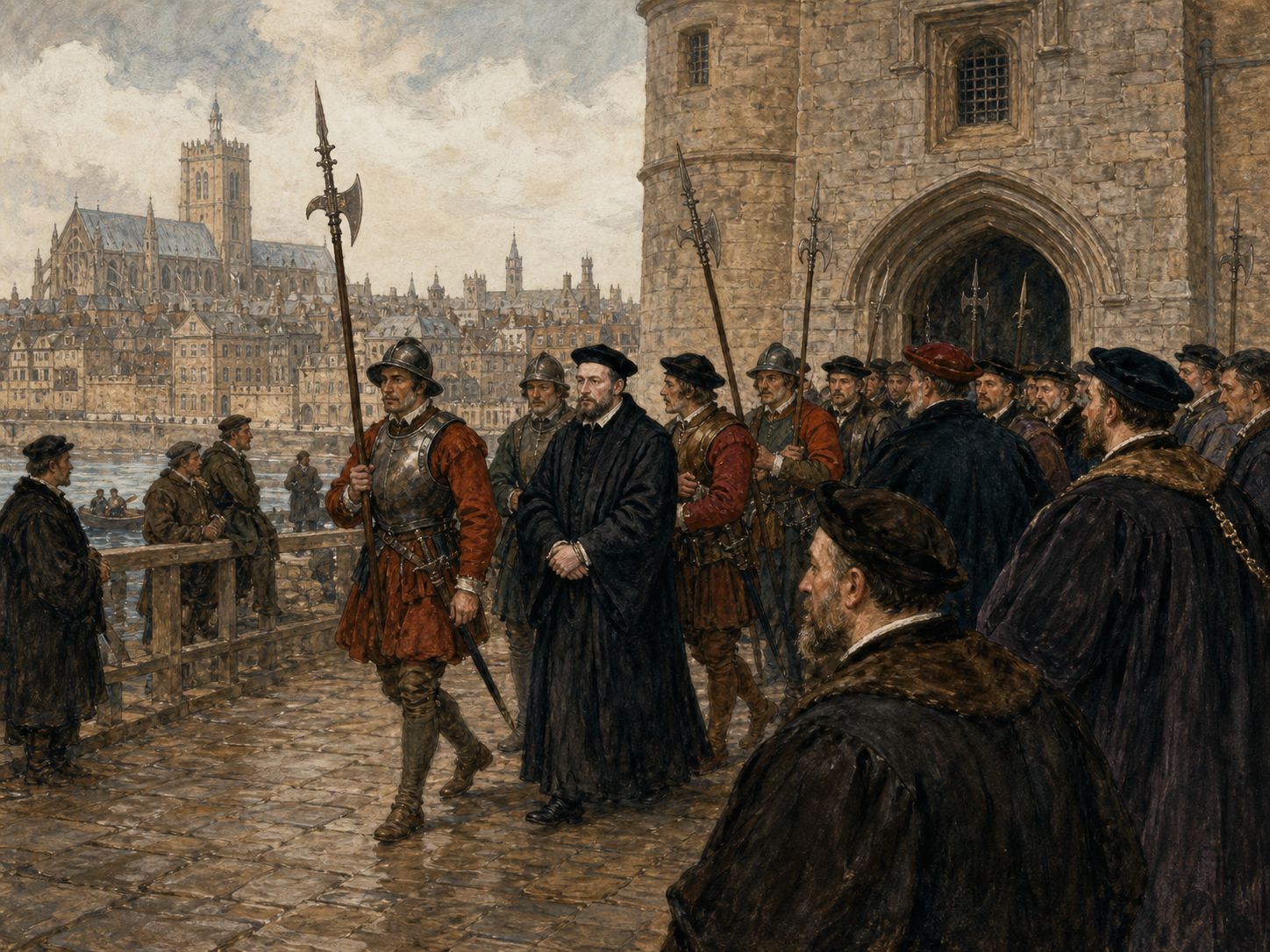
Legislation made the king supreme head of the Church of England, followed by the dissolution of monasteries and gradual changes to scripture and worship.
- Legislation made the king supreme head of the Church of England, followed by the dissolution of monasteries and gradual changes to scripture and worship.
- Conditions behind the action: Henry VIII’s marriage crisis deepened conflict with the papacy as crown and Parliament addressed ecclesiastical jurisdiction and property.
- Meaning of the turning point: Around the Act of Supremacy of 1534, church governance in England shifted from papal authority to the crown.
Outcome
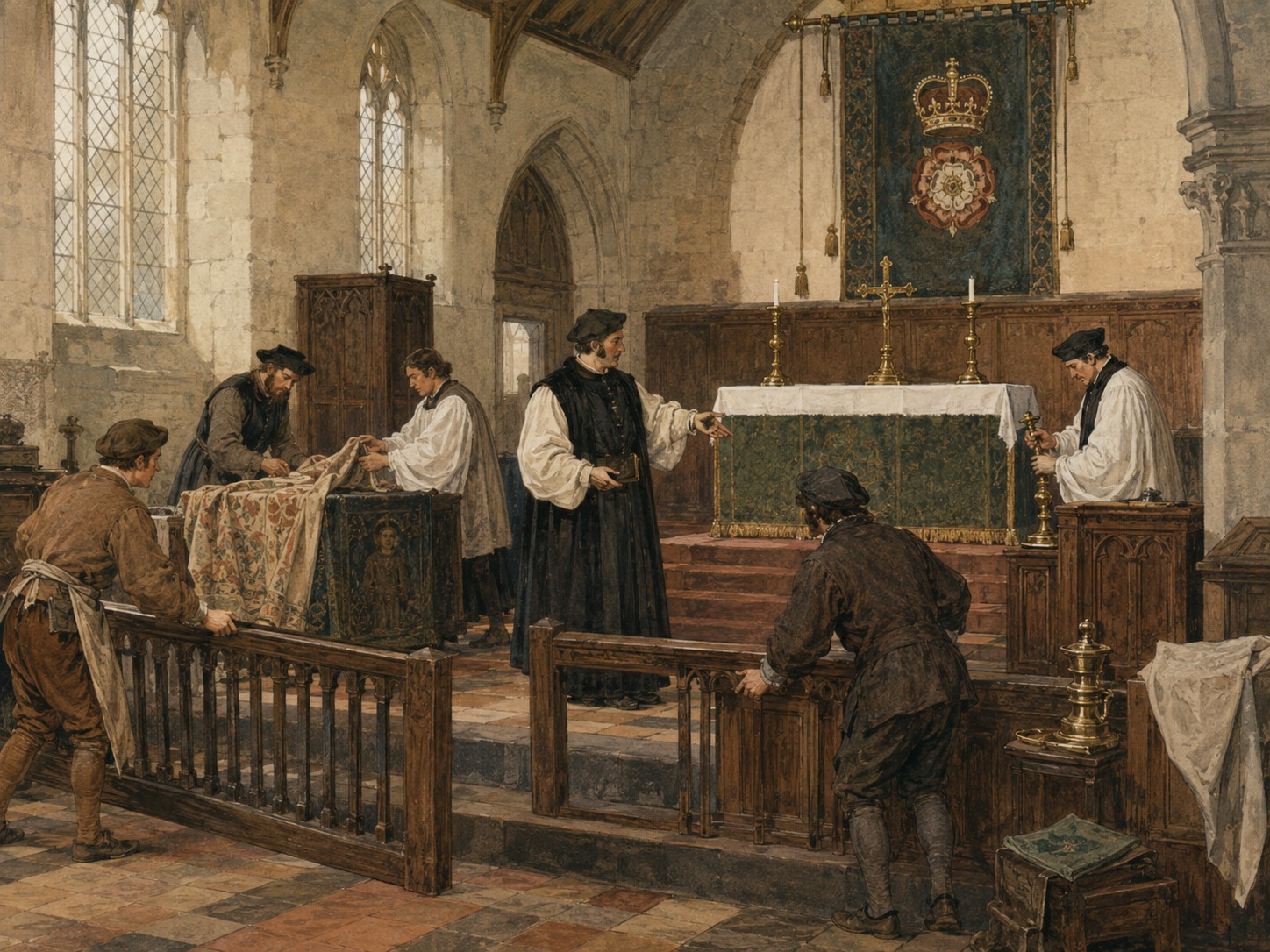
A crown-dependent church emerged, but religious policy shifted under Edward VI, Mary I, and Elizabeth I.
- A crown-dependent church emerged, but religious policy shifted under Edward VI, Mary I, and Elizabeth I.
- Process producing the result: Legislation made the king supreme head of the Church of England, followed by the dissolution of monasteries and gradual changes to scripture and worship.
- Question carried forward: The Reformation was not only a doctrinal change but also a reorganization of crown, property, Parliament, and local communities.
Historical significance
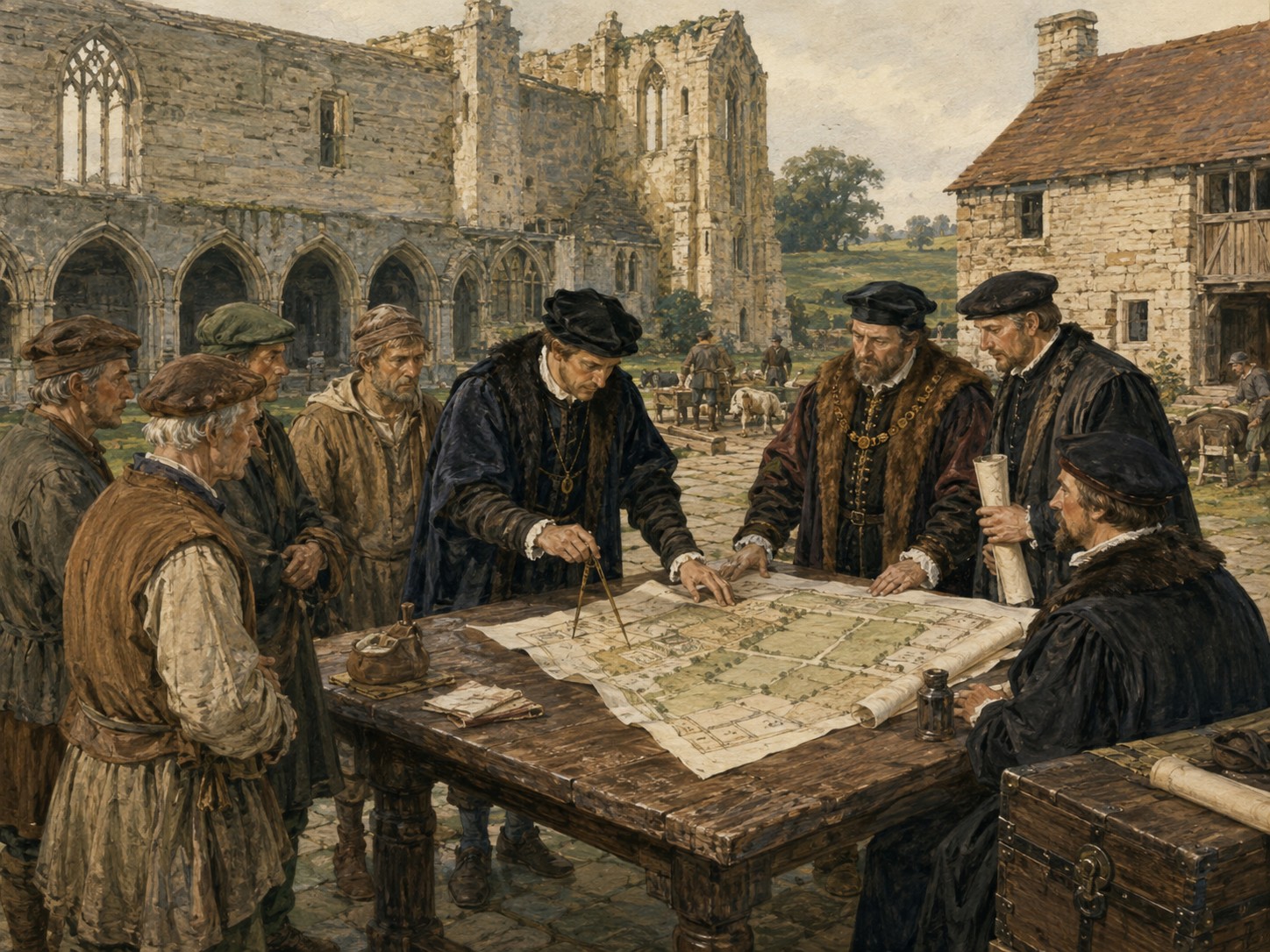
The Reformation was not only a doctrinal change but also a reorganization of crown, property, Parliament, and local communities.
- The Reformation was not only a doctrinal change but also a reorganization of crown, property, Parliament, and local communities.
- Immediate consequence: A crown-dependent church emerged, but religious policy shifted under Edward VI, Mary I, and Elizabeth I.
- Historical turning point: Around the Act of Supremacy of 1534, church governance in England shifted from papal authority to the crown.


Related events
c. 1534
Prelude
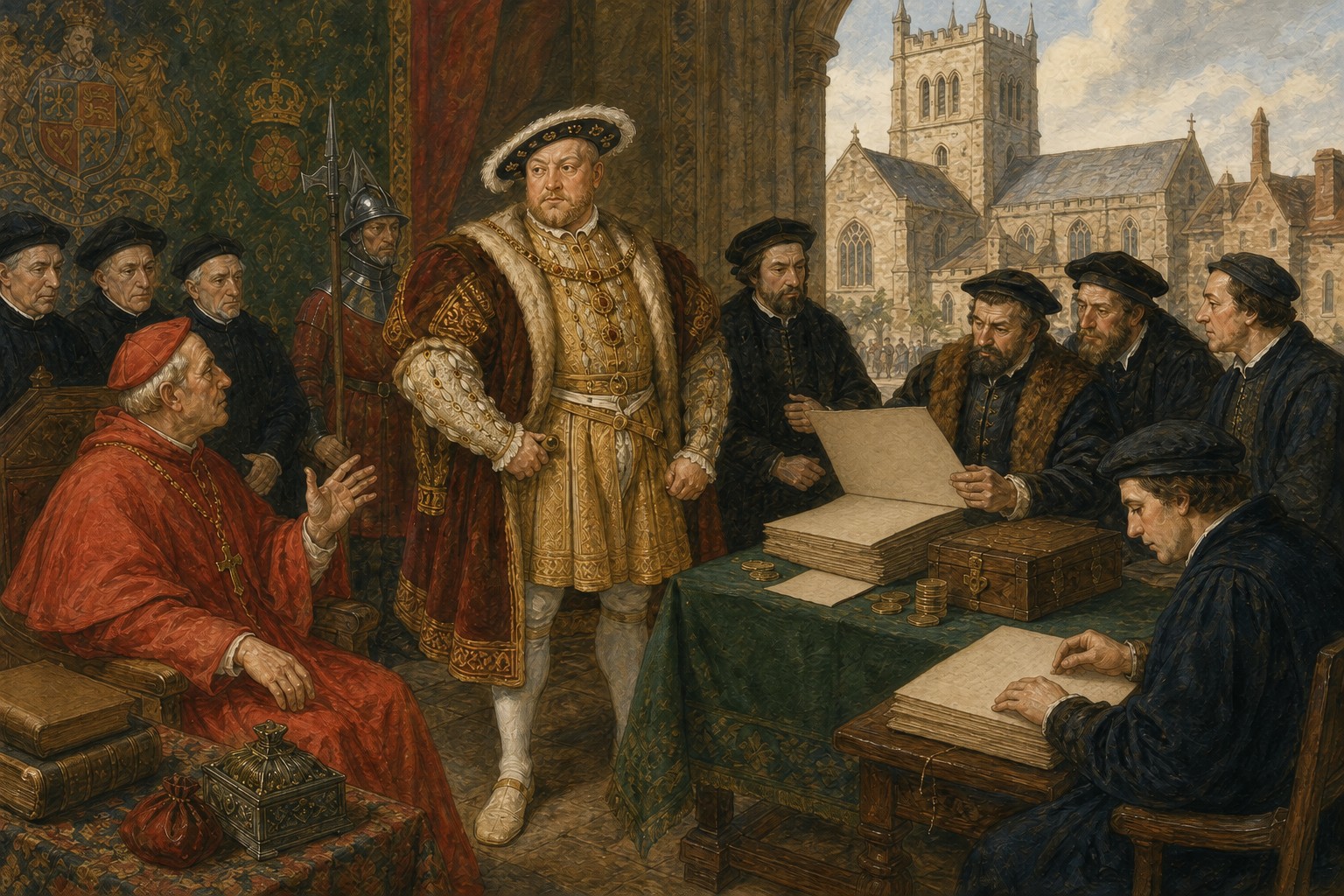
Prelude — Background: Henry VIII’s marriage crisis deepened conflict with the papacy as crown and Parliament addressed ecclesiastical jurisdiction and property.
c. 1534
Turning point
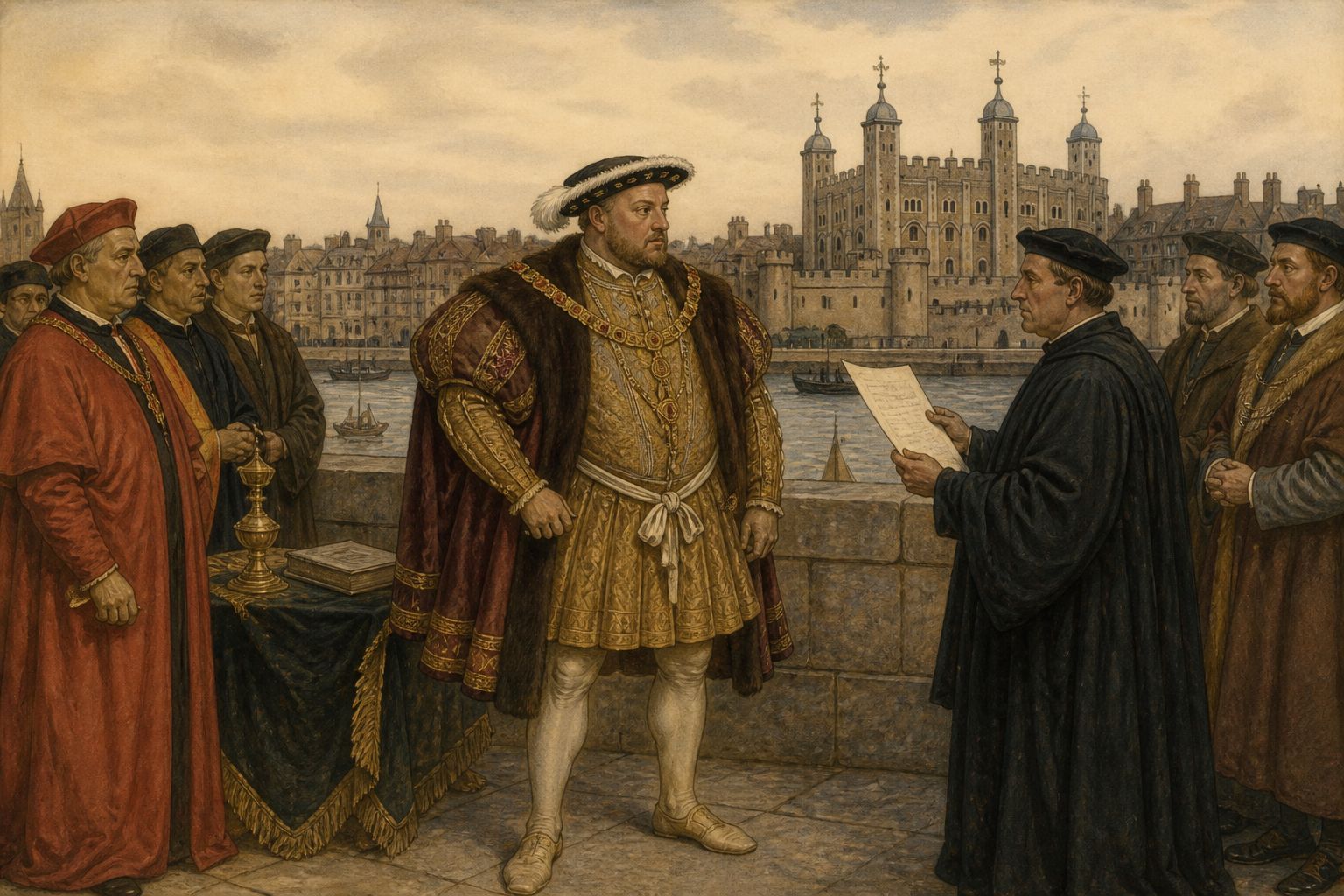
Turning point — Build-up: Legislation made the king supreme head of the Church of England, followed by the dissolution of monasteries and gradual changes to scripture and worship.
1534
Current phase
Current event
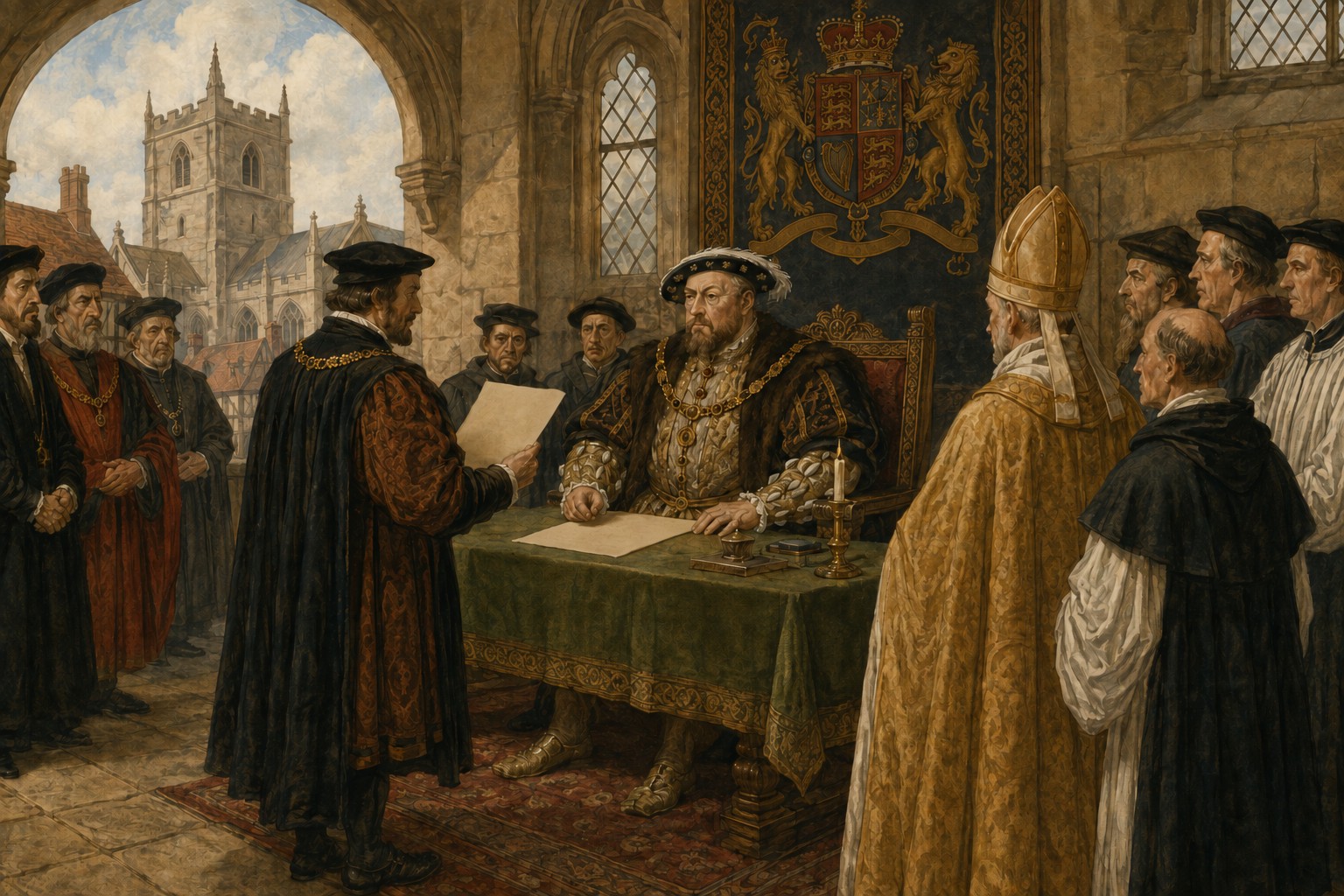
Current phase — Central transition: Around the Act of Supremacy of 1534, church governance in England shifted from papal authority to the crown.
c. 1535
Immediate aftermath
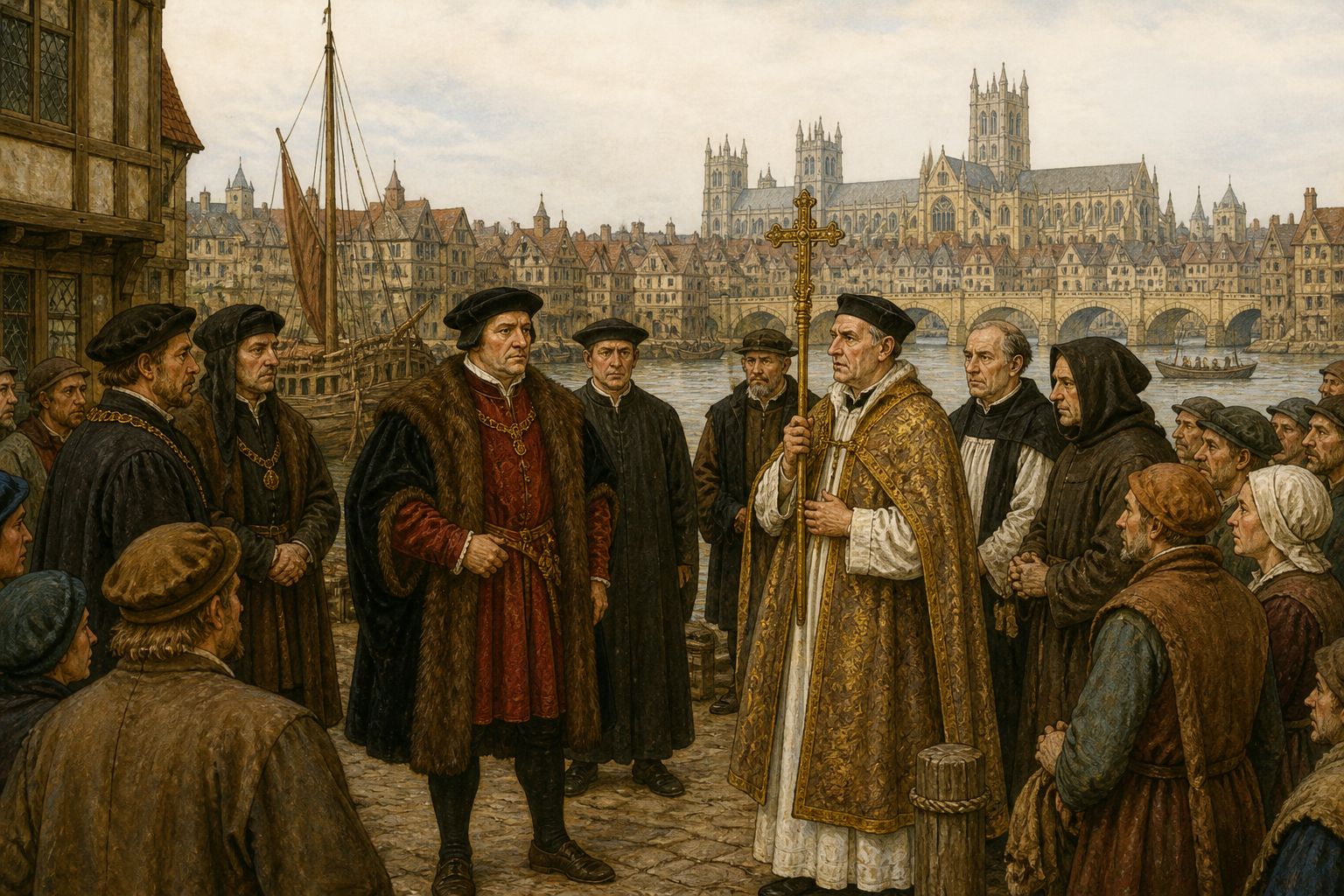
Immediate aftermath — Immediate result: A crown-dependent church emerged, but religious policy shifted under Edward VI, Mary I, and Elizabeth I.
c. 1544
Long-term significance
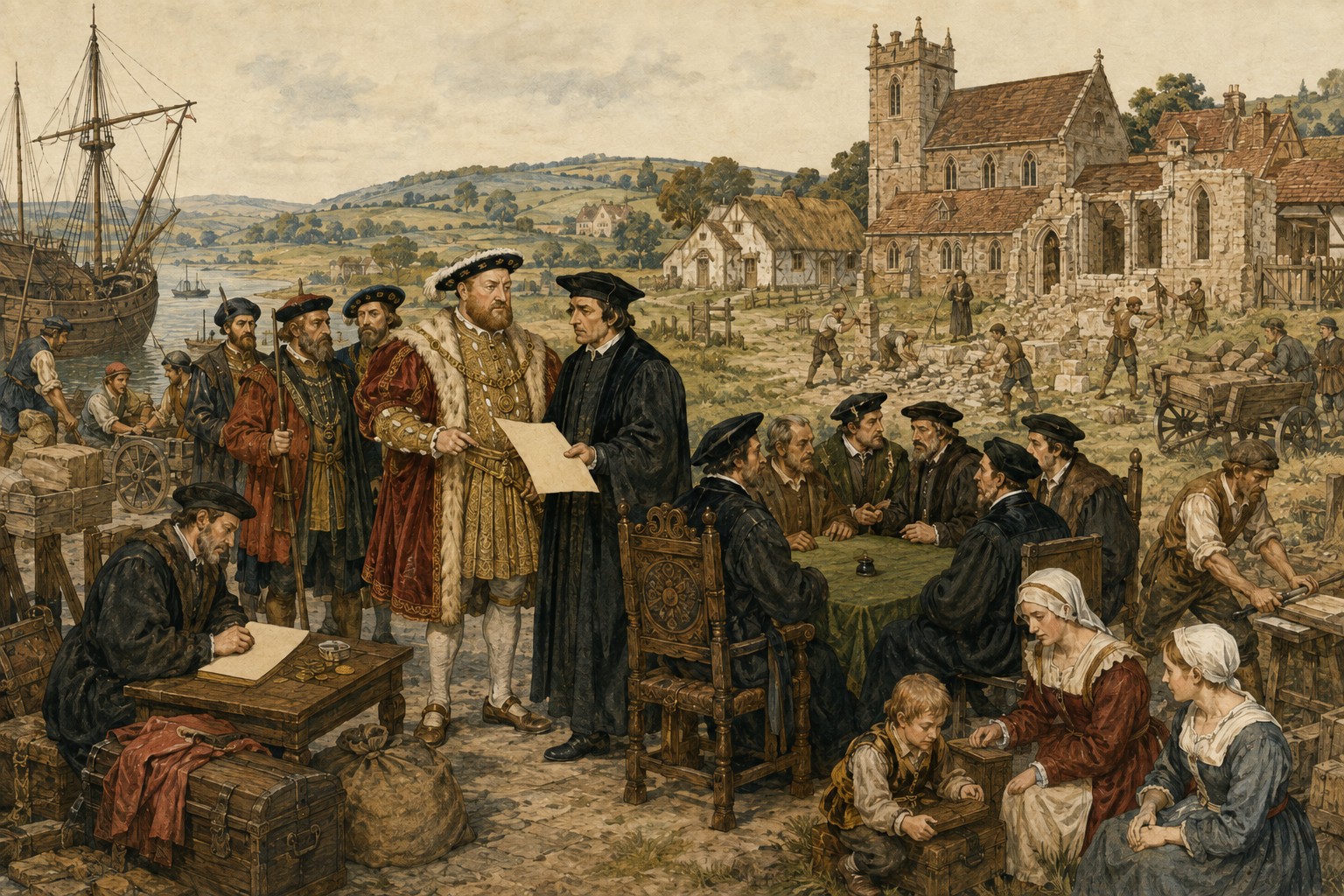
Long-term significance — Long-term significance: The Reformation was not only a doctrinal change but also a reorganization of crown, property, Parliament, and local communities.


Sources
- English Reformation — English Reformation (Encyclopaedia Britannica)britannica.comThis Encyclopaedia Britannica resource supports the chronology, setting, and course of English Reformation.
- English Reformation — Act Of Supremacy (UK Parliament)parliament.ukThis UK Parliament resource supports the chronology, setting, and course of English Reformation.
- English Reformation — The English Reformation (Bl)bl.ukThis Bl resource supports the chronology, setting, and course of English Reformation.