European Missions to the Mongols
1245–1255
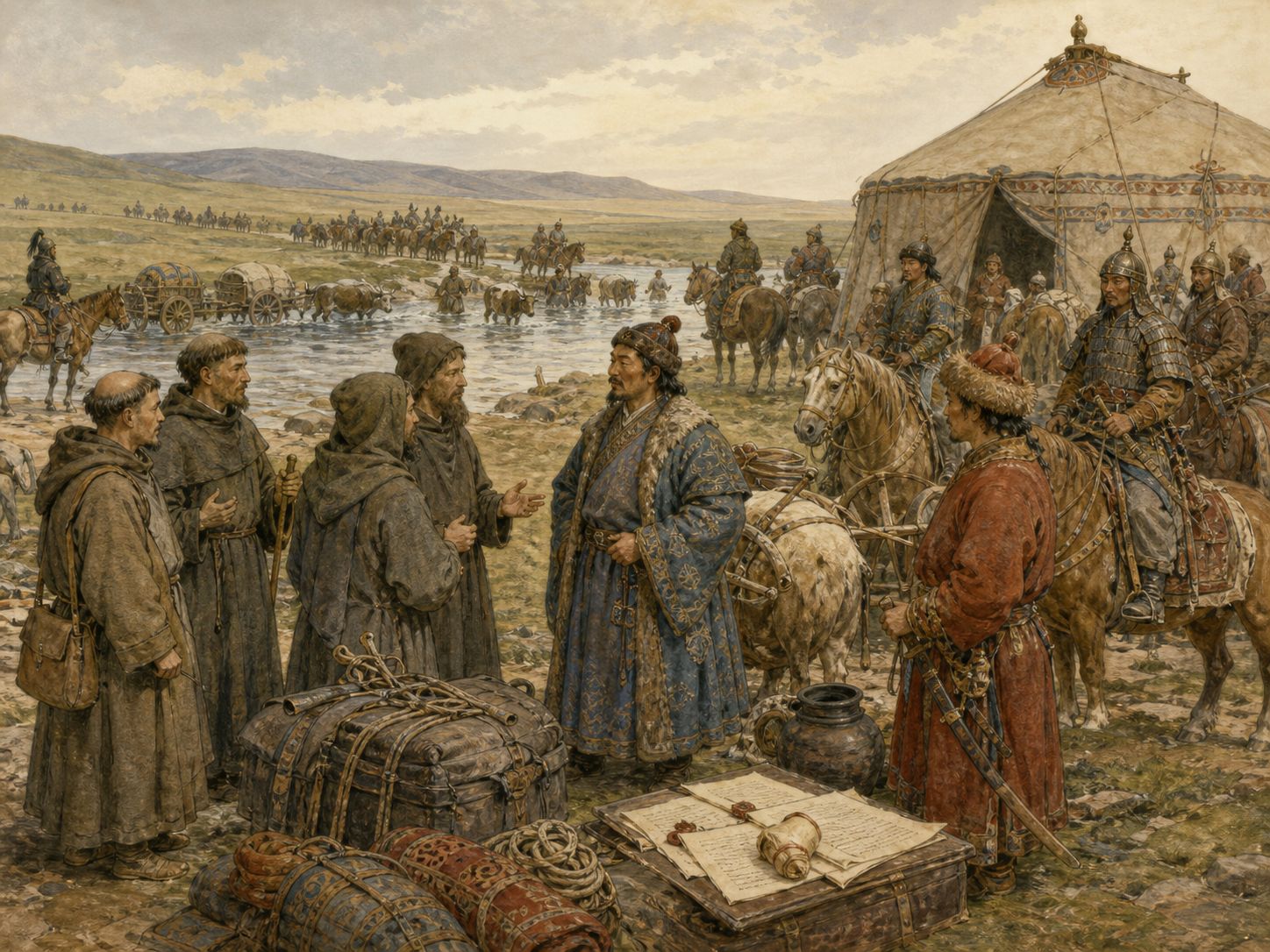
From 1245 to 1255, the pope and the king of France sent Franciscans to the Mongol Empire to gather intelligence, pursue diplomacy, and promote Christianity.

- Period
- 1245–1255
- Kind
- Voyage
- Regions
- Europe, Central Asia
- Keywords
- Mongol Empire · Carpini · Rubruck · Papal diplomacy · Eurasia
Follow the story · Four stages
Background
The Mongol advance into central Europe in 1241 left Latin Europe with both military fear and diplomatic curiosity. Pope Innocent IV and Louis IX sought to determine whether the Mongols were enemies or possible allies.
- Mongol campaigns shocked European courts
- Popes and kings sought information about the distant power
- Diplomacy, evangelization, and military reconnaissance overlapped
Course
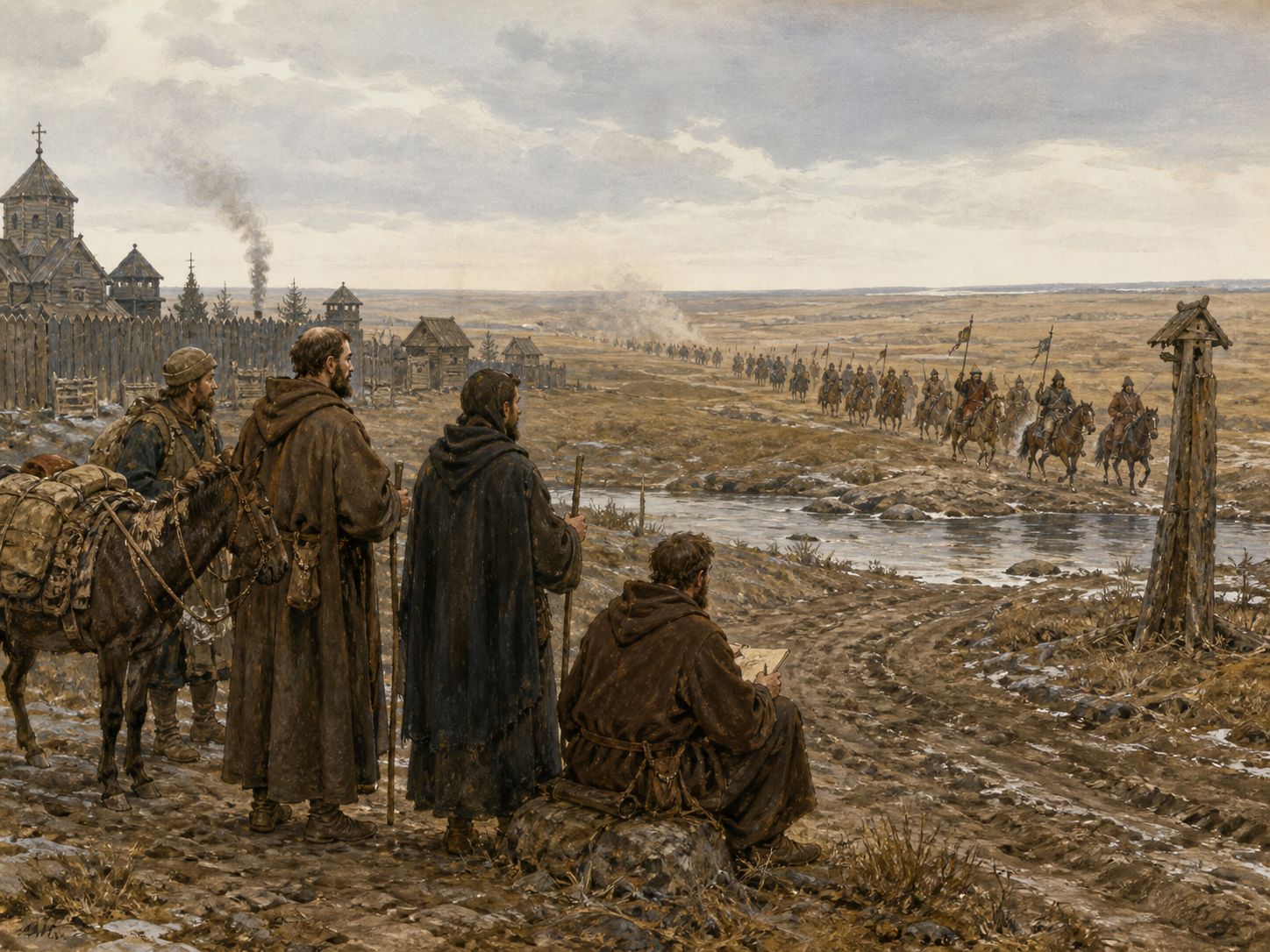
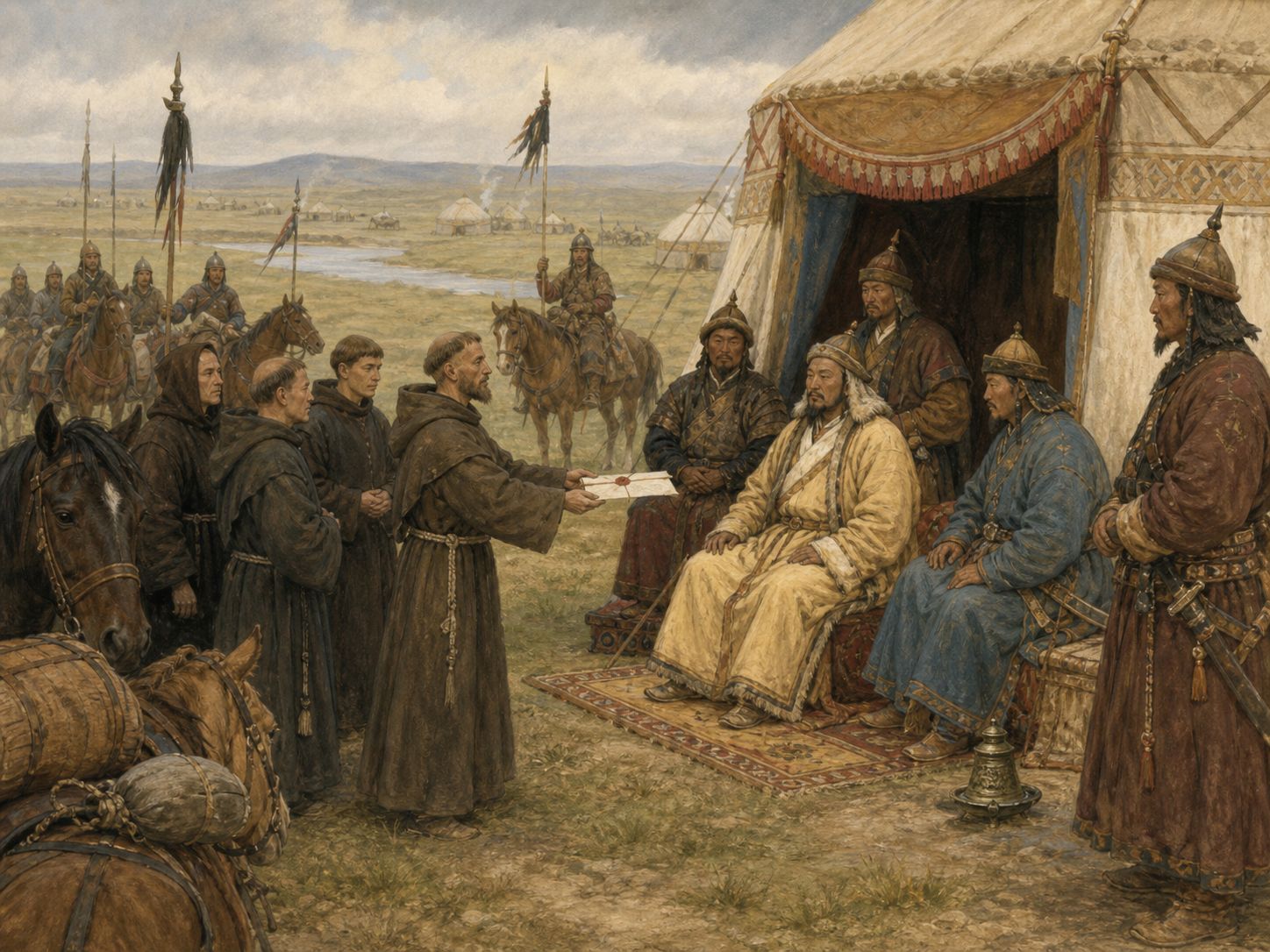
Carpini left Lyon in 1245, crossed Batu's domains, and reached the court of Güyük. Rubruck departed in 1253, traveled through Batu's sphere to Karakorum, and recorded Möngke's court and its interfaith setting.
- Pope Innocent IV sent envoys east
- Carpini and Rubruck crossed the steppe toward Mongol courts
- The envoys recorded geography, warfare, religion, and court life
Outcome
The missions produced neither the military alliance nor the conversion hoped for by western courts, but their reports brought detailed observations of Mongol politics, warfare, religion, and geography back to Latin Europe.
- Concrete reports of the Mongol world reached Europe
- The hoped-for anti-Islamic alliance never materialized
- The travel accounts became foundations for understanding Inner Asia
Historical significance
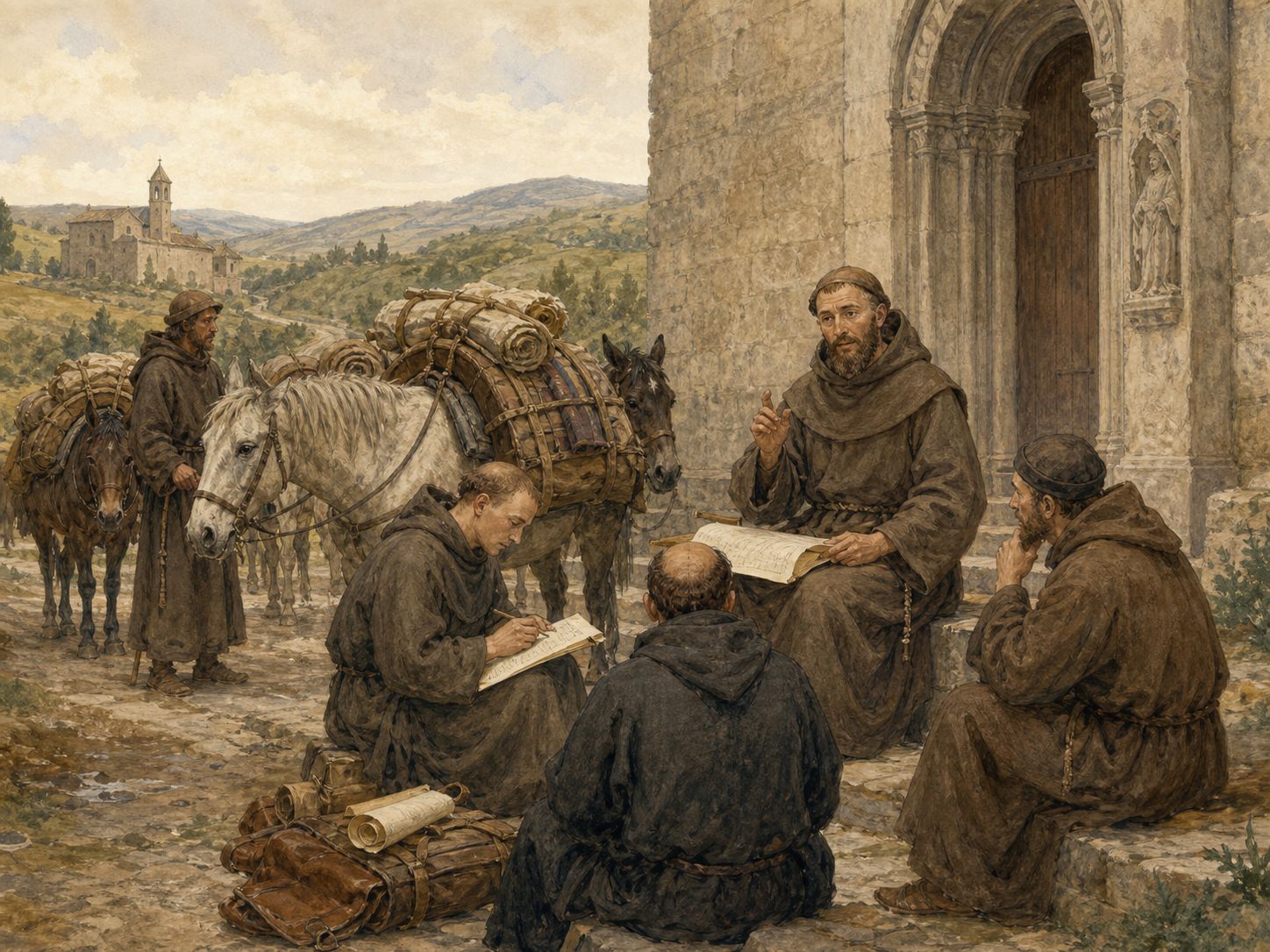
These accounts changed Mongol knowledge from invasion rumor to sustained observation. They also show intercultural negotiation at the intersection of expectation, fear, and religious purpose.
- Long-distance diplomacy became a vehicle for intelligence
- The missions widened comparative views across religious worlds
- They preserved knowledge of exchange on a Eurasian scale


Related figures
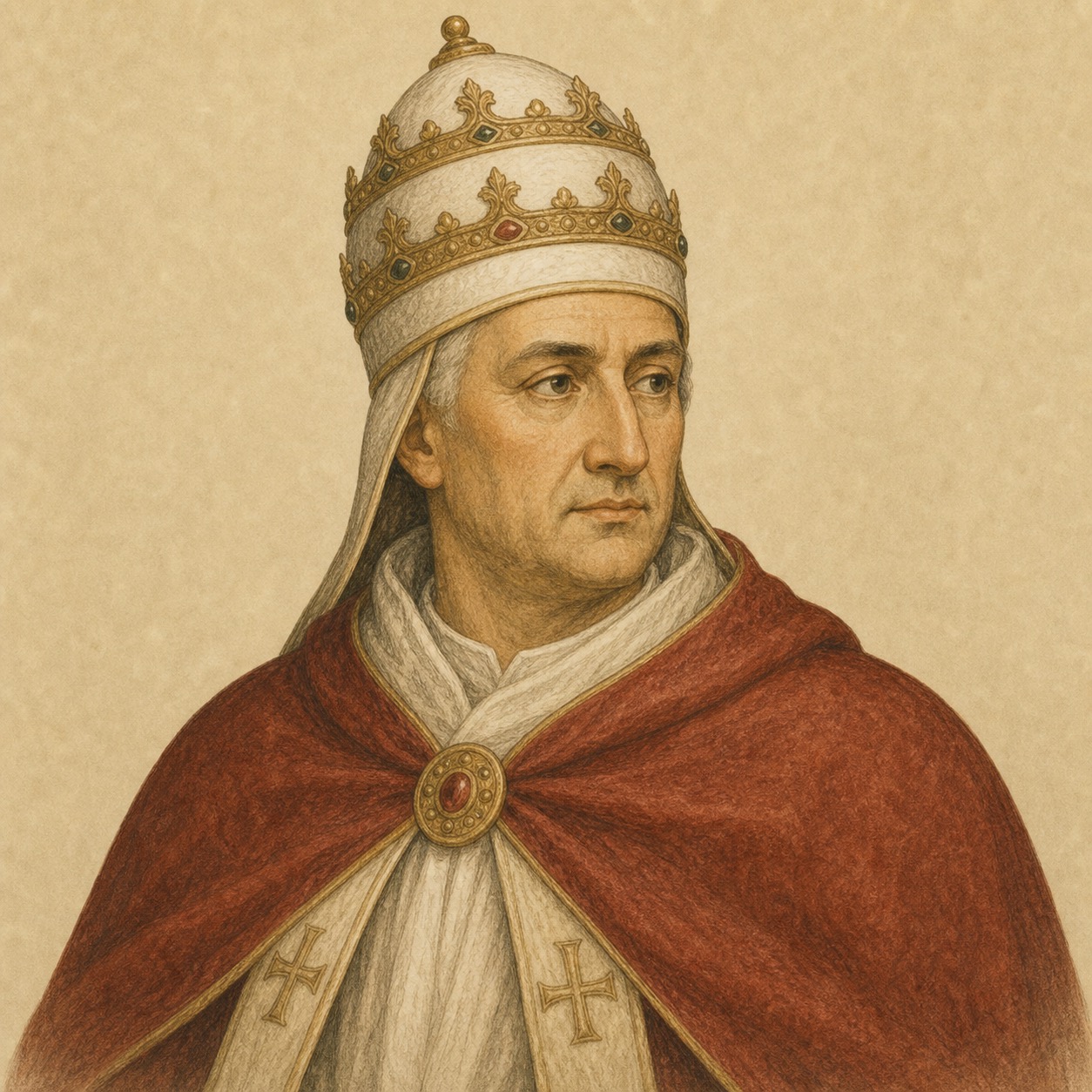
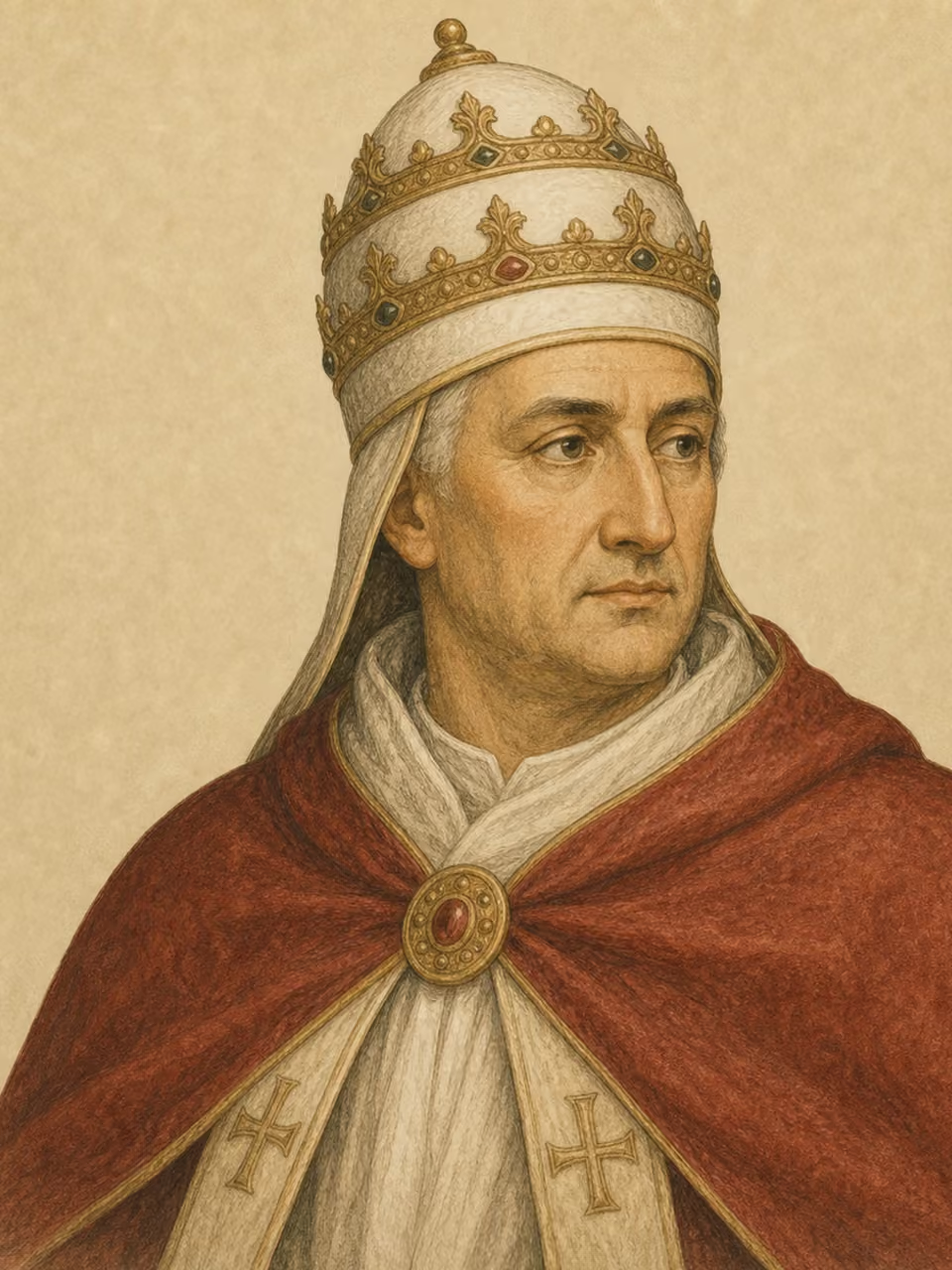
Innocent IV
Pope
He linked the Mongol threat to papal diplomacy and authorized an embassy to the east.
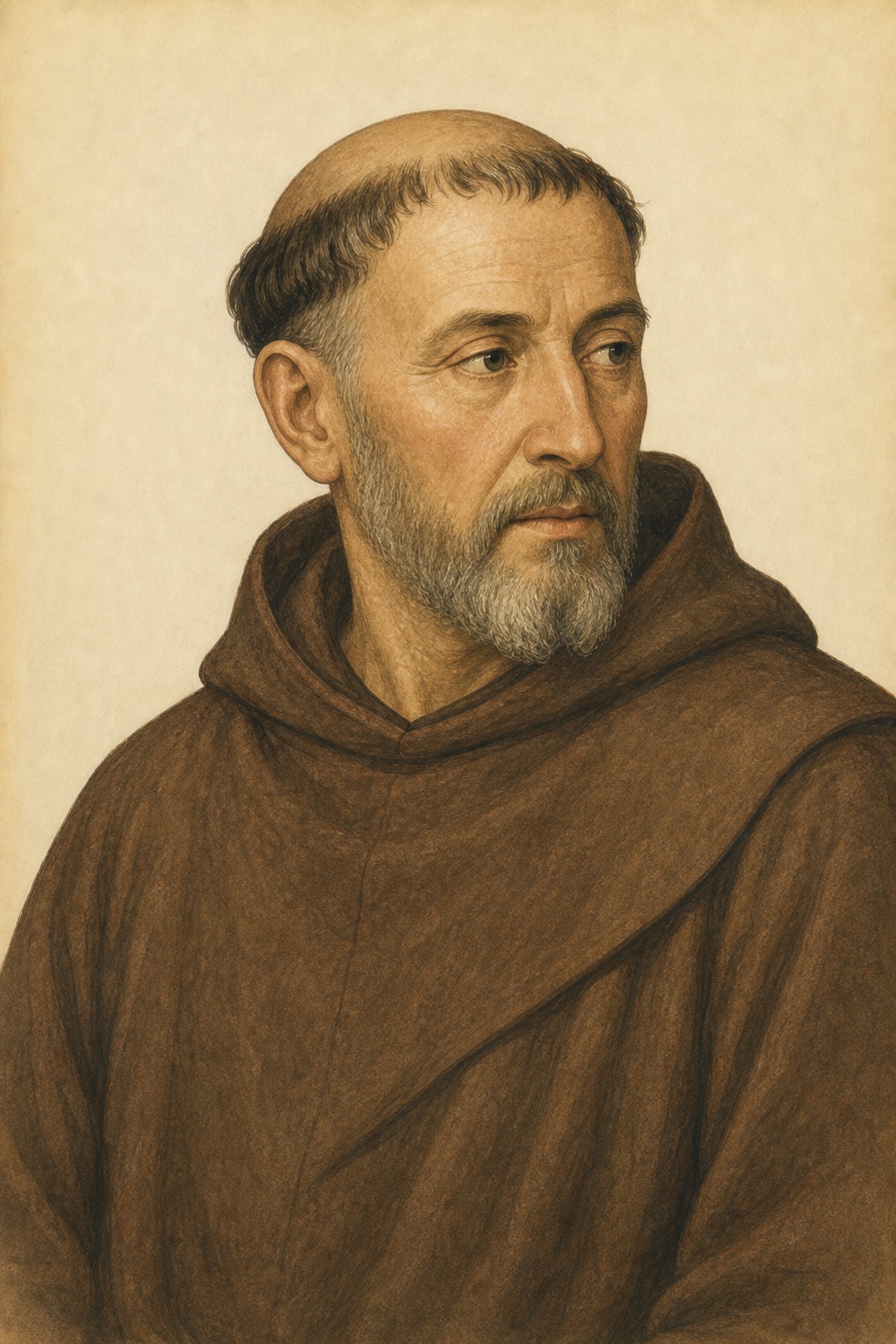
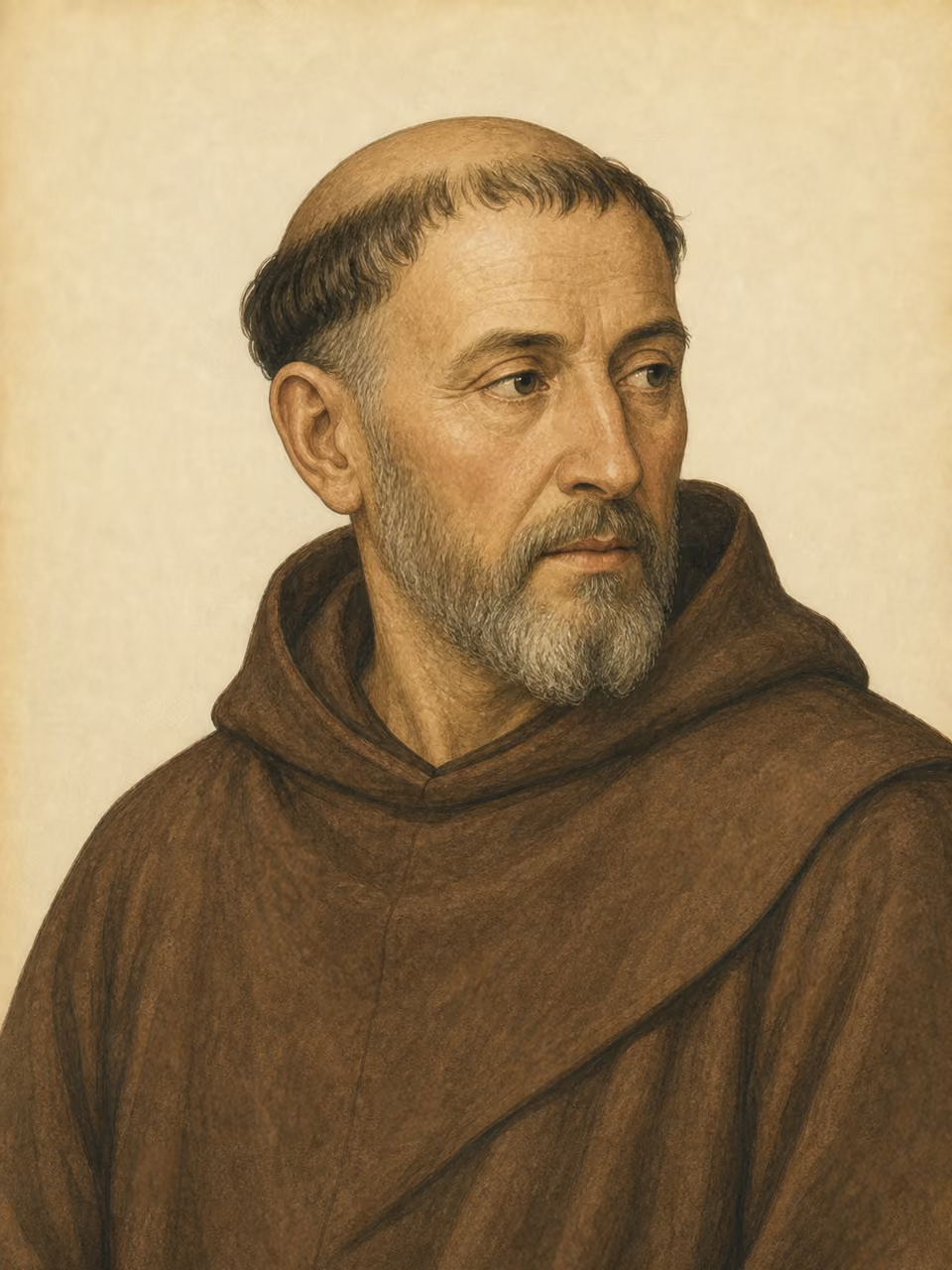
Giovanni da Pian del Carpine
Franciscan friar and envoy
He traveled to the Mongol court and reported systematically on imperial warfare and politics.
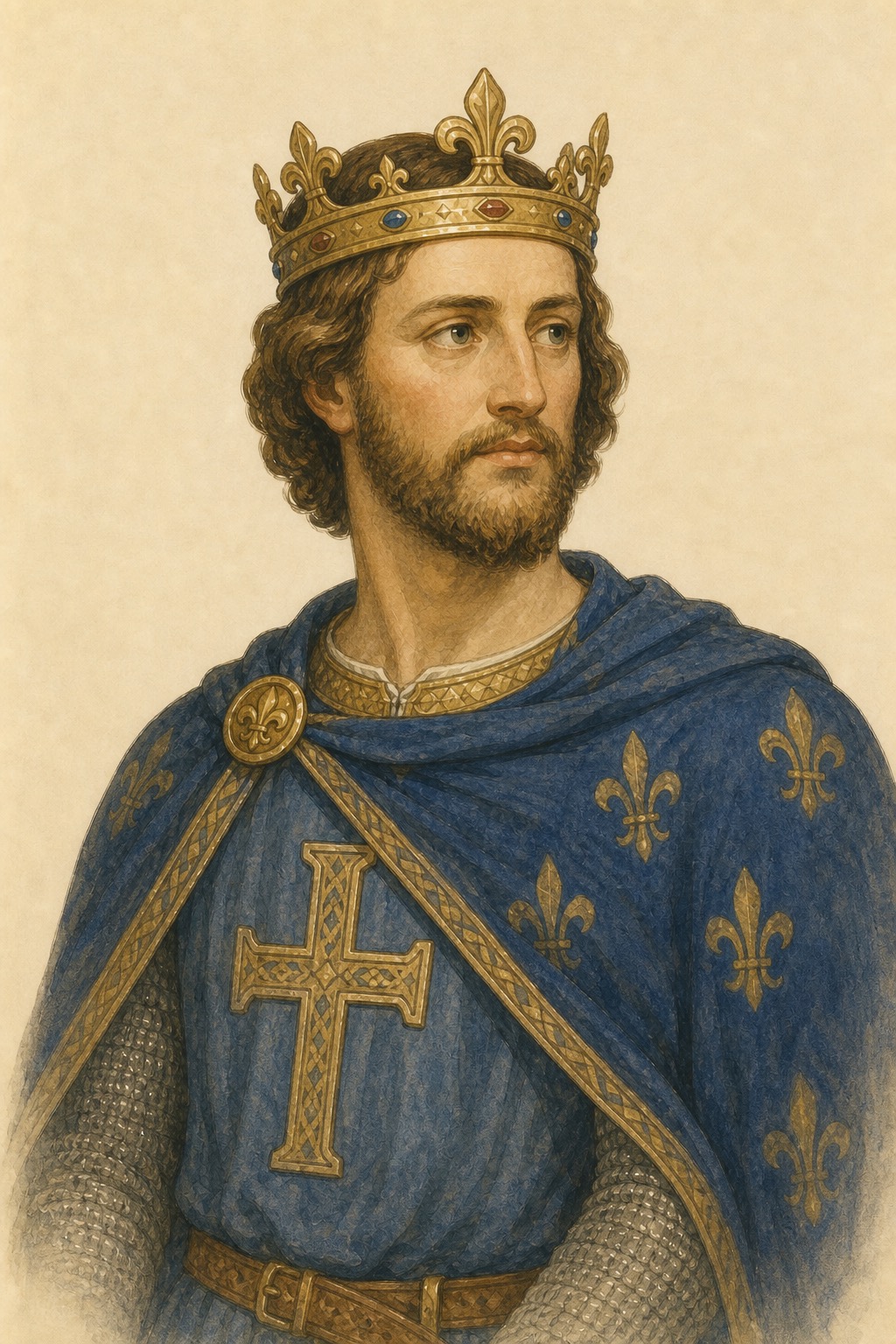
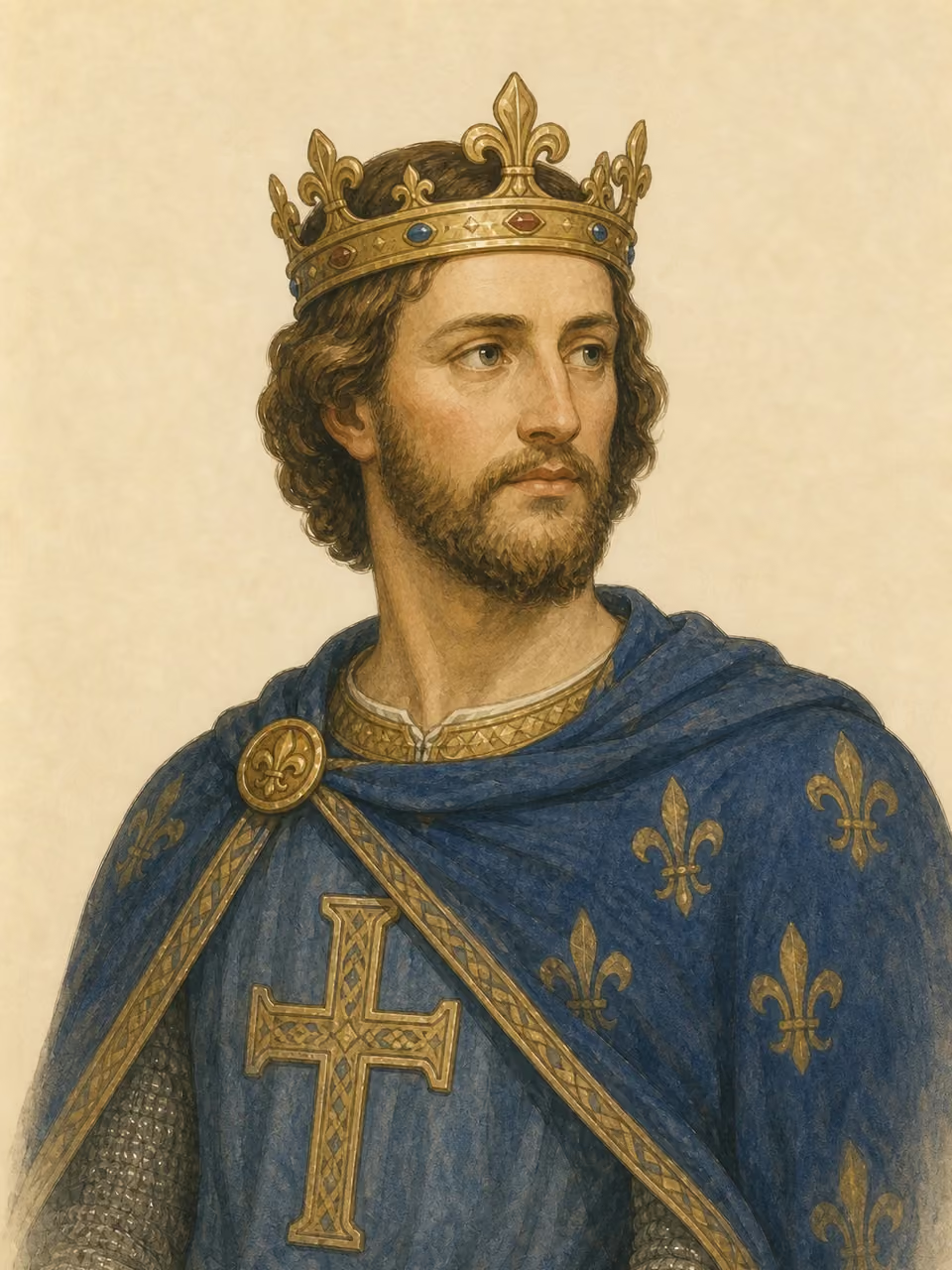
Louis IX of France
King of France
As part of crusading diplomacy, he showed interest in making contact with the Mongols.
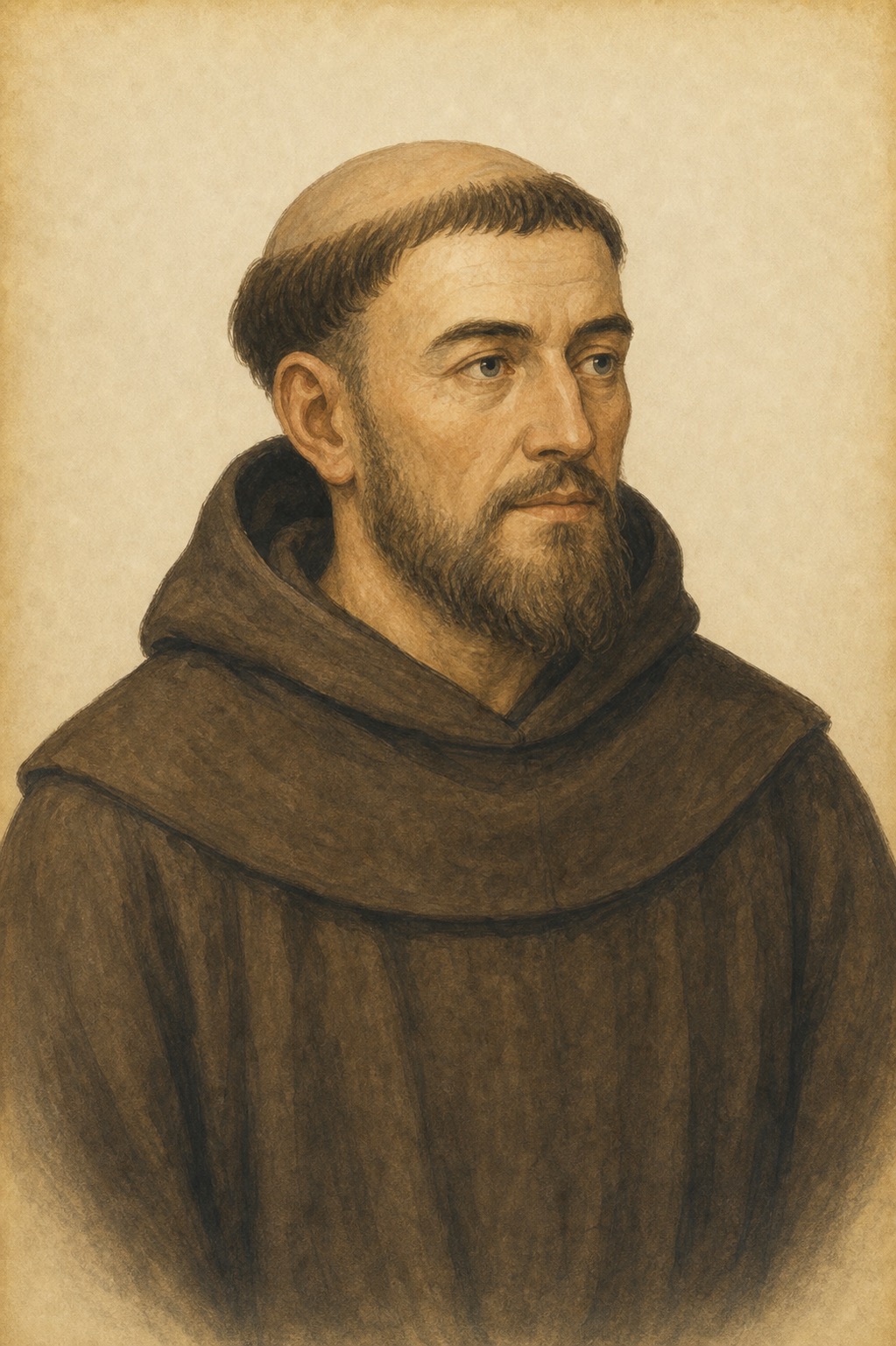
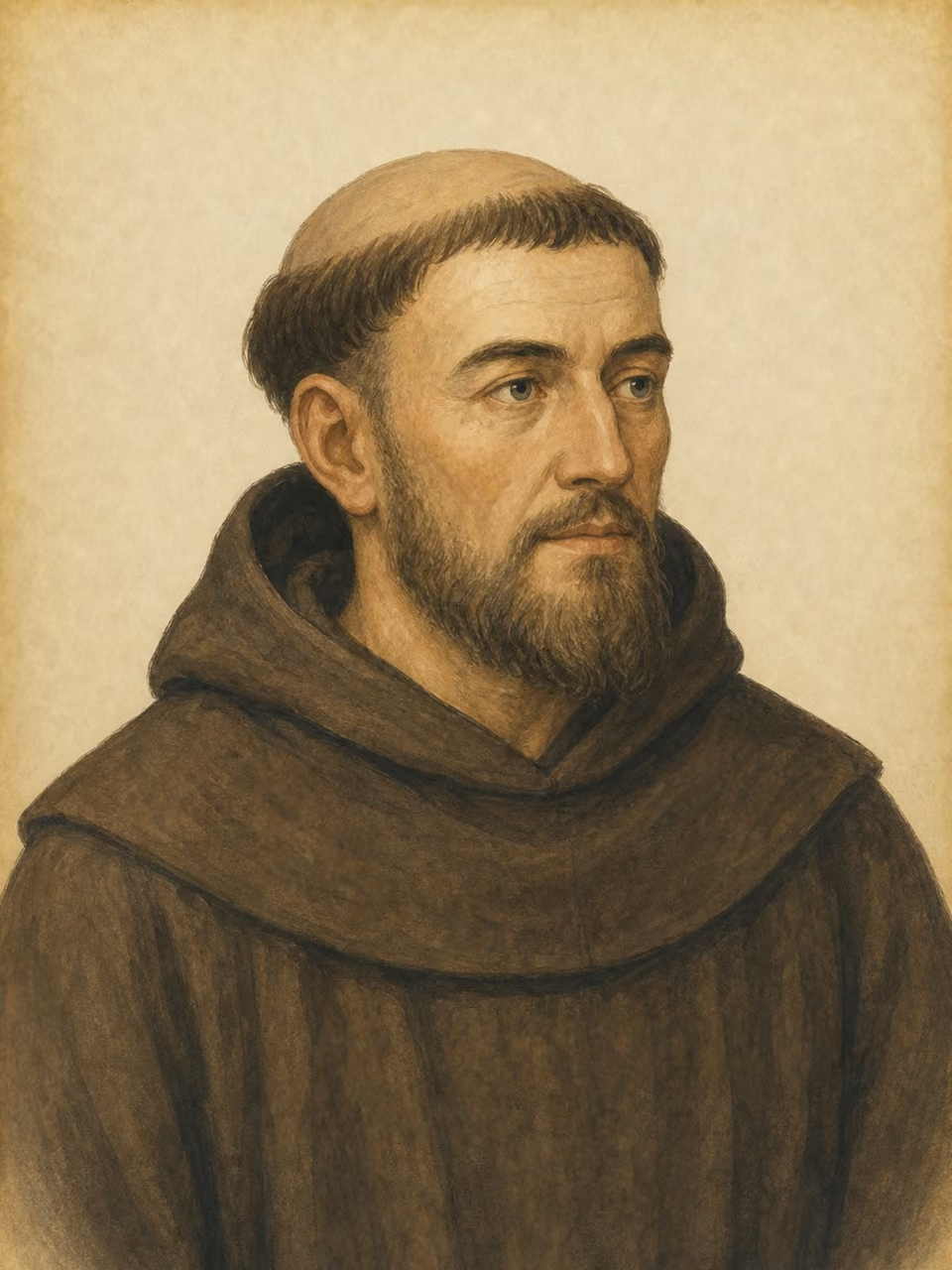
William of Rubruck
Franciscan friar and traveler
He observed Mongol religion and court life, leaving a distinct eyewitness account.
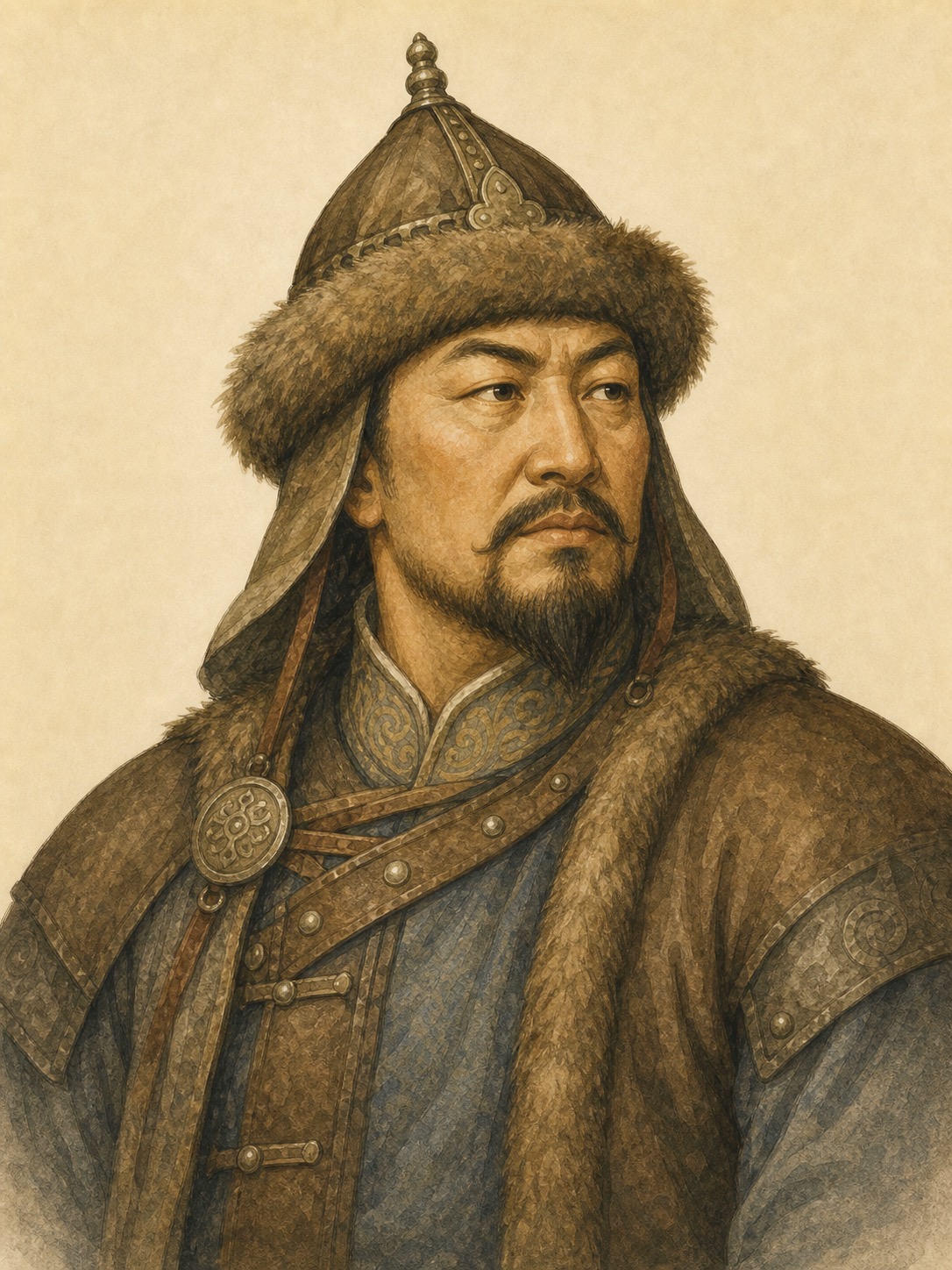
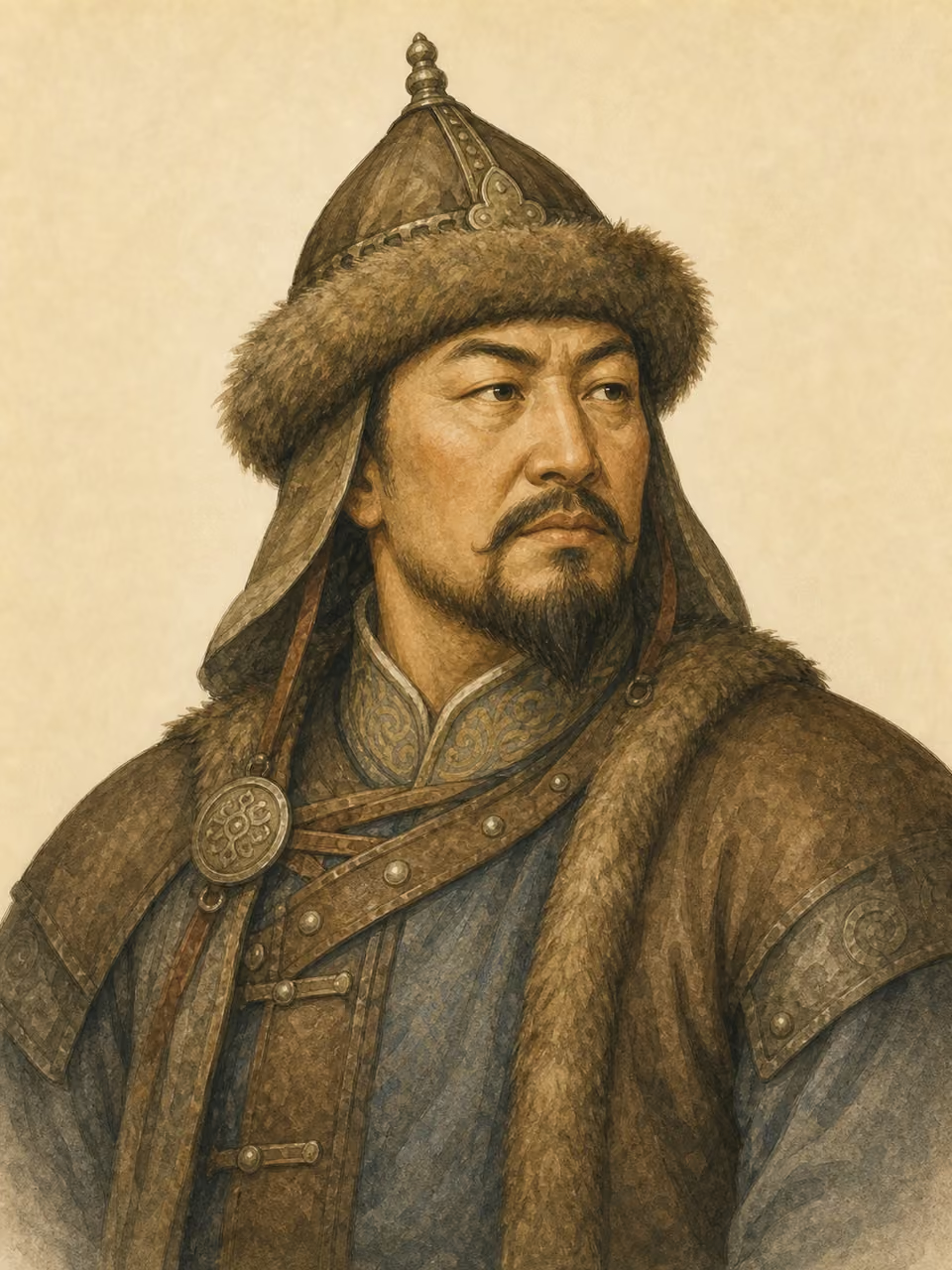
Batu Khan
Ruler of the Jochid ulus
He presided over a major western court encountered by envoys arriving from Europe.
Related events
1241
European shock
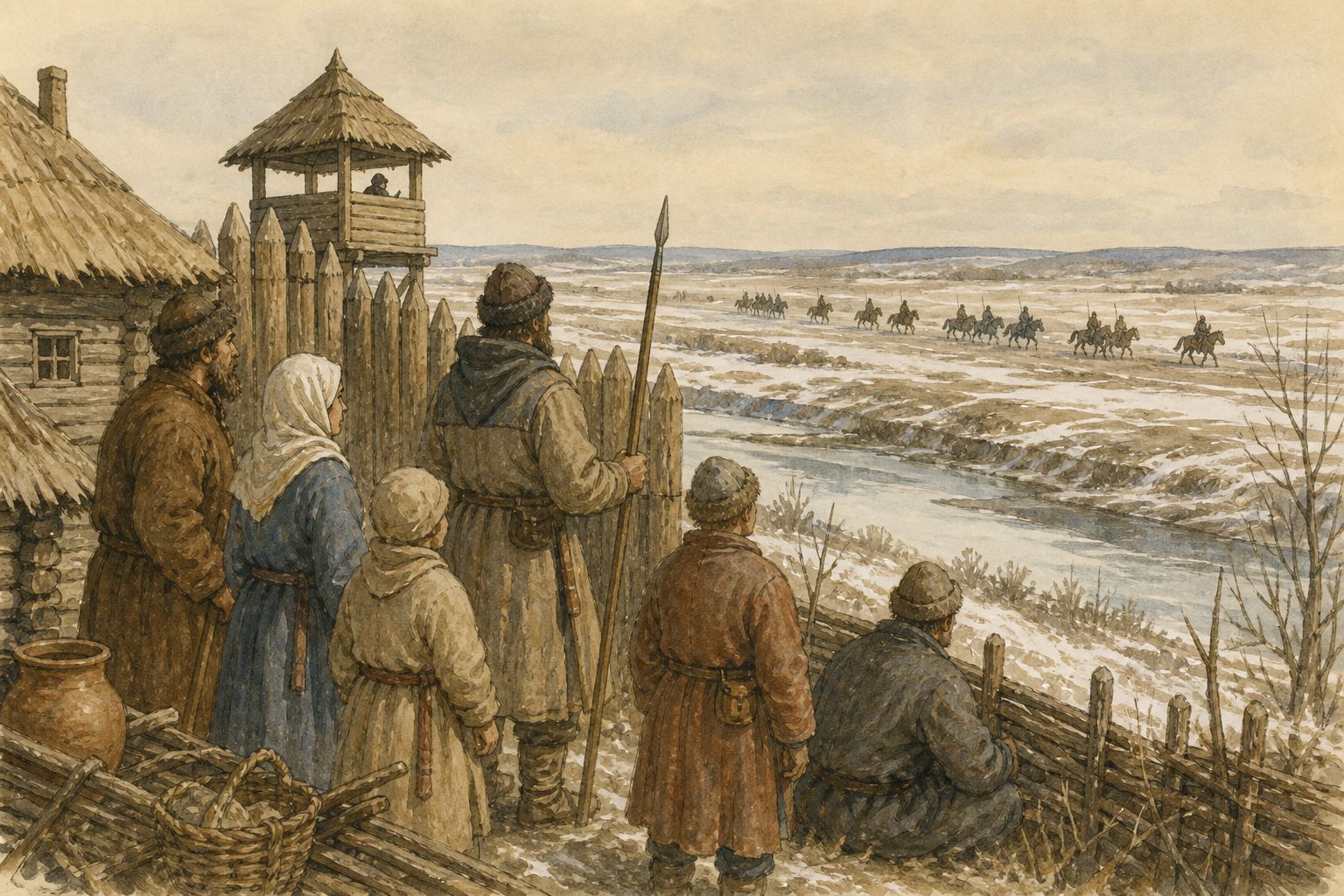
The Mongol advance of 1241 made new military and diplomatic information an urgent European need.
1245
Papal diplomacy
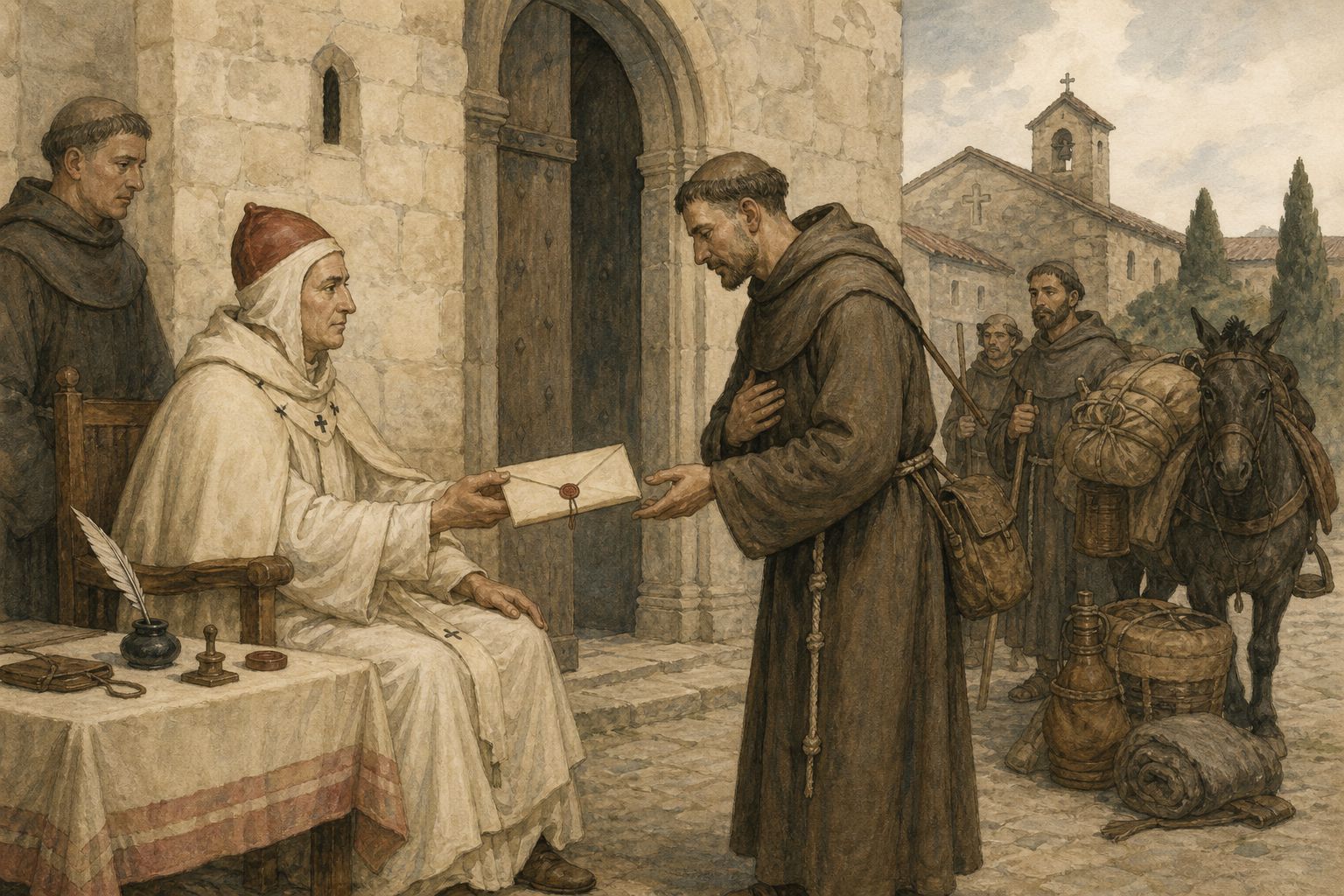
Against the background of the Council of Lyon, the papacy sent envoys to test Mongol intentions.
1245–1247
Carpini's mission
Current event
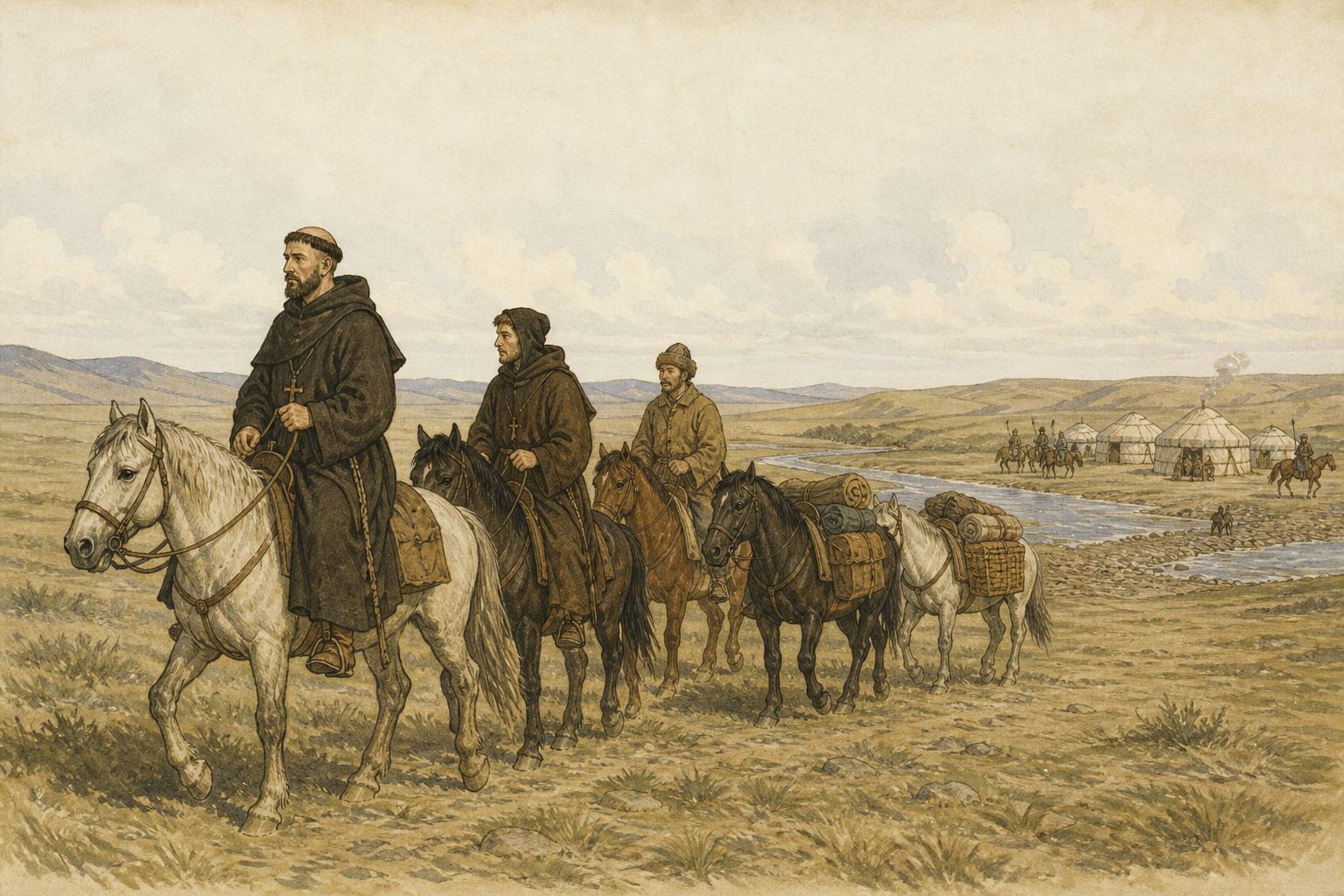
Carpini crossed the steppe and reported on Mongol warfare and politics from the court of Güyük.
1253–1255
Rubruck's mission
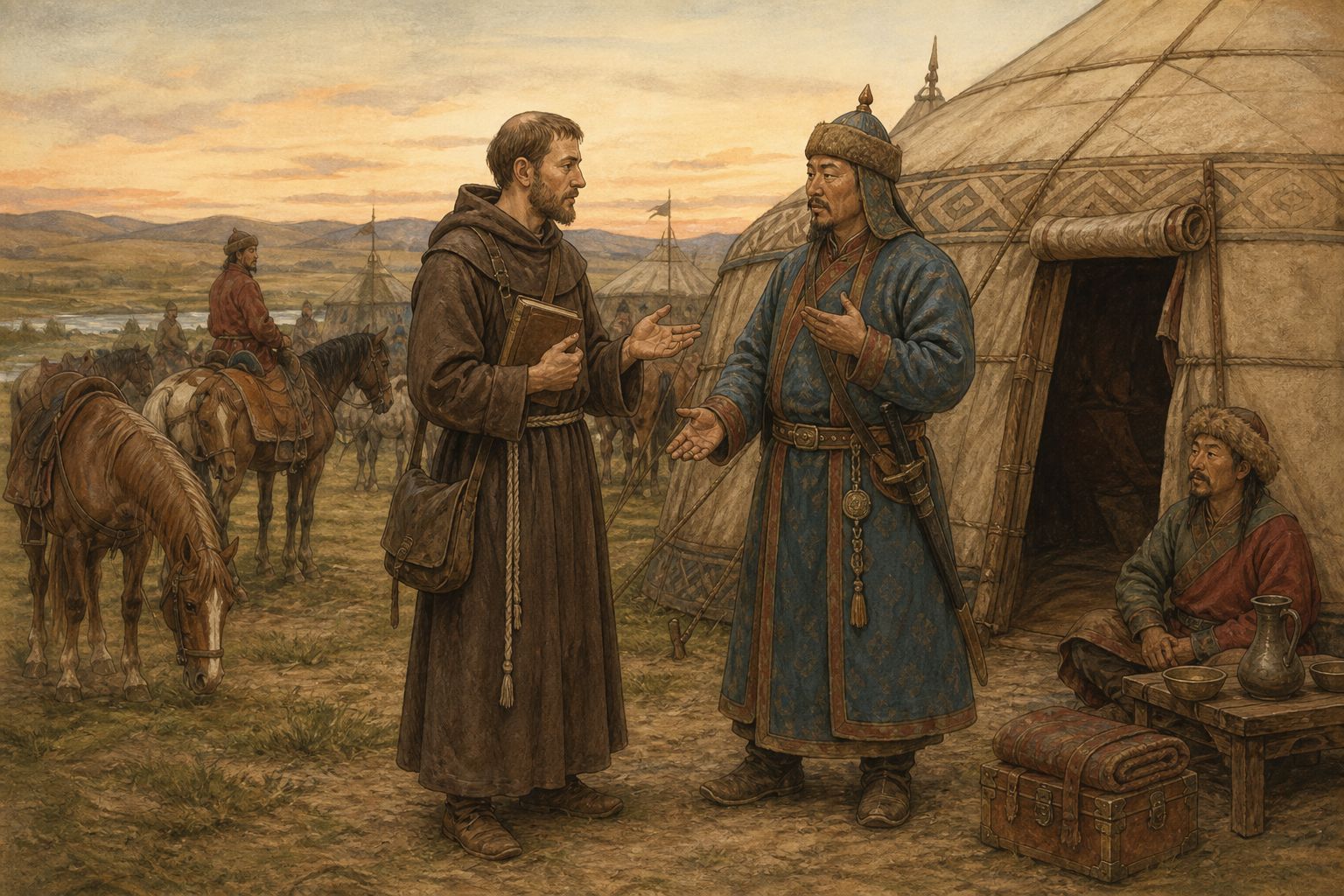
At Karakorum, Rubruck spoke with religious figures and recorded the diversity of court and faith.
c. 1255
Reports return
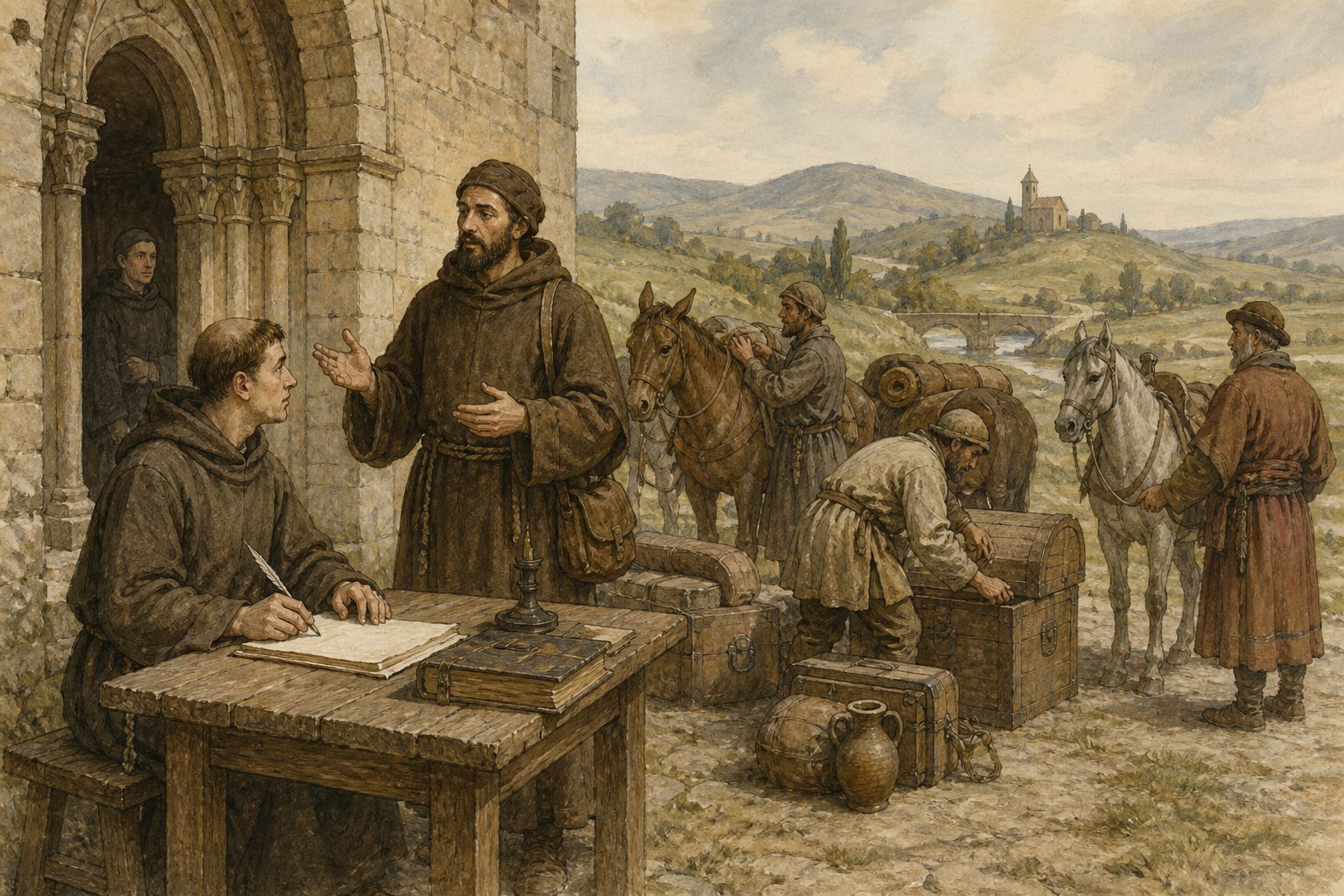
The travel accounts reached the West and offered observation-based ways to understand a distant empire.


Sources
- The Story of the Mongols Whom We Call TartarsUniversity of Washington Silk Road SeattlePrimary-text material for Carpini’s observations of the Mongol Empire.
- The Mission of Friar William of RubruckUniversity of Washington Silk Road SeattlePrimary-text material for Rubruck’s journey and observations at Karakorum.
- Giovanni da Pian del CarpineEncyclopaedia BritannicaBiographical and historical overview of the thirteenth-century envoy.