
Fall of the Abbasid Caliphate
1258
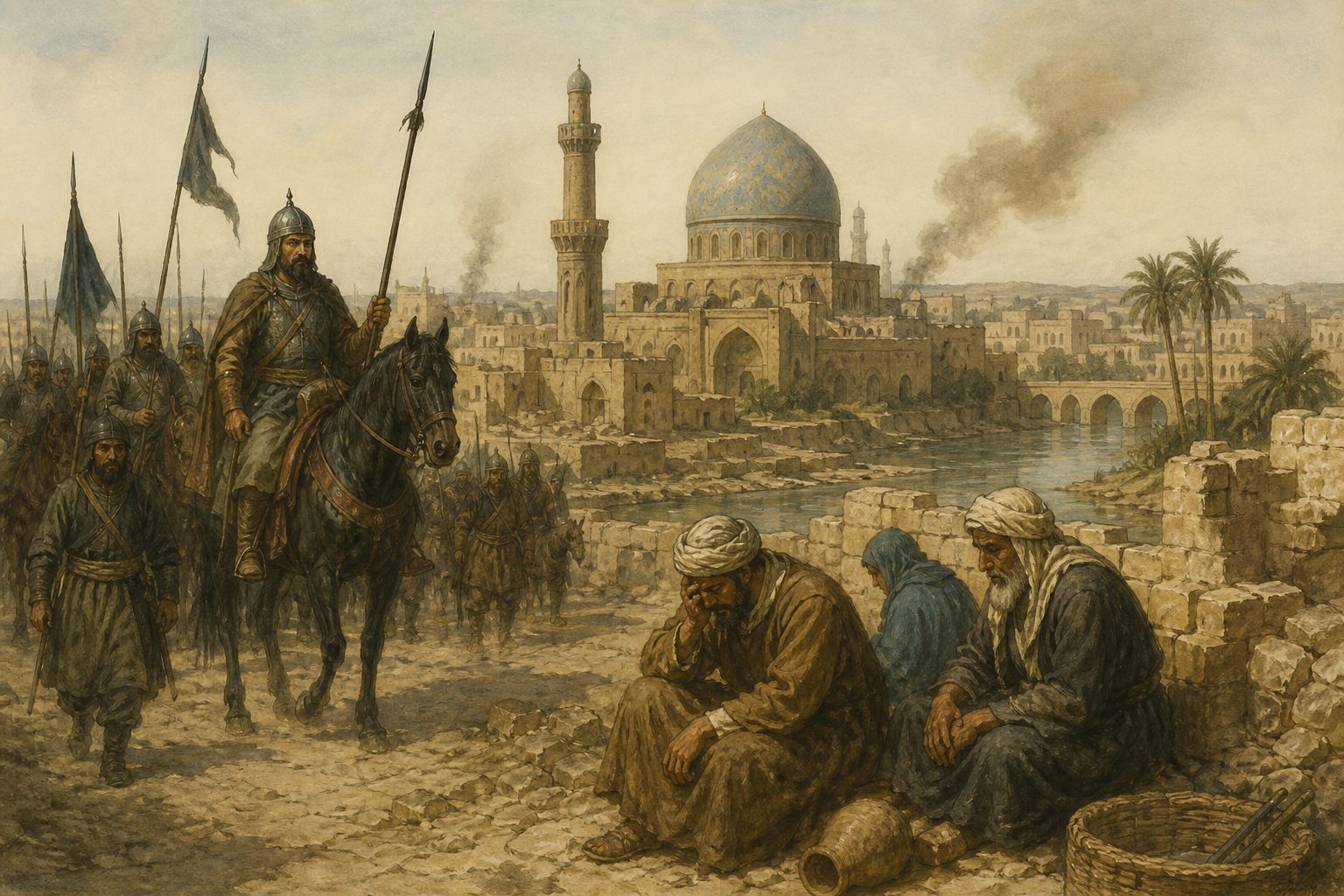
In 1258, Hulagu’s Mongol army captured Baghdad and ended the Abbasid caliphate’s political center there.

- Period
- 1258
- Kind
- Political event
- Regions
- Middle East
- Keywords
- Fall of the Abbasid Caliphate · political event · medieval · middle east
Follow the story · Four stages
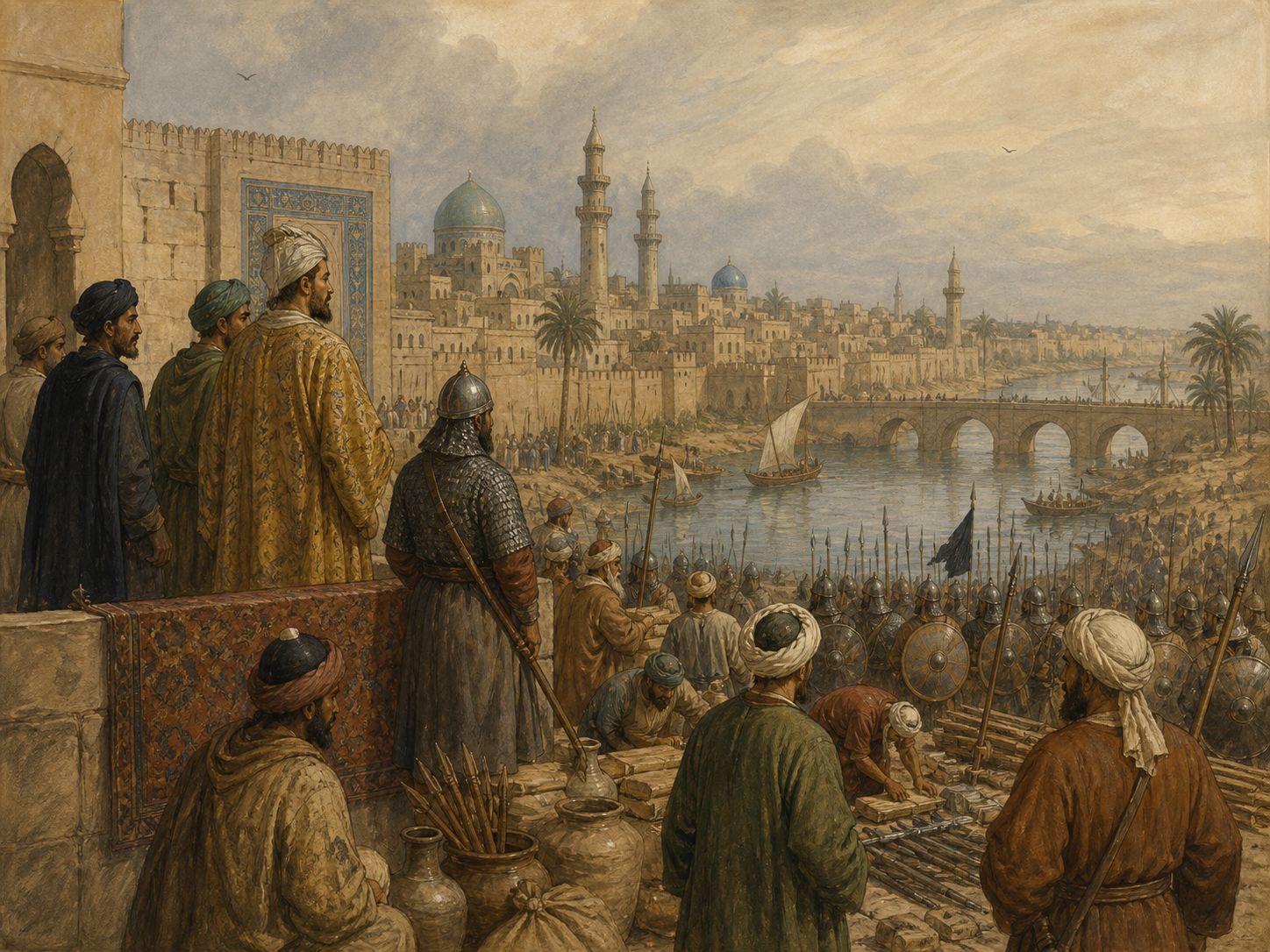
Background
The Abbasids faced autonomous regional powers and military pressure while the Mongol Empire advanced through Iran and Iraq.
- The Abbasids faced autonomous regional powers and military pressure while the Mongol Empire advanced through Iran and Iraq.
- Core event: In 1258, Hulagu’s Mongol army captured Baghdad and ended the Abbasid caliphate’s political center there.
- Connection to the next stage: After siege and negotiations, Hulagu’s army entered the city and took control of the caliph’s court and a major center of learning and commerce.
Course
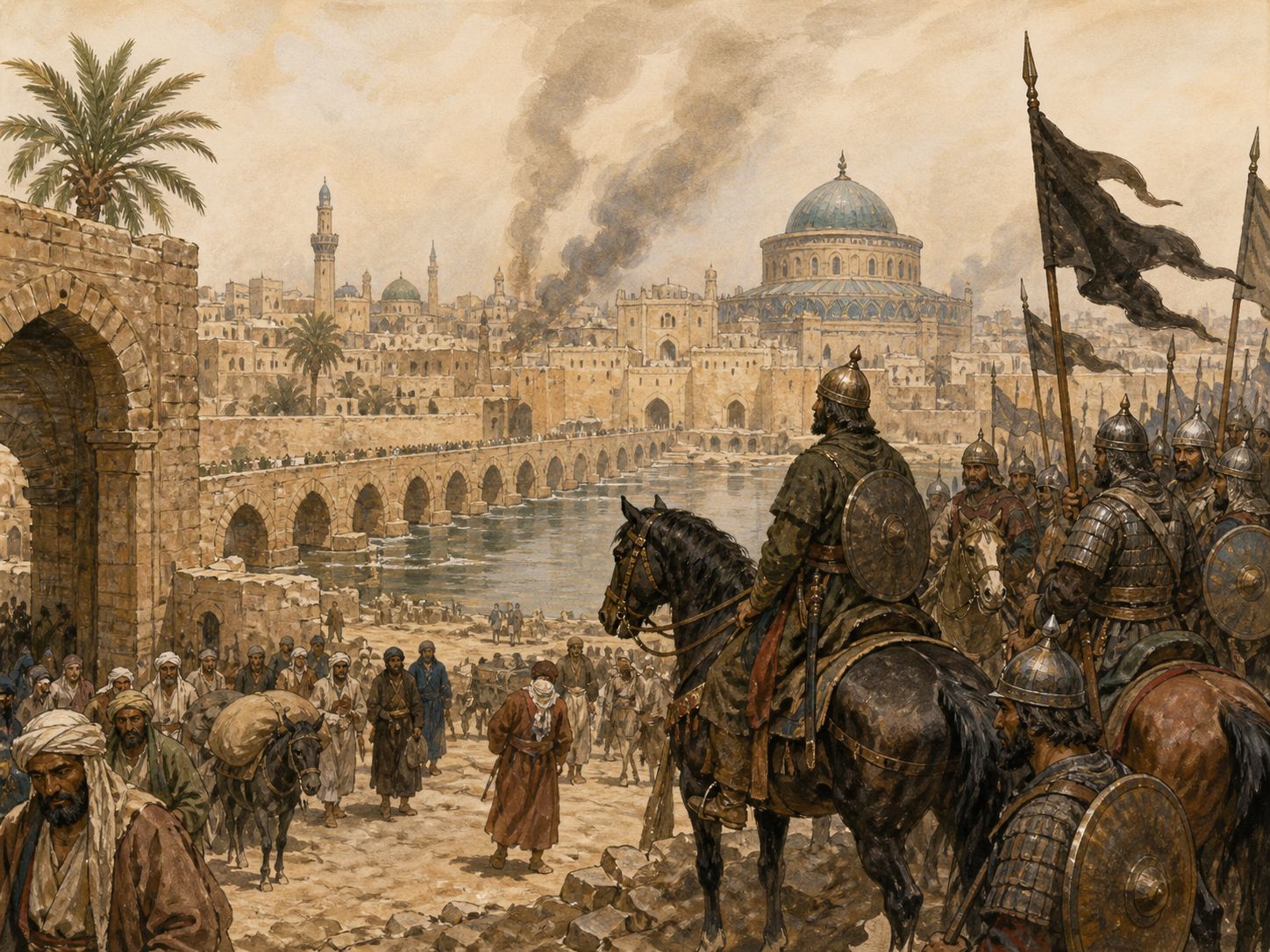
After siege and negotiations, Hulagu’s army entered the city and took control of the caliph’s court and a major center of learning and commerce.
- After siege and negotiations, Hulagu’s army entered the city and took control of the caliph’s court and a major center of learning and commerce.
- Conditions behind the action: The Abbasids faced autonomous regional powers and military pressure while the Mongol Empire advanced through Iran and Iraq.
- Meaning of the turning point: In 1258, Hulagu’s Mongol army captured Baghdad and ended the Abbasid caliphate’s political center there.
Outcome
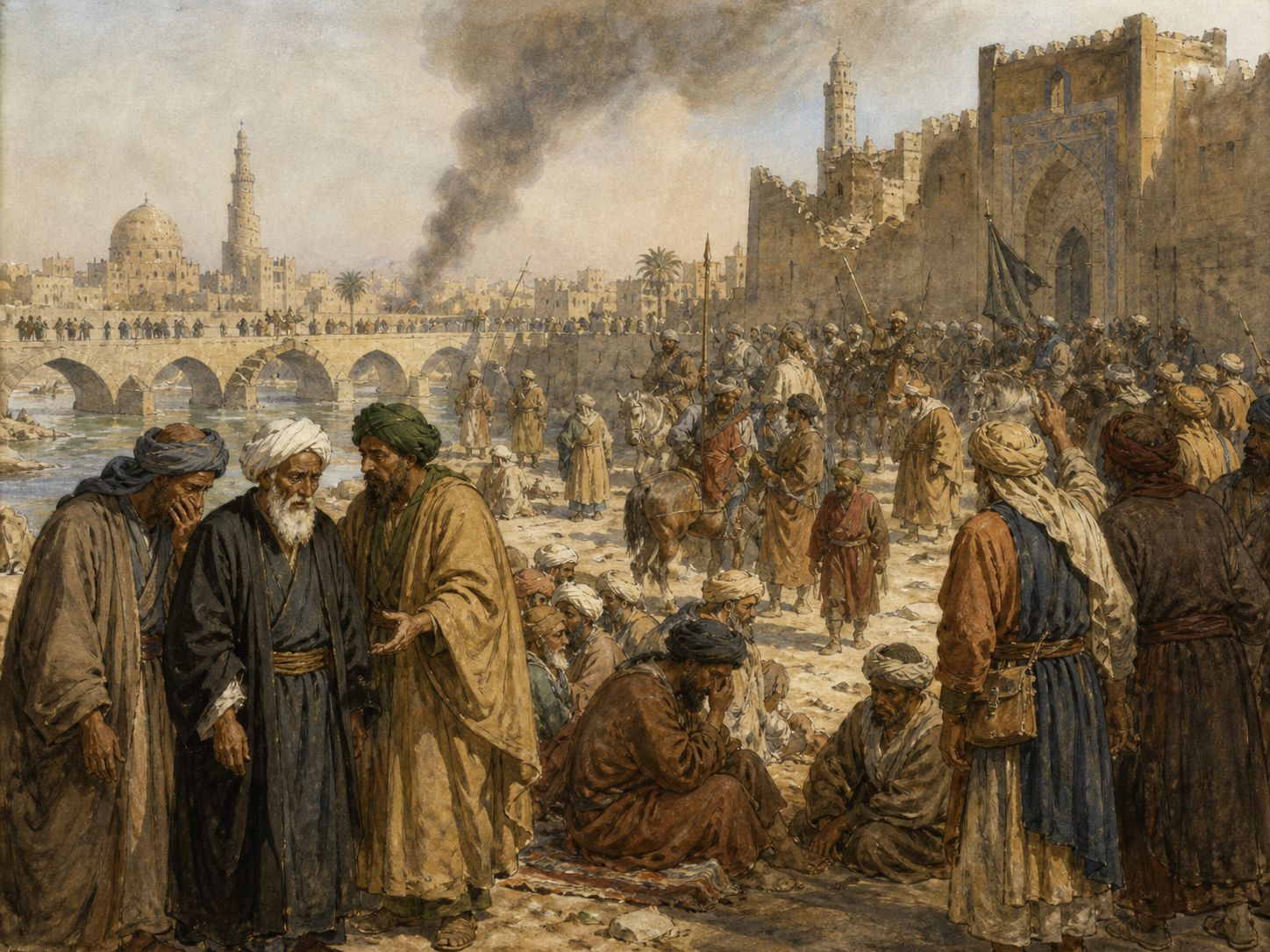
The Abbasid political regime in Baghdad ended, while the Abbasid lineage and caliphal title survived in other political contexts.
- The Abbasid political regime in Baghdad ended, while the Abbasid lineage and caliphal title survived in other political contexts.
- Process producing the result: After siege and negotiations, Hulagu’s army entered the city and took control of the caliph’s court and a major center of learning and commerce.
- Question carried forward: 1258 was not the end of the Islamic world but a turning point toward Mongol rule, Mamluk power, and regional reorganization.
Historical significance
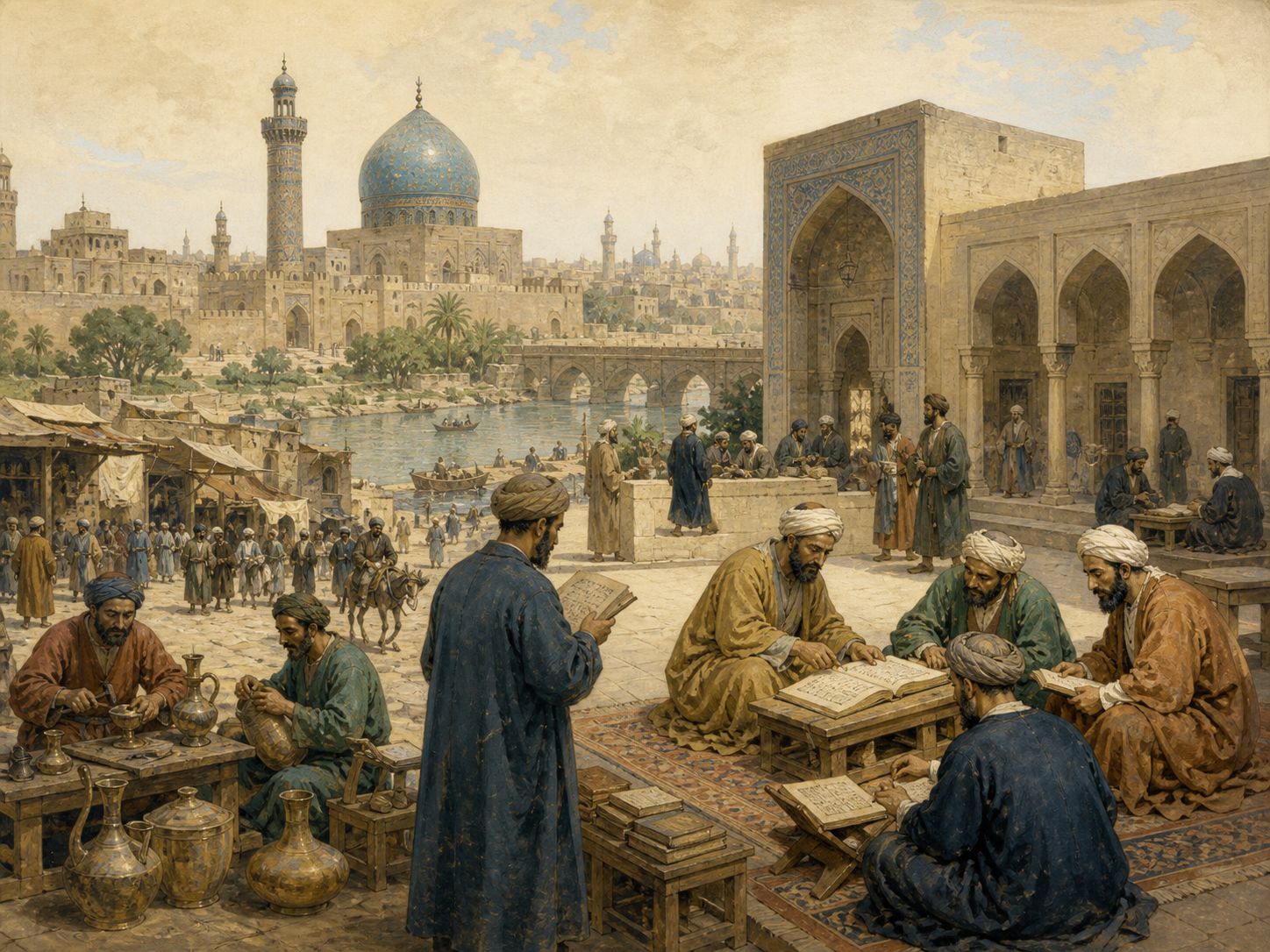
1258 was not the end of the Islamic world but a turning point toward Mongol rule, Mamluk power, and regional reorganization.
- 1258 was not the end of the Islamic world but a turning point toward Mongol rule, Mamluk power, and regional reorganization.
- Immediate consequence: The Abbasid political regime in Baghdad ended, while the Abbasid lineage and caliphal title survived in other political contexts.
- Historical turning point: In 1258, Hulagu’s Mongol army captured Baghdad and ended the Abbasid caliphate’s political center there.


Related events
c. 1257
Prelude
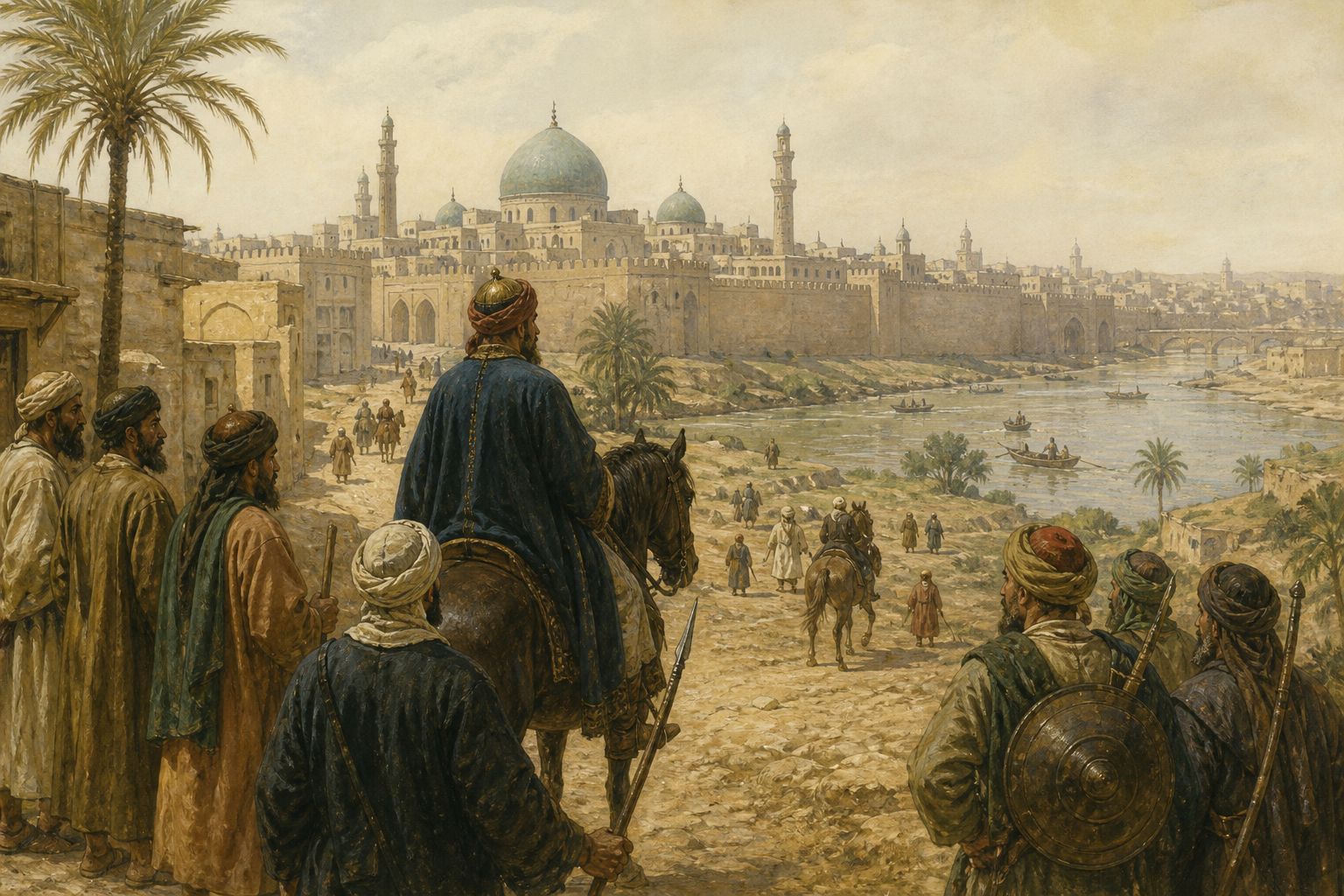
Prelude — Background: The Abbasids faced autonomous regional powers and military pressure while the Mongol Empire advanced through Iran and Iraq.
c. 1257
Turning point
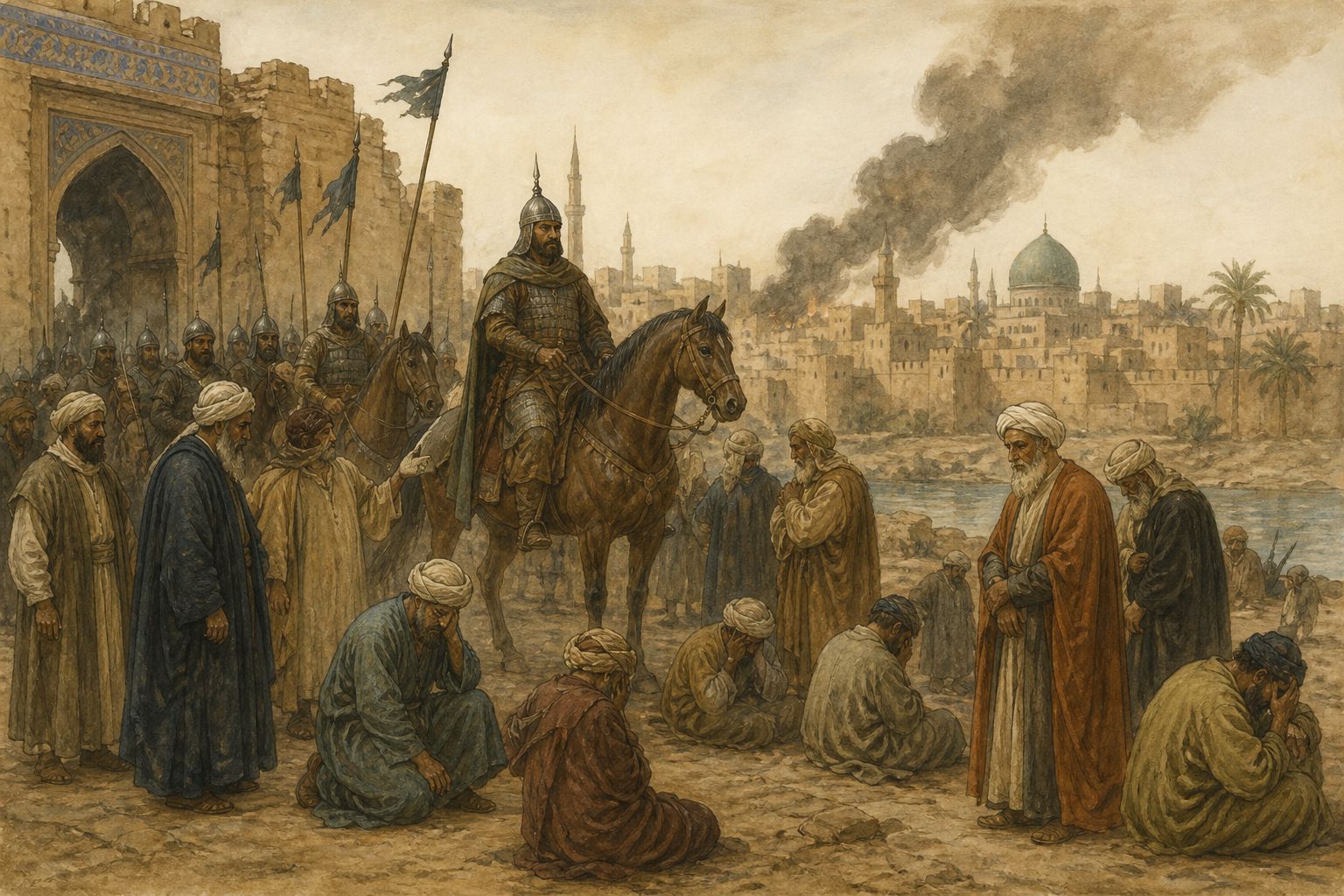
Turning point — Build-up: After siege and negotiations, Hulagu’s army entered the city and took control of the caliph’s court and a major center of learning and commerce.
1258
Fall of the Abbasid Caliphate
Current event
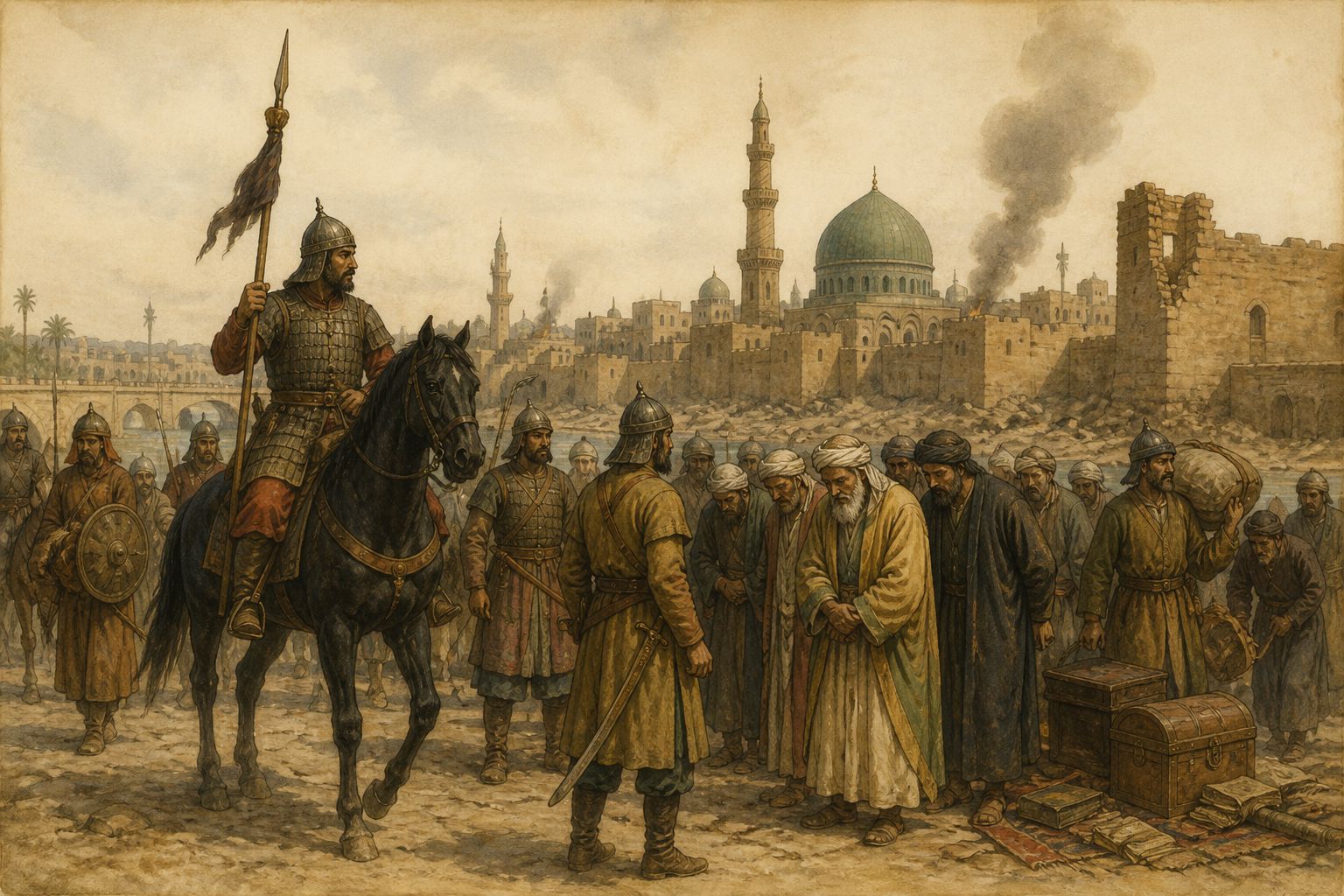
Fall of the Abbasid Caliphate — Central transition: In 1258, Hulagu’s Mongol army captured Baghdad and ended the Abbasid caliphate’s political center there.
c. 1259
Immediate aftermath
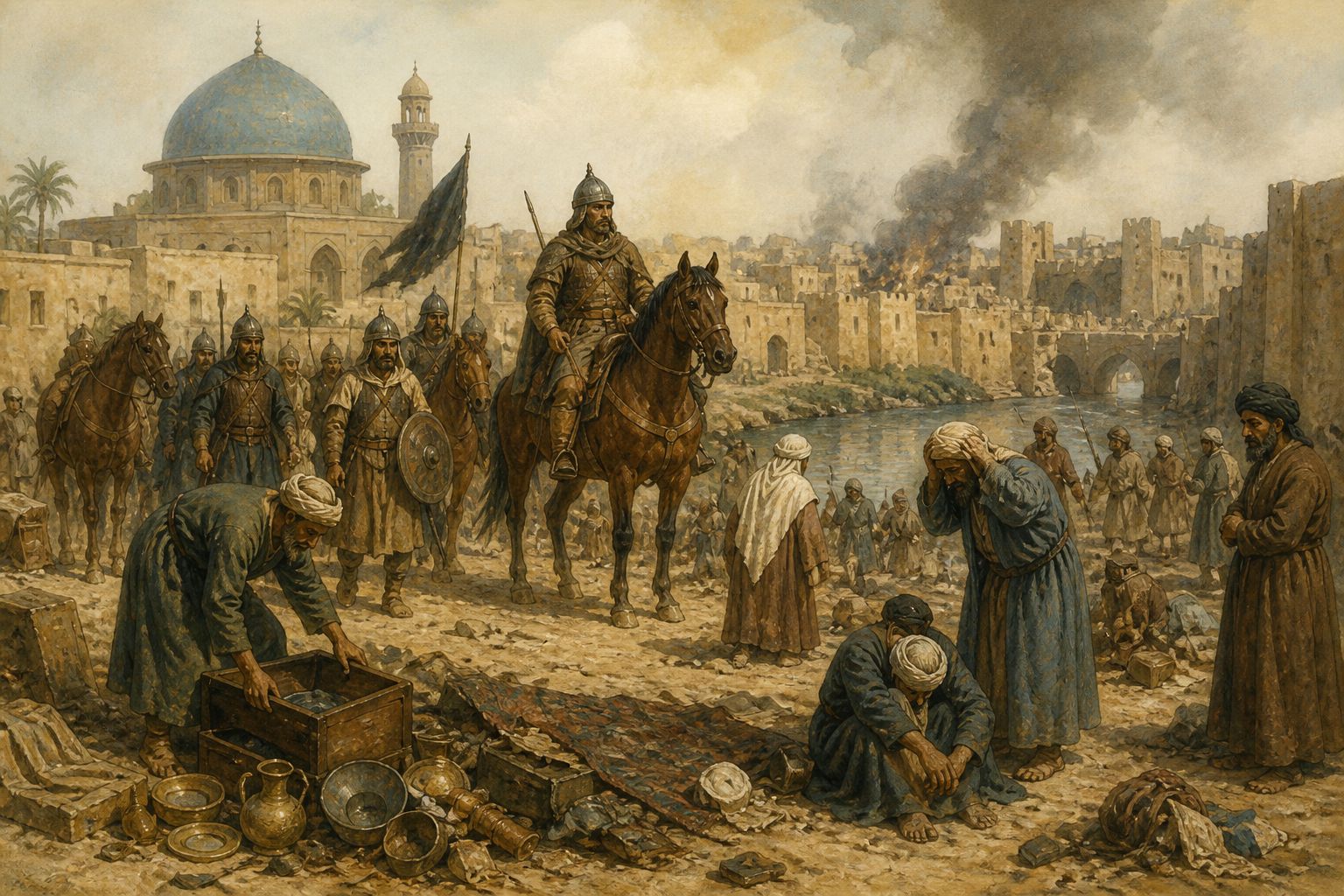
Immediate aftermath — Immediate result: The Abbasid political regime in Baghdad ended, while the Abbasid lineage and caliphal title survived in other political contexts.
c. 1268
Long-term significance
Long-term significance — Long-term significance: 1258 was not the end of the Islamic world but a turning point toward Mongol rule, Mamluk power, and regional reorganization.


Sources
- Fall of the Abbasid Caliphate — Abbasid Dynasty (Encyclopaedia Britannica)britannica.comThis Encyclopaedia Britannica resource supports the chronology, setting, and course of Fall of the Abbasid Caliphate.
- Fall of the Abbasid Caliphate — Hd Abba (The Metropolitan Museum of Art)metmuseum.orgThis The Metropolitan Museum of Art resource supports the chronology, setting, and course of Fall of the Abbasid Caliphate.
- Fall of the Abbasid Caliphate — Abbasids (Iranicaonline)iranicaonline.orgThis Iranicaonline resource supports the chronology, setting, and course of Fall of the Abbasid Caliphate.