First Crusade
1095–1099
From 1095 to 1099, a western European expedition traveled through Anatolia to Jerusalem after Pope Urban II’s call and a Byzantine request for military aid.

- Period
- 1095–1099
- Kind
- Movement
- Regions
- Southeast Asia
- Keywords
- First Crusade · Crusader states · Call of Clermont · movement · medieval · southeast asia
Follow the story · Four stages
Background
The Byzantine Empire sought help against expanding Seljuq power, while religious devotion, pilgrimage, lordship, and hopes for territory and reward converged in western Europe.
- The Byzantine Empire sought help against expanding Seljuq power, while religious devotion, pilgrimage, lordship, and hopes for territory and reward converged in western Europe.
- Core event: From 1095 to 1099, a western European expedition traveled through Anatolia to Jerusalem after Pope Urban II’s call and a Byzantine request for military aid.
- Connection to the next stage: After the sermon at Clermont, armies and pilgrims crossed to Constantinople, captured Nicaea and Antioch, and reached Jerusalem in 1099.
Course
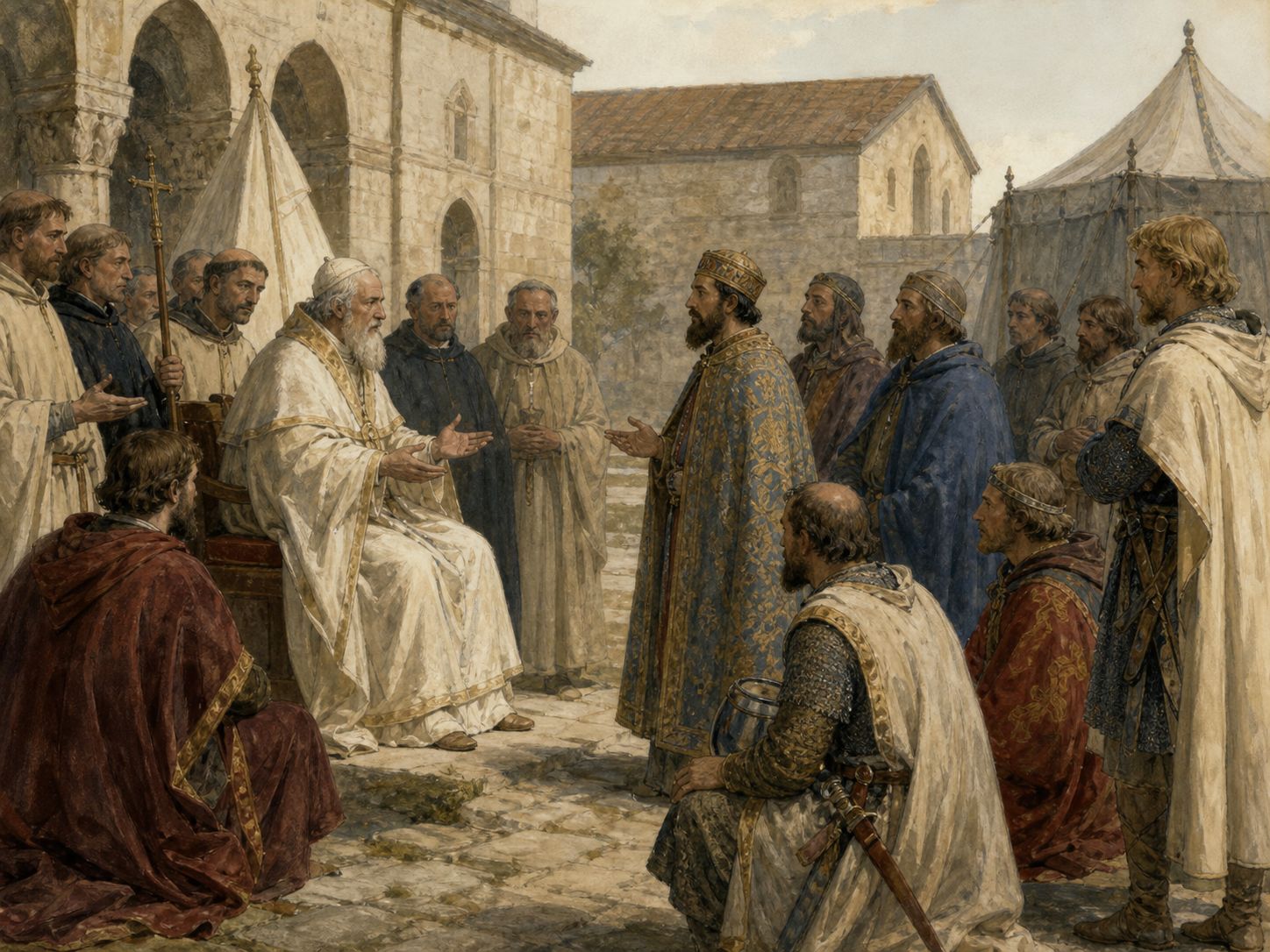
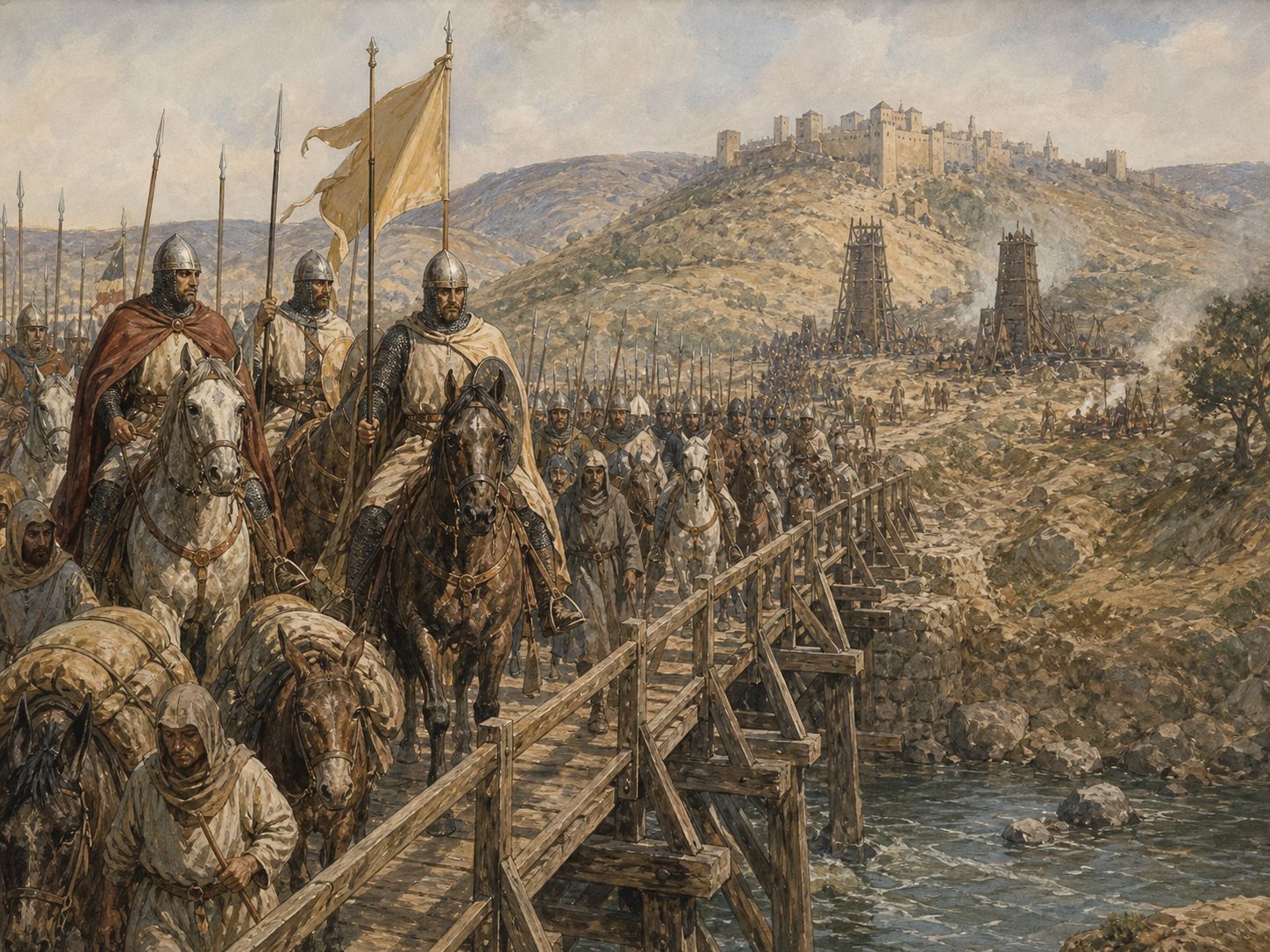
After the sermon at Clermont, armies and pilgrims crossed to Constantinople, captured Nicaea and Antioch, and reached Jerusalem in 1099.
- After the sermon at Clermont, armies and pilgrims crossed to Constantinople, captured Nicaea and Antioch, and reached Jerusalem in 1099.
- Conditions behind the action: The Byzantine Empire sought help against expanding Seljuq power, while religious devotion, pilgrimage, lordship, and hopes for territory and reward converged in western Europe.
- Meaning of the turning point: From 1095 to 1099, a western European expedition traveled through Anatolia to Jerusalem after Pope Urban II’s call and a Byzantine request for military aid.
Outcome
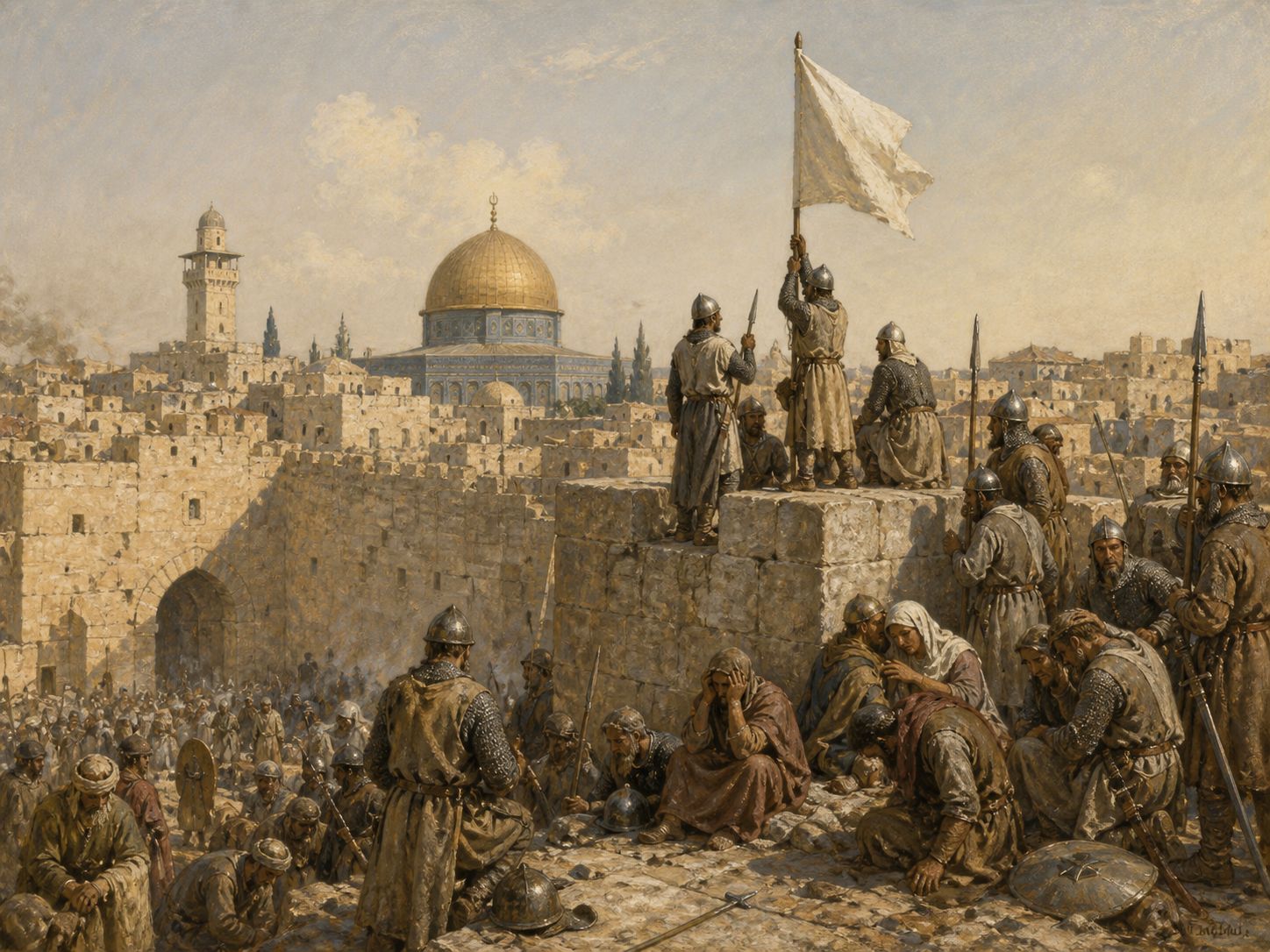
Crusader states were established after Jerusalem was captured. The expedition and conquests brought violence to local populations and left long tensions among Byzantine, Islamic, and western Christian worlds.
- Crusader states were established after Jerusalem was captured.
- The expedition and conquests brought violence to local populations and left long tensions among Byzantine, Islamic, and western Christian worlds.
- Process producing the result: After the sermon at Clermont, armies and pilgrims crossed to Constantinople, captured Nicaea and Antioch, and reached Jerusalem in 1099.
Historical significance
The First Crusade was not a single religious war: papal authority, Byzantine diplomacy, aristocratic politics, pilgrimage, and societies around the Mediterranean and western Asia shaped the movement and conquest.
- The First Crusade was not a single religious war: papal authority, Byzantine diplomacy, aristocratic politics, pilgrimage, and societies around the Mediterranean and western Asia shaped the movement and conquest.
- Immediate consequence: Crusader states were established after Jerusalem was captured. The expedition and conquests brought violence to local populations and left long tensions among Byzantine, Islamic, and western Christian worlds.
- Historical turning point: From 1095 to 1099, a western European expedition traveled through Anatolia to Jerusalem after Pope Urban II’s call and a Byzantine request for military aid.
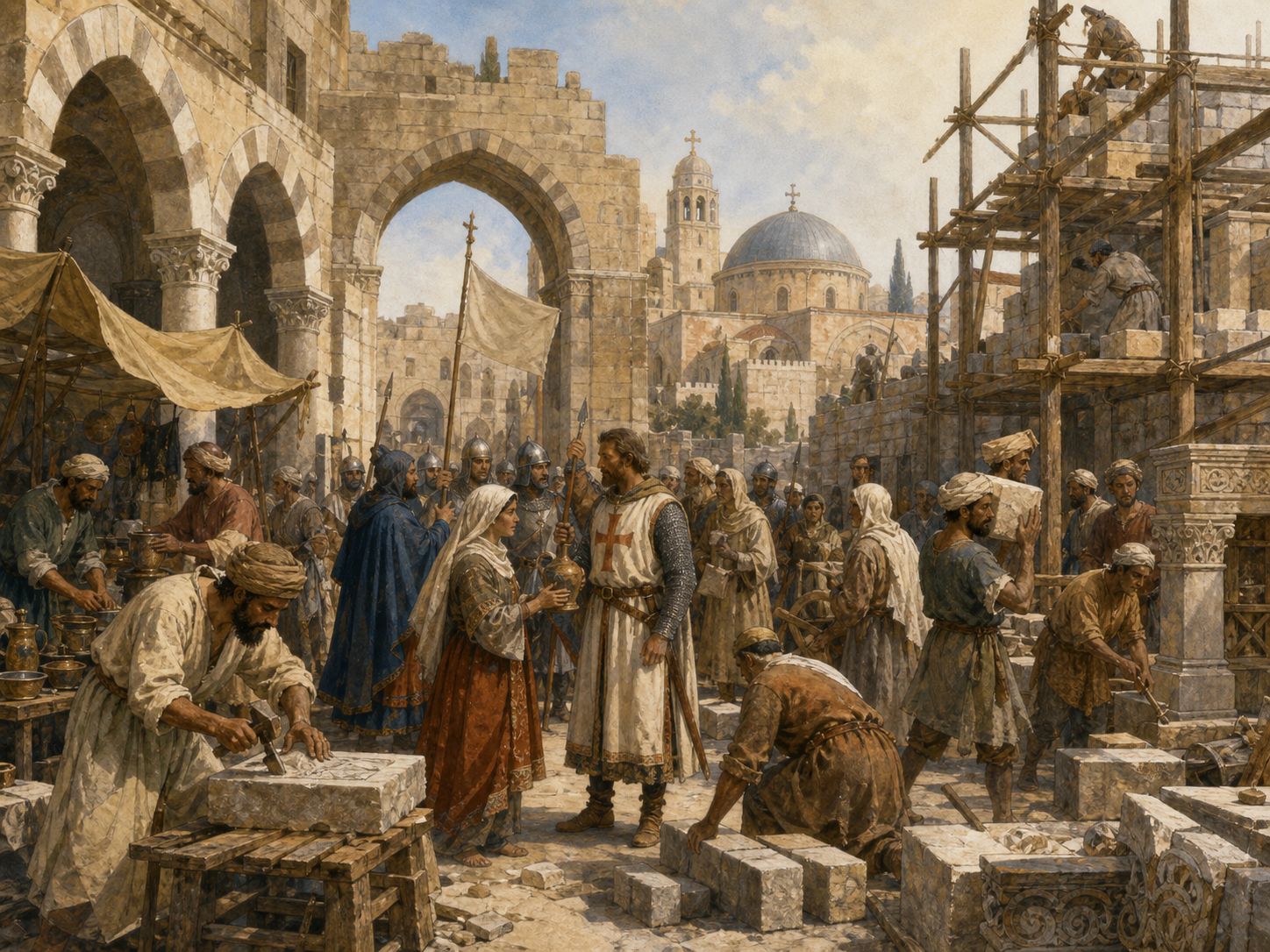


Related events
1095–1095
Byzantine appeal for aid
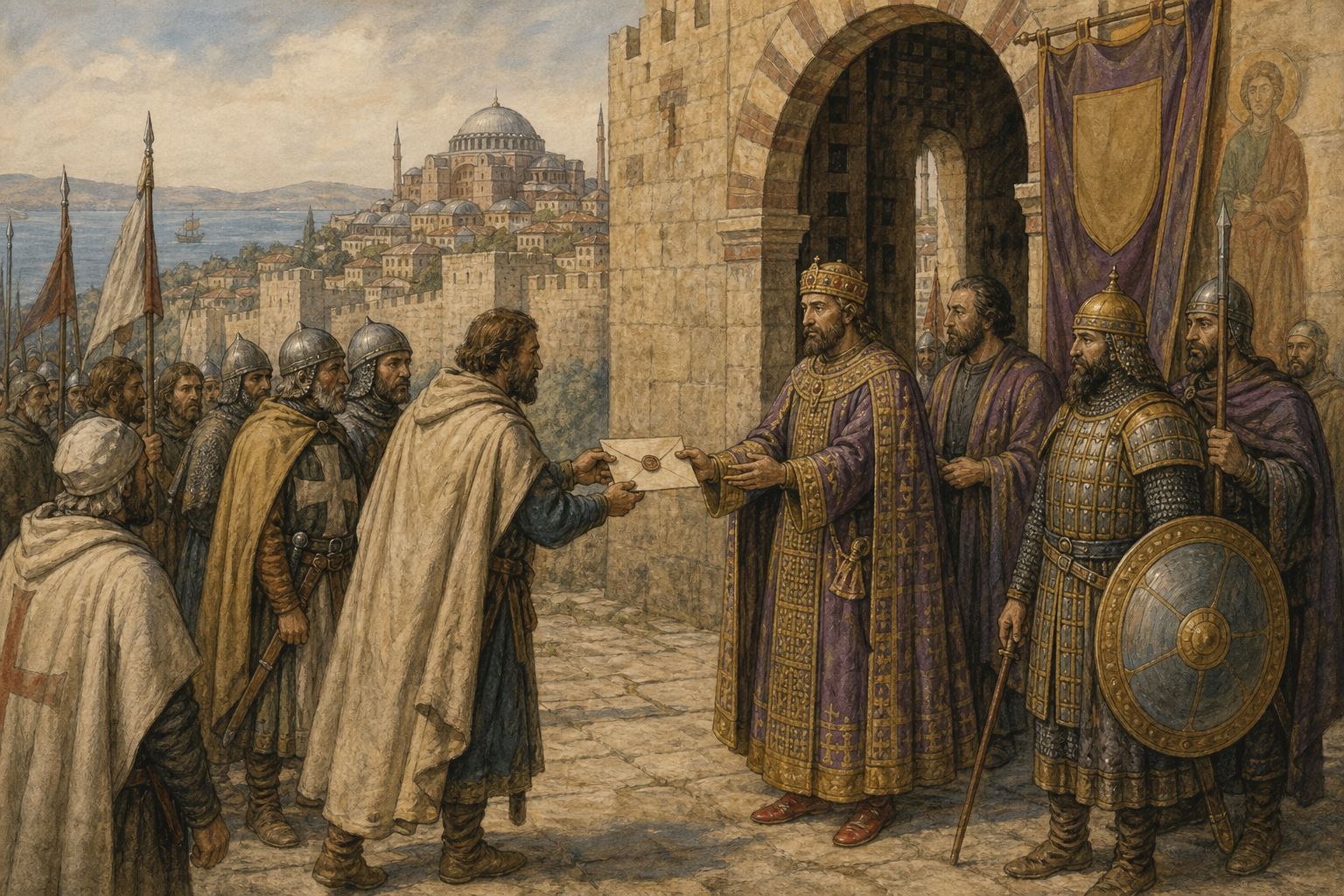
Byzantine appeal for aid — Background: The Byzantine Empire sought help against expanding Seljuq power, while religious devotion, pilgrimage, lordship, and hopes for territory and reward converged in western Europe.
1095–1095
Urban II calls the crusade
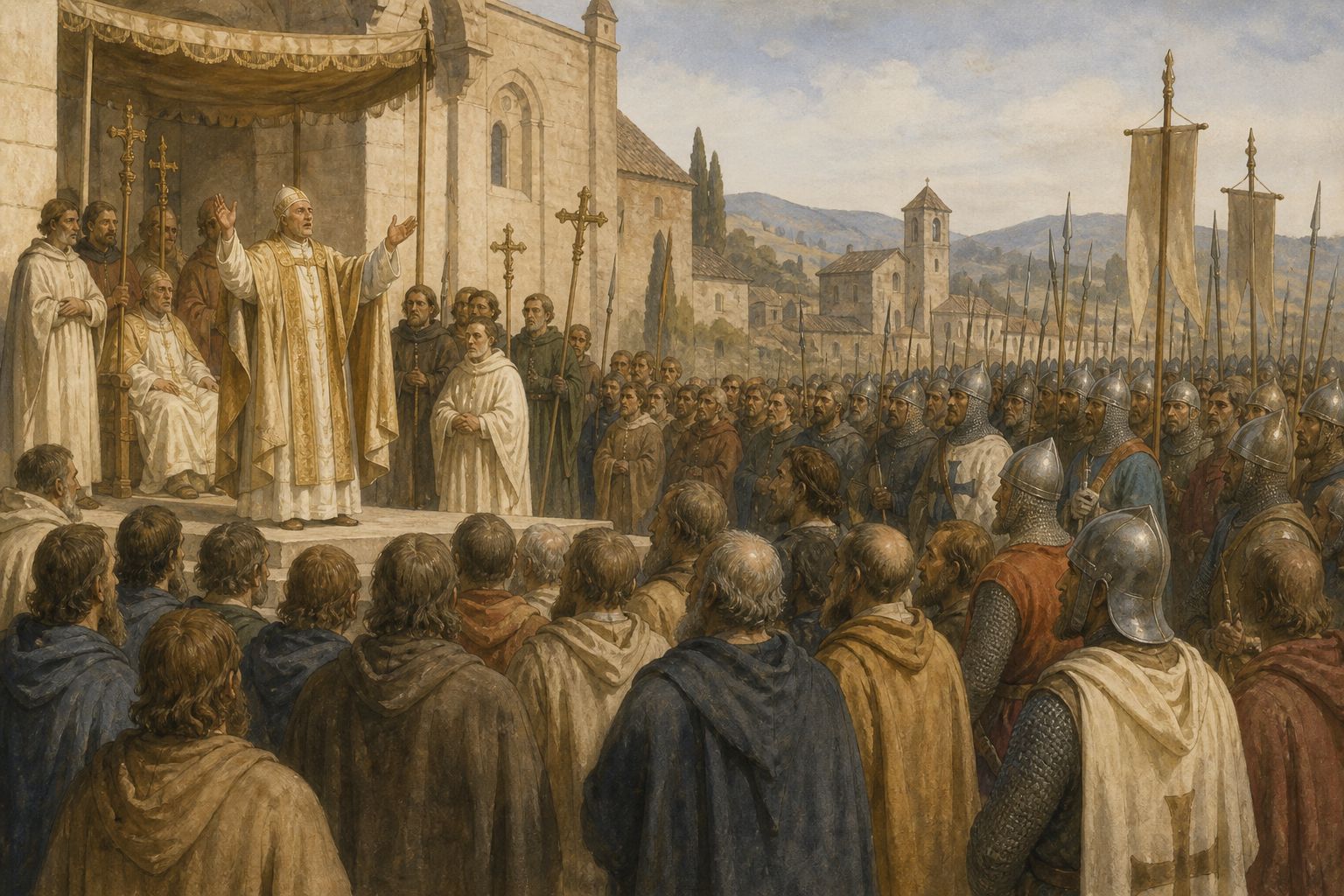
Urban II calls the crusade — Build-up: After the sermon at Clermont, armies and pilgrims crossed to Constantinople, captured Nicaea and Antioch, and reached Jerusalem in 1099.
1097–1097
Nicaea and the Anatolian march
Current event
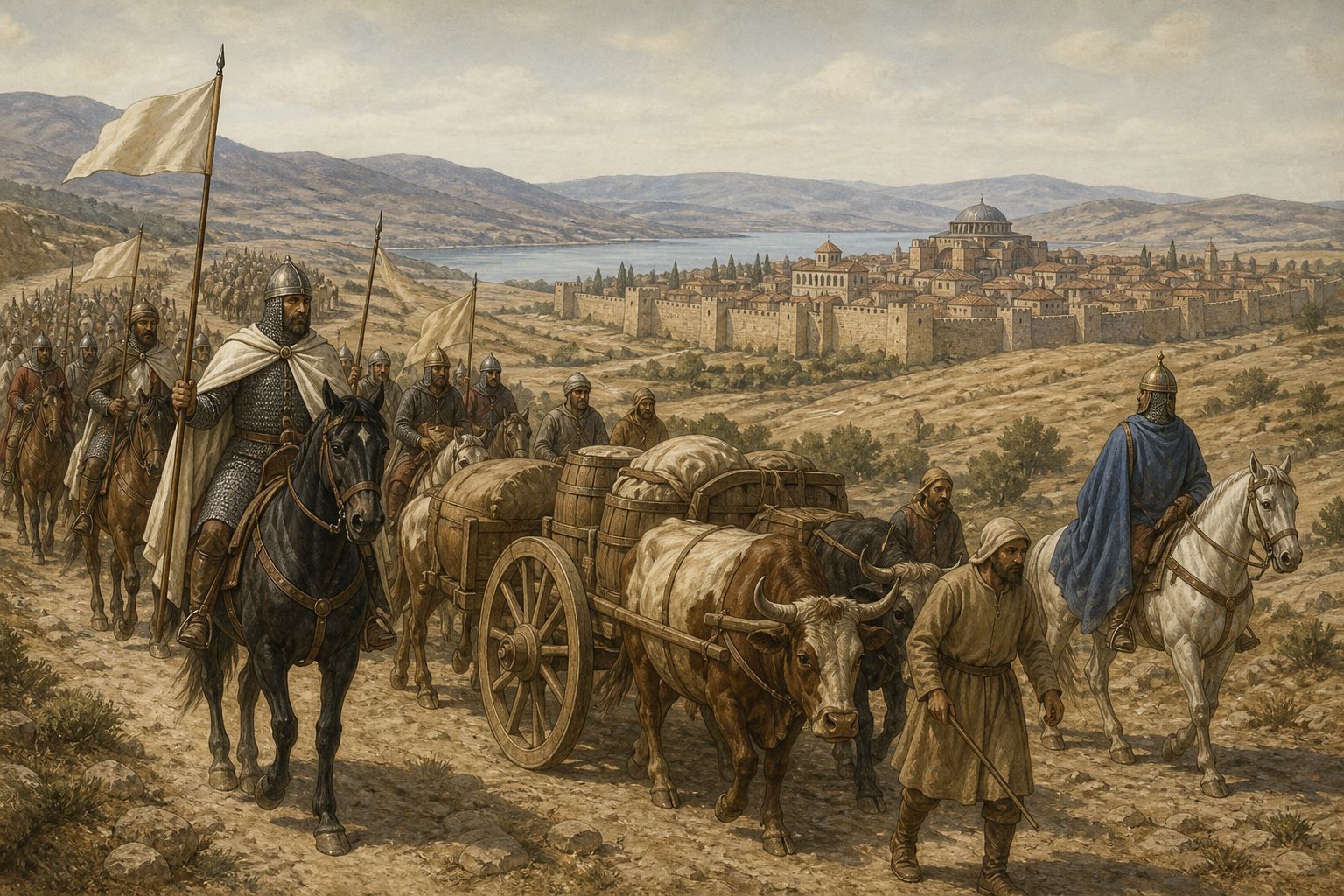
Nicaea and the Anatolian march — Central transition: From 1095 to 1099, a western European expedition traveled through Anatolia to Jerusalem after Pope Urban II’s call and a Byzantine request for military aid.
1098–1098
Capture of Antioch
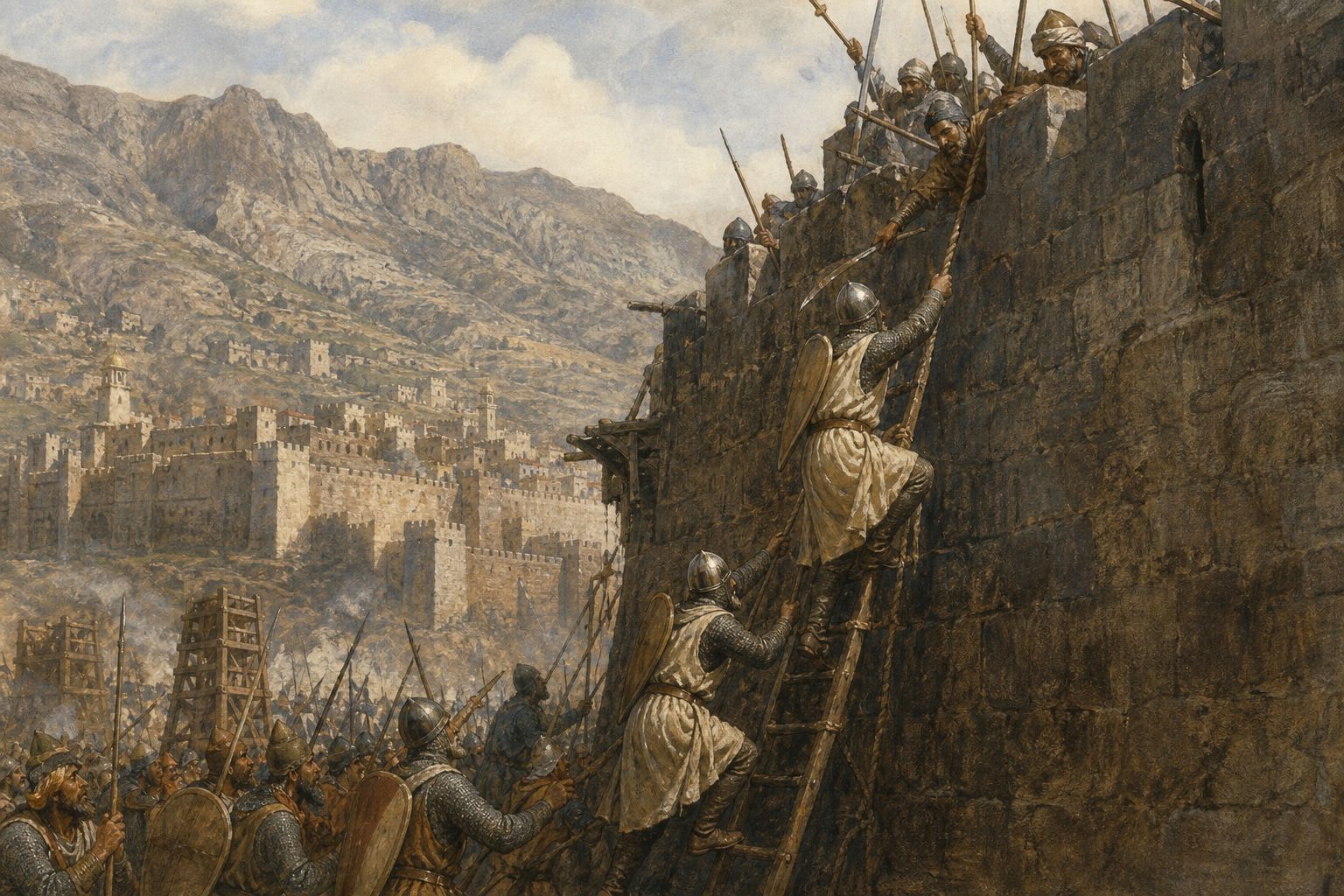
Capture of Antioch — Immediate result: Crusader states were established after Jerusalem was captured. The expedition and conquests brought violence to local populations and left long tensions among Byzantine, Islamic, and western Christian worlds.
1099–1099
Capture of Jerusalem
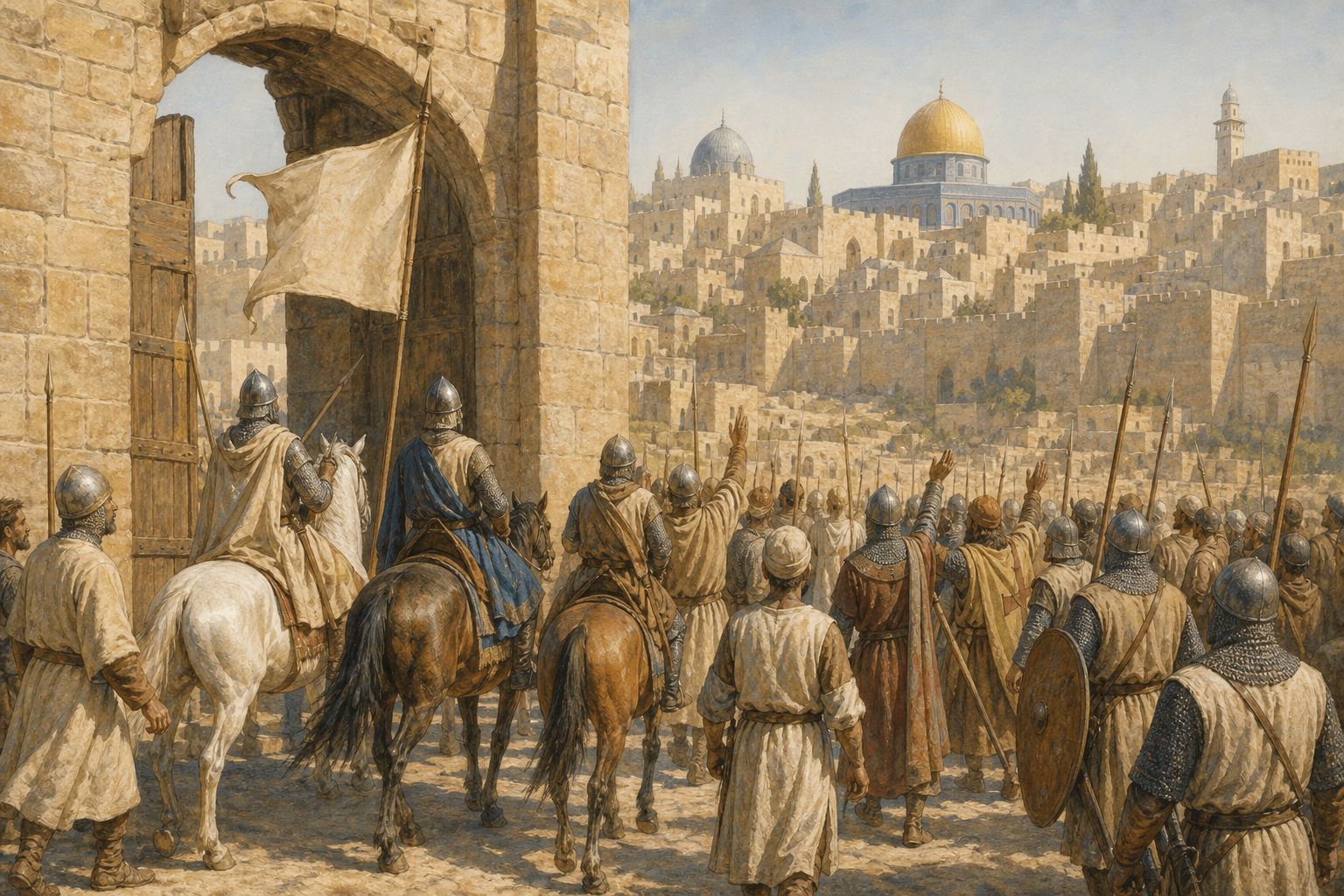
Capture of Jerusalem — Long-term significance: The First Crusade was not a single religious war: papal authority, Byzantine diplomacy, aristocratic politics, pilgrimage, and societies around the Mediterranean and western Asia shaped the movement and conquest.


Sources
- First Crusade — First Crusade (Encyclopaedia Britannica)britannica.comThis Encyclopaedia Britannica resource supports the chronology, setting, and course of First Crusade.
- First Crusade — Hd First Crusade (The Metropolitan Museum of Art)metmuseum.orgThis The Metropolitan Museum of Art resource supports the chronology, setting, and course of First Crusade.
- First Crusade — First Crusade (World History Encyclopedia)worldhistory.orgThis World History Encyclopedia resource supports the chronology, setting, and course of First Crusade.