
First Punic War
264 BC–241 BC
From 264 to 241 BCE, Rome and Carthage contested Sicily and control of the western Mediterranean.

- Period
- 264 BC–241 BC
- Kind
- War
- Regions
- Europe, Africa
- Keywords
- First Punic War · war · ancient · europe · africa
Follow the story · Four stages
Background
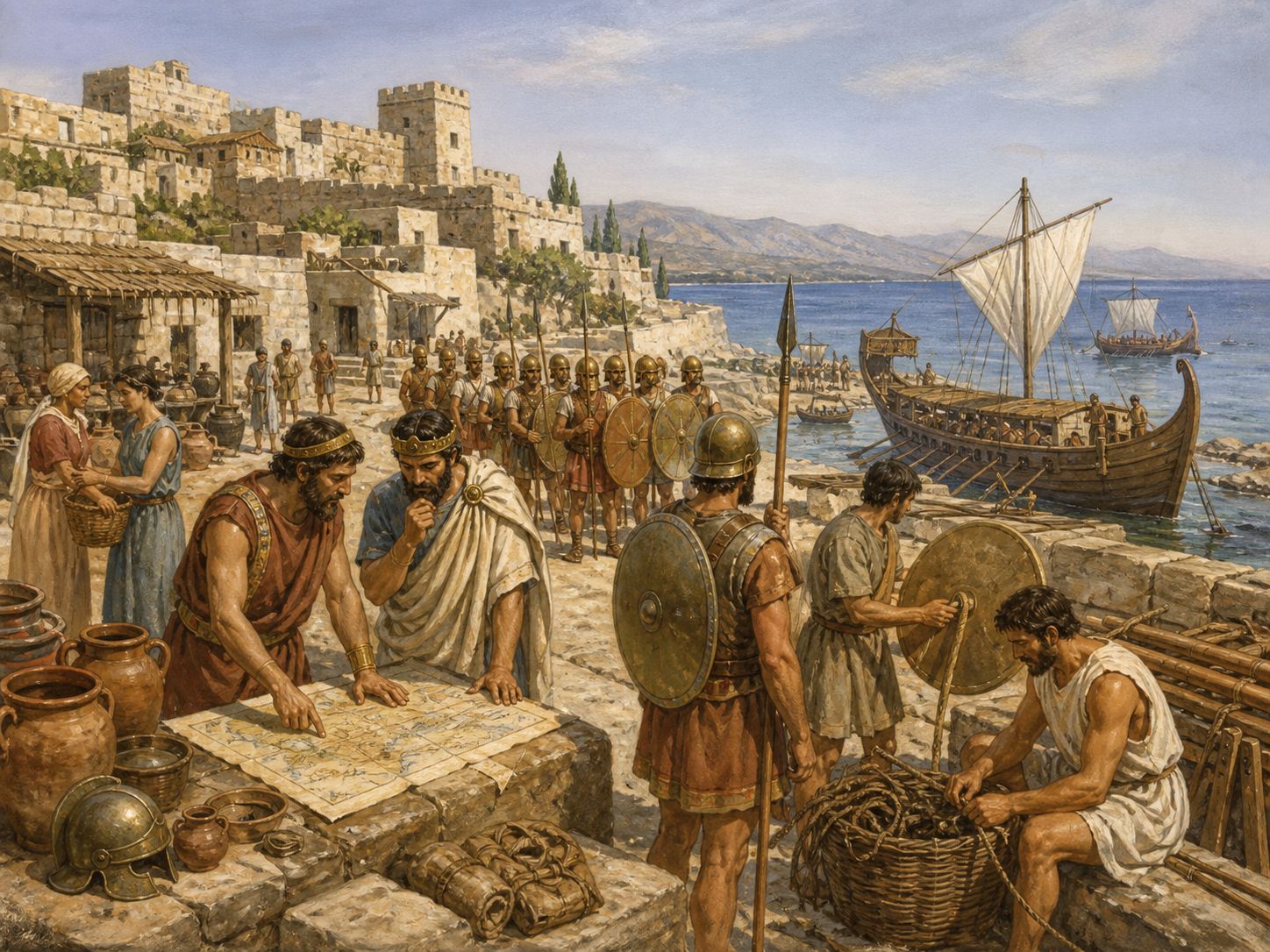
Intervention around the Sicilian city of Messana brought an Italian land power into conflict with a maritime empire.
- Intervention around the Sicilian city of Messana brought an Italian land power into conflict with a maritime empire.
- Core event: From 264 to 241 BCE, Rome and Carthage contested Sicily and control of the western Mediterranean.
- Connection to the next stage: Rome developed a fleet and adapted to naval warfare while both sides endured long sieges and contests over sea supply.
Course
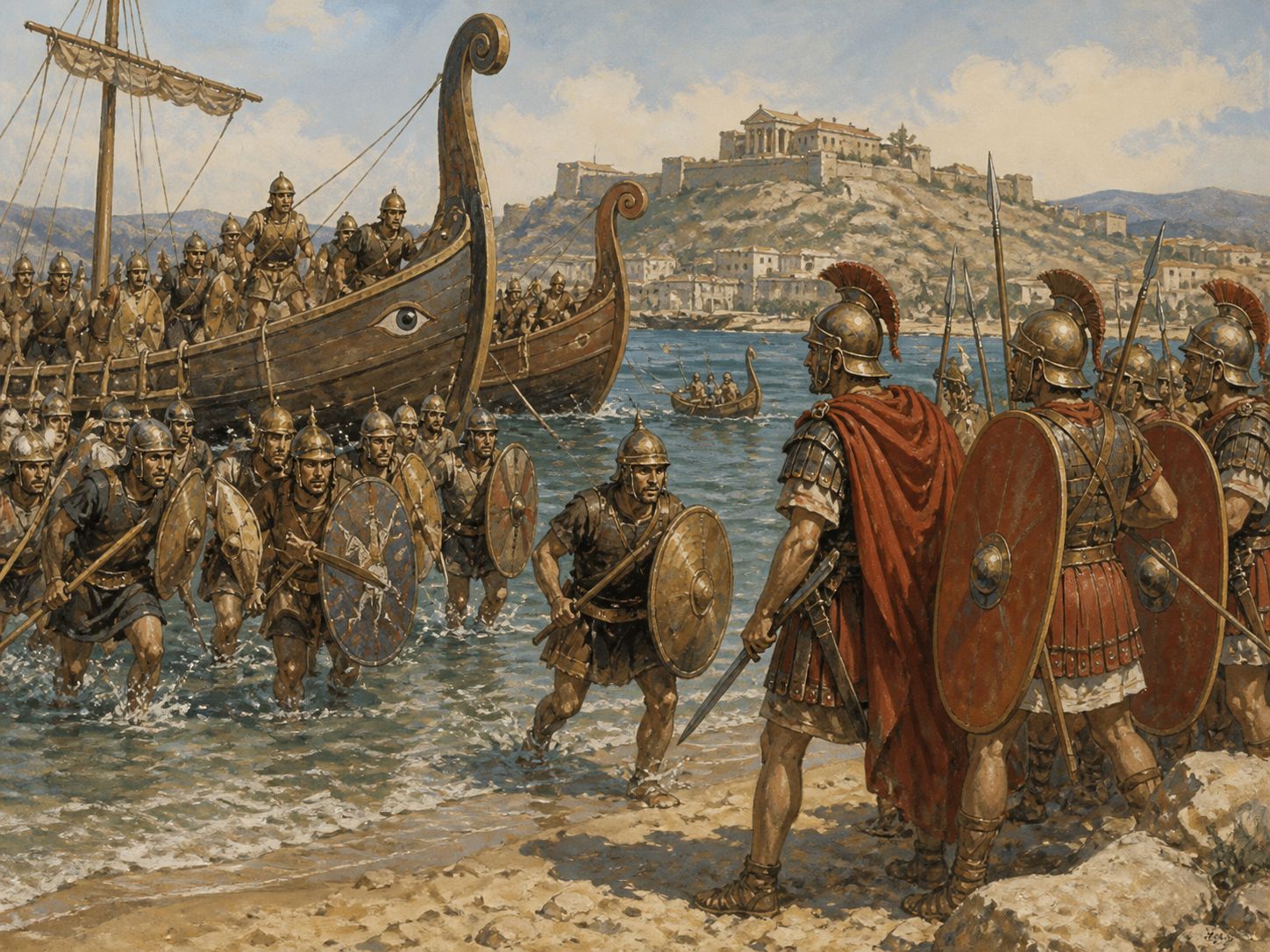
Rome developed a fleet and adapted to naval warfare while both sides endured long sieges and contests over sea supply.
- Rome developed a fleet and adapted to naval warfare while both sides endured long sieges and contests over sea supply.
- Conditions behind the action: Intervention around the Sicilian city of Messana brought an Italian land power into conflict with a maritime empire.
- Meaning of the turning point: From 264 to 241 BCE, Rome and Carthage contested Sicily and control of the western Mediterranean.
Outcome
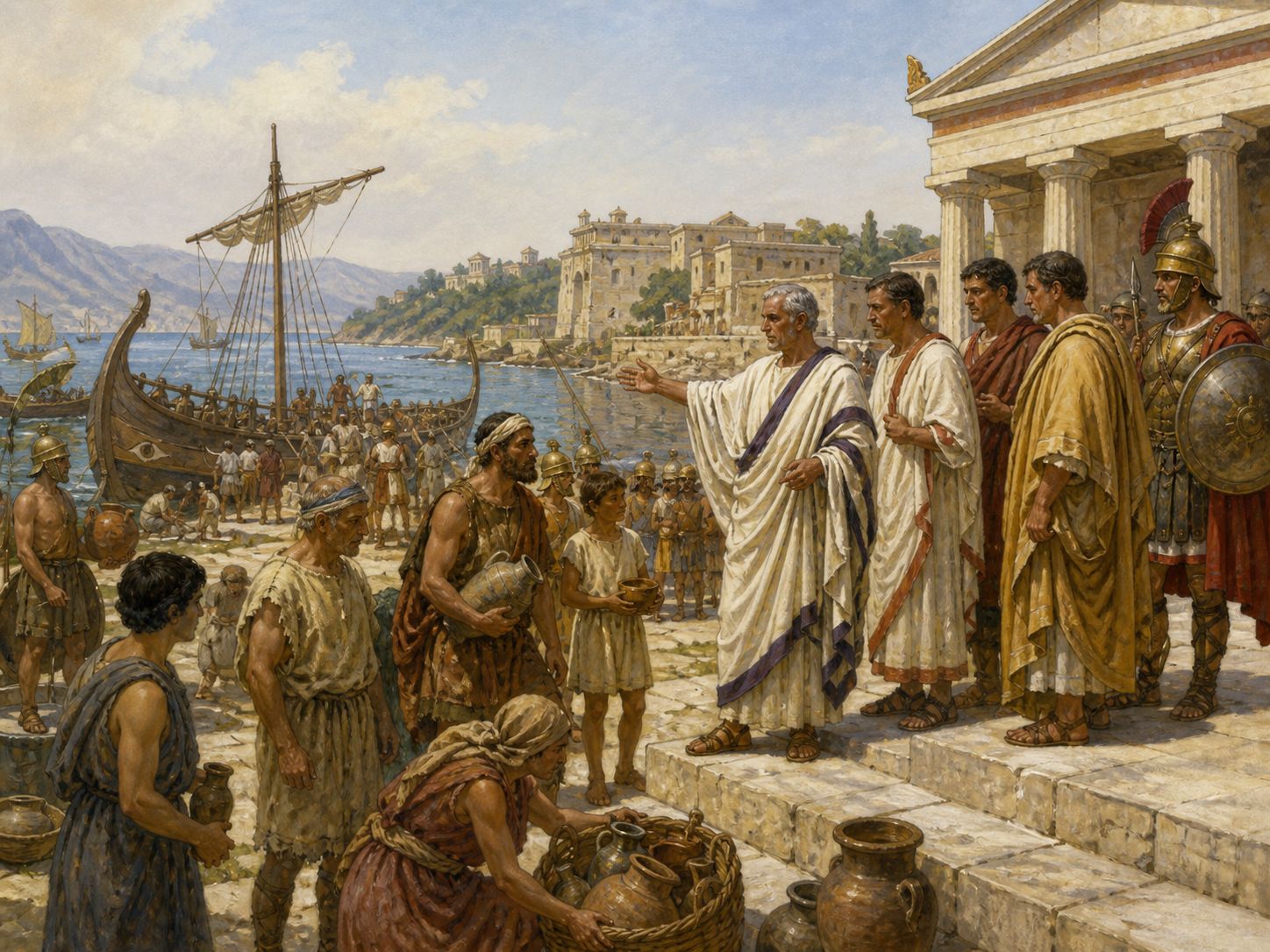
Carthage ceded Sicily, and Rome acquired its first province outside the Italian peninsula.
- Carthage ceded Sicily, and Rome acquired its first province outside the Italian peninsula.
- Process producing the result: Rome developed a fleet and adapted to naval warfare while both sides endured long sieges and contests over sea supply.
- Question carried forward: The war created the conditions for Rome’s Mediterranean expansion and the later Punic conflicts.
Historical significance
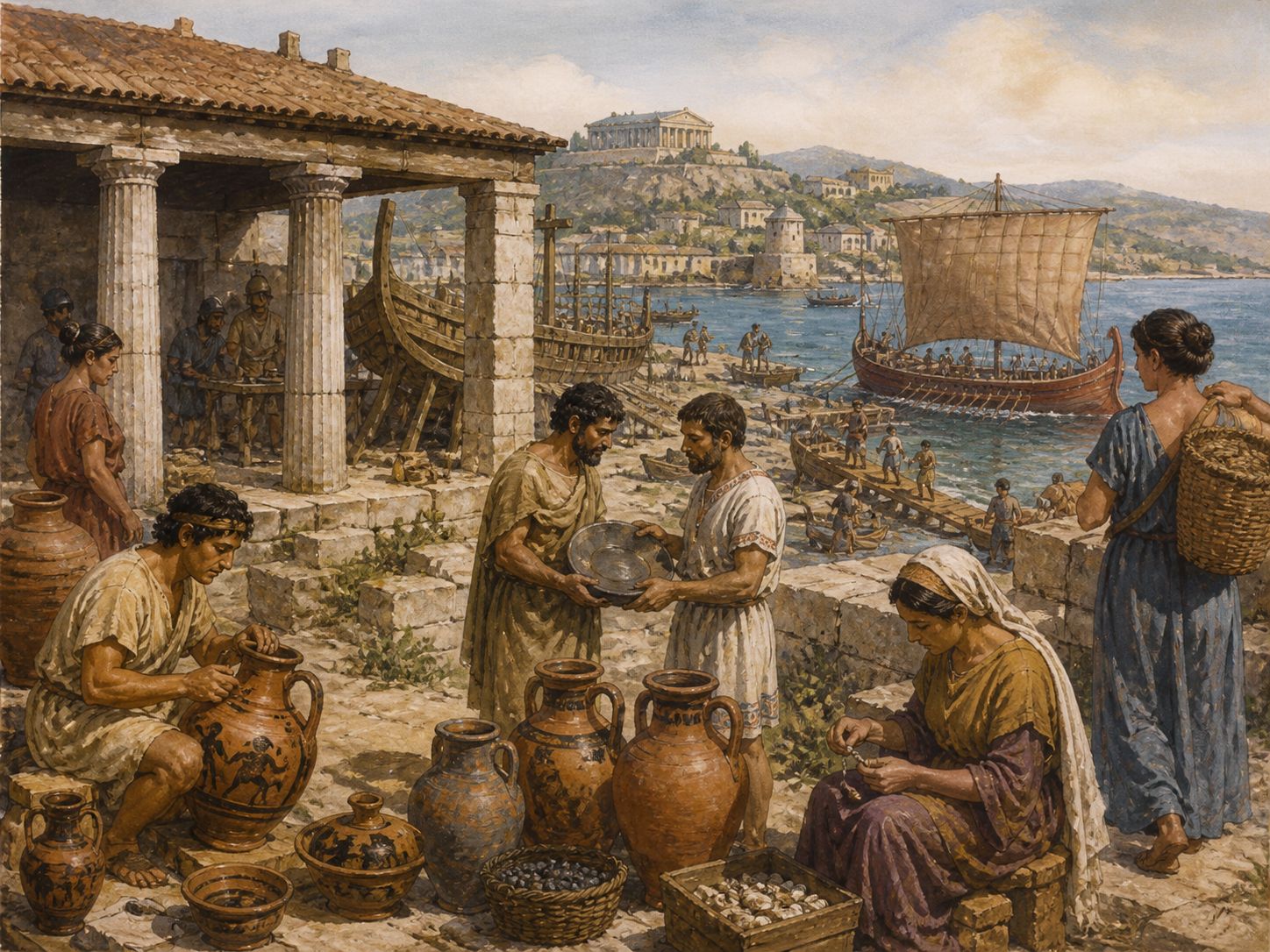
The war created the conditions for Rome’s Mediterranean expansion and the later Punic conflicts.
- The war created the conditions for Rome’s Mediterranean expansion and the later Punic conflicts.
- Immediate consequence: Carthage ceded Sicily, and Rome acquired its first province outside the Italian peninsula.
- Historical turning point: From 264 to 241 BCE, Rome and Carthage contested Sicily and control of the western Mediterranean.


Related events
c. 271 BC
Prelude

Prelude — Background: Intervention around the Sicilian city of Messana brought an Italian land power into conflict with a maritime empire.
c. 265 BC
Turning point
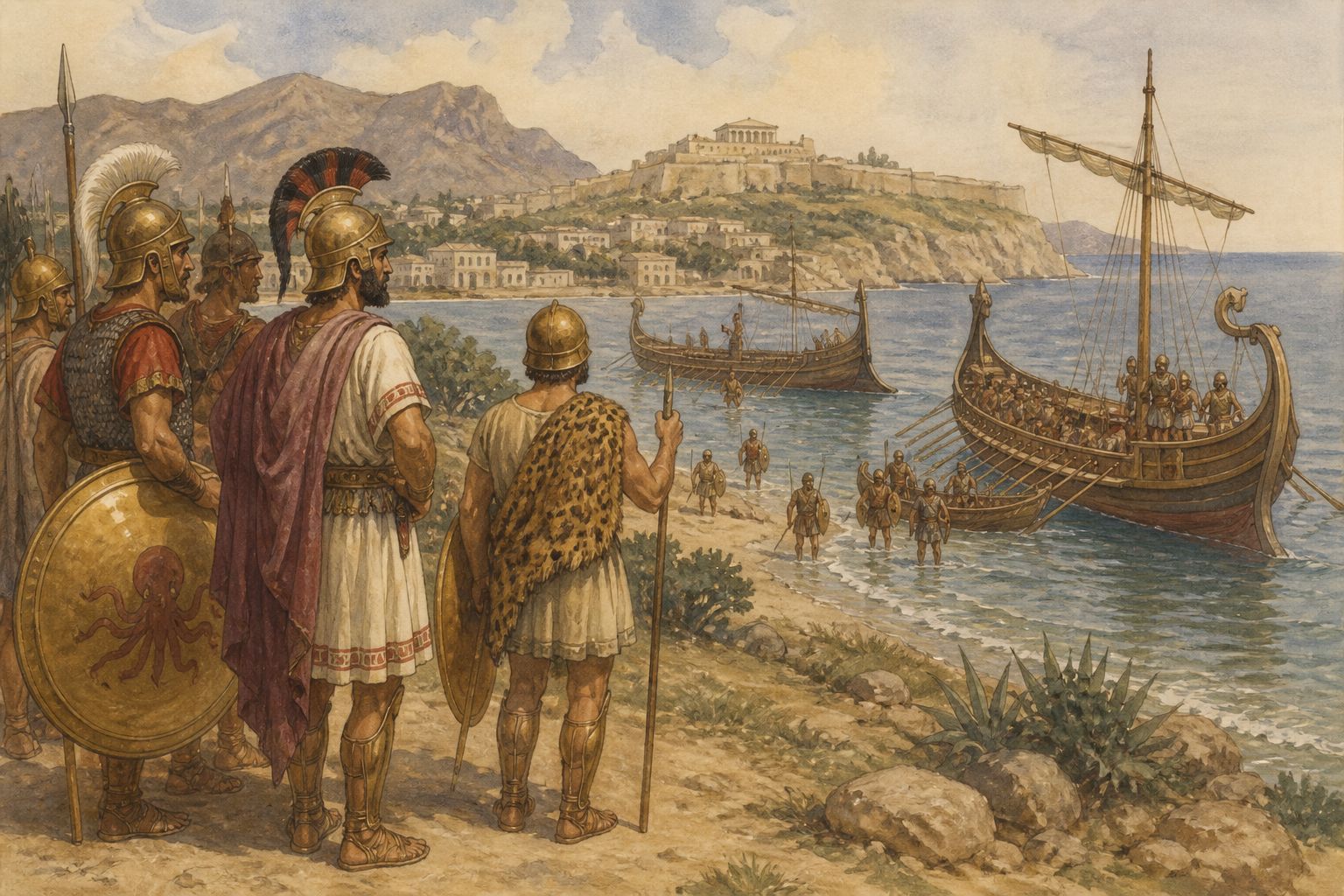
Turning point — Build-up: Rome developed a fleet and adapted to naval warfare while both sides endured long sieges and contests over sea supply.
264 BC–241 BC
First Punic War
Current event
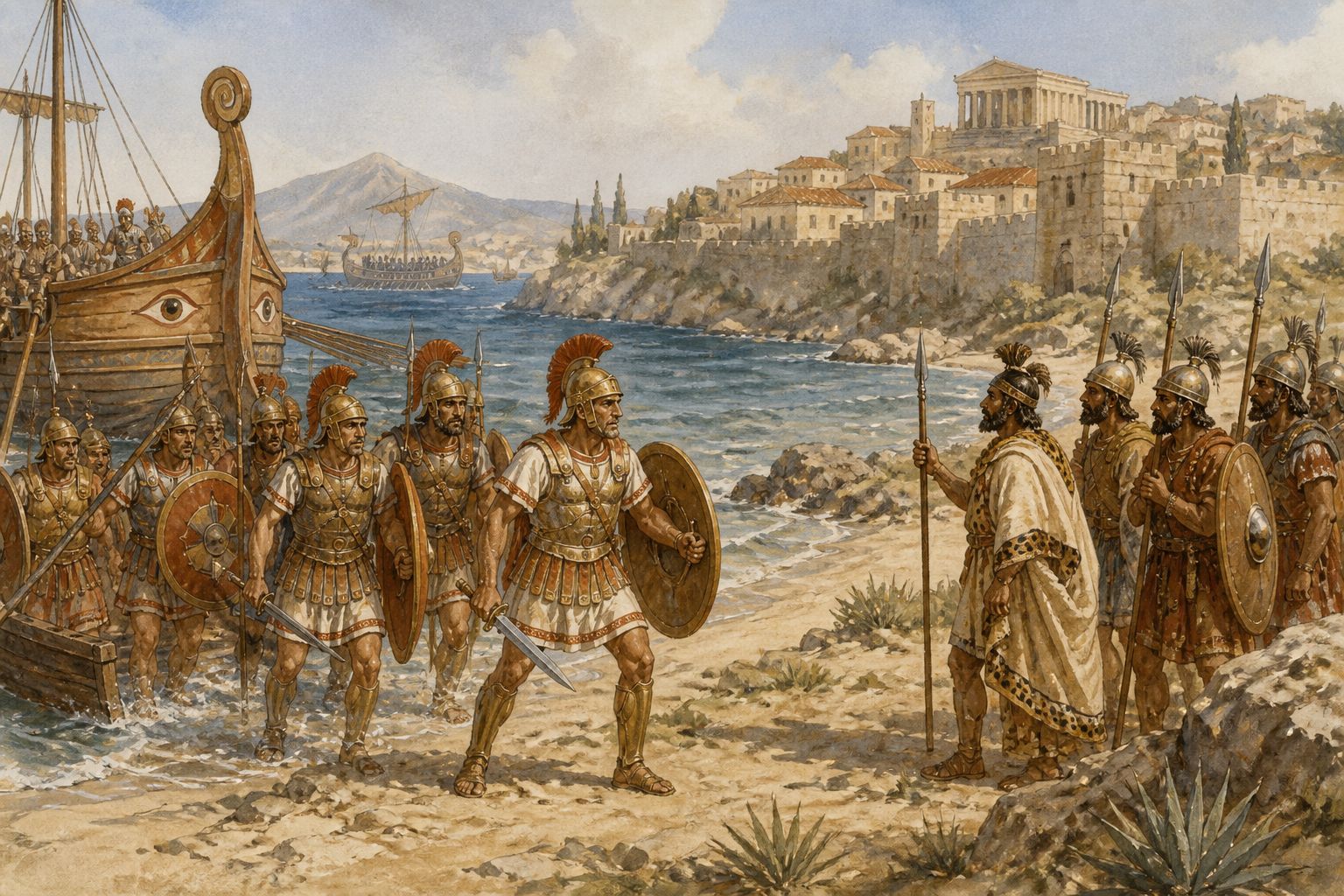
First Punic War — Central transition: From 264 to 241 BCE, Rome and Carthage contested Sicily and control of the western Mediterranean.
c. 232 BC
Immediate aftermath
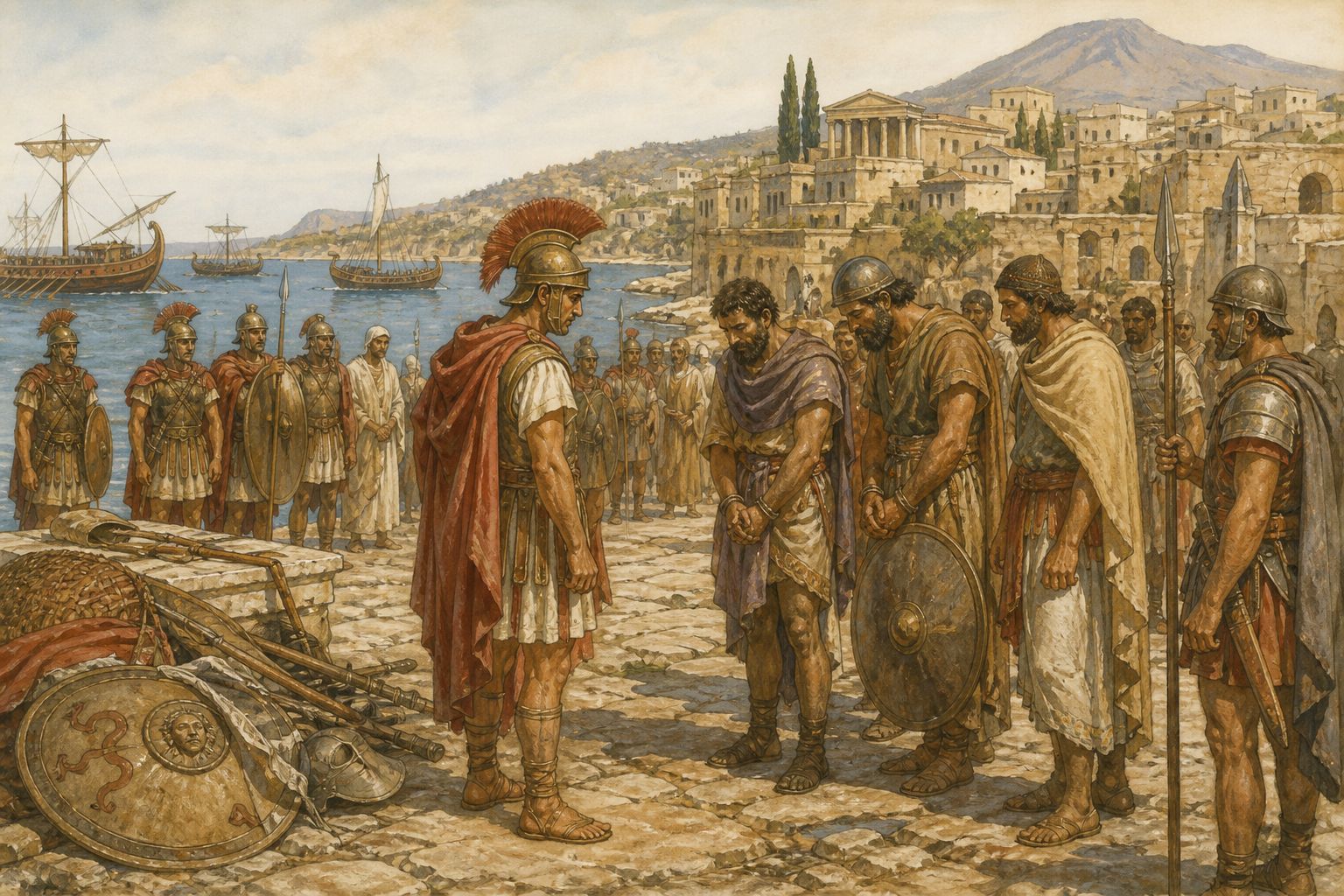
Immediate aftermath — Immediate result: Carthage ceded Sicily, and Rome acquired its first province outside the Italian peninsula.
c. 206 BC
Long-term significance
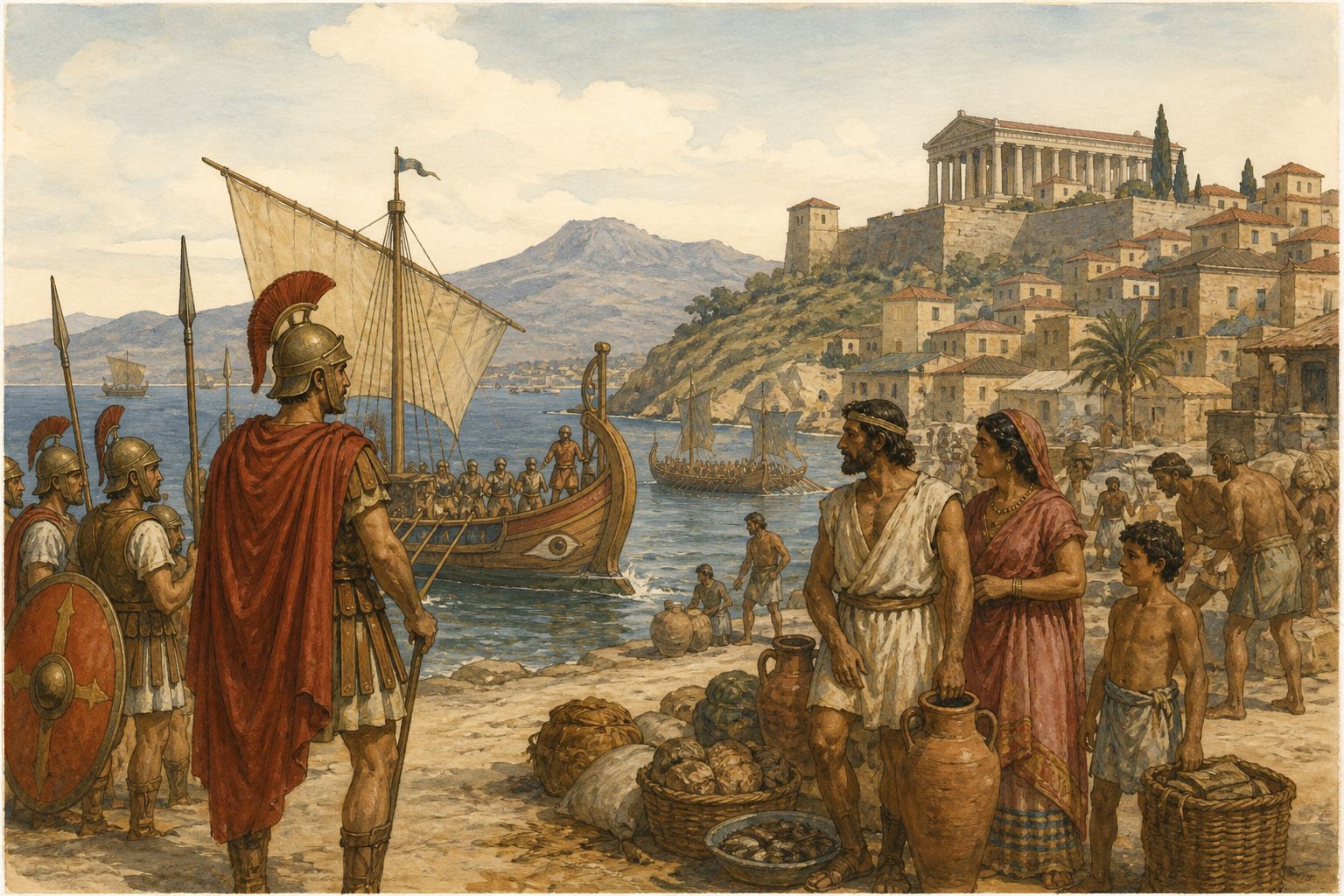
Long-term significance — Long-term significance: The war created the conditions for Rome’s Mediterranean expansion and the later Punic conflicts.


Sources
- First Punic War — First Punic War (Encyclopaedia Britannica)britannica.comThis Encyclopaedia Britannica resource supports the chronology, setting, and course of First Punic War.
- First Punic War — Text (Perseus Digital Library)perseus.tufts.eduThis Perseus Digital Library resource supports the chronology, setting, and course of First Punic War.
- First Punic War — First Punic War (World History Encyclopedia)worldhistory.orgThis World History Encyclopedia resource supports the chronology, setting, and course of First Punic War.