
French Revolution
1789–1799
The 1789–1799 upheaval that dismantled France's old-regime political and social order, established a republic, and ended with Napoleon Bonaparte's coup of 18 Brumaire.

- Period
- 1789–1799
- Kind
- Revolution
- Regions
- Europe
- Keywords
- old regime · National Assembly · rights · republic · citizenship
Follow the story · Four stages
Background
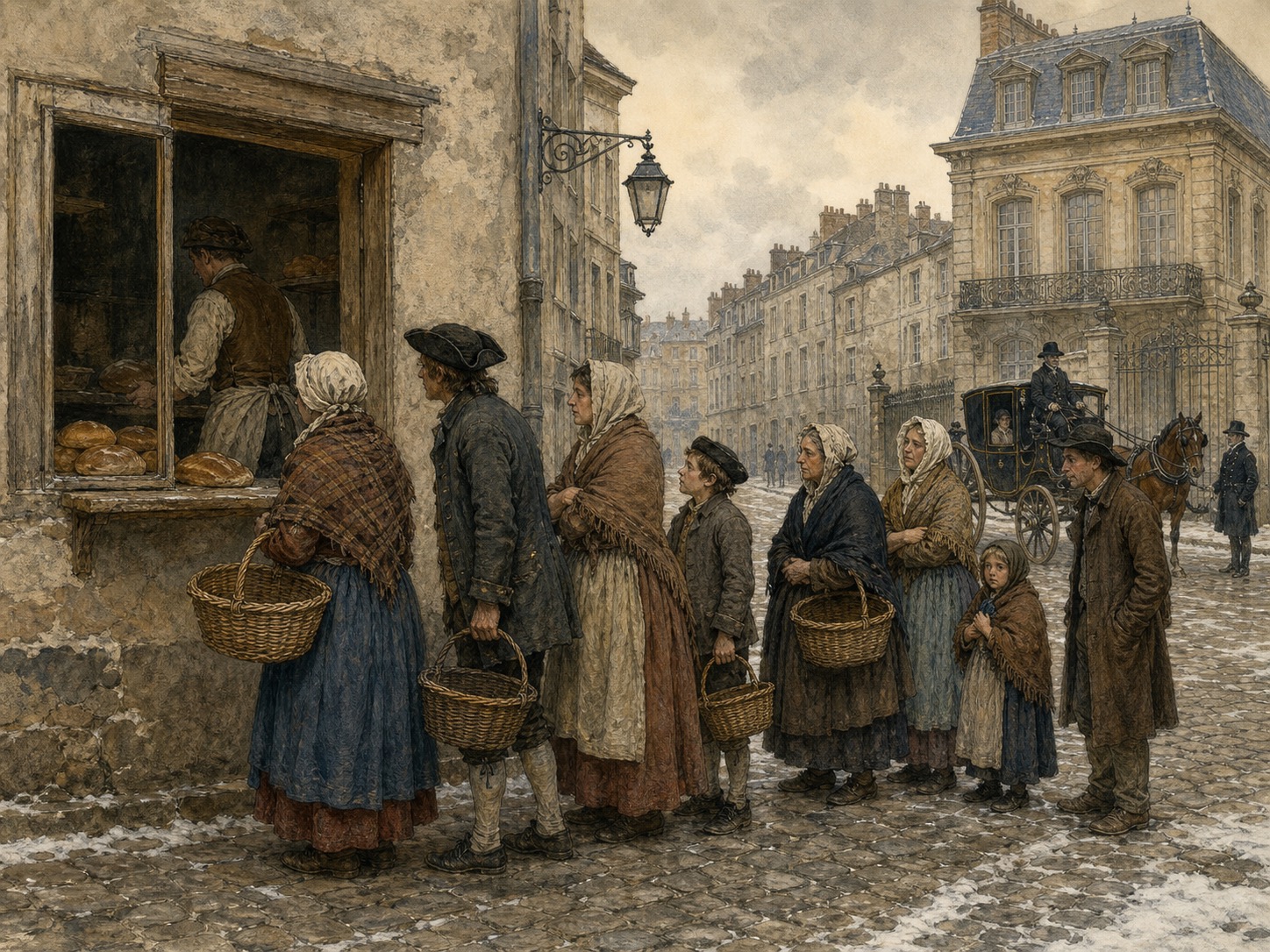
A fiscal crisis aggravated by war and an unequal tax system collided with disputes over privilege, representation, subsistence, and royal authority. Enlightenment arguments and the American Revolution supplied influential political languages, but popular action by peasants and urban workers made the crisis revolutionary.
- War costs and unequal taxation strained the state's finances
- Poor harvests and rising bread prices deepened urban and rural discontent
- Disputes over privilege and representation merged into a political crisis
Course
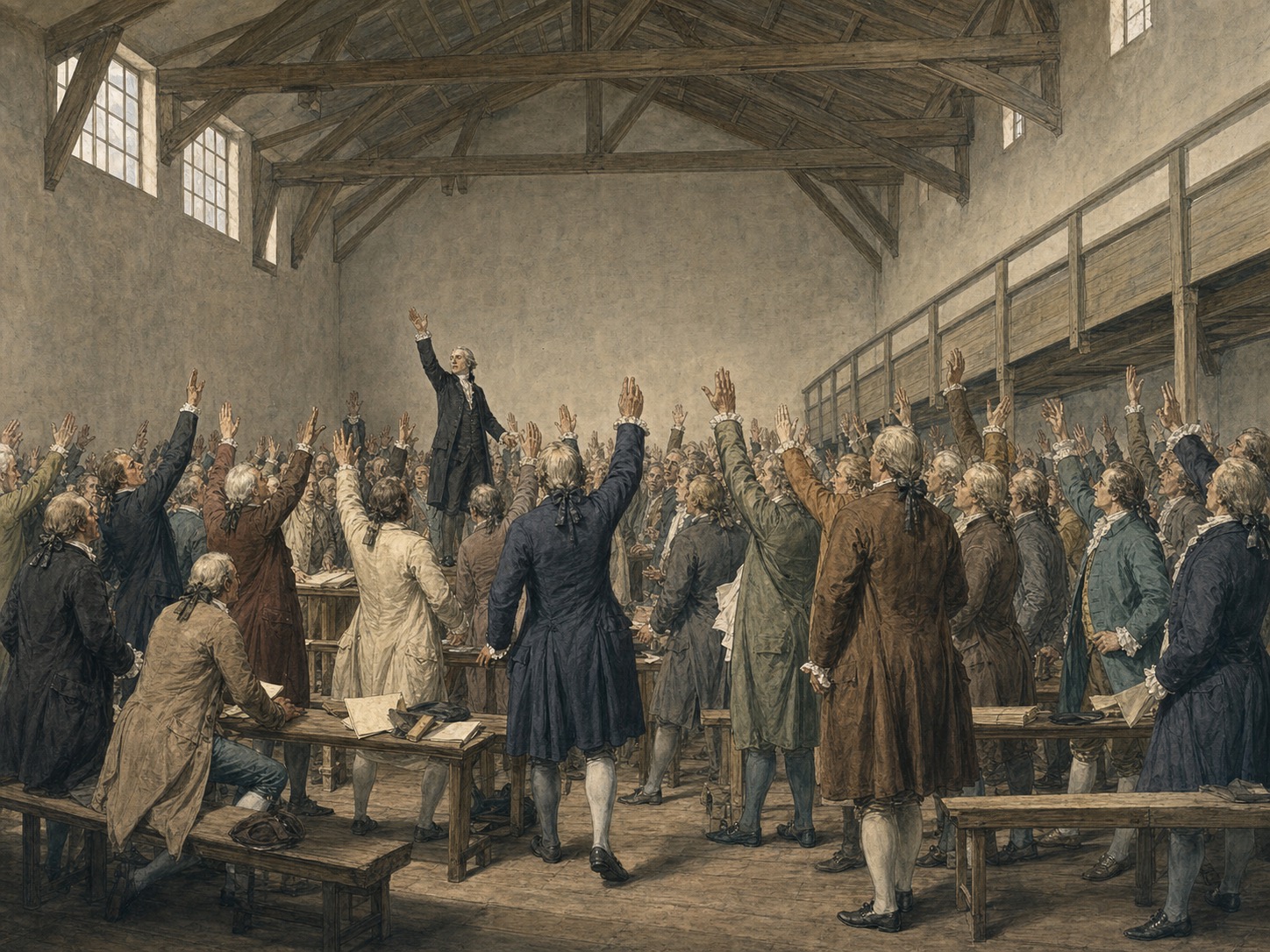
The Estates-General opened in 1789, the Third Estate formed a National Assembly, and the fall of the Bastille and rural revolt accelerated the abolition of feudal privileges and the Declaration of the Rights of Man and of the Citizen. Monarchy gave way to republic and war; internal revolt and foreign invasion accompanied the Terror, followed by the Thermidorian reaction and Directory.
- The Third Estate formed a National Assembly and claimed political authority
- The fall of the Bastille and rural revolt pushed reform in a more radical direction
- Republic, war, the Terror, and the Directory followed in rapid succession
Outcome
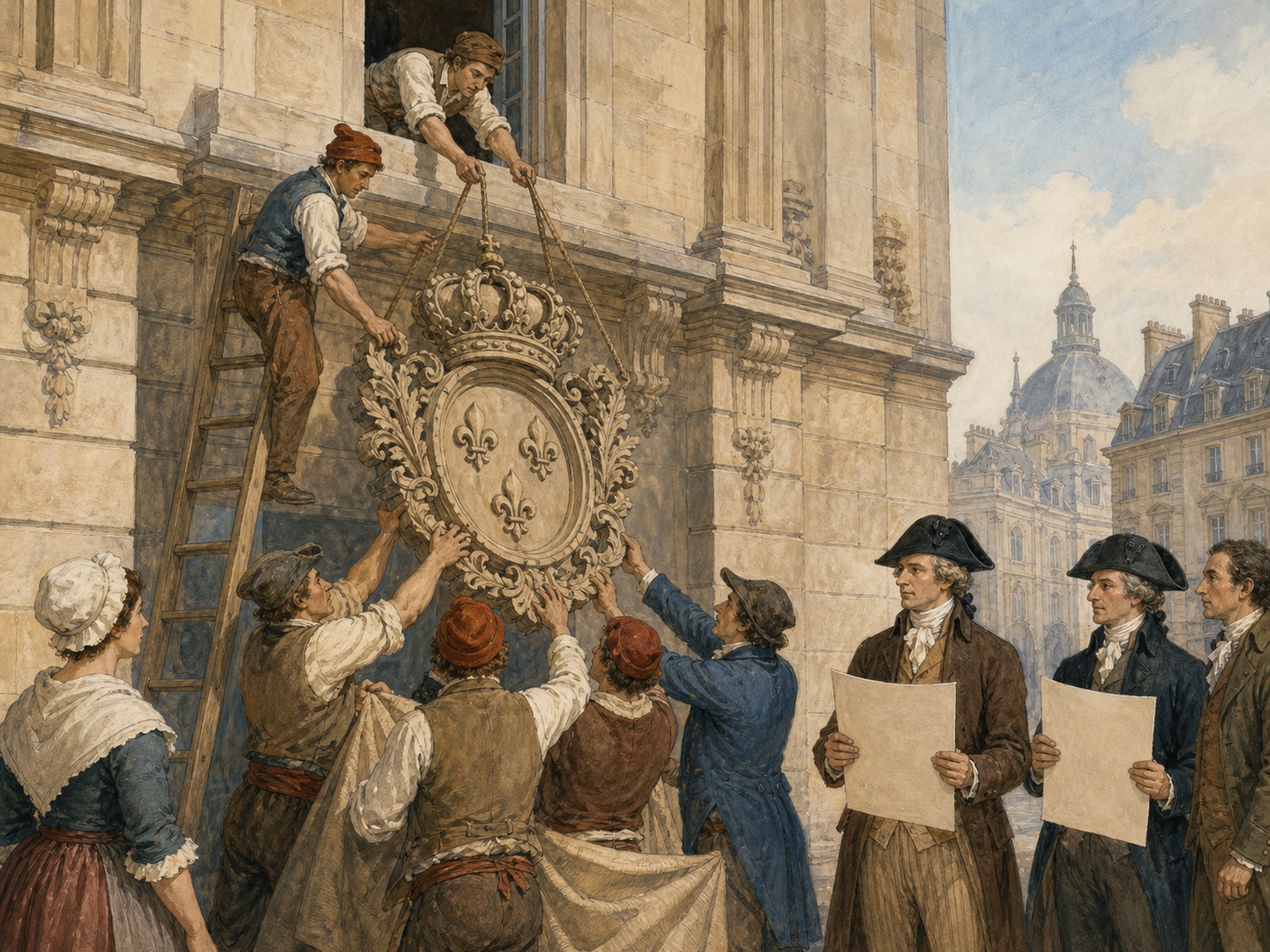
The Revolution abolished legal privilege and seigneurial dues, secularized institutions, reworked administration, and made citizenship and popular sovereignty central political claims. It also produced civil war, state coercion, exclusion, and imperial warfare before Napoleon overthrew the Directory in 1799.
- Feudal privilege and seigneurial burdens were abolished
- Citizenship and popular sovereignty became central political claims
- The Revolution also produced civil war, state violence, exclusion, and imperial conflict
Historical significance
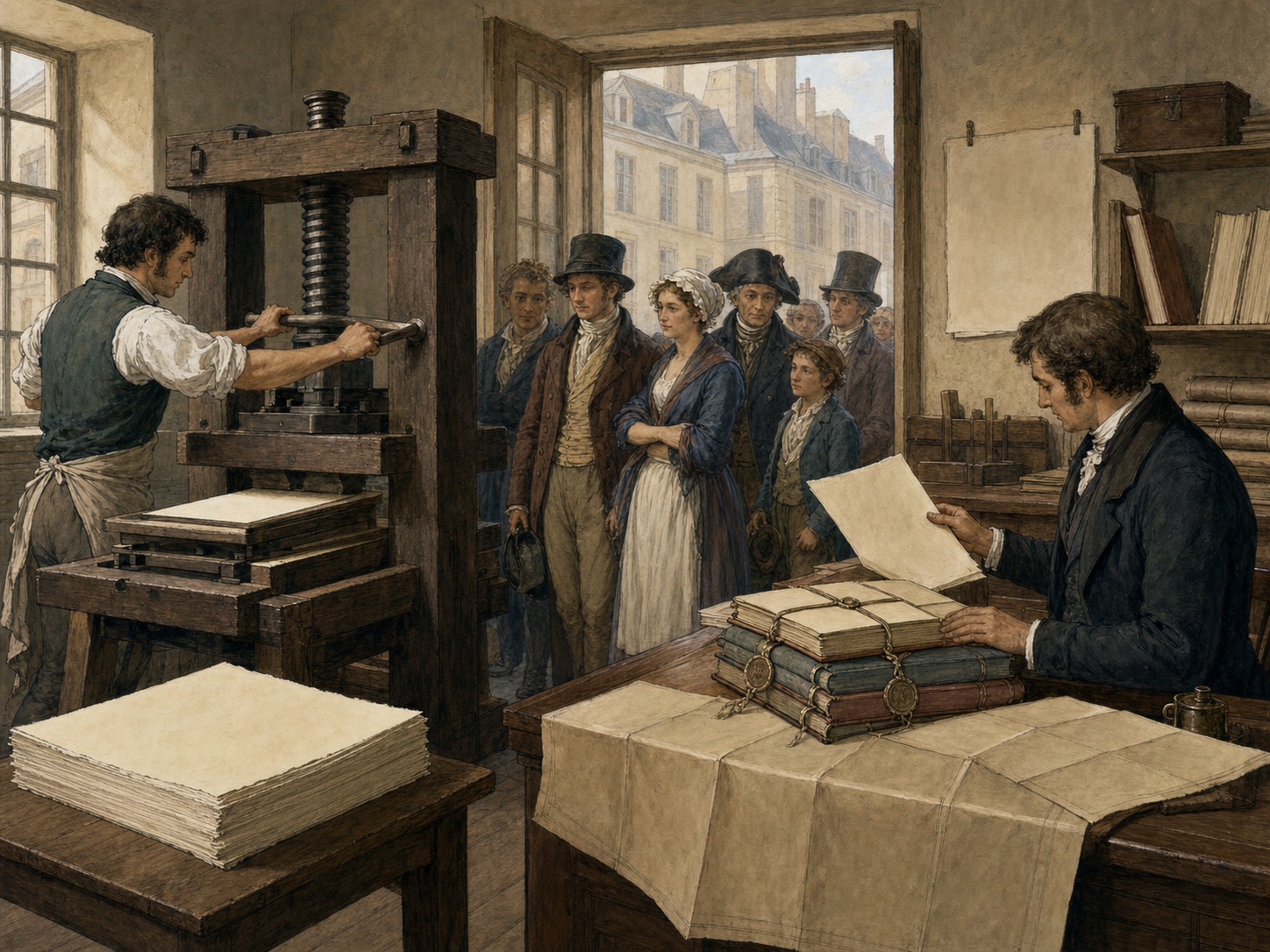
Its institutions and languages of rights reshaped Europe and the Atlantic world, while conflicts over who counted as a citizen exposed their limits. The American alliance helped deepen France's fiscal crisis, revolution in France opened new claims in Saint-Domingue, and Vienna's later settlement sought to contain the Napoleonic order that followed.
- The language of rights and sovereignty spread across Europe and the Atlantic world
- It encouraged new claims to rights in the French colonies
- It led into the Napoleonic order and the later Vienna settlement


Related figures
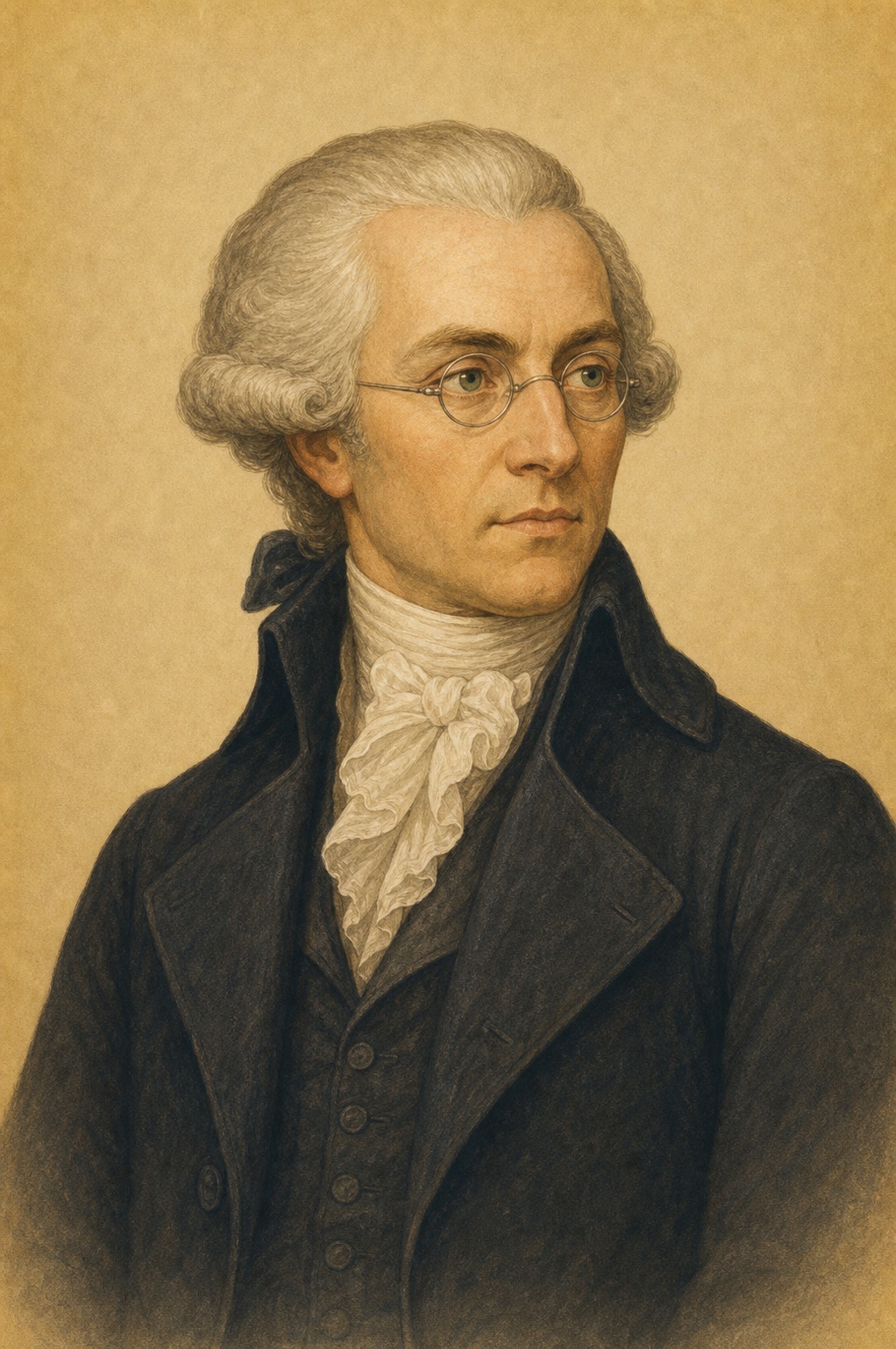
Maximilien Robespierre
Revolutionary government leader
He led the radical republican current in the Convention and Committee of Public Safety and became central to the Terror.
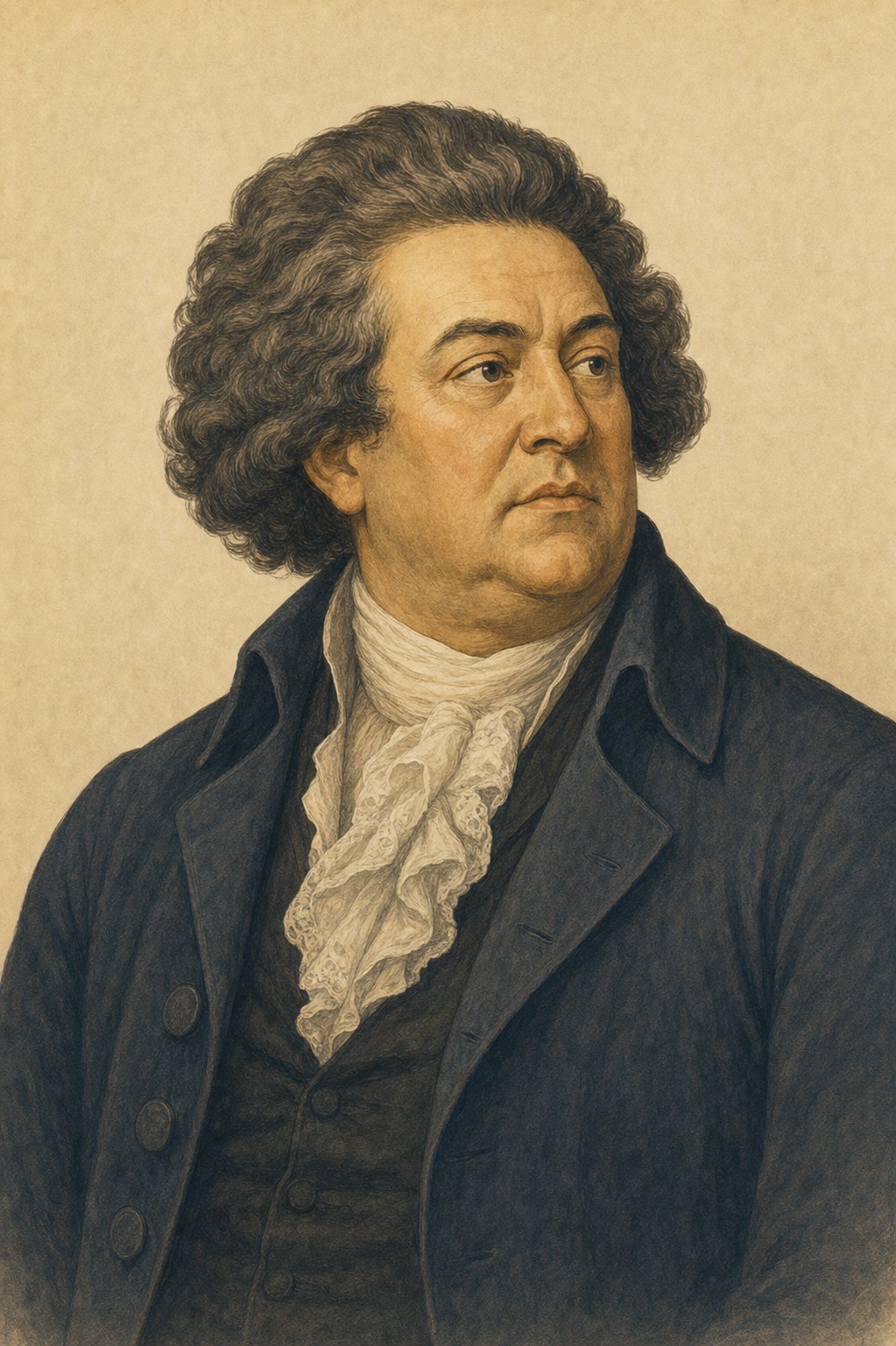
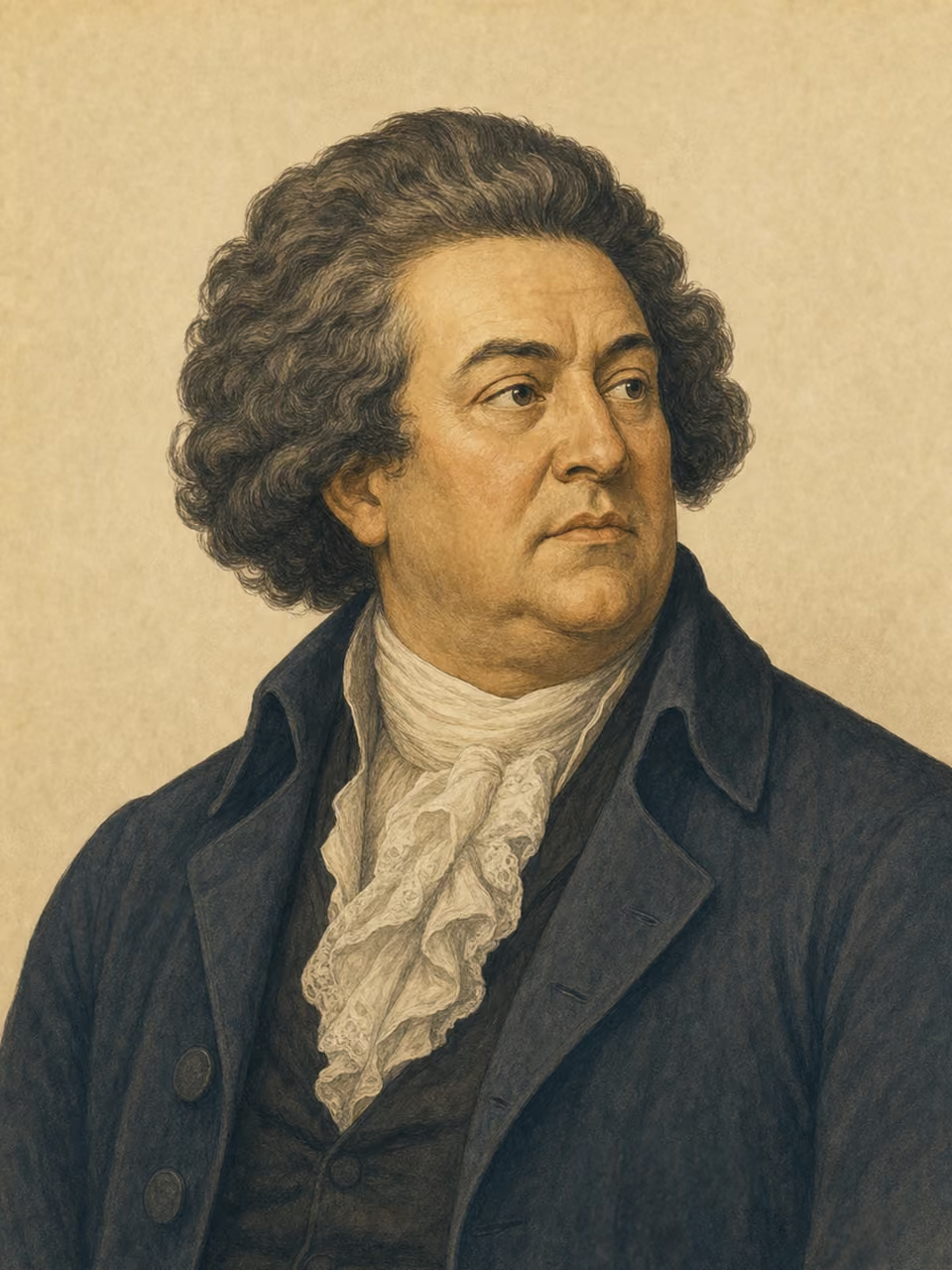
Honore Gabriel Riqueti, Comte de Mirabeau
National Assembly orator
A deputy of the Third Estate, he shaped early National Assembly debate and envisaged constitutional monarchy.
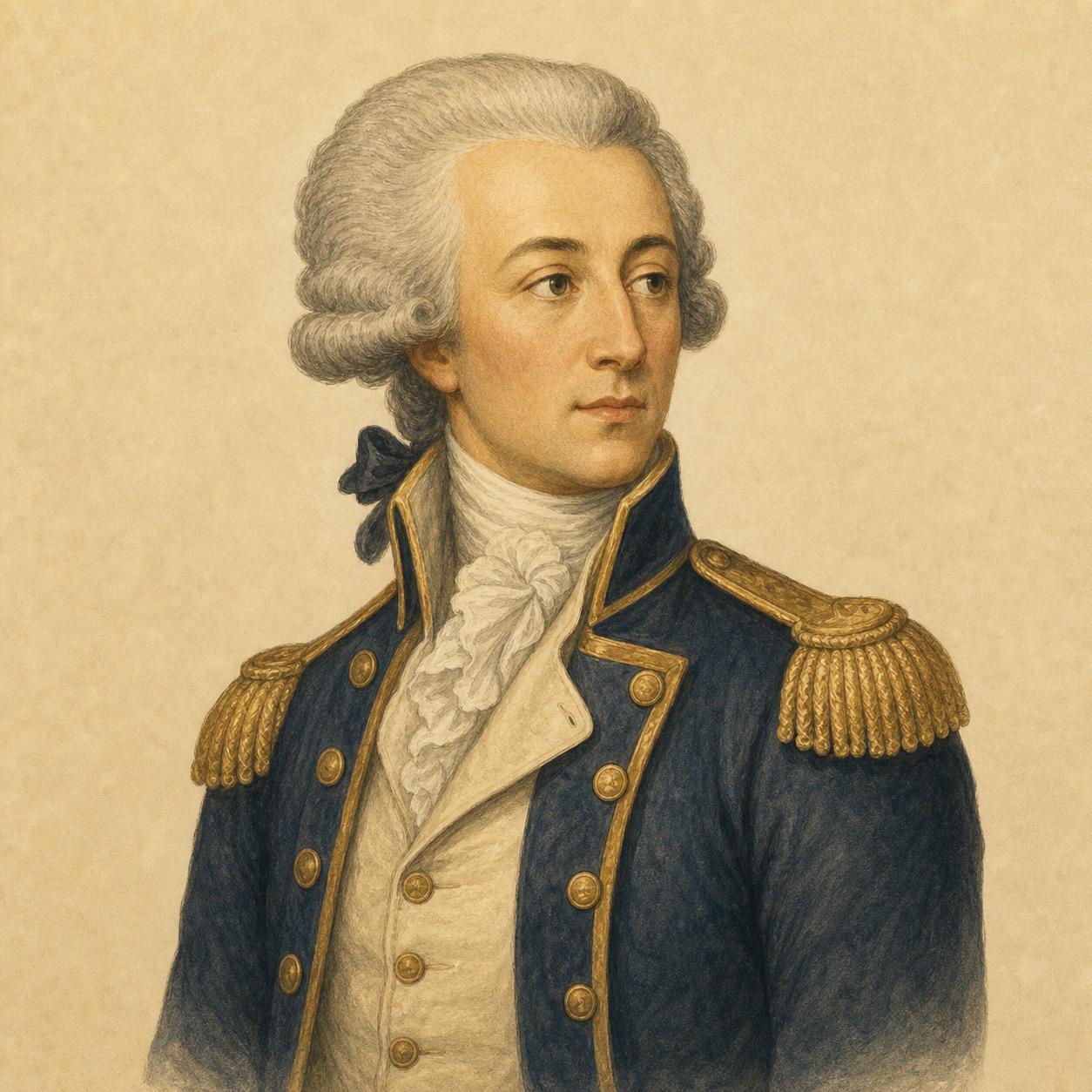
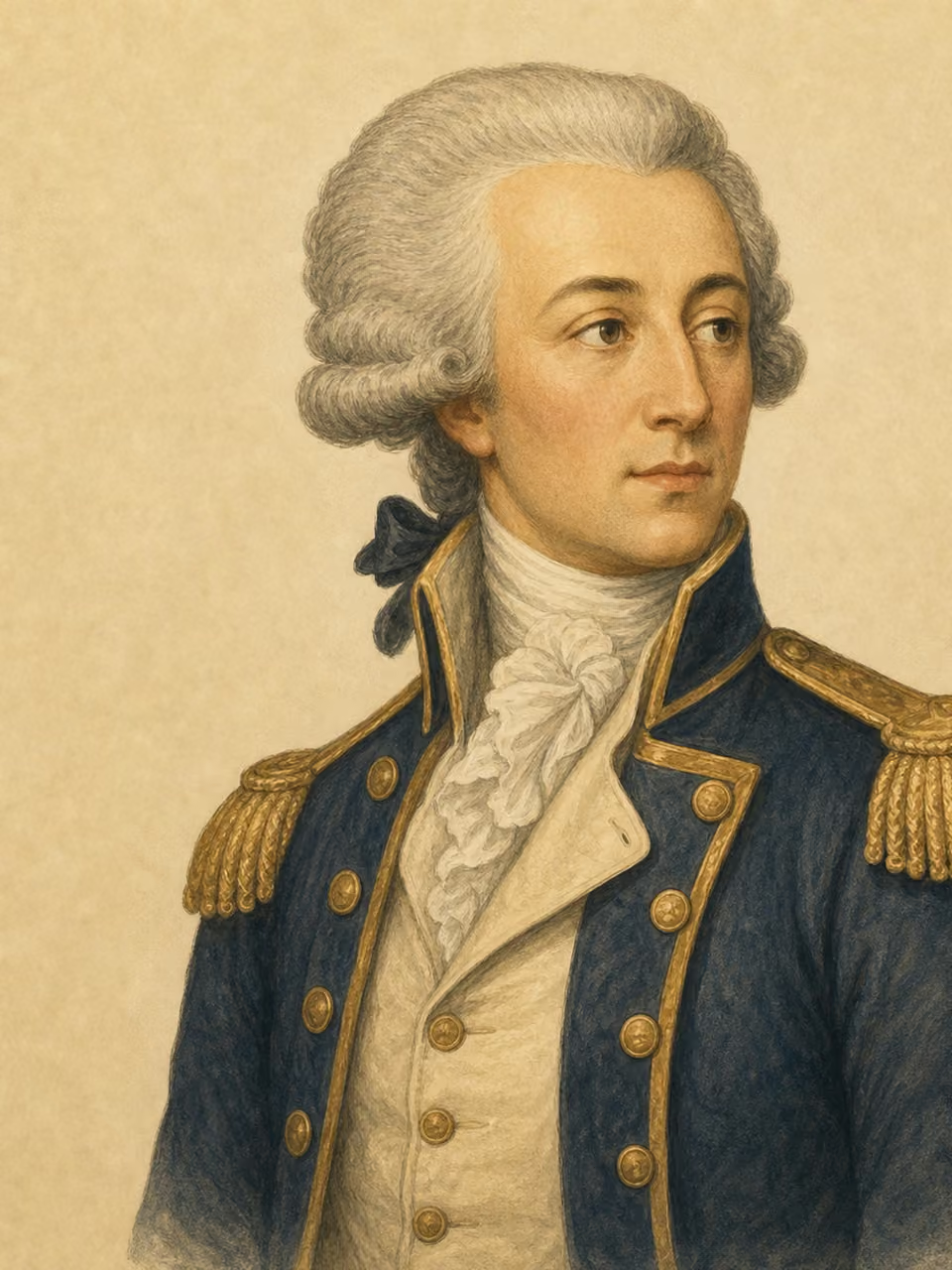
Gilbert du Motier, Marquis de Lafayette
National Guard commander
He commanded Paris's National Guard in 1789 and was involved in the new city's government and security.
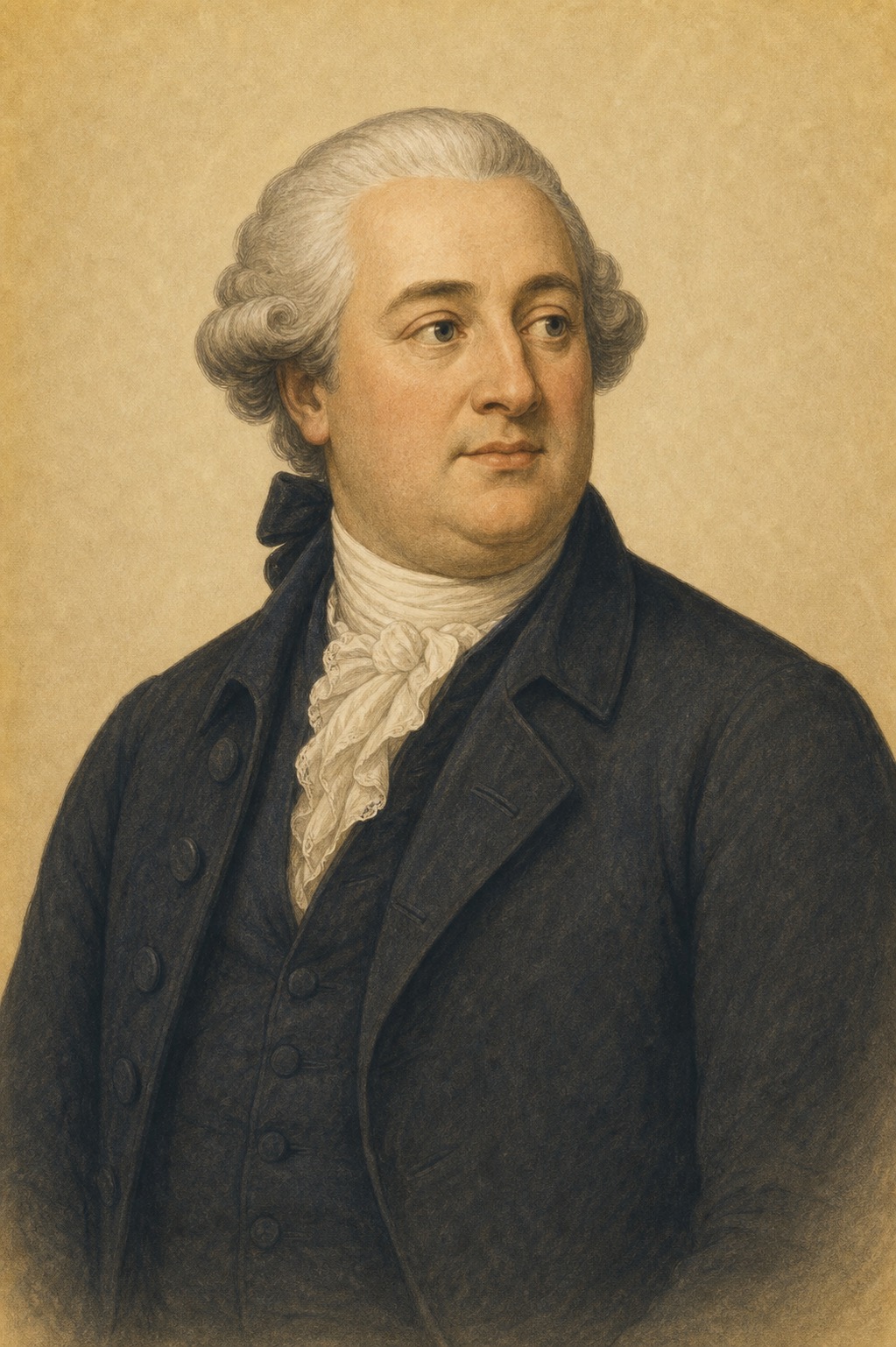
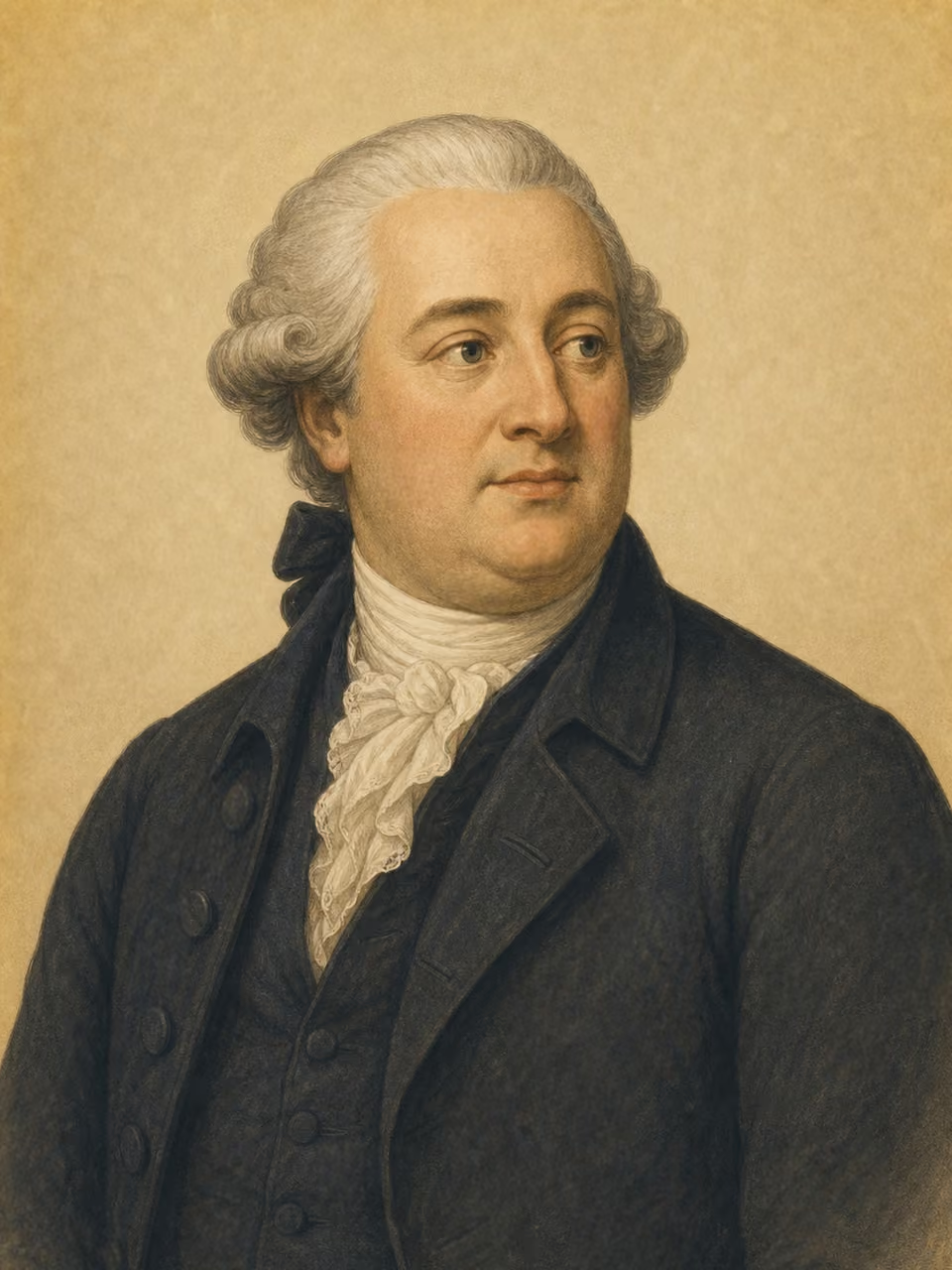
Louis XVI of France
King of France
The king who summoned the Estates-General lost authority as the Revolution advanced and was tried and executed after the monarchy fell.
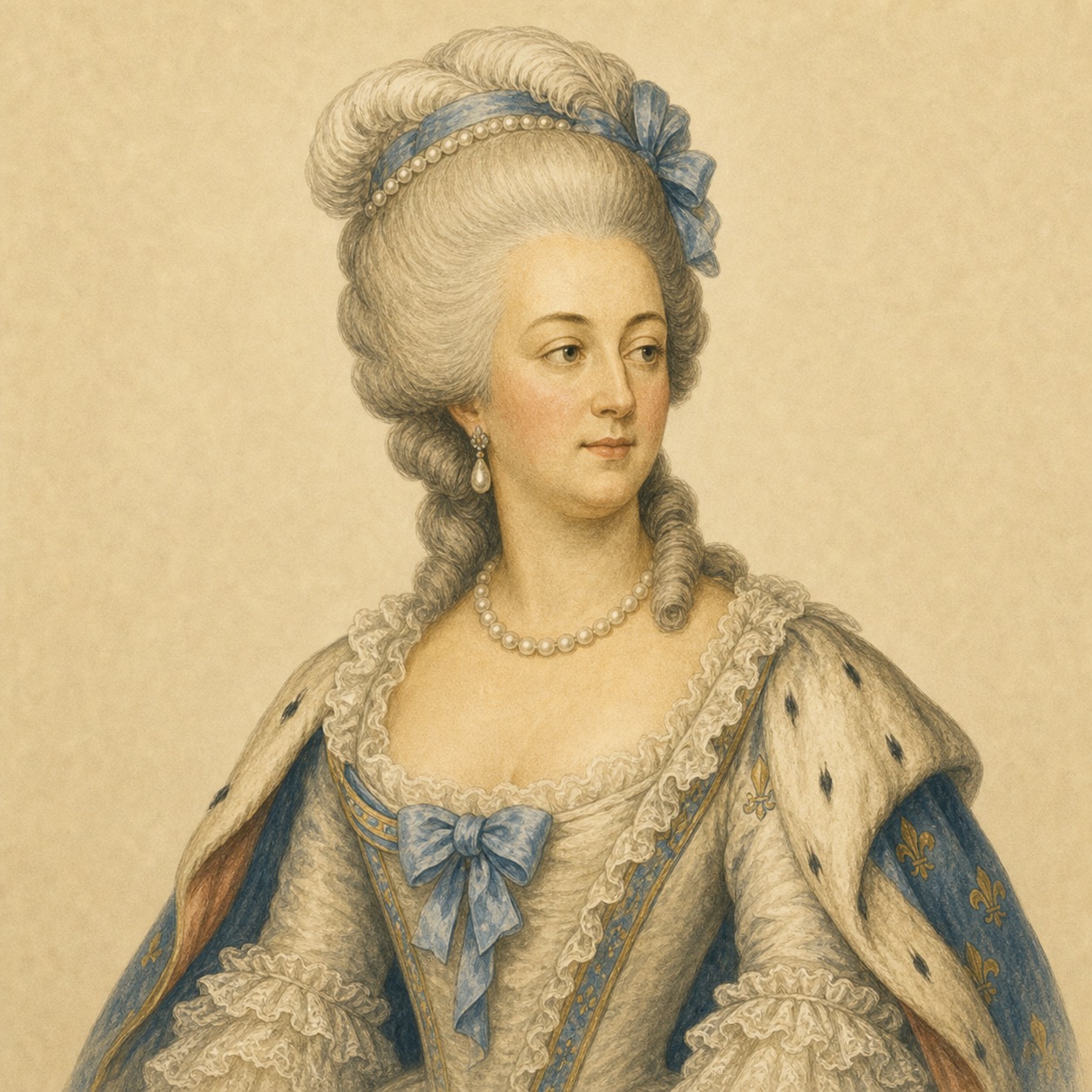
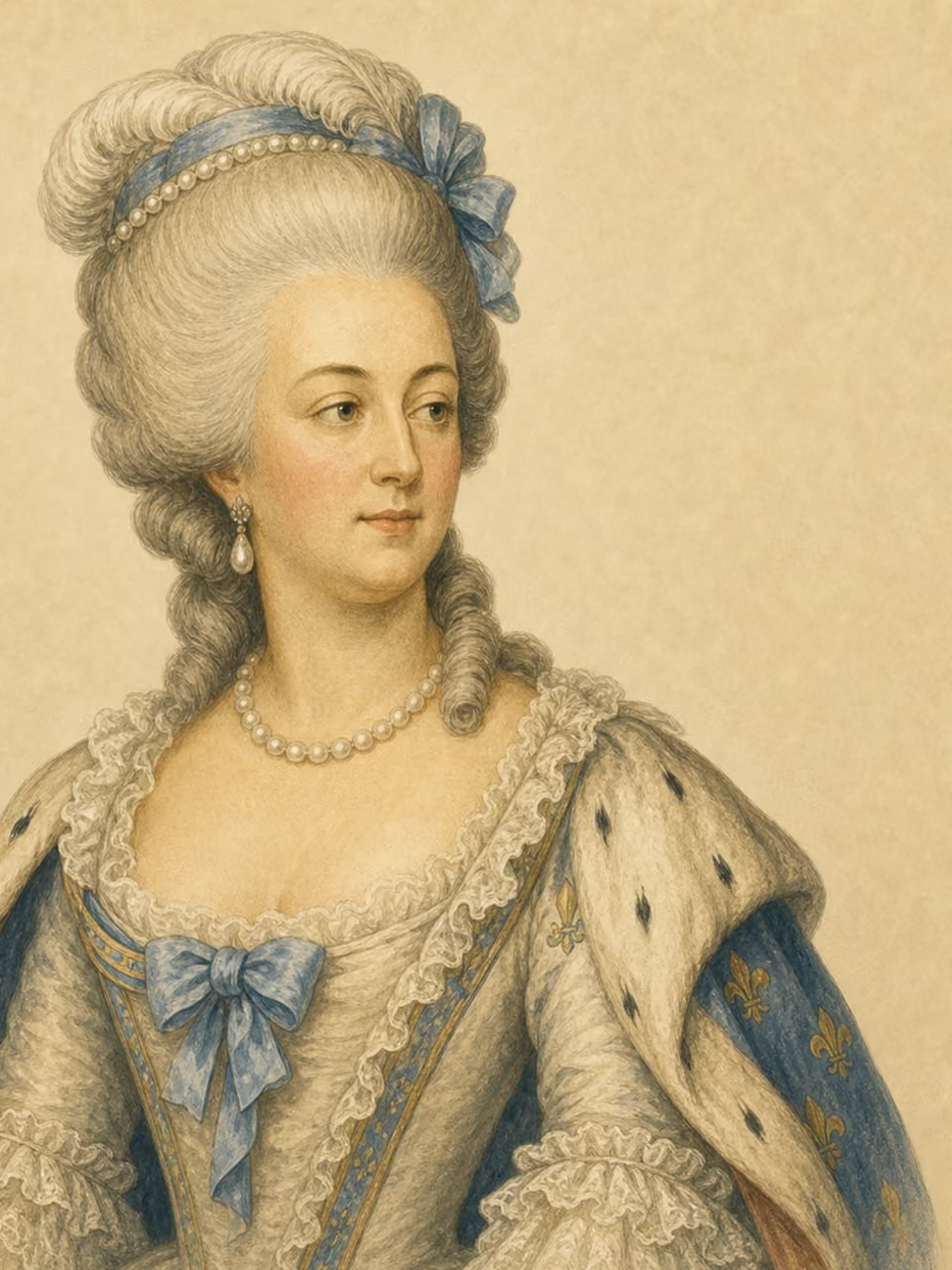
Marie Antoinette
Queen of France
She became a symbolic figure in the royal crisis and collapse of monarchy, then was tried and executed under the Republic.

Related events
1778
France enters the American War
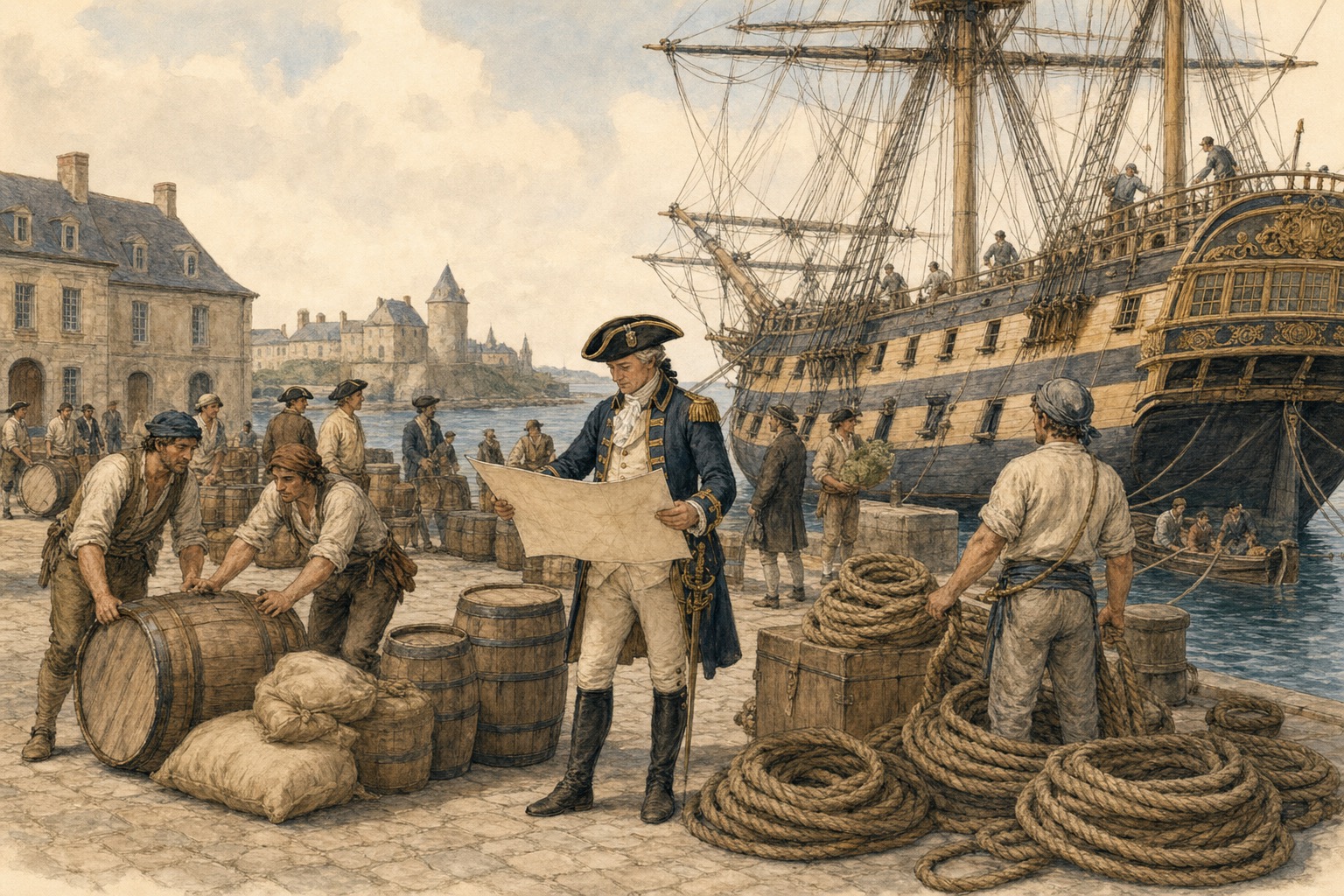
French aid to the American cause raised France's prestige but added war costs and borrowing to its fiscal crisis.
1789
Estates-General convenes
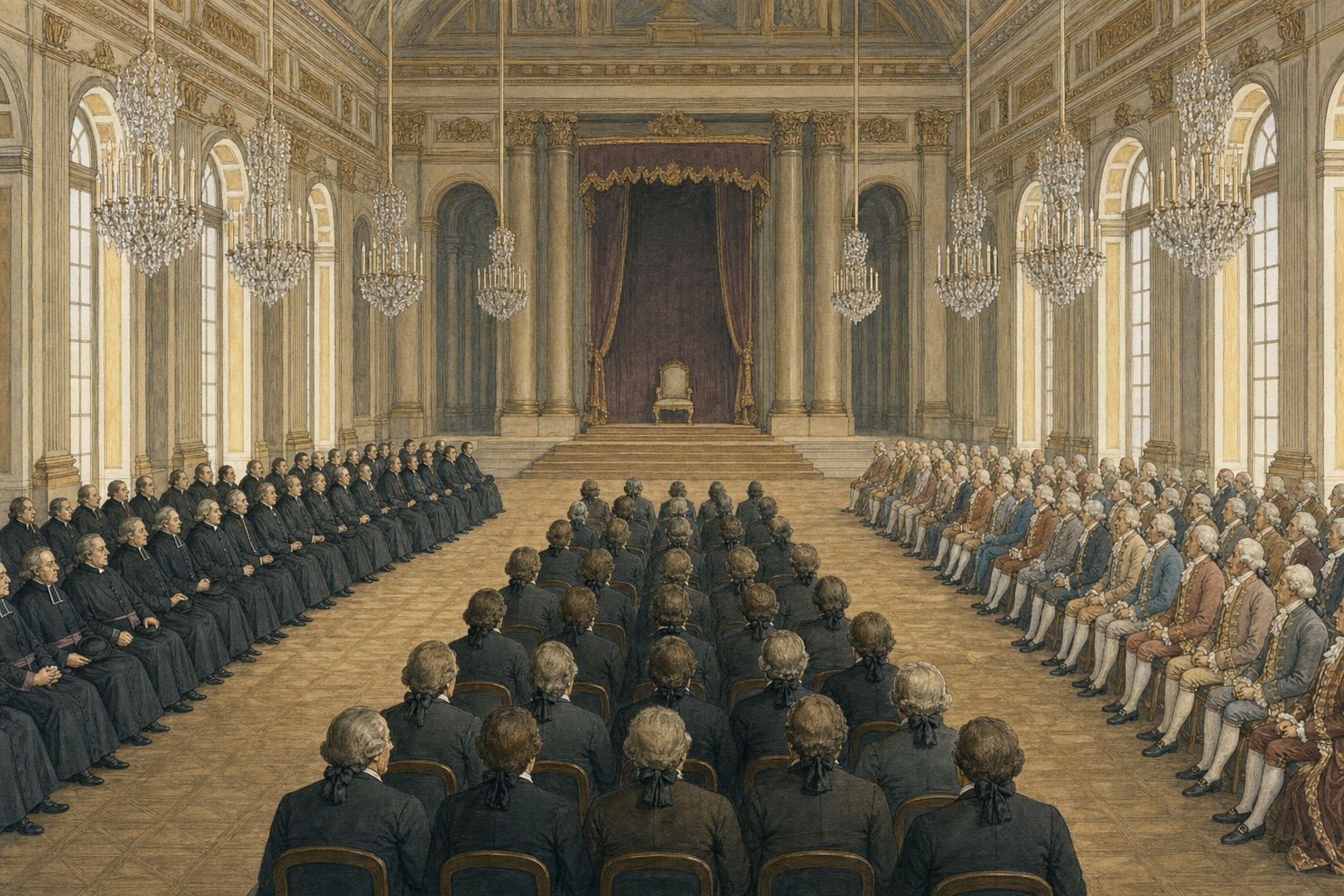
Louis XVI opened the Estates-General in May 1789, bringing disputes over estates and representation into the open.
1789–1799
French Revolution
Current event
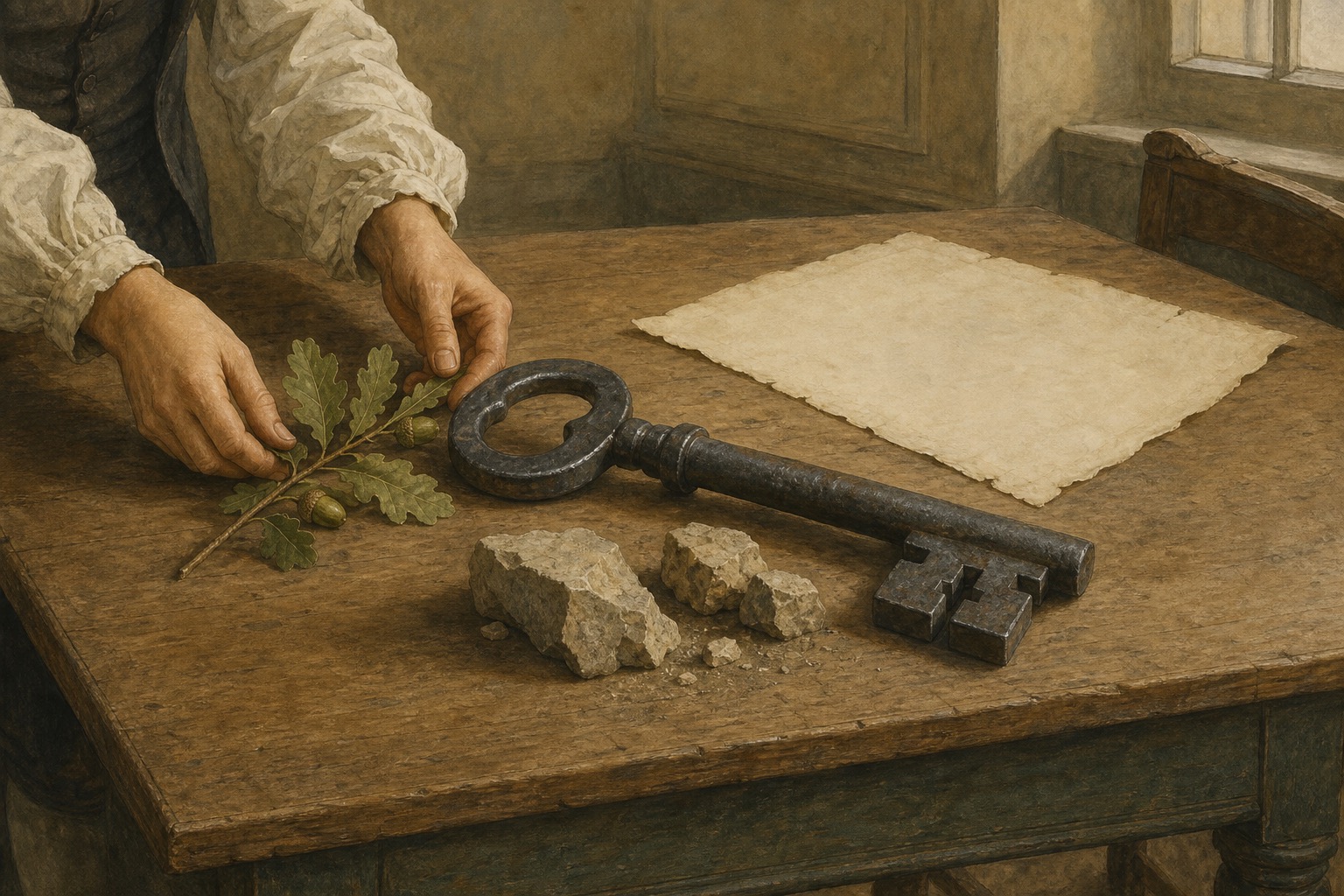
From 1789 to 1799, the Revolution dismantled the old regime and moved France from monarchy to republic.
1792
First French Republic begins

In September 1792 the National Convention abolished the monarchy, and France entered its republican phase.
1799
Coup of 18 Brumaire
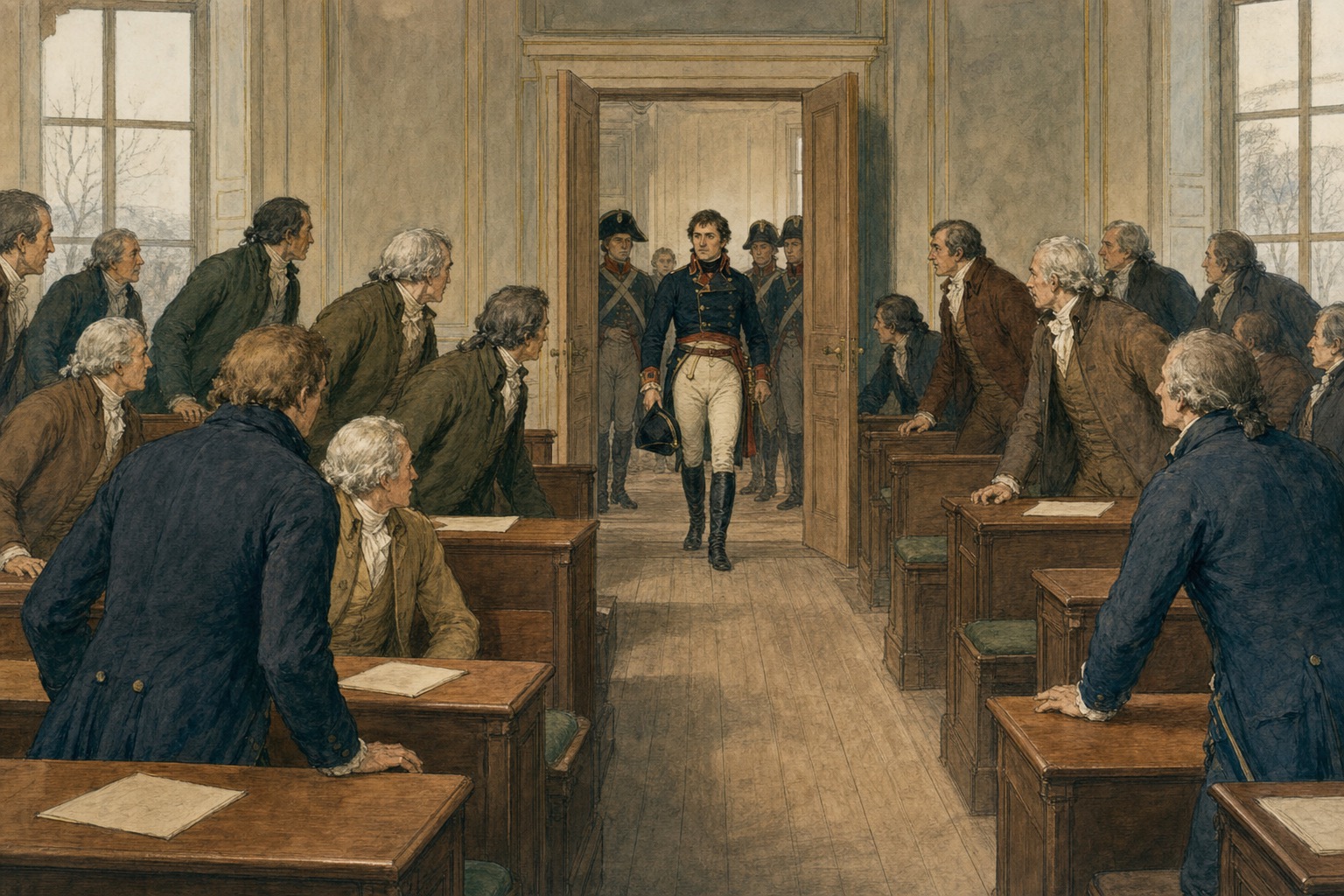
In 1799 Napoleon Bonaparte overthrew the Directory, ending the Revolution's political order.


Sources
- 1789, construire un nouvel ordre politiqueArchives nationalesAn educational resource from the French National Archives on the National Assembly and drafting the Declaration of Rights in 1789.
- The long and short reasons for why Revolution broke out in France in 1789Swansea UniversityA history study guide that sets out the Revolution's fiscal, social, political, and cultural causes.
- French Revolution (Q6534)WikidataStructured data for the Revolution's dates and major associated events.
- Le parcoursMusée Carnavalet – Histoire de ParisA museum guide to the material history of the Estates-General, Bastille, abolition of monarchy, and Republic in Paris.