
German Peasants' War
1524–1525
From 1524 to 1525, peasants and townspeople in German-speaking lands revolted over lordship, labor dues, and communal rights.

- Period
- 1524–1525
- Kind
- Rebellion
- Regions
- Europe
- Keywords
- German Peasants' War · rebellion · early modern · europe
Follow the story · Four stages
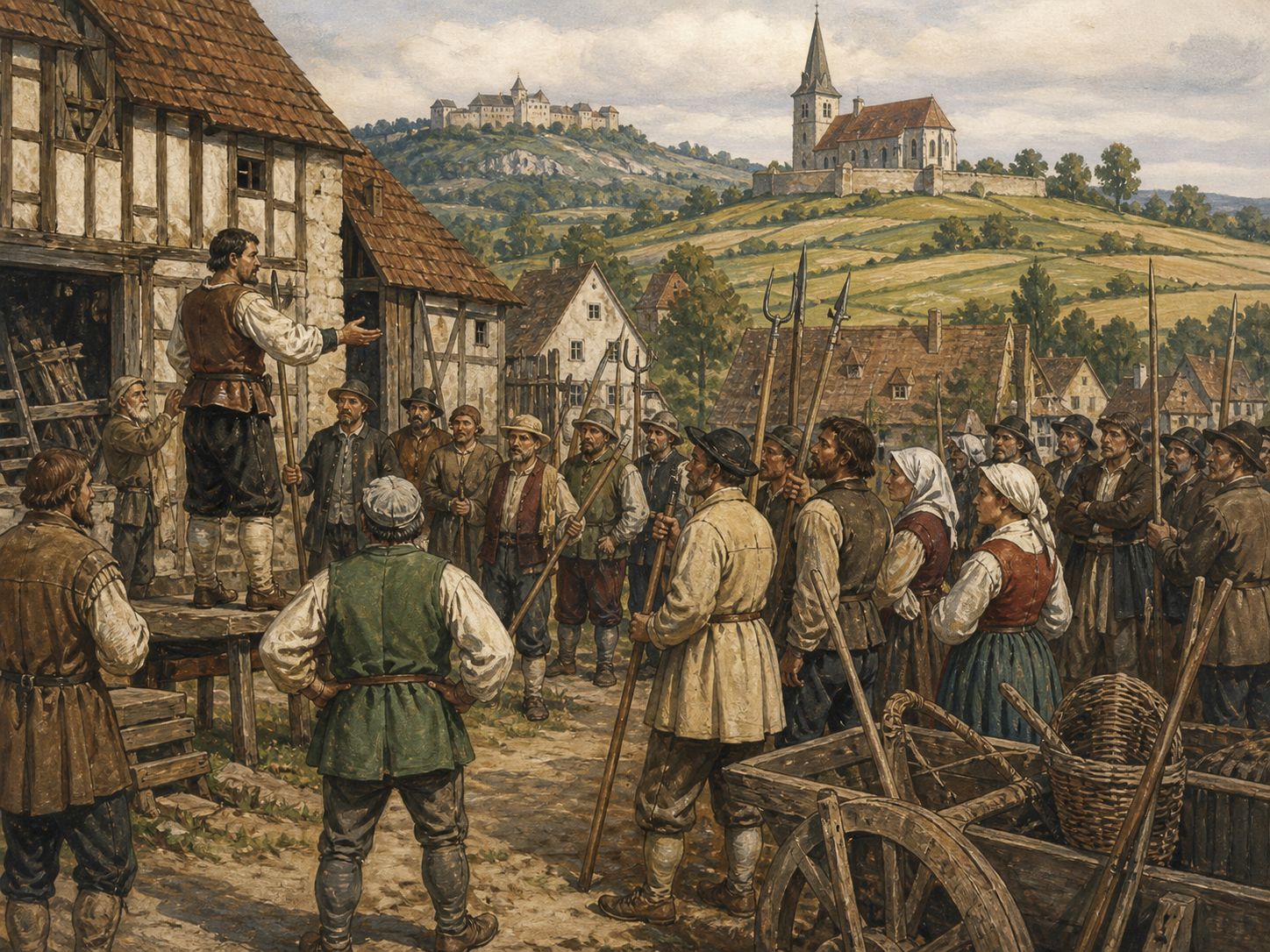
Background
Lordly courts and taxes, restrictions on forests and water, and new Reformation language connected regionally specific grievances.
- Lordly courts and taxes, restrictions on forests and water, and new Reformation language connected regionally specific grievances.
- Core event: From 1524 to 1525, peasants and townspeople in German-speaking lands revolted over lordship, labor dues, and communal rights.
- Connection to the next stage: Peasants articulated demands such as the Twelve Articles, while princely armies divided and suppressed the uprisings.
Course
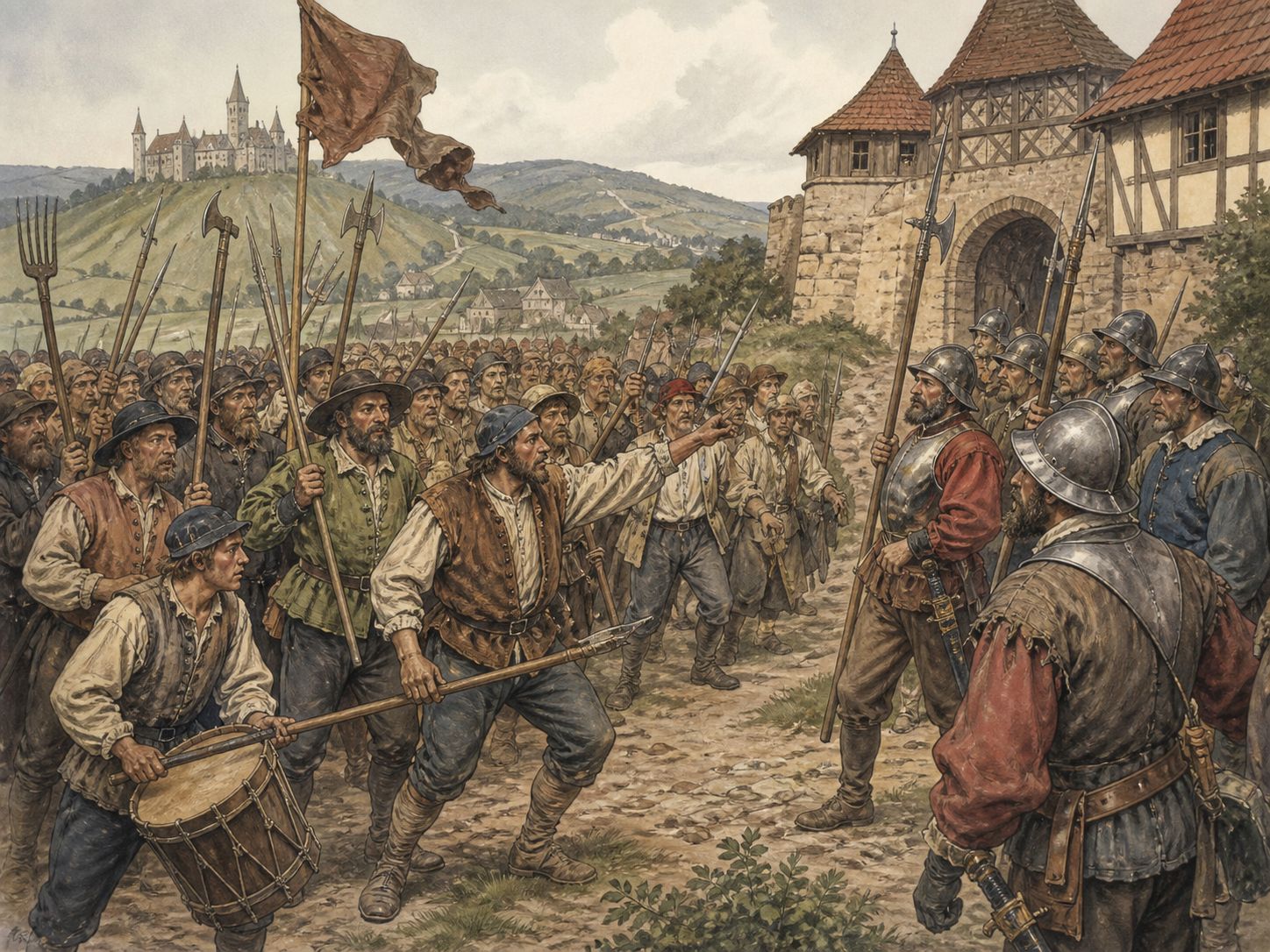
Peasants articulated demands such as the Twelve Articles, while princely armies divided and suppressed the uprisings.
- Peasants articulated demands such as the Twelve Articles, while princely armies divided and suppressed the uprisings.
- Conditions behind the action: Lordly courts and taxes, restrictions on forests and water, and new Reformation language connected regionally specific grievances.
- Meaning of the turning point: From 1524 to 1525, peasants and townspeople in German-speaking lands revolted over lordship, labor dues, and communal rights.
Outcome
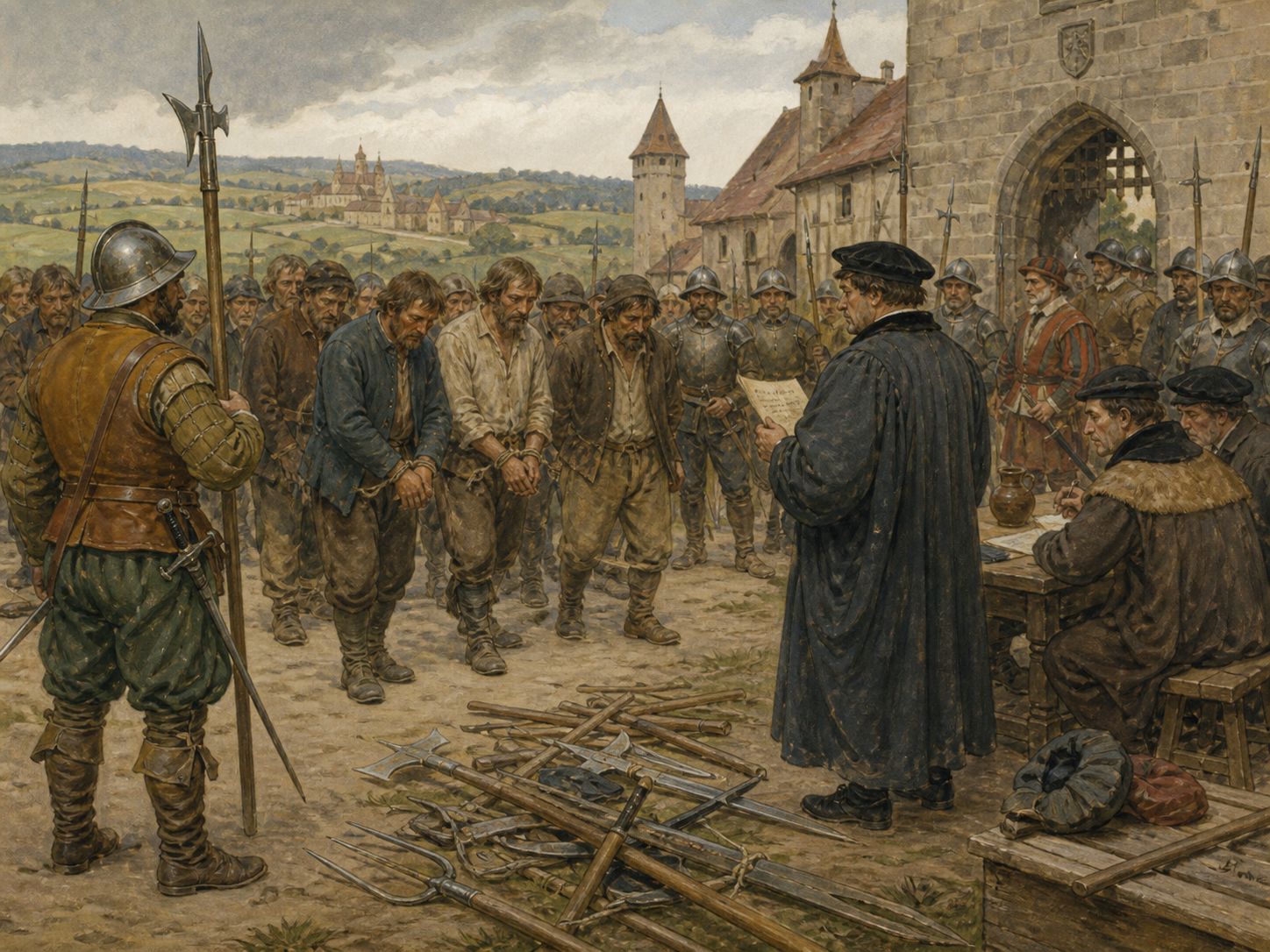
Tens of thousands were killed and most demands were rejected, though the legitimacy of lordship was openly debated.
- Tens of thousands were killed and most demands were rejected, though the legitimacy of lordship was openly debated.
- Process producing the result: Peasants articulated demands such as the Twelve Articles, while princely armies divided and suppressed the uprisings.
- Question carried forward: The Peasants’ War shows the Reformation as a movement over communal law and social order, not only a dispute about doctrine.
Historical significance
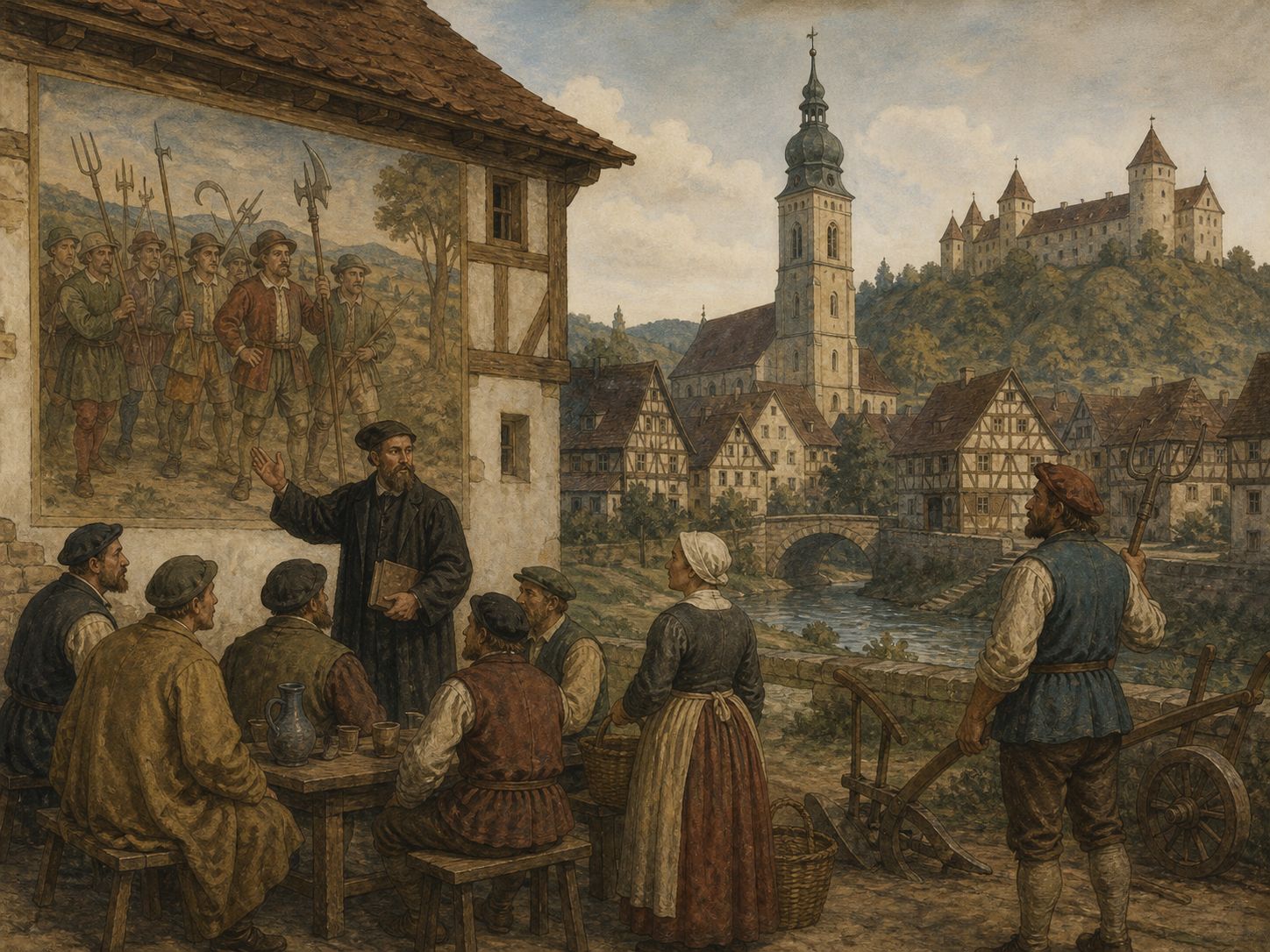
The Peasants’ War shows the Reformation as a movement over communal law and social order, not only a dispute about doctrine.
- The Peasants’ War shows the Reformation as a movement over communal law and social order, not only a dispute about doctrine.
- Immediate consequence: Tens of thousands were killed and most demands were rejected, though the legitimacy of lordship was openly debated.
- Historical turning point: From 1524 to 1525, peasants and townspeople in German-speaking lands revolted over lordship, labor dues, and communal rights.


Related figures
Related events
c. 1523
Prelude
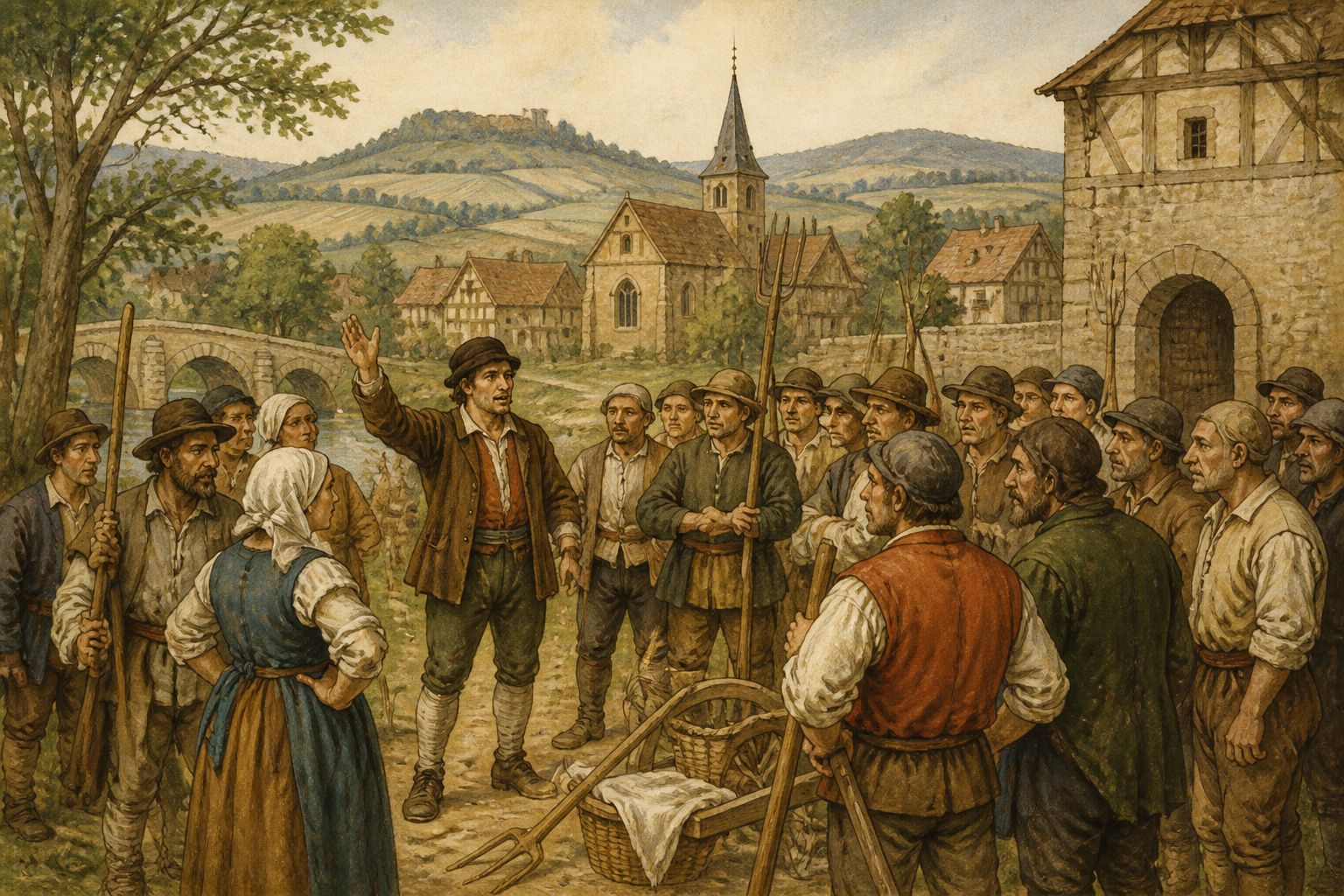
Prelude — Background: Lordly courts and taxes, restrictions on forests and water, and new Reformation language connected regionally specific grievances.
c. 1523
Turning point
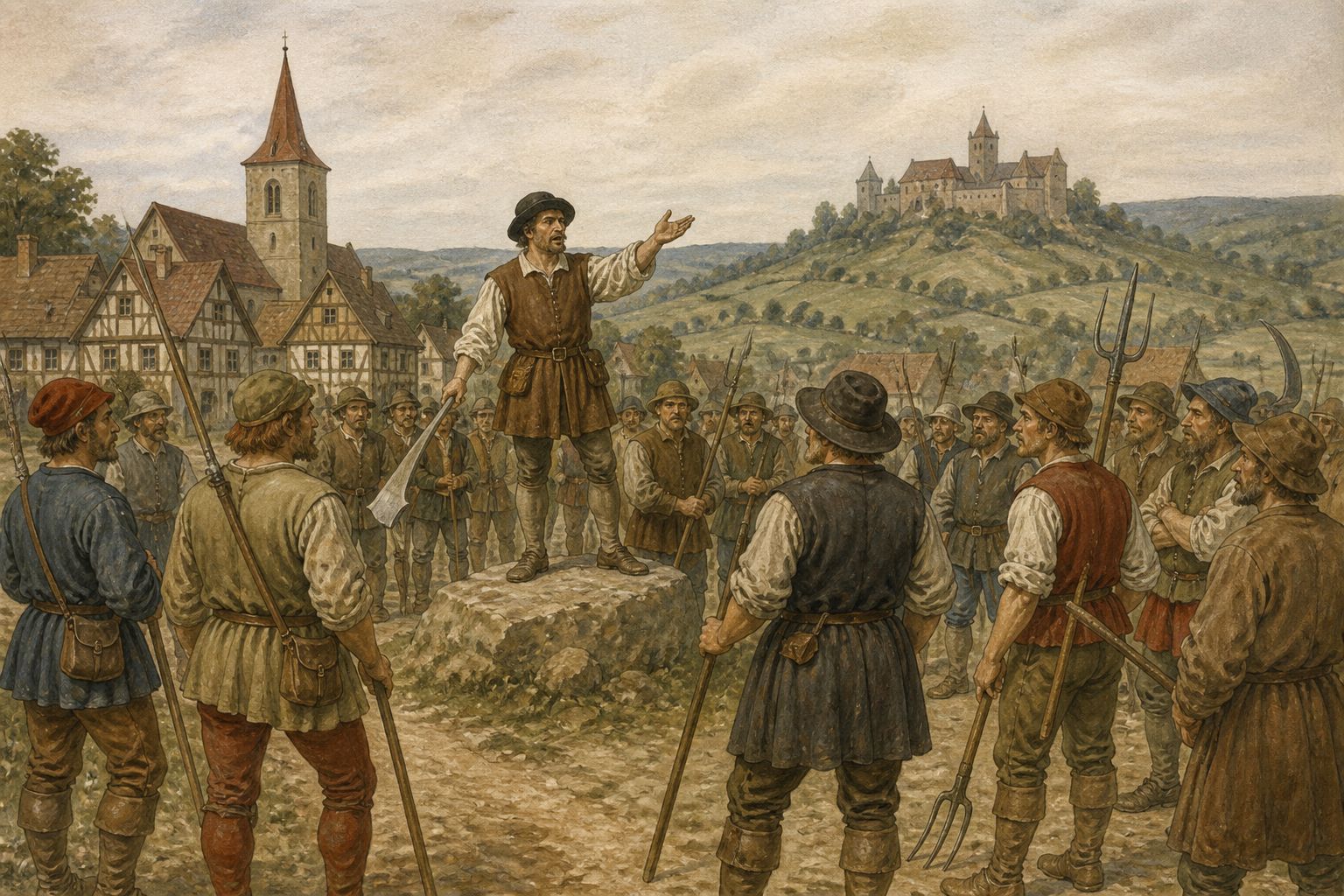
Turning point — Build-up: Peasants articulated demands such as the Twelve Articles, while princely armies divided and suppressed the uprisings.
1524–1525
German Peasants' War
Current event
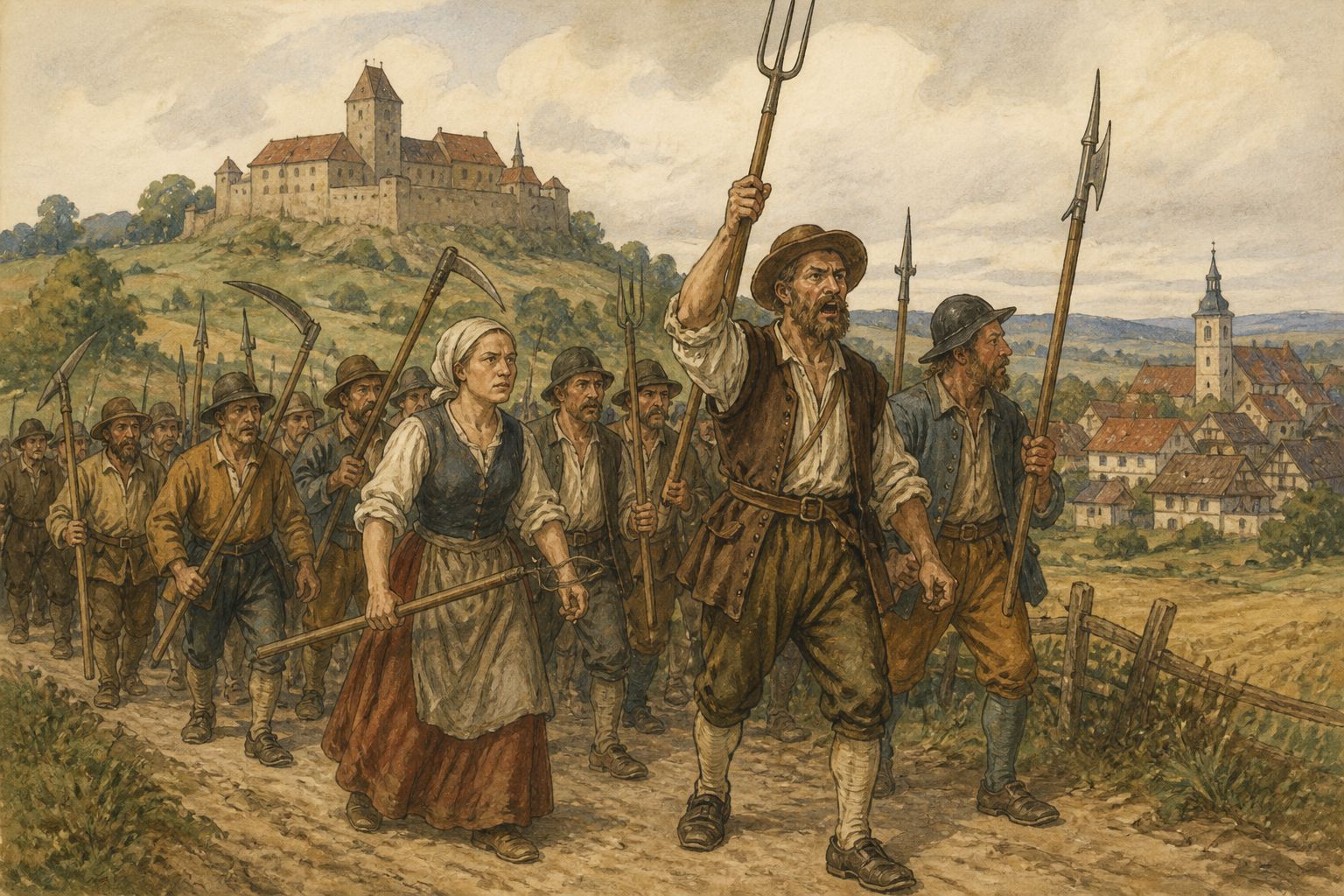
German Peasants' War — Central transition: From 1524 to 1525, peasants and townspeople in German-speaking lands revolted over lordship, labor dues, and communal rights.
c. 1526
Immediate aftermath
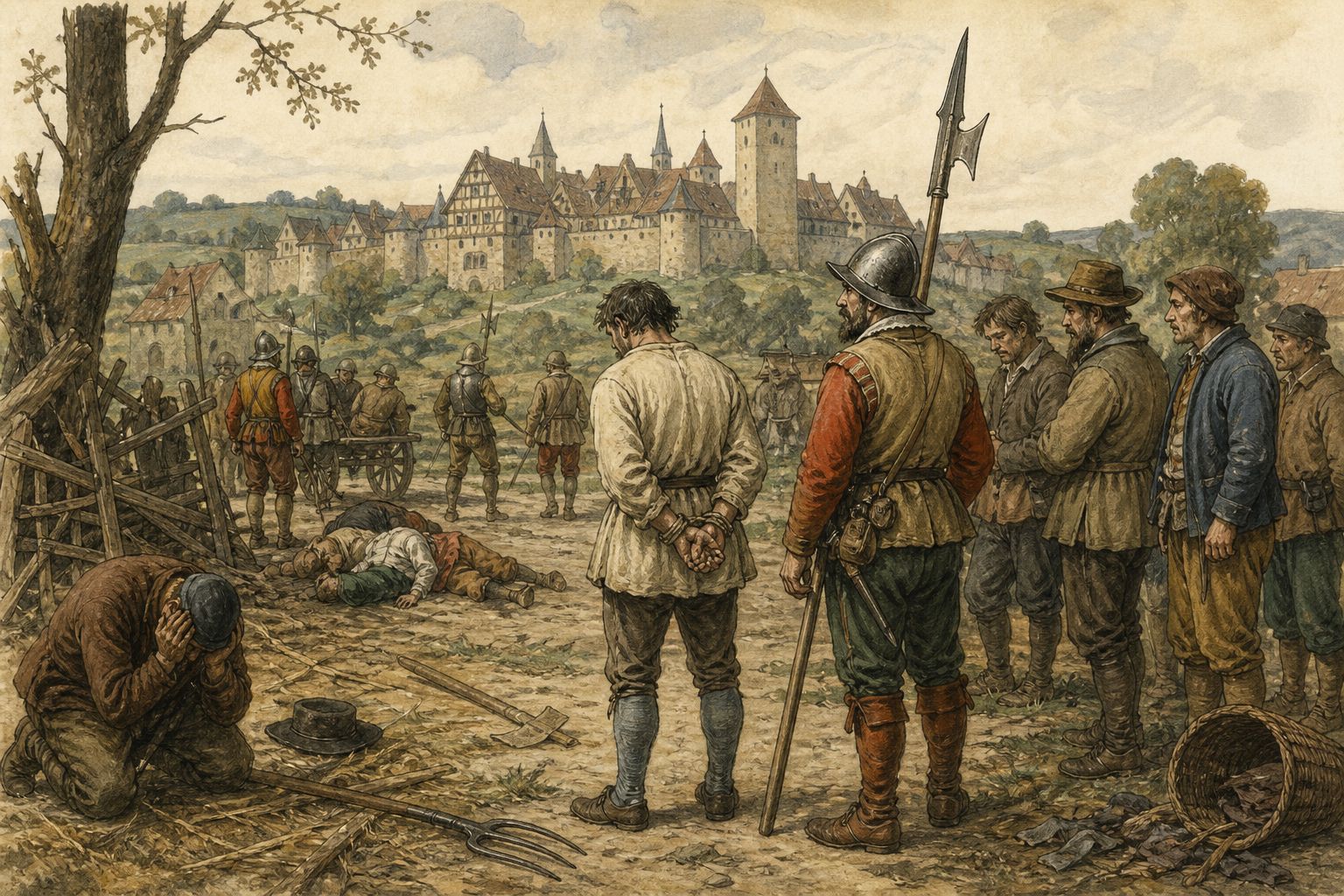
Immediate aftermath — Immediate result: Tens of thousands were killed and most demands were rejected, though the legitimacy of lordship was openly debated.
c. 1535
Long-term significance
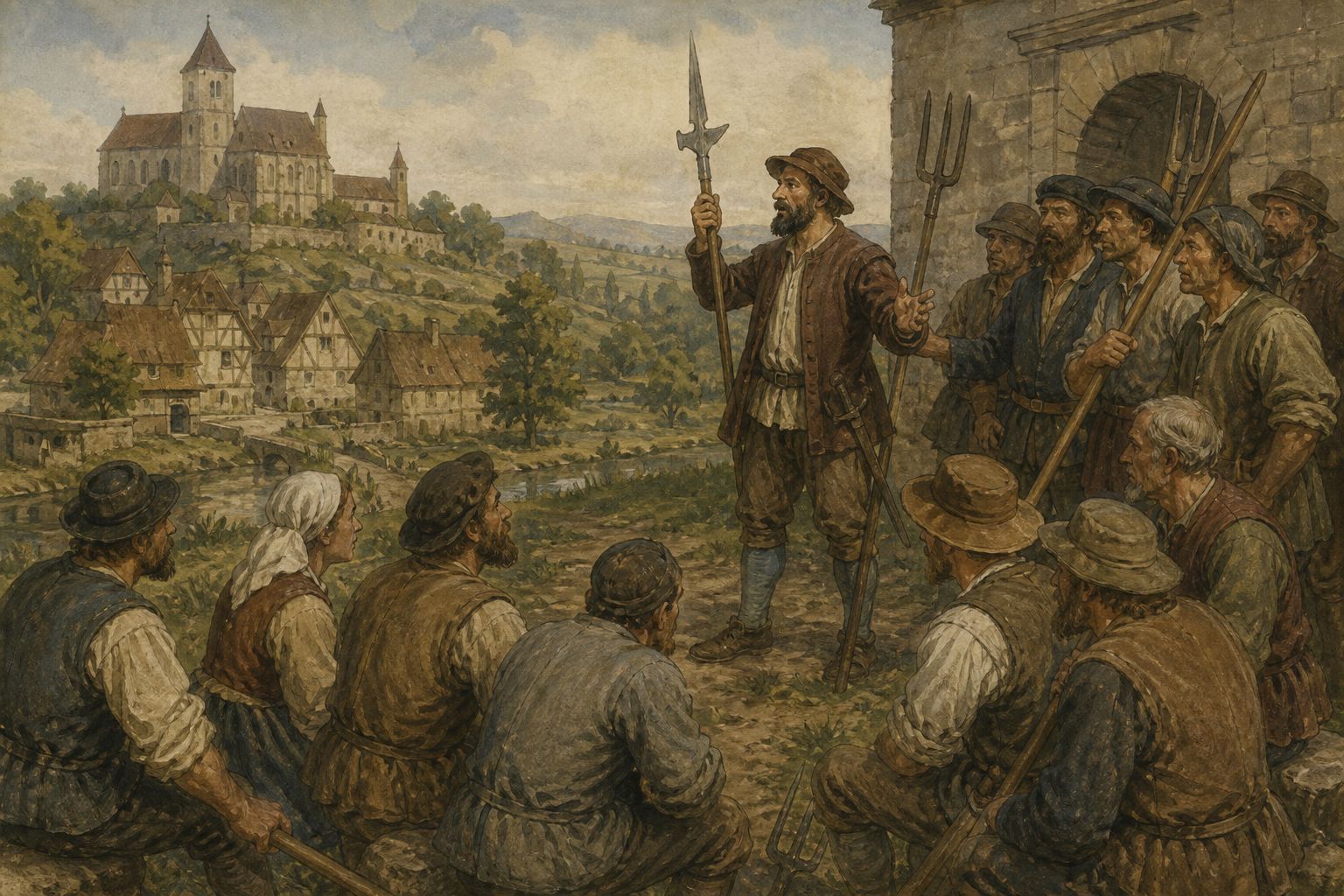
Long-term significance — Long-term significance: The Peasants’ War shows the Reformation as a movement over communal law and social order, not only a dispute about doctrine.


Sources
- German Peasants' War — Grievances And Demands The Twelve Articles Of The Swabian Peasants February 27 March 1 1525 (Germanhistorydocs)germanhistorydocs.orgThis Germanhistorydocs resource supports the chronology, setting, and course of German Peasants' War.
- German Peasants' War — Introduction (Germanhistorydocs)germanhistorydocs.orgThis Germanhistorydocs resource supports the chronology, setting, and course of German Peasants' War.
- German Peasants' War — Dres1 (Library of Congress)loc.govThis Library of Congress resource supports the chronology, setting, and course of German Peasants' War.