
Gulf War
1990–1991
From Iraq’s invasion of Kuwait in August 1990 to the February 1991 ceasefire, United Nations resolutions and a U.S.-led coalition fought to liberate Kuwait.

- Period
- 1990–1991
- Kind
- Conference
- Regions
- Oceania
- Keywords
- Gulf War · Operation Desert Storm · Iraqi invasion of Kuwait · conference · contemporary · oceania
Follow the story · Four stages
Background
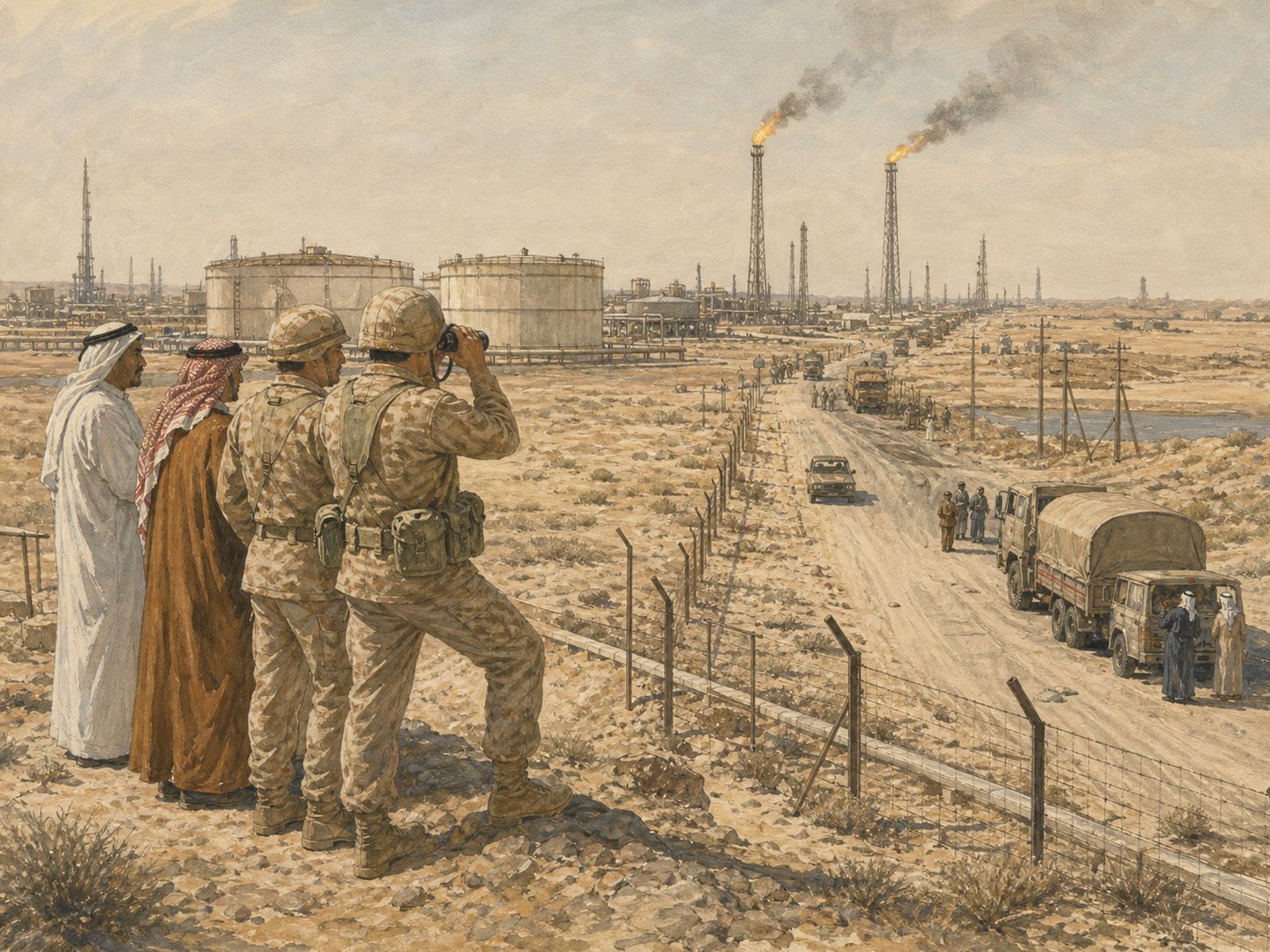
Post-Iran–Iraq War debt, disputes over oil and borders, and tensions between Iraq and Kuwait combined to produce a regional security crisis.
- Post-Iran–Iraq War debt, disputes over oil and borders, and tensions between Iraq and Kuwait combined to produce a regional security crisis.
- Core event: From Iraq’s invasion of Kuwait in August 1990 to the February 1991 ceasefire, United Nations resolutions and a U.S.-led coalition fought to liberate Kuwait.
- Connection to the next stage: After Iraq invaded Kuwait, sanctions and diplomacy were followed by a coalition buildup in Saudi Arabia. Air strikes and a ground campaign forced Iraqi forces to withdraw.
Course
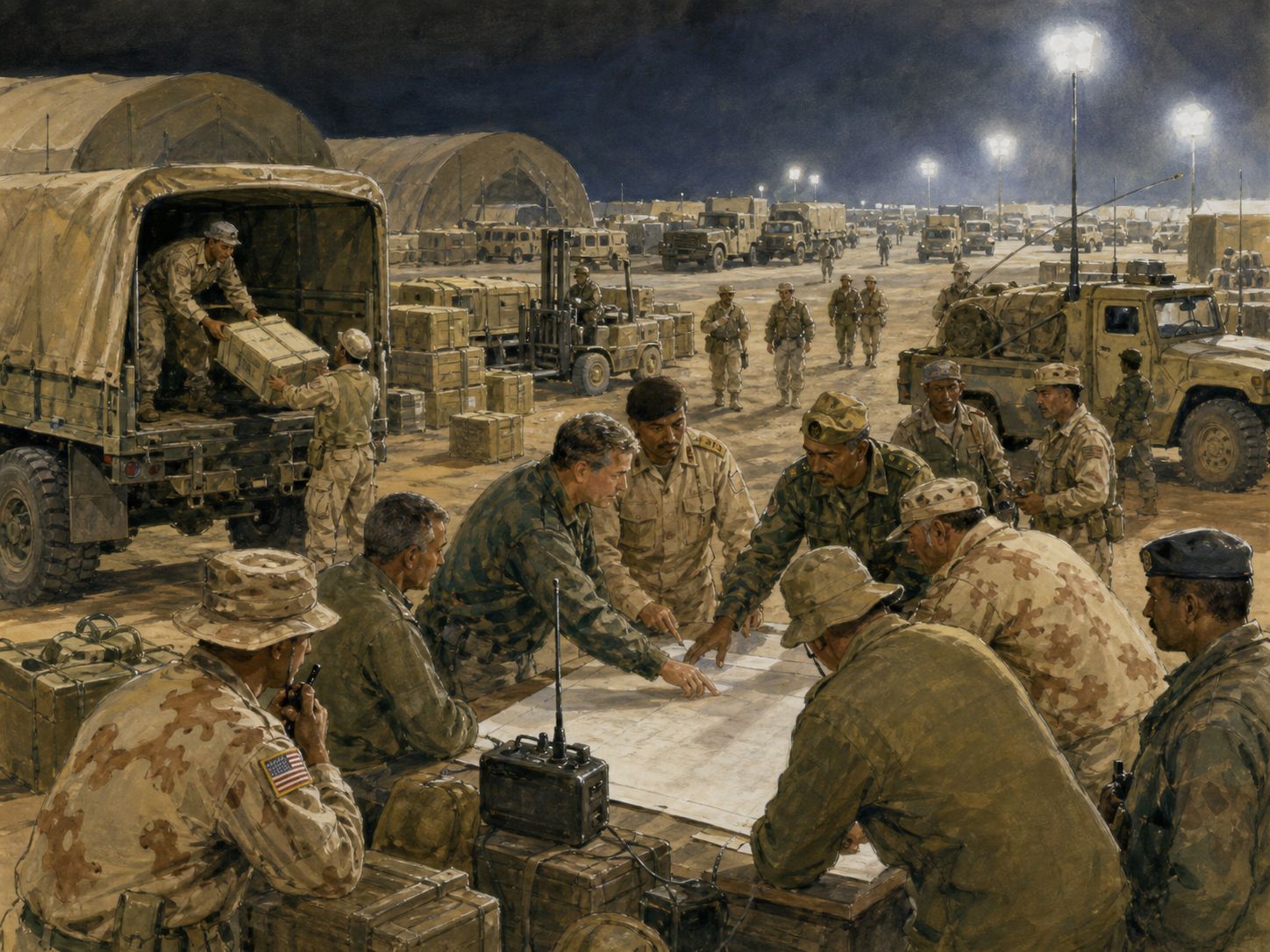
After Iraq invaded Kuwait, sanctions and diplomacy were followed by a coalition buildup in Saudi Arabia. Air strikes and a ground campaign forced Iraqi forces to withdraw.
- After Iraq invaded Kuwait, sanctions and diplomacy were followed by a coalition buildup in Saudi Arabia.
- Air strikes and a ground campaign forced Iraqi forces to withdraw.
- Conditions behind the action: Post-Iran–Iraq War debt, disputes over oil and borders, and tensions between Iraq and Kuwait combined to produce a regional security crisis.
Outcome
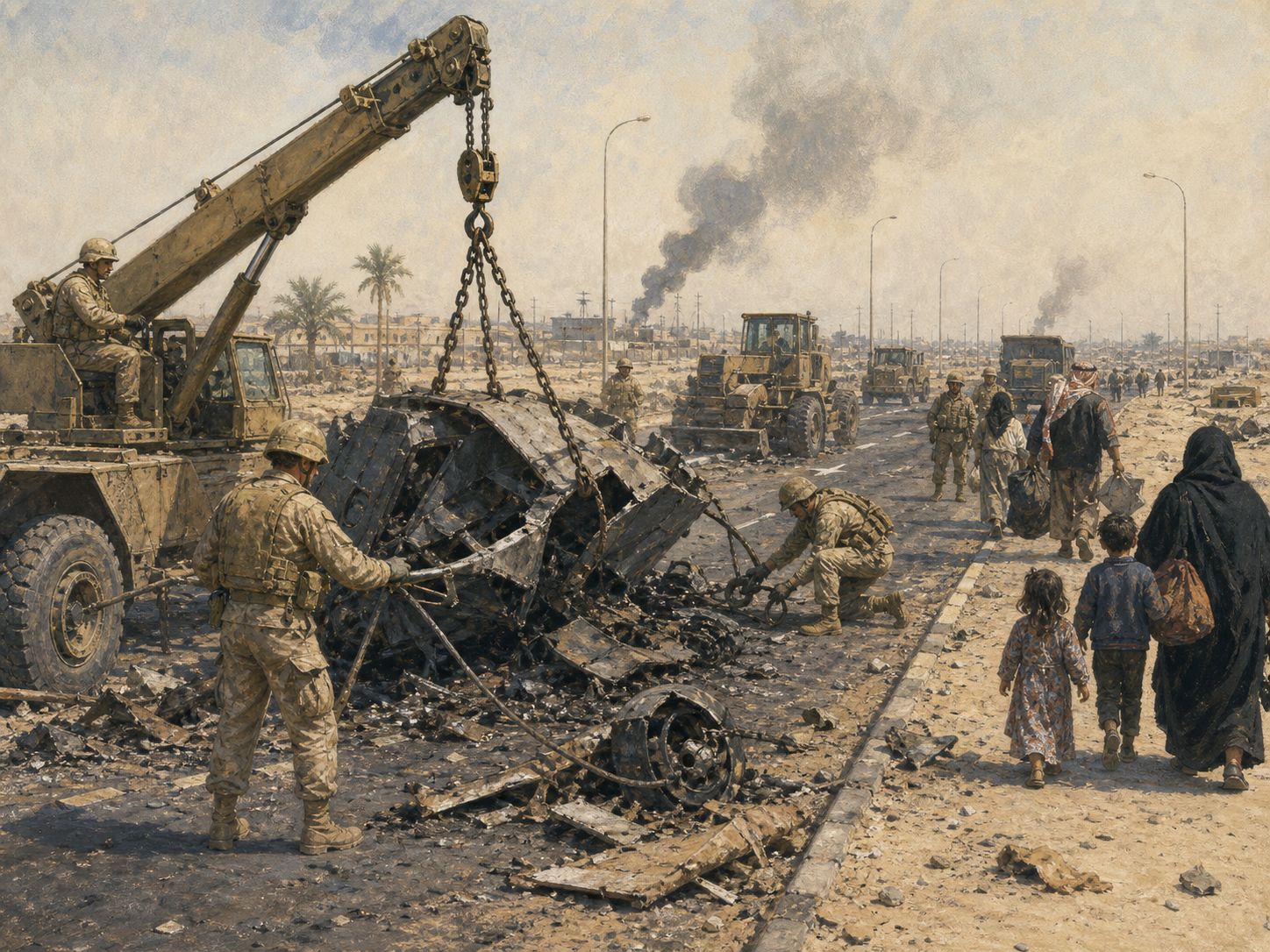
Kuwait was liberated, but sanctions, weapons inspections, uprisings, and the continuing U.S. military presence reshaped Gulf politics and helped set the context for the 2003 Iraq War.
- Kuwait was liberated, but sanctions, weapons inspections, uprisings, and the continuing U.S. military presence reshaped Gulf politics and helped set the context for the 2003 Iraq War.
- Process producing the result: After Iraq invaded Kuwait, sanctions and diplomacy were followed by a coalition buildup in Saudi Arabia. Air strikes and a ground campaign forced Iraqi forces to withdraw.
- Question carried forward: The Gulf War displayed post–Cold War collective security and U.S. military dominance, while also exposing the long-term consequences of oil politics, bases, civilian harm, and sanctions.
Historical significance
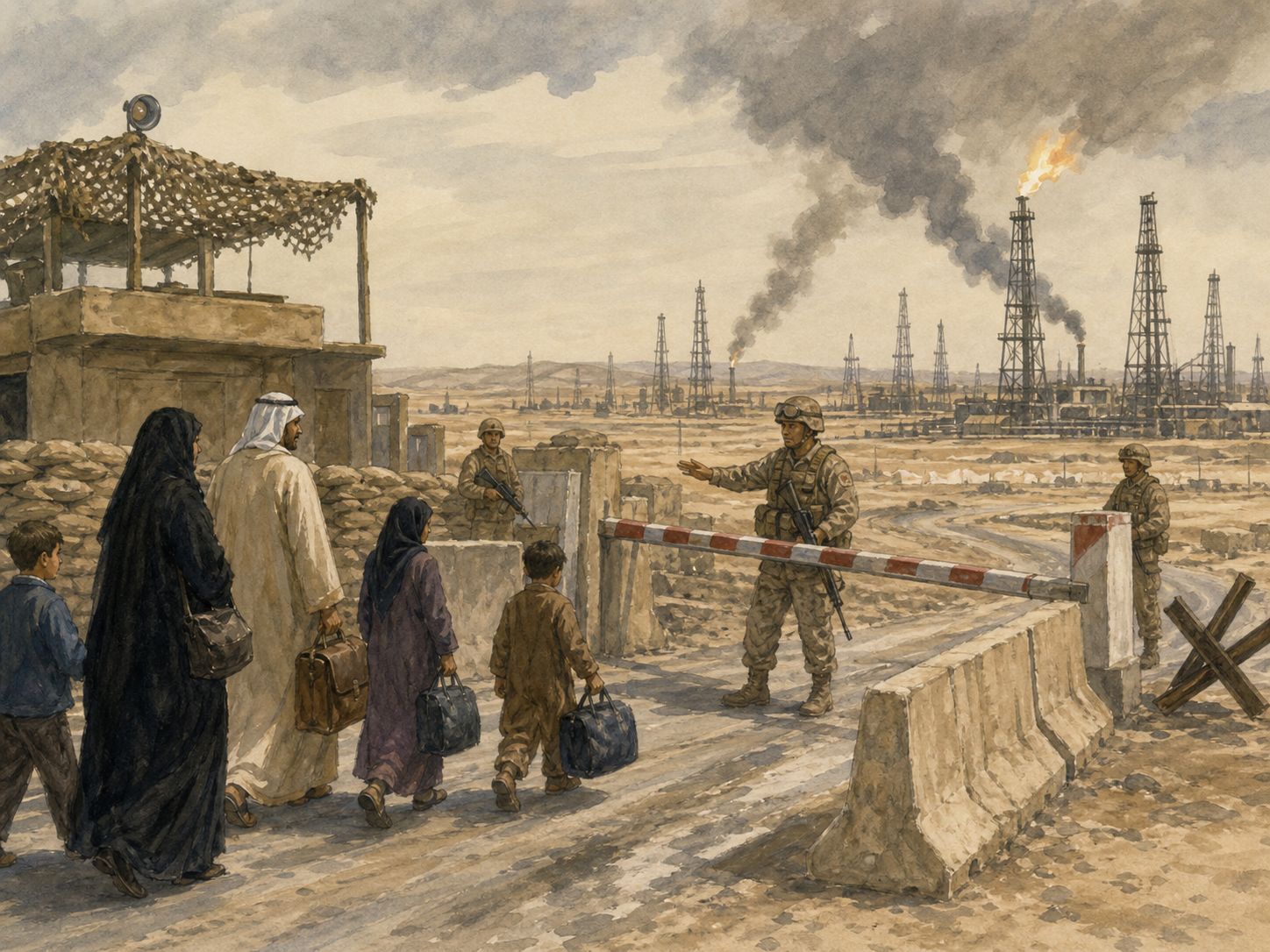
The Gulf War displayed post–Cold War collective security and U.S. military dominance, while also exposing the long-term consequences of oil politics, bases, civilian harm, and sanctions.
- The Gulf War displayed post–Cold War collective security and U.S. military dominance, while also exposing the long-term consequences of oil politics, bases, civilian harm, and sanctions.
- Immediate consequence: Kuwait was liberated, but sanctions, weapons inspections, uprisings, and the continuing U.S. military presence reshaped Gulf politics and helped set the context for the 2003 Iraq War.
- Historical turning point: From Iraq’s invasion of Kuwait in August 1990 to the February 1991 ceasefire, United Nations resolutions and a U.S.-led coalition fought to liberate Kuwait.


Related events
1988–1990
Debt, oil, and Iraq–Kuwait tensions
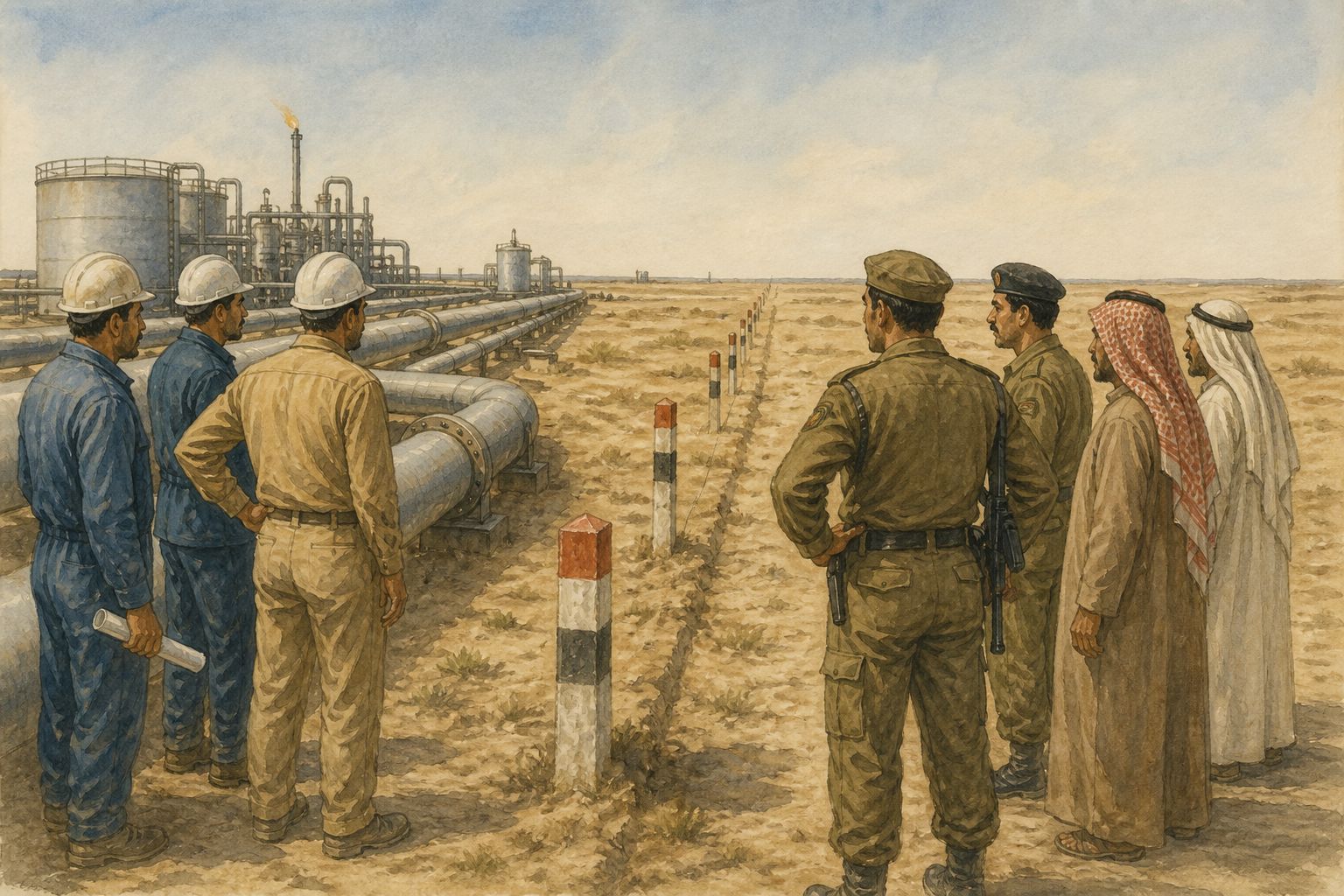
Debt, oil, and Iraq–Kuwait tensions — Background: Post-Iran–Iraq War debt, disputes over oil and borders, and tensions between Iraq and Kuwait combined to produce a regional security crisis.
1990–1990
Iraq invades Kuwait
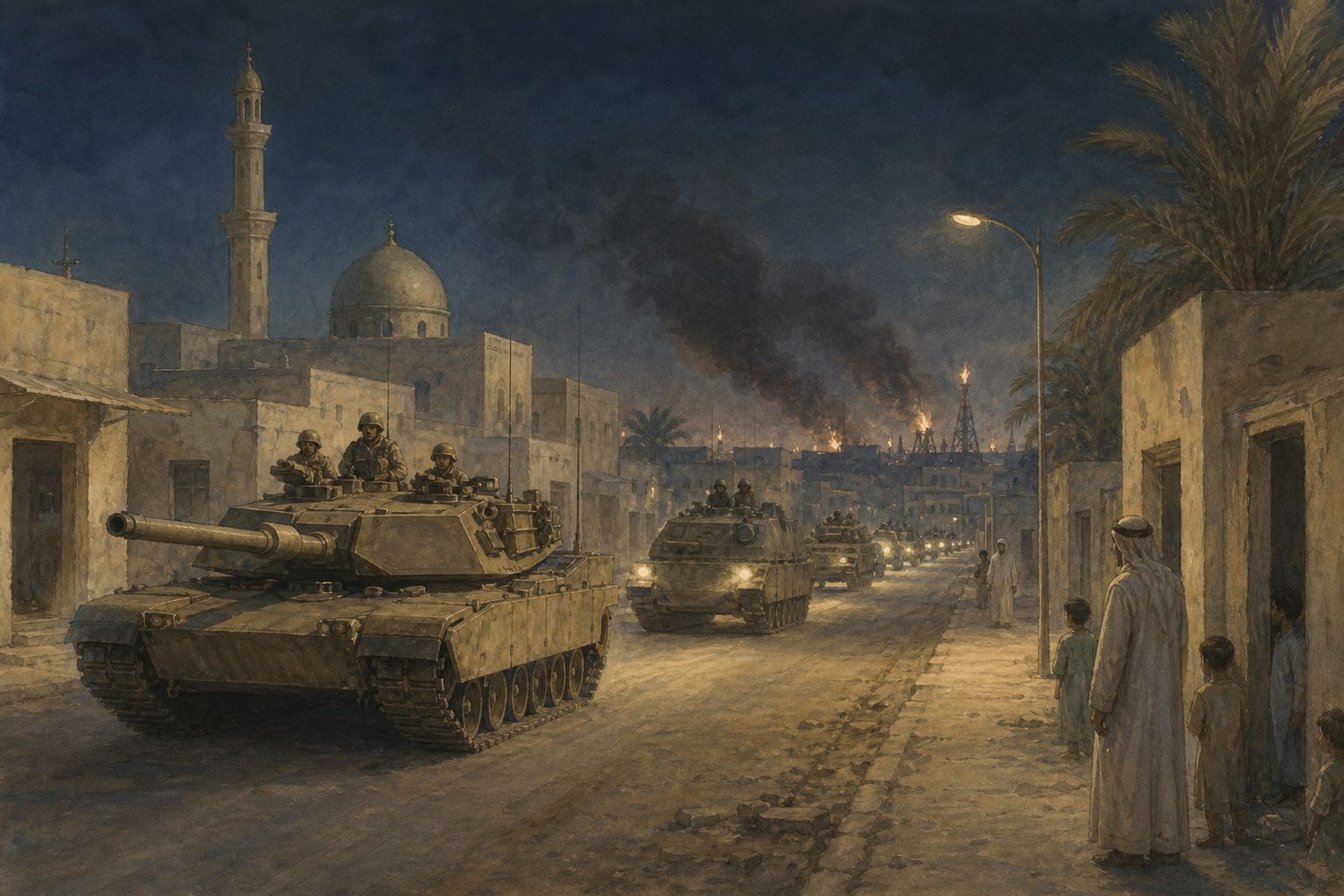
Iraq invades Kuwait — Build-up: After Iraq invaded Kuwait, sanctions and diplomacy were followed by a coalition buildup in Saudi Arabia. Air strikes and a ground campaign forced Iraqi forces to withdraw.
1990–1991
Desert Shield and coalition buildup
Current event
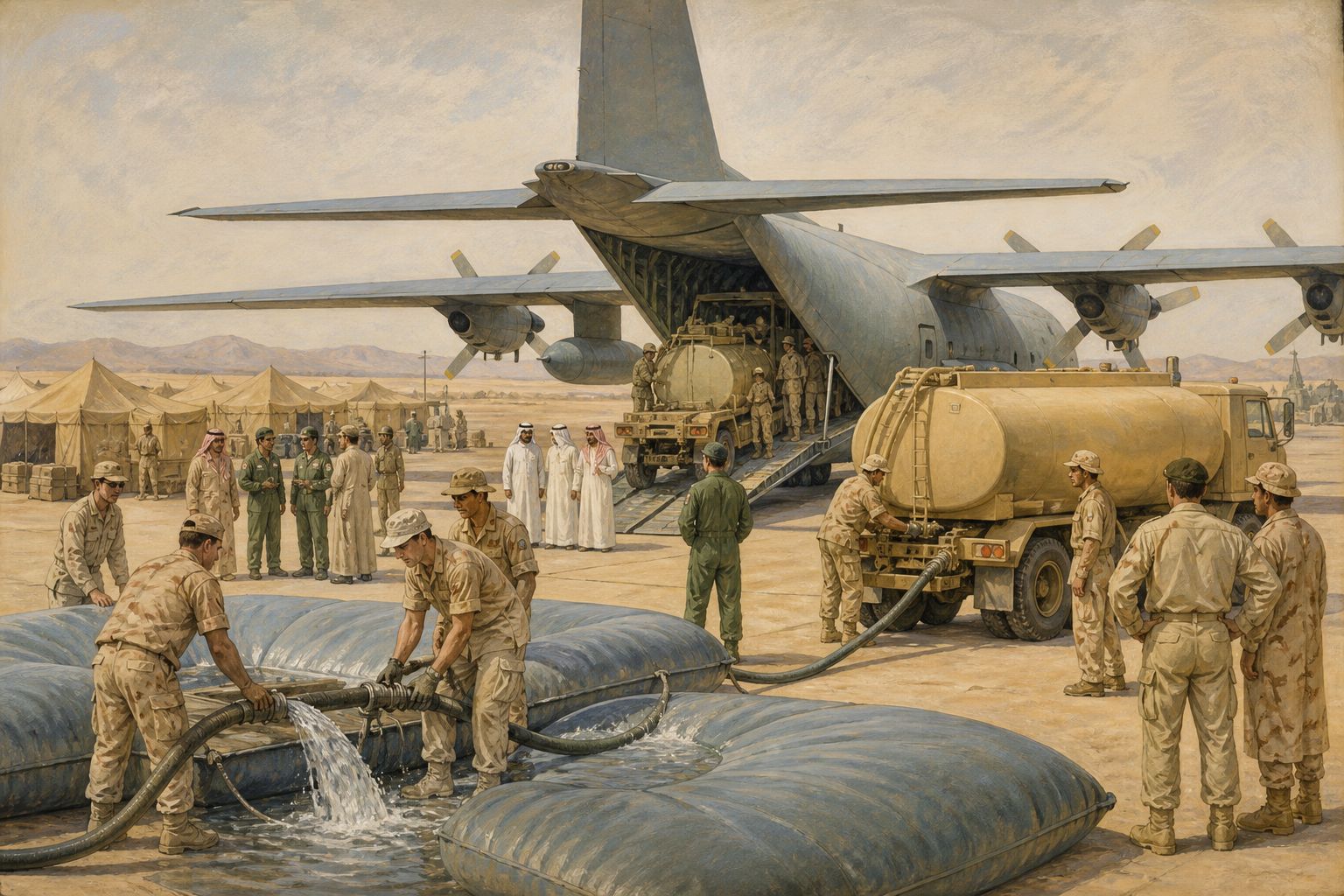
Desert Shield and coalition buildup — Central transition: From Iraq’s invasion of Kuwait in August 1990 to the February 1991 ceasefire, United Nations resolutions and a U.S.-led coalition fought to liberate Kuwait.
1991–1991
Desert Storm air and ground campaign
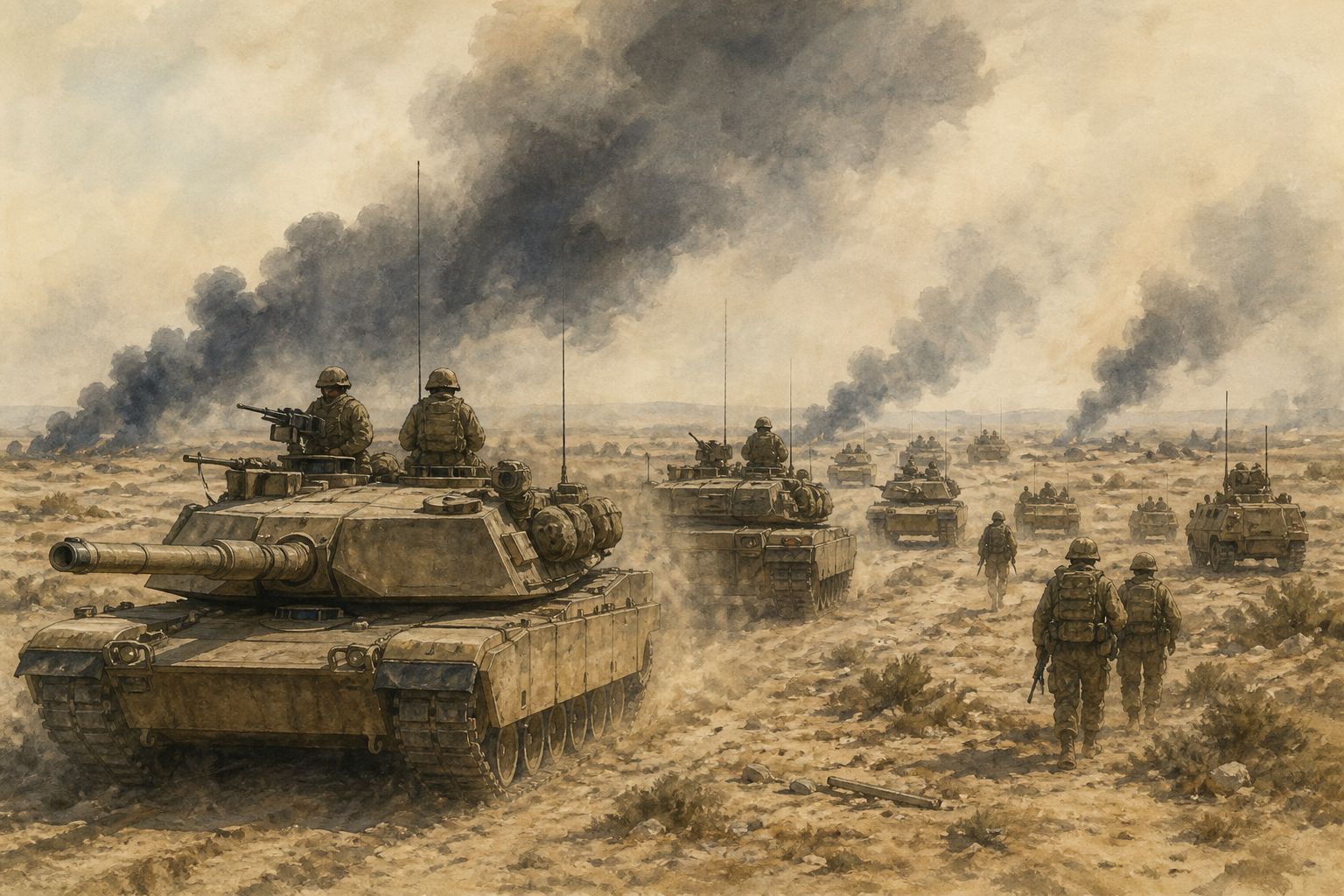
Desert Storm air and ground campaign — Immediate result: Kuwait was liberated, but sanctions, weapons inspections, uprisings, and the continuing U.S. military presence reshaped Gulf politics and helped set the context for the 2003 Iraq War.
c. 1991–c. 2003
Ceasefire, sanctions, and regional aftermath
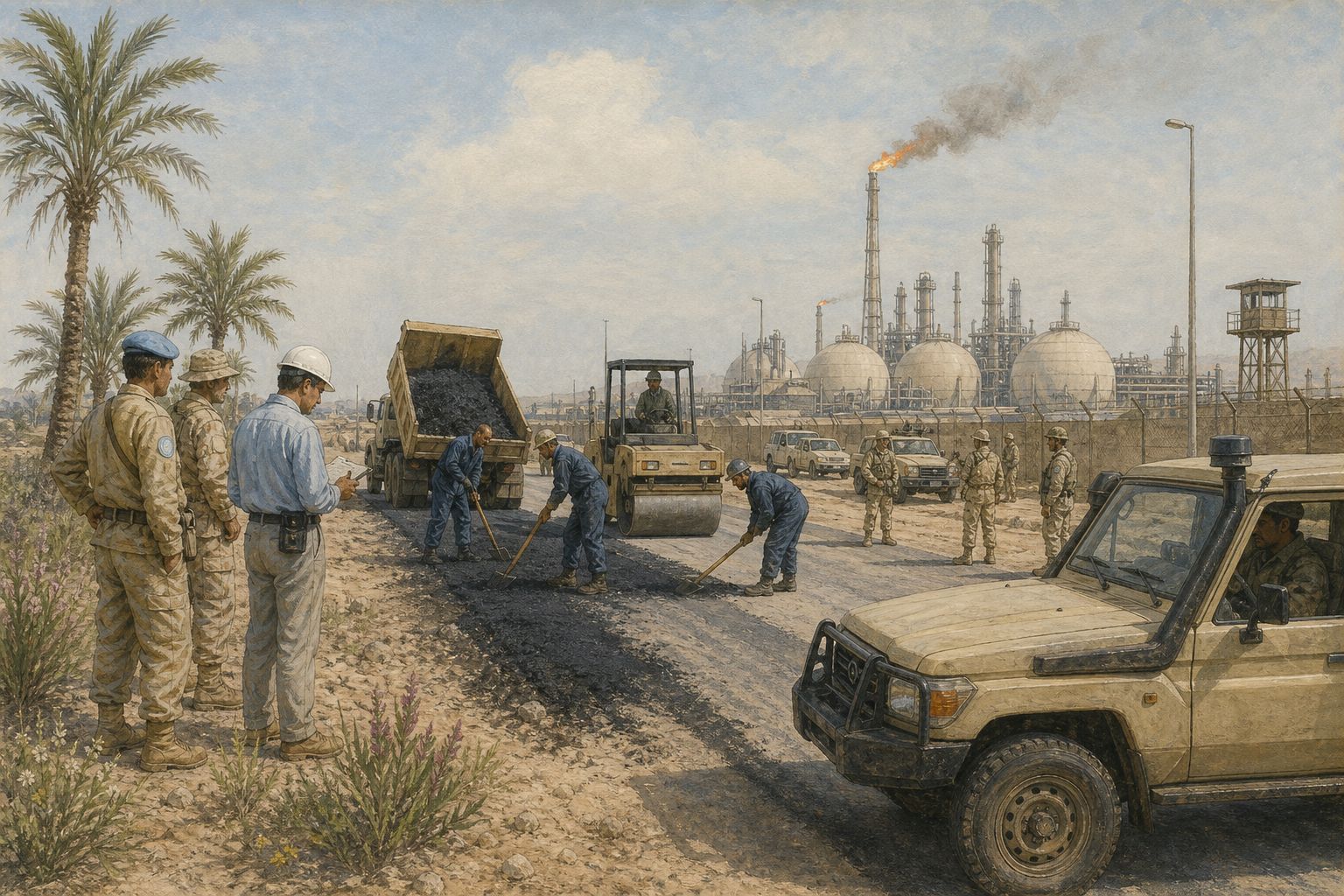
Ceasefire, sanctions, and regional aftermath — Long-term significance: The Gulf War displayed post–Cold War collective security and U.S. military dominance, while also exposing the long-term consequences of oil politics, bases, civilian harm, and sanctions.


Sources
- Gulf War — Gulf War (Encyclopaedia Britannica)britannica.comThis Encyclopaedia Britannica resource supports the chronology, setting, and course of Gulf War.
- Gulf War — Hd Gulf War (The Metropolitan Museum of Art)metmuseum.orgThis The Metropolitan Museum of Art resource supports the chronology, setting, and course of Gulf War.
- Gulf War — Gulf War (World History Encyclopedia)worldhistory.orgThis World History Encyclopedia resource supports the chronology, setting, and course of Gulf War.