
Foundation of the Han Dynasty
c. 202 BC
In 202 BCE, Liu Bang consolidated the foundation of the Han dynasty after the Chu–Han contention.

- Period
- c. 202 BC
- Kind
- Political event
- Regions
- East Asia
- Keywords
- Foundation of the Han Dynasty · political event · ancient · east asia
Follow the story · Four stages
Background
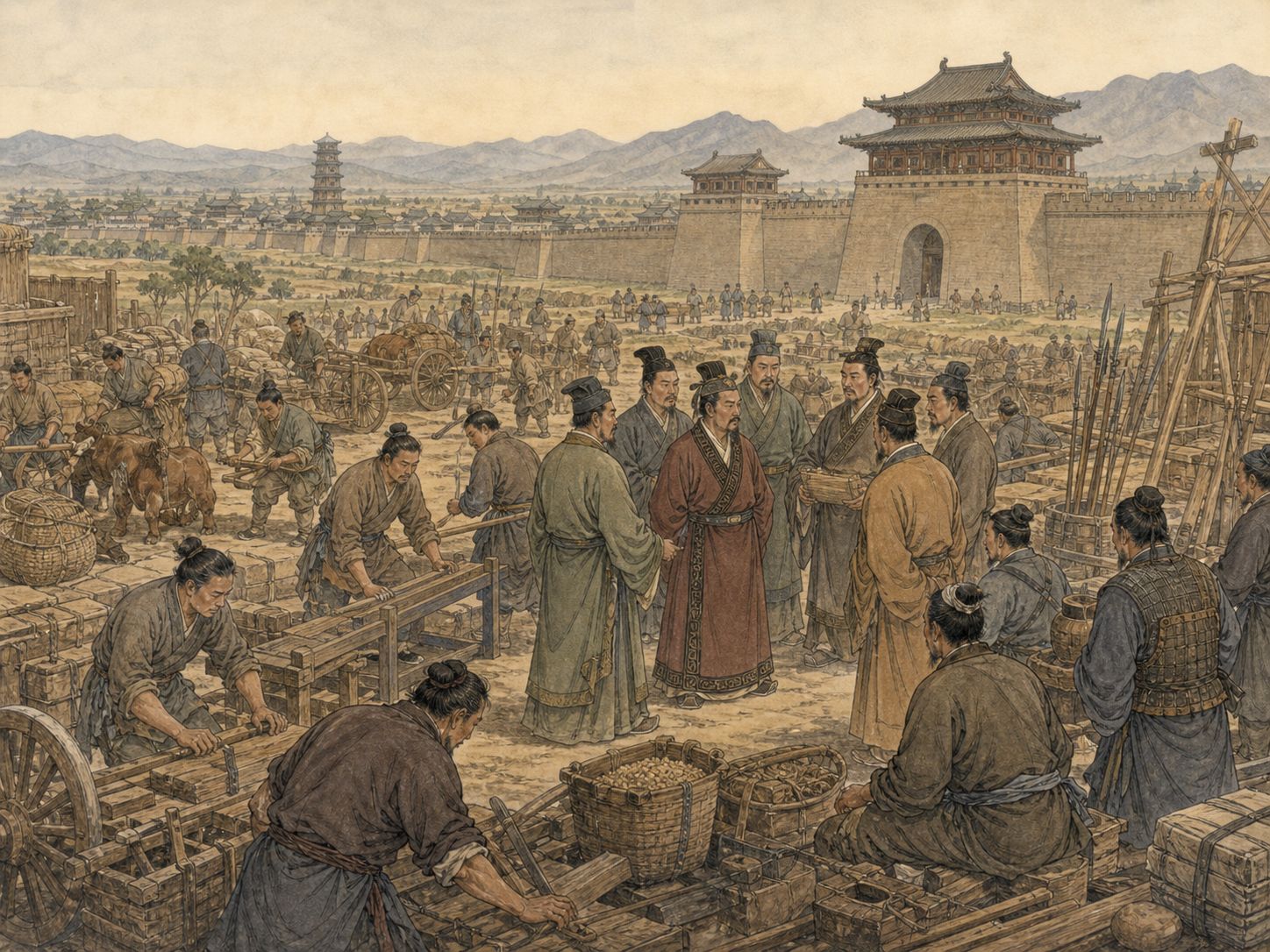
After the rapid unification and collapse of Qin, competing powers fought over its territory and institutional legacy.
- After the rapid unification and collapse of Qin, competing powers fought over its territory and institutional legacy.
- Core event: In 202 BCE, Liu Bang consolidated the foundation of the Han dynasty after the Chu–Han contention.
- Connection to the next stage: Liu Bang combined alliances with campaigning, defeated Xiang Yu, and secured a political base in the Guanzhong and eastern regions.
Course
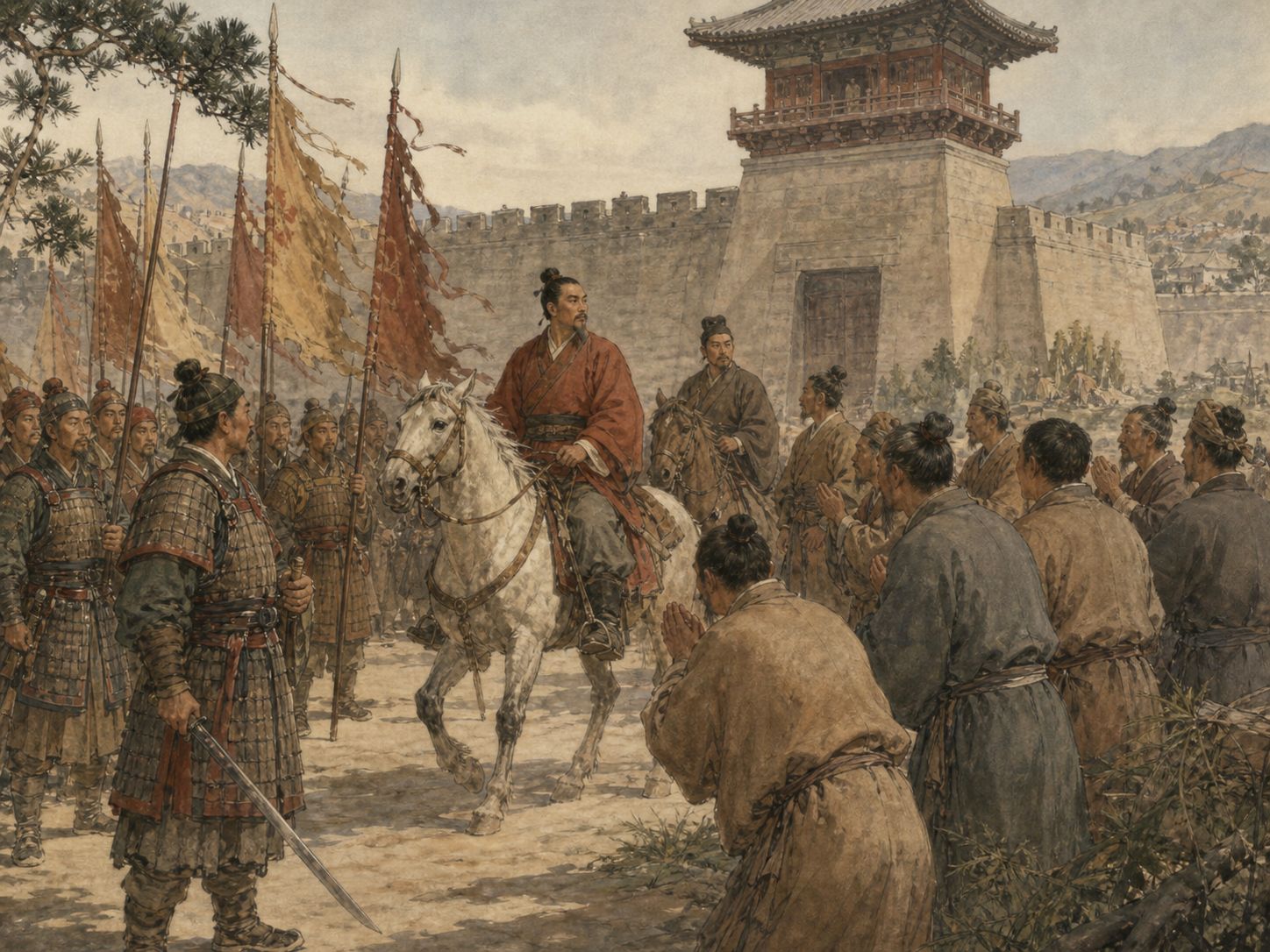
Liu Bang combined alliances with campaigning, defeated Xiang Yu, and secured a political base in the Guanzhong and eastern regions.
- Liu Bang combined alliances with campaigning, defeated Xiang Yu, and secured a political base in the Guanzhong and eastern regions.
- Conditions behind the action: After the rapid unification and collapse of Qin, competing powers fought over its territory and institutional legacy.
- Meaning of the turning point: In 202 BCE, Liu Bang consolidated the foundation of the Han dynasty after the Chu–Han contention.
Outcome
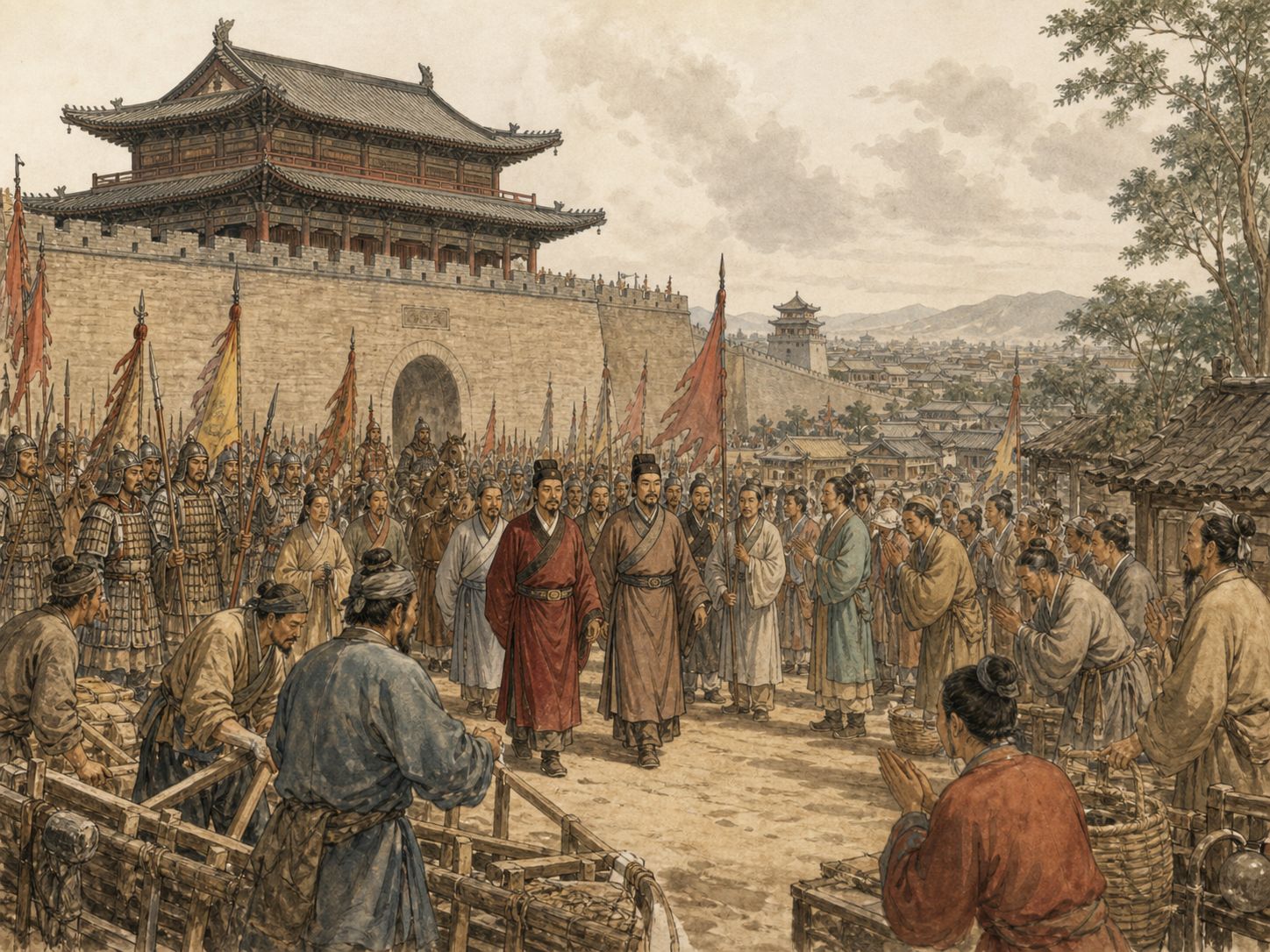
The Han adapted Qin’s administrative legacy while combining central bureaucracy with delegated regional kingdoms.
- The Han adapted Qin’s administrative legacy while combining central bureaucracy with delegated regional kingdoms.
- Process producing the result: Liu Bang combined alliances with campaigning, defeated Xiang Yu, and secured a political base in the Guanzhong and eastern regions.
- Question carried forward: The Han became a long-term political and cultural reference point and later supported the state adoption of Confucian learning.
Historical significance
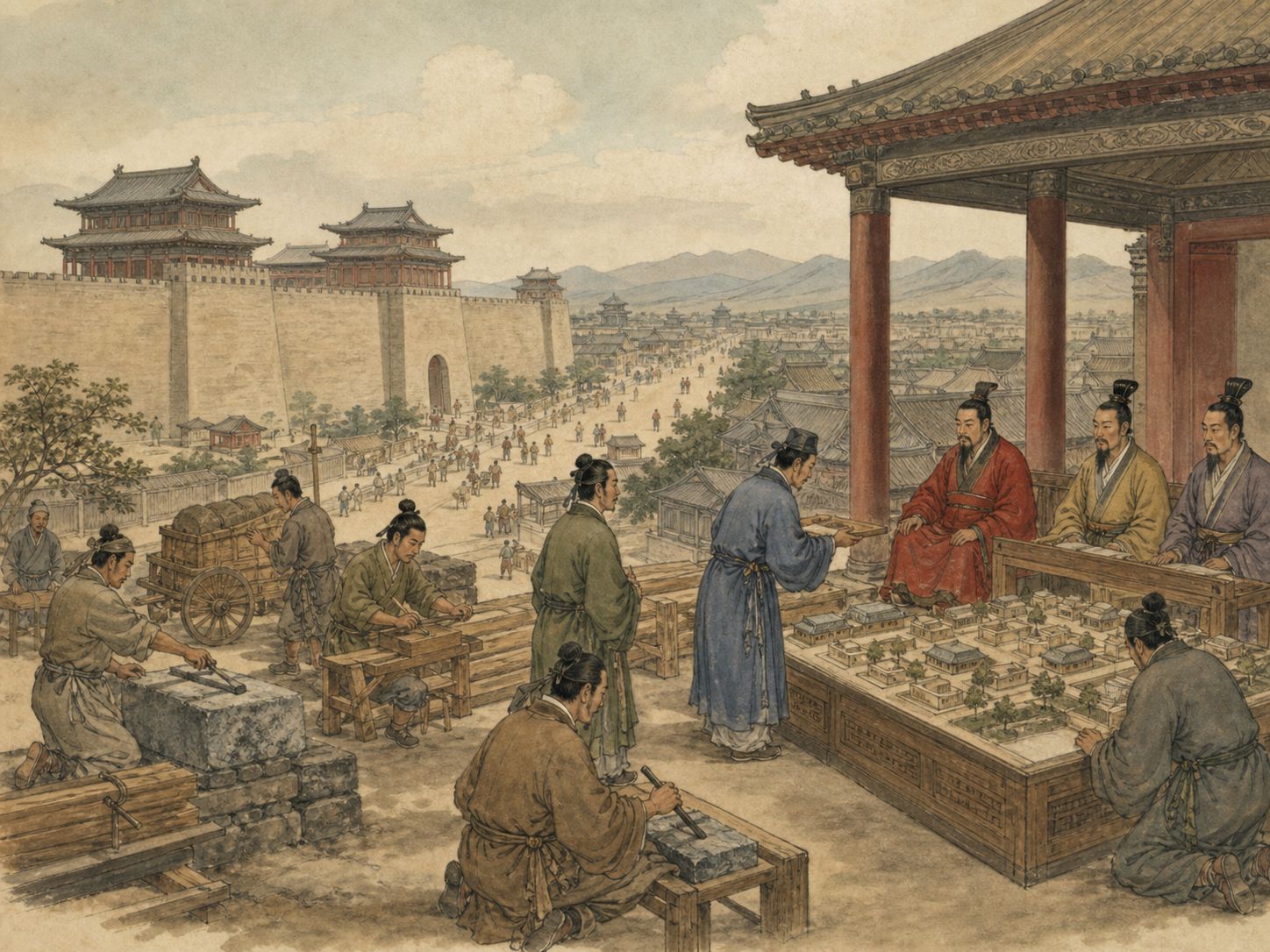
The Han became a long-term political and cultural reference point and later supported the state adoption of Confucian learning.
- The Han became a long-term political and cultural reference point and later supported the state adoption of Confucian learning.
- Immediate consequence: The Han adapted Qin’s administrative legacy while combining central bureaucracy with delegated regional kingdoms.
- Historical turning point: In 202 BCE, Liu Bang consolidated the foundation of the Han dynasty after the Chu–Han contention.


Related events
c. 203 BC
Prelude
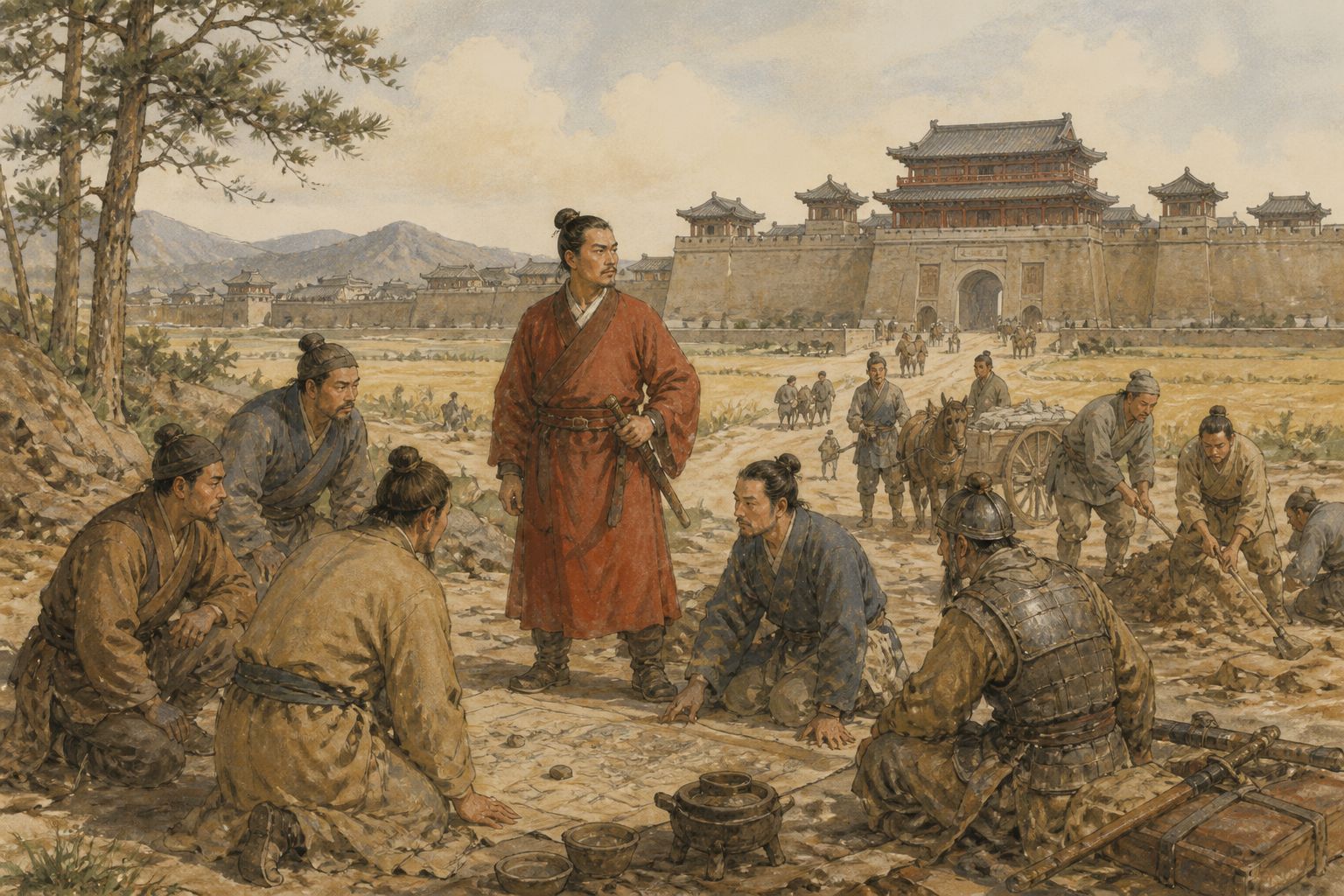
Prelude — Background: After the rapid unification and collapse of Qin, competing powers fought over its territory and institutional legacy.
c. 203 BC
Turning point
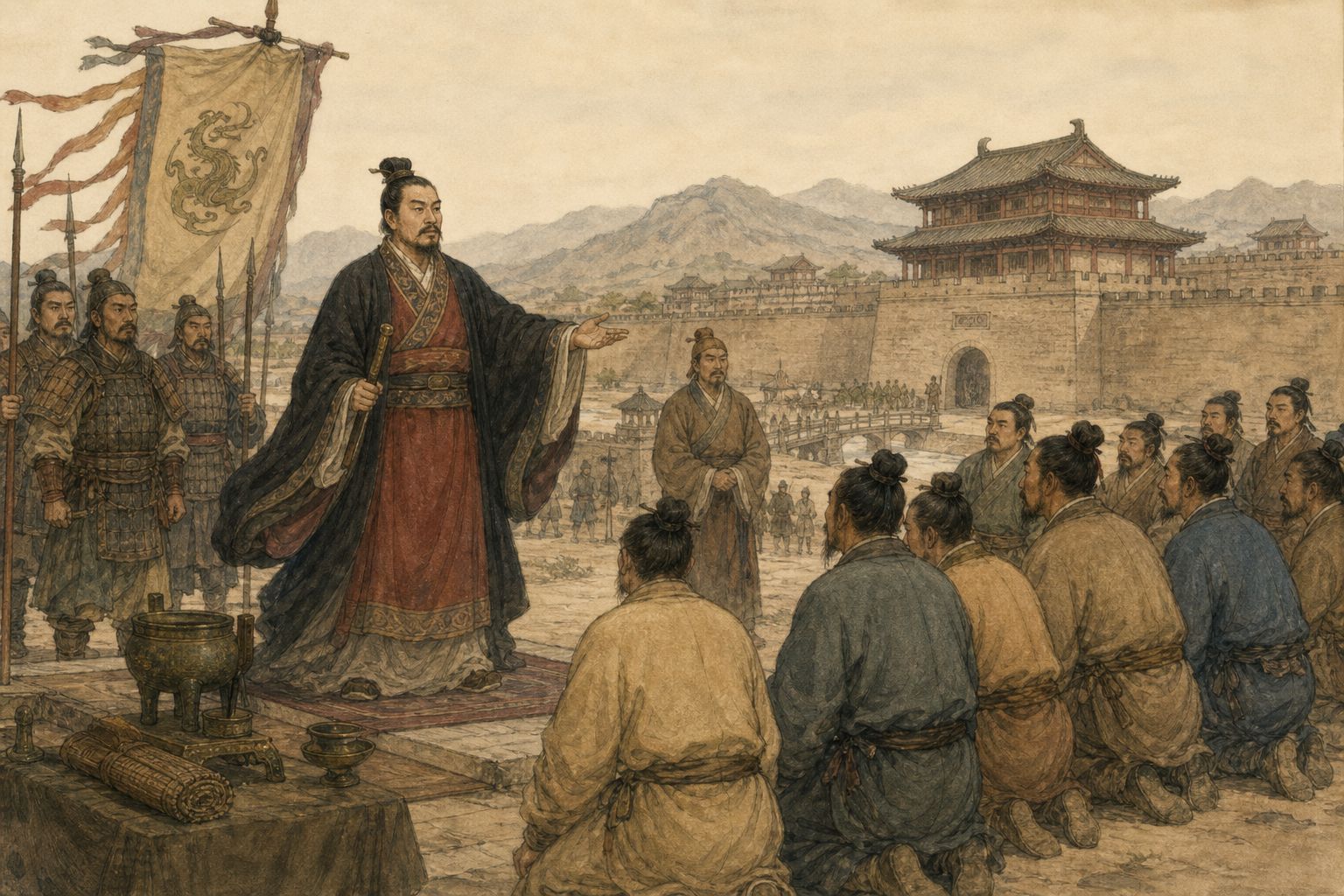
Turning point — Build-up: Liu Bang combined alliances with campaigning, defeated Xiang Yu, and secured a political base in the Guanzhong and eastern regions.
c. 202 BC
Foundation of the Han Dynasty
Current event
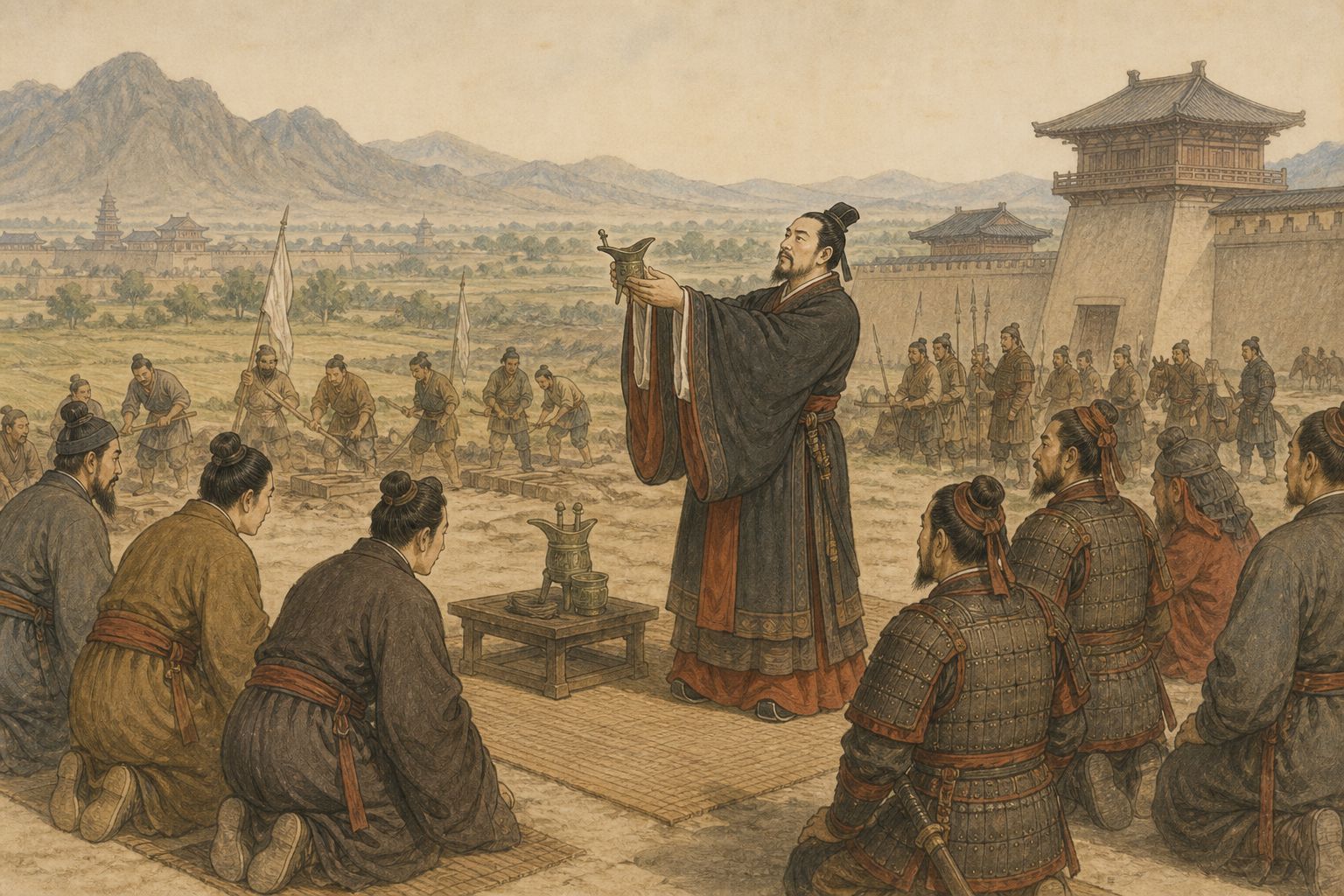
Foundation of the Han Dynasty — Central transition: In 202 BCE, Liu Bang consolidated the foundation of the Han dynasty after the Chu–Han contention.
c. 201 BC
Immediate aftermath
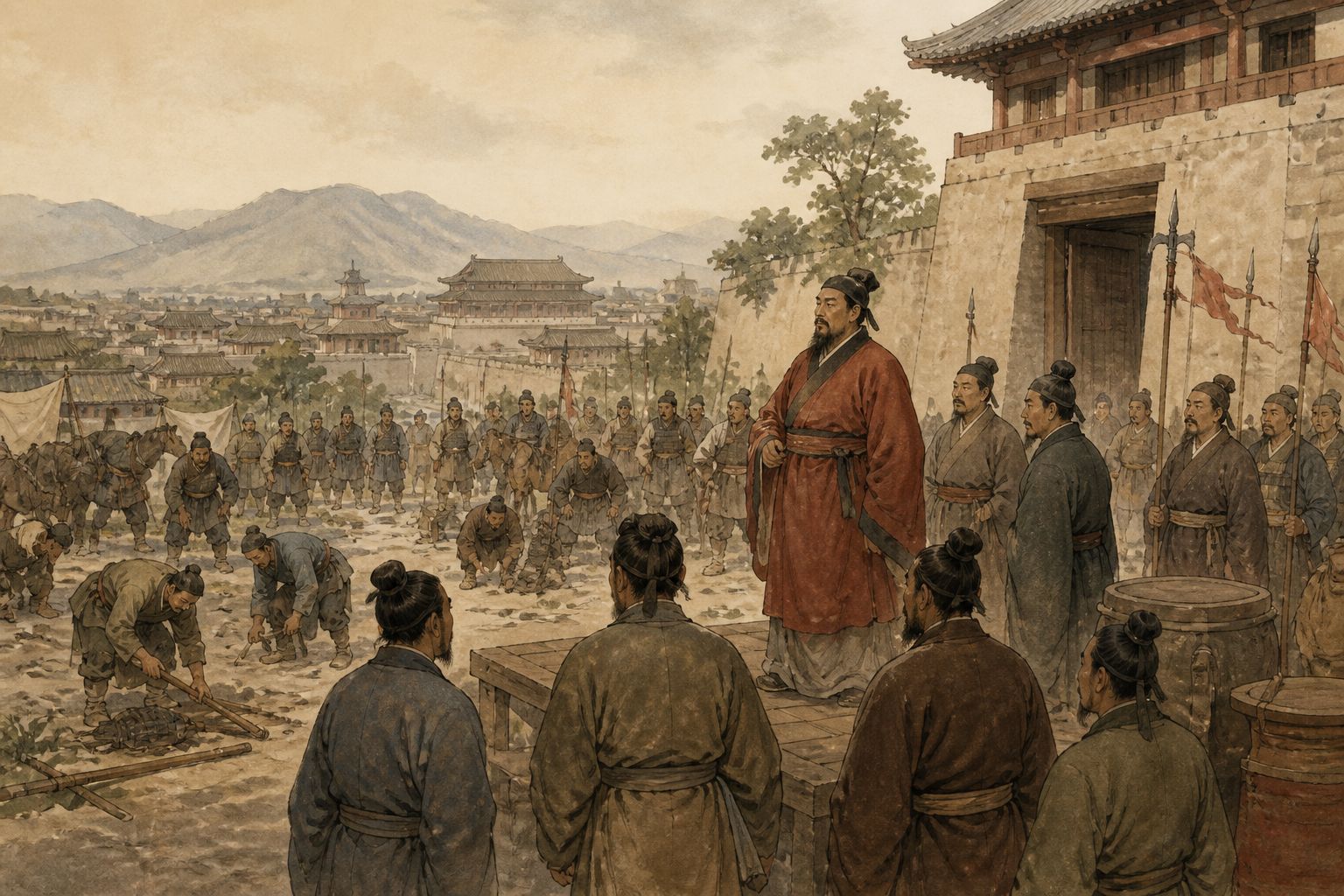
Immediate aftermath — Immediate result: The Han adapted Qin’s administrative legacy while combining central bureaucracy with delegated regional kingdoms.
c. 192 BC
Long-term significance
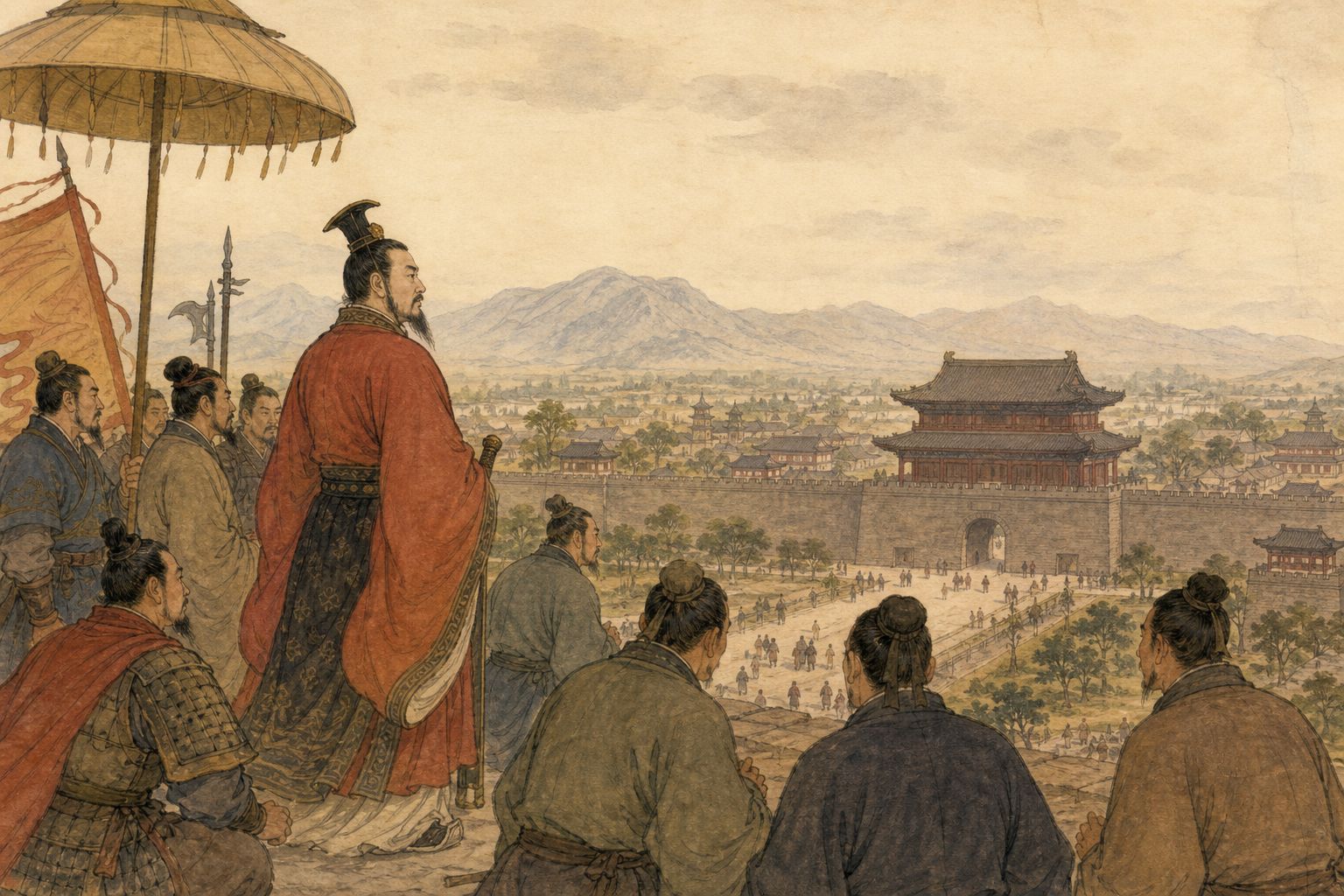
Long-term significance — Long-term significance: The Han became a long-term political and cultural reference point and later supported the state adoption of Confucian learning.


Sources
- Foundation of the Han Dynasty — Han Dynasty (Encyclopaedia Britannica)britannica.comThis Encyclopaedia Britannica resource supports the chronology, setting, and course of Foundation of the Han Dynasty.
- Foundation of the Han Dynasty — Hd Han (The Metropolitan Museum of Art)metmuseum.orgThis The Metropolitan Museum of Art resource supports the chronology, setting, and course of Foundation of the Han Dynasty.
- Foundation of the Han Dynasty — China 1000bce Han (Afe)afe.easia.columbia.eduThis Afe resource supports the chronology, setting, and course of Foundation of the Han Dynasty.