Journeys of Ibn Battuta
1325–1354
The Moroccan traveler Ibn Battuta visited North Africa, the Middle East, India, Southeast Asia, and China, leaving a record of his journeys.

- Period
- 1325–1354
- Kind
- Voyage
- Regions
- Africa, Middle East, South Asia, Southeast Asia
- Keywords
- Ibn Battuta · travel record · pilgrimage to Mecca · Indian Ocean · medieval · trade routes
Follow the story · Four stages
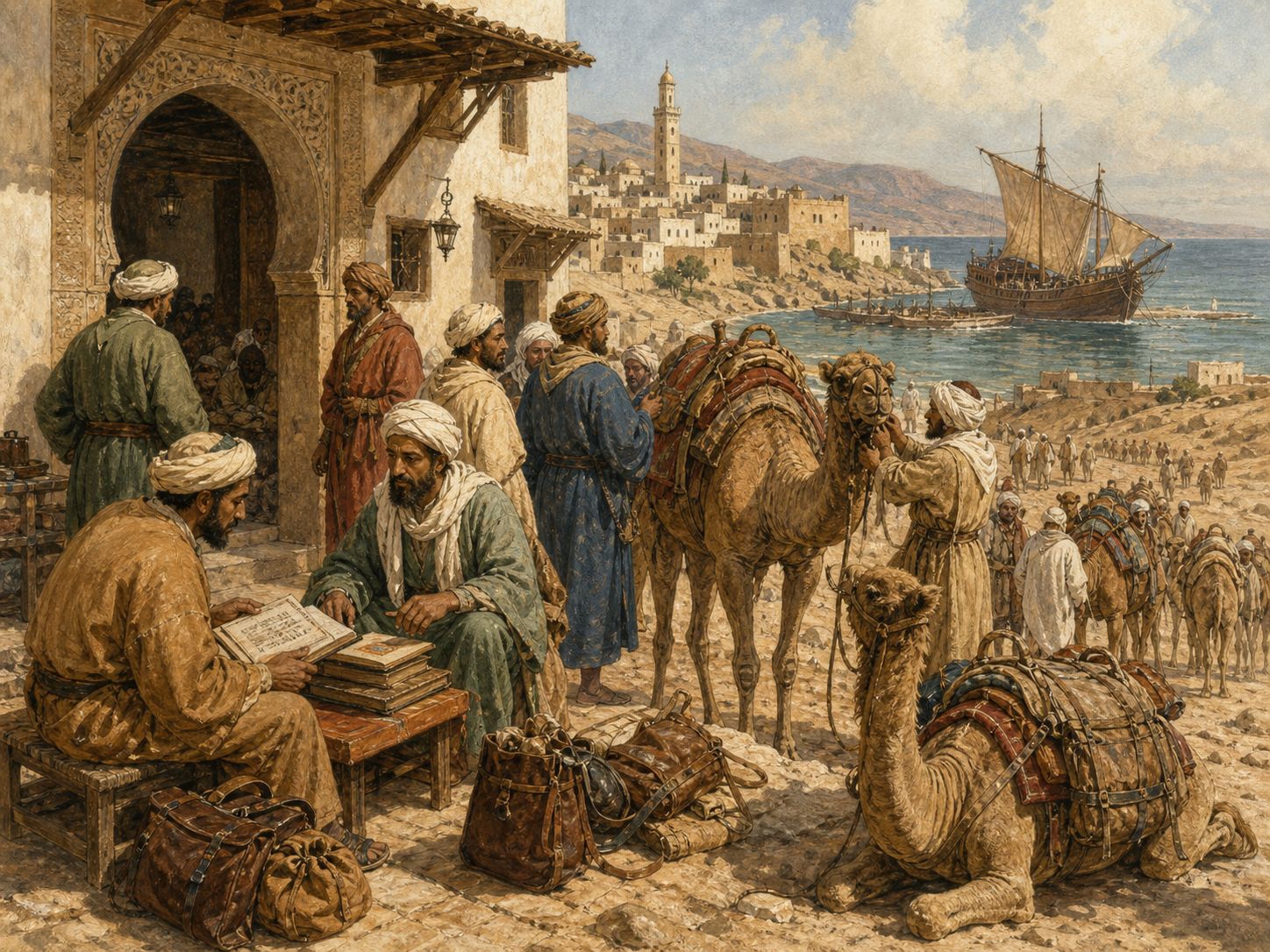
Background
Political, social, and commercial changes around from North Africa across the Indian Ocean world formed the setting: The Moroccan traveler Ibn Battuta visited North Africa, the Middle East, India, Southeast Asia, and China, leaving a record of his journeys.
- Pilgrimage routes, trade routes, and urban societies from North Africa across the Indian Ocean world
- Hostels, ports, and scholarly networks that supported travelers in the fourteenth-century Islamic world
- The movement of people, goods, and knowledge before Ibn Battuta’s journeys
Course
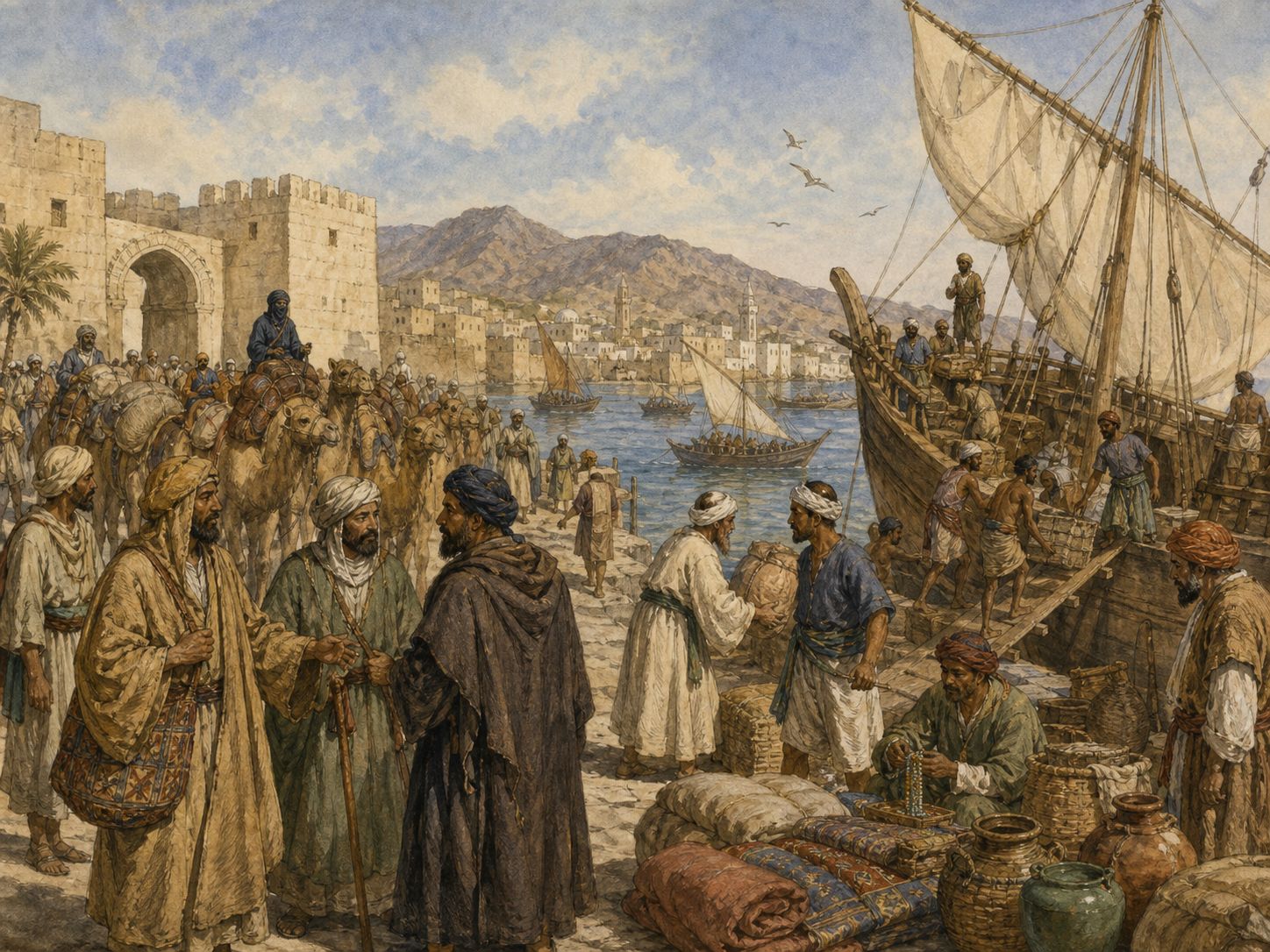
The Moroccan traveler Ibn Battuta visited North Africa, the Middle East, India, Southeast Asia, and China, leaving a record of his journeys. The choices of the participating powers and responses of local communities shaped the course.
- The journey from Tangier toward Mecca, moving between caravans and ports
- People and knowledge meeting in cities across India, Southeast Asia, and China
- The turning point created by a long journey accumulating observation and exchange
Outcome
As a result, His account documents medieval networks of movement connecting cities, law, and customs across Islamic and Indian Ocean societies.
- Observations brought back to scholarship and society by the returning traveler
- Memories of exchange linking North Africa and the Indian Ocean world
- The influence of the travel record on later understandings of the region
Historical significance
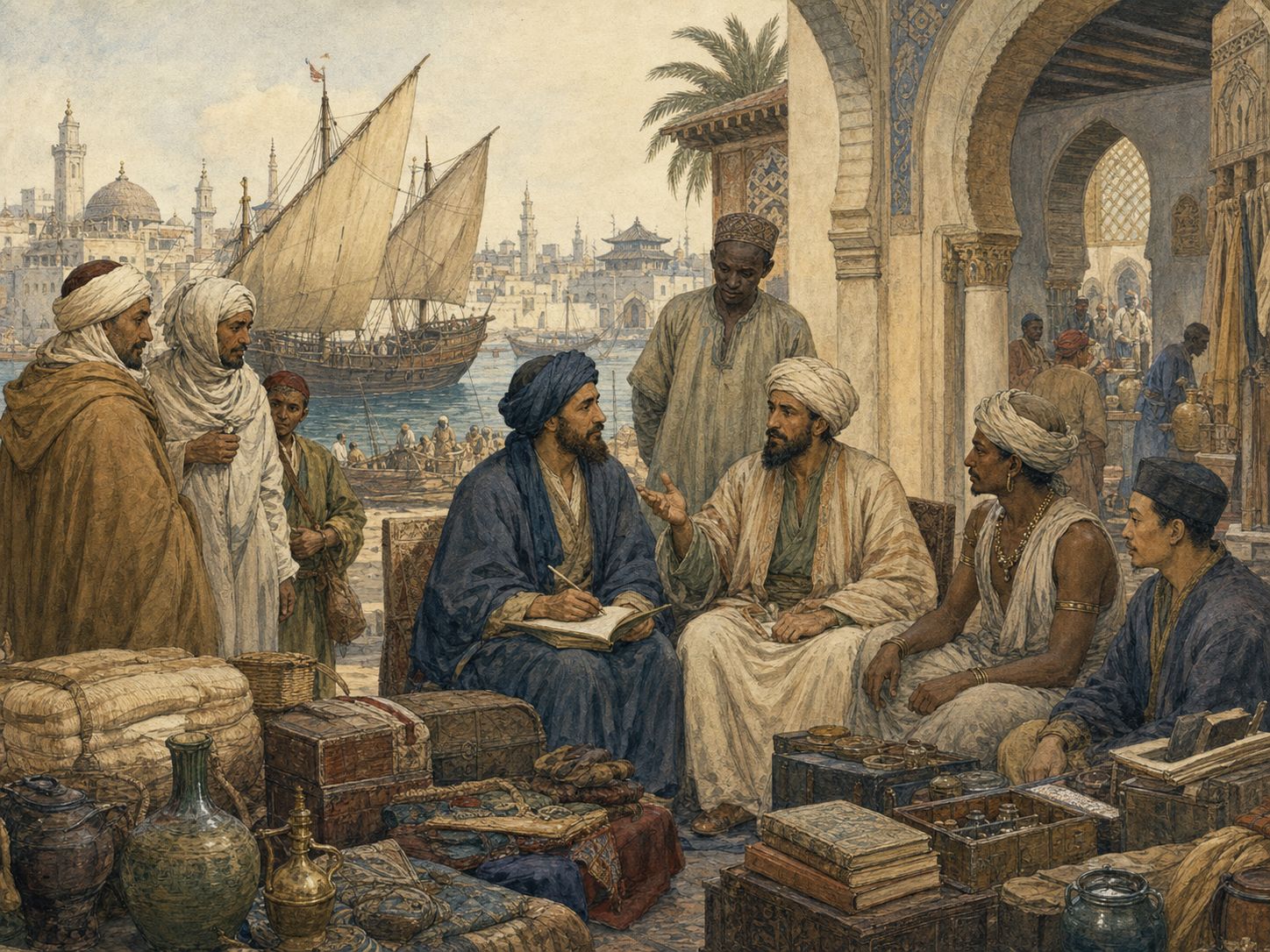
The significance of this event lies in the fact that his account documents medieval networks of movement connecting cities, law, and customs across islamic and indian ocean societies.
- A view of medieval mobility and exchange through one traveler’s experience
- The urban network where pilgrimage, trade, and scholarship intersected
- The long-term value of a record connecting societies across distant regions


Related events
c. 1200
Conditions for exchange
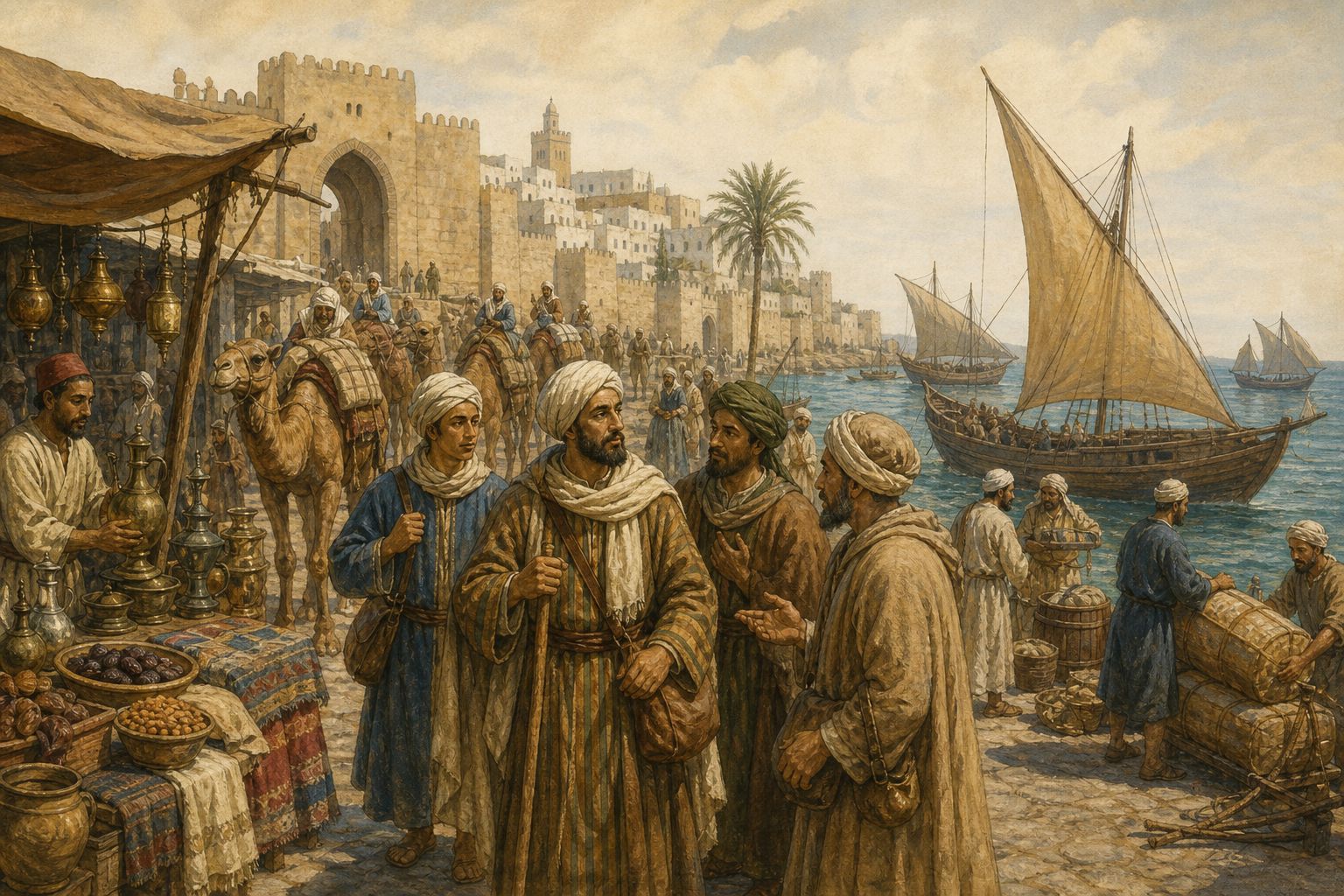
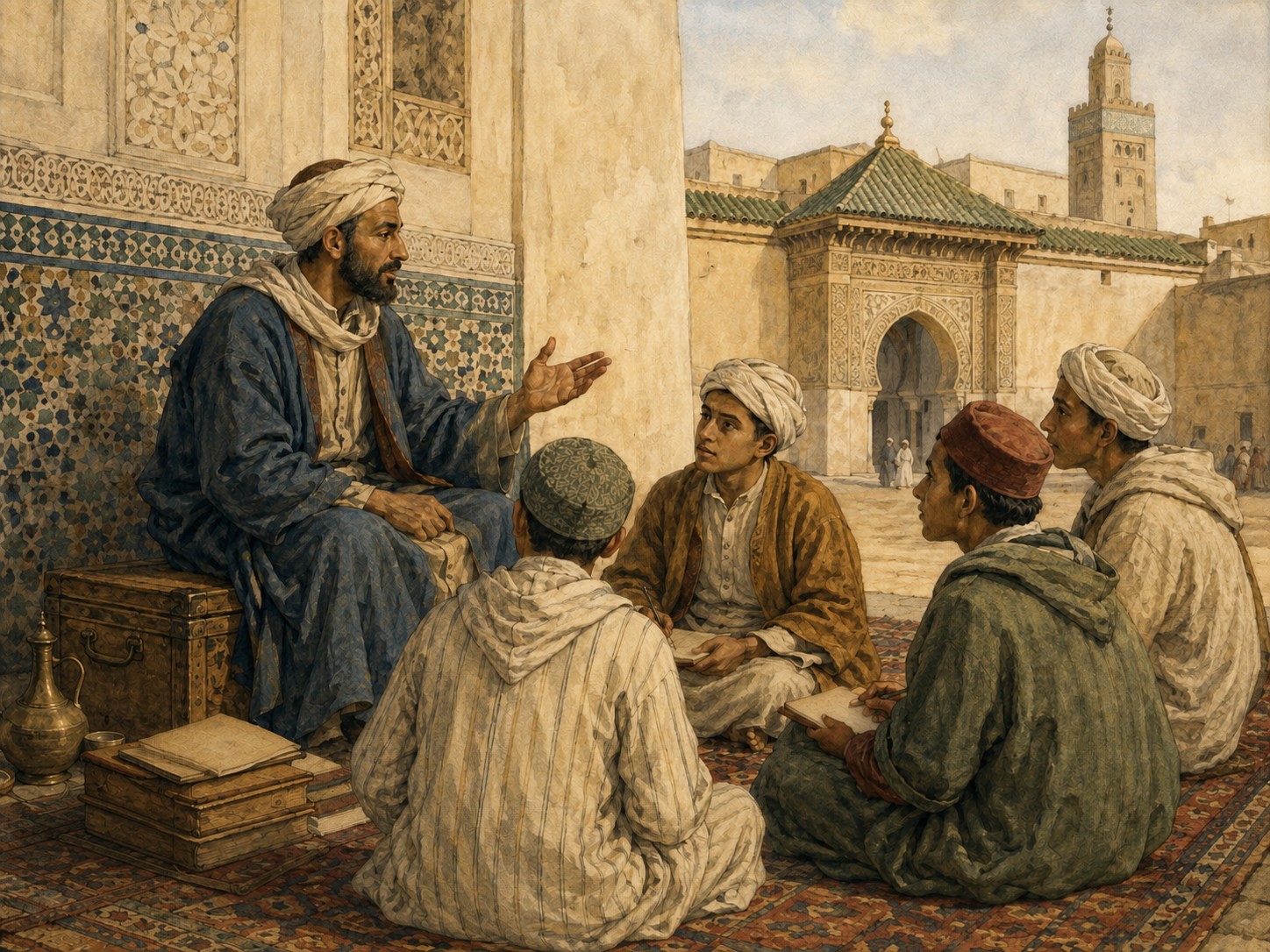
Pilgrimage routes and ports linking North Africa, the Middle East, and the Indian Ocean created the conditions for long-distance travel.
1325
Departure from Tangier
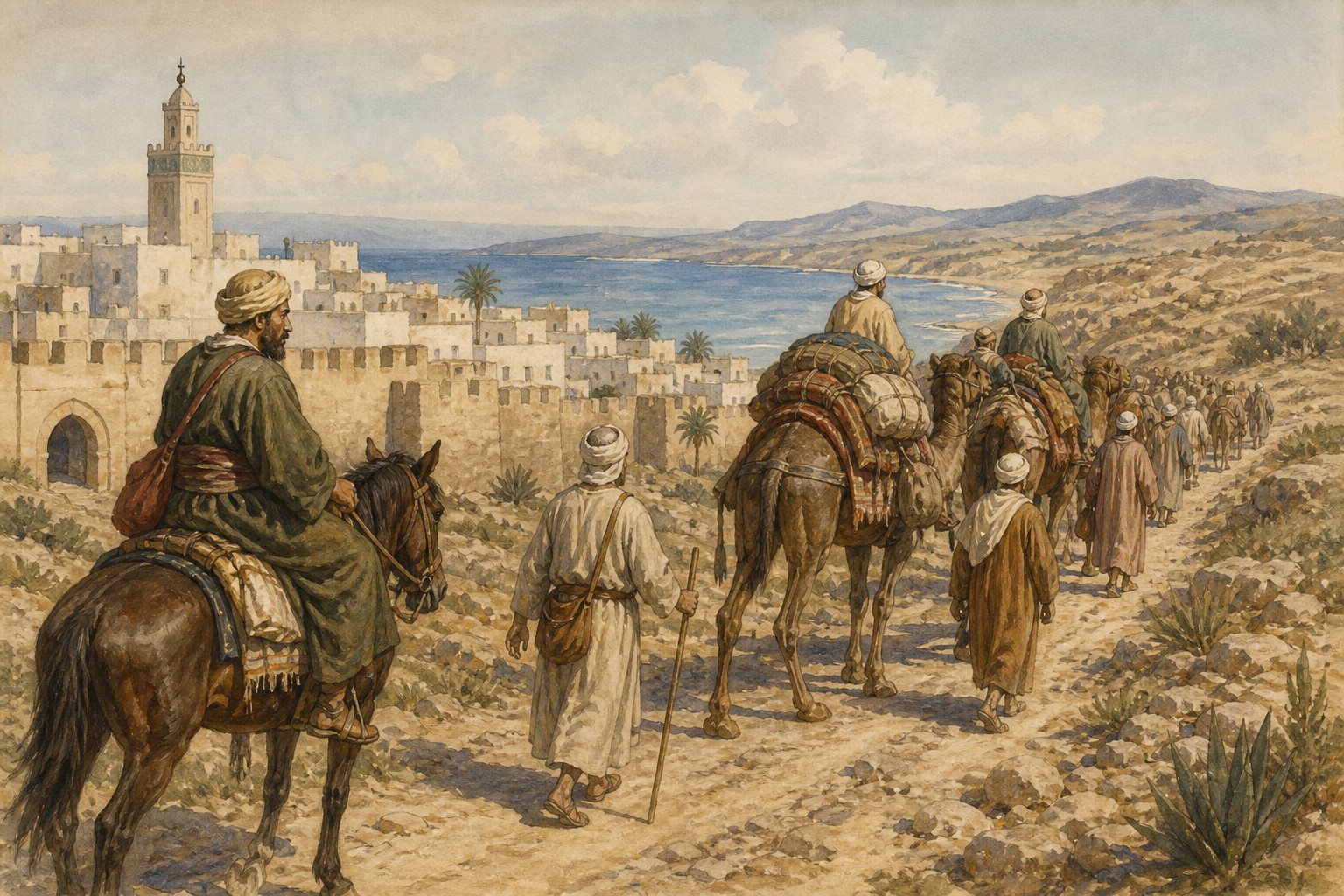
In 1325, Ibn Battuta left Tangier for the pilgrimage to Mecca and began his first caravan journey.
1325–1354
A journey across regions
Current event
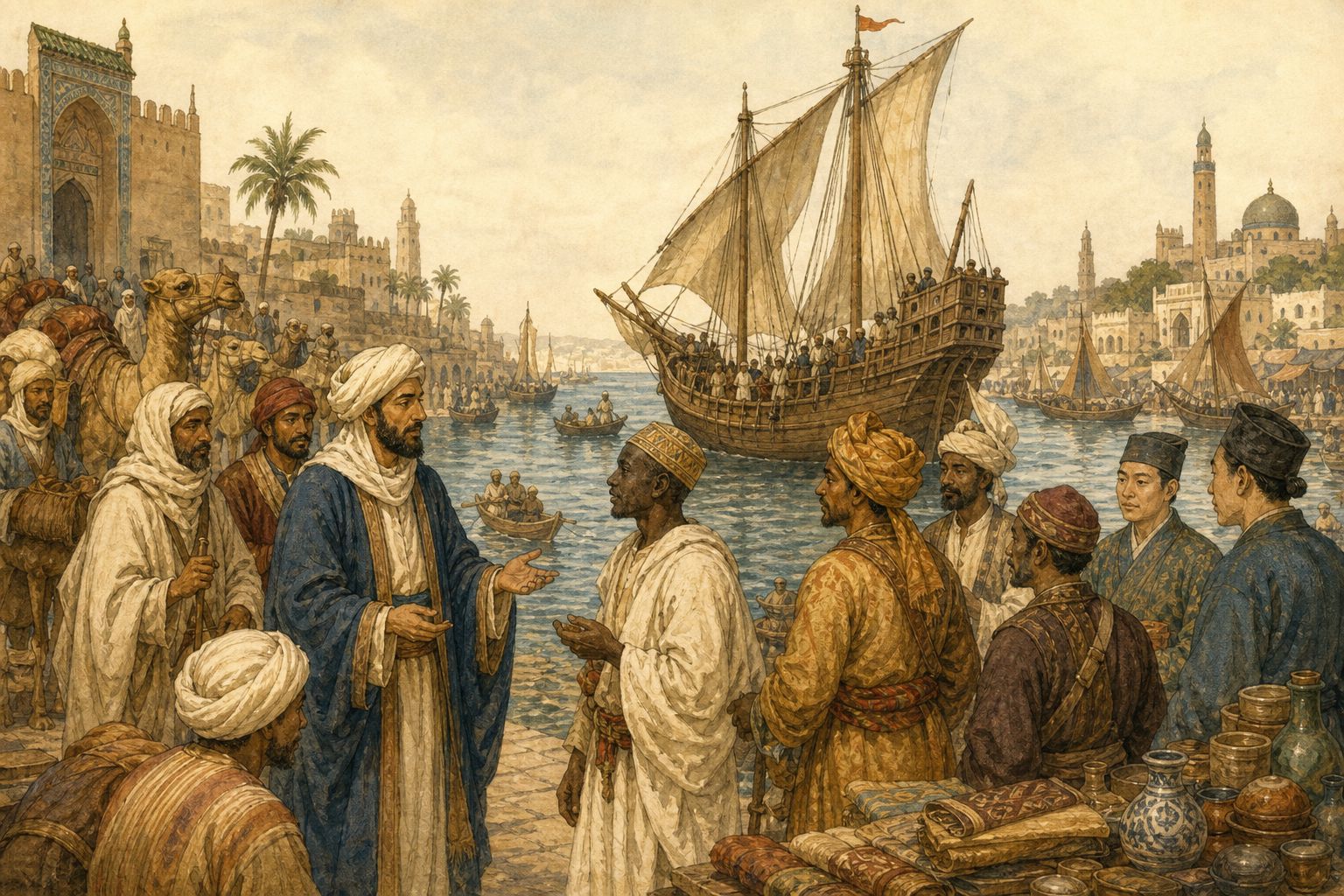
From 1325 to 1354, Ibn Battuta traveled from North Africa through the Middle East, India, Southeast Asia, and China.
c. 1354
Returning with observations
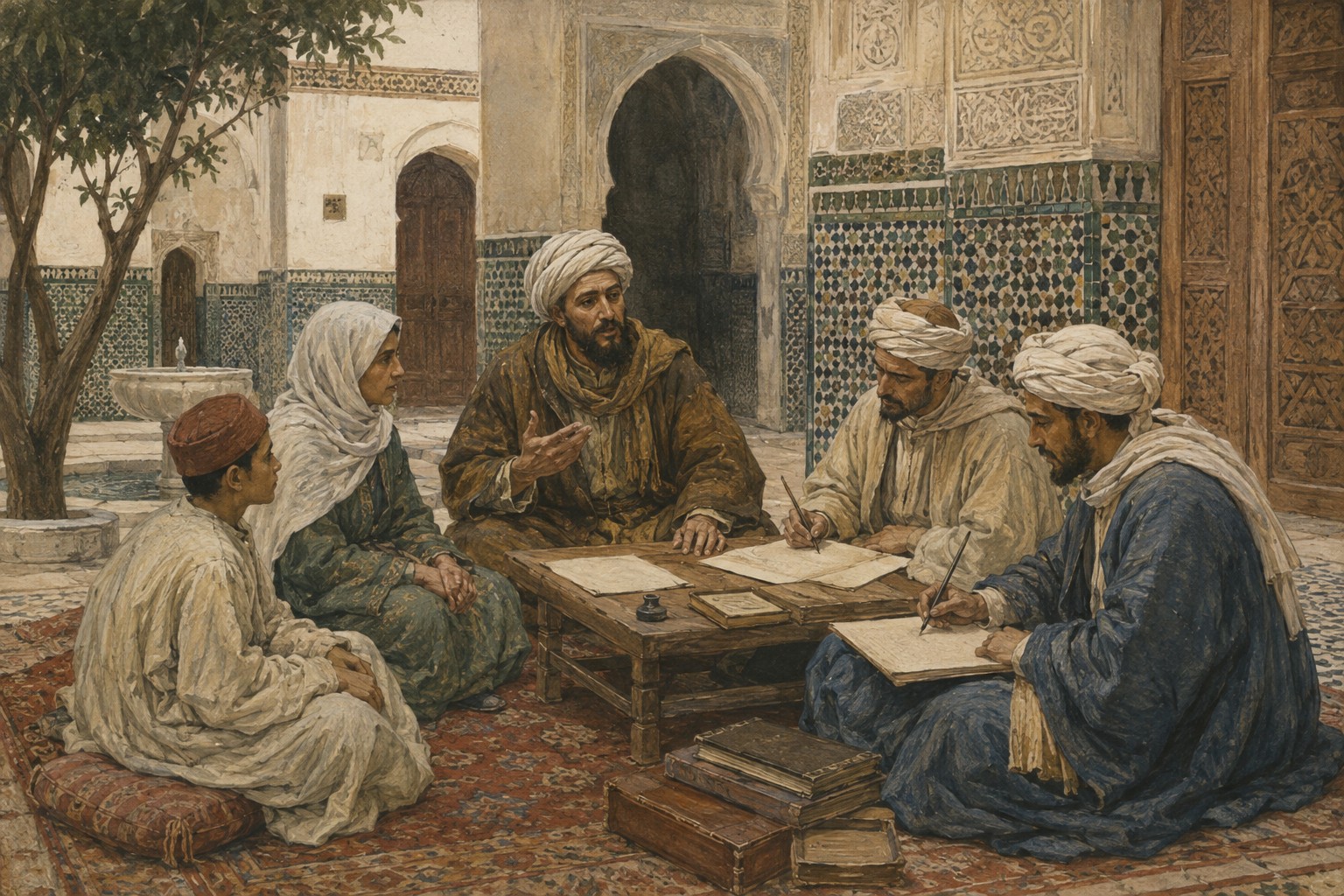
After his return, observations and human connections brought distant experiences into Moroccan scholarship and society.
c. 1355
The travel record carried forward
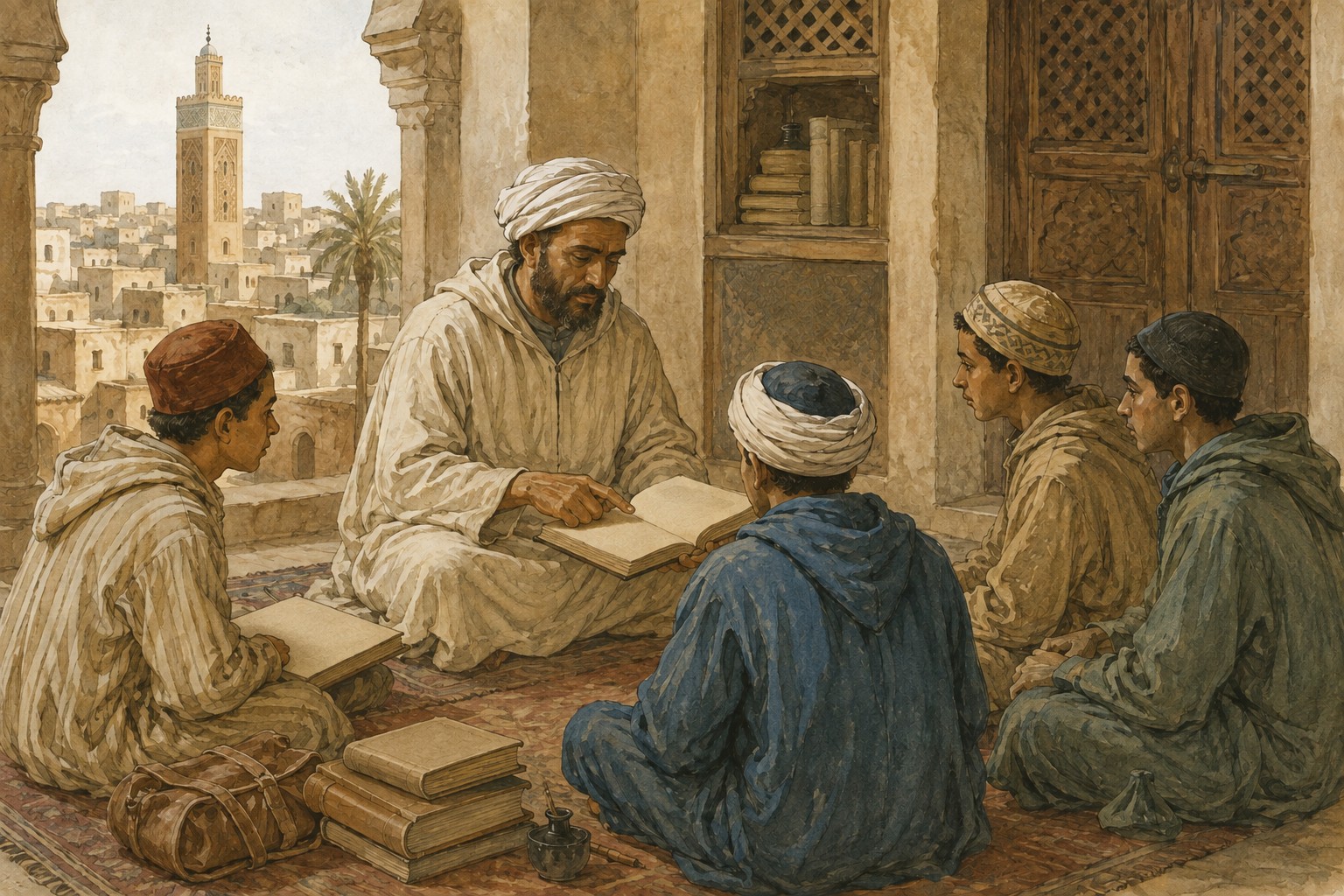
Memories and oral accounts became a travel record that left evidence for understanding medieval cities and trade worlds.


Sources
- Journeys of Ibn Battuta: chronology and settingwww.daiichi-g.co.jpUsed to cross-check the chronology and geographical setting of Journeys of Ibn Battuta.
- Journeys of Ibn Battuta: historical backgroundwww.britannica.comUsed to verify the actors, course, and consequences associated with Journeys of Ibn Battuta.
- Journeys of Ibn Battuta: identifier and related recordswww.wikidata.orgUsed to cross-check the identifier and related records for Journeys of Ibn Battuta.