Indian Rebellion of 1857
1857–1859
A revolt of soldiers and civilians began at Meerut in 1857, spread across northern and central India, and was suppressed by British forces by 1859.

- Period
- 1857–1859
- Kind
- Rebellion
- Regions
- South Asia
- Keywords
- East India Company · sepoys · Meerut · Delhi · Rani Lakshmibai · British Crown rule
Follow the story · Four stages
Background
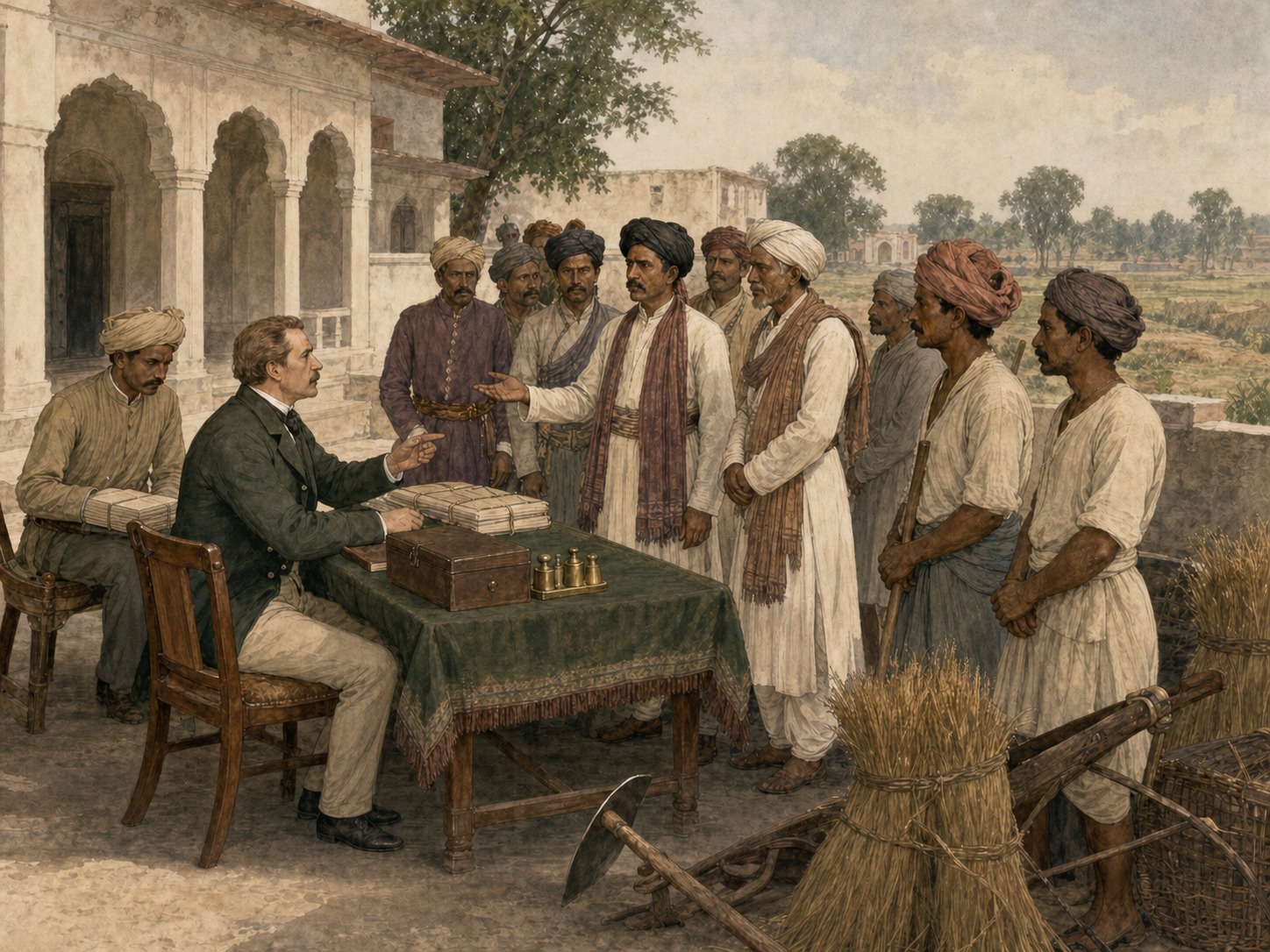
Company annexations and taxation, the displacement of rulers, sepoy service grievances, and fears for religious practice accumulated across the region.
- Resentment of Company annexations and taxation
- Displacement of rulers and established landholders
- Sepoy service grievances and fears for religious practice
Course
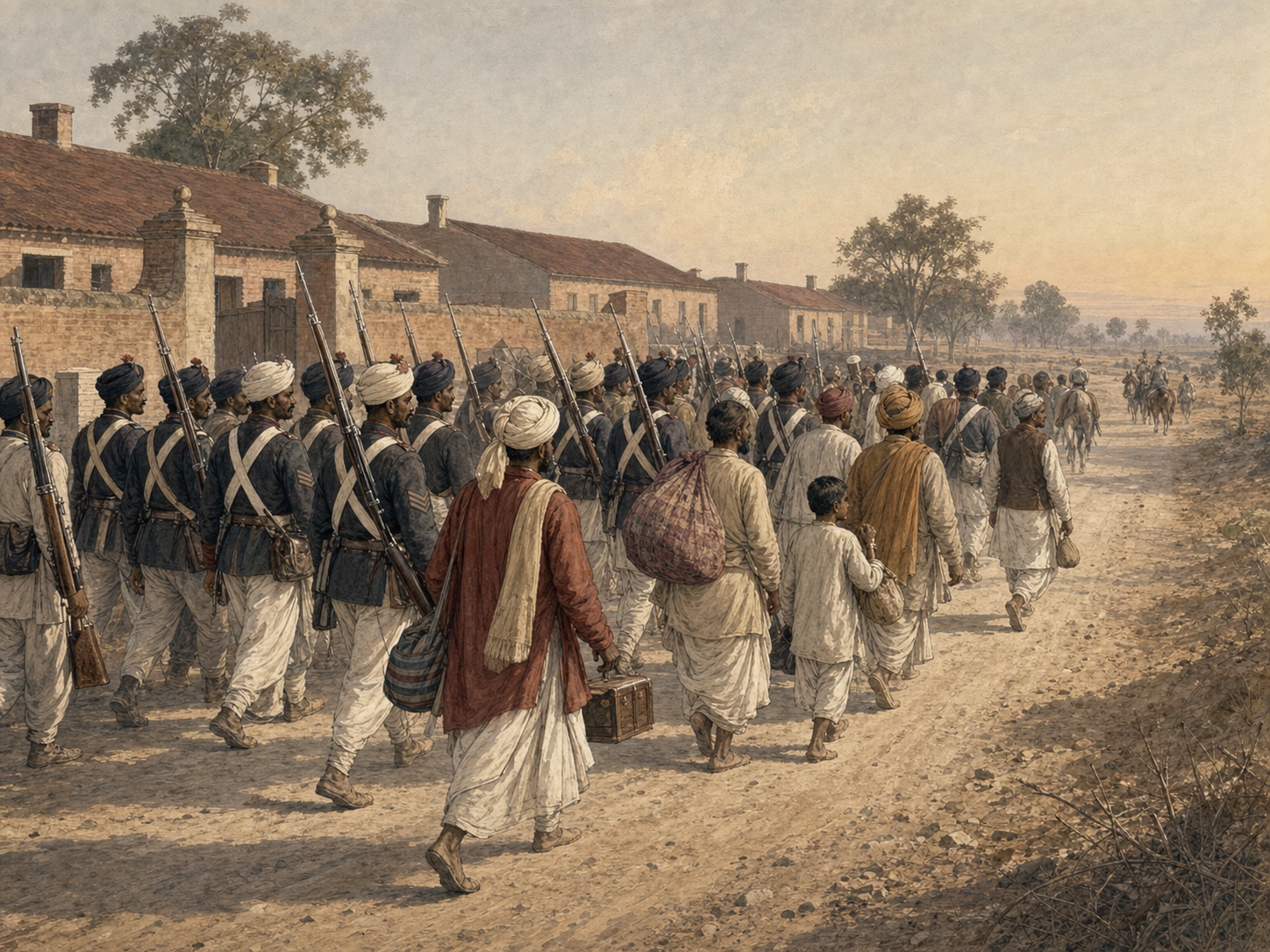
Cartridge rumours catalysed the rising at Meerut, and fighting spread through Delhi, Cawnpore, Lucknow, Jhansi, and Gwalior.
- Cartridge rumours catalyse the rising
- Soldiers and civilians move from Meerut to Delhi
- Fighting spreads to Cawnpore, Lucknow, Jhansi, and Gwalior
Outcome
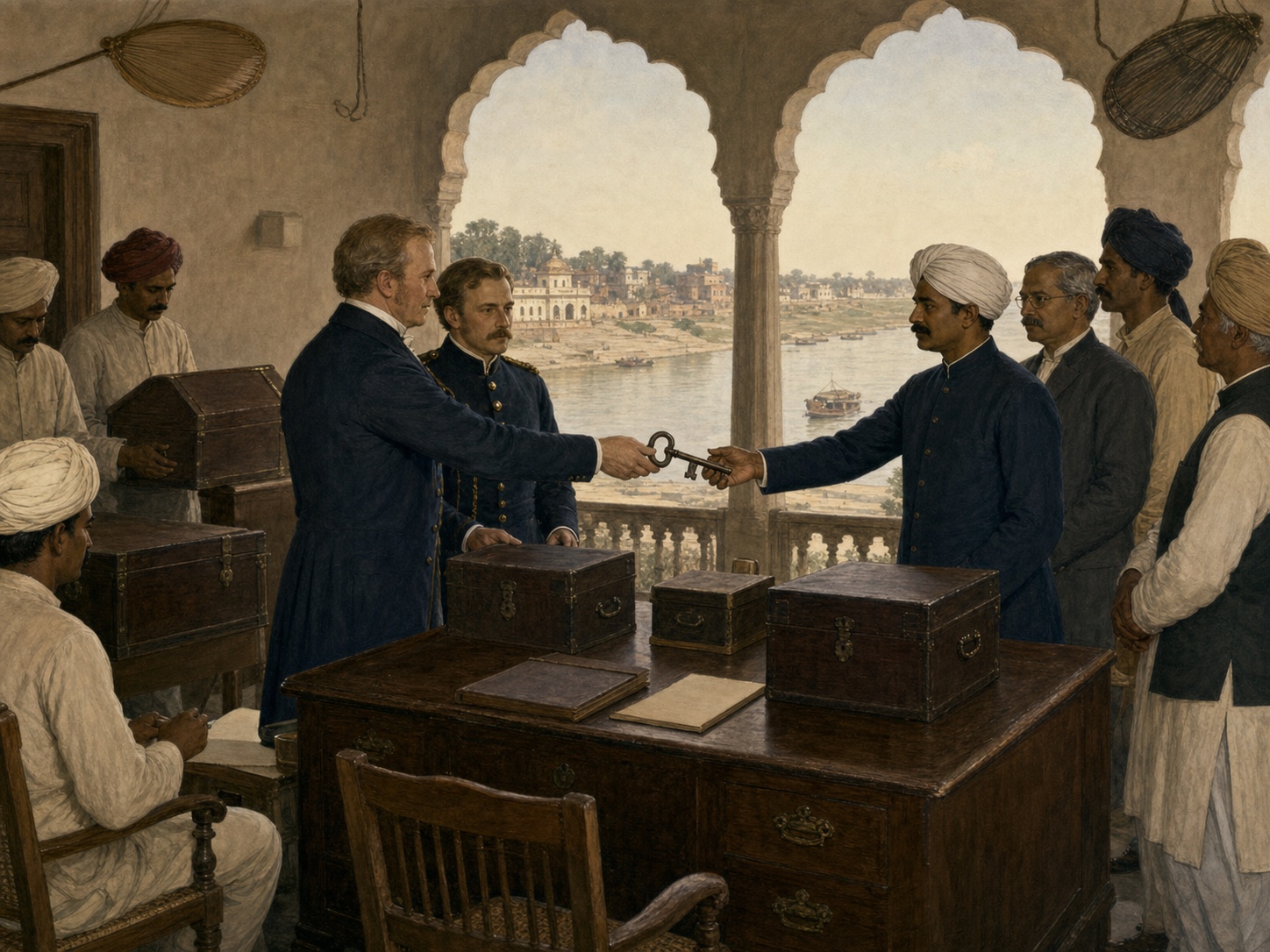
Major centres were retaken in 1858 and remaining resistance ended in 1859. The Company was abolished and government passed to the British Crown.
- Major centres retaken by British forces in 1858
- Remaining resistance ending by 1859
- The Company abolished and government transferred to the Crown
Historical significance
The rebellion prompted a reorganization of colonial rule and the army, greater caution toward princes and religion, and a memory later invoked by anti-colonial movements.
- Troop composition, artillery control, and recruitment reorganized
- Greater caution toward princely lands and religious practice
- A memory later invoked by anti-colonial movements
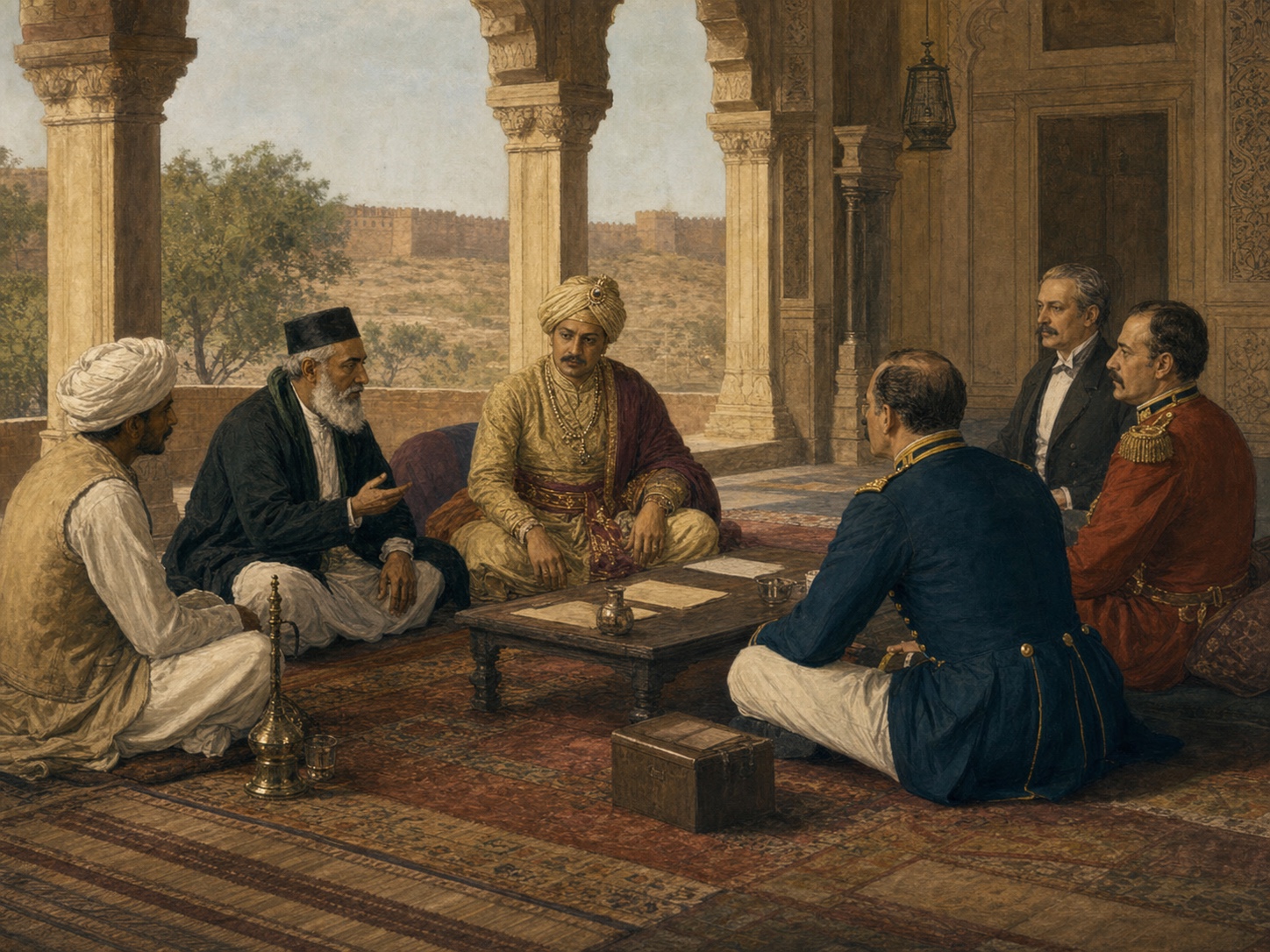


Related figures
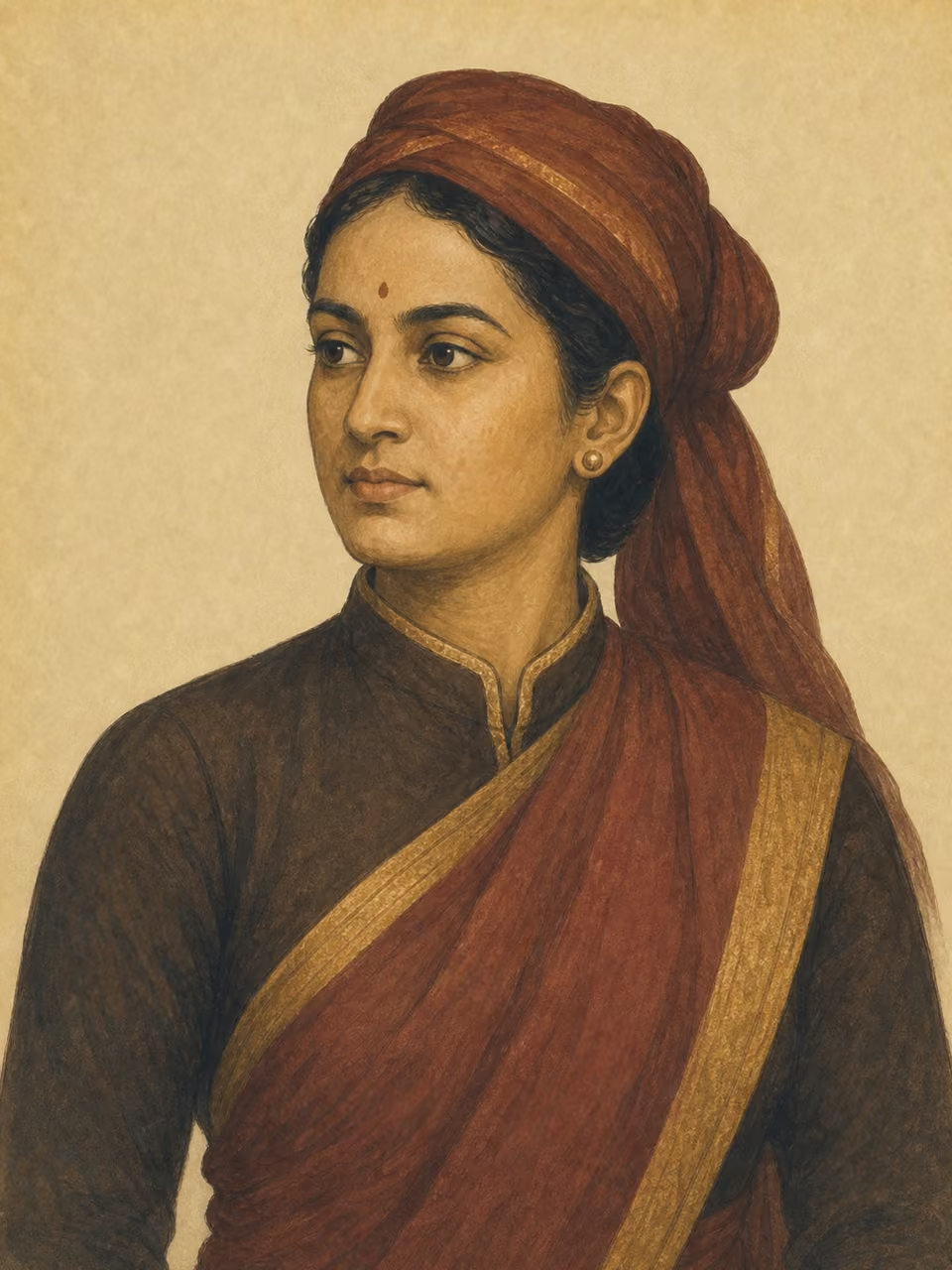
Related events
1848–1856
Company annexation and land resentment
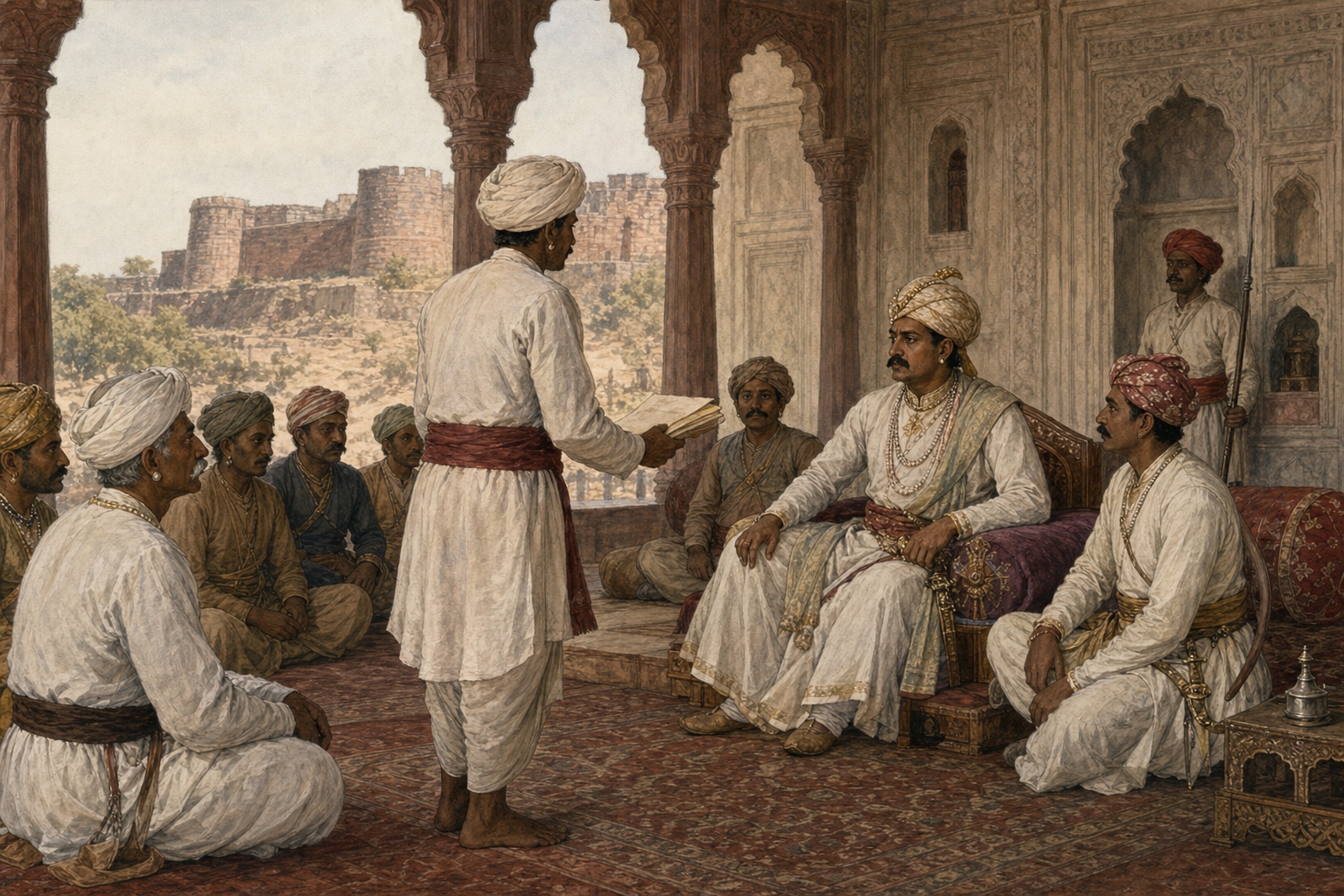
Company annexations and land and revenue policies deepen resentment among rulers, landholders, and cultivators.
1856–1857
Sepoy service and the cartridge crisis
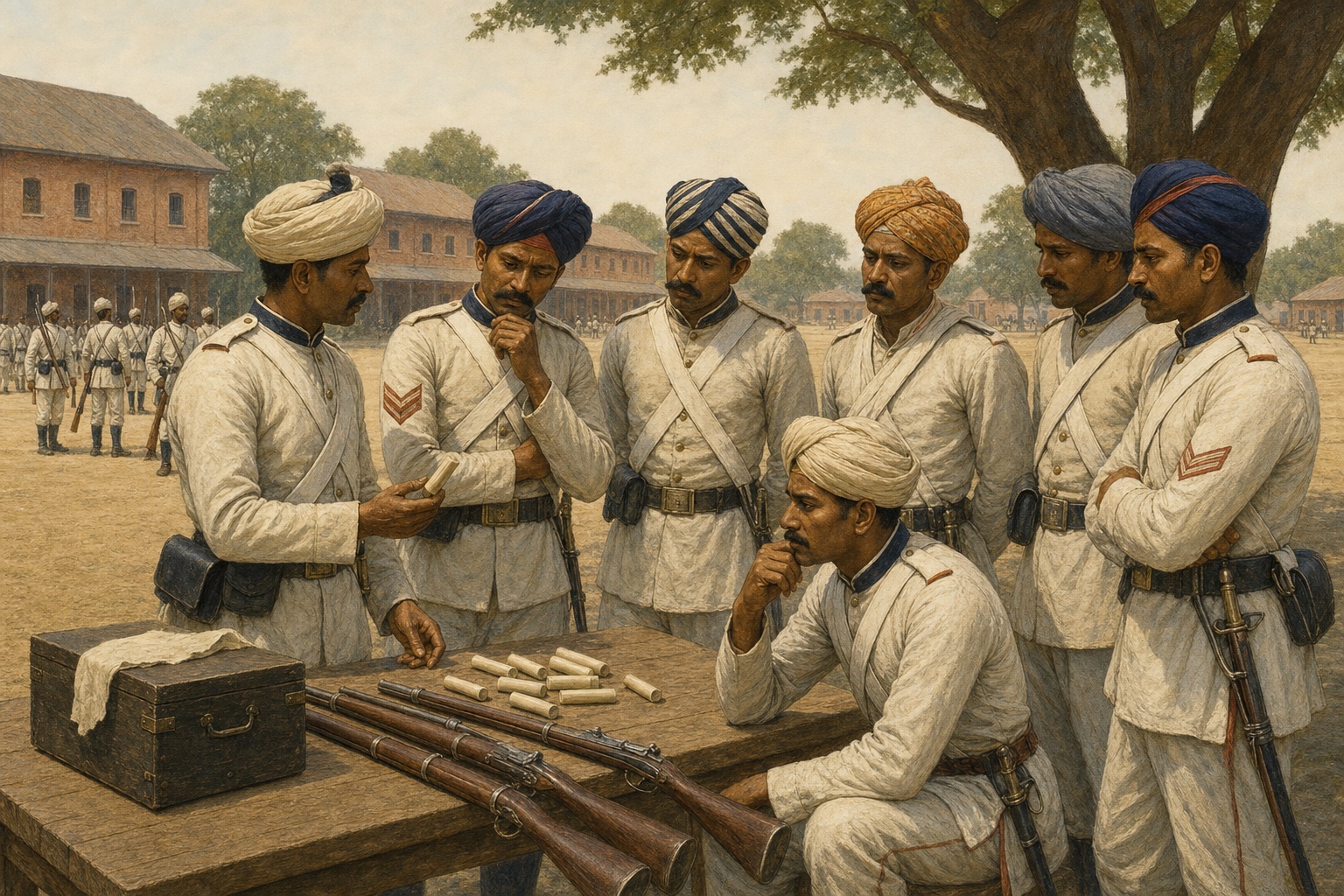
Service grievances and religious fears become a crisis around rumours concerning Enfield rifle cartridges.
1857–1859
The Indian Rebellion of 1857
Current event
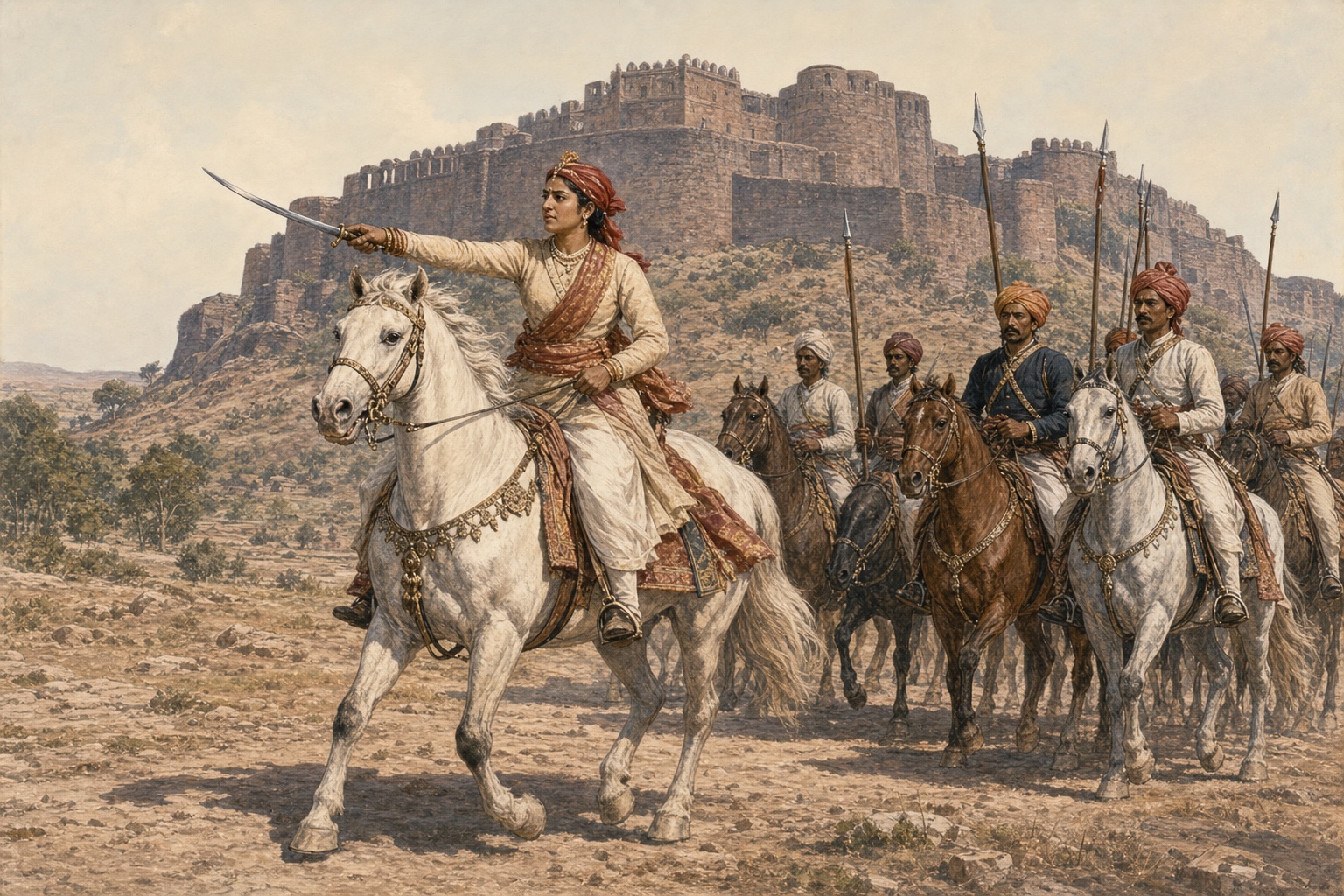
From the Meerut rising through sieges and counteroffensives, the remaining resistance is suppressed.
1858
Crown rule and army reorganization
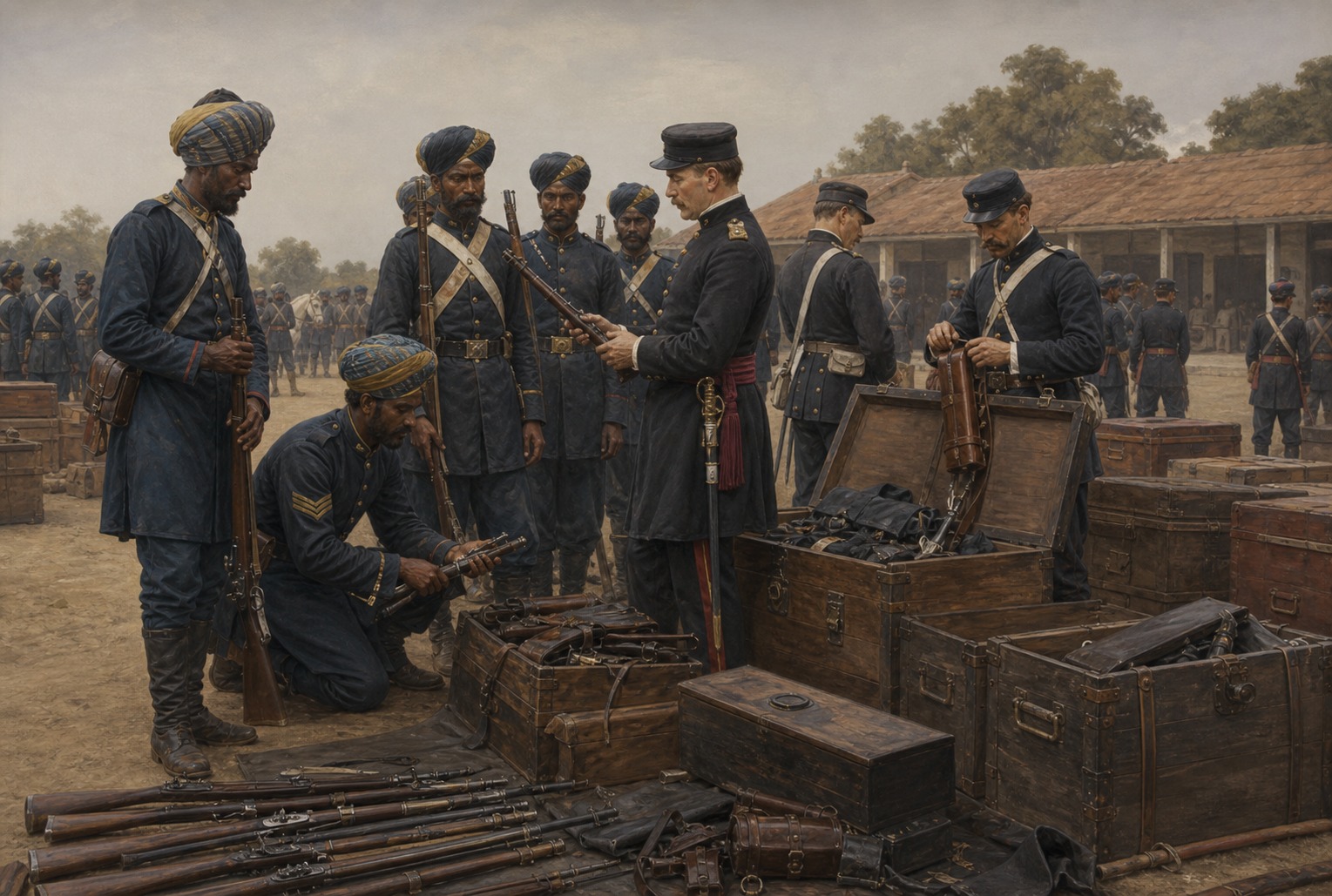
Company government gives way to Crown rule, while troop ratios, artillery control, and recruitment are reorganized.
1858–1877
Princely and religious recalibration
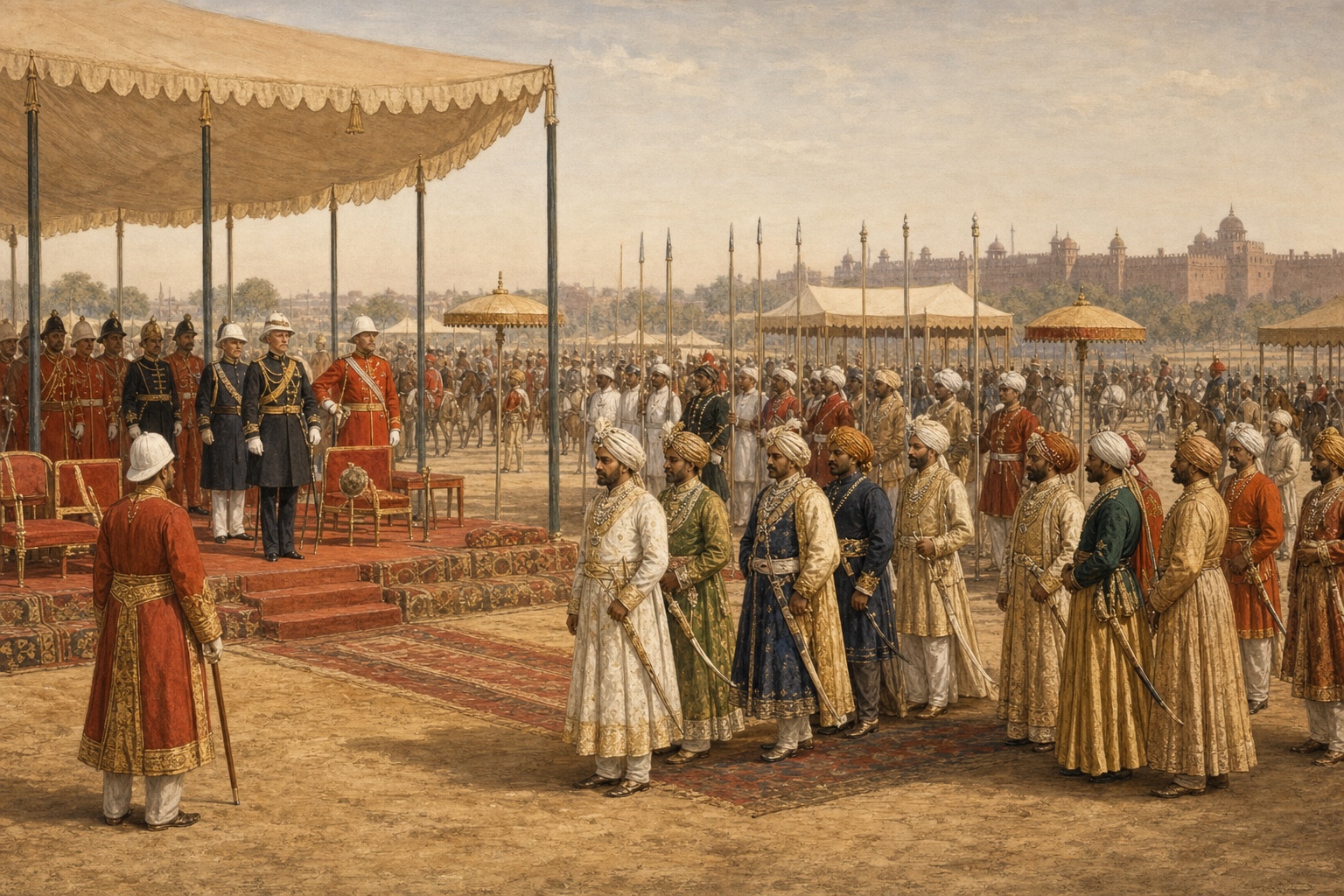
The colonial government becomes more cautious toward princely lands and religious practice and incorporates loyal intermediaries.


Sources
- 3 Site Museums preserving historical documents and memoirs of First War of Independence-1857Press Information Bureau, Government of IndiaA government account of Lucknow, Delhi, and the Red Fort as major sites preserving evidence of the 1857 uprising.
- View of Cawnpore form the riverNational Portal and Digital Repository for Museums of IndiaA museum record documenting the Cawnpore river setting and its siege as a key episode of the rebellion.
- Why did the Indian Rebellion happen?National Army MuseumAn account of annexation, land and revenue policies, service and religious grievances, cartridge rumours, and the spread from Meerut.
- Decisive events of the Indian RebellionNational Army MuseumAn account of the major campaigns, Rani Lakshmibai's command and death, the 1859 endpoint, Company abolition, army reorganization, and the 1877 Delhi Imperial Assemblage.