
Iran-Iraq War
1980–1988
From 1980 to 1988, Iran and Iraq fought a prolonged war over borders, revolution, and regional power.

- Period
- 1980–1988
- Kind
- War
- Regions
- Middle East
- Keywords
- Iran-Iraq War · war · contemporary · middle east
Follow the story · Four stages
Background
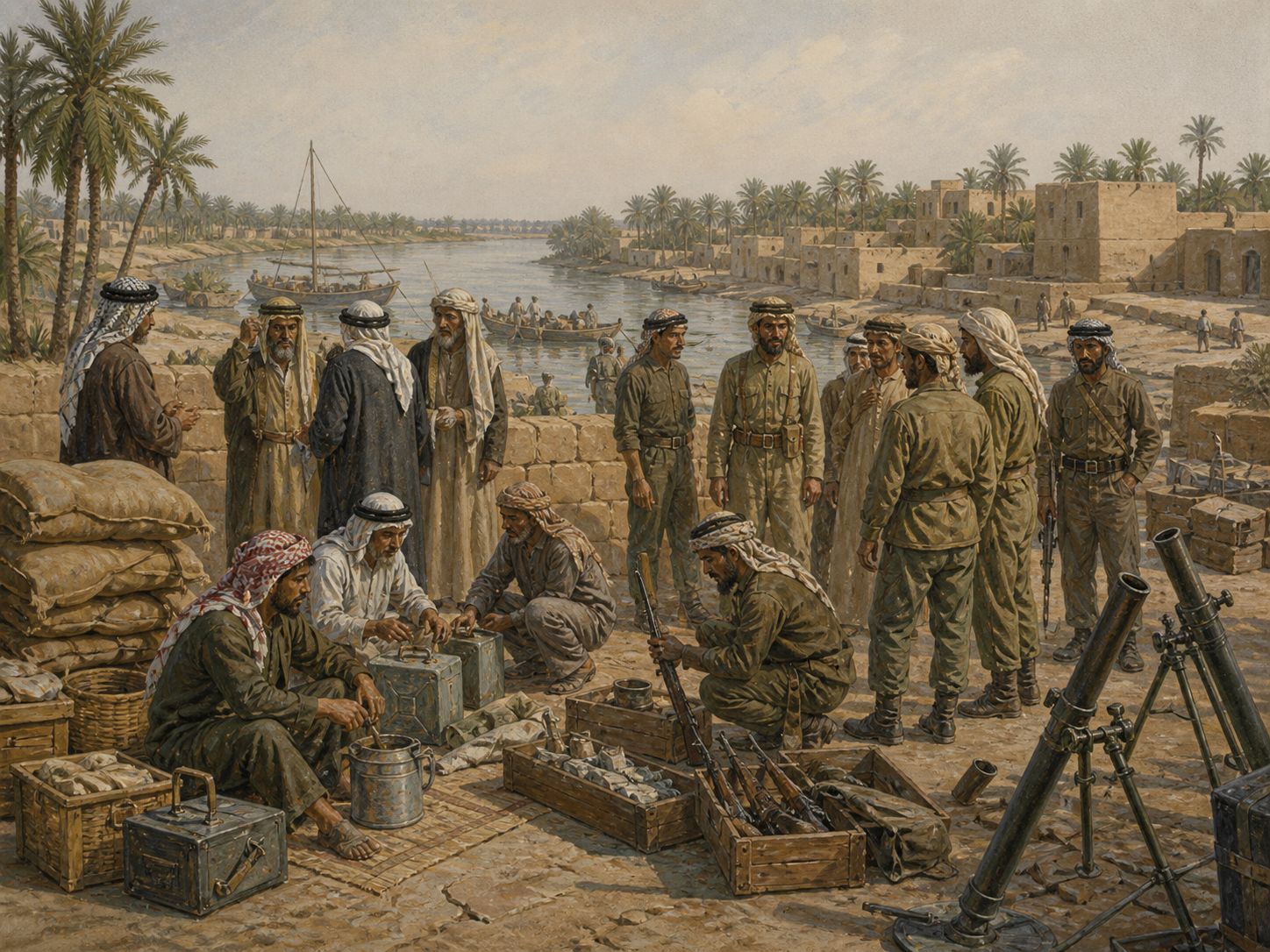
The Iranian Revolution of 1979, the Shatt al-Arab boundary, and political change in the Gulf deepened mutual distrust.
- The Iranian Revolution of 1979, the Shatt al-Arab boundary, and political change in the Gulf deepened mutual distrust.
- Core event: From 1980 to 1988, Iran and Iraq fought a prolonged war over borders, revolution, and regional power.
- Connection to the next stage: Iraq’s invasion stalled after early gains, and the conflict expanded into trench warfare, city attacks, the tanker war, and chemical weapons use.
Course
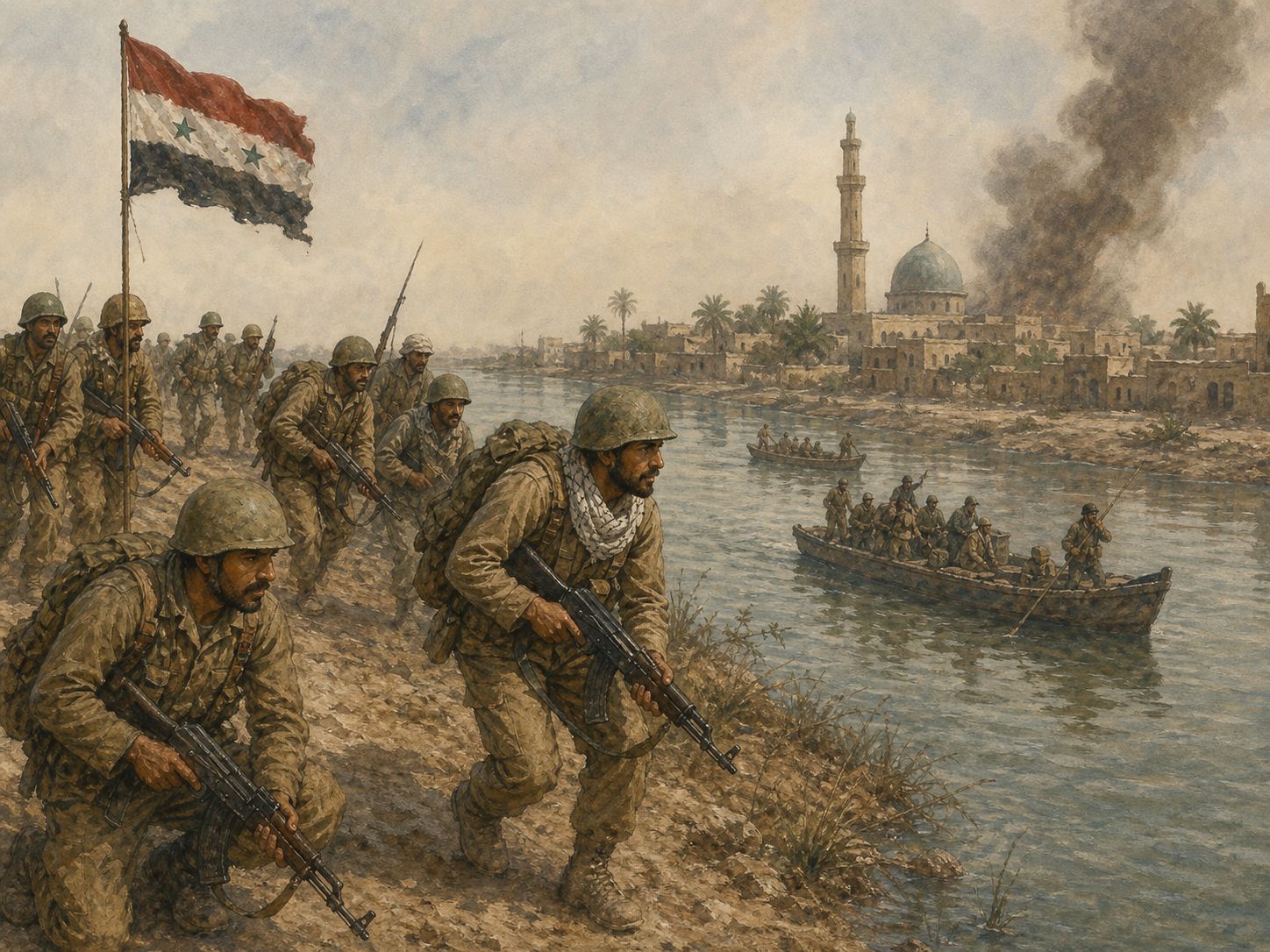
Iraq’s invasion stalled after early gains, and the conflict expanded into trench warfare, city attacks, the tanker war, and chemical weapons use.
- Iraq’s invasion stalled after early gains, and the conflict expanded into trench warfare, city attacks, the tanker war, and chemical weapons use.
- Conditions behind the action: The Iranian Revolution of 1979, the Shatt al-Arab boundary, and political change in the Gulf deepened mutual distrust.
- Meaning of the turning point: From 1980 to 1988, Iran and Iraq fought a prolonged war over borders, revolution, and regional power.
Outcome
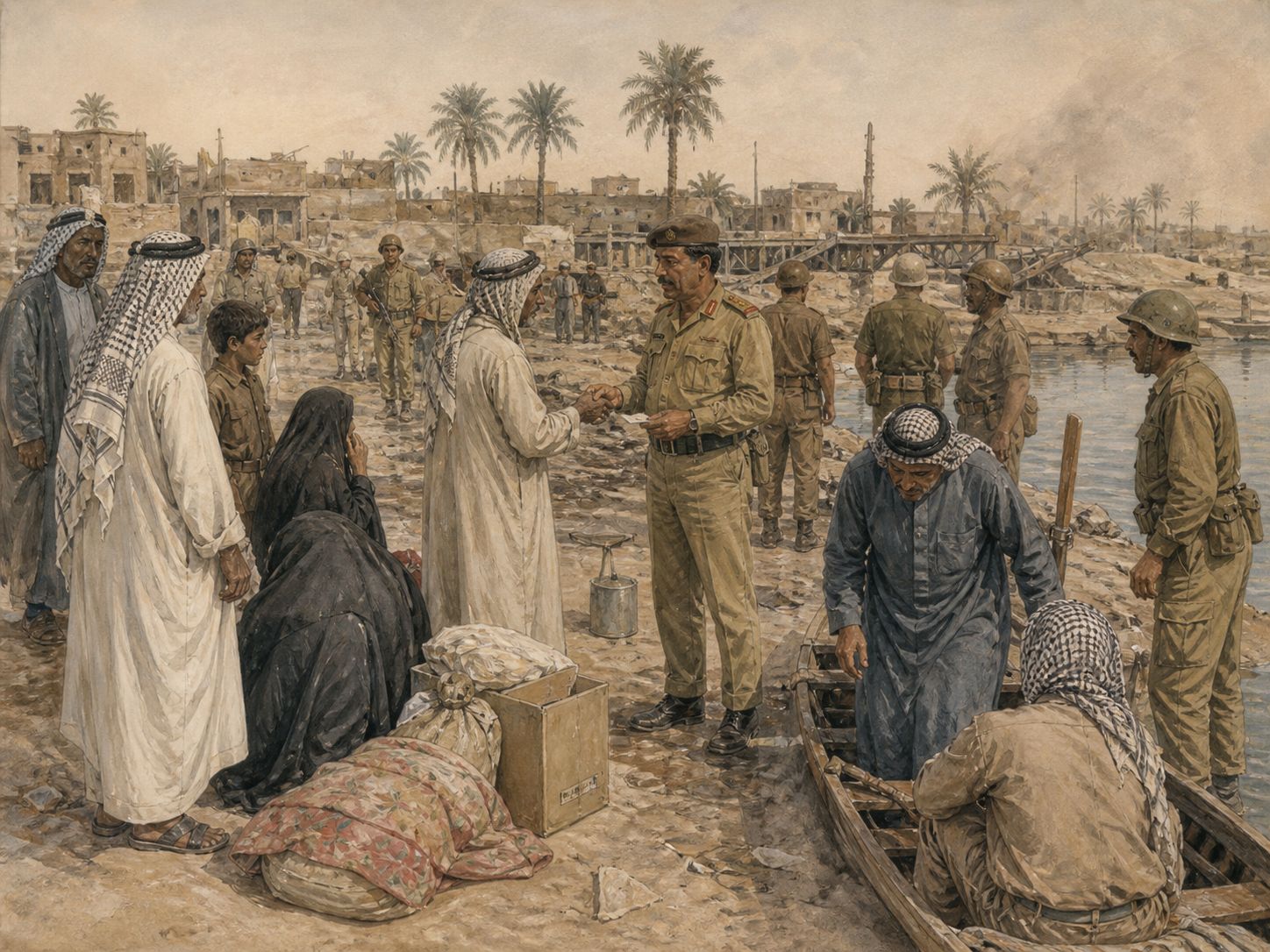
A ceasefire followed UN Resolution 598 in 1988, while immense losses remained in both societies and along the border.
- A ceasefire followed UN Resolution 598 in 1988, while immense losses remained in both societies and along the border.
- Process producing the result: Iraq’s invasion stalled after early gains, and the conflict expanded into trench warfare, city attacks, the tanker war, and chemical weapons use.
- Question carried forward: The war reflected a late Cold War Middle Eastern order shaped by revolutionary states, dictatorship, great-power support, and oil transport.
Historical significance
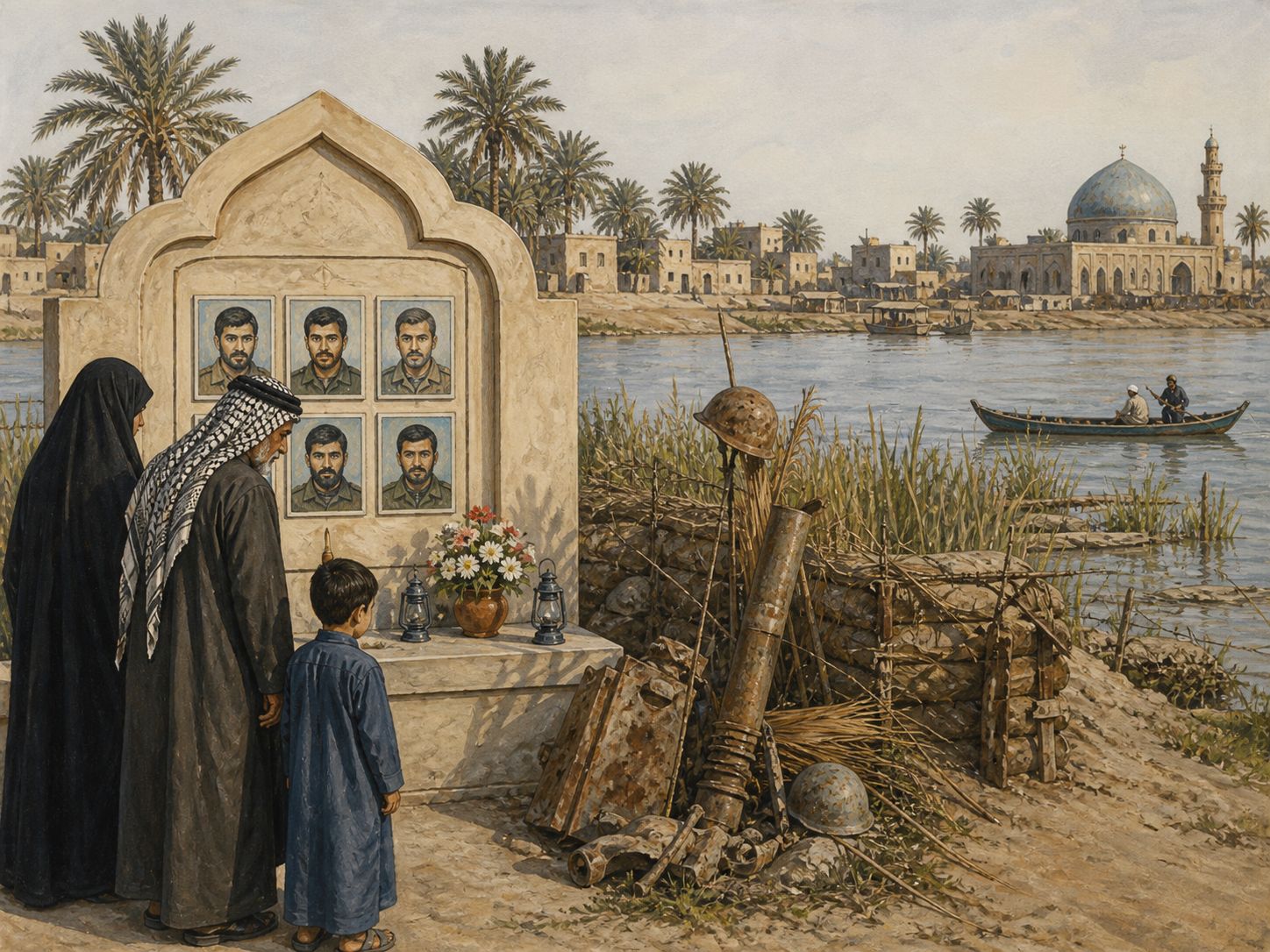
The war reflected a late Cold War Middle Eastern order shaped by revolutionary states, dictatorship, great-power support, and oil transport.
- The war reflected a late Cold War Middle Eastern order shaped by revolutionary states, dictatorship, great-power support, and oil transport.
- Immediate consequence: A ceasefire followed UN Resolution 598 in 1988, while immense losses remained in both societies and along the border.
- Historical turning point: From 1980 to 1988, Iran and Iraq fought a prolonged war over borders, revolution, and regional power.


Related events
c. 1980
Prelude
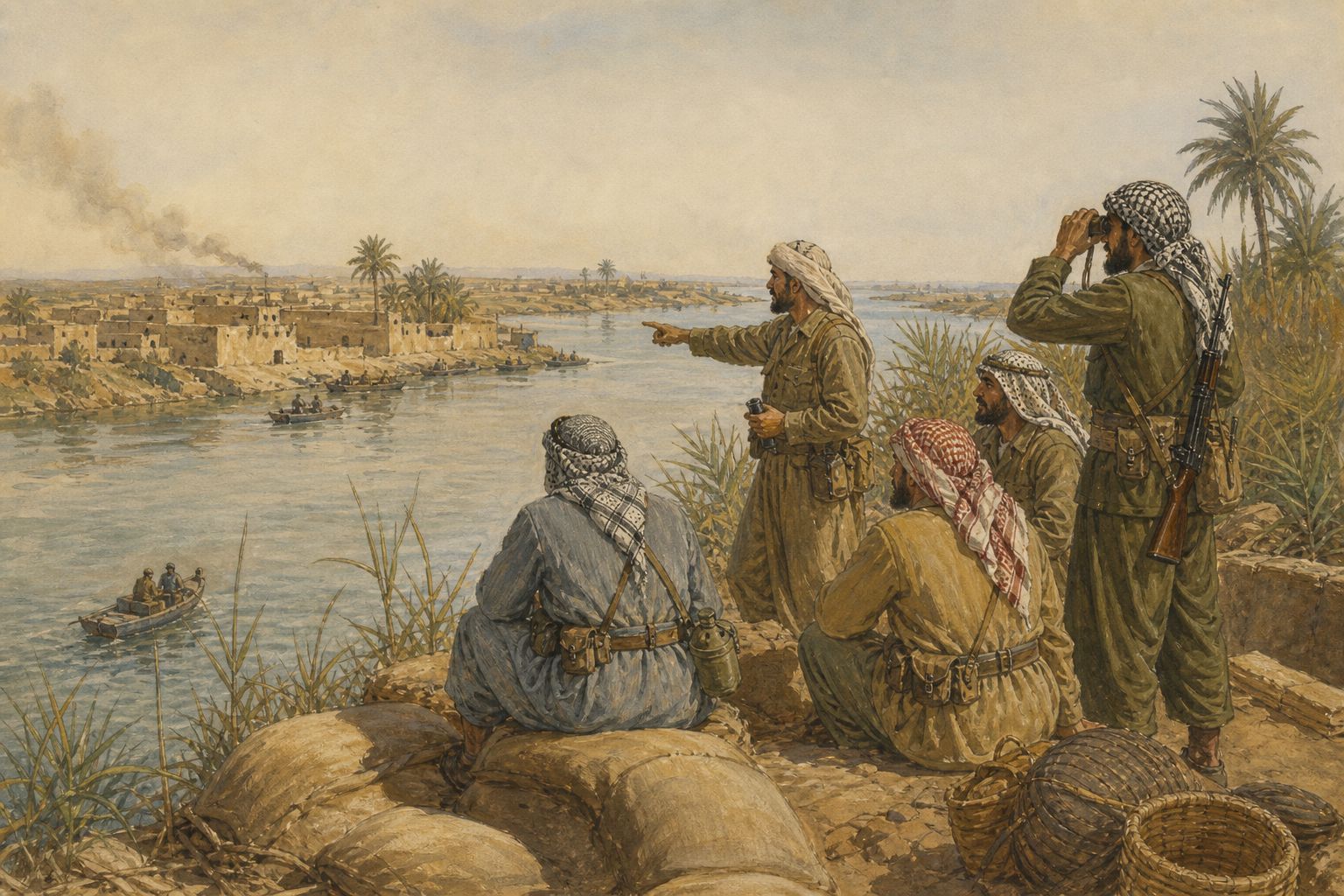
Prelude — Background: The Iranian Revolution of 1979, the Shatt al-Arab boundary, and political change in the Gulf deepened mutual distrust.
c. 1980
Turning point
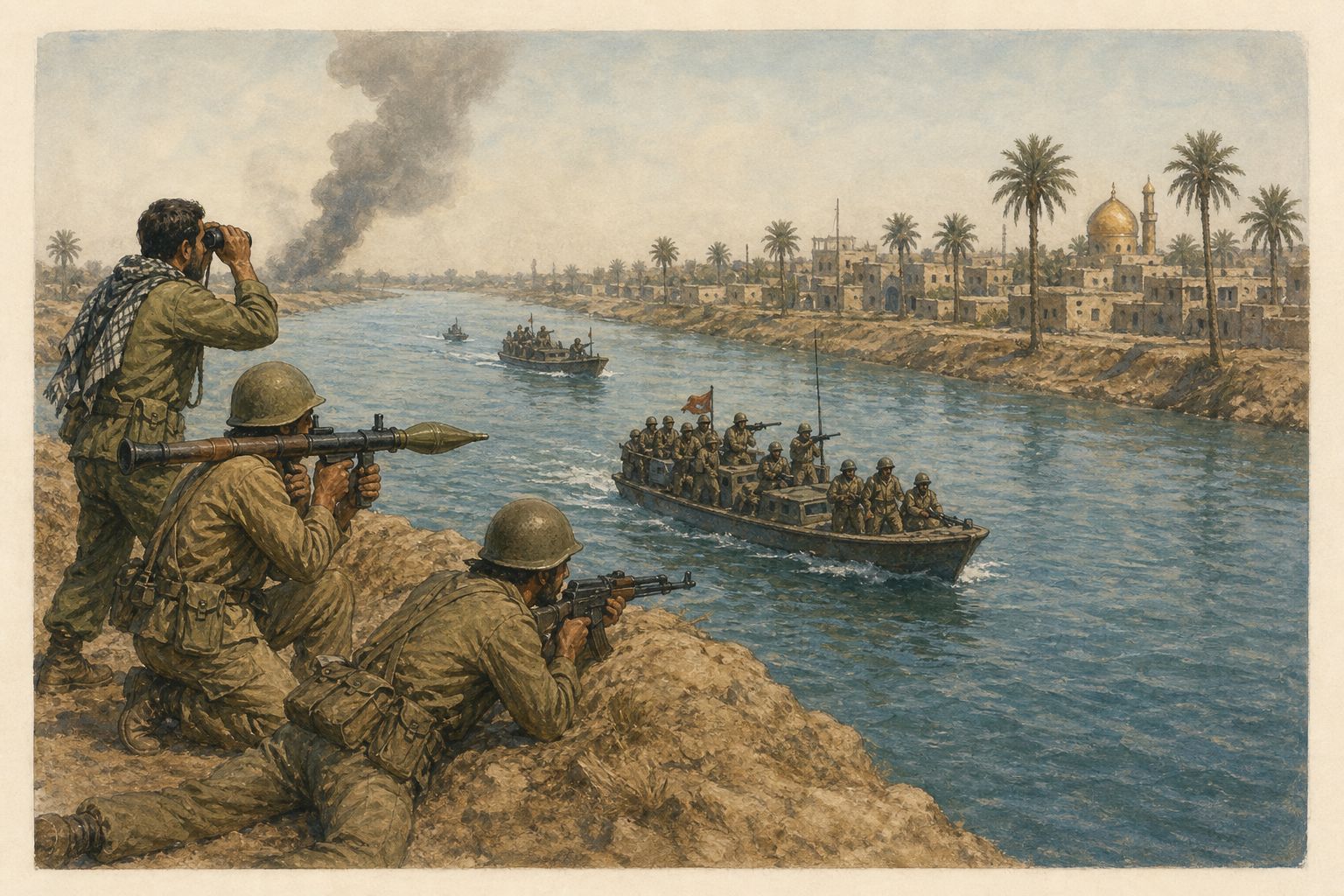
Turning point — Build-up: Iraq’s invasion stalled after early gains, and the conflict expanded into trench warfare, city attacks, the tanker war, and chemical weapons use.
1980–1988
Current phase
Current event
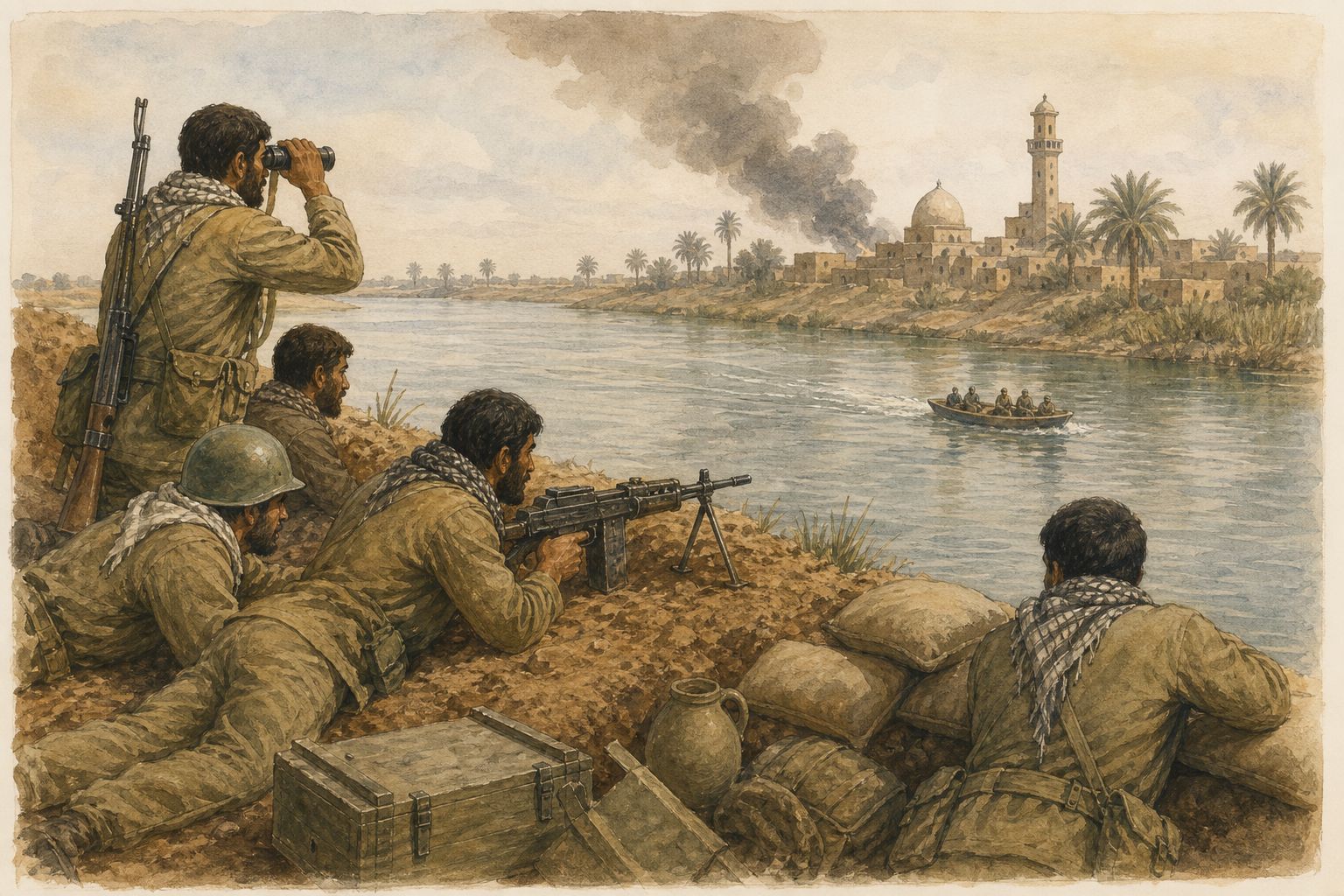
Current phase — Central transition: From 1980 to 1988, Iran and Iraq fought a prolonged war over borders, revolution, and regional power.
c. 1989
Immediate aftermath
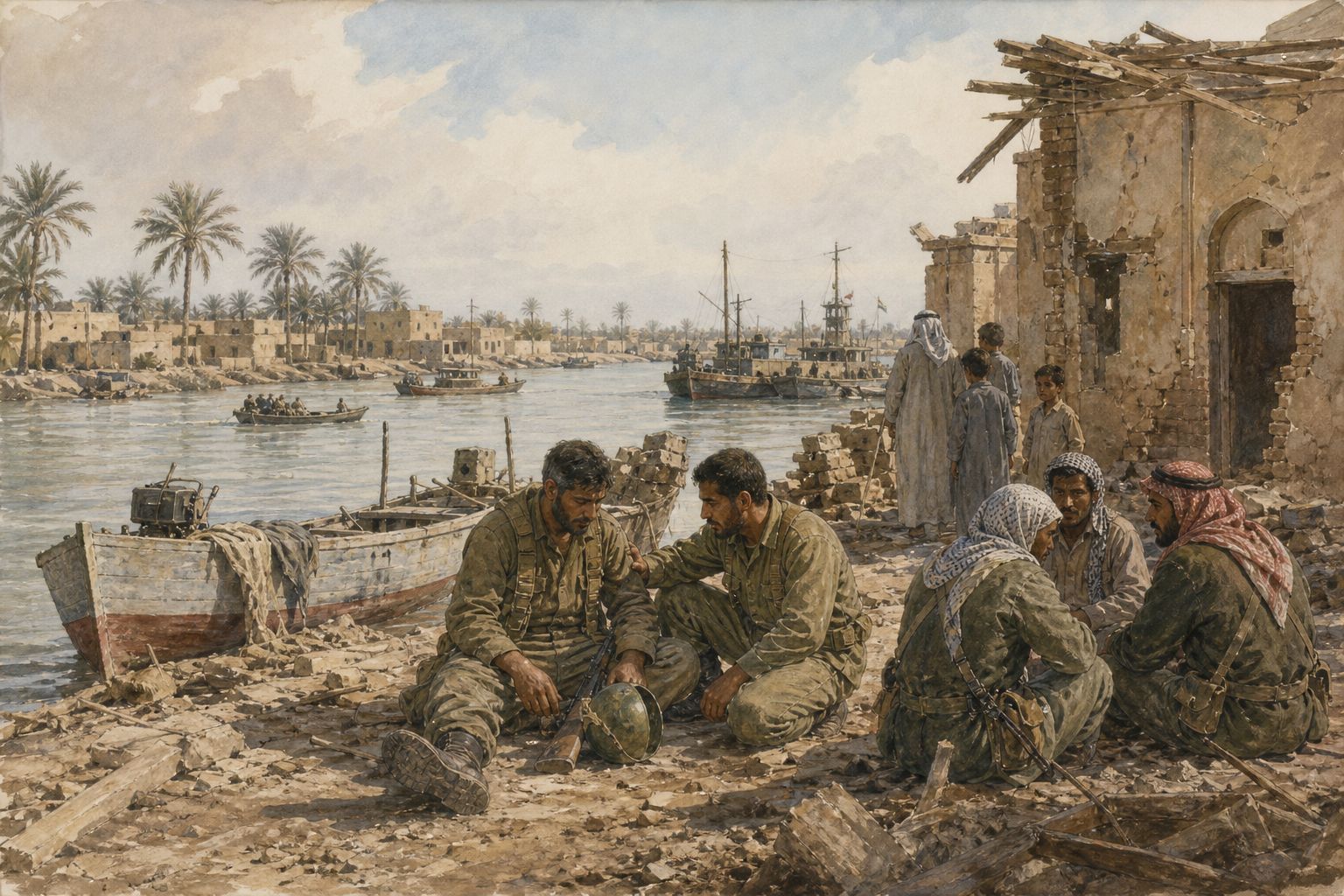
Immediate aftermath — Immediate result: A ceasefire followed UN Resolution 598 in 1988, while immense losses remained in both societies and along the border.
c. 1998
Long-term significance
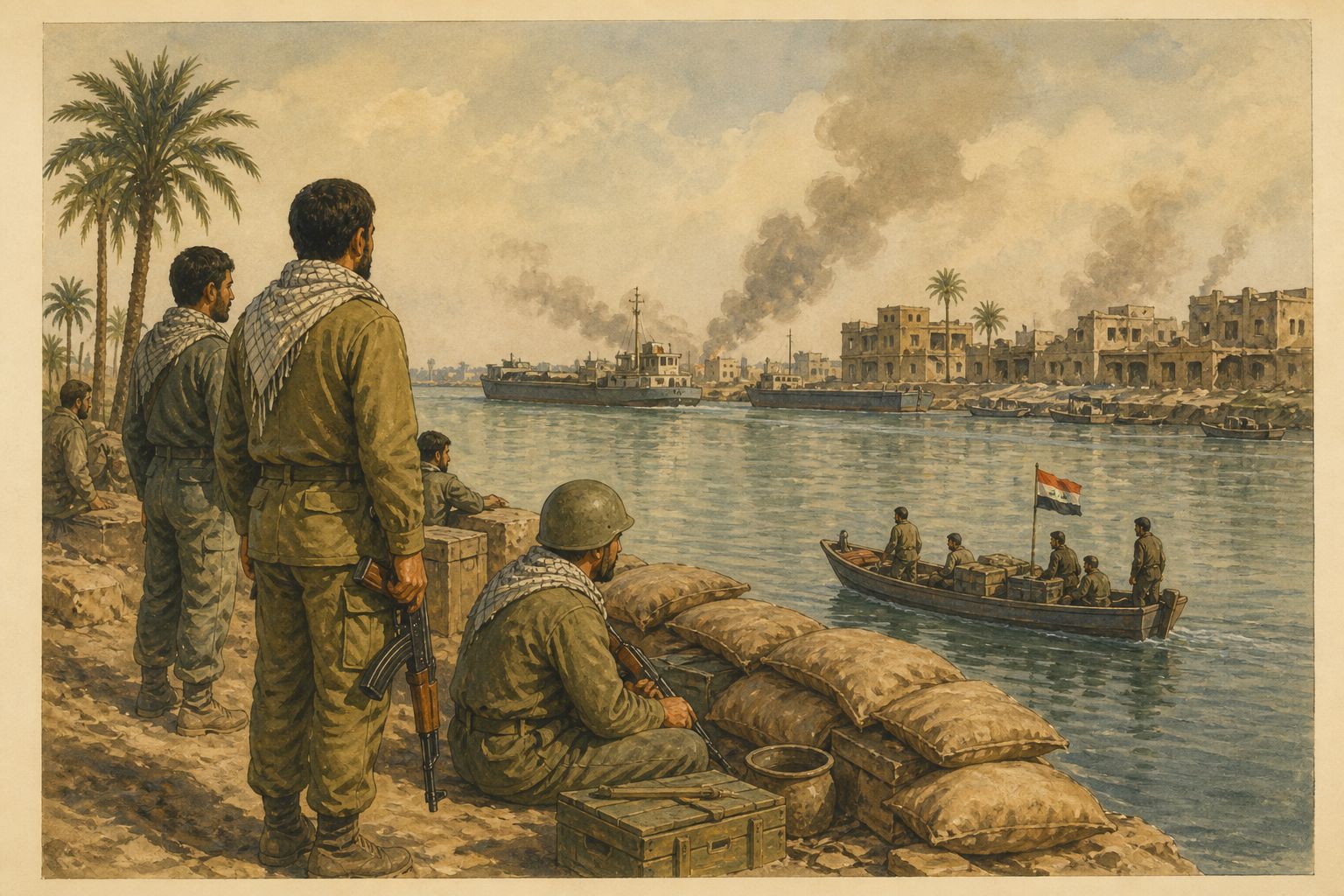
Long-term significance — Long-term significance: The war reflected a late Cold War Middle Eastern order shaped by revolutionary states, dictatorship, great-power support, and oil transport.


Sources
- Iran-Iraq War — Iran Iraq War (Encyclopaedia Britannica)britannica.comThis Encyclopaedia Britannica resource supports the chronology, setting, and course of Iran-Iraq War.
- Iran-Iraq War — Iran Iraq War (U.S. Office of the Historian)history.state.govThis U.S. Office of the Historian resource supports the chronology, setting, and course of Iran-Iraq War.
- Iran-Iraq War — Iraq Ii Iran Iraq War (Iranicaonline)iranicaonline.orgThis Iranicaonline resource supports the chronology, setting, and course of Iran-Iraq War.