
Iranian Constitutional Revolution
1905–1911
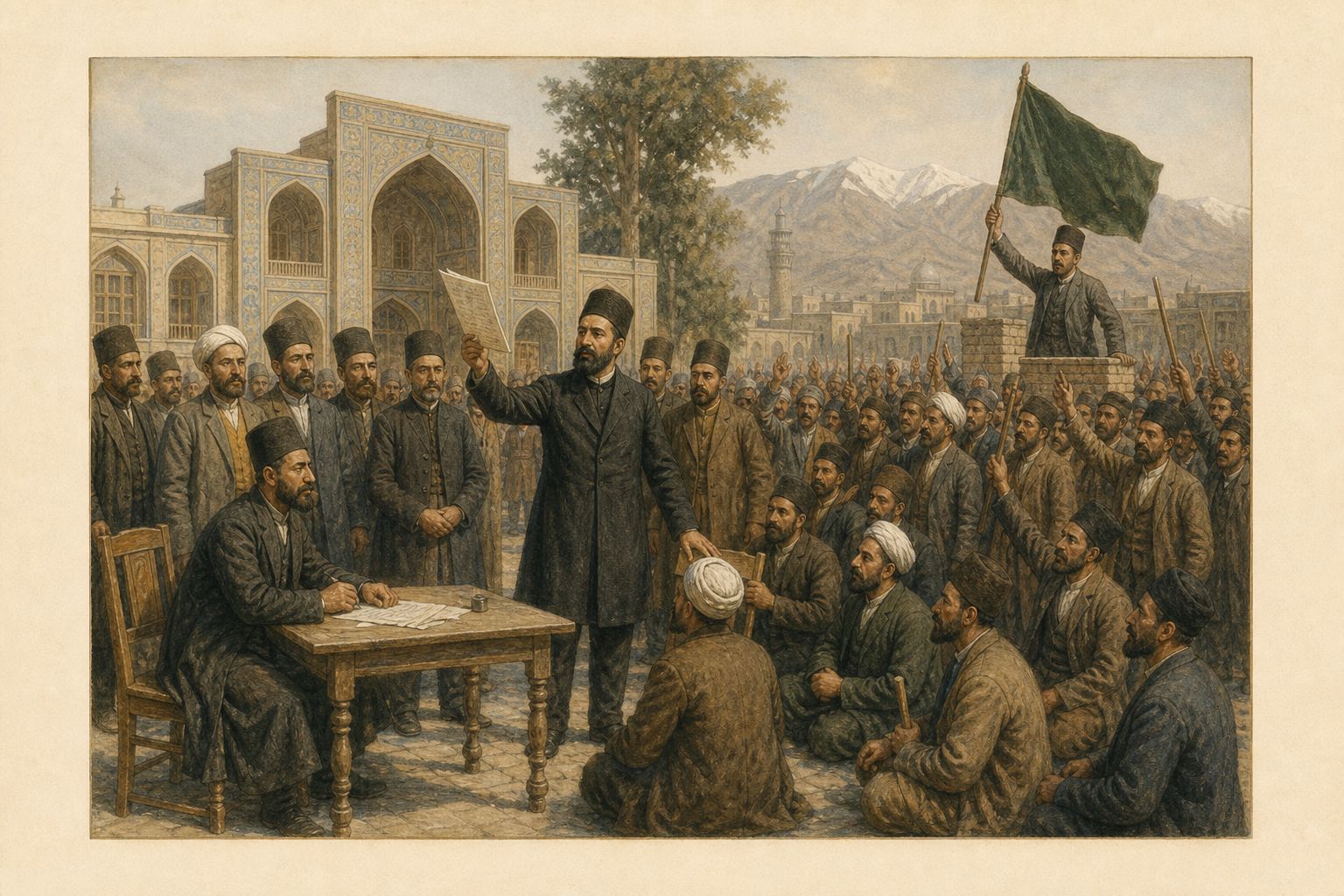
From 1905 to 1911, merchants, clerics, intellectuals, and townspeople demanded parliament and legal government from the Qajar state.

- Period
- 1905–1911
- Kind
- Revolution
- Regions
- Middle East
- Keywords
- Iranian Constitutional Revolution · revolution · modern · middle east
Follow the story · Four stages
Background
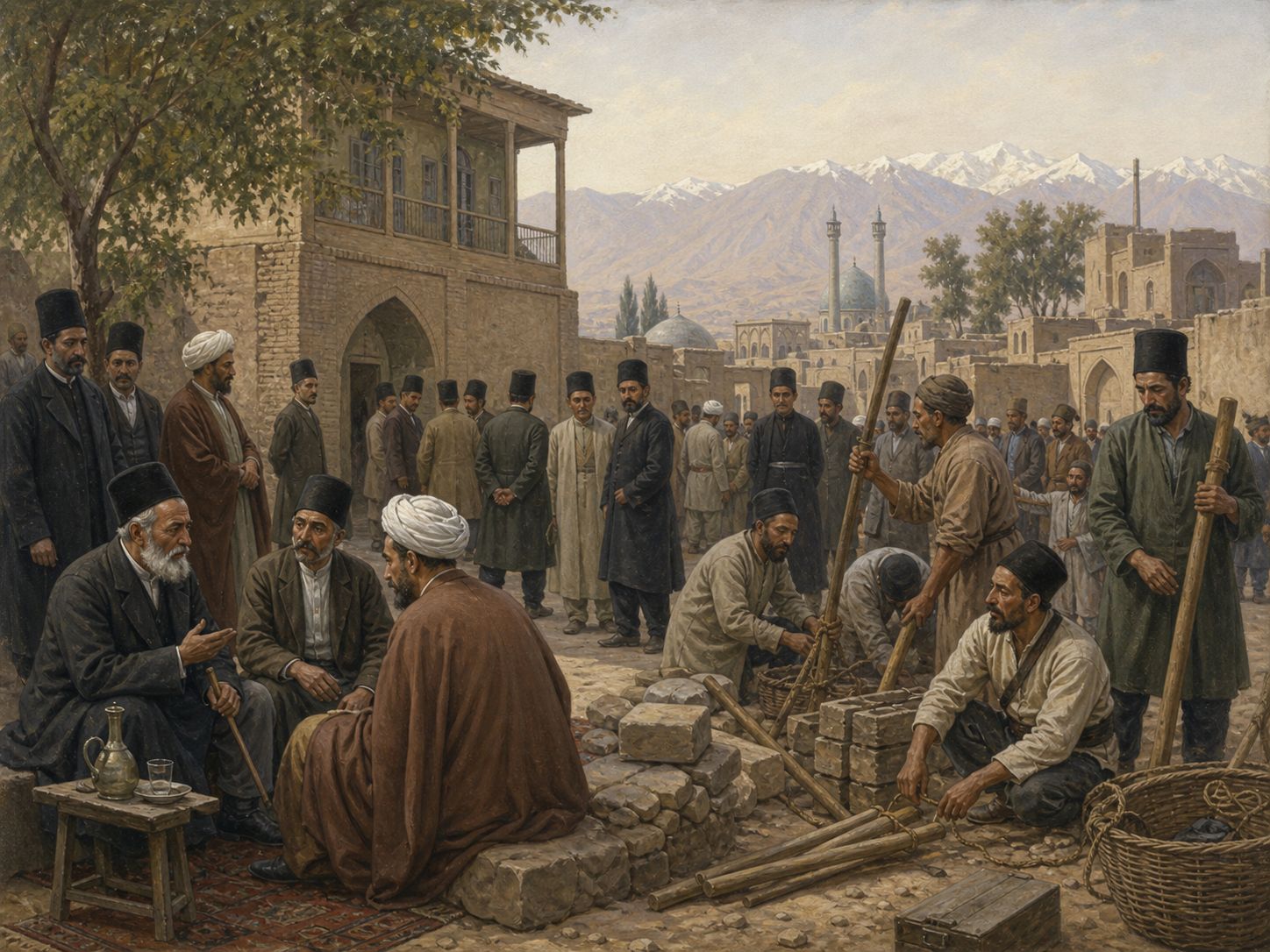
Foreign concessions, fiscal crisis, autocratic rule, and urban commercial interests generated protest over law and representation.
- Foreign concessions, fiscal crisis, autocratic rule, and urban commercial interests generated protest over law and representation.
- Core event: From 1905 to 1911, merchants, clerics, intellectuals, and townspeople demanded parliament and legal government from the Qajar state.
- Connection to the next stage: Sanctuary protests, strikes, and demonstrations spread, producing a parliament and constitution in 1906 amid continued royal and foreign interference.
Course
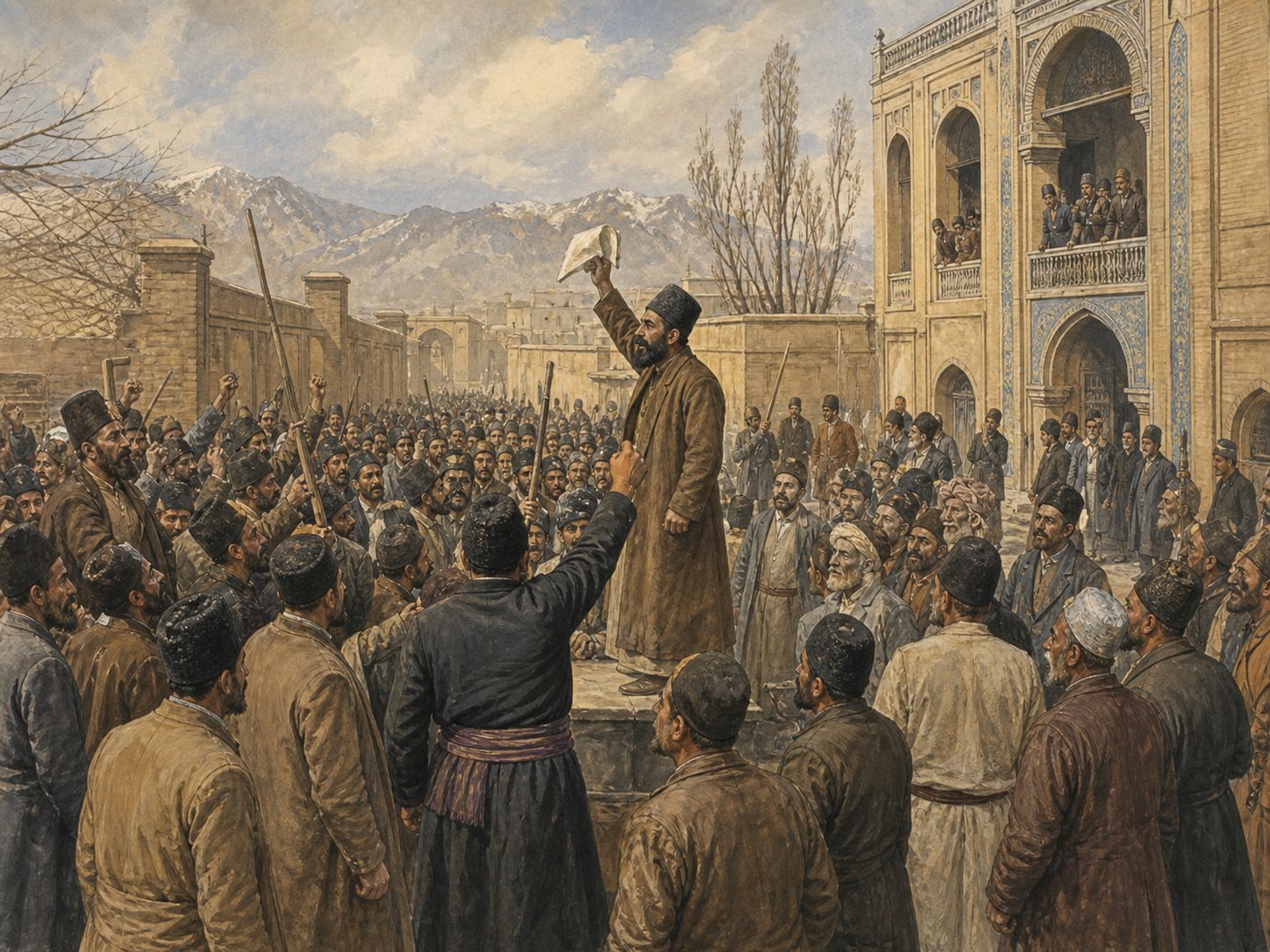
Sanctuary protests, strikes, and demonstrations spread, producing a parliament and constitution in 1906 amid continued royal and foreign interference.
- Sanctuary protests, strikes, and demonstrations spread, producing a parliament and constitution in 1906 amid continued royal and foreign interference.
- Conditions behind the action: Foreign concessions, fiscal crisis, autocratic rule, and urban commercial interests generated protest over law and representation.
- Meaning of the turning point: From 1905 to 1911, merchants, clerics, intellectuals, and townspeople demanded parliament and legal government from the Qajar state.
Outcome
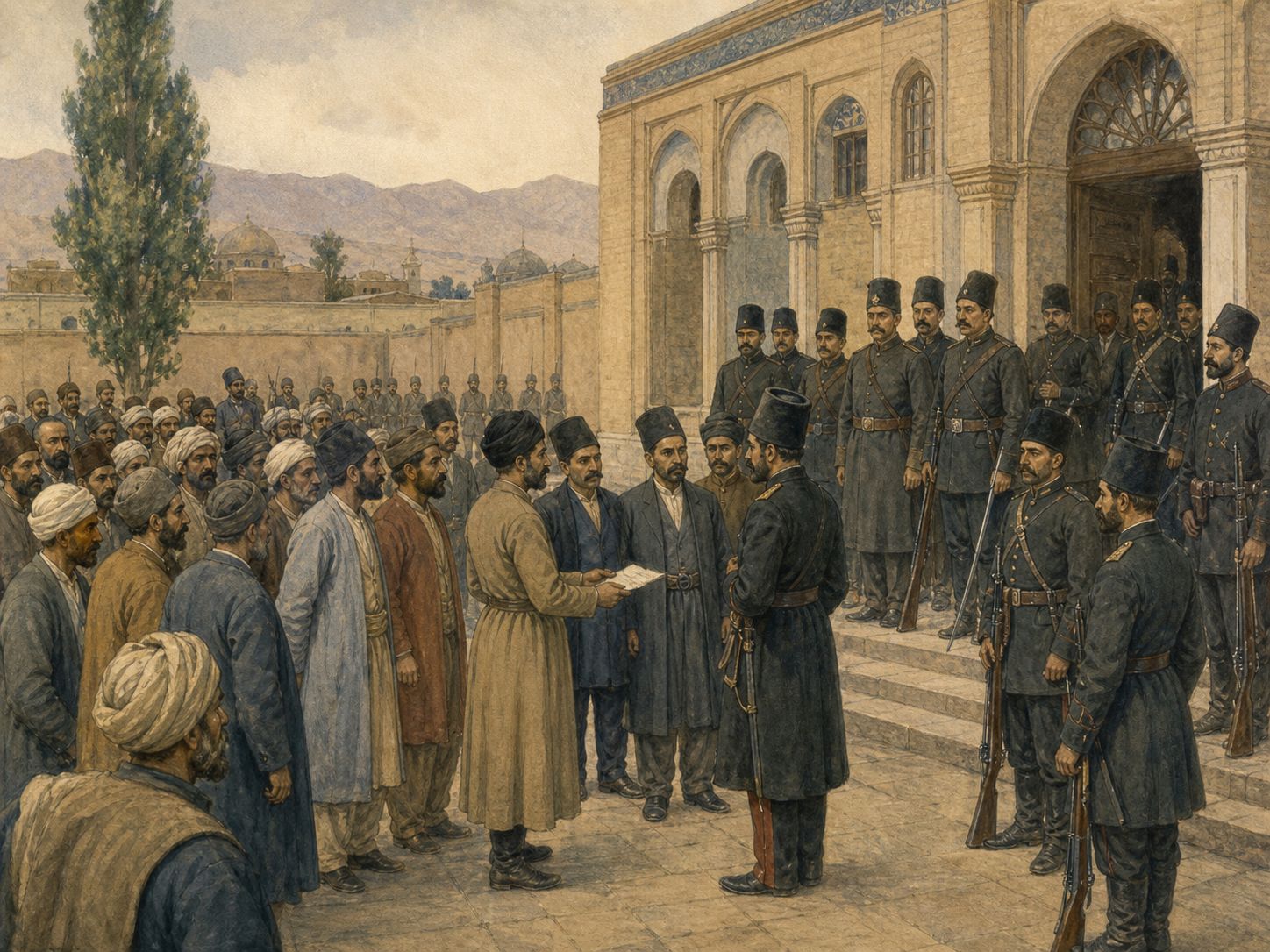
Armed conflict between constitutionalists and royalists and Russian intervention severely constrained the constitutional movement.
- Armed conflict between constitutionalists and royalists and Russian intervention severely constrained the constitutional movement.
- Process producing the result: Sanctuary protests, strikes, and demonstrations spread, producing a parliament and constitution in 1906 amid continued royal and foreign interference.
- Question carried forward: The revolution linked religious legitimacy, sovereignty, parliament, and resistance to foreign control in modern Iranian politics.
Historical significance
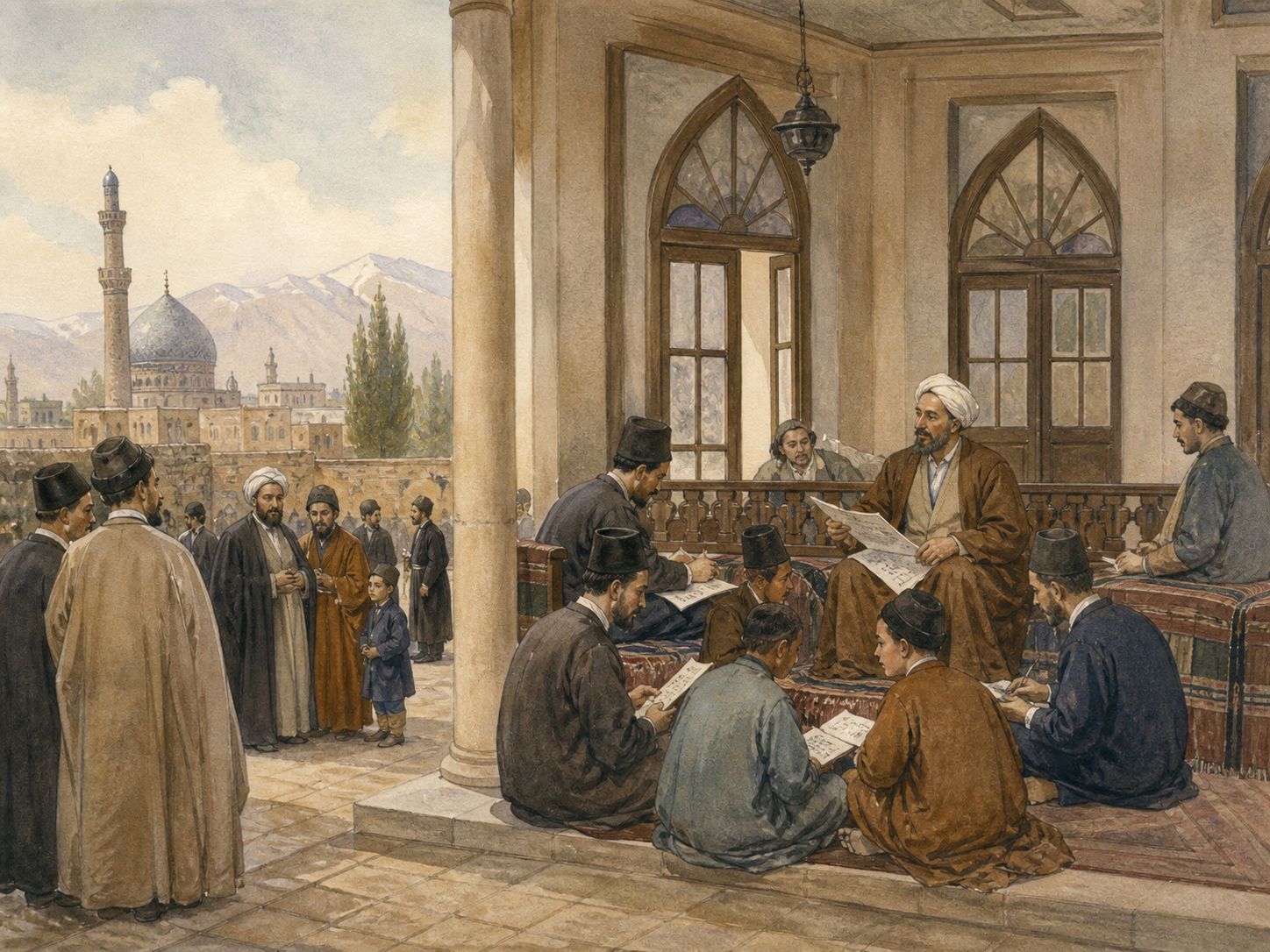
The revolution linked religious legitimacy, sovereignty, parliament, and resistance to foreign control in modern Iranian politics.
- The revolution linked religious legitimacy, sovereignty, parliament, and resistance to foreign control in modern Iranian politics.
- Immediate consequence: Armed conflict between constitutionalists and royalists and Russian intervention severely constrained the constitutional movement.
- Historical turning point: From 1905 to 1911, merchants, clerics, intellectuals, and townspeople demanded parliament and legal government from the Qajar state.


Related events
c. 1905
Prelude
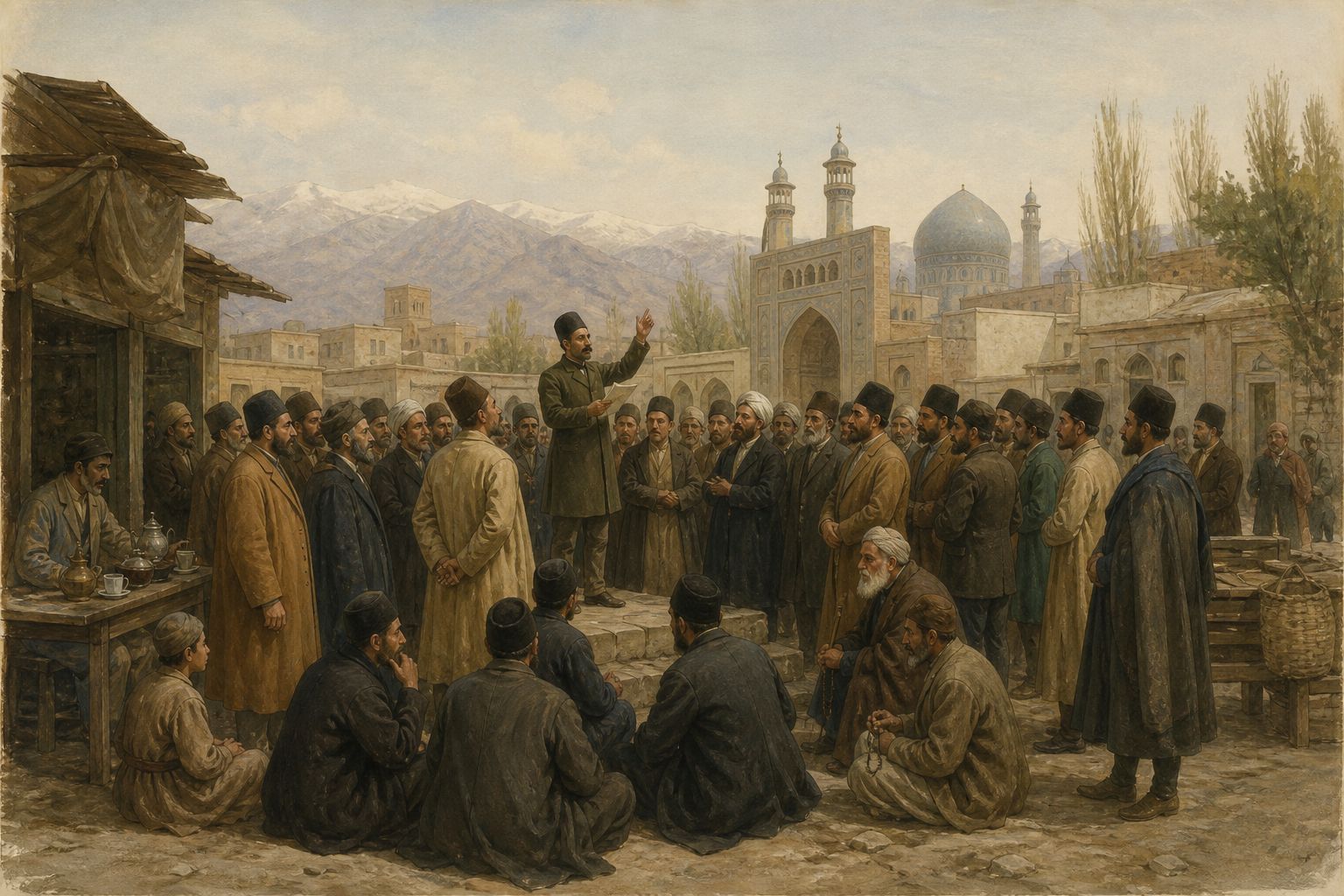
Prelude — Background: Foreign concessions, fiscal crisis, autocratic rule, and urban commercial interests generated protest over law and representation.
c. 1905
Turning point
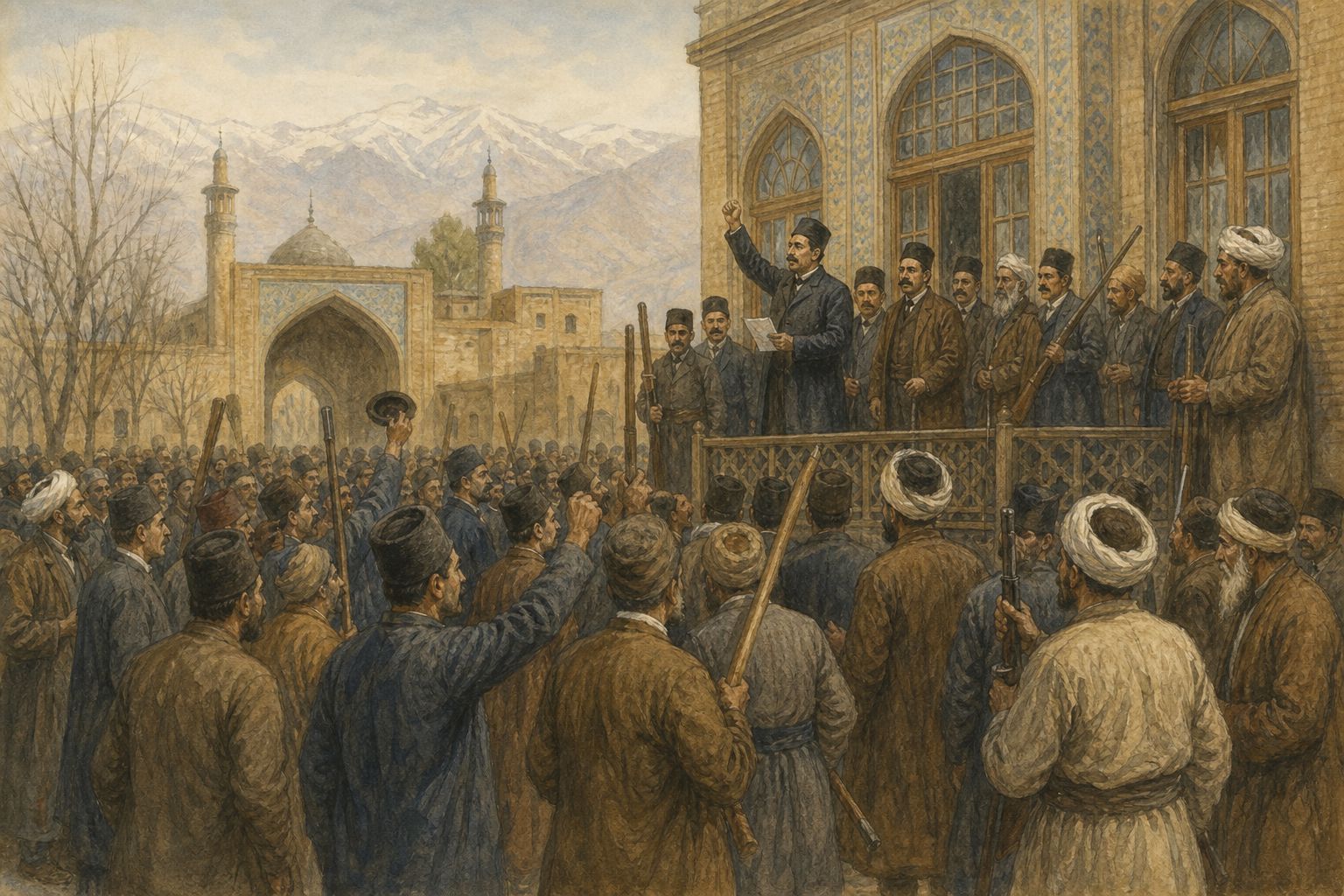
Turning point — Build-up: Sanctuary protests, strikes, and demonstrations spread, producing a parliament and constitution in 1906 amid continued royal and foreign interference.
1905–1911
Current phase
Current event
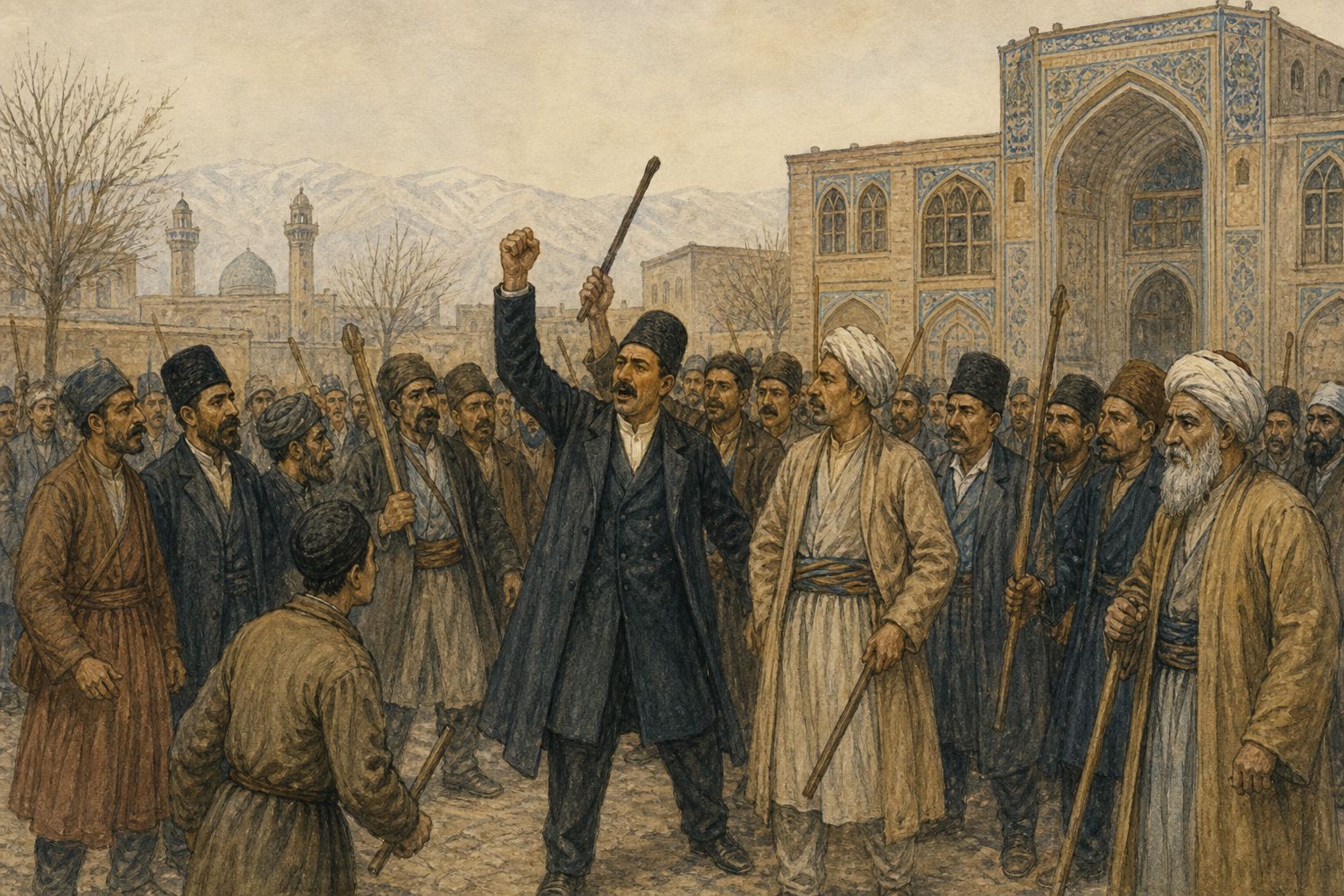
Current phase — Central transition: From 1905 to 1911, merchants, clerics, intellectuals, and townspeople demanded parliament and legal government from the Qajar state.
c. 1912
Immediate aftermath
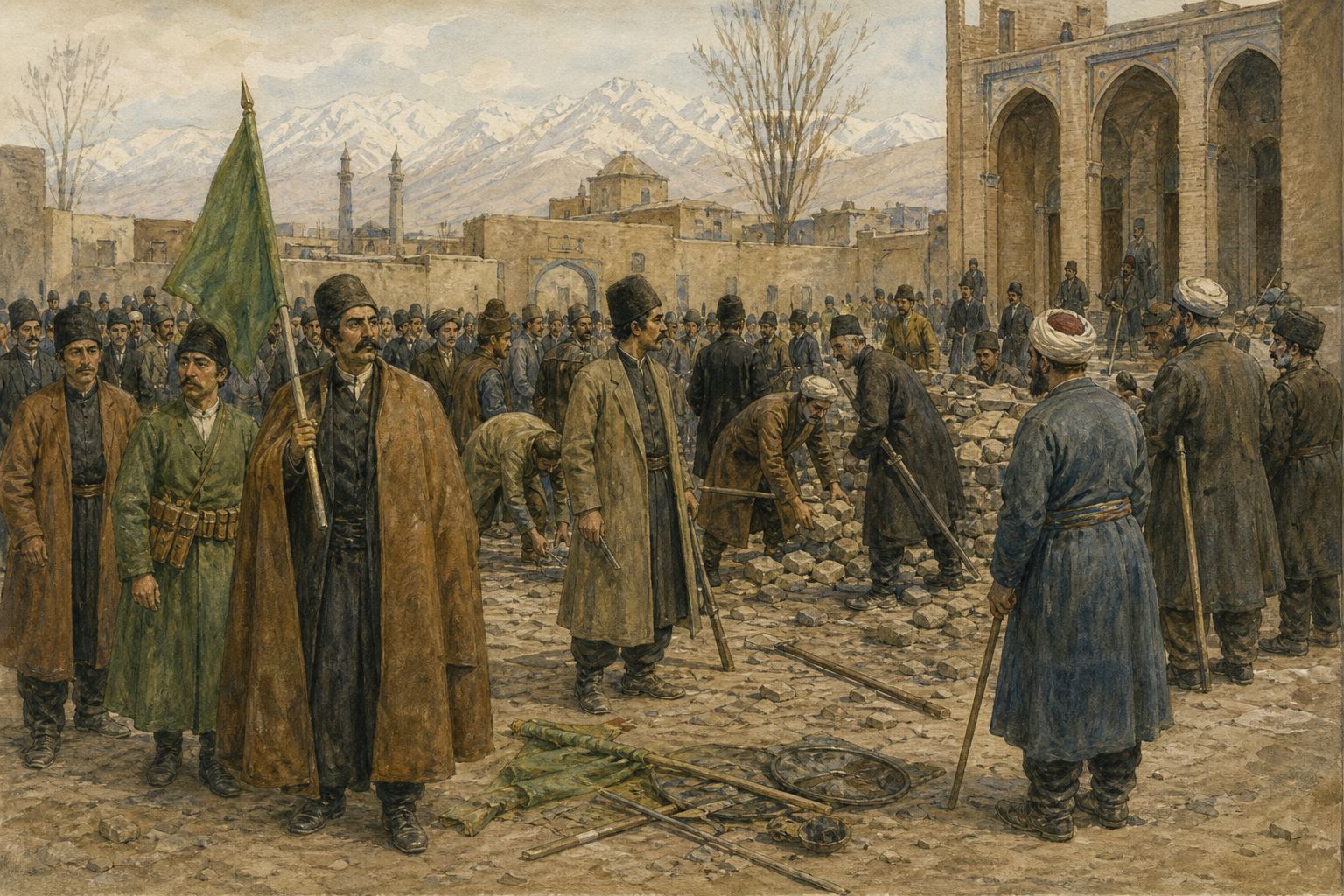
Immediate aftermath — Immediate result: Armed conflict between constitutionalists and royalists and Russian intervention severely constrained the constitutional movement.
c. 1921
Long-term significance
Long-term significance — Long-term significance: The revolution linked religious legitimacy, sovereignty, parliament, and resistance to foreign control in modern Iranian politics.


Sources
- Iranian Constitutional Revolution — Constitutional Revolution Iranian History (Encyclopaedia Britannica)britannica.comThis Encyclopaedia Britannica resource supports the chronology, setting, and course of Iranian Constitutional Revolution.
- Iranian Constitutional Revolution — Constitutional Revolution I (Iranicaonline)iranicaonline.orgThis Iranicaonline resource supports the chronology, setting, and course of Iranian Constitutional Revolution.
- Iranian Constitutional Revolution — 2021668744 (Library of Congress)loc.govThis Library of Congress resource supports the chronology, setting, and course of Iranian Constitutional Revolution.