
Easter Rising
1916
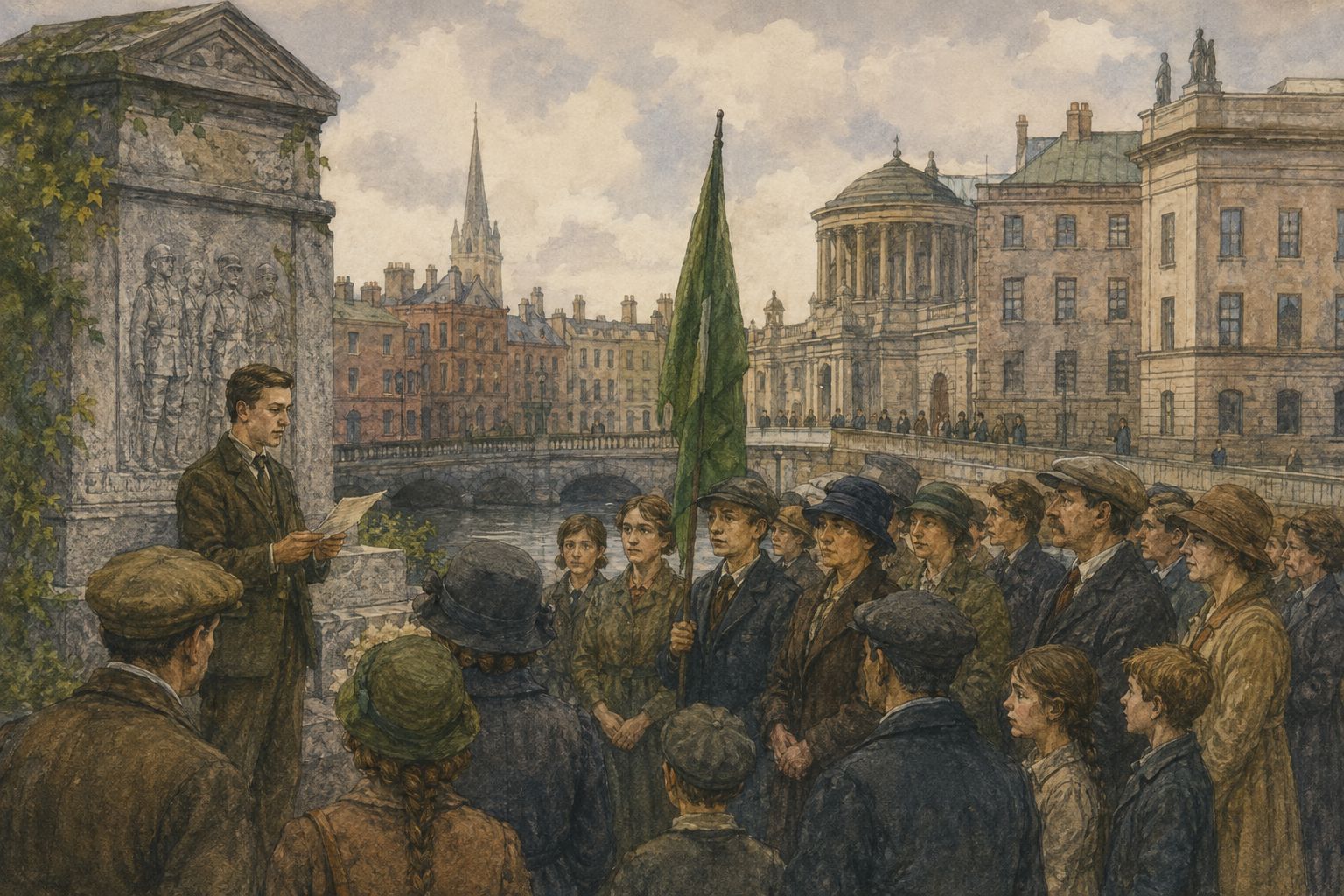
Irish republicans rose in Dublin and were defeated by British forces, but the event transformed public opinion about independence.

- Period
- 1916
- Kind
- Rebellion
- Regions
- Europe
- Keywords
- Easter Rising · Dublin · contemporary · background · turning point · impact
Follow the story · Four stages
Background
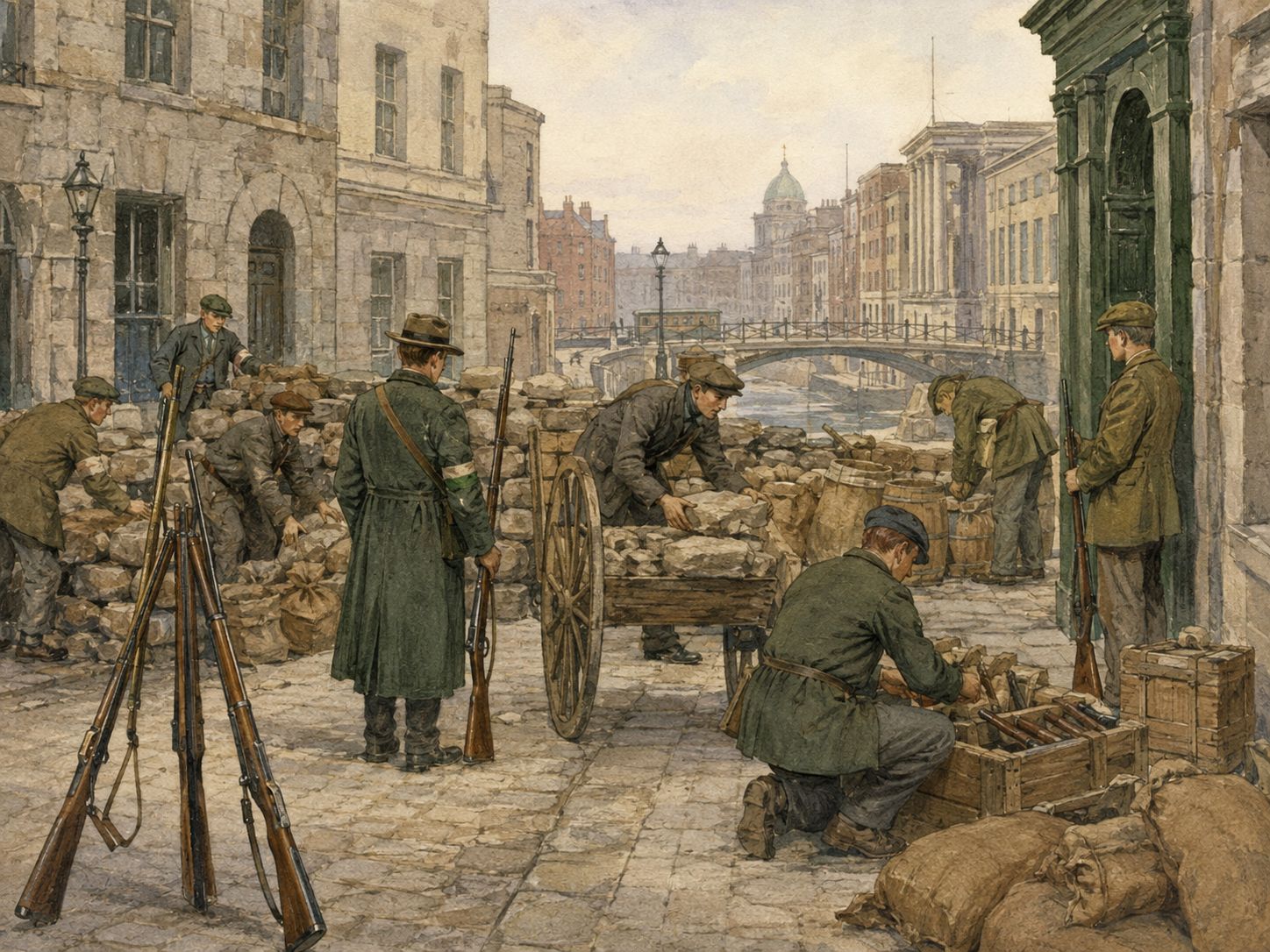
Political, social, and commercial changes around Dublin formed the setting: Irish republicans rose in Dublin and were defeated by British forces, but the event transformed public opinion about independence.
- Geography and society at Dublin
- Institutions and exchanges before Easter Rising
- Organizations and communities preparing an uprising in Dublin
Course
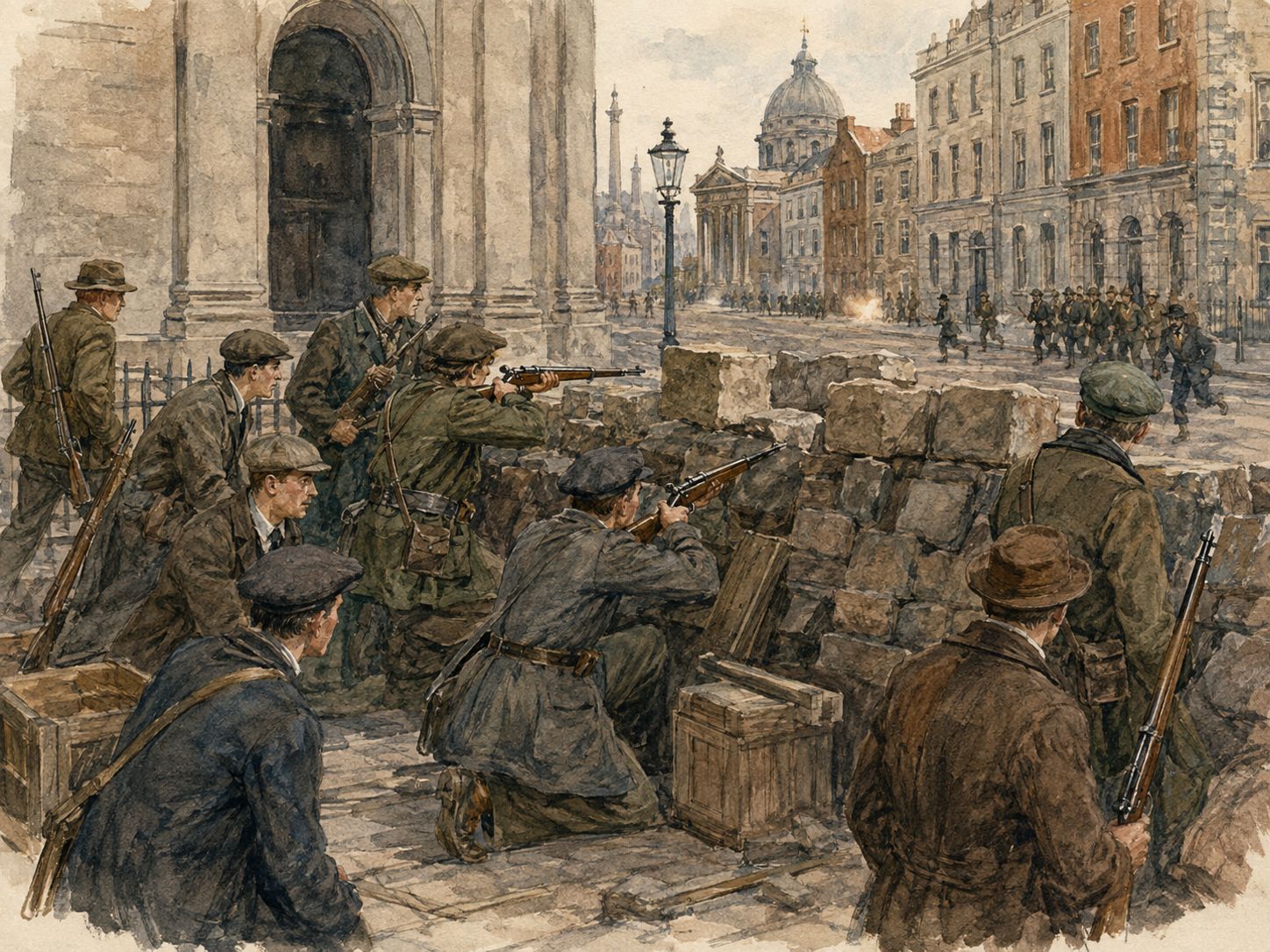
Irish republicans rose in Dublin and were defeated by British forces, but the event transformed public opinion about independence. The choices of the participating powers and responses of local communities shaped the course.
- Volunteers and the Citizen Army seize positions in Dublin in April 1916
- The rebels proclaim a republic from the General Post Office
- British counterattack closes in through urban fighting
Outcome
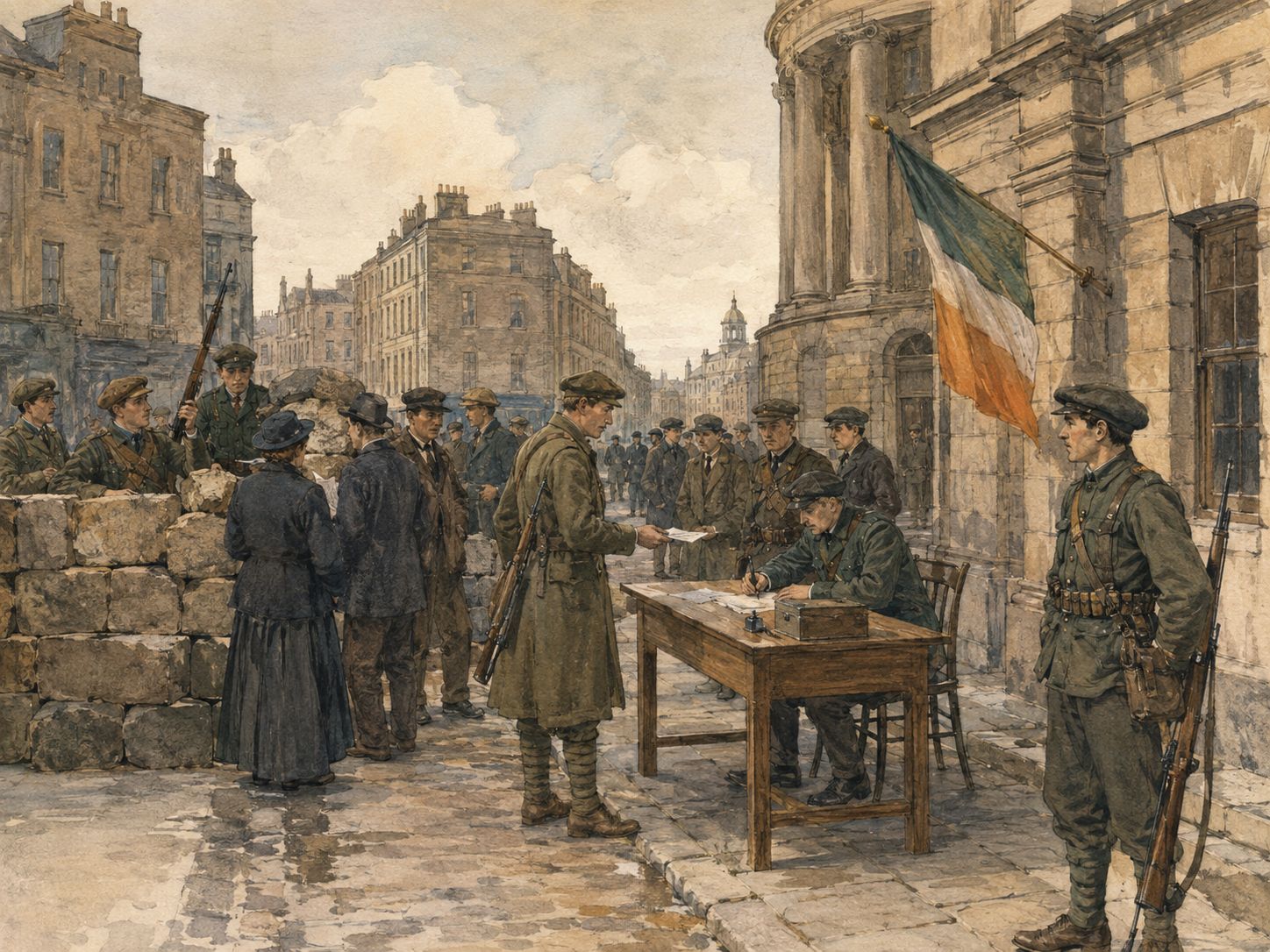
As a result, Executions and political backlash helped lead toward the Irish War of Independence and the establishment of the Free State.
- Executions change public opinion
- Support for Irish independence expands
- A political turning point toward the later War of Independence and state formation
Historical significance
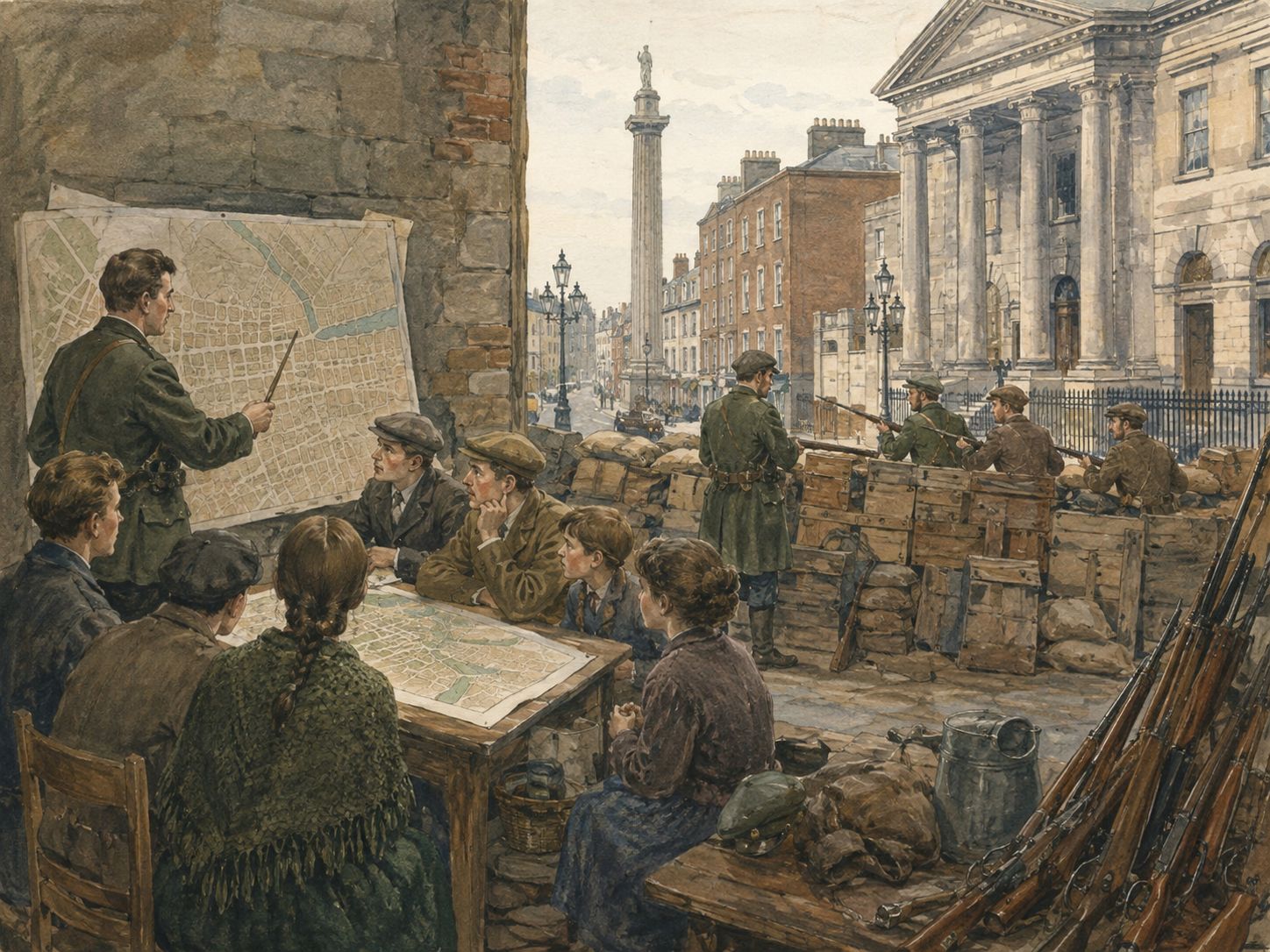
The significance of this event lies in the fact that executions and political backlash helped lead toward the irish war of independence and the establishment of the free state.
- How a small armed rising changed political consciousness
- Memory shaped by civilians, empire, and self-determination
- The lasting impact on independence, statehood, and partition


Related events
1913
Irish Volunteers are formed
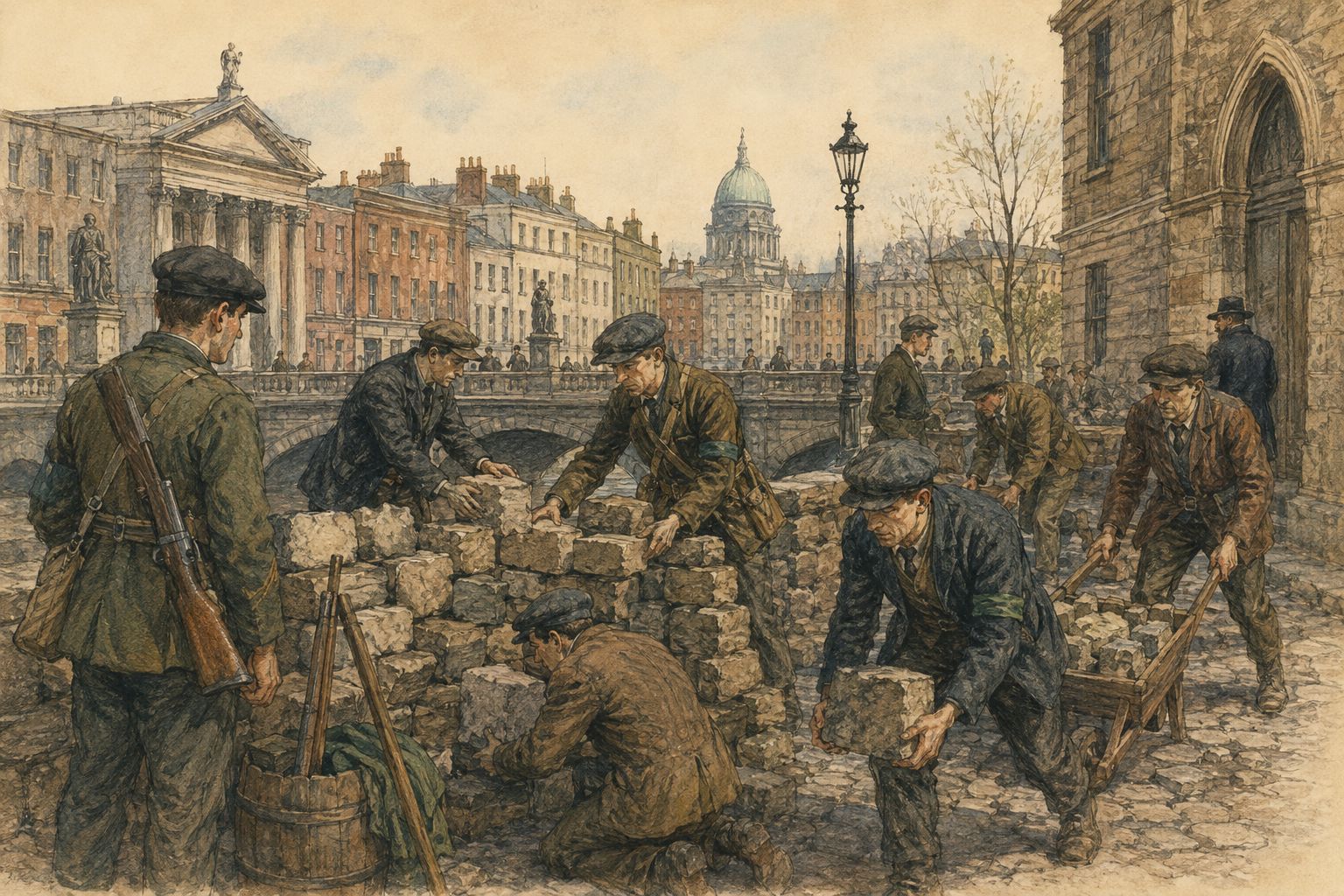
Irish Volunteers are formed — Home Rule politics and more radical nationalist and republican currents grew alongside one another.
1914
Arms landed at Howth
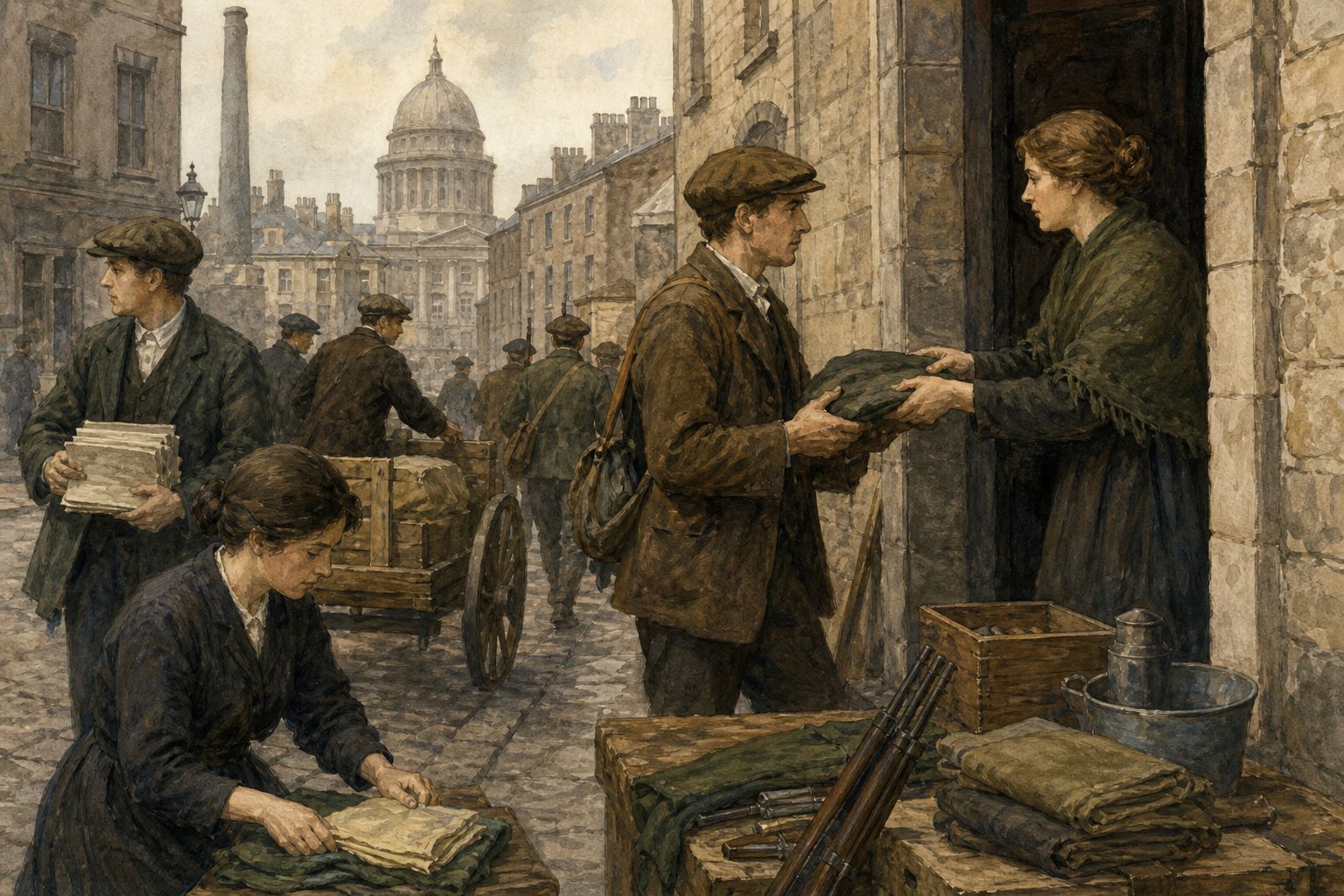
Arms landed at Howth — During the First World War, parts of the Irish Volunteers and Citizen Army prepared an armed rising.
1916
Republic proclaimed during Easter Week
Current event
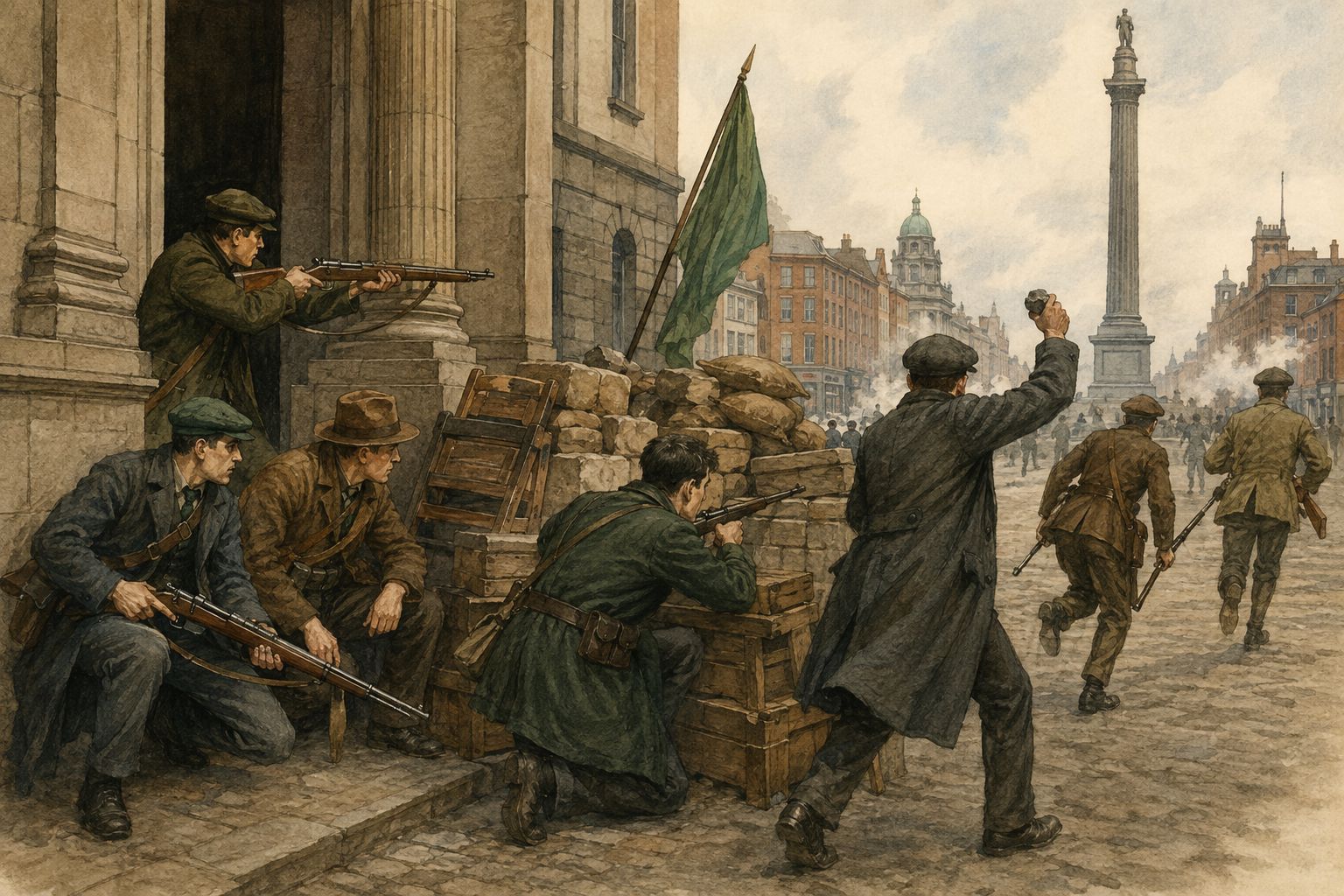
Republic proclaimed during Easter Week — In April 1916, the rebels seized the General Post Office and other positions and proclaimed a republic.
1916
Executions shift public opinion
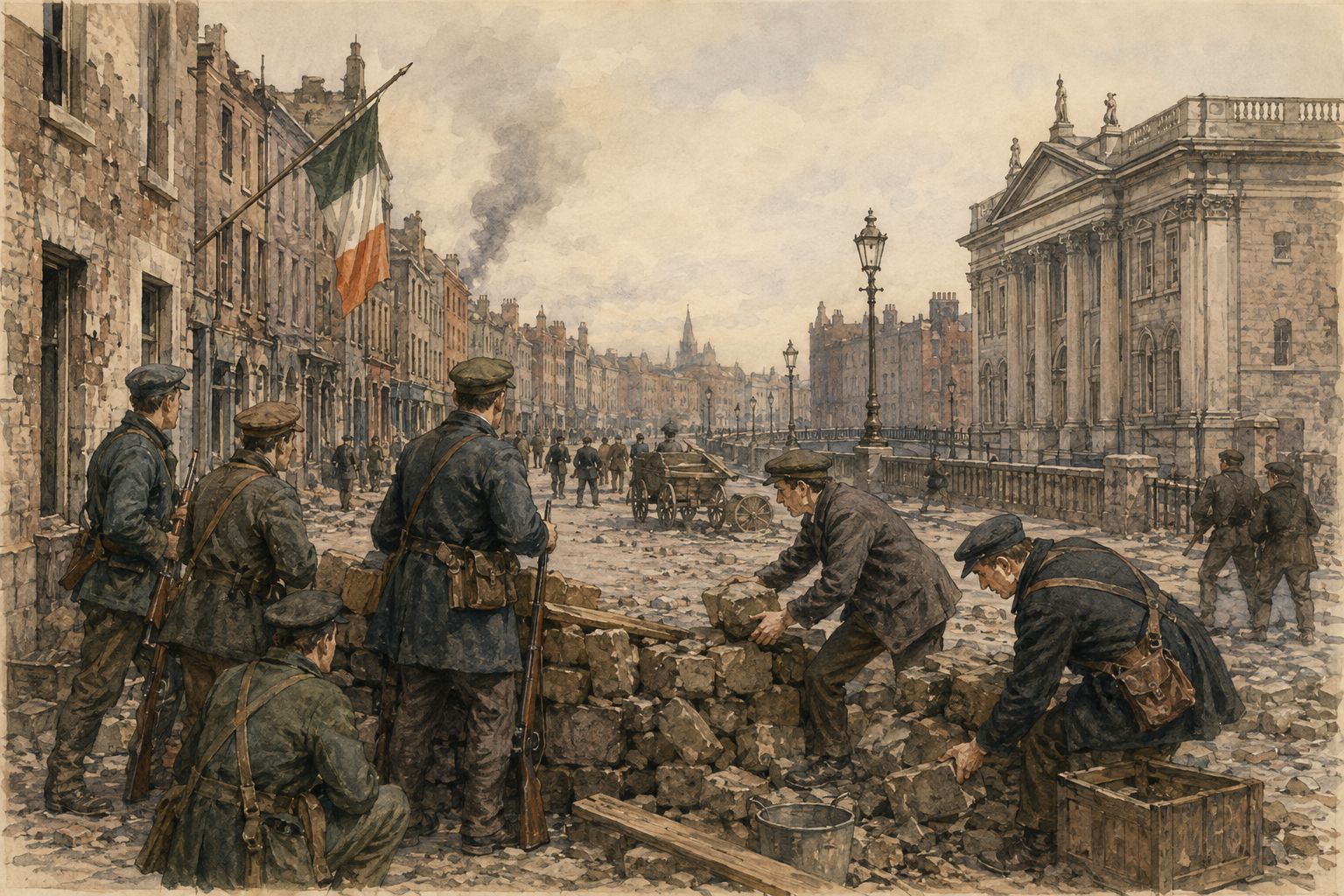
Executions shift public opinion — British forces retook the city, while the executions of leaders shifted public sympathy toward the rebels.
1922
Irish Free State established
Irish Free State established — The memory of the Easter Rising influenced the War of Independence, Irish statehood, and partition.


Sources
- Easter Rising: chronology and settingwww.daiichi-g.co.jpUsed to cross-check the chronology and geographical setting of Easter Rising.
- Easter Rising: historical backgroundwww.britannica.comUsed to verify the actors, course, and consequences associated with Easter Rising.
- Easter Rising: identifier and related recordswww.wikidata.orgUsed to cross-check the identifier and related records for Easter Rising.