Foundation of the Joseon Dynasty
1392
In 1392, Yi Seong-gye founded Joseon in place of Goryeo and established a new dynastic order in East Asia.

- Period
- 1392
- Kind
- Political event
- Regions
- East Asia
- Keywords
- Foundation of the Joseon Dynasty · political event · medieval · east asia
Follow the story · Four stages
Background
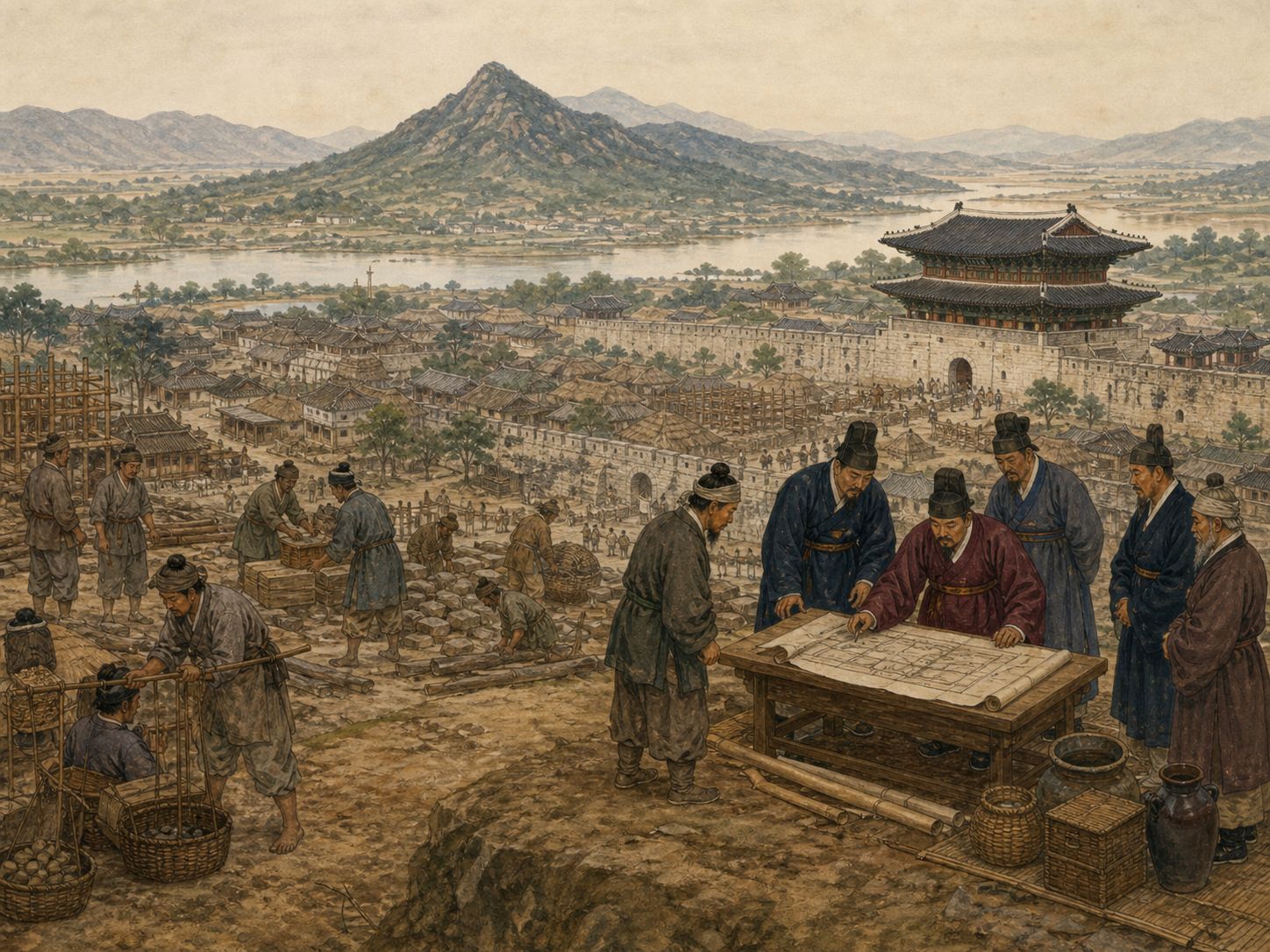
Late Goryeo faced piracy, diplomacy with Yuan and Ming, land-tenure conflicts, and tensions between the throne and powerful elites.
- Late Goryeo faced piracy, diplomacy with Yuan and Ming, land-tenure conflicts, and tensions between the throne and powerful elites.
- Core event: In 1392, Yi Seong-gye founded Joseon in place of Goryeo and established a new dynastic order in East Asia.
- Connection to the next stage: After the Wihwa Island retreat and coup, Yi’s regime developed a Confucian bureaucratic state and a tributary relationship with Ming.
Course
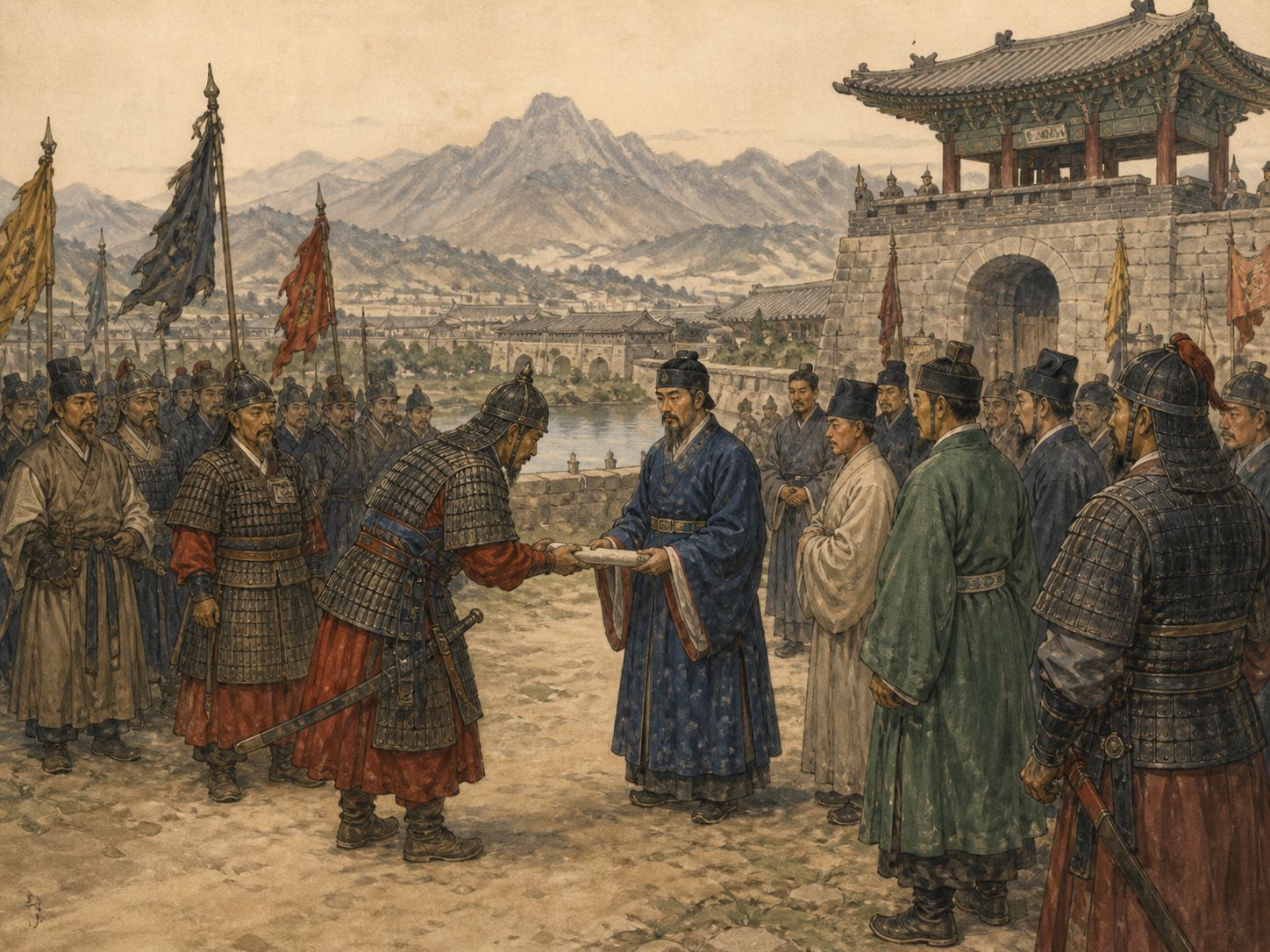
After the Wihwa Island retreat and coup, Yi’s regime developed a Confucian bureaucratic state and a tributary relationship with Ming.
- After the Wihwa Island retreat and coup, Yi’s regime developed a Confucian bureaucratic state and a tributary relationship with Ming.
- Conditions behind the action: Late Goryeo faced piracy, diplomacy with Yuan and Ming, land-tenure conflicts, and tensions between the throne and powerful elites.
- Meaning of the turning point: In 1392, Yi Seong-gye founded Joseon in place of Goryeo and established a new dynastic order in East Asia.
Outcome
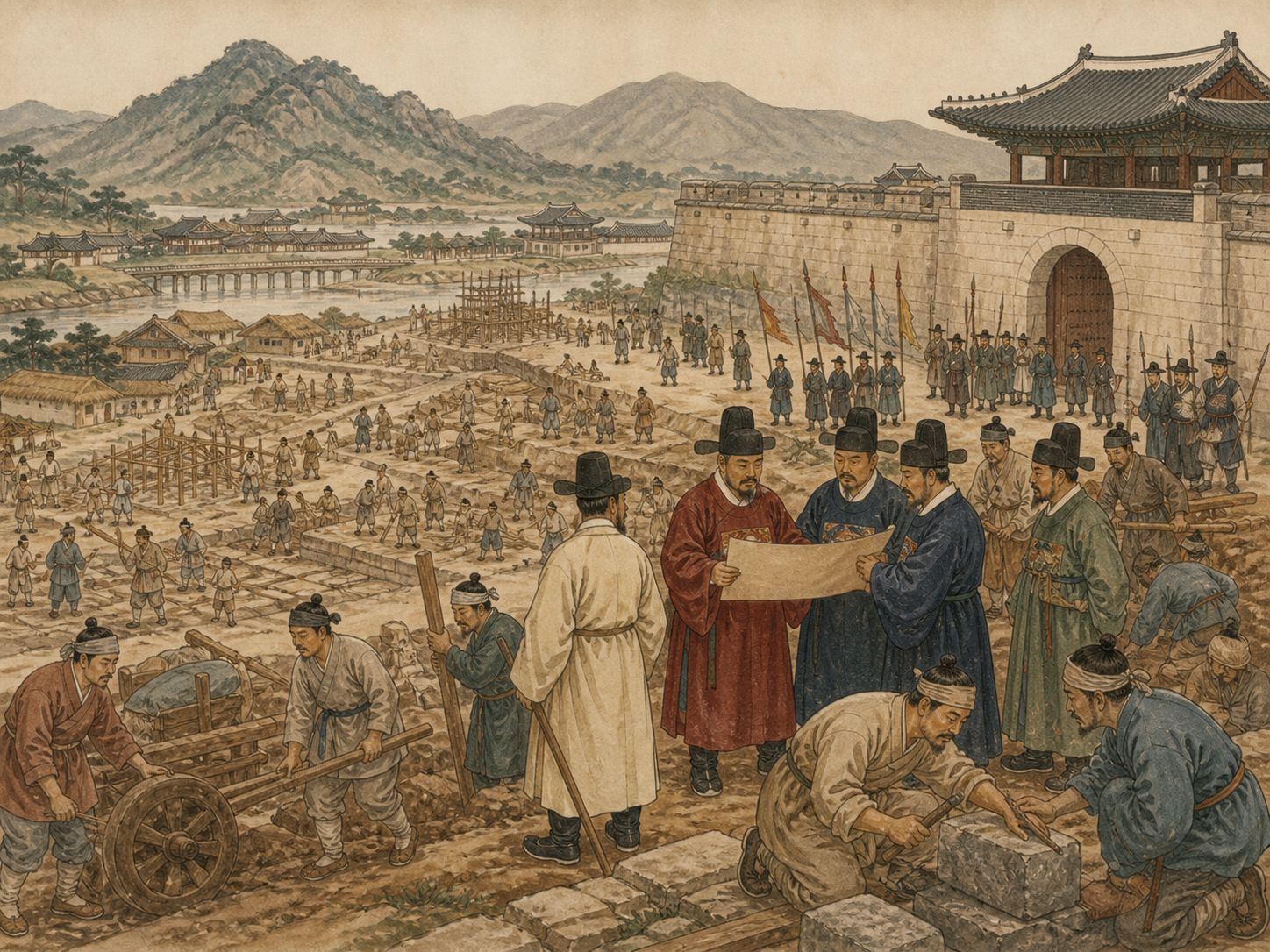
The dynasty moved its capital to Hanyang and reorganized rule through examinations, land institutions, and ritual.
- The dynasty moved its capital to Hanyang and reorganized rule through examinations, land institutions, and ritual.
- Process producing the result: After the Wihwa Island retreat and coup, Yi’s regime developed a Confucian bureaucratic state and a tributary relationship with Ming.
- Question carried forward: Joseon lasted for more than five centuries and became the setting for major political and cultural developments including the creation of Hangul.
Historical significance
Joseon lasted for more than five centuries and became the setting for major political and cultural developments including the creation of Hangul.
- Joseon lasted for more than five centuries and became the setting for major political and cultural developments including the creation of Hangul.
- Immediate consequence: The dynasty moved its capital to Hanyang and reorganized rule through examinations, land institutions, and ritual.
- Historical turning point: In 1392, Yi Seong-gye founded Joseon in place of Goryeo and established a new dynastic order in East Asia.
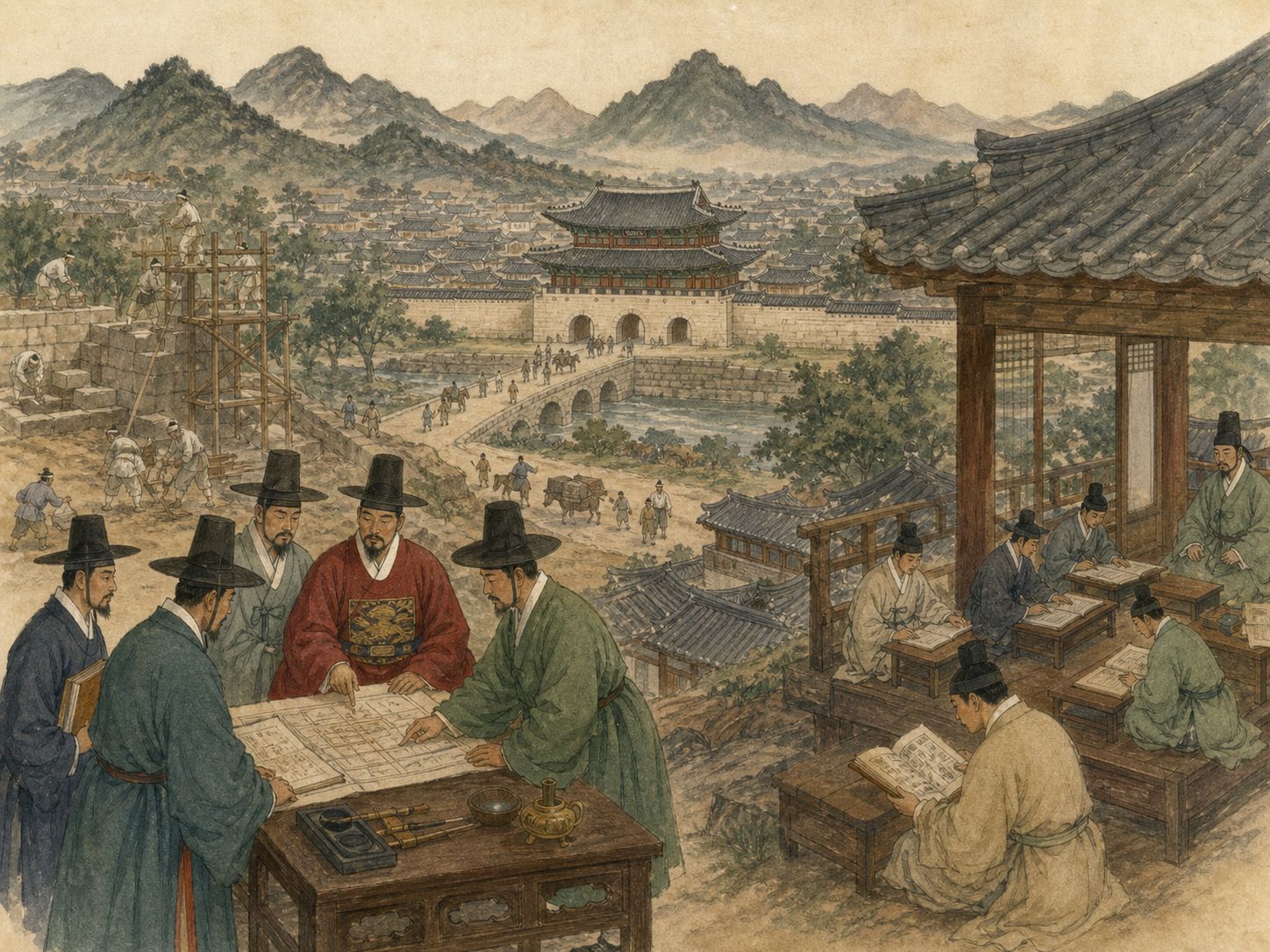


Related events
c. 1391
Prelude
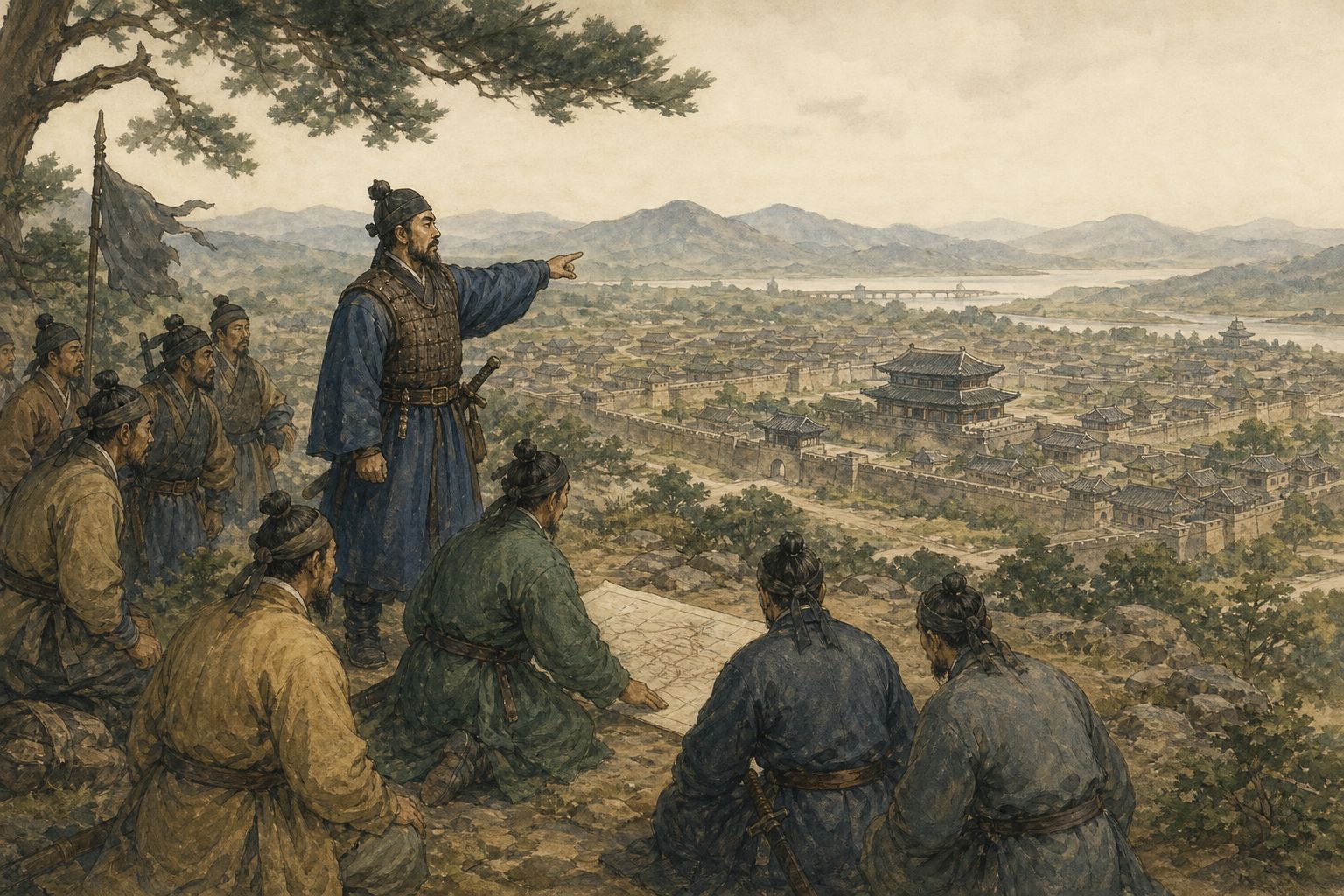
Prelude — Background: Late Goryeo faced piracy, diplomacy with Yuan and Ming, land-tenure conflicts, and tensions between the throne and powerful elites.
c. 1391
Turning point
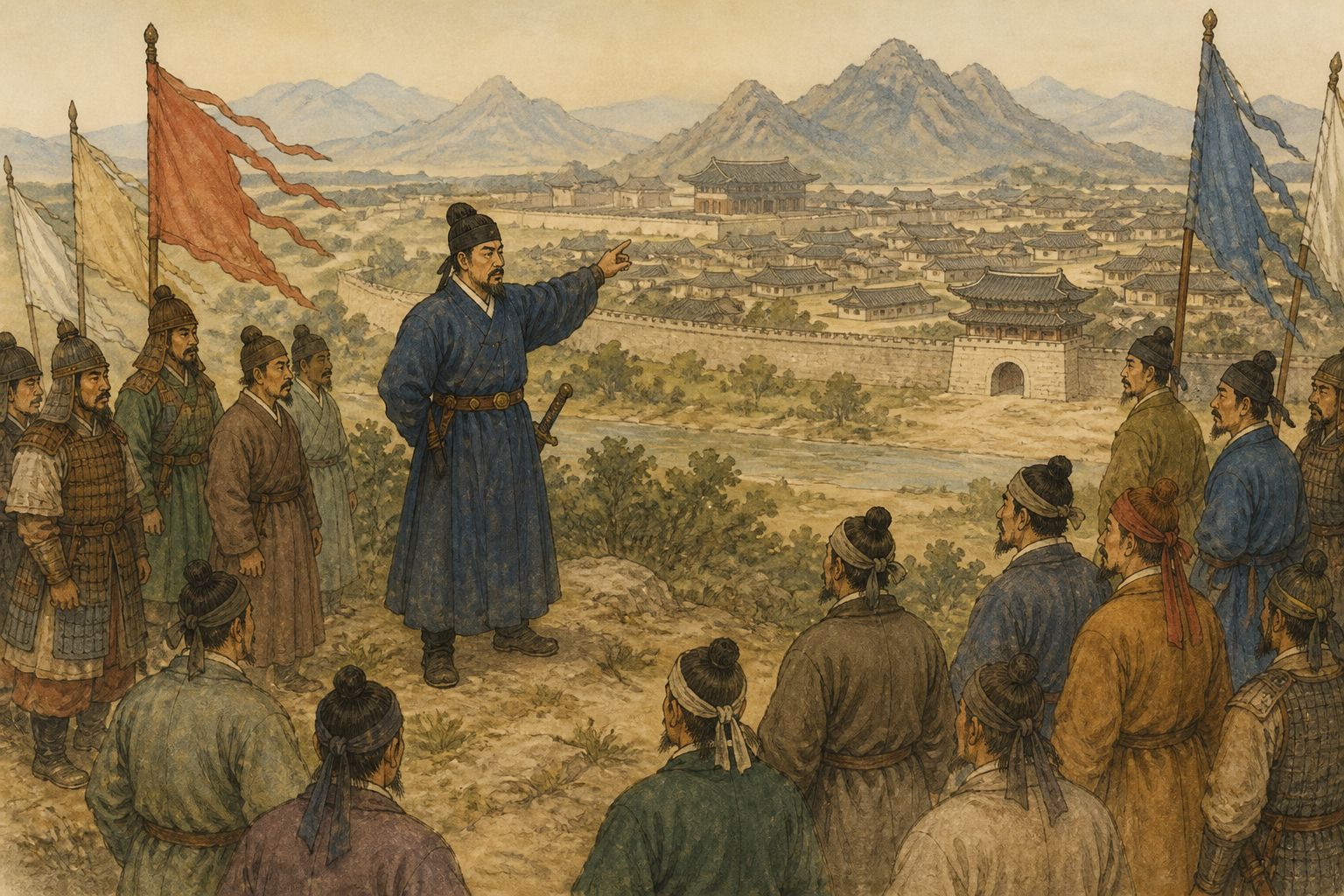
Turning point — Build-up: After the Wihwa Island retreat and coup, Yi’s regime developed a Confucian bureaucratic state and a tributary relationship with Ming.
1392
Foundation of the Joseon Dynasty
Current event
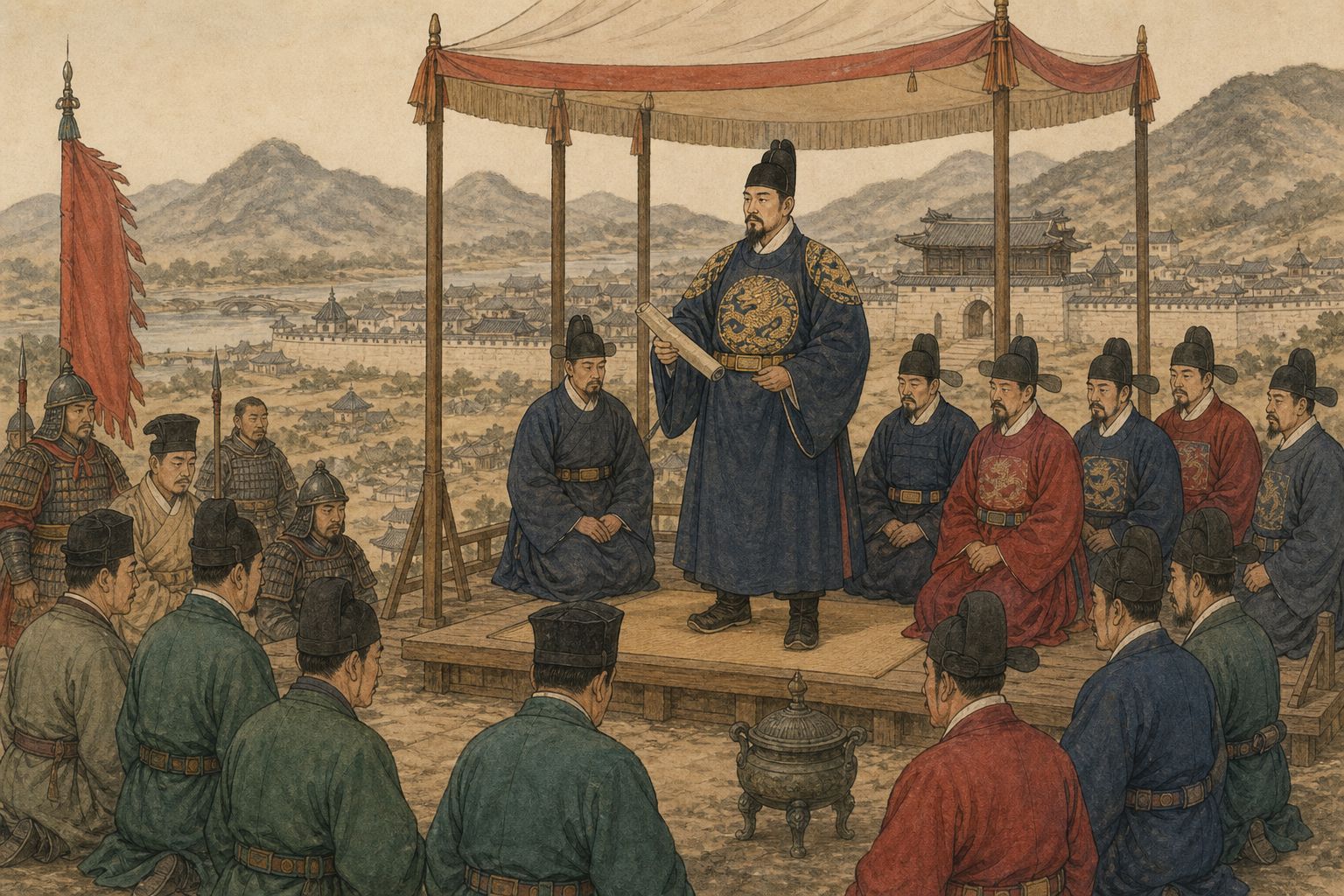
Foundation of the Joseon Dynasty — Central transition: In 1392, Yi Seong-gye founded Joseon in place of Goryeo and established a new dynastic order in East Asia.
c. 1393
Immediate aftermath
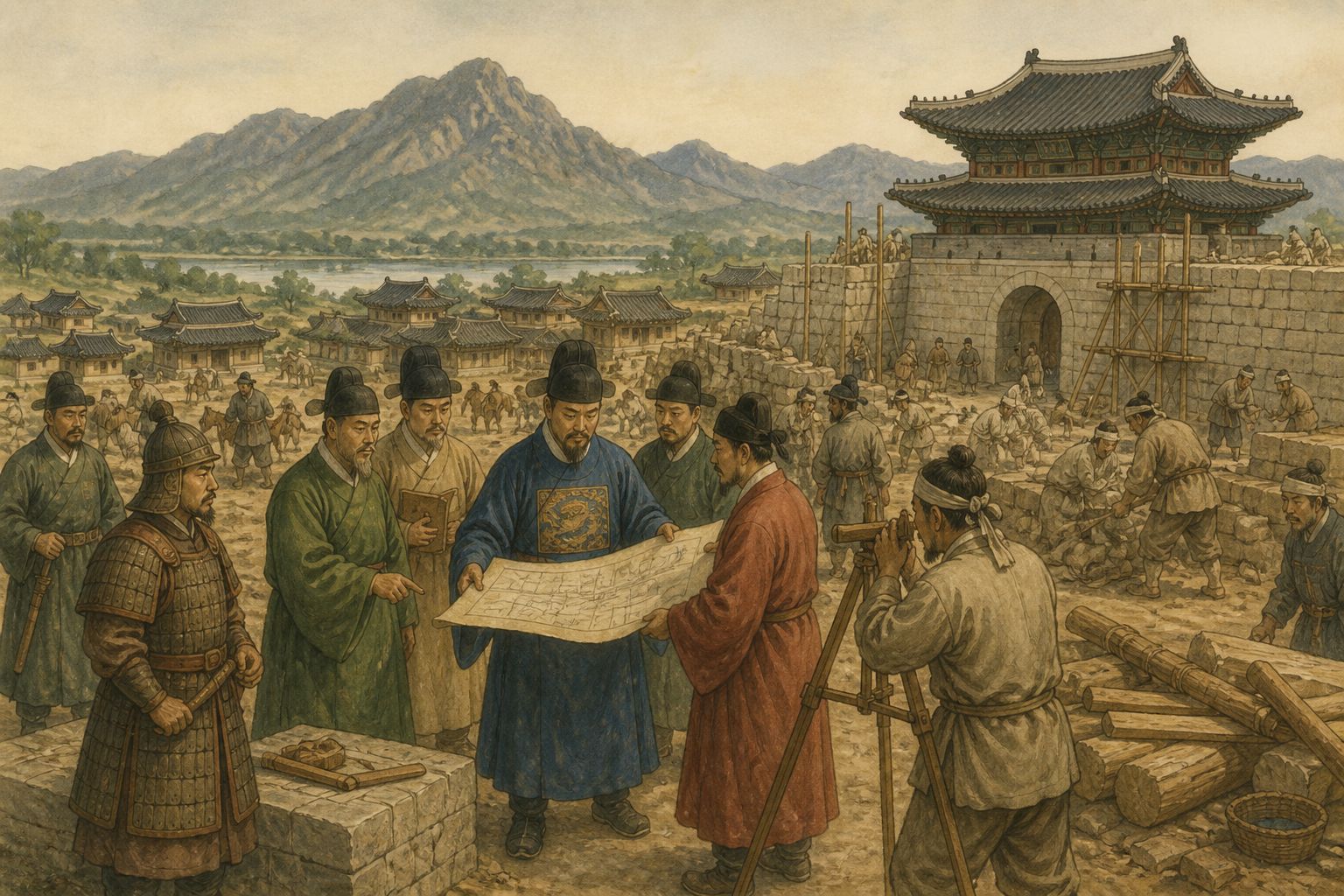
Immediate aftermath — Immediate result: The dynasty moved its capital to Hanyang and reorganized rule through examinations, land institutions, and ritual.
c. 1402
Long-term significance
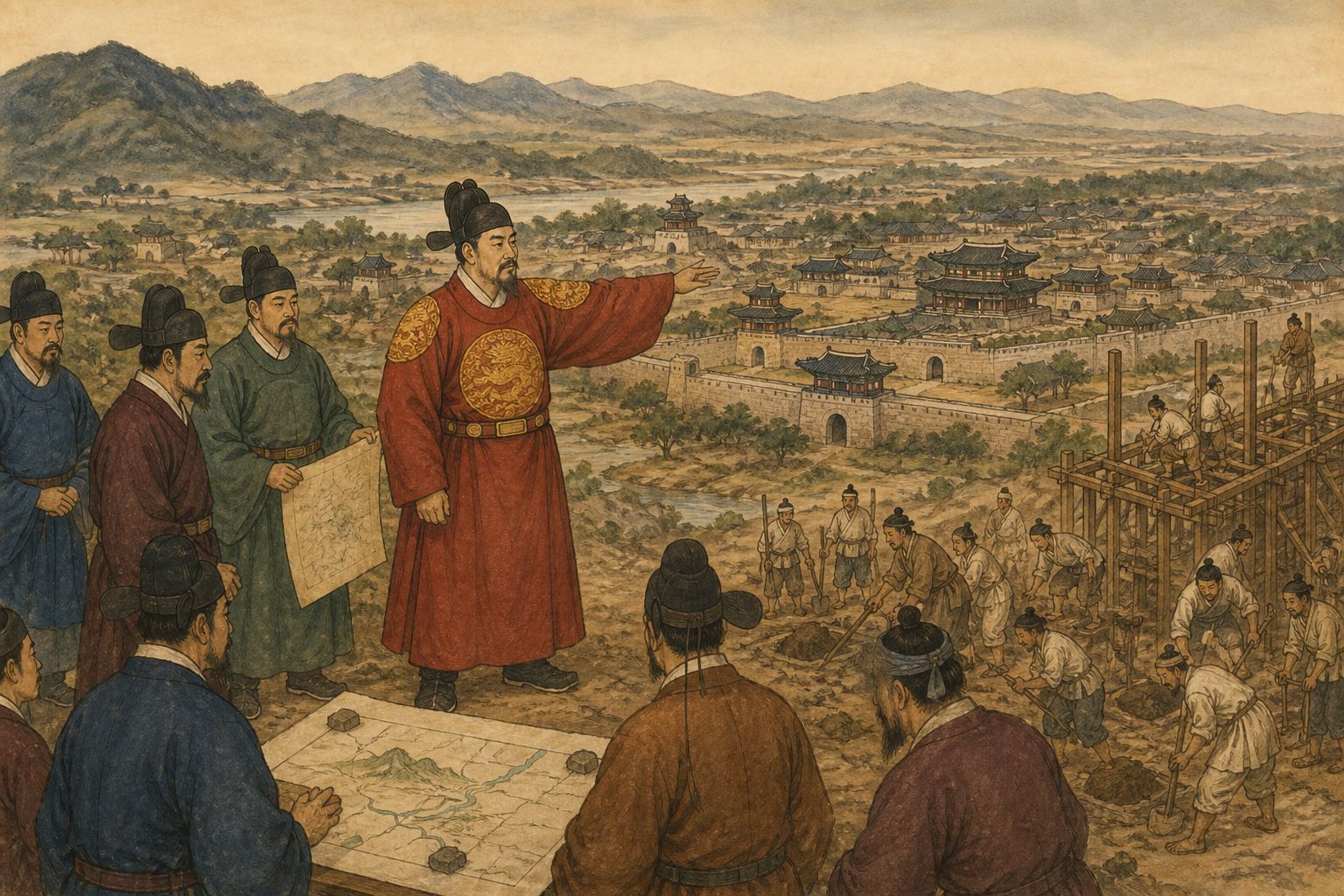
Long-term significance — Long-term significance: Joseon lasted for more than five centuries and became the setting for major political and cultural developments including the creation of Hangul.


Sources
- Foundation of the Joseon Dynasty — Choson Dynasty (Encyclopaedia Britannica)britannica.comThis Encyclopaedia Britannica resource supports the chronology, setting, and course of Foundation of the Joseon Dynasty.
- Foundation of the Joseon Dynasty — Hd Chos (The Metropolitan Museum of Art)metmuseum.orgThis The Metropolitan Museum of Art resource supports the chronology, setting, and course of Foundation of the Joseon Dynasty.
- Foundation of the Joseon Dynasty — E0201030900.Do (Museum)museum.go.krThis Museum resource supports the chronology, setting, and course of Foundation of the Joseon Dynasty.