Foundation of the Mali Empire
c. 1235
In thirteenth-century West Africa, Sundiata Keita united Manding-speaking forces and built a Mali monarchy around gold, salt, and trans-Saharan exchange.

- Period
- c. 1235
- Kind
- Movement
- Regions
- Africa
- Keywords
- Foundation of the Mali Empire · Mali Empire · Sundiata Keita · movement · medieval · africa
Follow the story · Four stages
Background
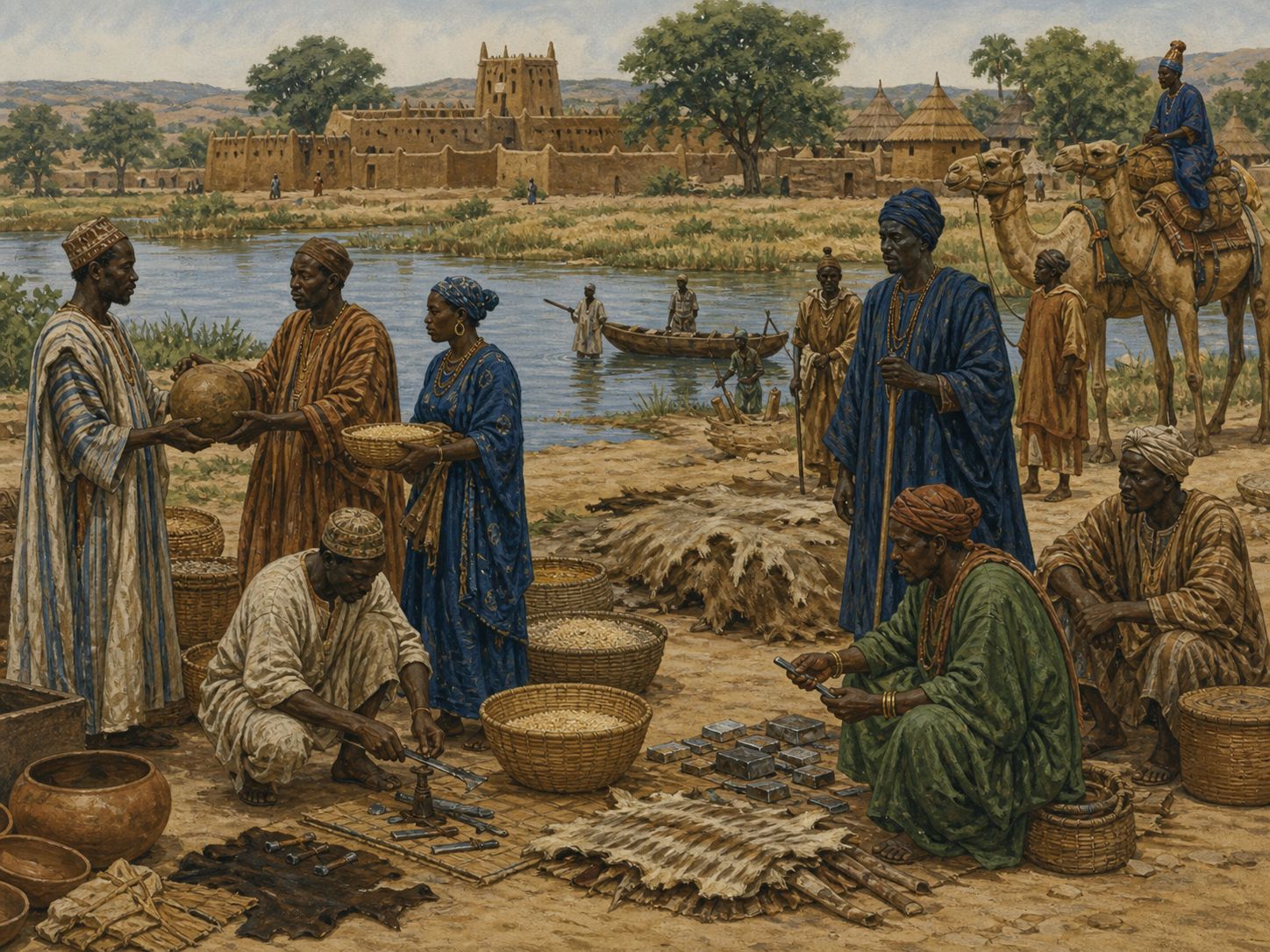
Competition among clans and towns shaped the Manding region. Sundiata’s return from exile and struggle with Sumanguru Kante helped determine a new regional order.
- River and farming communities of the Upper Niger
- Exchange among Manding communities
- Craftspeople and traders supporting local exchange
Course
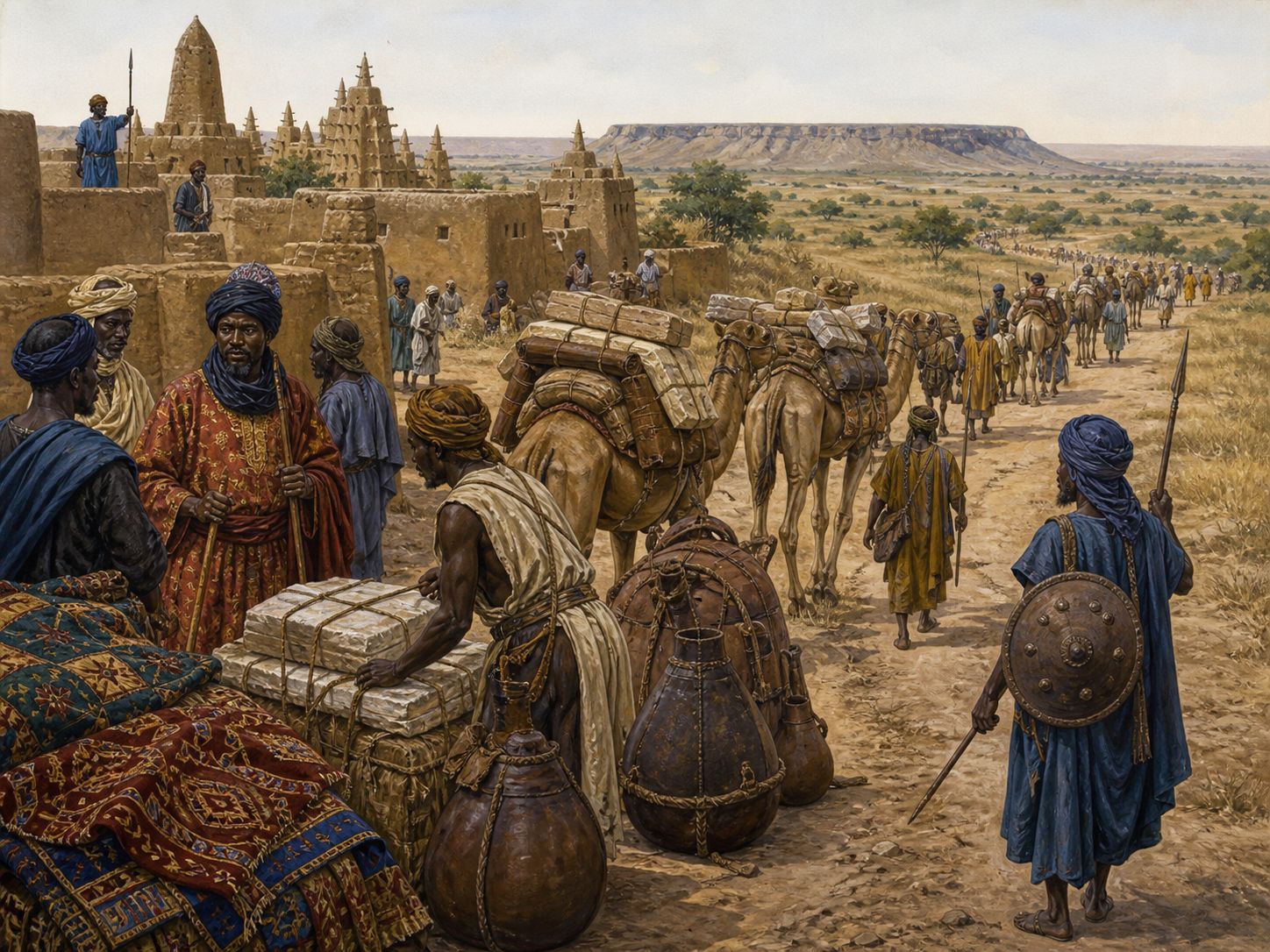
Sundiata established authority over an allied coalition and organized a monarchy associated with Niani. Trade linking Sahelian goldfields to northern markets supplied wealth and connected the new state to wider networks.
- Alliance and military victory
- Trade linking gold, salt, and grain
- Connections between kingship and markets
Outcome
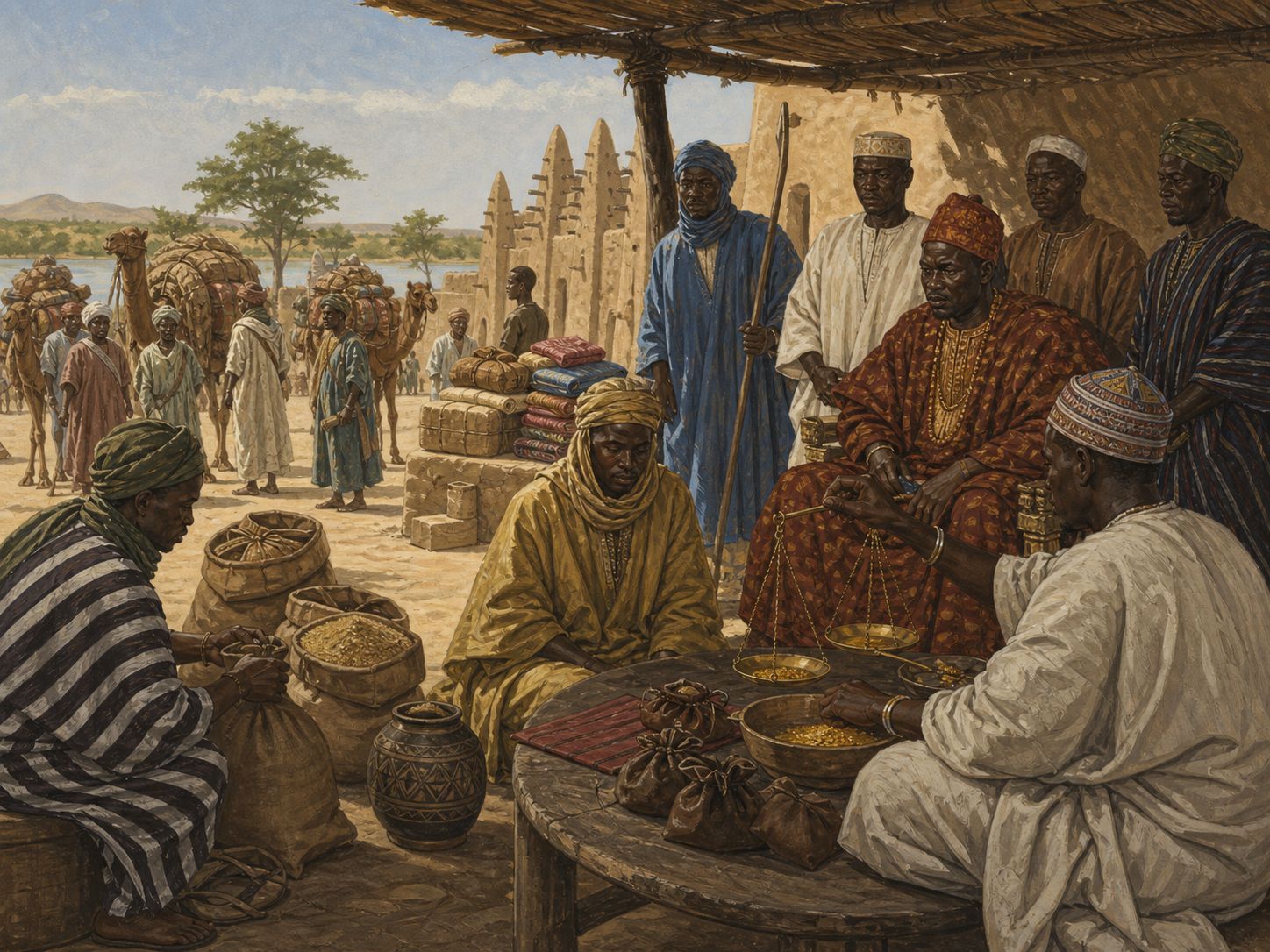
Mali became a major inland West African power and controlled important routes for gold, salt, ivory, and other goods. Later oral and written sources leave room for debate over exact dates and the shape of Sundiata’s life.
- A political order centered near Niani
- Growth of courts and trade routes
- A major West African state
Historical significance
Mali’s foundation is central to the history of Sahelian state formation and the trade linking West Africa with Islamic and Mediterranean worlds. Its wealth should be studied through labor, mobility, and local communities as well as gold.
- A major empire in West African history
- Political foundations for Sahelian trade
- A lasting legacy of kingship and cultural exchange
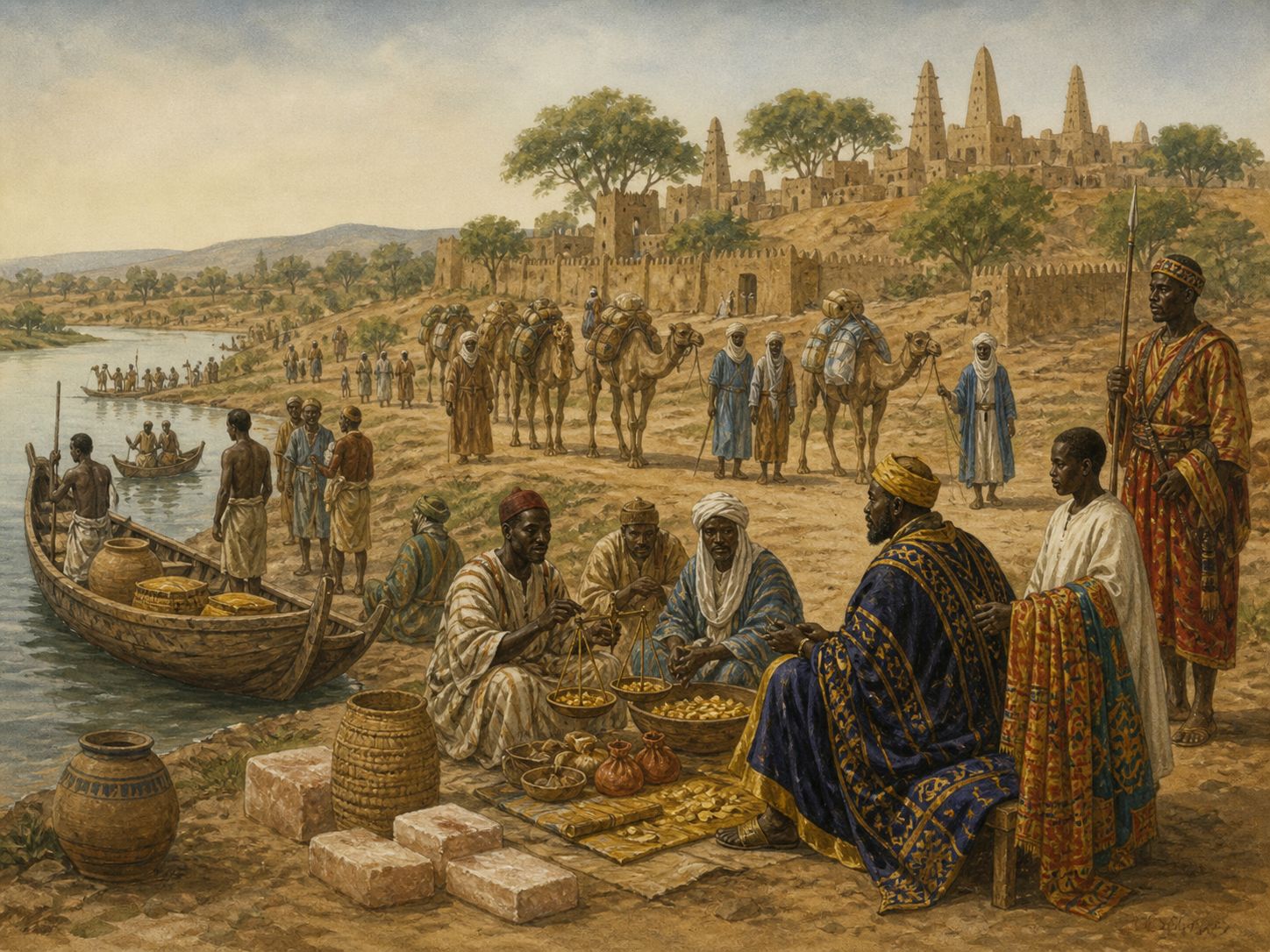


Related events
c. 1200
Manding communities
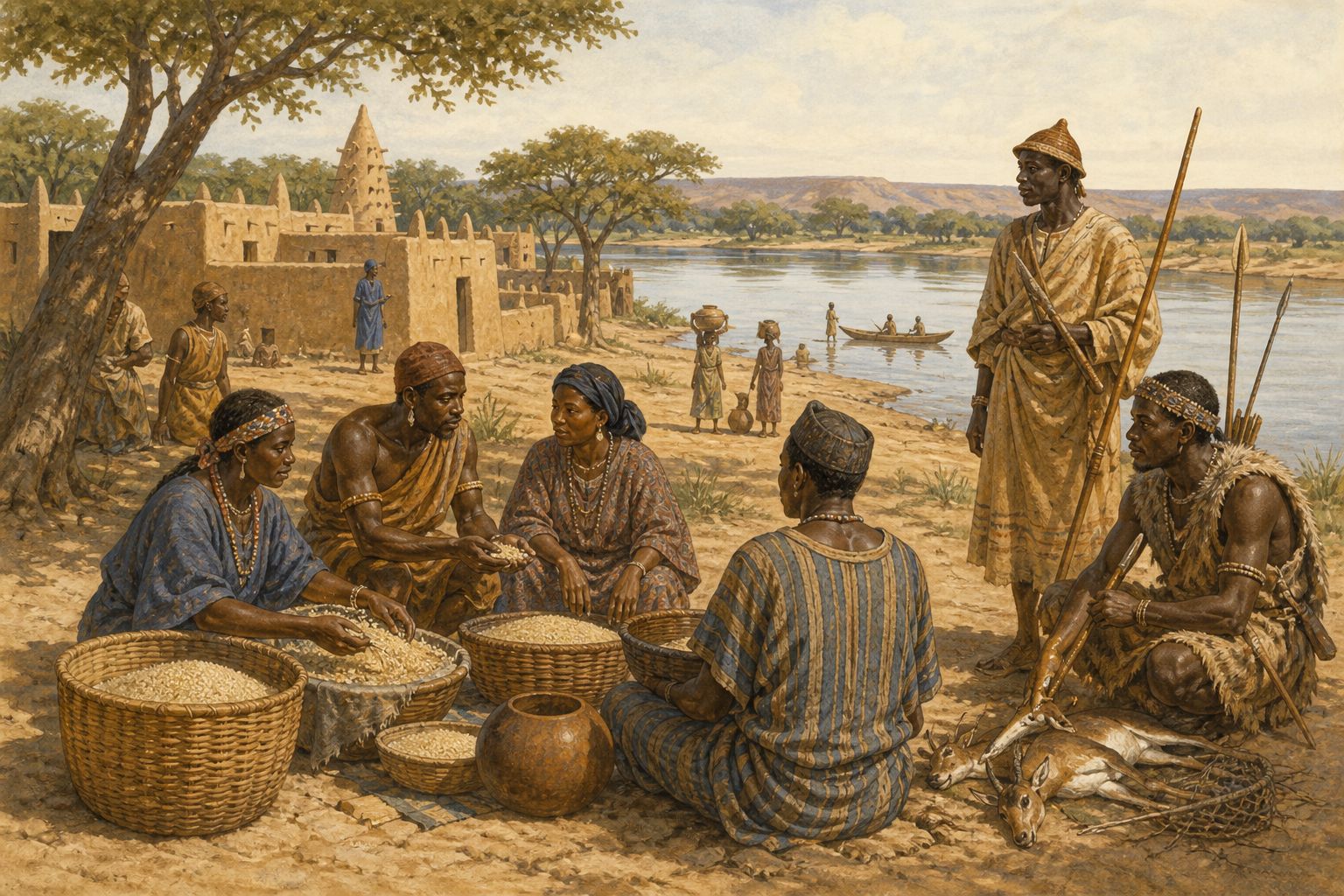
Manding communities developed around farming, hunting, and local exchange in the Upper Niger region.
c. 1230
Sundiata rises
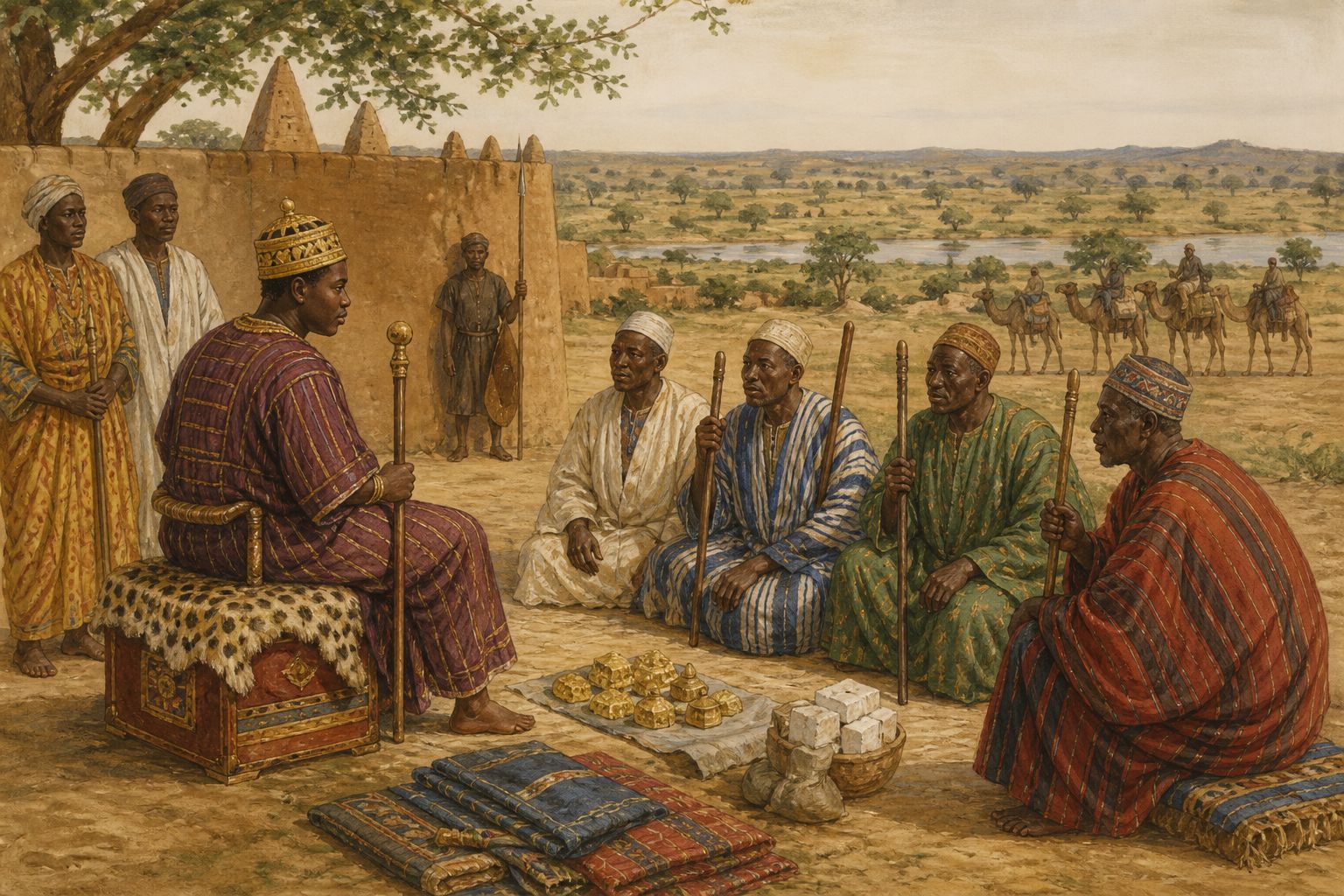
Sundiata became a central figure in uniting Manding powers through alliances and military victory.
c. 1235
The Mali Empire is founded
Current event
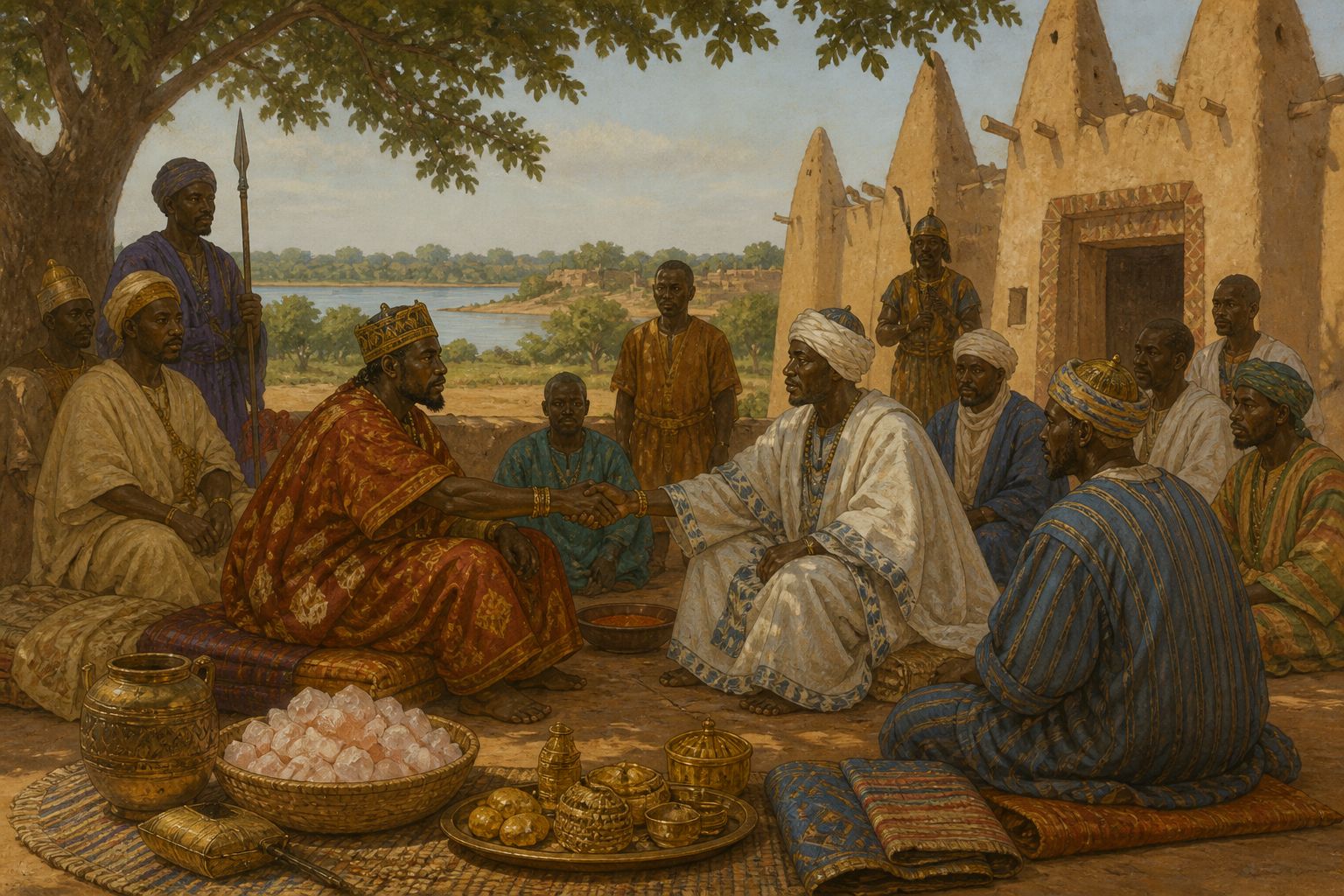
Around 1235, a new Manding political order formed the foundations of the Mali Empire.
c. 1250
The expansion of trans-Saharan trade
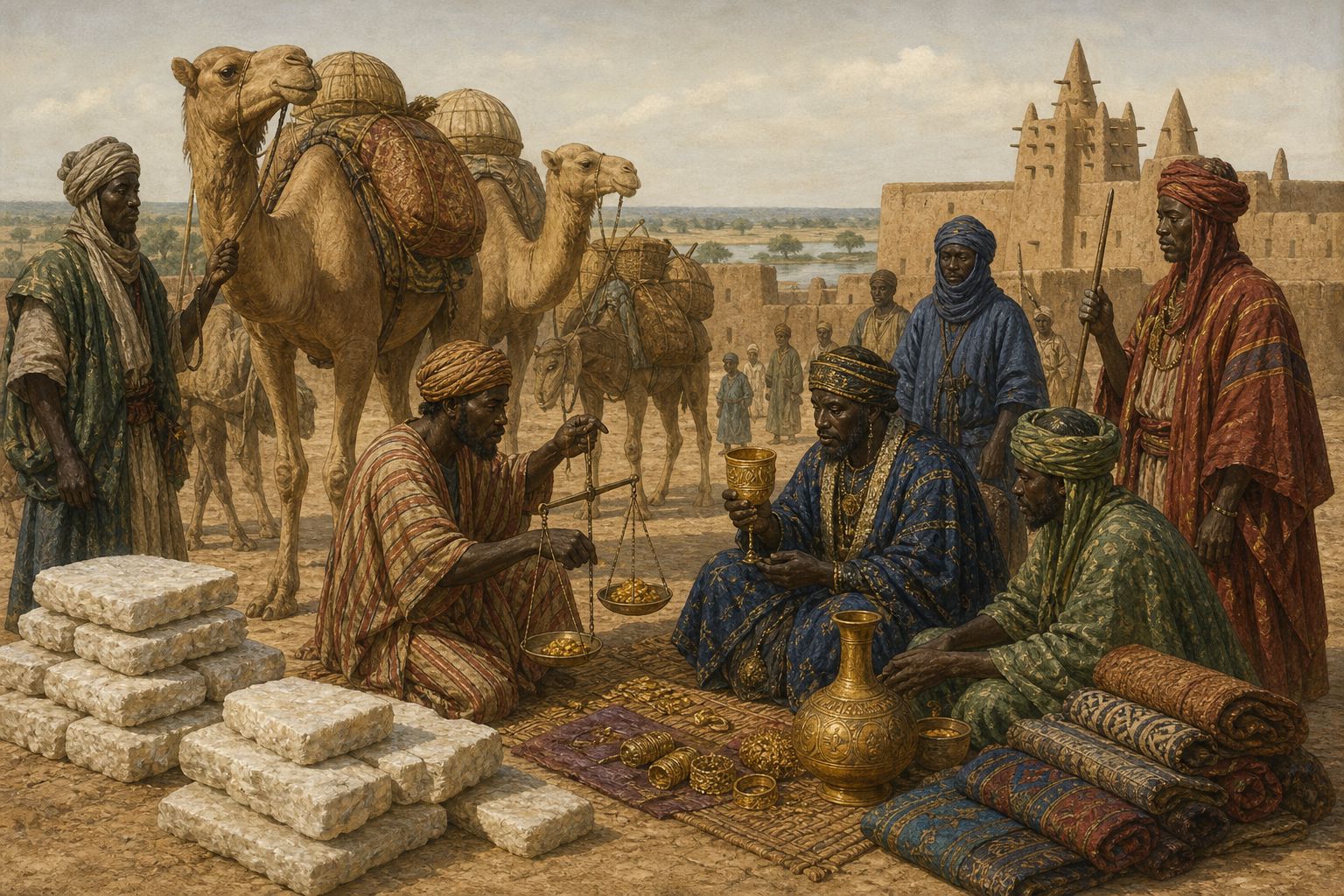
Routes connecting gold, salt, and agricultural goods supported the state’s wealth and regional ties.
c. 1300
The legacy of Mali
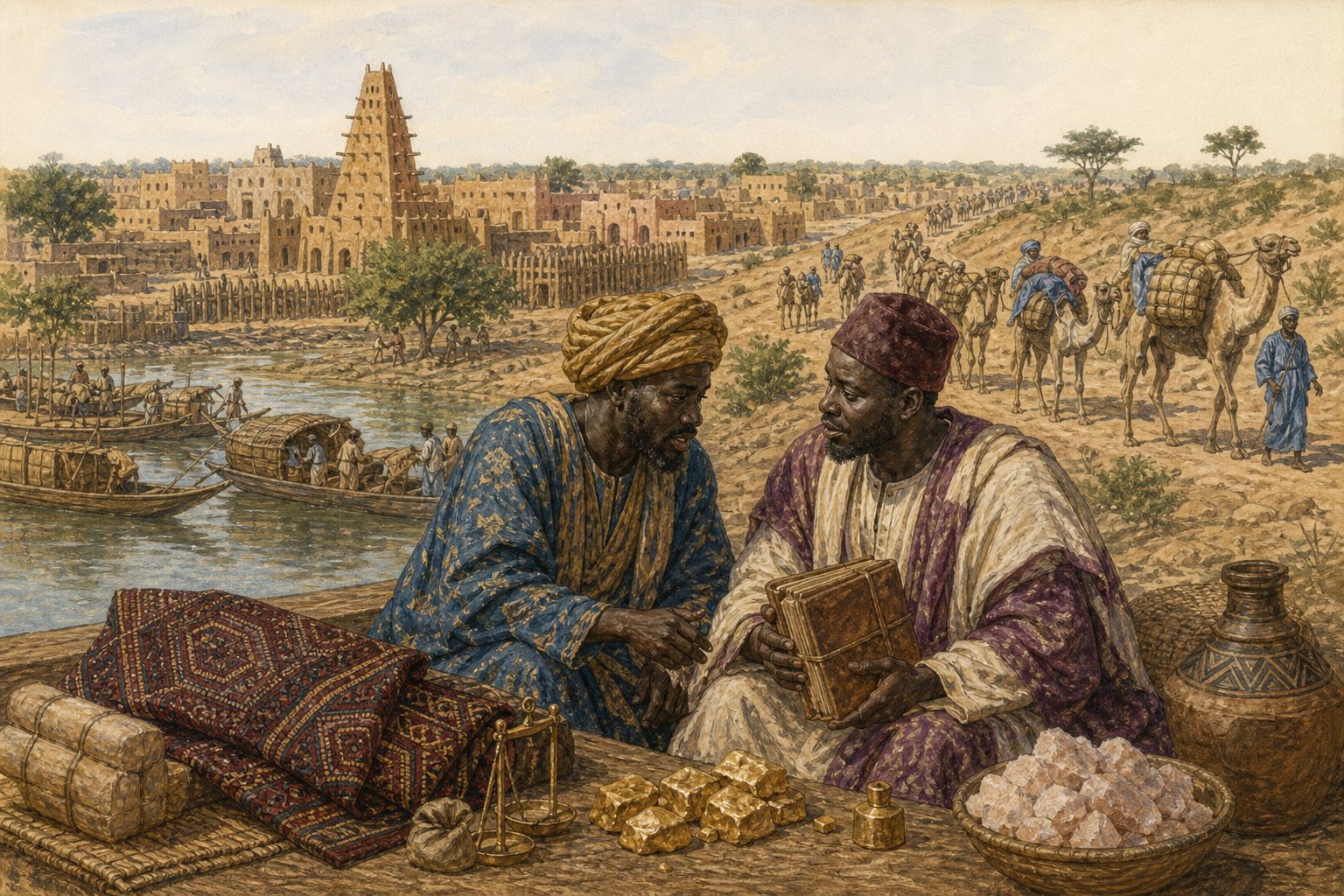
Mali’s kingship and trade networks left a lasting political and cultural legacy in West African history.


Sources
- Heroes: Principles of African GreatnessNational Museum of African Art, SmithsonianThis Africa resource supports the chronology, setting, and course of Foundation of the Mali Empire.
- The Trans-Saharan Gold Trade, 7th–14th CenturyThe Metropolitan Museum of ArtThis The Metropolitan Museum of Art resource supports the chronology, setting, and course of Foundation of the Mali Empire.
- Mali EmpireUniversity of GhanaThis Pure resource supports the chronology, setting, and course of Foundation of the Mali Empire.