
Mexican Revolution
1910–1920
A revolt against the regime of Porfirio Díaz developed into a revolution over land, labor, regional autonomy, and the reorganization of the state.

- Period
- 1910–1920
- Kind
- Revolution
- Regions
- Latin America
- Keywords
- Mexican Revolution · across Mexico · modern · background · turning point · impact
Follow the story · Four stages
Background
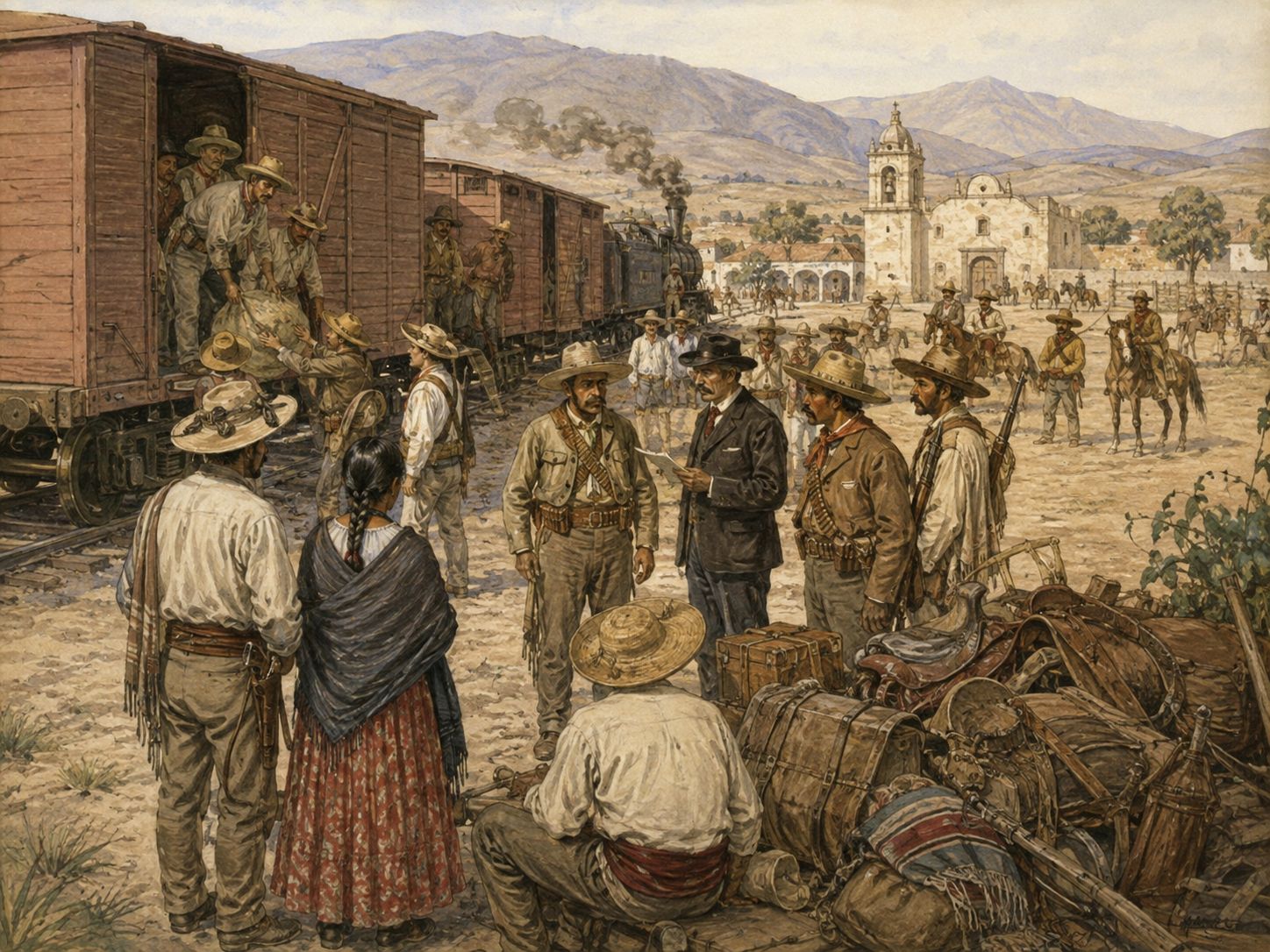
Political, social, and commercial changes around across Mexico formed the setting: A revolt against the regime of Porfirio Díaz developed into a revolution over land, labor, regional autonomy, and the reorganization of the state.
- Land and rural society before the Mexican Revolution
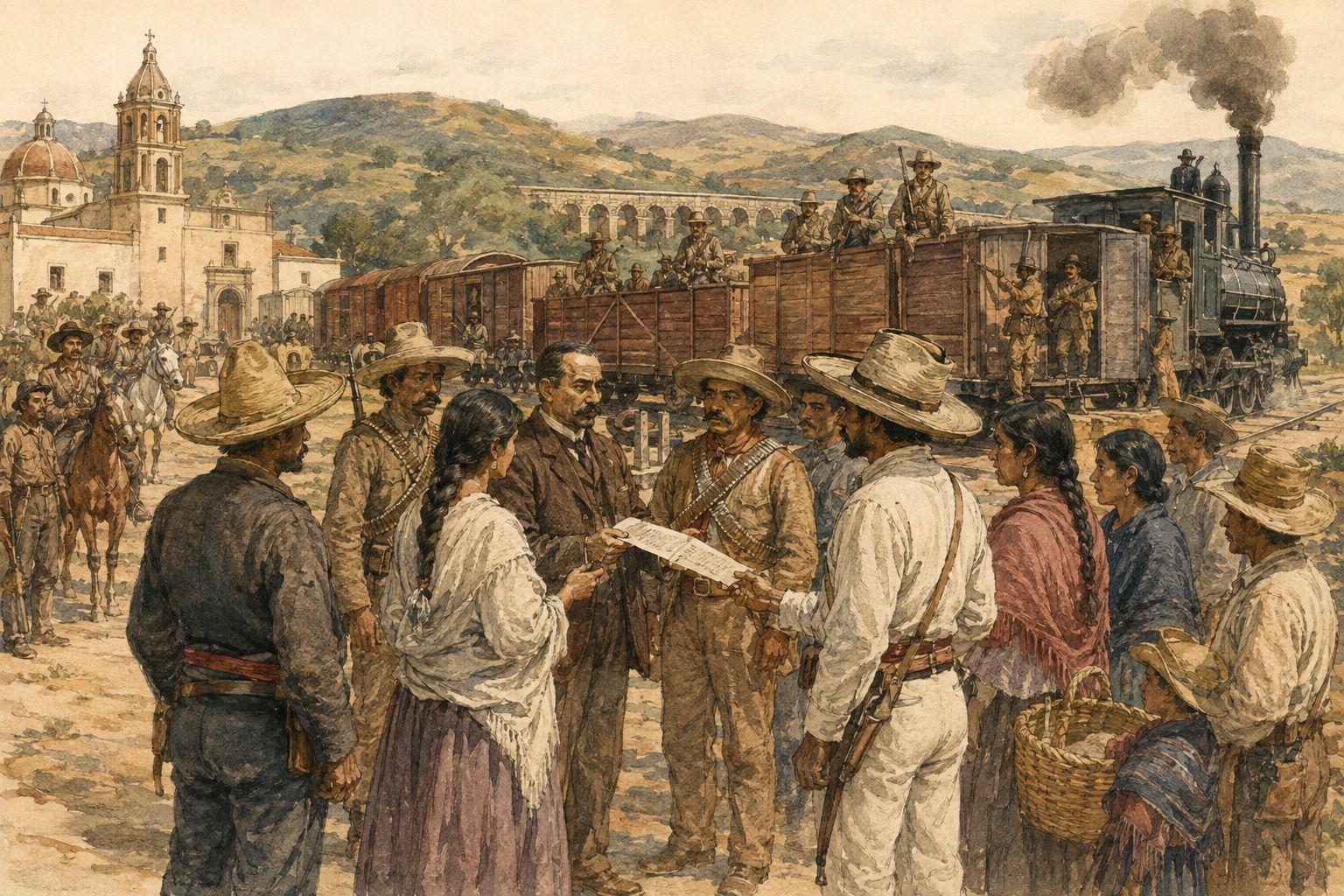
- Railways and freight cars linking people, goods, and information
- Political tension from long rule and land concentration
Course
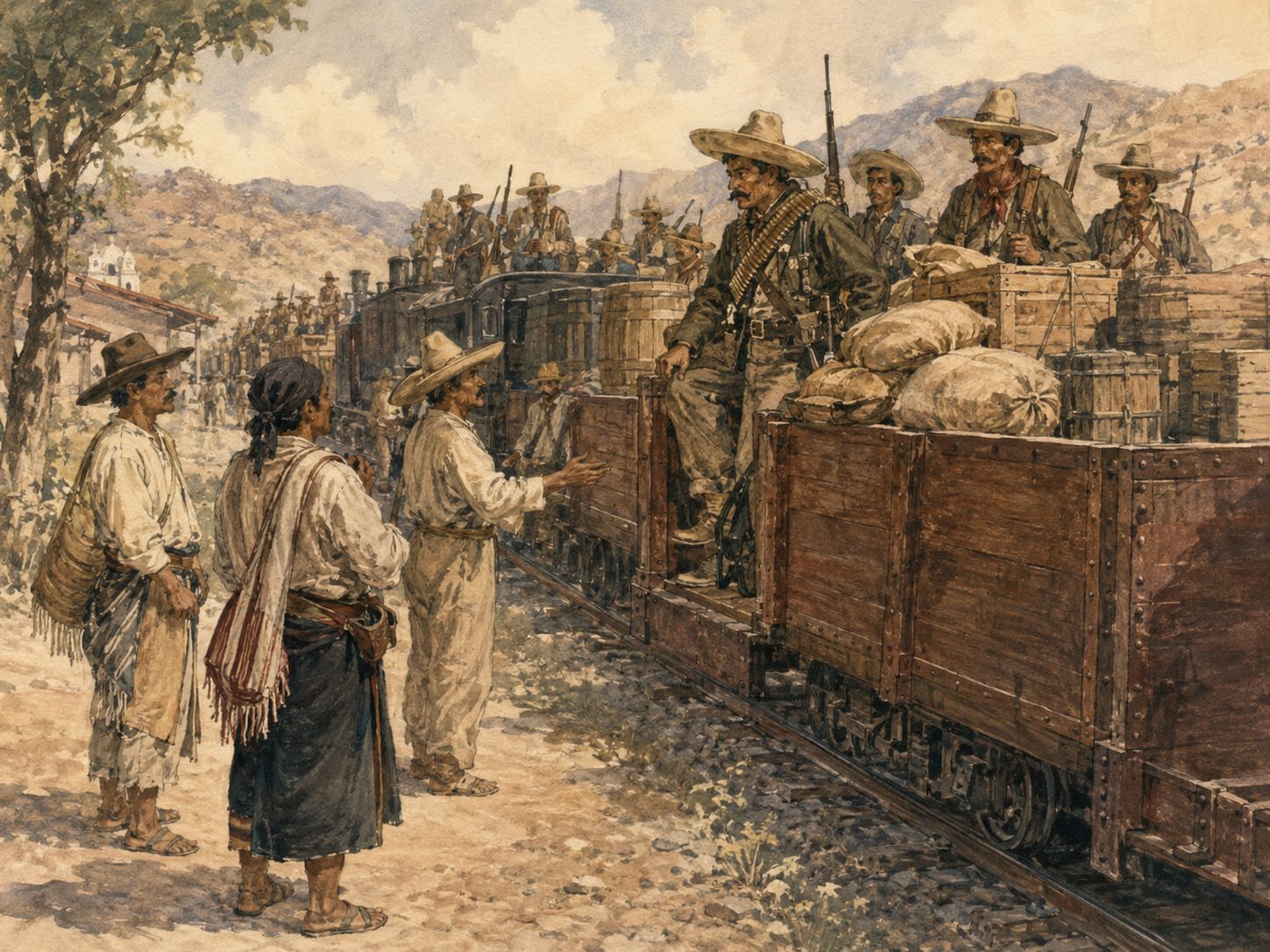
A revolt against the regime of Porfirio Díaz developed into a revolution over land, labor, regional autonomy, and the reorganization of the state. The choices of the participating powers and responses of local communities shaped the course.
- The uprising of 1910 and the civil wars that followed
- Revolutionary forces using railways to move and build support
- Conflicts over land, power, and the future of the state
Outcome
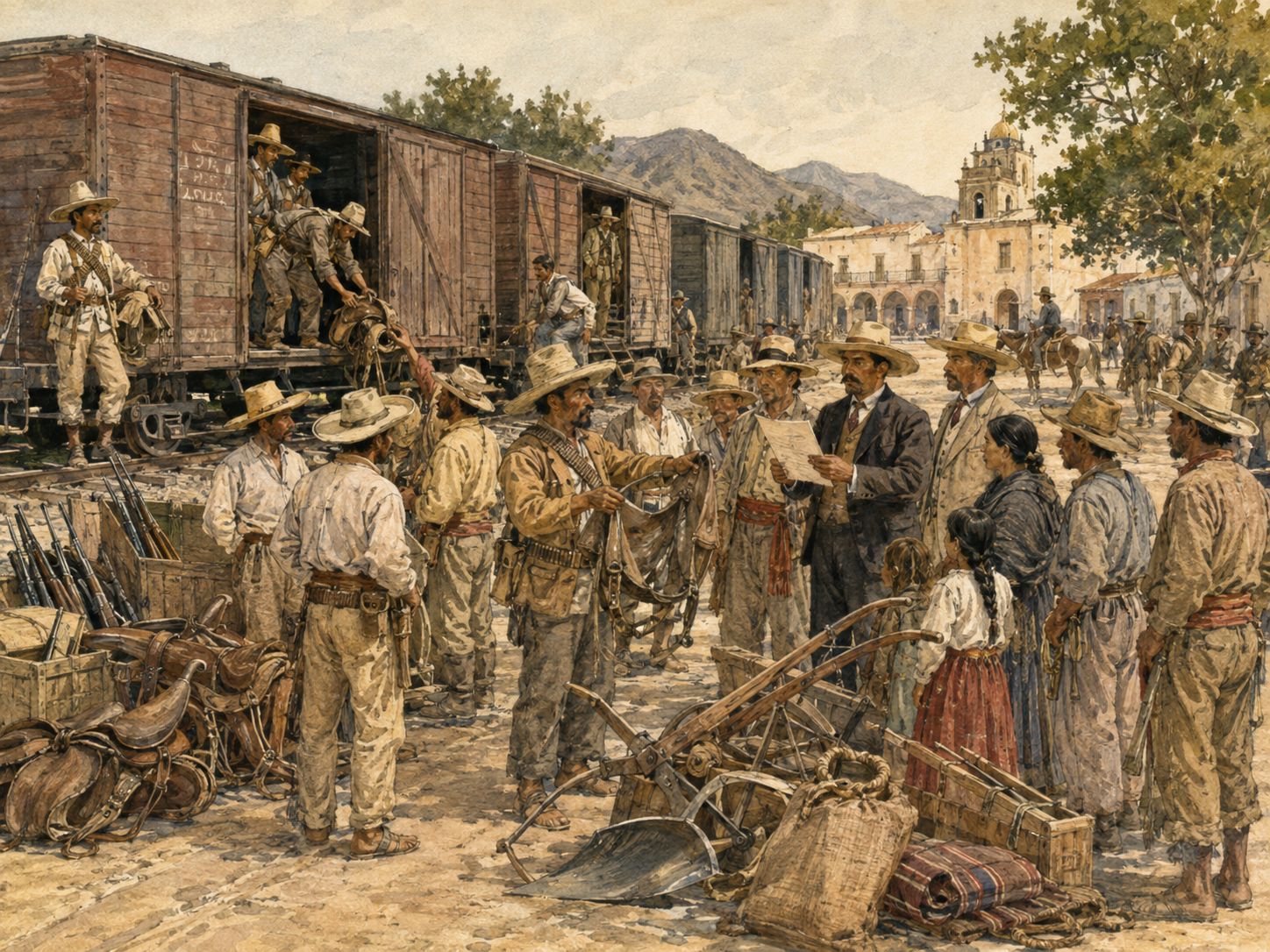
As a result, It produced a political framework for land and labor reform, including the Constitution of 1917, and shaped twentieth-century Mexico.
- The 1917 Constitution and new rules for land and labor
- Continuing regional realignment after the fighting
- Social change across railways, villages, and cities
Historical significance
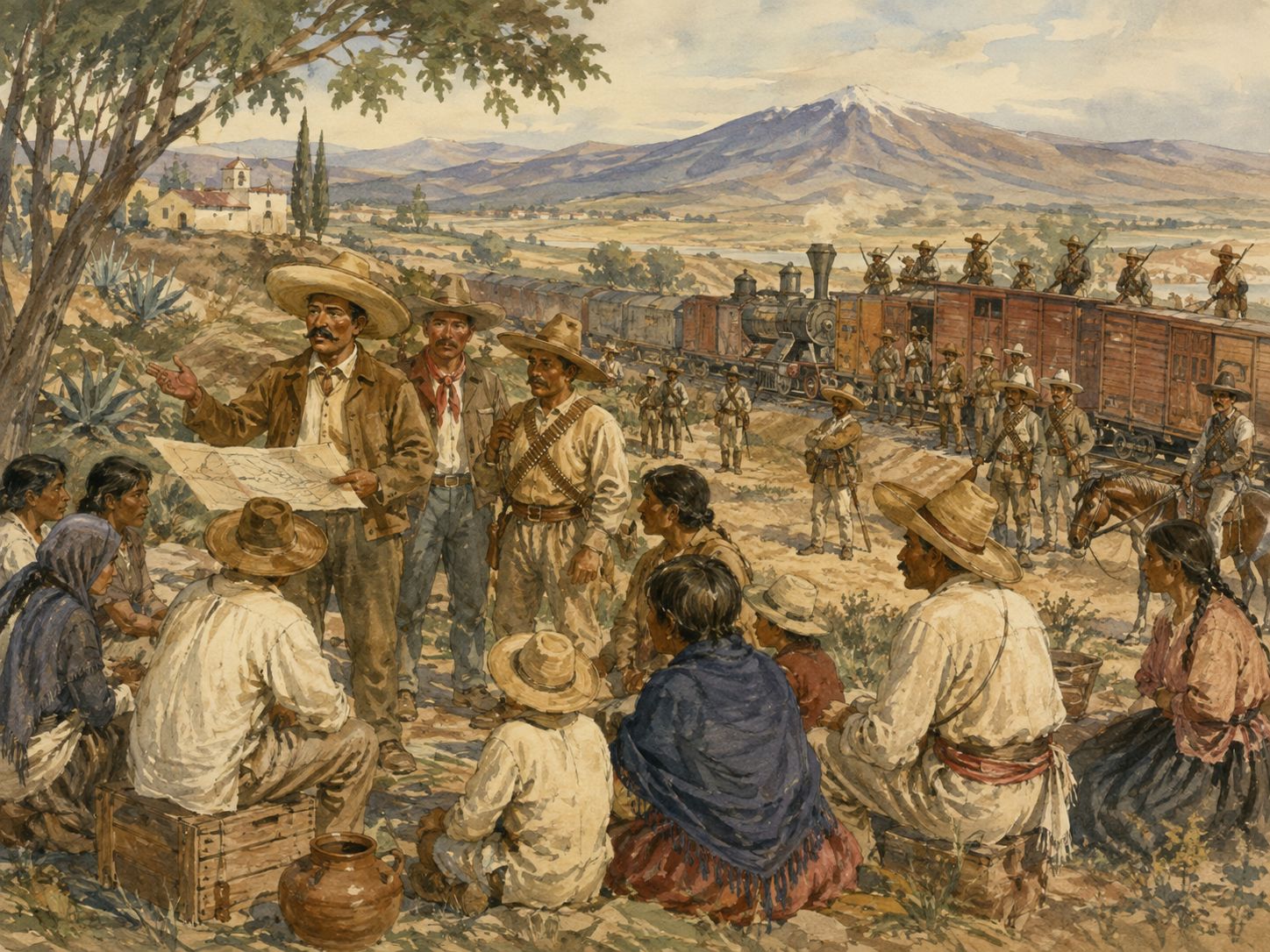
The significance of this event lies in the fact that it produced a political framework for land and labor reform, including the constitution of 1917, and shaped twentieth-century mexico.
- How popular mobilization changed state institutions
- The long struggle over land reform and political participation
- Questions the revolution left in modern Mexico


Related events
c. 1910
Long rule and social tension
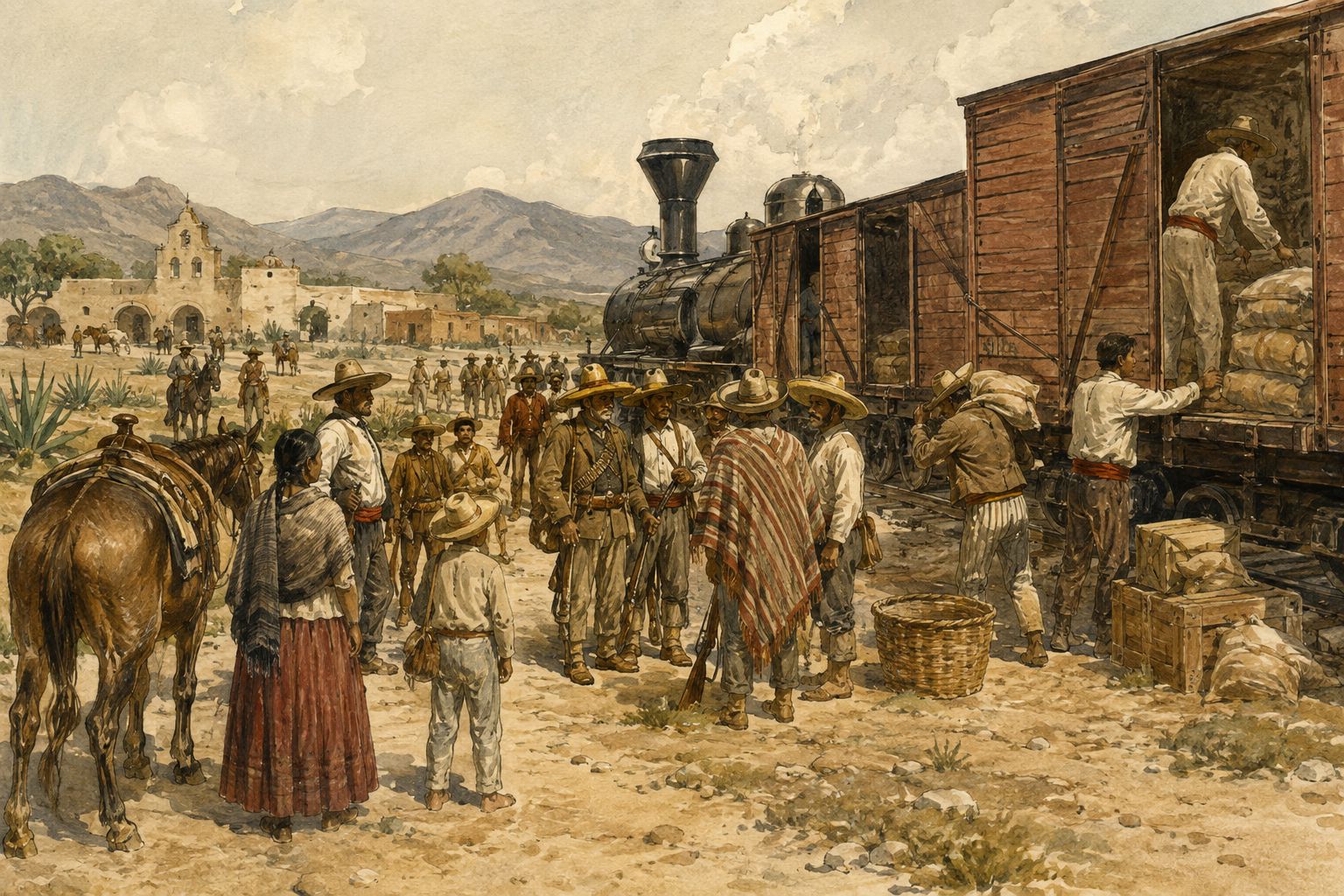
The long Díaz regime and concentrated landholding deepened discontent across Mexico.
c. 1910
The 1910 uprising
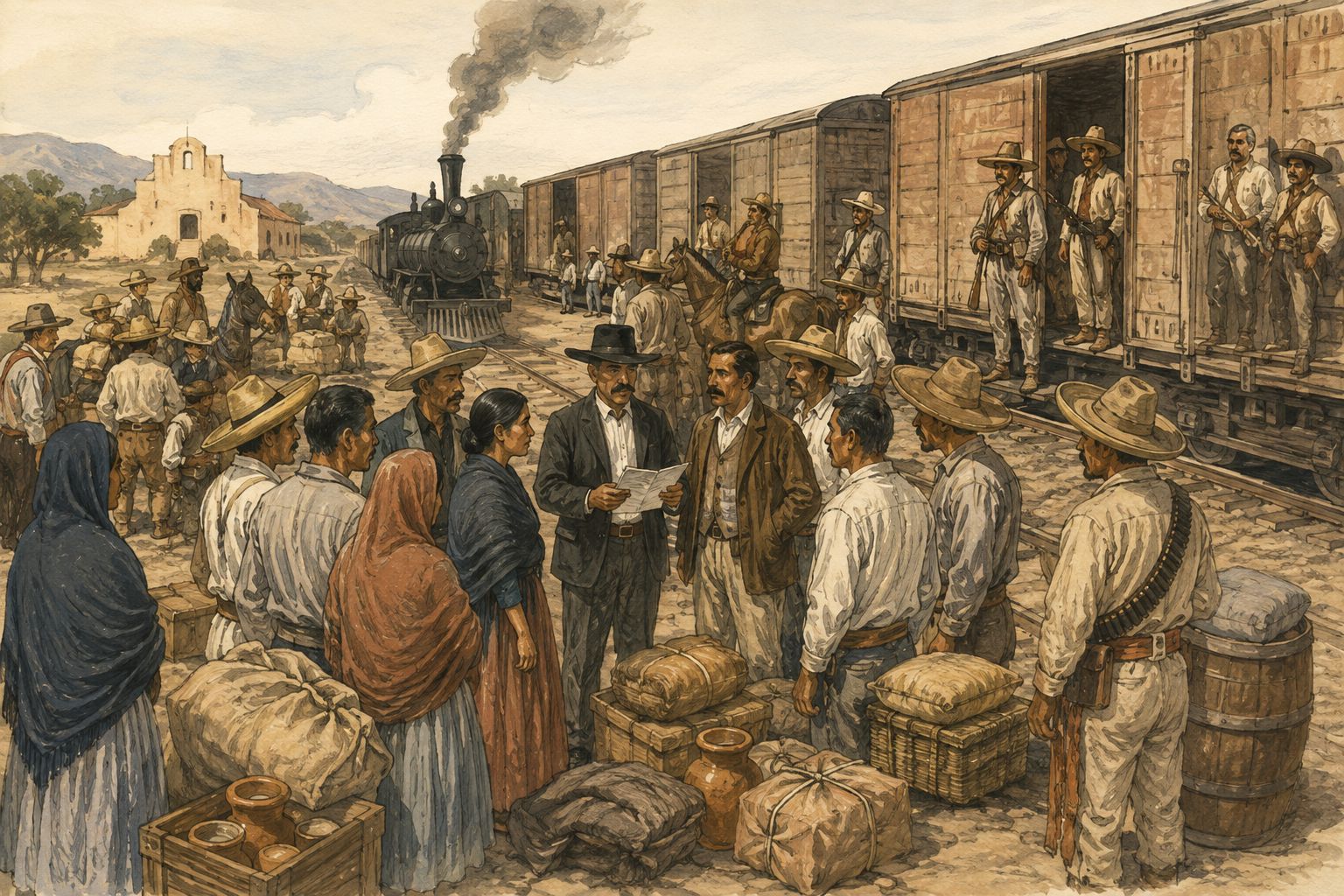
Francisco Madero call for an uprising set revolts in motion across the country in 1910.
1910–1920
Revolution and civil war
Current event
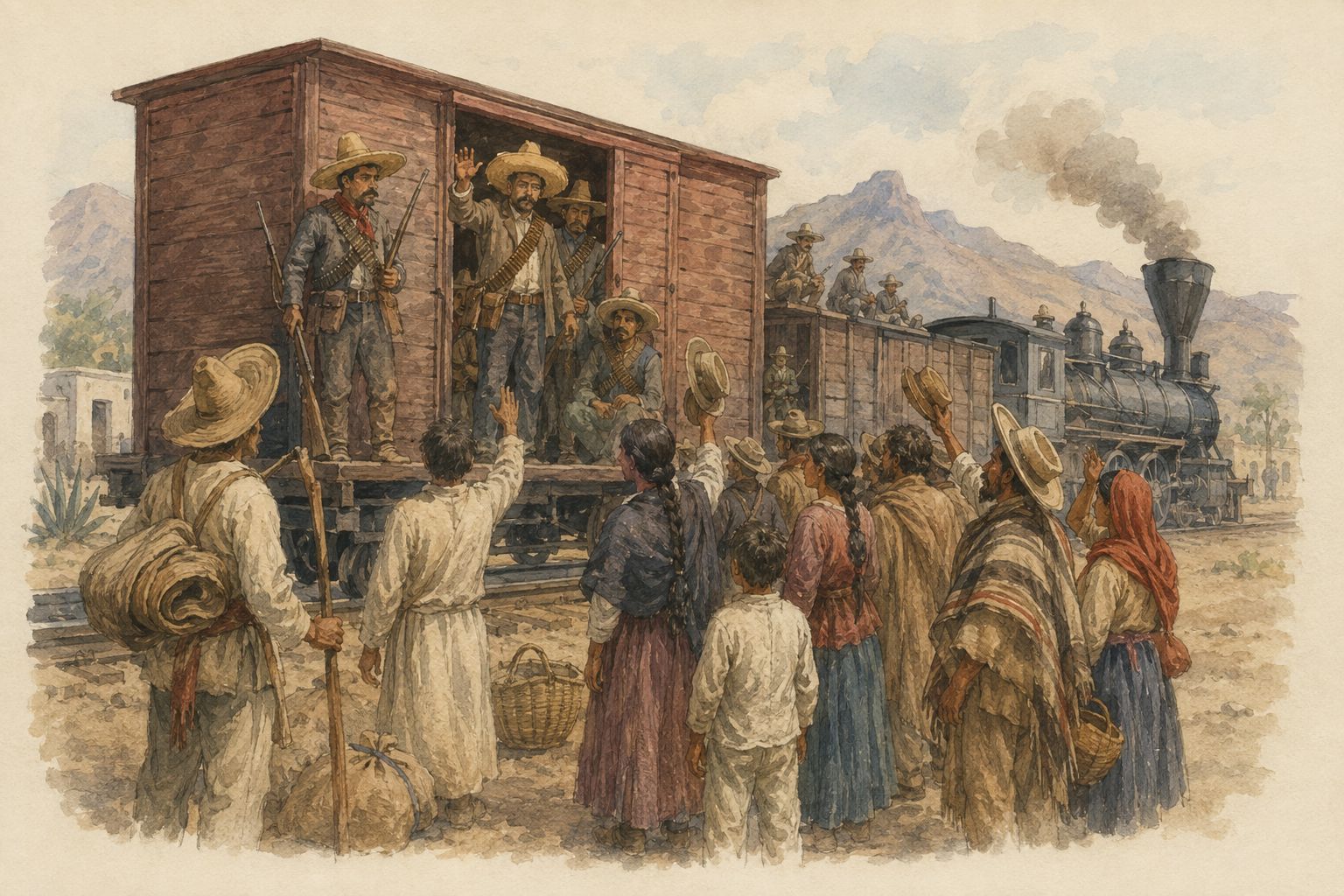
After Madero took office, forces associated with Zapata and Villa clashed with government armies over land and power.
c. 1920
Constitution and reordering
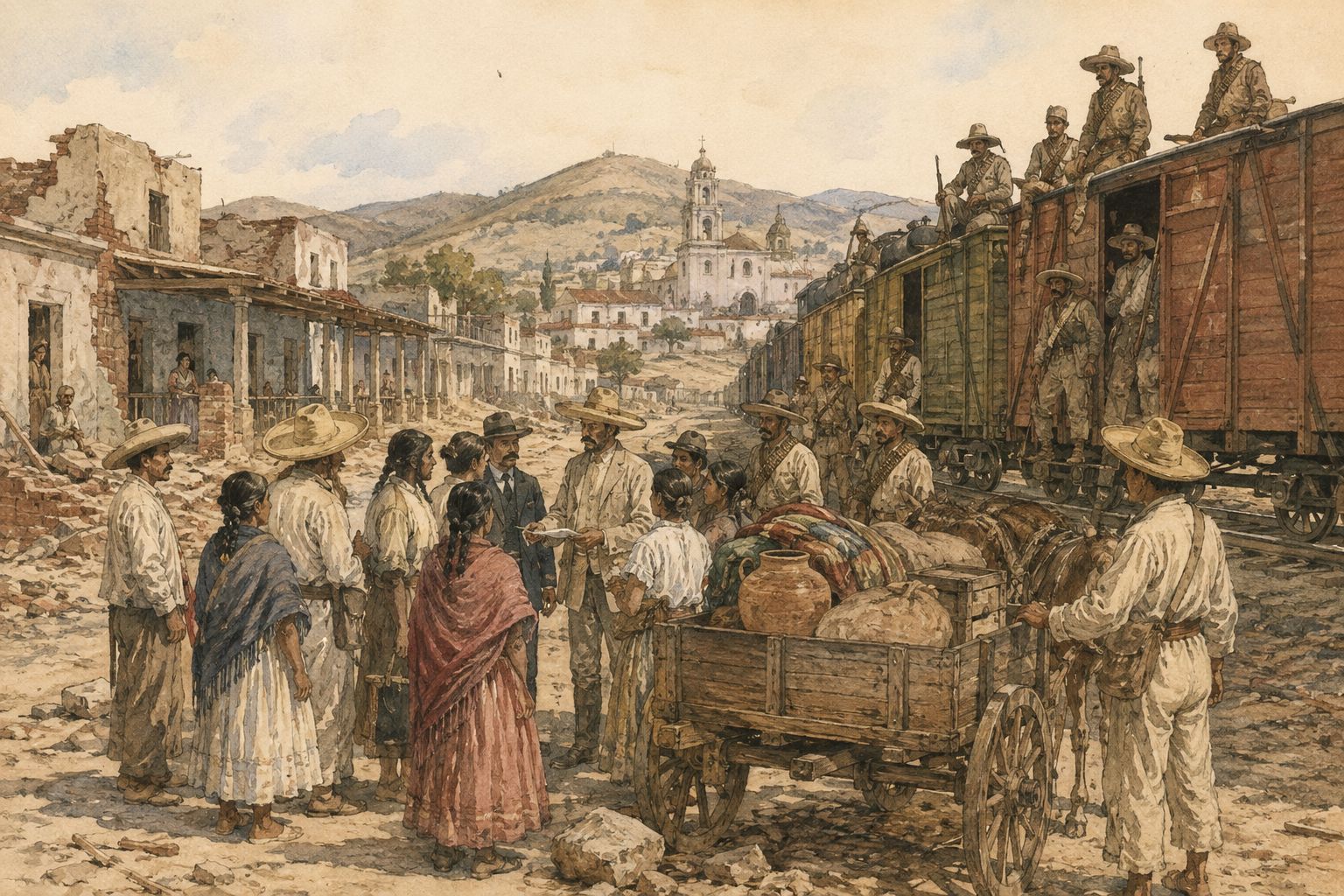
The 1917 Constitution established principles for land, labor, and the state, shaping postwar reconstruction.
c. 1920
Institutions and memory
The revolution influenced agrarian reform and labor policy and reshaped Mexican political culture.


Sources
- Mexican Revolution: chronology and settingwww.daiichi-g.co.jpUsed to cross-check the chronology and geographical setting of Mexican Revolution.
- Mexican Revolution: historical backgroundwww.britannica.comUsed to verify the actors, course, and consequences associated with Mexican Revolution.
- Mexican Revolution: identifier and related recordswww.wikidata.orgUsed to cross-check the identifier and related records for Mexican Revolution.