Mongol Invasion of Europe
1236–1242
In the first half of the thirteenth century, Mongol armies advanced through Rus’ and eastern Europe, attacking Hungary and neighboring regions.

- Period
- 1236–1242
- Kind
- War
- Regions
- Europe, Central Asia
- Keywords
- Mongol Invasion of Europe · war · medieval · europe · central asia
Follow the story · Four stages
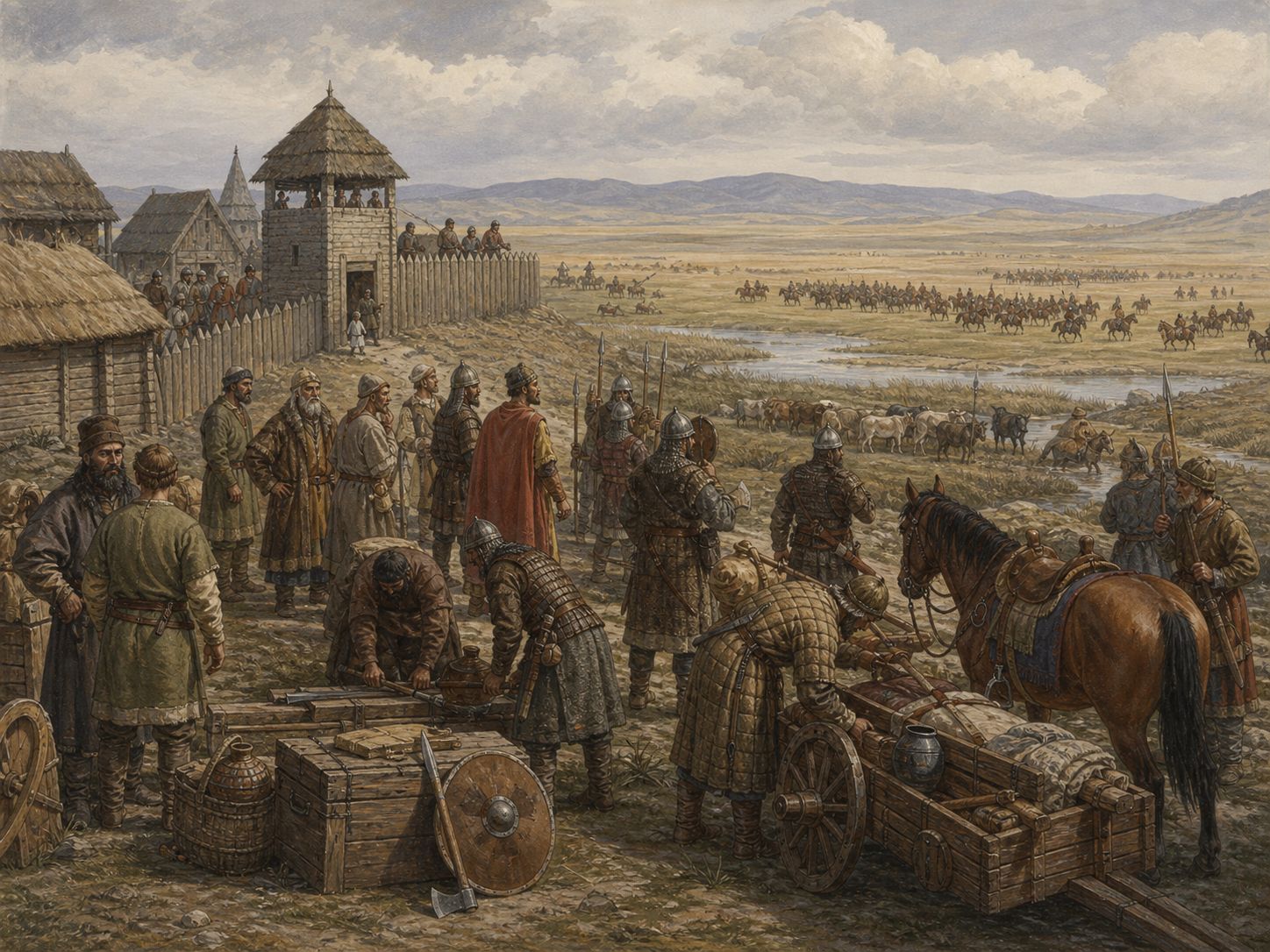
Background
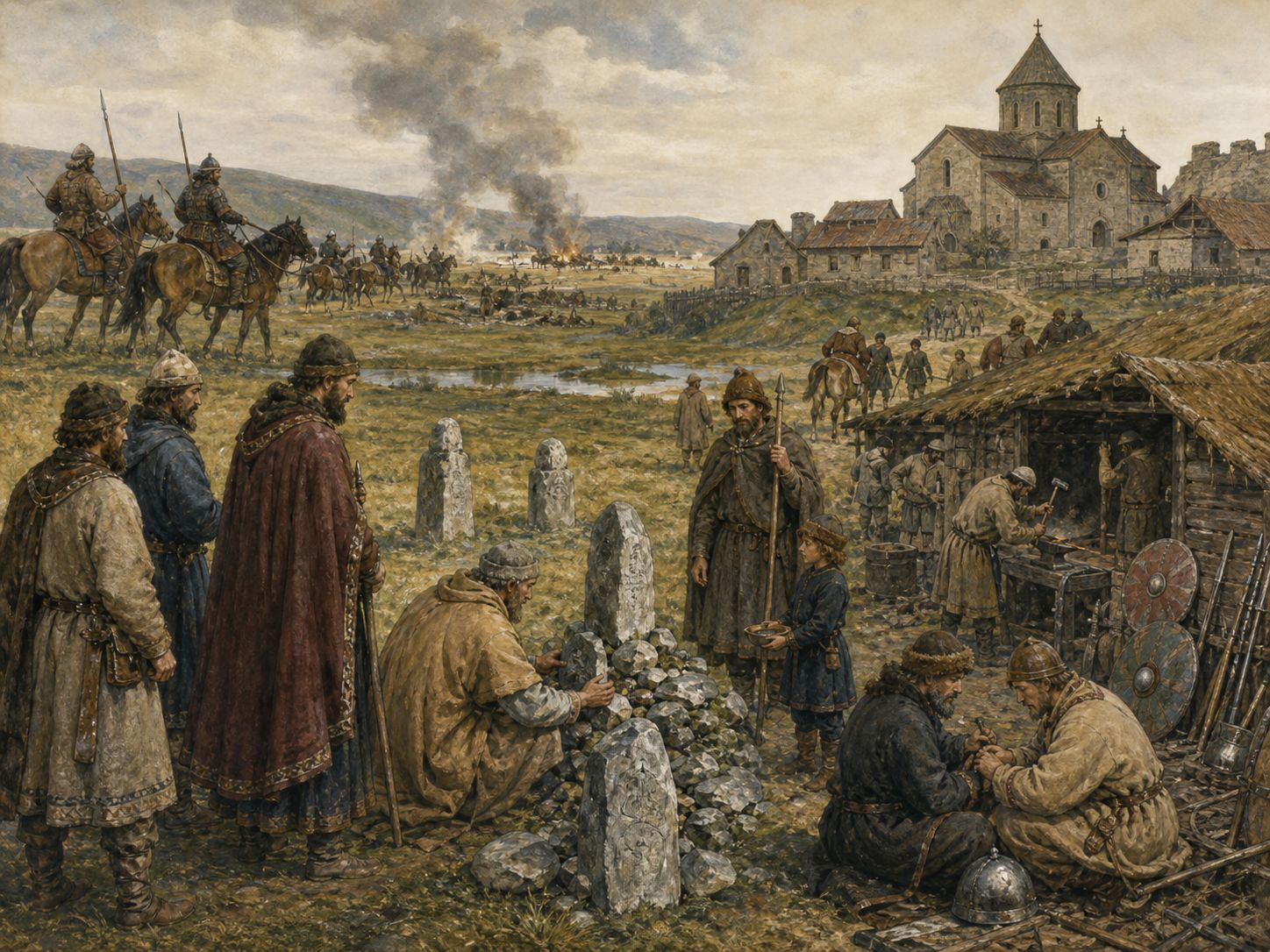
Mongol expansion and the conquest of Rus’ principalities brought a new military crisis to kingdoms west of the Carpathians.
- Mongol expansion and the conquest of Rus’ principalities brought a new military crisis to kingdoms west of the Carpathians.
- Core event: In the first half of the thirteenth century, Mongol armies advanced through Rus’ and eastern Europe, attacking Hungary and neighboring regions.
- Connection to the next stage: Mongol armies combined divided advances, reconnaissance, and mounted archery, defeating the Hungarian army at Mohi in 1241.
Course
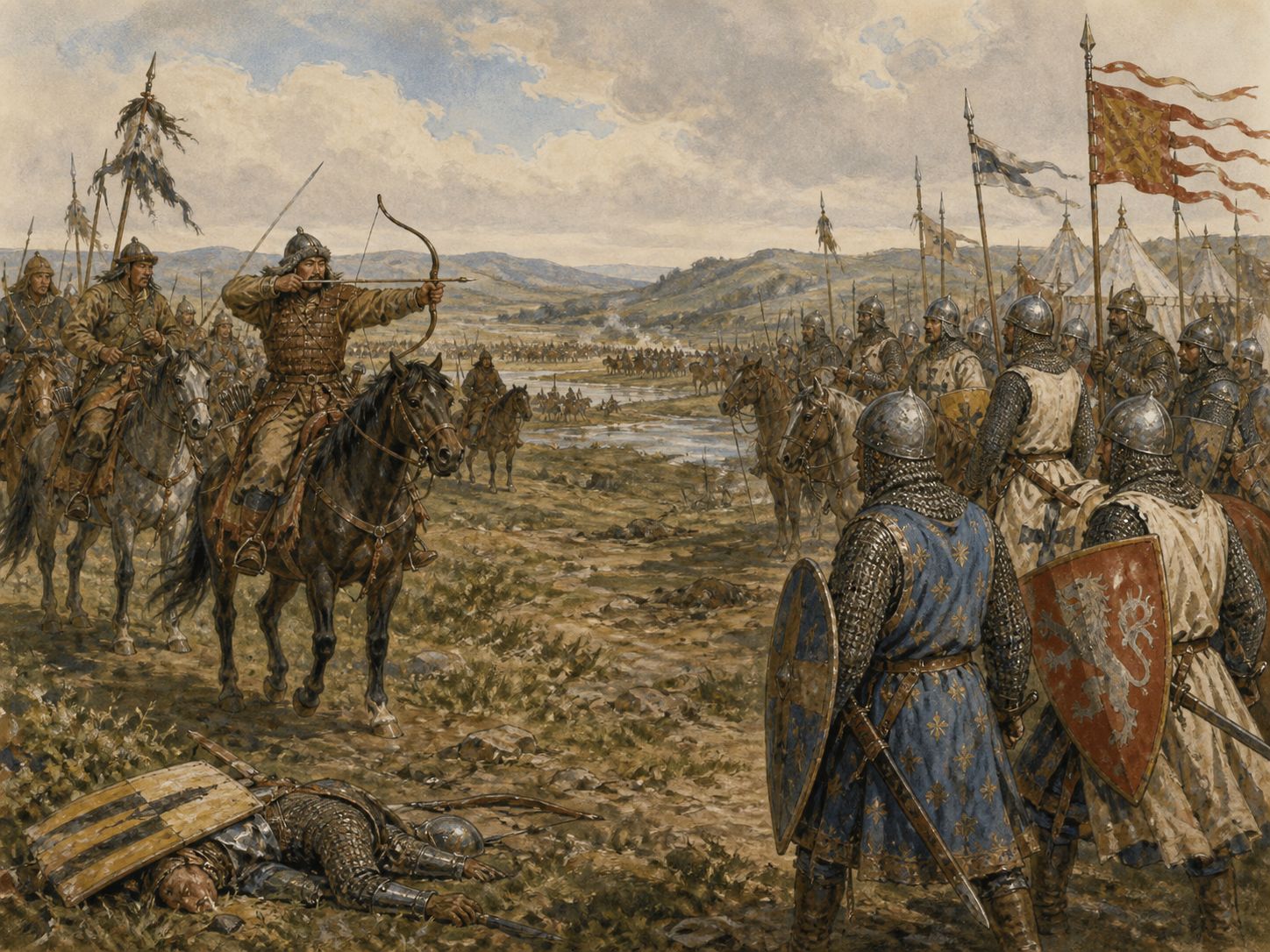
Mongol armies combined divided advances, reconnaissance, and mounted archery, defeating the Hungarian army at Mohi in 1241.
- Mongol armies combined divided advances, reconnaissance, and mounted archery, defeating the Hungarian army at Mohi in 1241.
- Conditions behind the action: Mongol expansion and the conquest of Rus’ principalities brought a new military crisis to kingdoms west of the Carpathians.
- Meaning of the turning point: In the first half of the thirteenth century, Mongol armies advanced through Rus’ and eastern Europe, attacking Hungary and neighboring regions.
Outcome
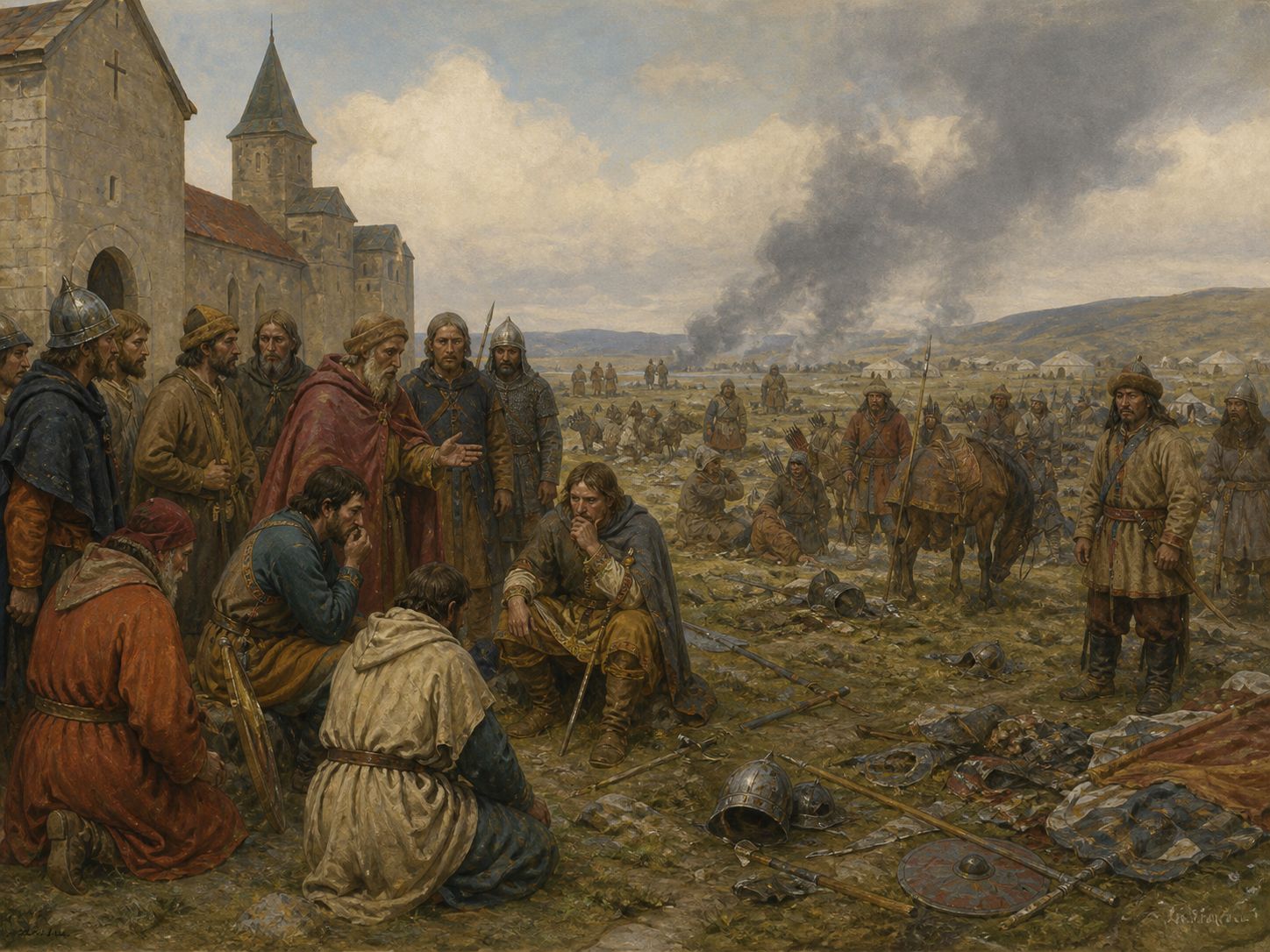
The main forces withdrew after Ögedei’s death, so conquest did not become permanent, but the invasion affected migration and defensive policy.
- The main forces withdrew after Ögedei’s death, so conquest did not become permanent, but the invasion affected migration and defensive policy.
- Process producing the result: Mongol armies combined divided advances, reconnaissance, and mounted archery, defeating the Hungarian army at Mohi in 1241.
- Question carried forward: The invasion turned Mongol–European contact into a question of diplomacy and information as well as fear.
Historical significance
The invasion turned Mongol–European contact into a question of diplomacy and information as well as fear.
- The invasion turned Mongol–European contact into a question of diplomacy and information as well as fear.
- Immediate consequence: The main forces withdrew after Ögedei’s death, so conquest did not become permanent, but the invasion affected migration and defensive policy.
- Historical turning point: In the first half of the thirteenth century, Mongol armies advanced through Rus’ and eastern Europe, attacking Hungary and neighboring regions.


Related figures
Related events
c. 1234
Prelude
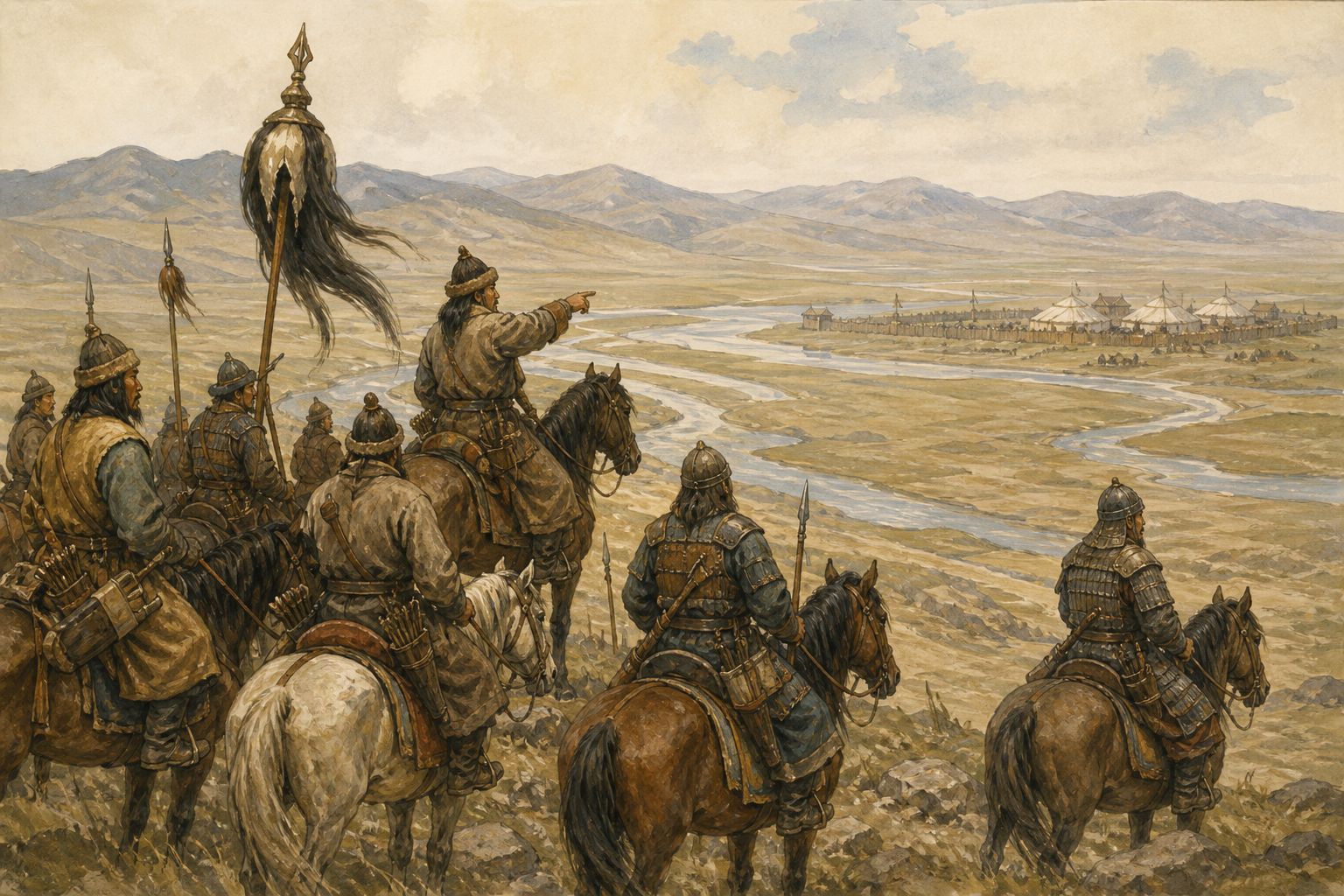
Prelude — Background: Mongol expansion and the conquest of Rus’ principalities brought a new military crisis to kingdoms west of the Carpathians.
c. 1235
Turning point
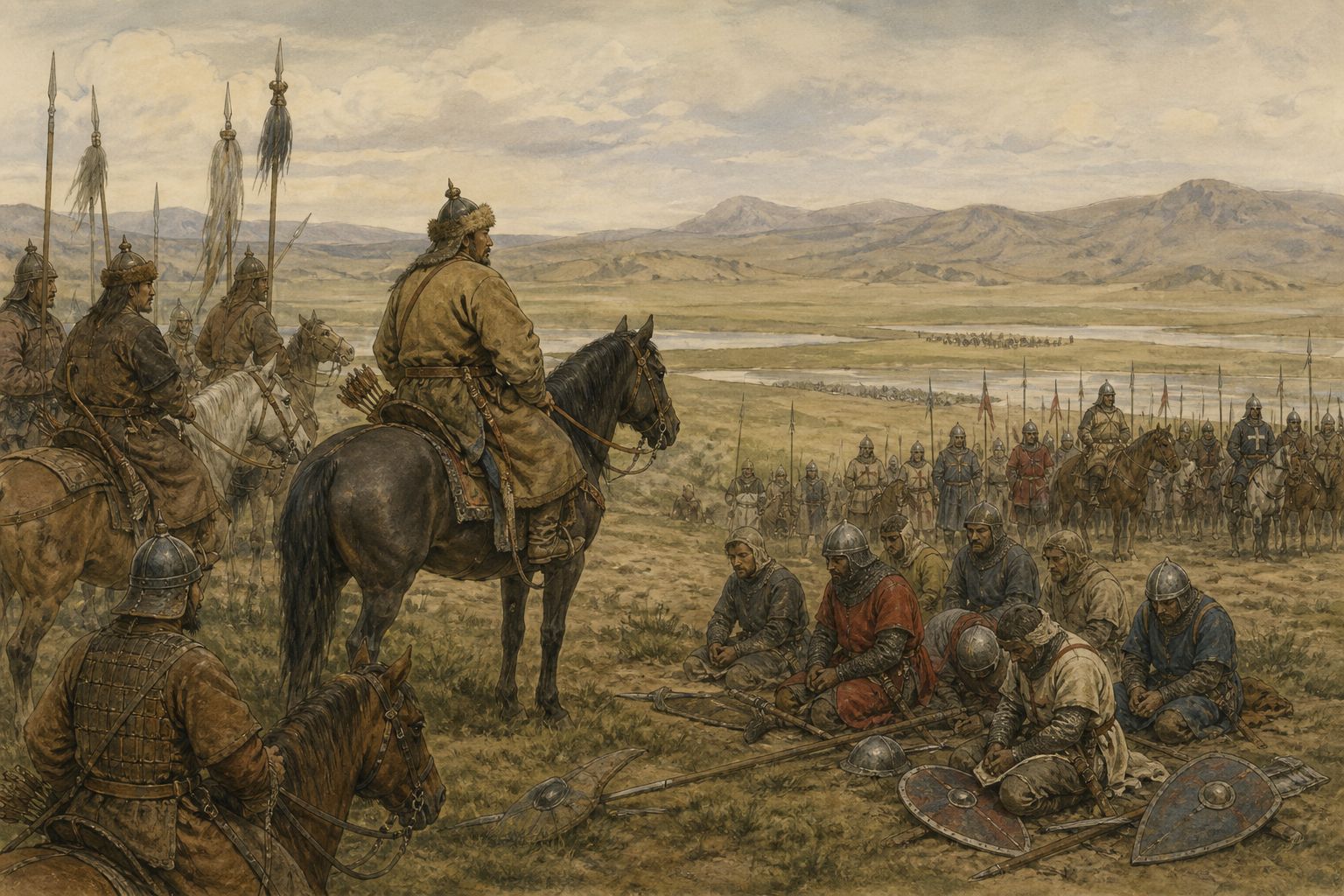
Turning point — Build-up: Mongol armies combined divided advances, reconnaissance, and mounted archery, defeating the Hungarian army at Mohi in 1241.
1236–1242
Mongol Invasion of Europe
Current event
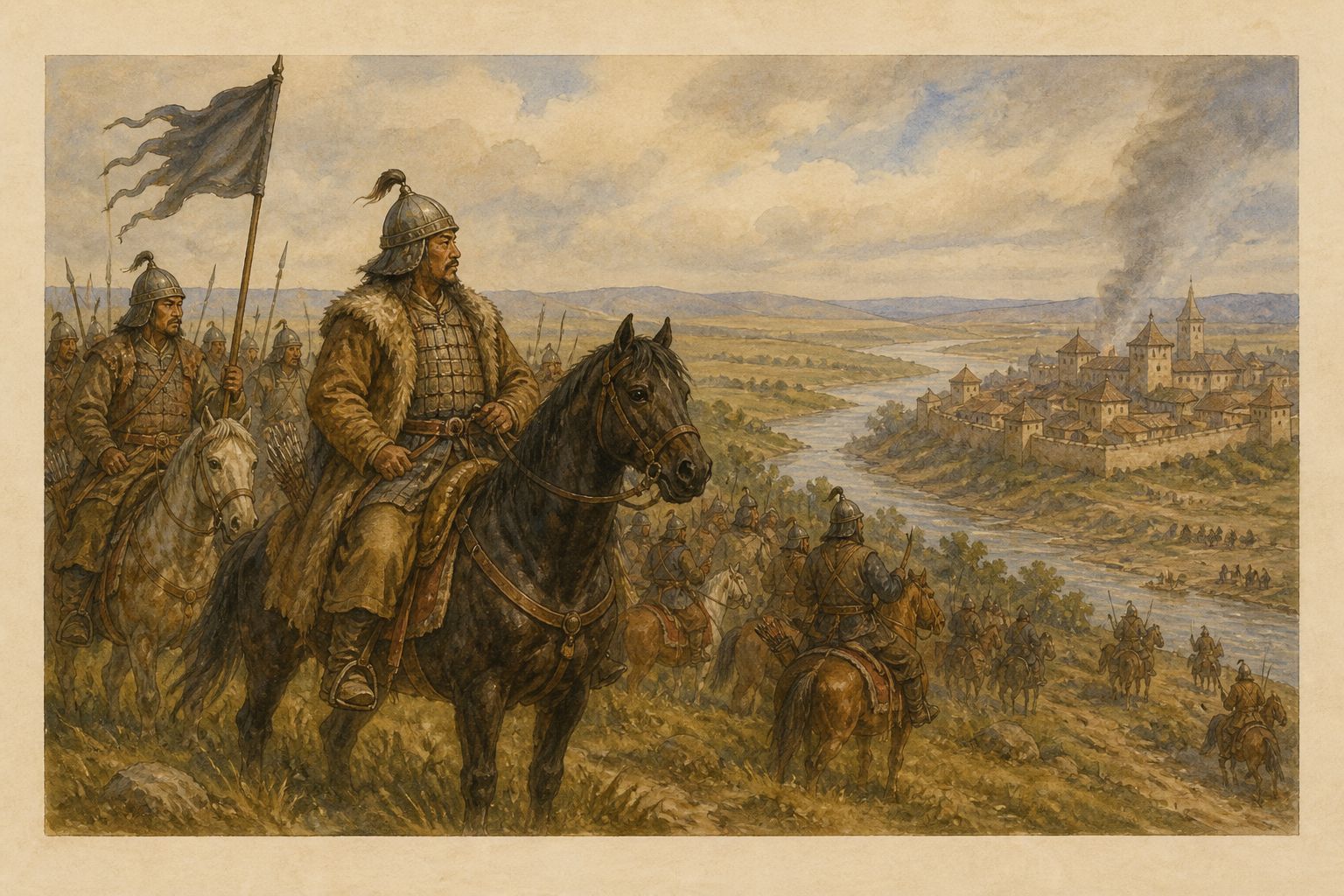
Mongol Invasion of Europe — Central transition: In the first half of the thirteenth century, Mongol armies advanced through Rus’ and eastern Europe, attacking Hungary and neighboring regions.
c. 1245
Immediate aftermath
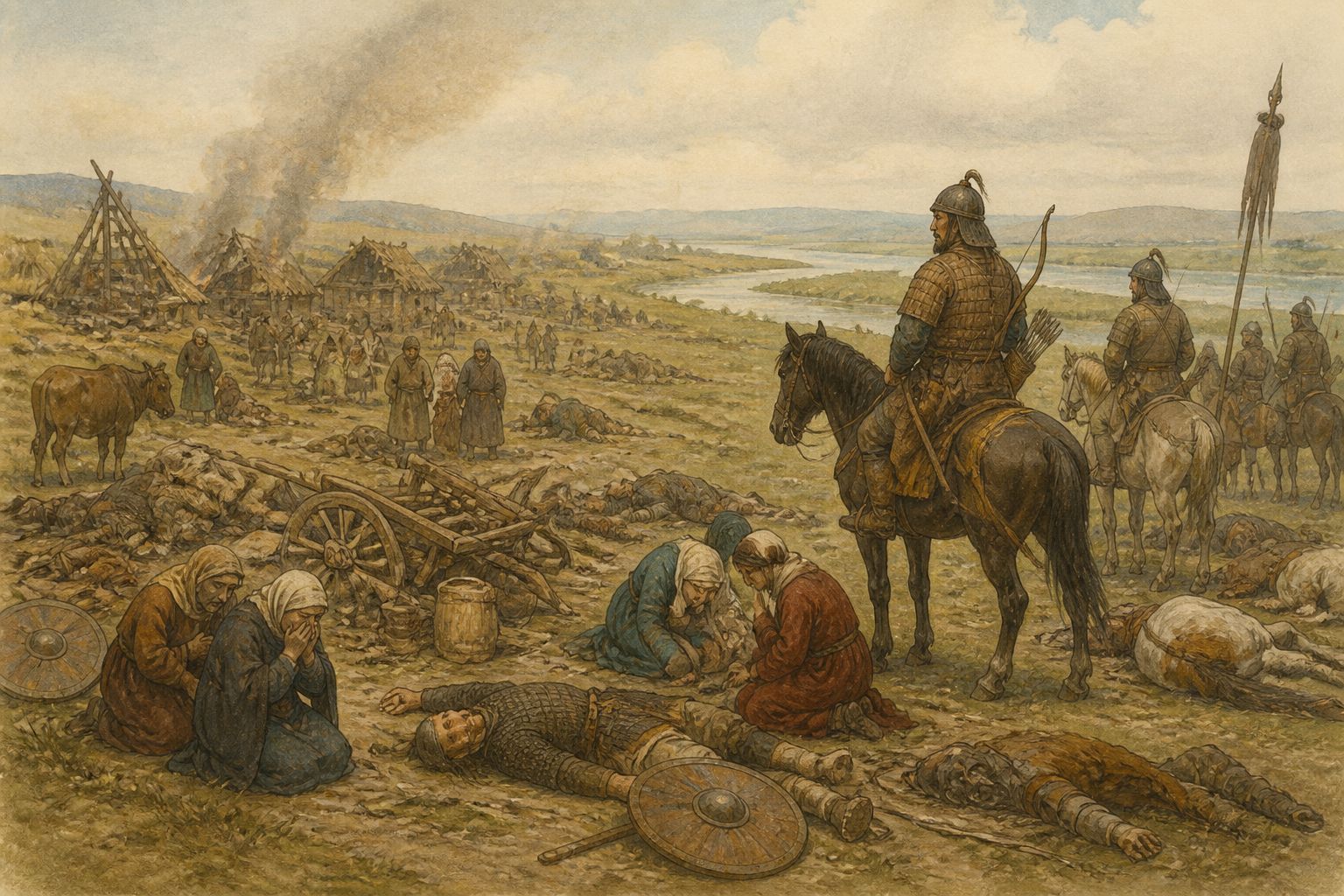
Immediate aftermath — Immediate result: The main forces withdrew after Ögedei’s death, so conquest did not become permanent, but the invasion affected migration and defensive policy.
c. 1252
Long-term significance
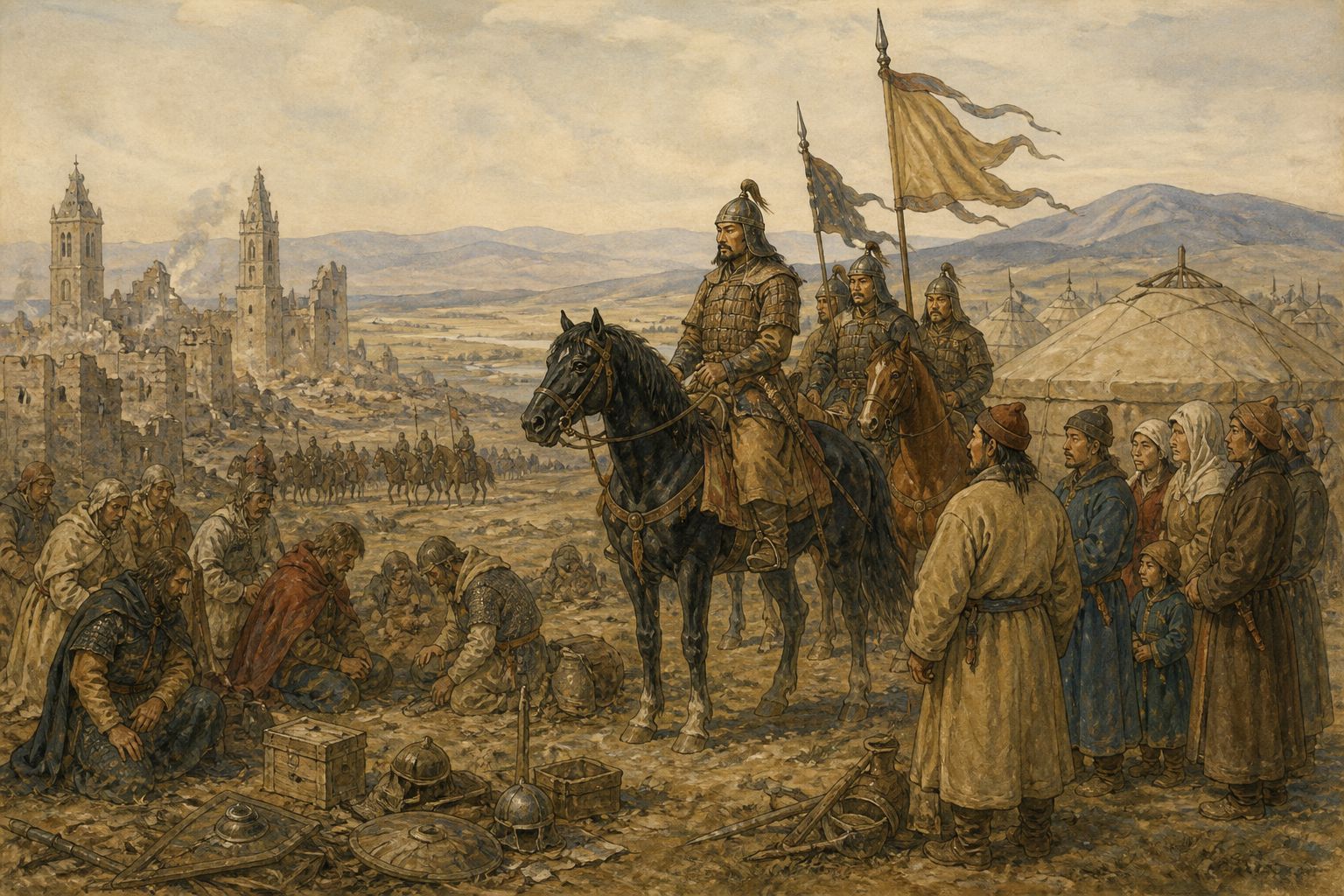
Long-term significance — Long-term significance: The invasion turned Mongol–European contact into a question of diplomacy and information as well as fear.


Sources
- Mongol Invasion of Europe — Mongol Empire (Encyclopaedia Britannica)britannica.comThis Encyclopaedia Britannica resource supports the chronology, setting, and course of Mongol Invasion of Europe.
- Mongol Invasion of Europe — Hd Mong (The Metropolitan Museum of Art)metmuseum.orgThis The Metropolitan Museum of Art resource supports the chronology, setting, and course of Mongol Invasion of Europe.
- Mongol Invasion of Europe — 4B4F54EAD4F7FDD3CE3D2D2A2D8A5F60 (Cambridge University Press)cambridge.orgThis Cambridge University Press resource supports the chronology, setting, and course of Mongol Invasion of Europe.