
Neo-Assyrian Imperial Expansion
c. 911 BC–c. 609 BC
The Neo-Assyrian state combined military and administrative reforms with provincial rule to dominate much of the Near East.

- Period
- c. 911 BC–c. 609 BC
- Kind
- Political event
- Regions
- Middle East, Africa
- Keywords
- Neo-Assyrian Imperial Expansion · Nineveh and Mesopotamia · ancient · background · turning point · impact
Follow the story · Four stages
Background
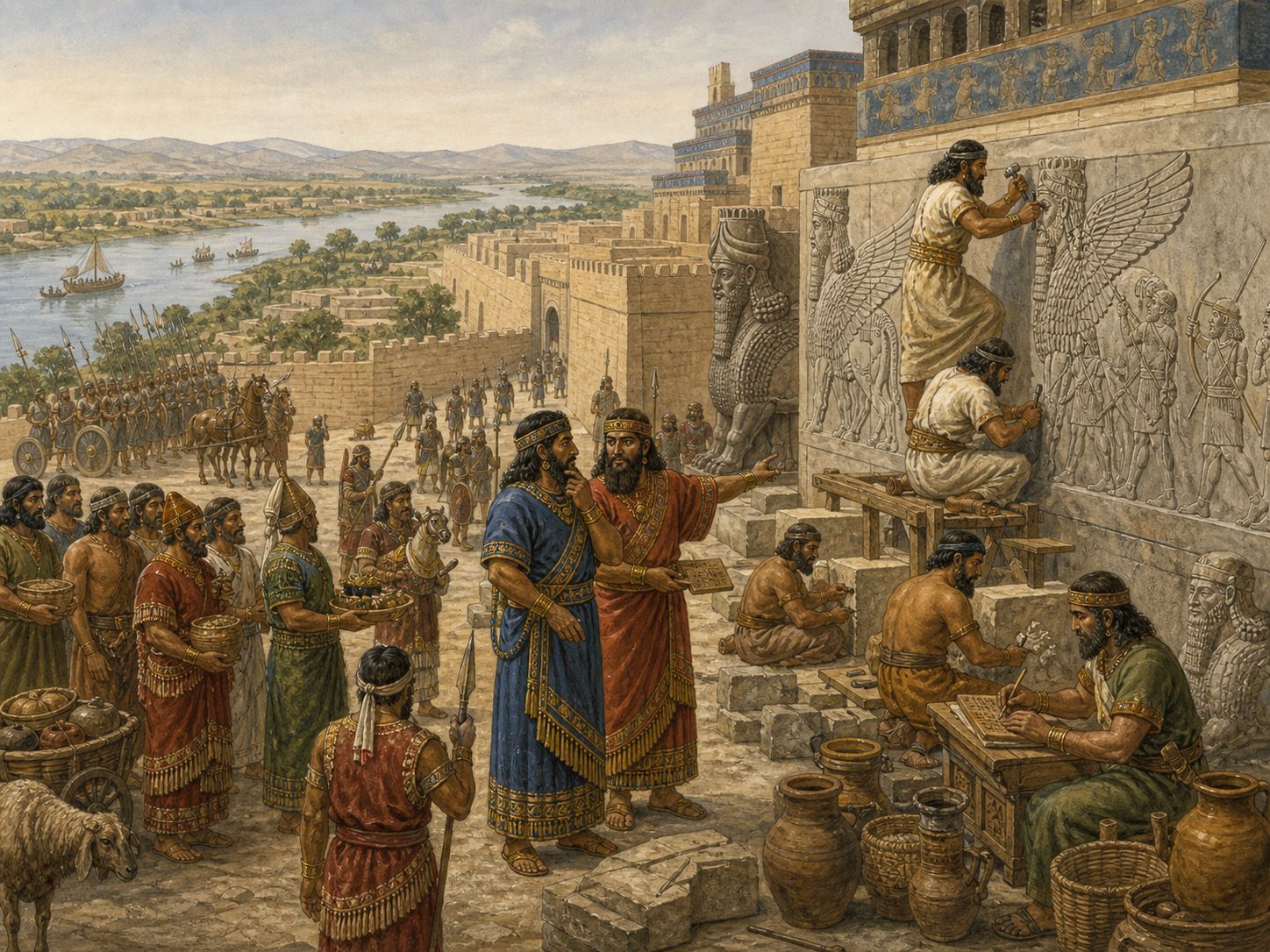
Political, social, and commercial changes around Nineveh and Mesopotamia formed the setting: The Neo-Assyrian state combined military and administrative reforms with provincial rule to dominate much of the Near East.
- After internal conflict and external pressure, Assyria rebuilt its power in the late tenth century BCE
- Cities and grain-producing lands along the upper Tigris supported campaigns and taxation
- Royal inscriptions, provinces, and forced deportations formed the framework of imperial rule
Course
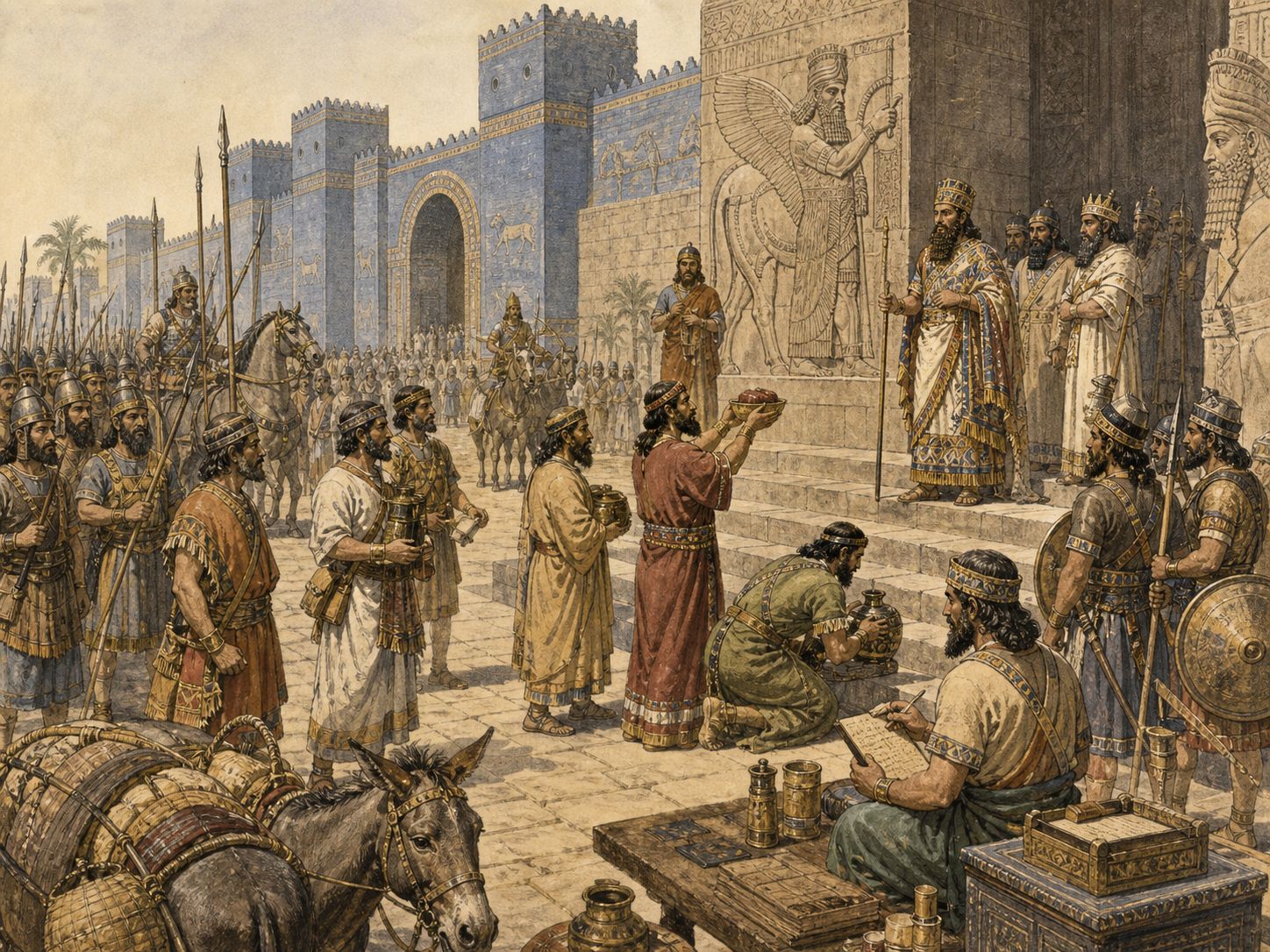
The Neo-Assyrian state combined military and administrative reforms with provincial rule to dominate much of the Near East. The choices of the participating powers and responses of local communities shaped the course.
- Kings after Adad-nirari II renewed campaigns across northern Mesopotamia and Syria
- Tiglath-pileser III reorganized the army and provincial administration, accelerating conquest
- Under Sargon II, Sennacherib, Esarhaddon, and Ashurbanipal, the empire reached its greatest extent
Outcome
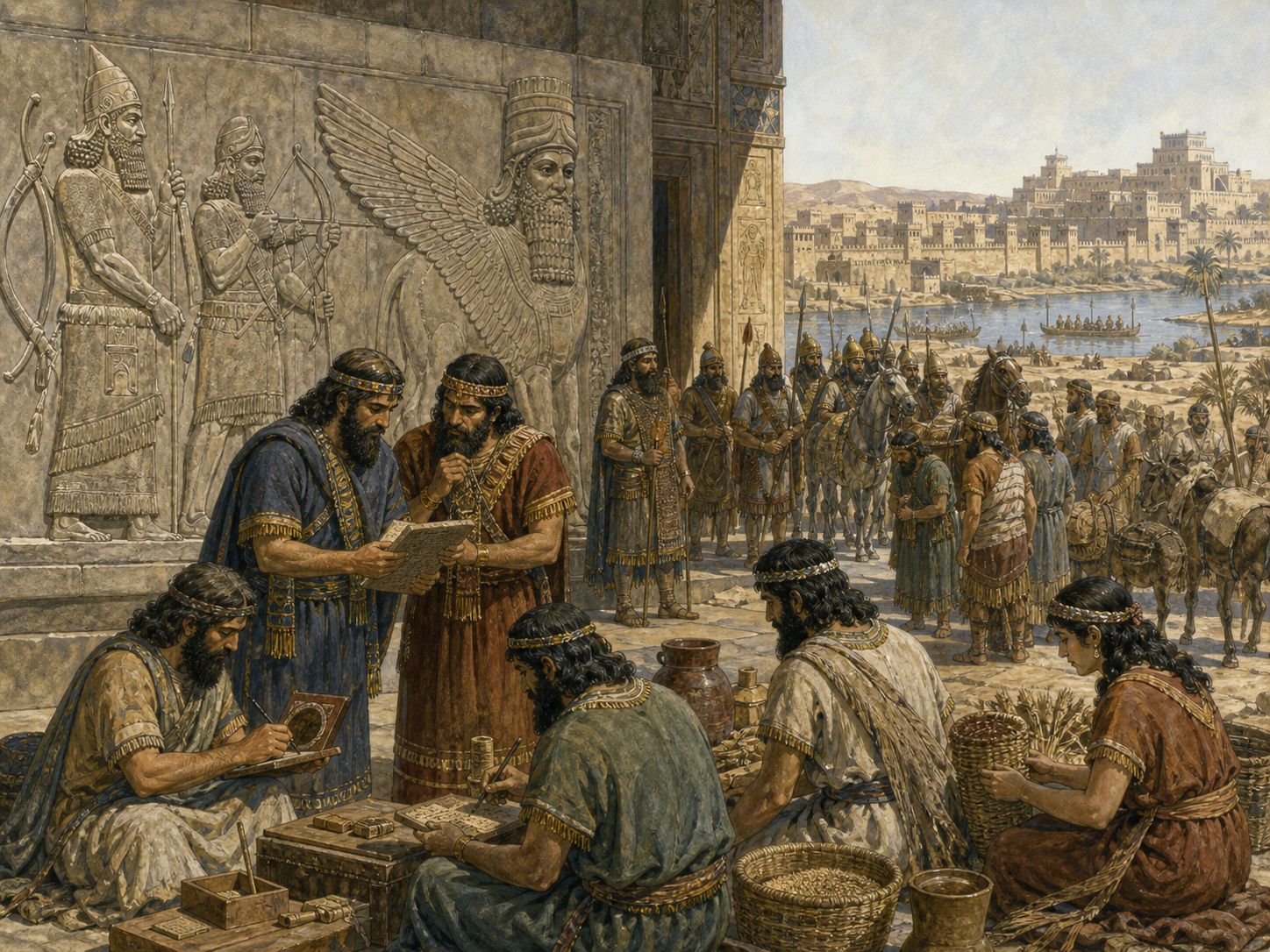
As a result, It established precedents for imperial rule based on a large standing army, roads, and organized population transfers.
- Tribute and provincial administration brought people, goods, and information toward the royal capitals
- Palaces and reliefs at Kalhu, Dur-Sharrukin, and Nineveh shaped the memory of royal power
- Nineveh fell in 612 BCE, and by 609 BCE the empire had lost its political center
Historical significance
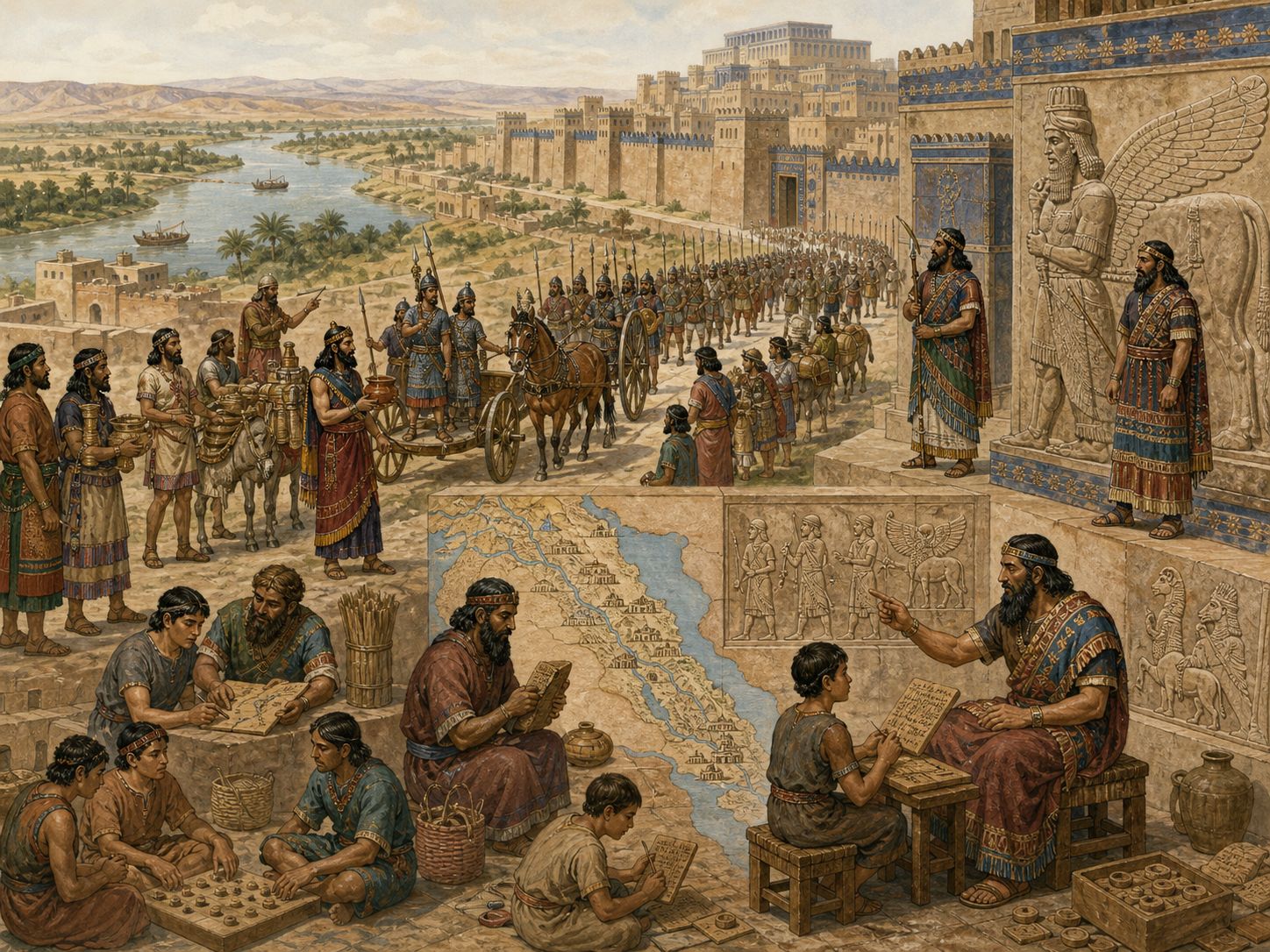
The significance of this event lies in the fact that it established precedents for imperial rule based on a large standing army, roads, and organized population transfers.
- The empire shows how military campaigning and administrative integration could be joined in the ancient Near East
- Cuneiform records and palace reliefs preserve the histories of scribes, craftspeople, and subject peoples as well as conquest
- Forced deportation and memories of war make it necessary to consider imperial efficiency together with violence


Related events
c. 911 BC
Adad-nirari II and renewal
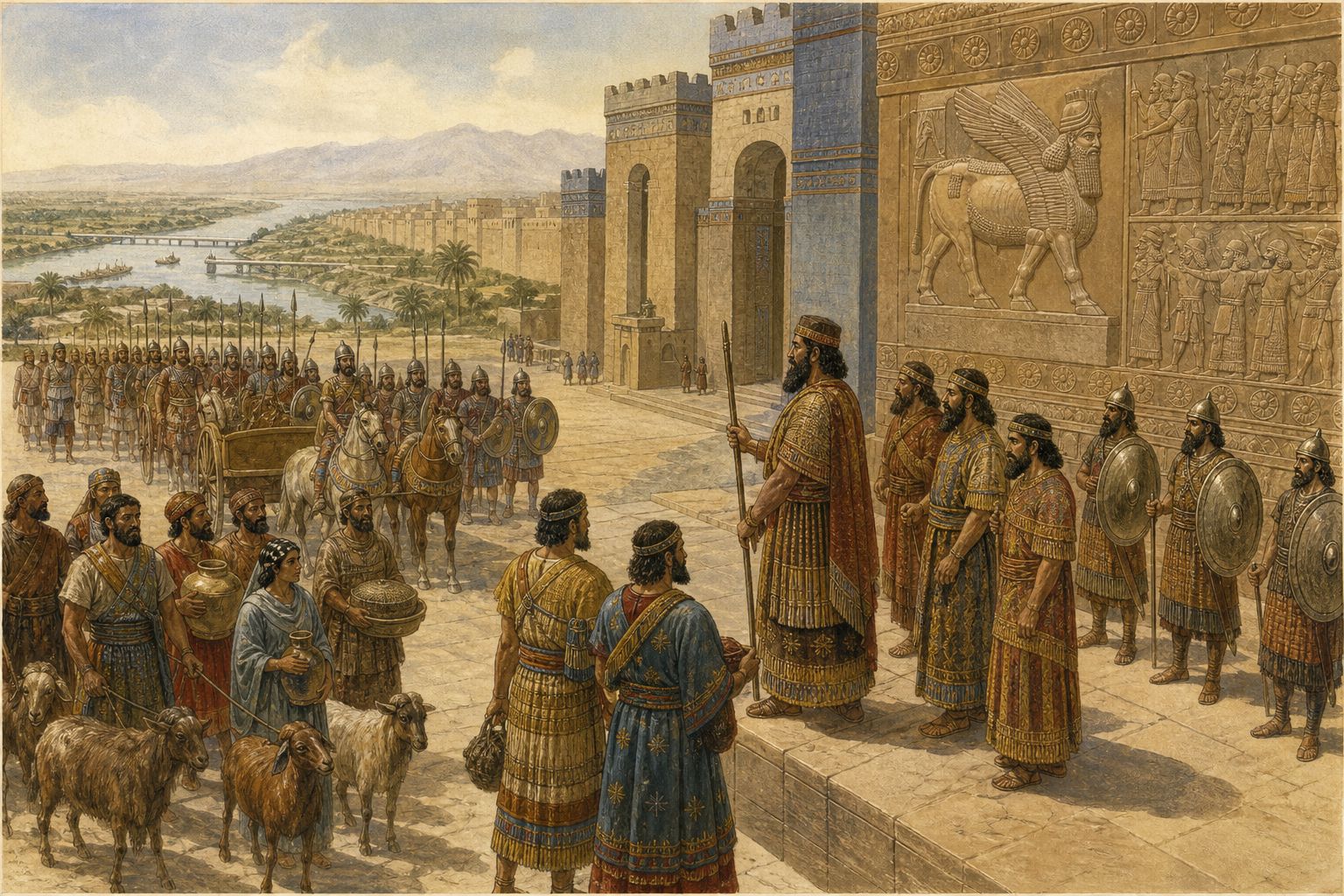
Around 911 BCE, the reign of Adad-nirari II marked a renewed phase of Assyrian military power in northern Mesopotamia.
745 BC
Tiglath-pileser III reforms the state
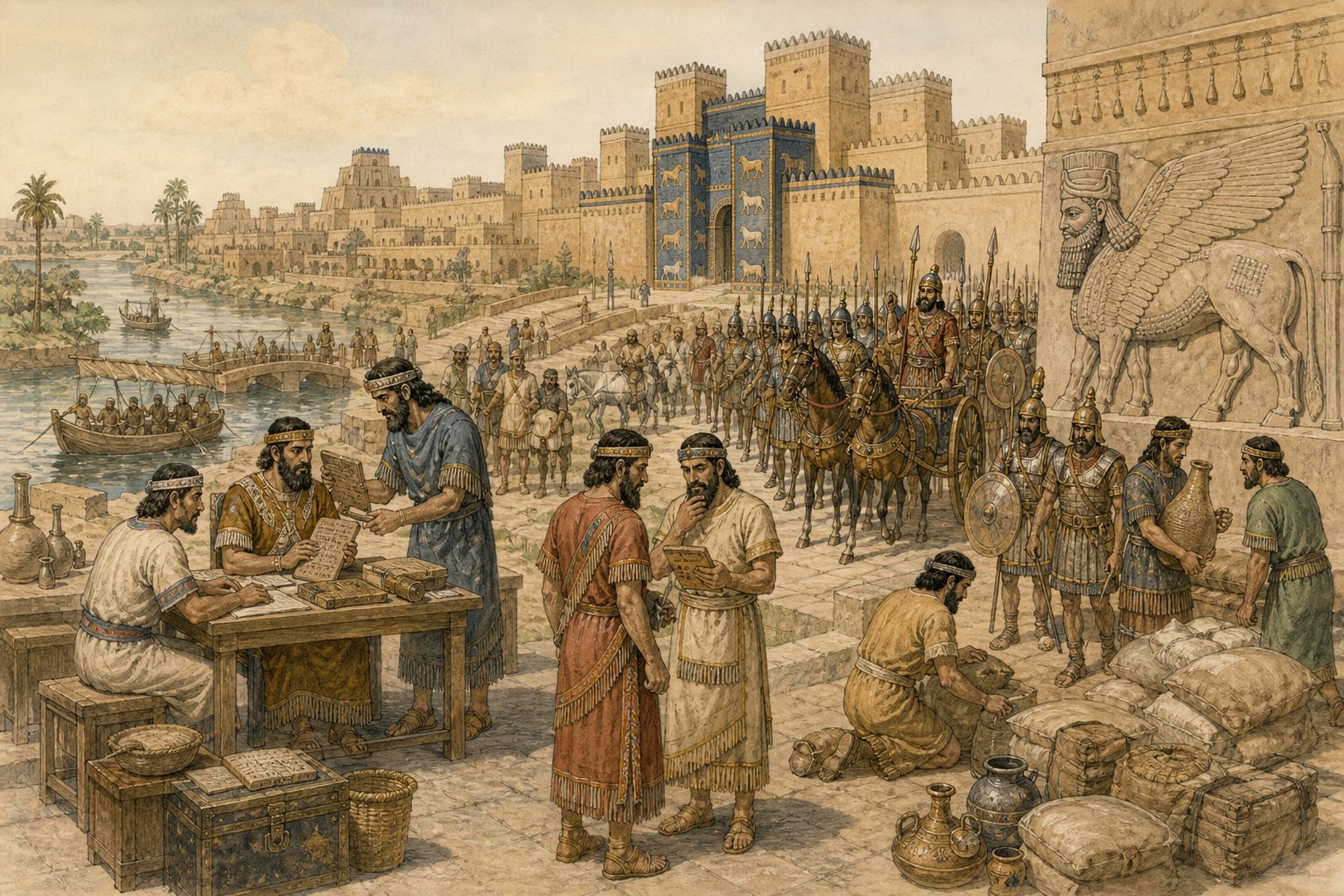
After 745 BCE, reforms joining a standing army to provincial administration greatly expanded Assyrian campaigns and taxation.
911 BC–609 BC
Imperial rule across the Near East
Current event
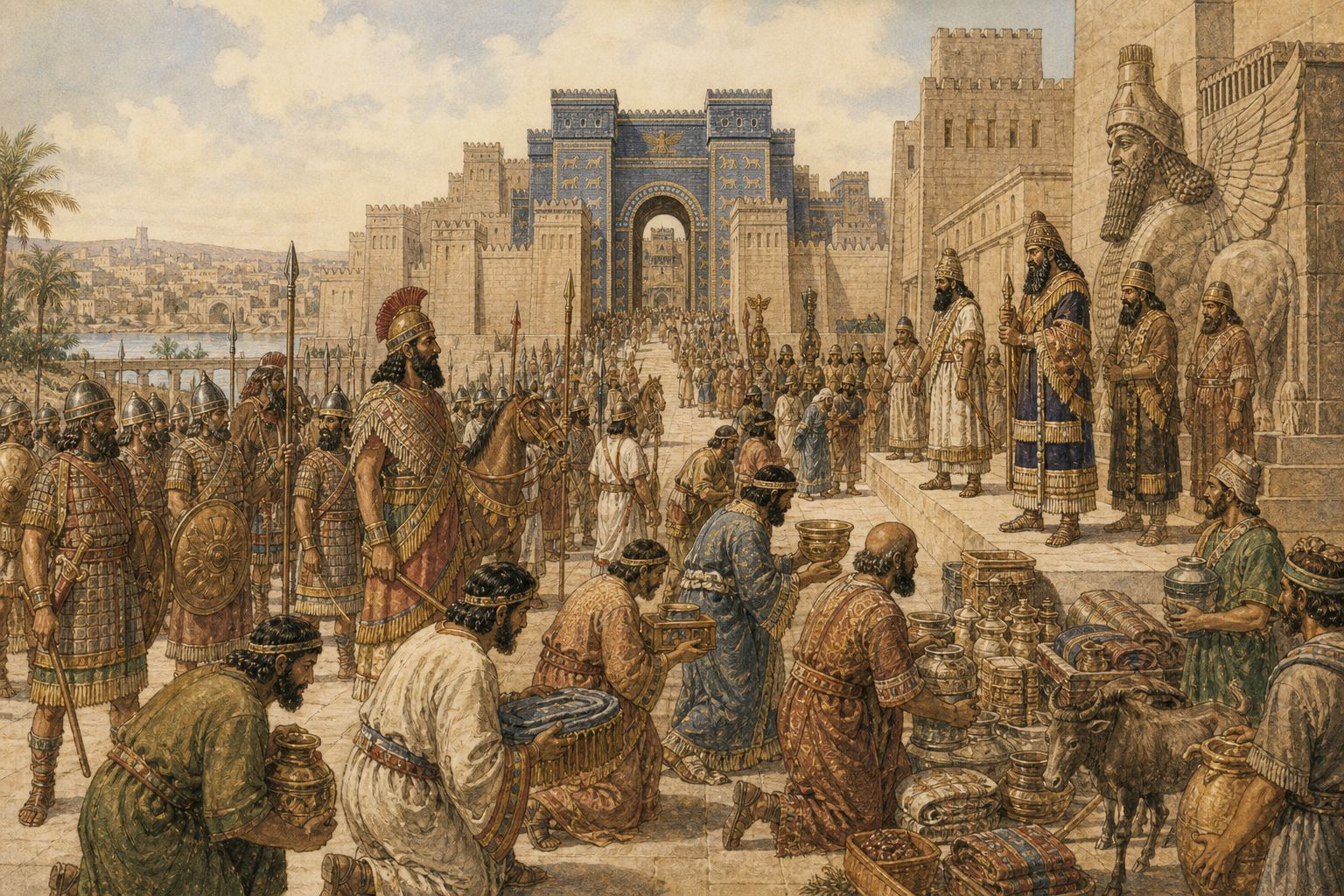
From 911 to 609 BCE, the Neo-Assyrian state combined military and administrative reforms with provincial rule to dominate much of the Near East.
612 BC
The fall of Nineveh
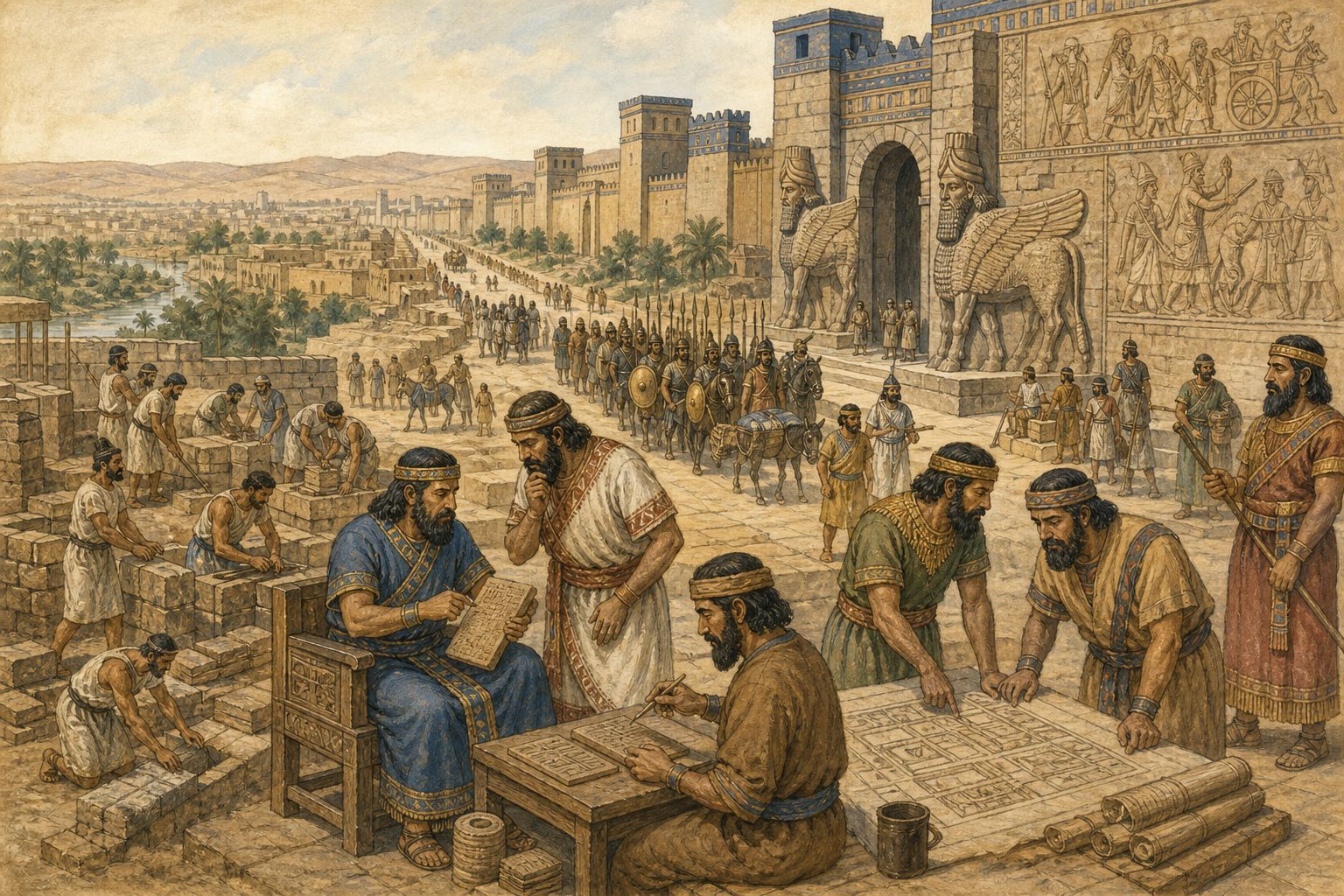
Nineveh fell in 612 BCE, and by 609 BCE the Neo-Assyrian Empire had lost its political center.
c. 539 BC
Records and memory of empire
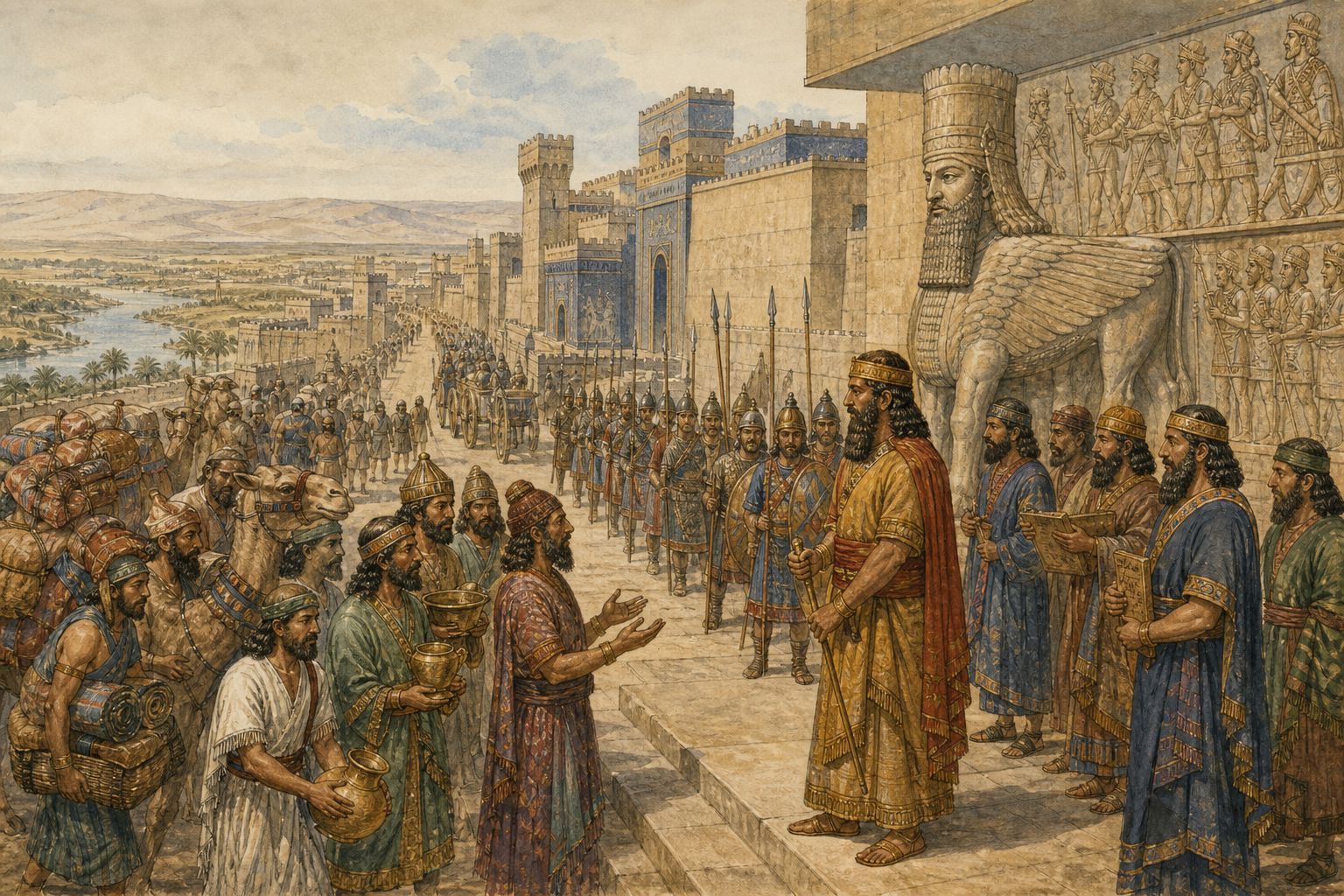
Later kingdoms and modern scholars recover Neo-Assyrian rule through royal inscriptions, palace reliefs, tablets, and city remains.


Sources
- Neo-Assyrian Imperial Expansion: chronology and settingwww.daiichi-g.co.jpUsed to cross-check the chronology and geographical setting of Neo-Assyrian Imperial Expansion.
- Neo-Assyrian Imperial Expansion: historical backgroundwww.britannica.comUsed to verify the actors, course, and consequences associated with Neo-Assyrian Imperial Expansion.
- Neo-Assyrian Imperial Expansion: identifier and related recordswww.wikidata.orgUsed to cross-check the identifier and related records for Neo-Assyrian Imperial Expansion.