Norman Conquest of England
1066
In 1066, William, duke of Normandy, conquered England and reorganized kingship and landholding.

- Period
- 1066
- Kind
- War
- Regions
- Europe
- Keywords
- Norman Conquest of England · war · medieval · europe
Follow the story · Four stages
Background
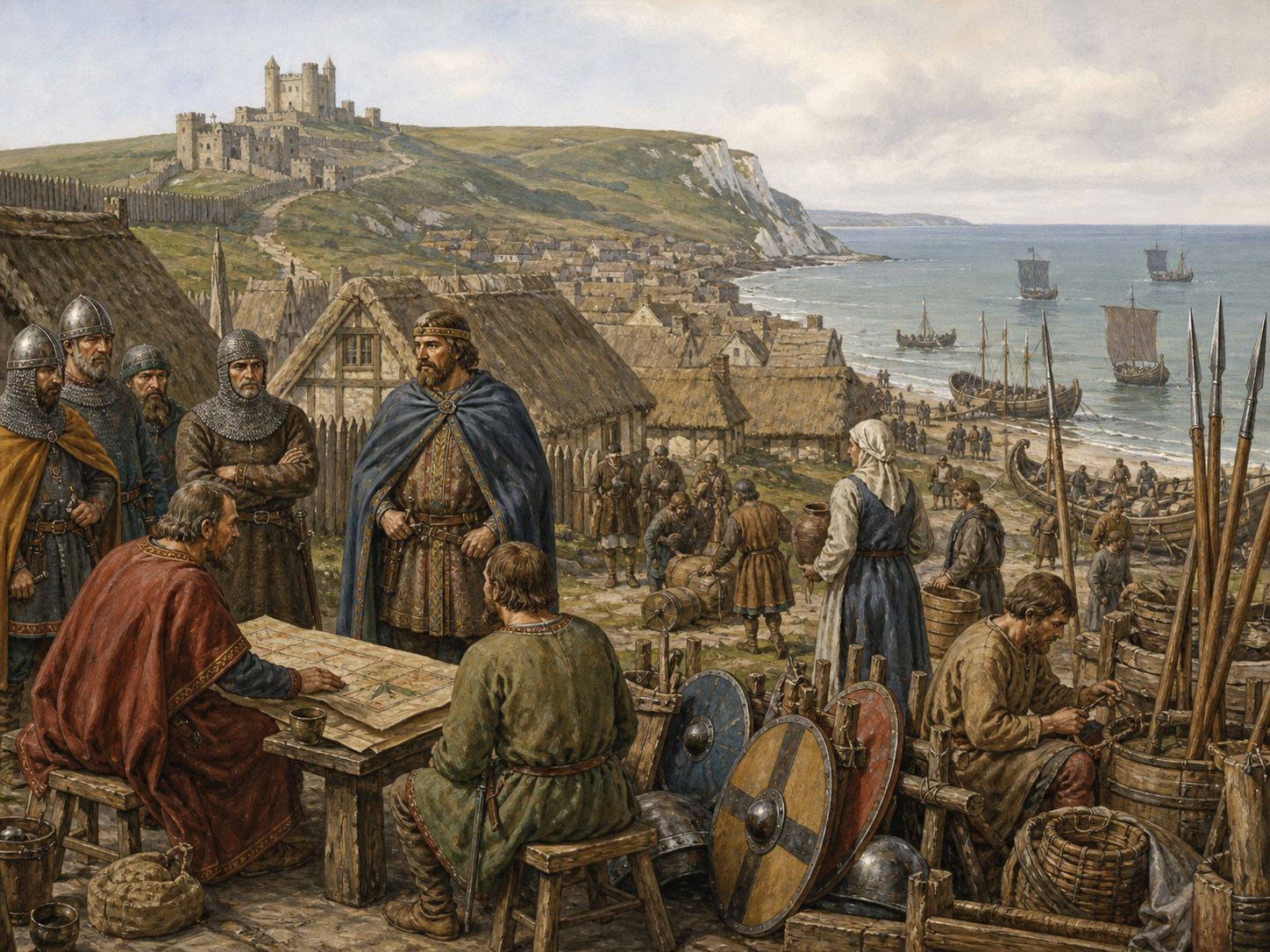
After Edward the Confessor’s death, competing claims linked Normandy, England, and Norway in a succession crisis.
- After Edward the Confessor’s death, competing claims linked Normandy, England, and Norway in a succession crisis.
- Core event: In 1066, William, duke of Normandy, conquered England and reorganized kingship and landholding.
- Connection to the next stage: Harold II moved south after defeating a northern invasion and met William’s army at Hastings.
Course
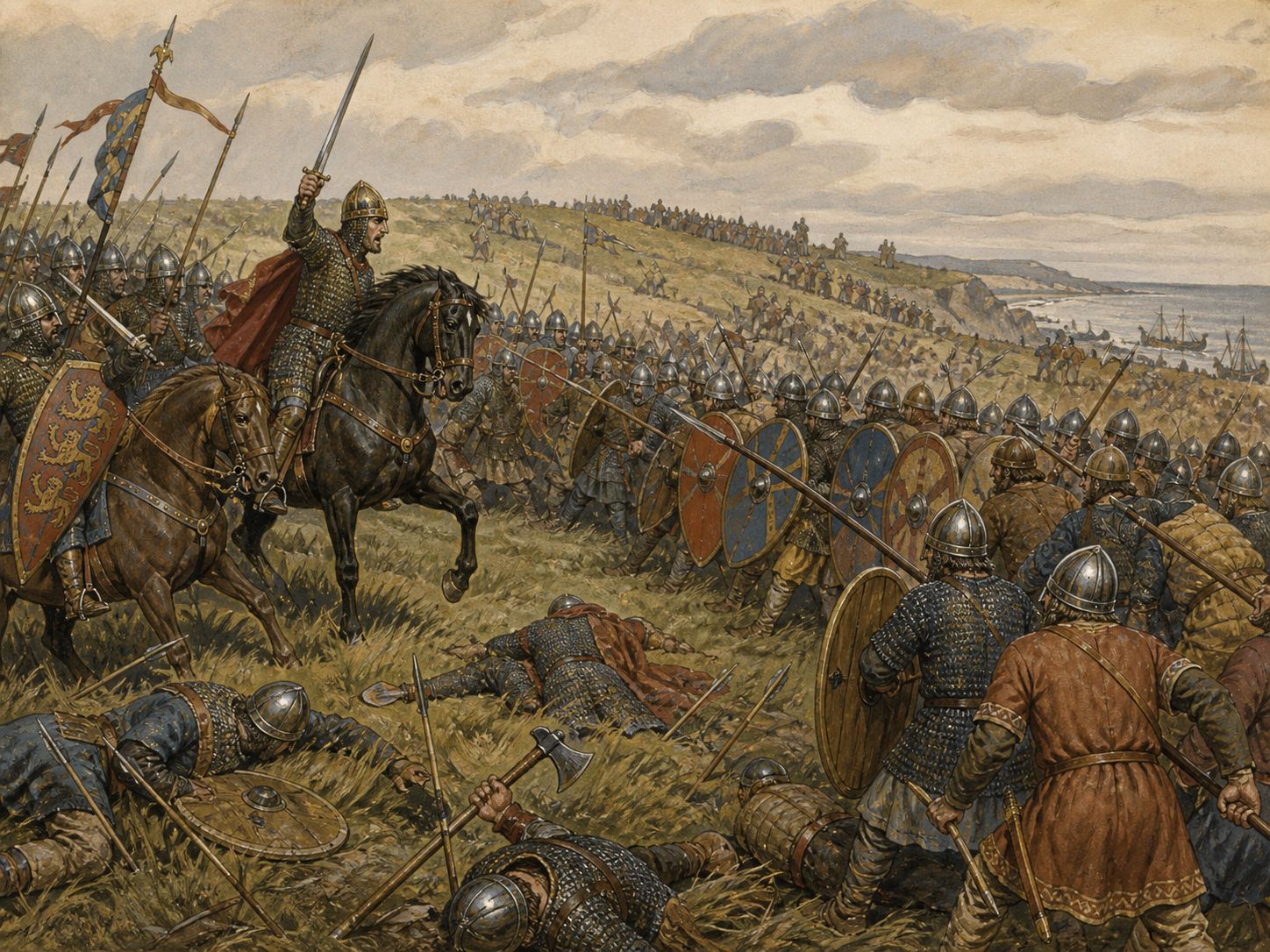
Harold II moved south after defeating a northern invasion and met William’s army at Hastings.
- Harold II moved south after defeating a northern invasion and met William’s army at Hastings.
- Conditions behind the action: After Edward the Confessor’s death, competing claims linked Normandy, England, and Norway in a succession crisis.
- Meaning of the turning point: In 1066, William, duke of Normandy, conquered England and reorganized kingship and landholding.
Outcome
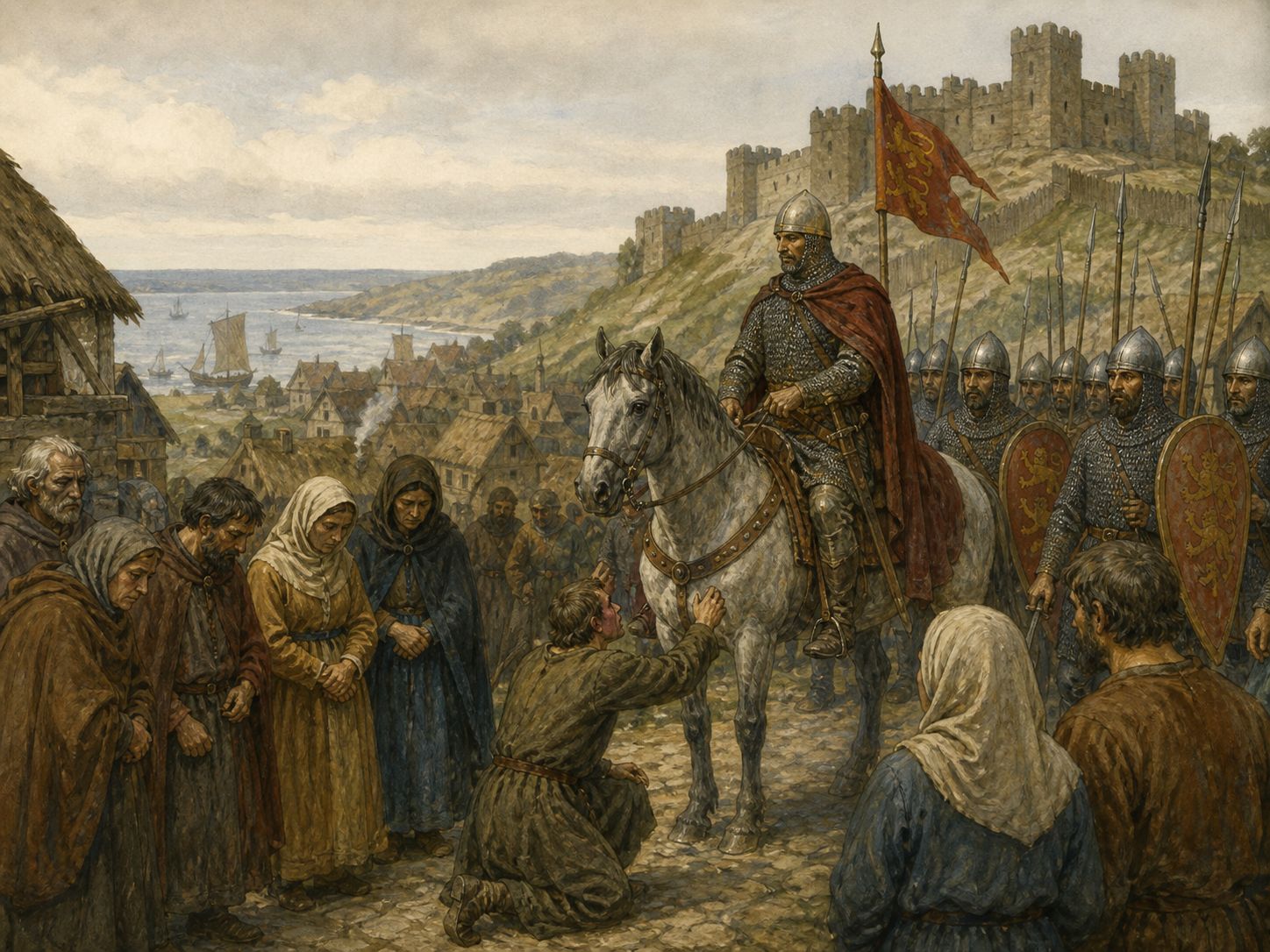
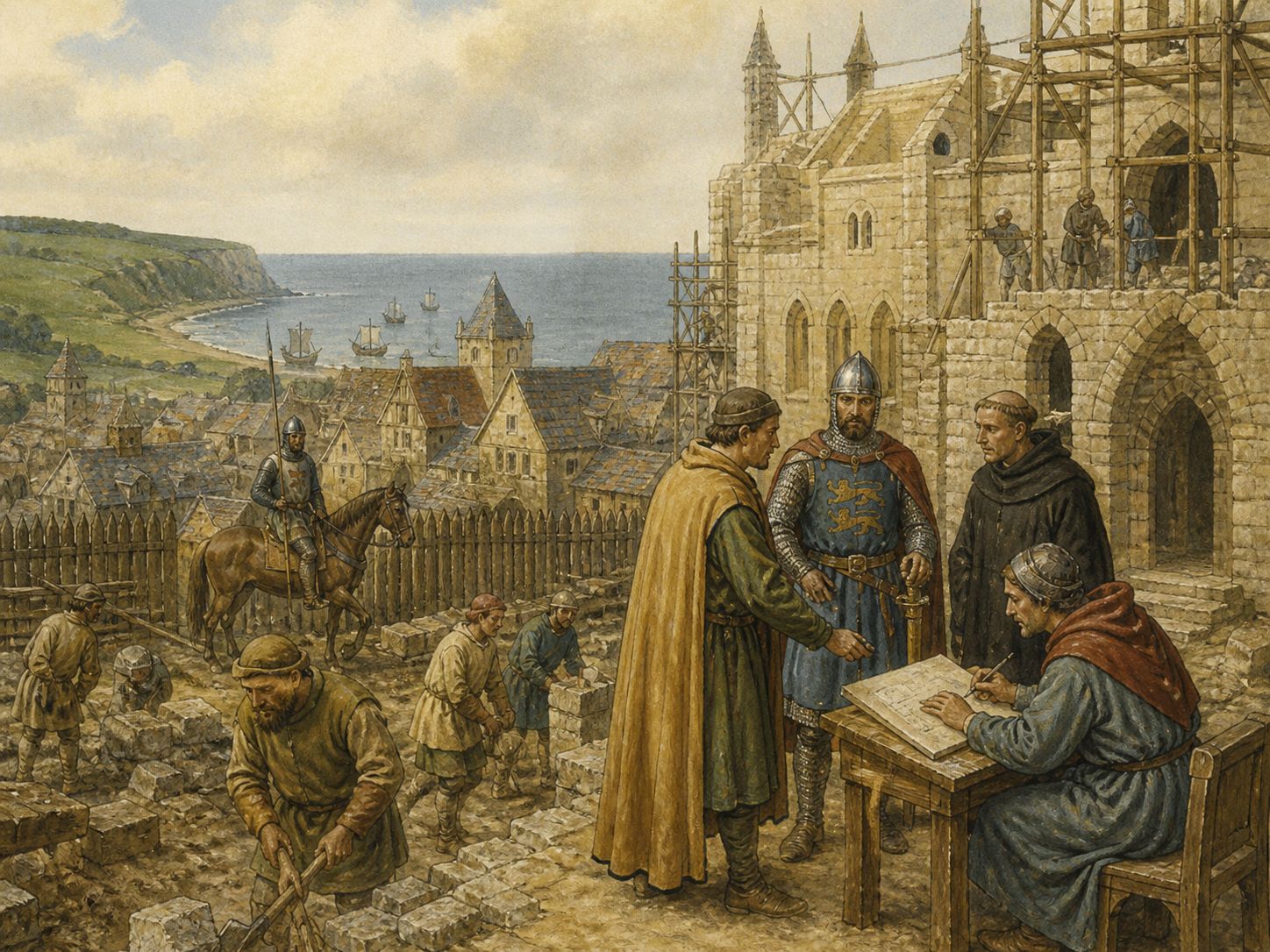
William gained the throne and consolidated rule through castles, redistribution of land, and administrative records.
- William gained the throne and consolidated rule through castles, redistribution of land, and administrative records.
- Process producing the result: Harold II moved south after defeating a northern invasion and met William’s army at Hastings.
- Question carried forward: The conquest reshaped the long-term relationship among English, French, law, and aristocracy without replacing every aspect of society at once.
Historical significance
The conquest reshaped the long-term relationship among English, French, law, and aristocracy without replacing every aspect of society at once.
- The conquest reshaped the long-term relationship among English, French, law, and aristocracy without replacing every aspect of society at once.
- Immediate consequence: William gained the throne and consolidated rule through castles, redistribution of land, and administrative records.
- Historical turning point: In 1066, William, duke of Normandy, conquered England and reorganized kingship and landholding.


Related events
c. 1065
Prelude
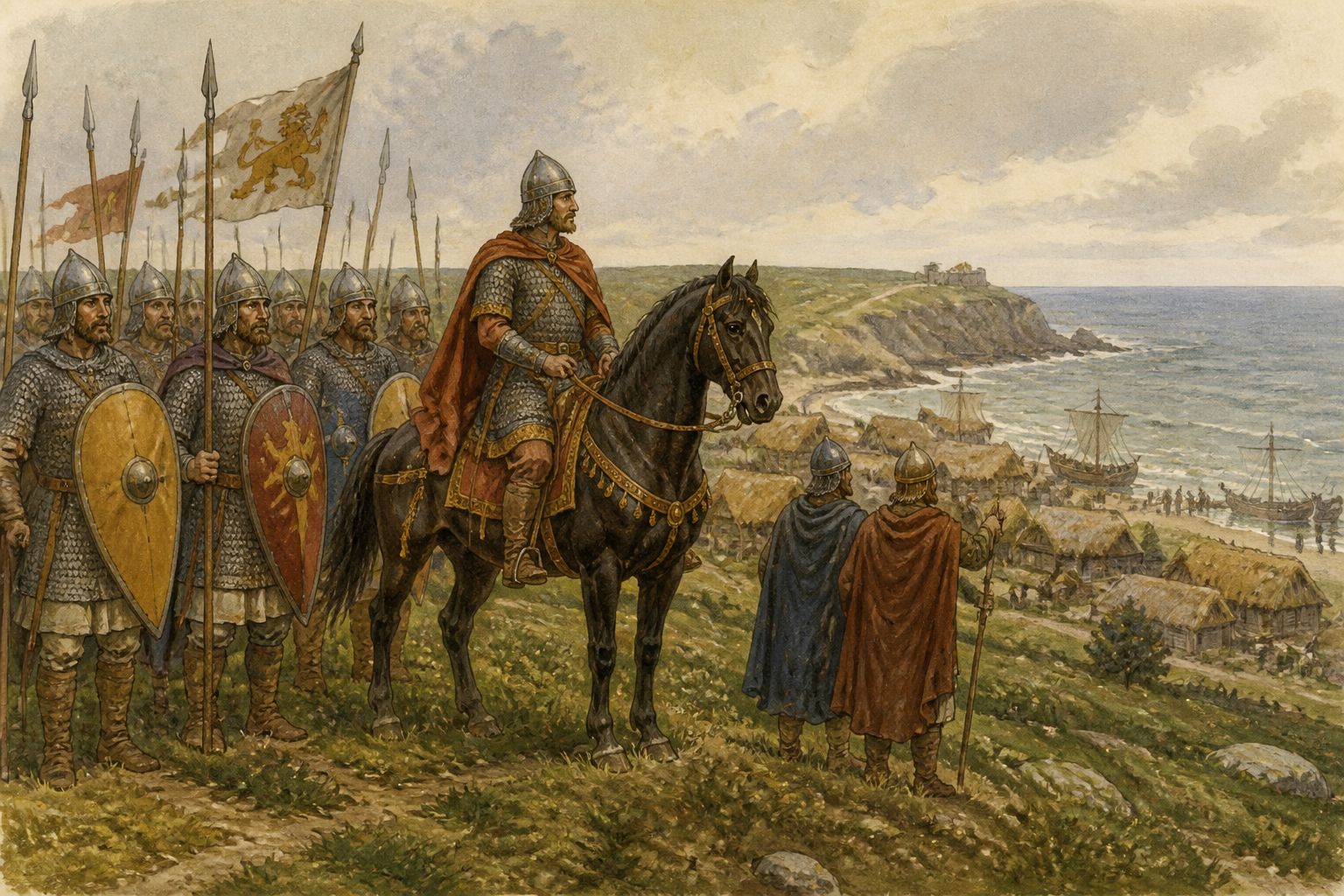
Prelude — Background: After Edward the Confessor’s death, competing claims linked Normandy, England, and Norway in a succession crisis.
c. 1065
Turning point
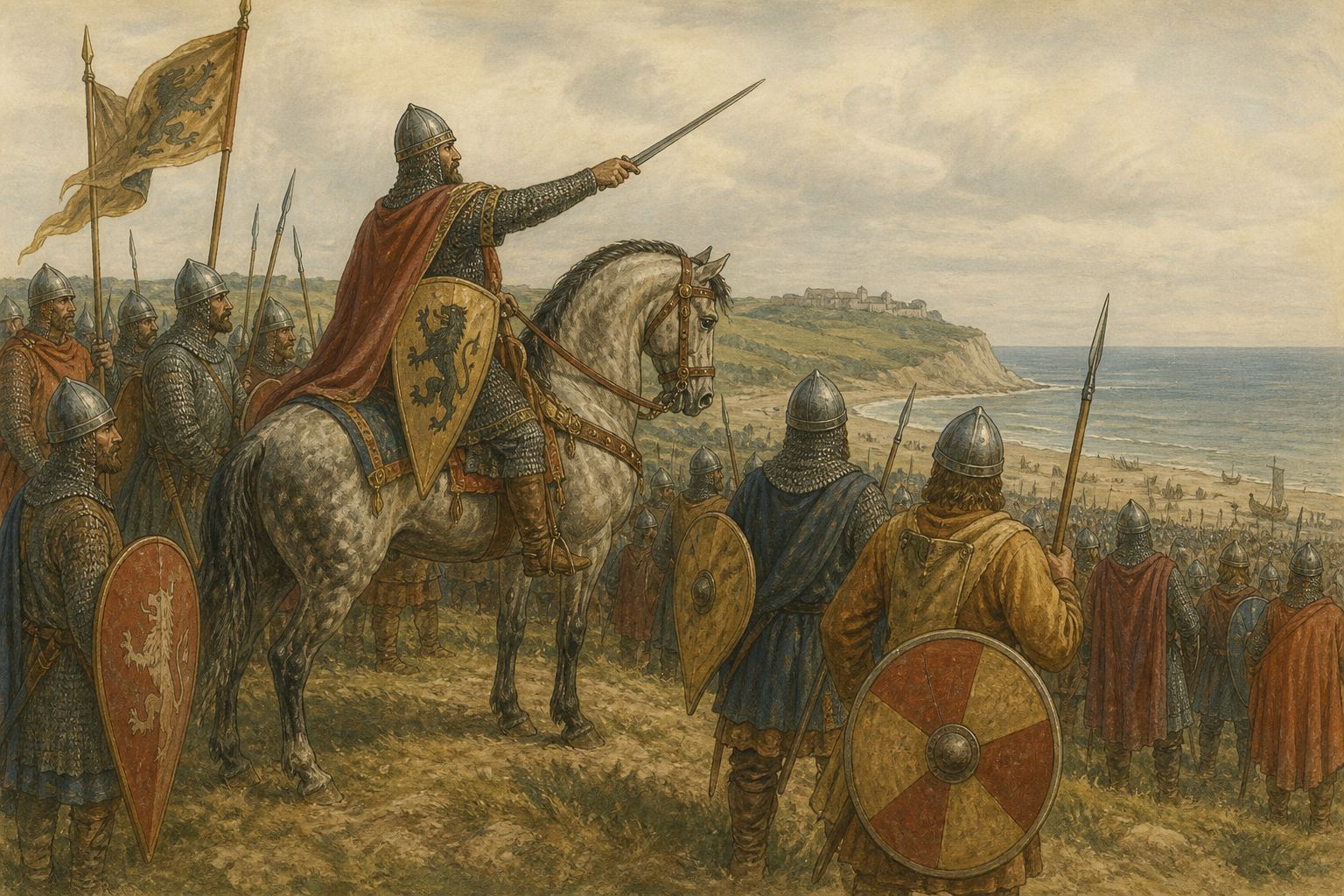
Turning point — Build-up: Harold II moved south after defeating a northern invasion and met William’s army at Hastings.
1066
Norman Conquest of England
Current event
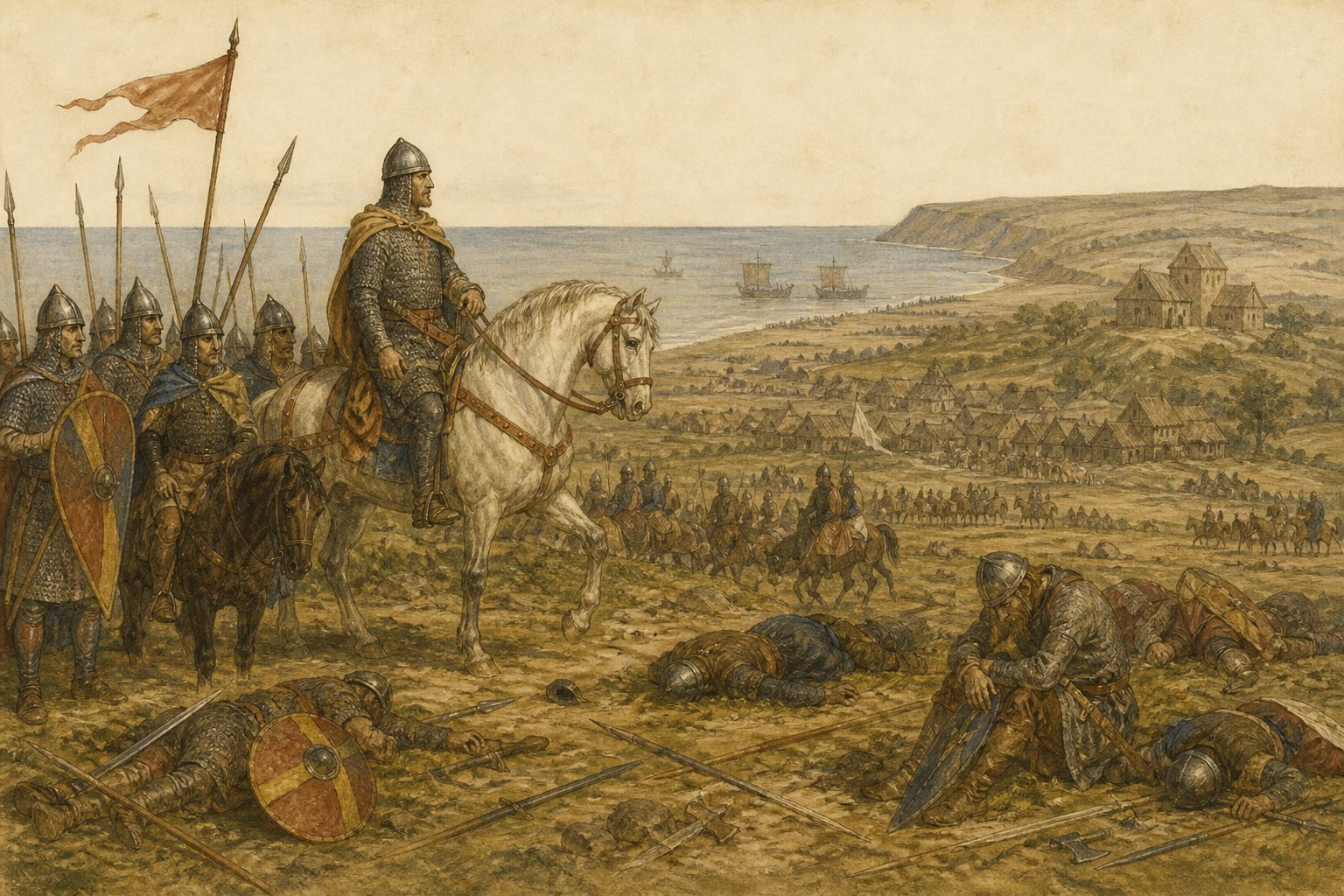
Norman Conquest of England — Central transition: In 1066, William, duke of Normandy, conquered England and reorganized kingship and landholding.
c. 1067
Immediate aftermath
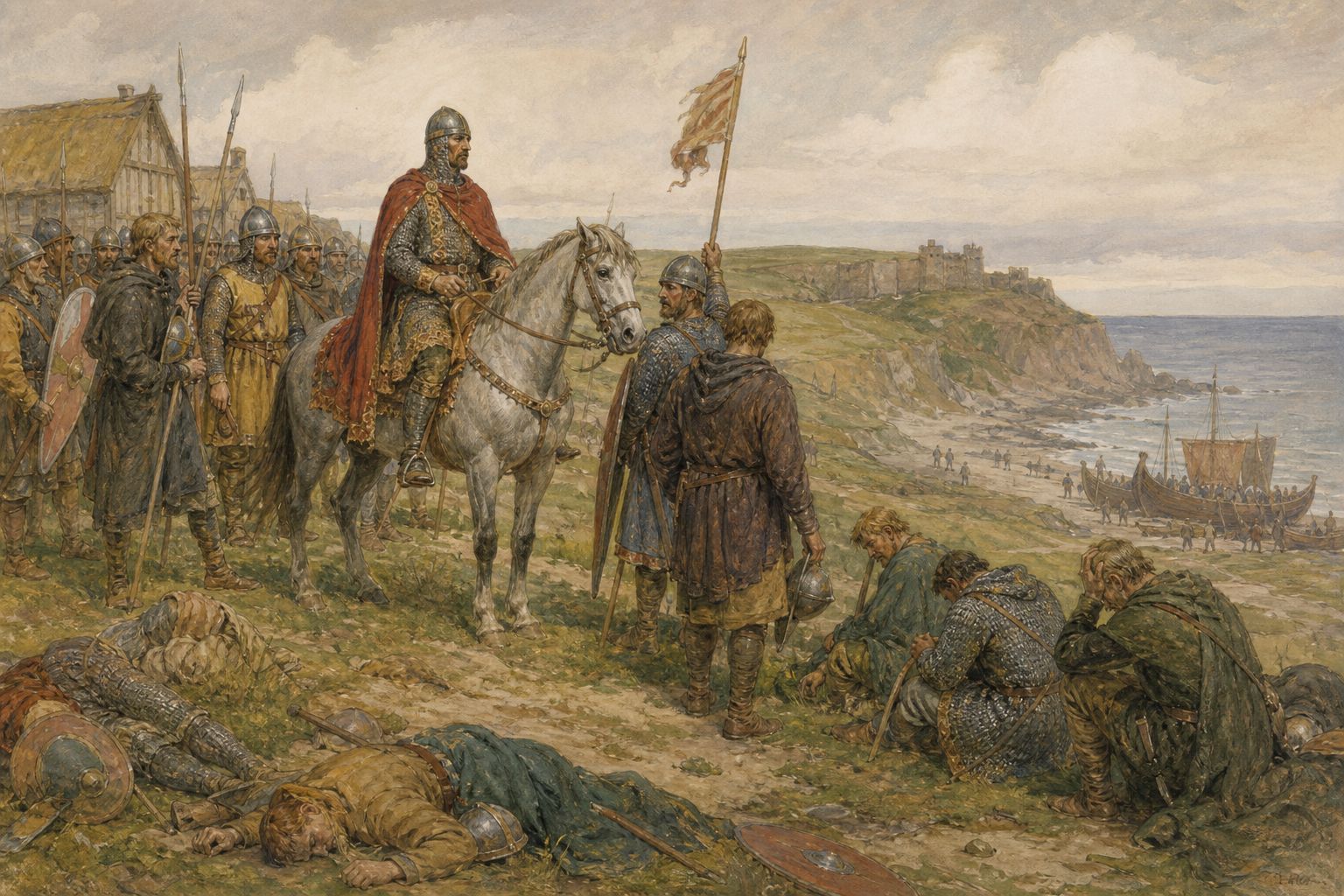
Immediate aftermath — Immediate result: William gained the throne and consolidated rule through castles, redistribution of land, and administrative records.
c. 1076
Long-term significance
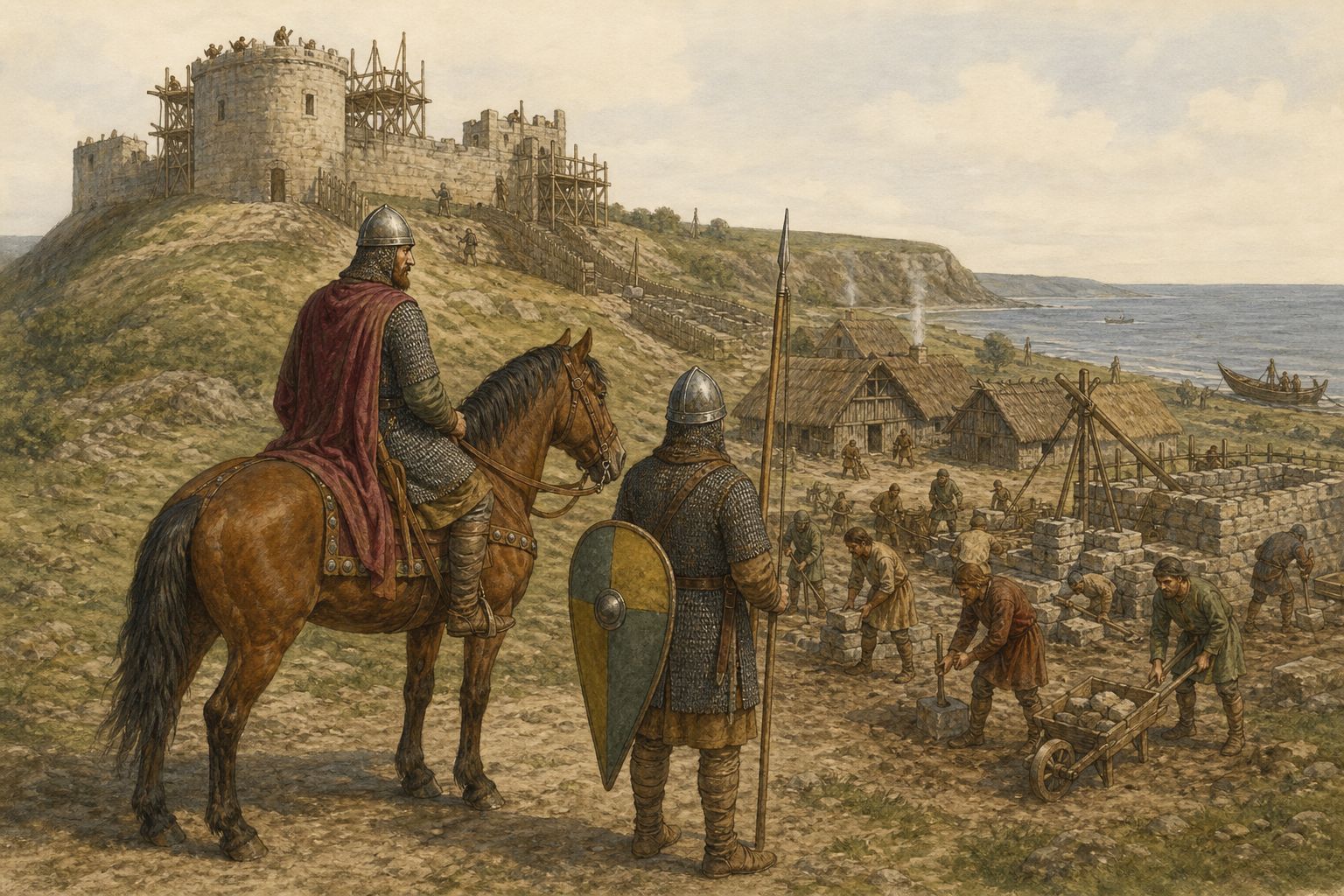
Long-term significance — Long-term significance: The conquest reshaped the long-term relationship among English, French, law, and aristocracy without replacing every aspect of society at once.


Sources
- Norman Conquest of England — Norman Conquest (Encyclopaedia Britannica)britannica.comThis Encyclopaedia Britannica resource supports the chronology, setting, and course of Norman Conquest of England.
- Norman Conquest of England — Norman Conquest (UK Parliament)parliament.ukThis UK Parliament resource supports the chronology, setting, and course of Norman Conquest of England.
- Norman Conquest of England — Item126878 (Bl)bl.ukThis Bl resource supports the chronology, setting, and course of Norman Conquest of England.