
Opening of the Panama Canal
1914
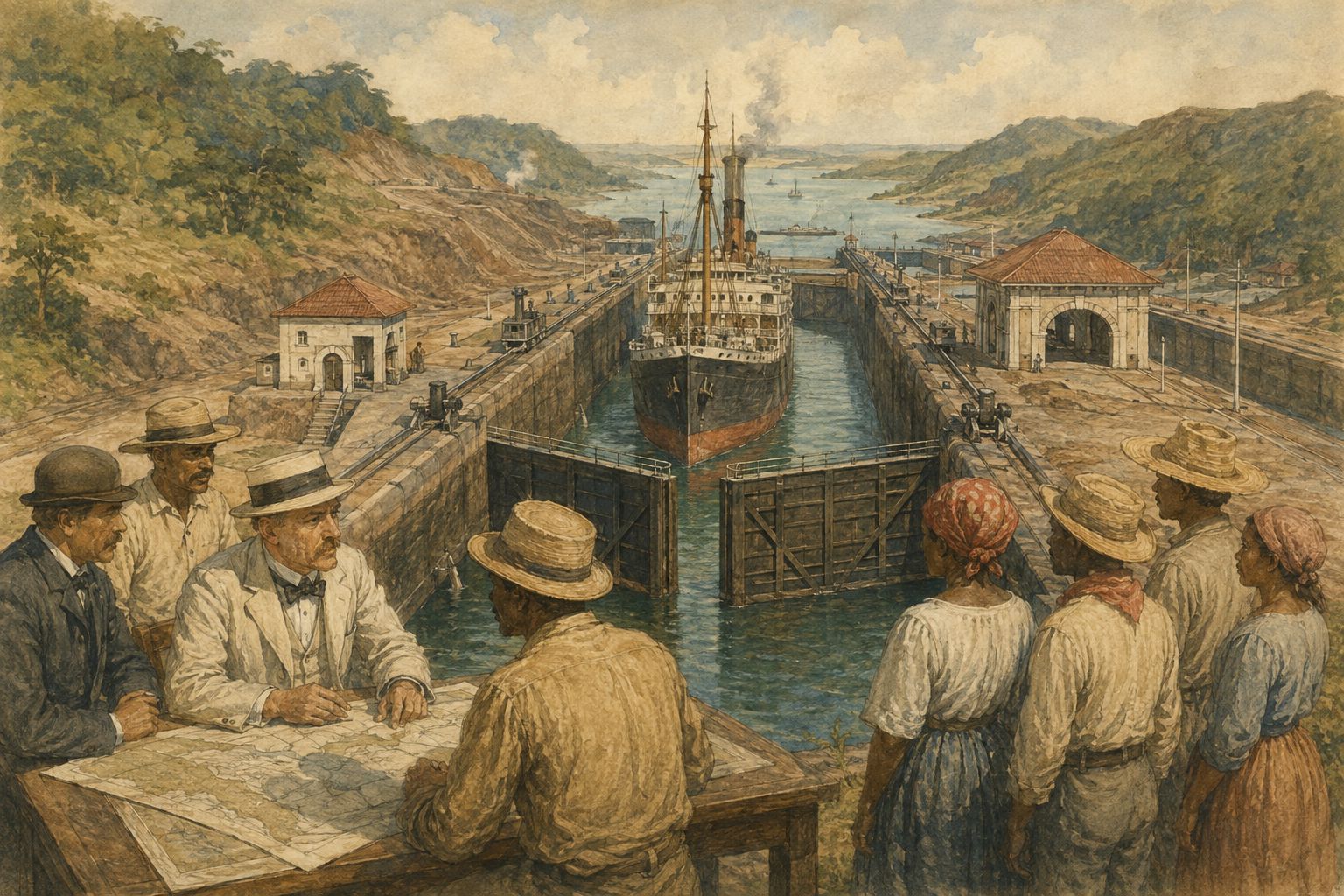
The Panama Canal opened, allowing ships to move between the Atlantic and Pacific without rounding the southern tip of South America.

- Period
- 1914
- Kind
- Political event
- Regions
- Latin America, North America
- Keywords
- Opening of the Panama Canal · the Isthmus of Panama · contemporary · background · turning point · impact
Follow the story · Four stages
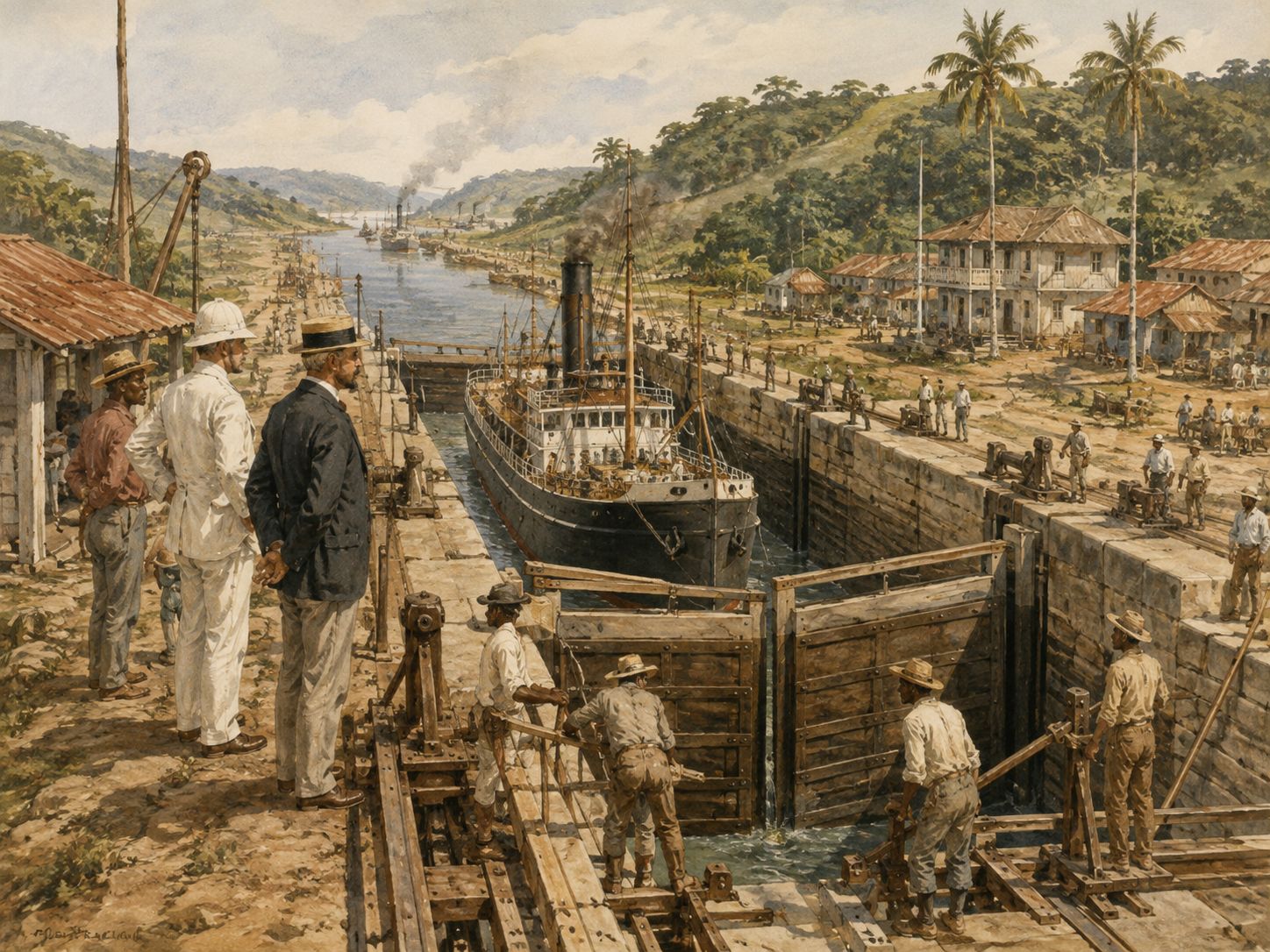
Background
Political, social, and commercial changes around the Isthmus of Panama formed the setting: The Panama Canal opened, allowing ships to move between the Atlantic and Pacific without rounding the southern tip of South America.
- Tropical geography and coastal society on the Isthmus of Panama
- Technology and politics behind an interoceanic waterway
- Labor, sanitation, and logistics that made construction possible
Course
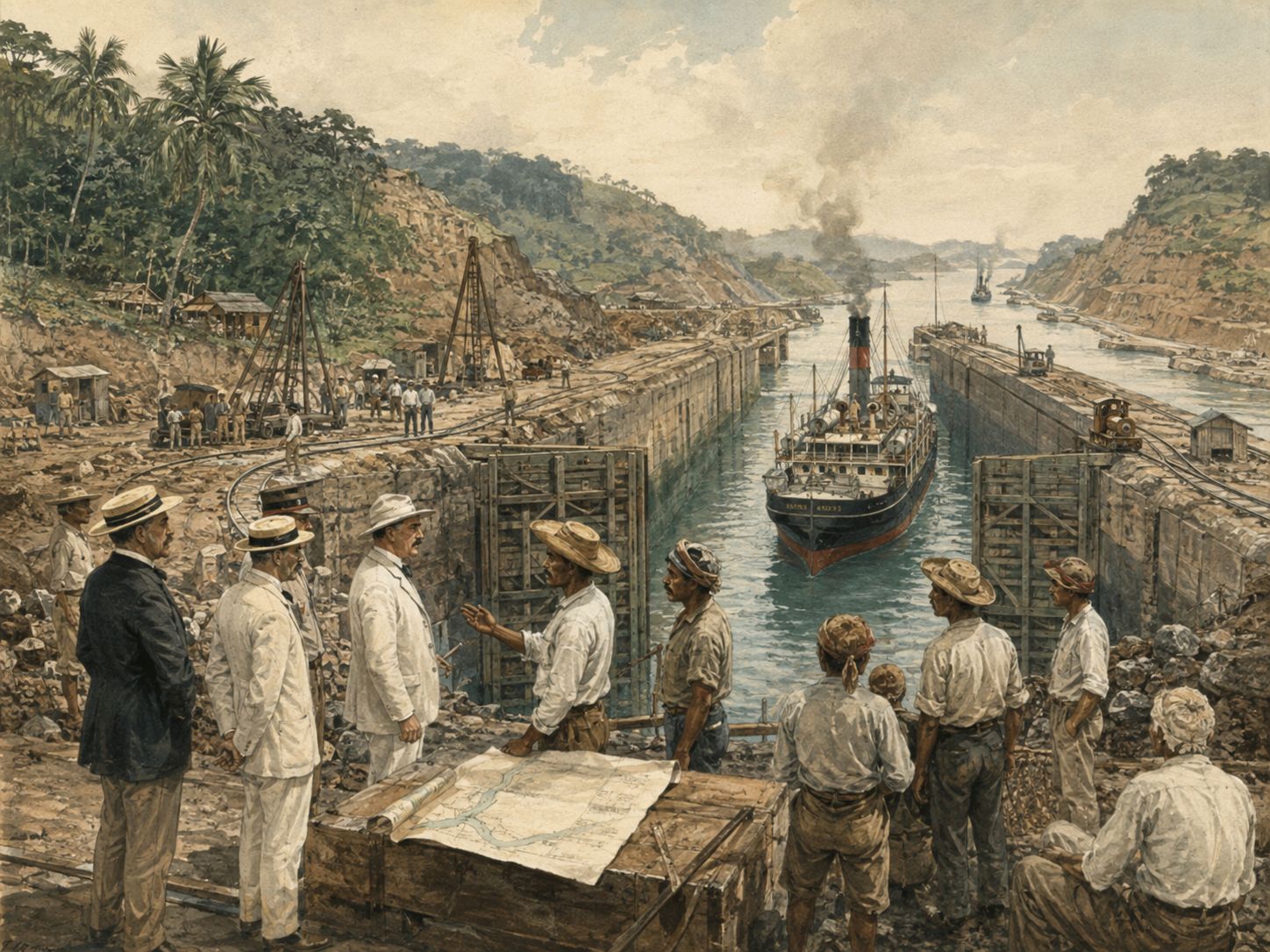
The Panama Canal opened, allowing ships to move between the Atlantic and Pacific without rounding the southern tip of South America. The choices of the participating powers and responses of local communities shaped the course.
- The United States takes over from the French effort
- Locks and railways make an isthmian crossing possible
- The canal opens in 1914 with the passage of the Ancon
Outcome
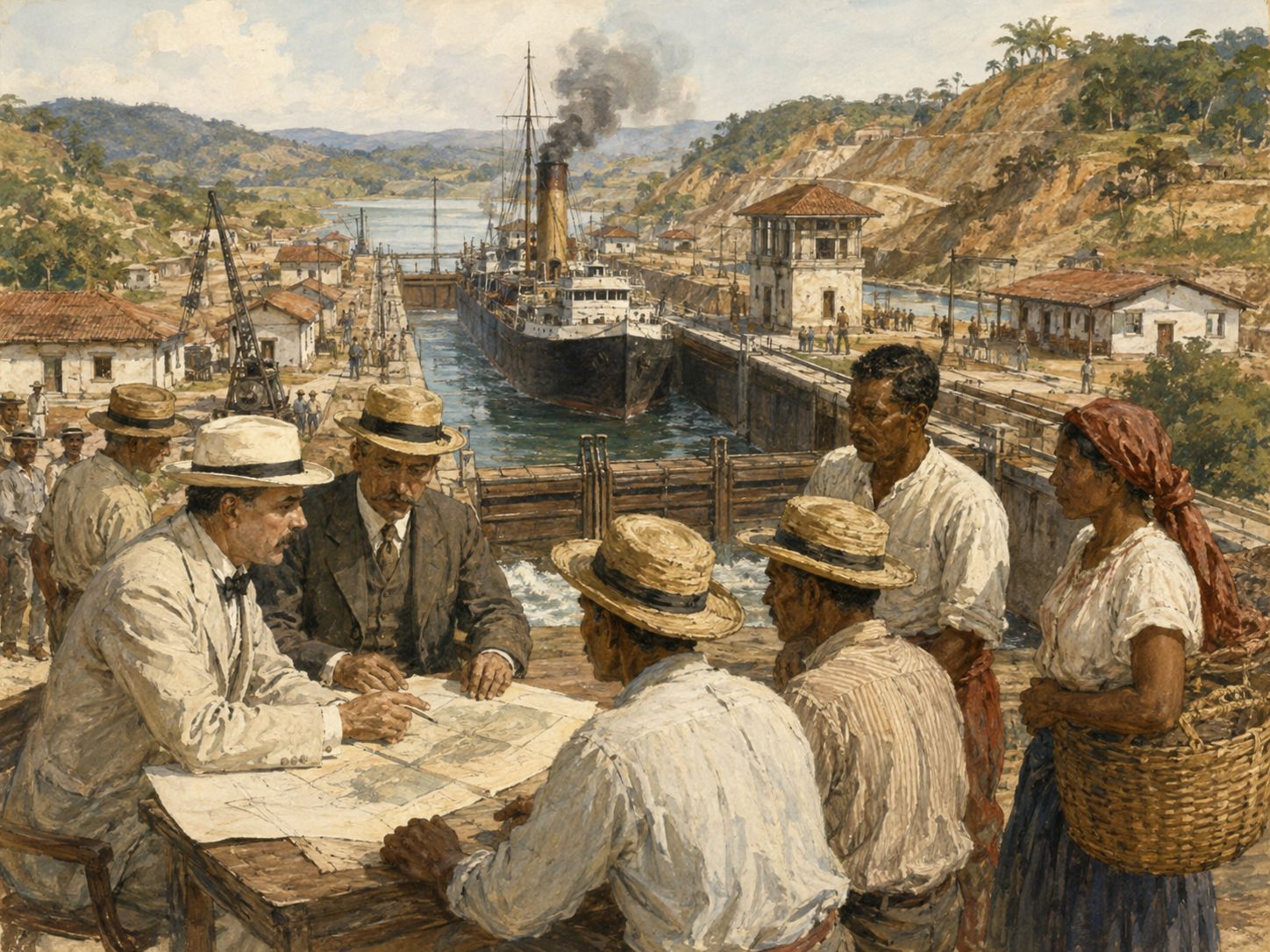
As a result, It shortened major shipping and military routes and affected political relations between the United States and Central America.
- A sea route linking the Atlantic and Pacific
- Panama reorganized under United States control
- New patterns of life in ports and labor communities
Historical significance
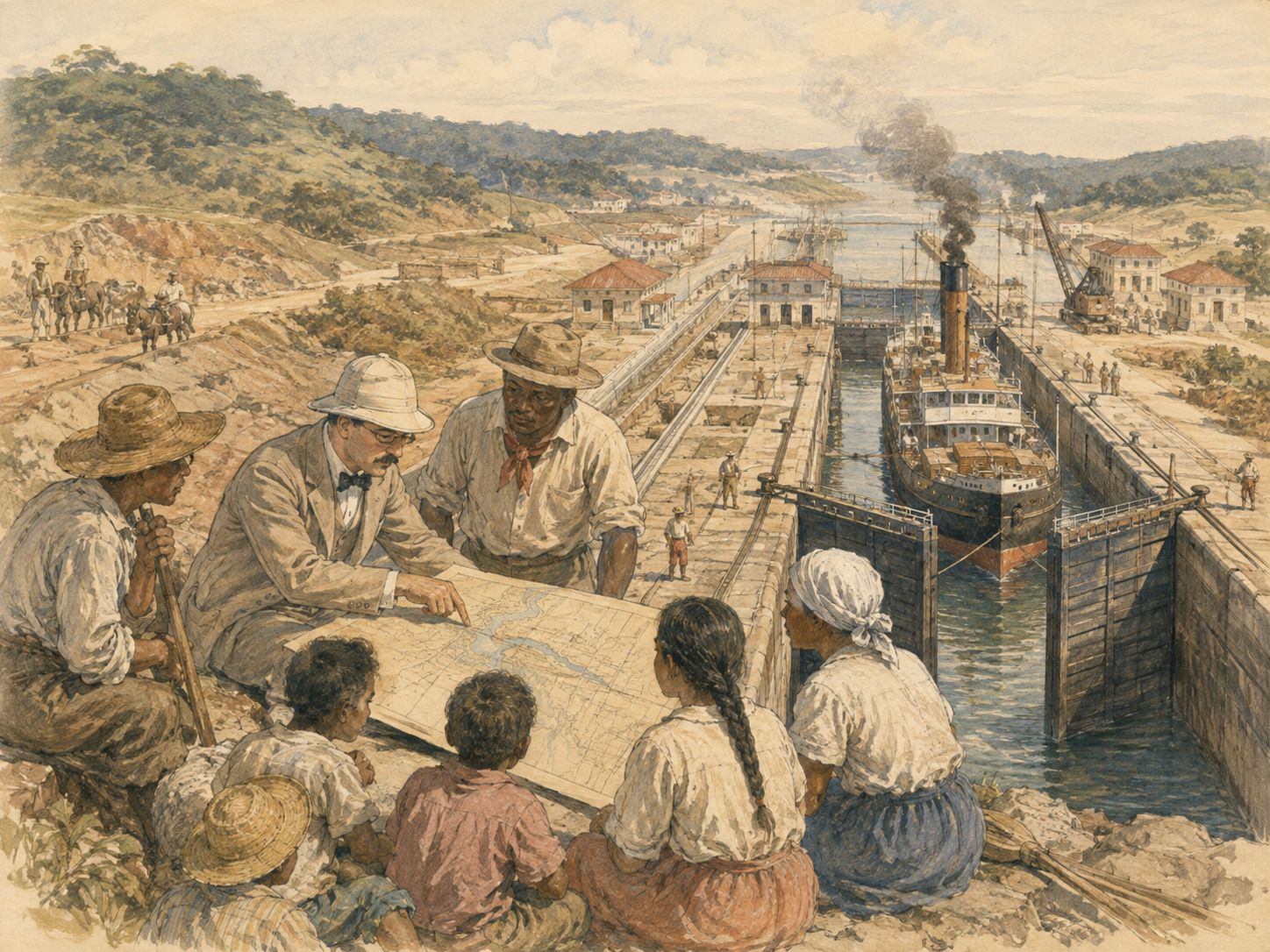
The significance of this event lies in the fact that it shortened major shipping and military routes and affected political relations between the united states and central america.
- Modern infrastructure overcoming a geographic barrier
- The unequal costs of labor, profit, and sovereignty
- A turning point for global shipping and Central American history


Related events
1881
French canal construction begins
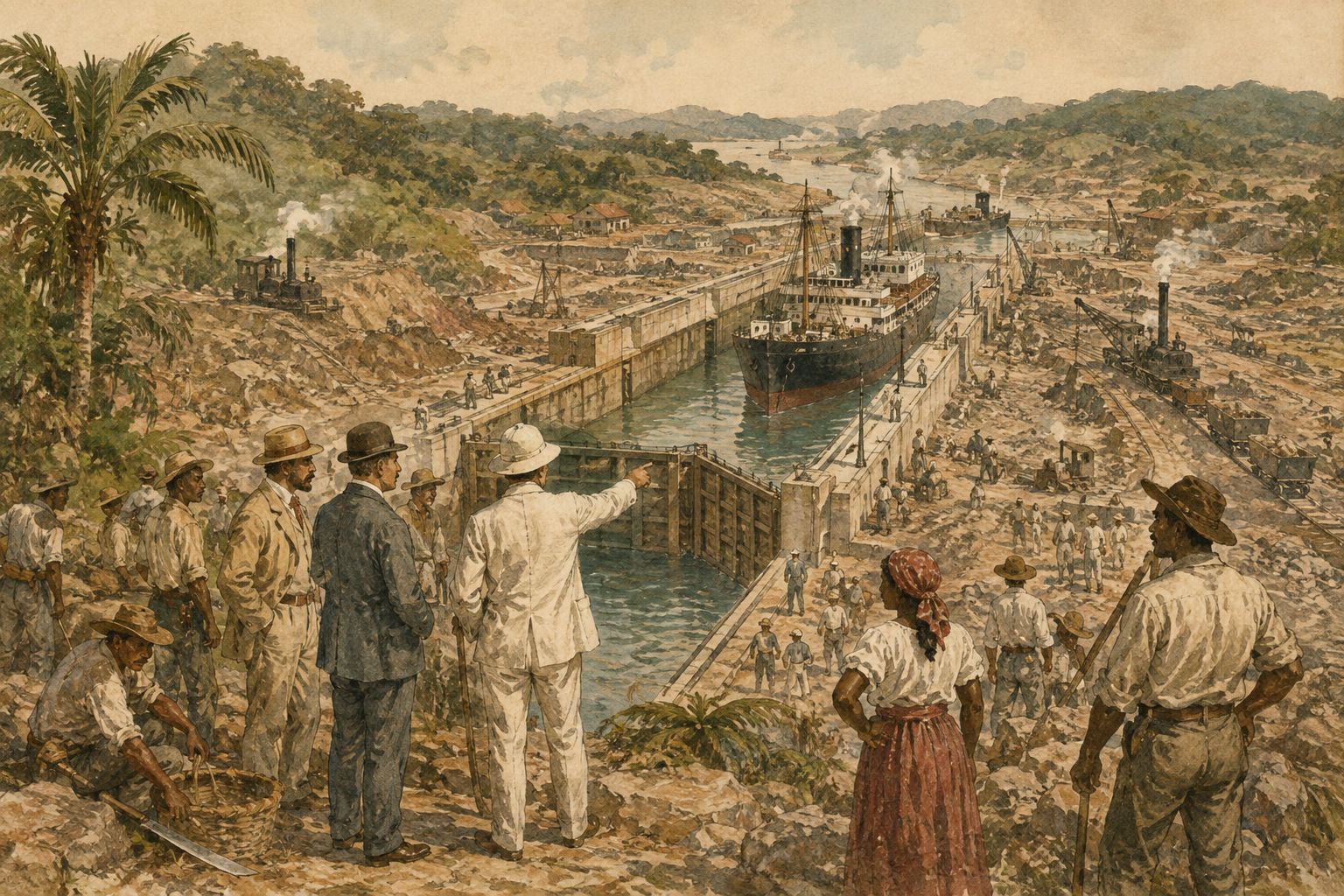
French canal construction begins — On the Isthmus of Panama, plans for a shorter sea route emerged early, competing with railway and canal schemes.
1903
Panama separates and grants canal rights
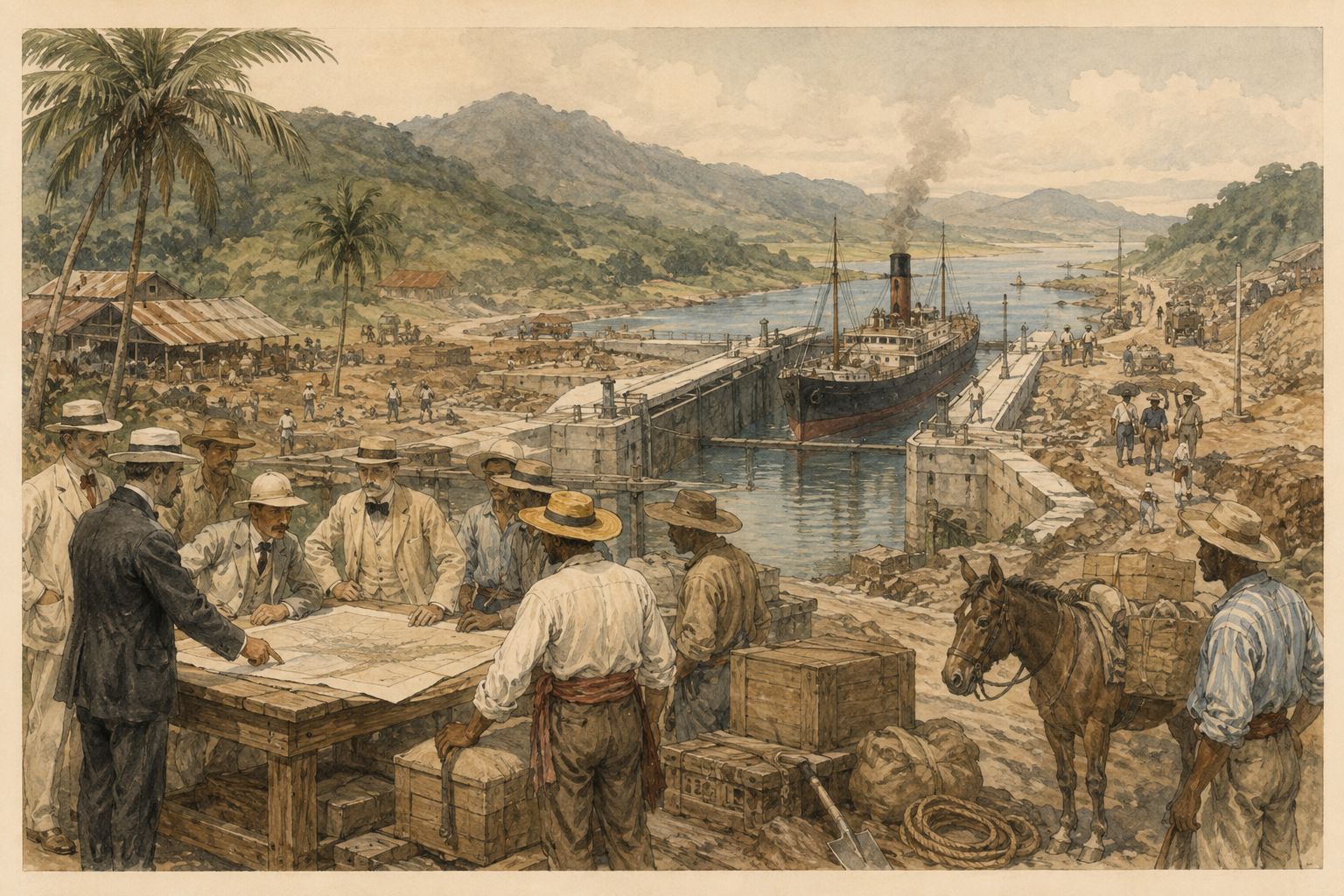
Panama separates and grants canal rights — The United States took over construction and advanced a vast project combining locks with railways.
1914
Panama Canal opens to traffic
Current event
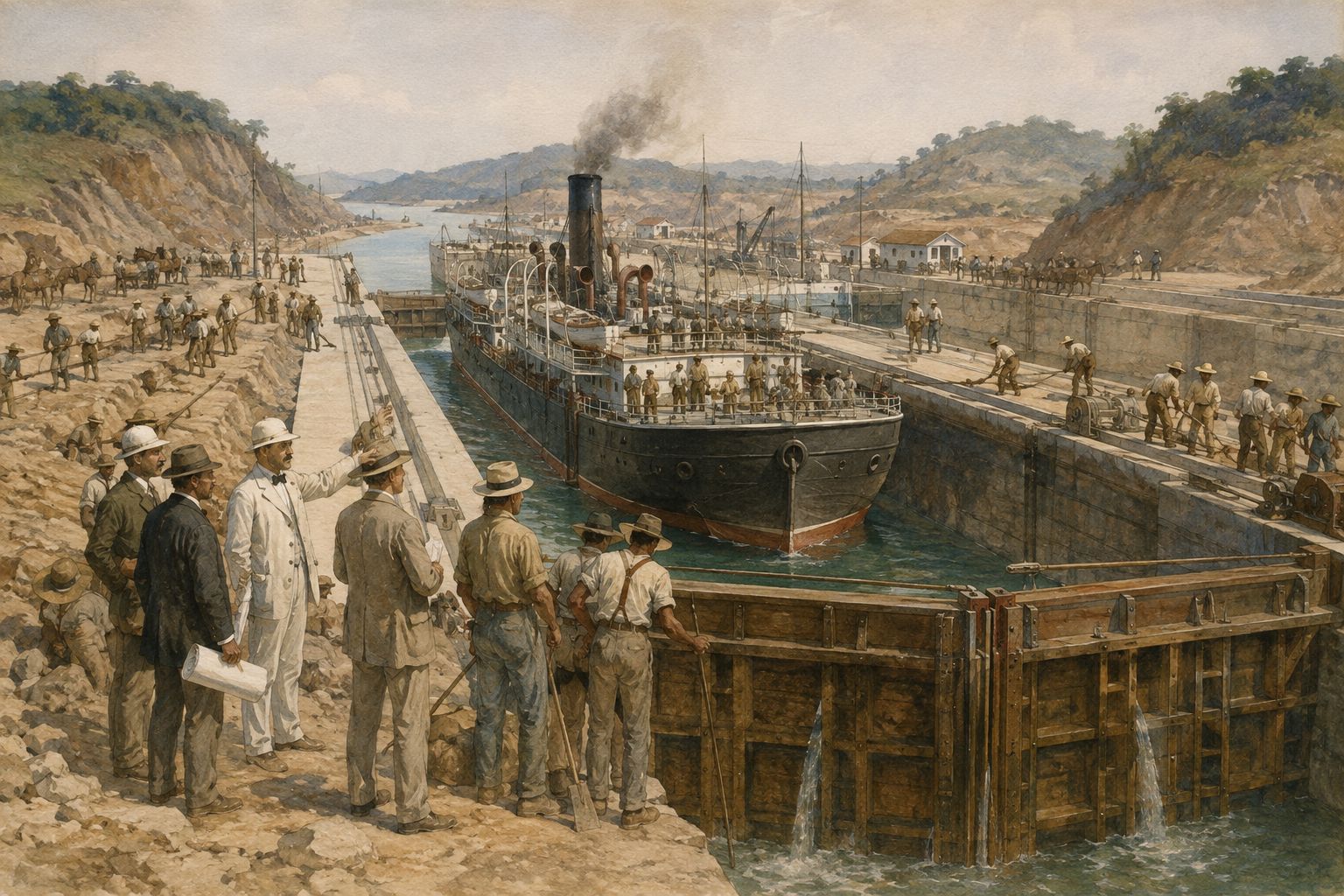
Panama Canal opens to traffic — In 1914, the steamship Ancon made the first official transit, opening a route between the Atlantic and Pacific.
1977
Torrijos–Carter Treaties signed
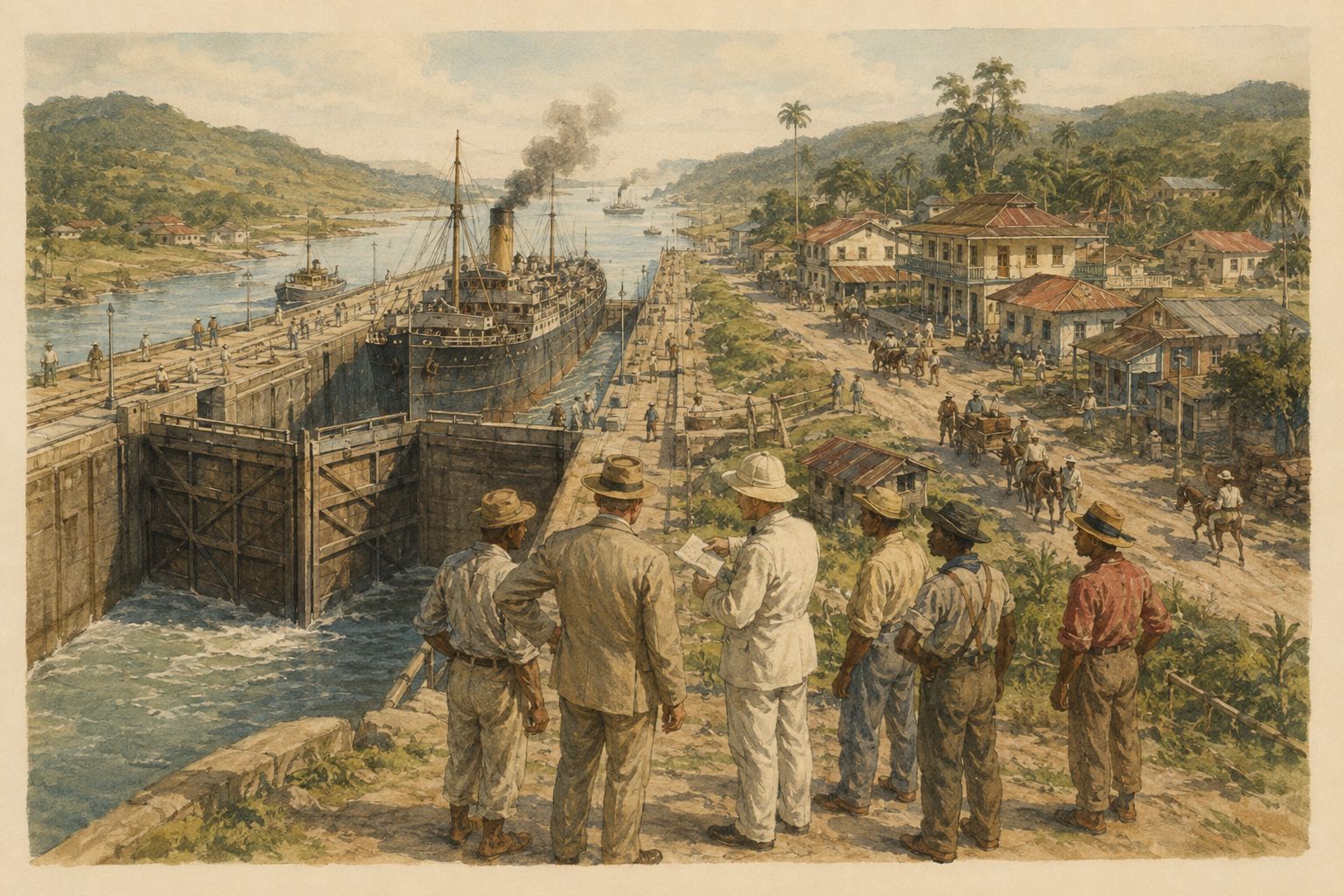
Torrijos–Carter Treaties signed — After the opening, transit rules and the politics and economy of the surrounding zone were reorganized under United States control.
1999
Panama assumes full control
Panama assumes full control — The canal transformed global shipping while leaving enduring questions about labor, sovereignty, and the environment.


Sources
- Opening of the Panama Canal: chronology and settingwww.daiichi-g.co.jpUsed to cross-check the chronology and geographical setting of Opening of the Panama Canal.
- Opening of the Panama Canal: historical backgroundwww.britannica.comUsed to verify the actors, course, and consequences associated with Opening of the Panama Canal.
- Opening of the Panama Canal: identifier and related recordswww.wikidata.orgUsed to cross-check the identifier and related records for Opening of the Panama Canal.