Paris Commune
1871
In 1871, Paris established a revolutionary municipal government after France's defeat, the siege of Paris, and conflict over the National Guard and artillery.

- Period
- 1871
- Kind
- Treaty
- Regions
- Central Asia
- Keywords
- Paris Commune · municipal autonomy · National Guard · Bloody Week · Franco-Prussian War
Follow the story · Four stages
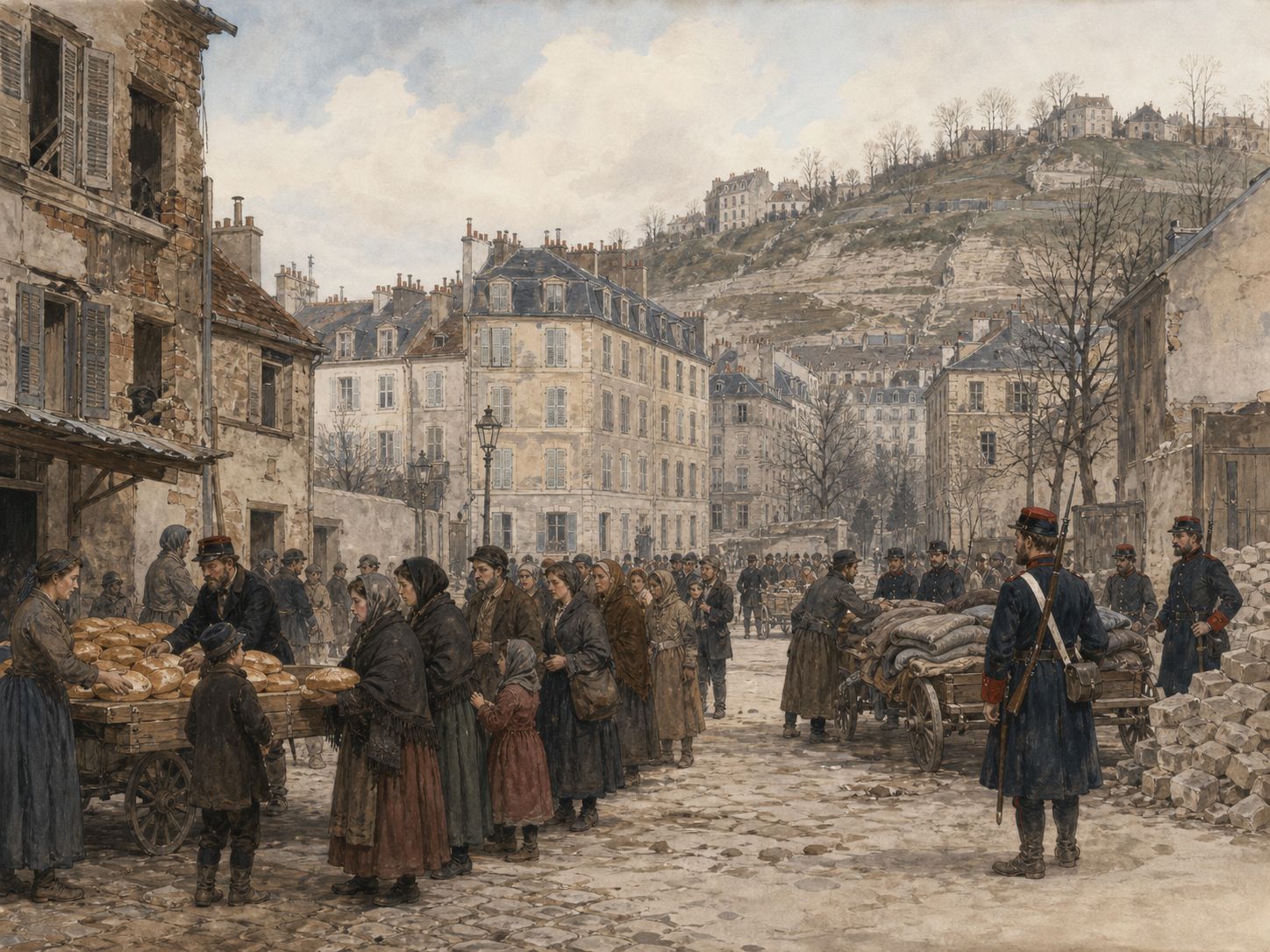
Background
The collapse of the Second Empire left Paris armed, politically mobilized, and distrustful of the provisional government that had moved to Versailles.
- After France's defeat and the siege, Paris remained armed and politically committed to municipal autonomy
- The provisional government moved to Versailles, deepening distrust between the city and the state
- Artillery, food, printing, and neighborhood mutual aid supported urban life in crisis
Course
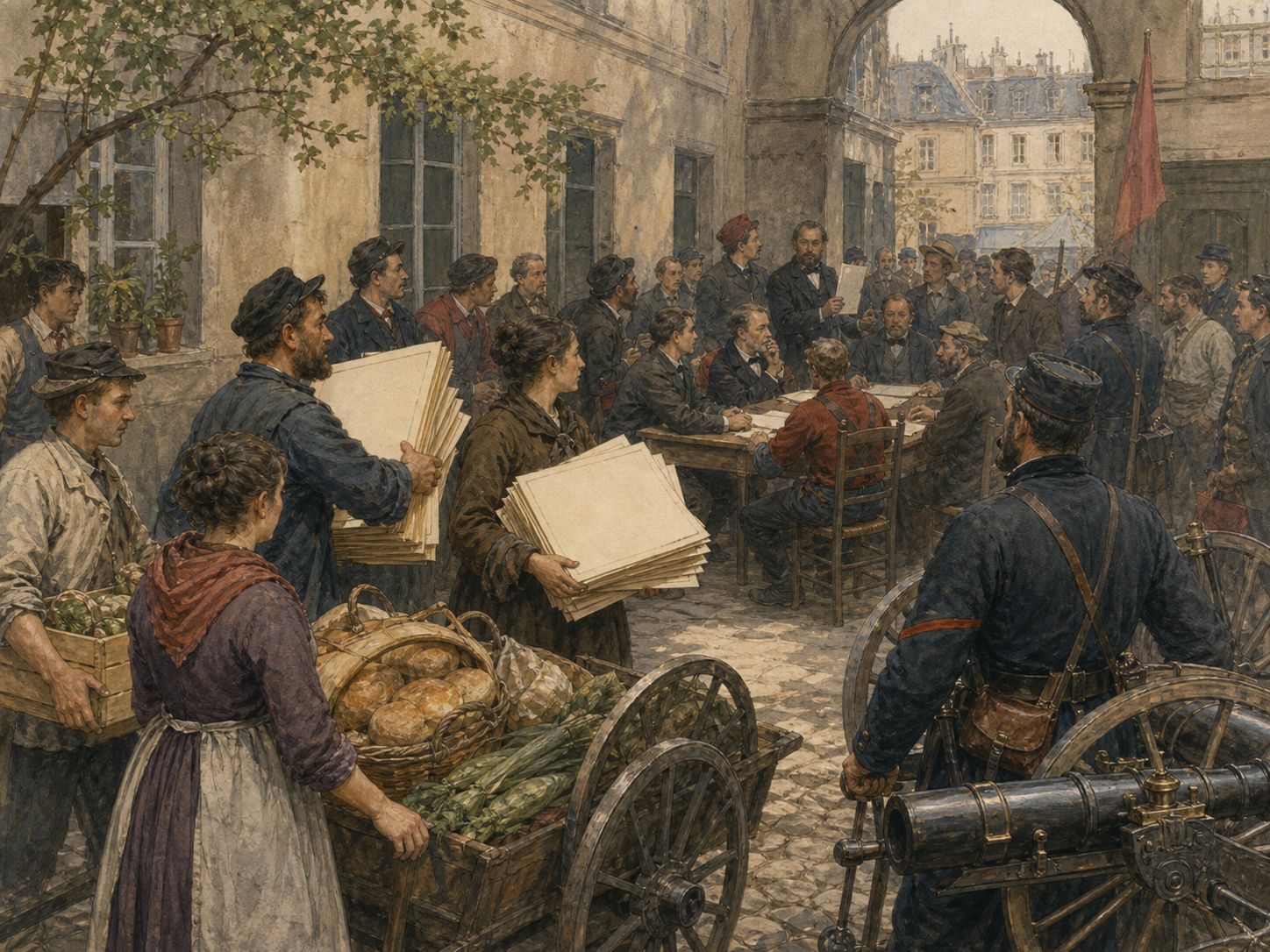
Elected delegates organized the Commune in March, debated social and civic measures, and defended the city as the Versailles government assembled an army.
- On 18 March 1871, the government's attempt to recover Montmartre's cannon triggered the crisis
- Elected delegates organized the Commune in March and debated civic measures
- The National Guard and residents governed the city while Versailles prepared an assault
Outcome
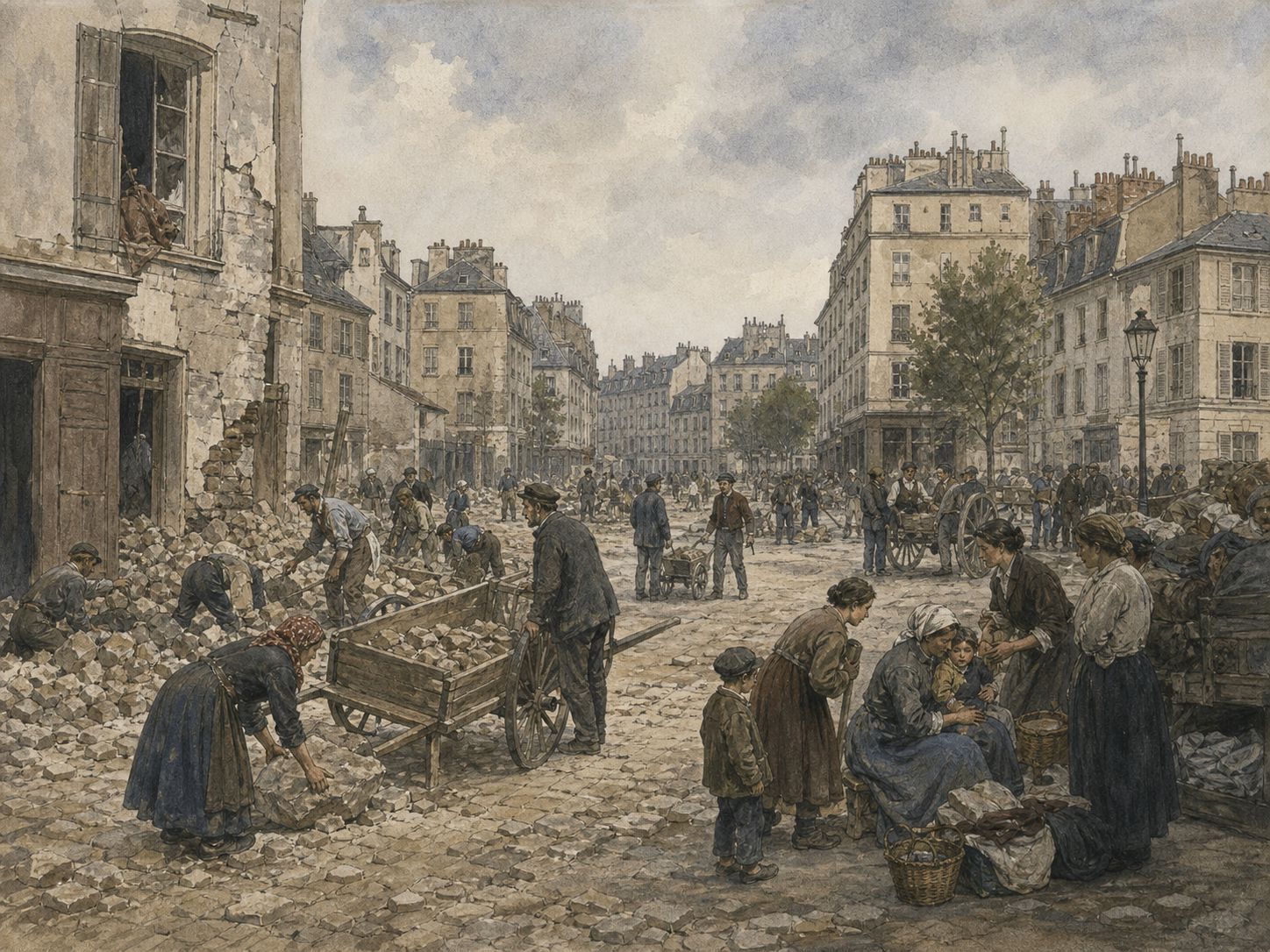
Versailles forces retook Paris during the Bloody Week in May; executions, arrests, deportations, and exile followed the Commune's defeat.
- Versailles forces retook Paris during the Bloody Week from 21 to 28 May
- Executions, arrests, deportations to New Caledonia, and exile followed the fighting
- Urban destruction and political repression shaped the lives of participants and residents for years
Historical significance
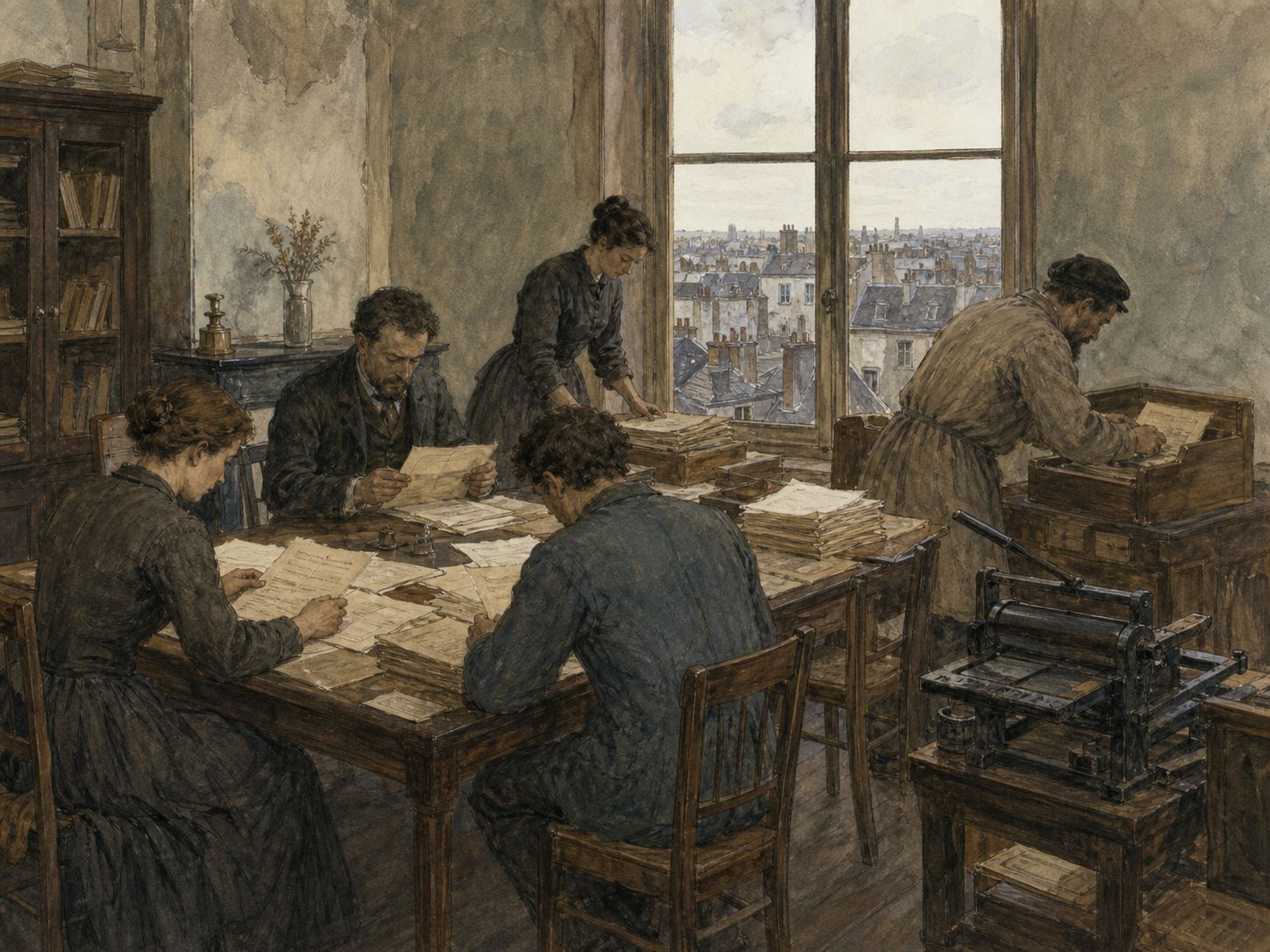
The Commune became a durable reference for debates about municipal democracy, workers' power, revolution, and the limits of state violence.
- The Commune became a reference point for municipal democracy and self-government
- It influenced international arguments about workers' power, revolution, and representation
- Its memory shows why state violence and political history cannot be told only through the victors' records


Related events
c. 1870–c. 1871
Defeat and siege
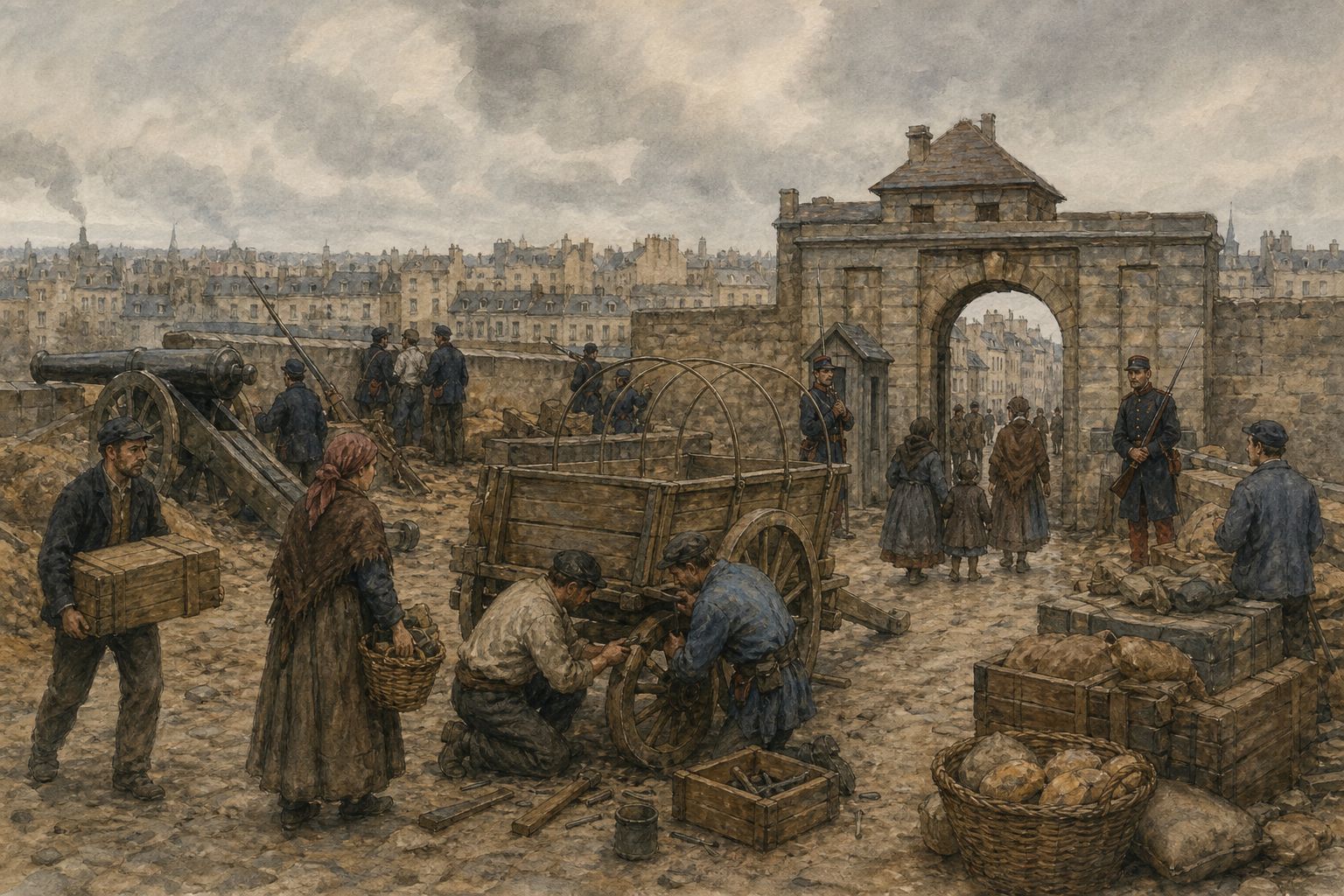
France's defeat and the siege left an armed city facing a provisional government that had moved away.
c. 1871
The Montmartre cannon crisis
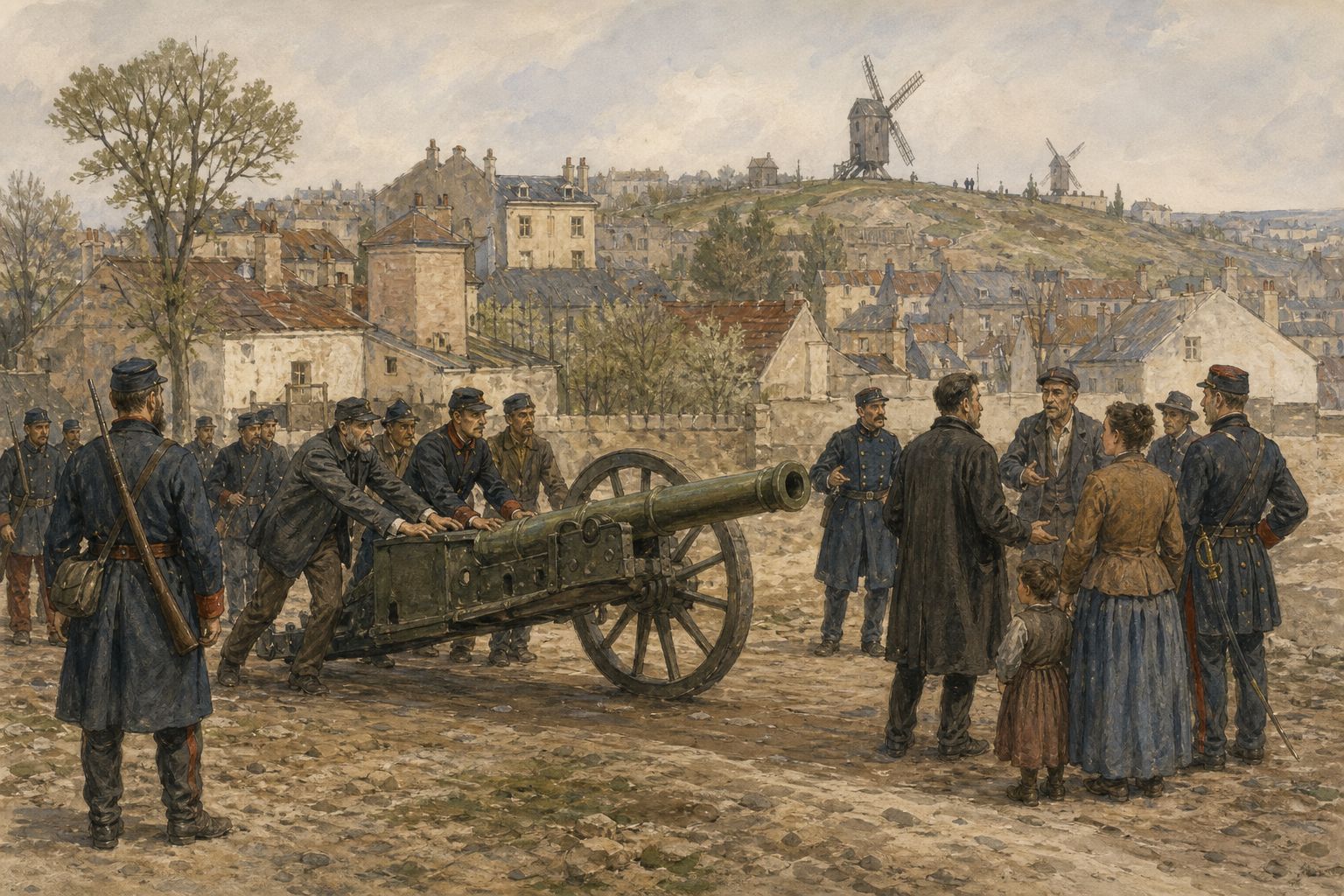
On 18 March, the attempt to recover cannon turned the confrontation between troops and residents into a decisive break.
c. 1871–c. 1871
Commune self-government
Current event
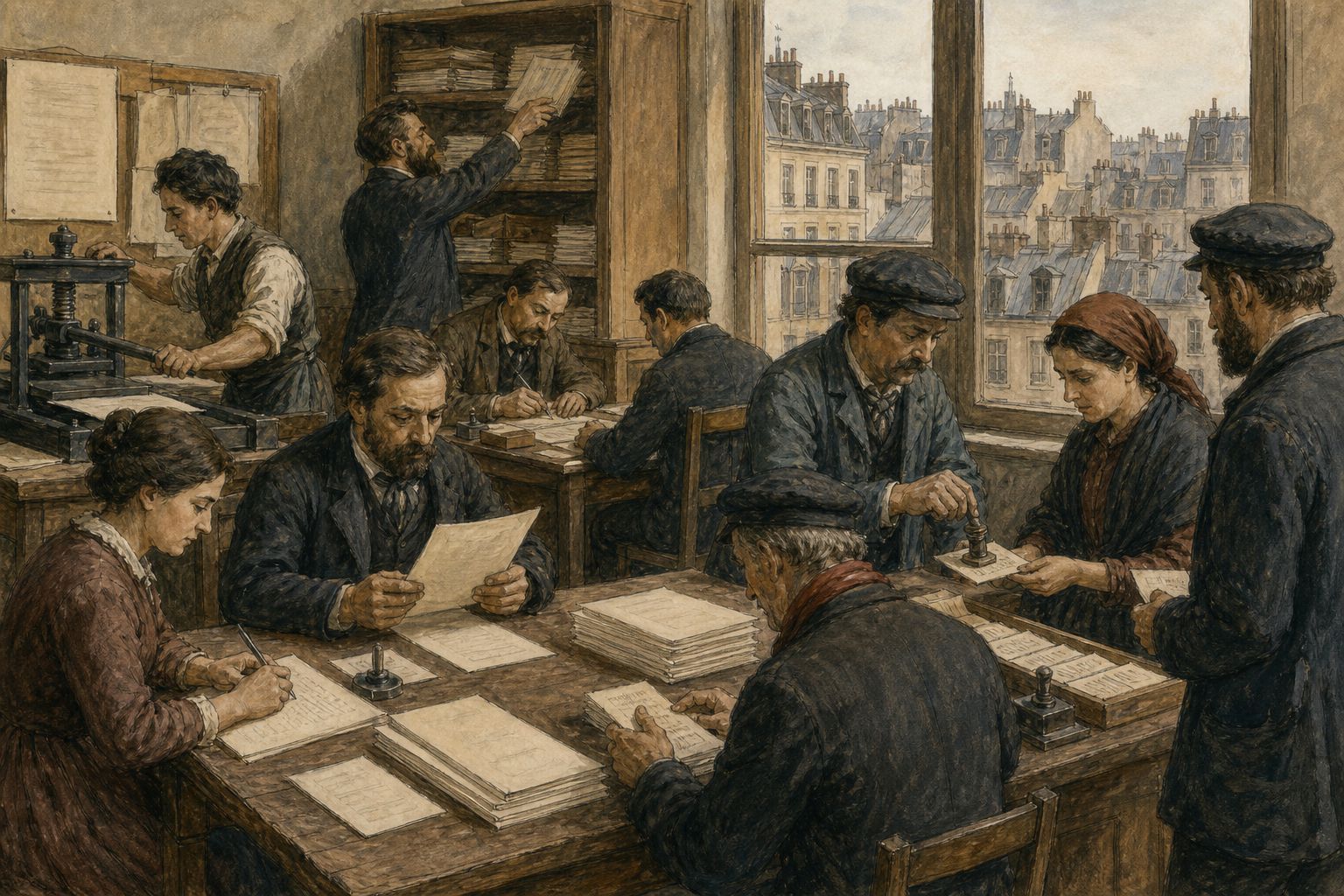
Elected delegates organized administration, food relief, printing, and National Guard defense.
c. 1871
The Bloody Week
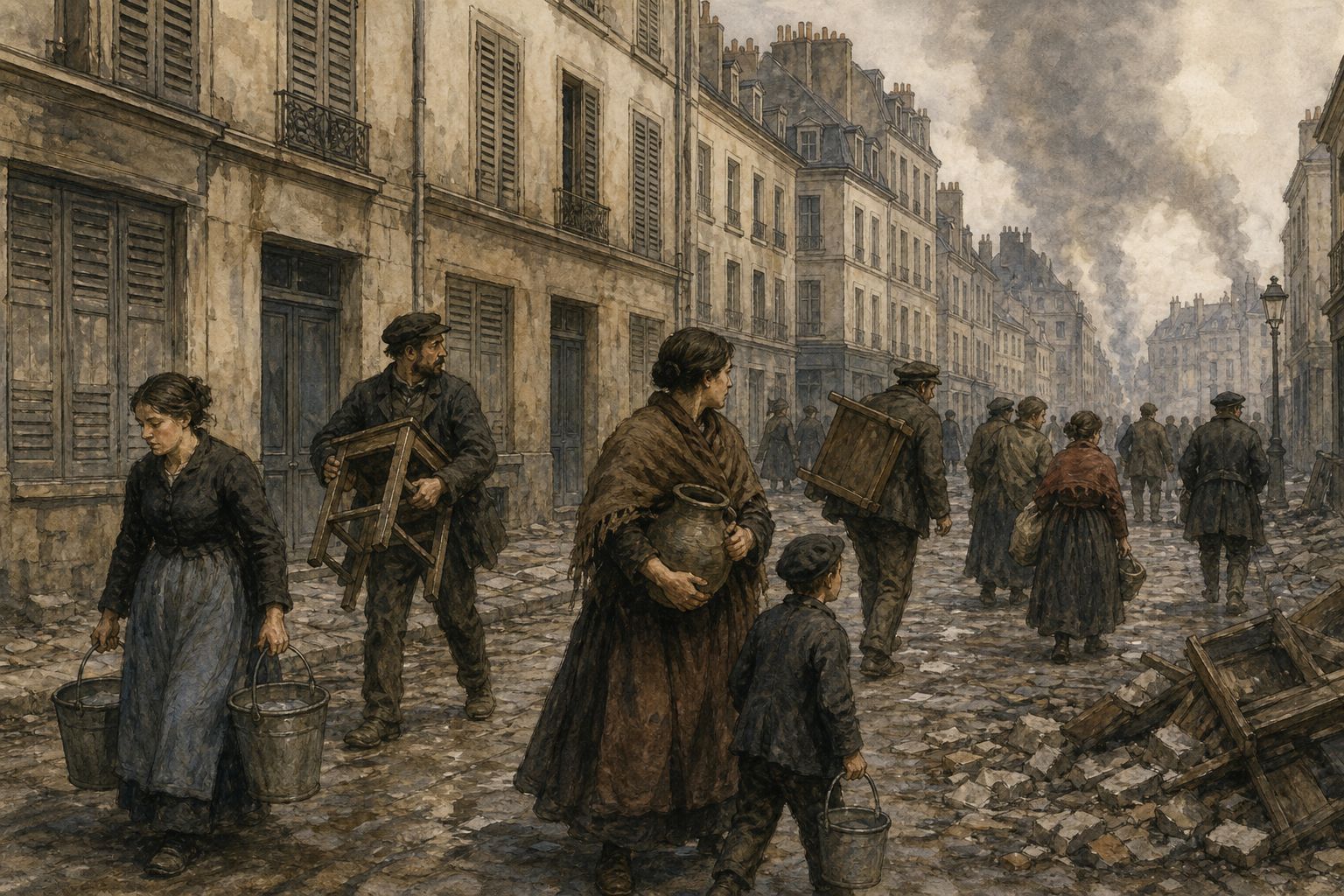
In late May, the Versailles reconquest and street fighting ended the Commune.
c. 1871–c. 1880
Revolutionary memory
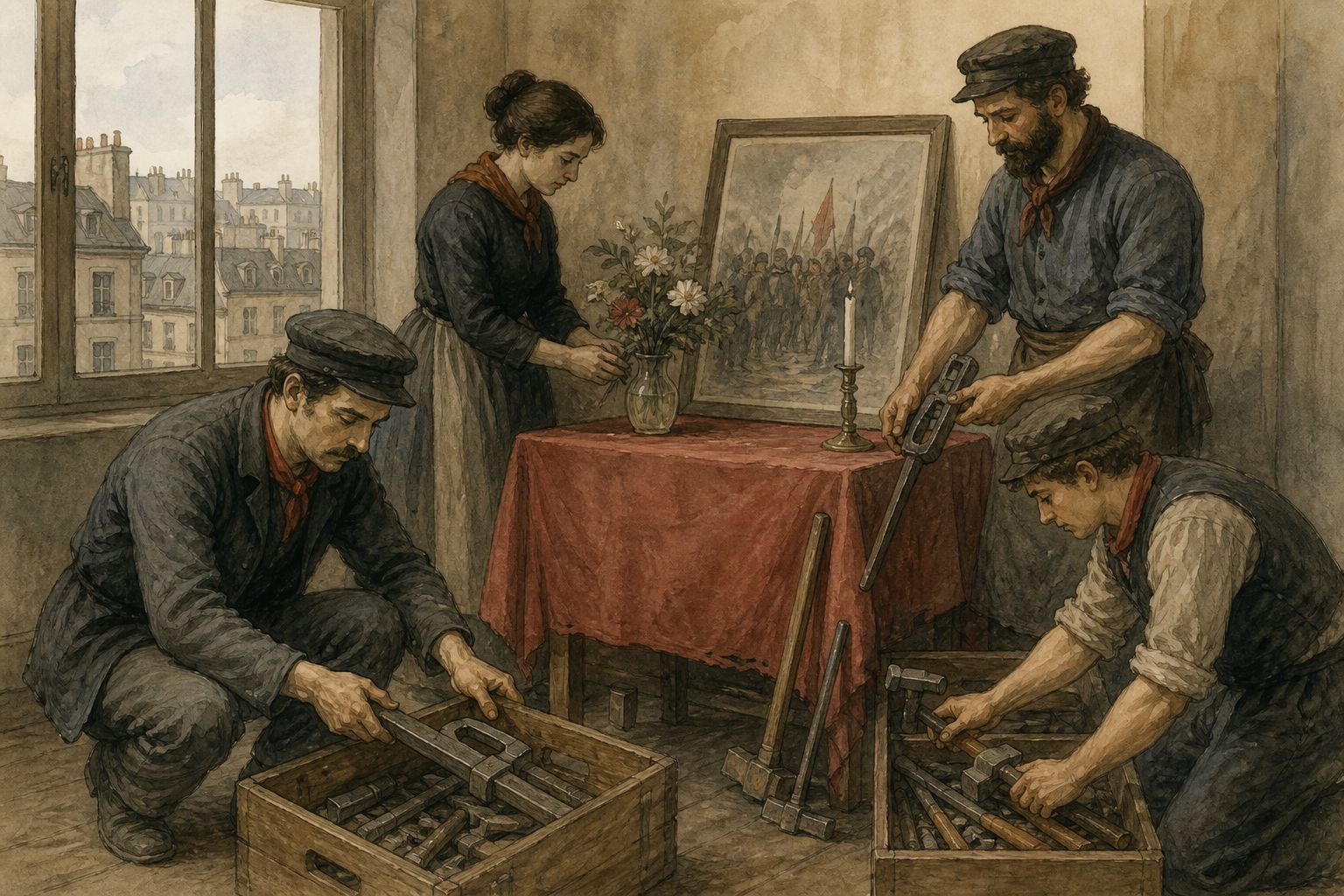
After defeat, the Commune remained a contested memory of autonomy, revolution, and workers' politics.


Sources
- Paris CommuneEncyclopaedia BritannicaAn overview of the Commune's formation, administration, Bloody Week, and post-defeat repression.
- The Paris Commune of 1871The Metropolitan Museum of ArtContext for the siege, National Guard, cannon, and the city's political culture through visual sources.
- Paris CommuneWorld History EncyclopediaA chronological account of 1871, the Bloody Week, participants, and the Commune's later memory.