Phoenician Colonization
c. 1000 BC–c. 600 BC
From about 1000 to 600 BCE, Phoenician cities such as Tyre and Sidon established trading posts and colonies around the Mediterranean, extending maritime networks.

- Period
- c. 1000 BC–c. 600 BC
- Kind
- Cultural event
- Regions
- East Asia
- Keywords
- Phoenician Colonization · Phoenicians · foundation of Carthage · cultural event · ancient · east asia
Follow the story · Four stages
Background
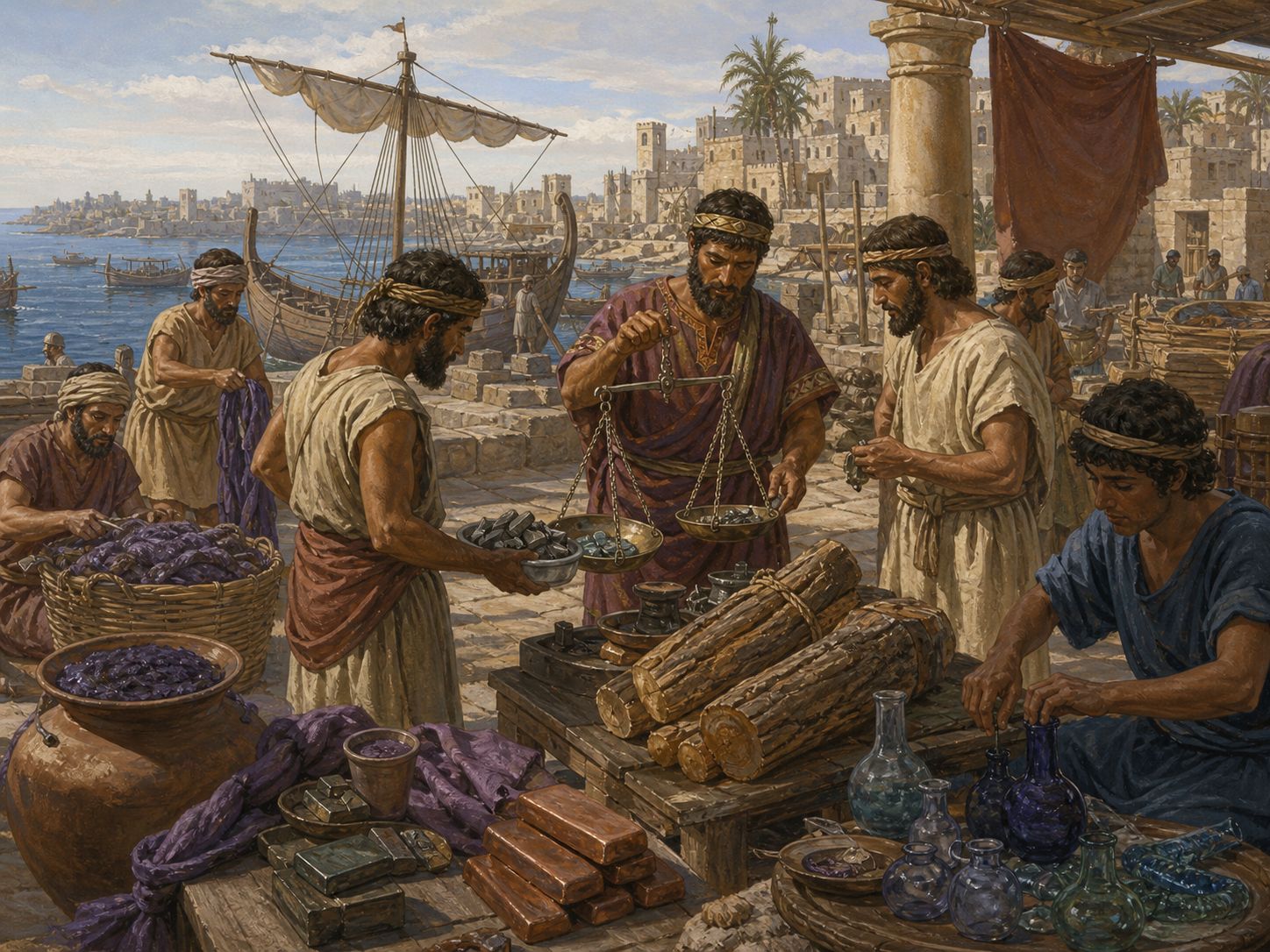
Levantine city-states sought timber, metals, dyes, craft goods, and markets, while established sailing and harbor knowledge connected the eastern Mediterranean to western shores.
- Levantine city-states sought timber, metals, dyes, craft goods, and markets, while established sailing and harbor knowledge connected the eastern Mediterranean to western shores.
- Core event: From about 1000 to 600 BCE, Phoenician cities such as Tyre and Sidon established trading posts and colonies around the Mediterranean, extending maritime networks.
- Connection to the next stage: Phoenician sailors and merchants extended coastal trading posts toward North Africa and Iberia, building hubs such as Carthage through the movement of goods, skills, scripts, and cultural practices.
Course
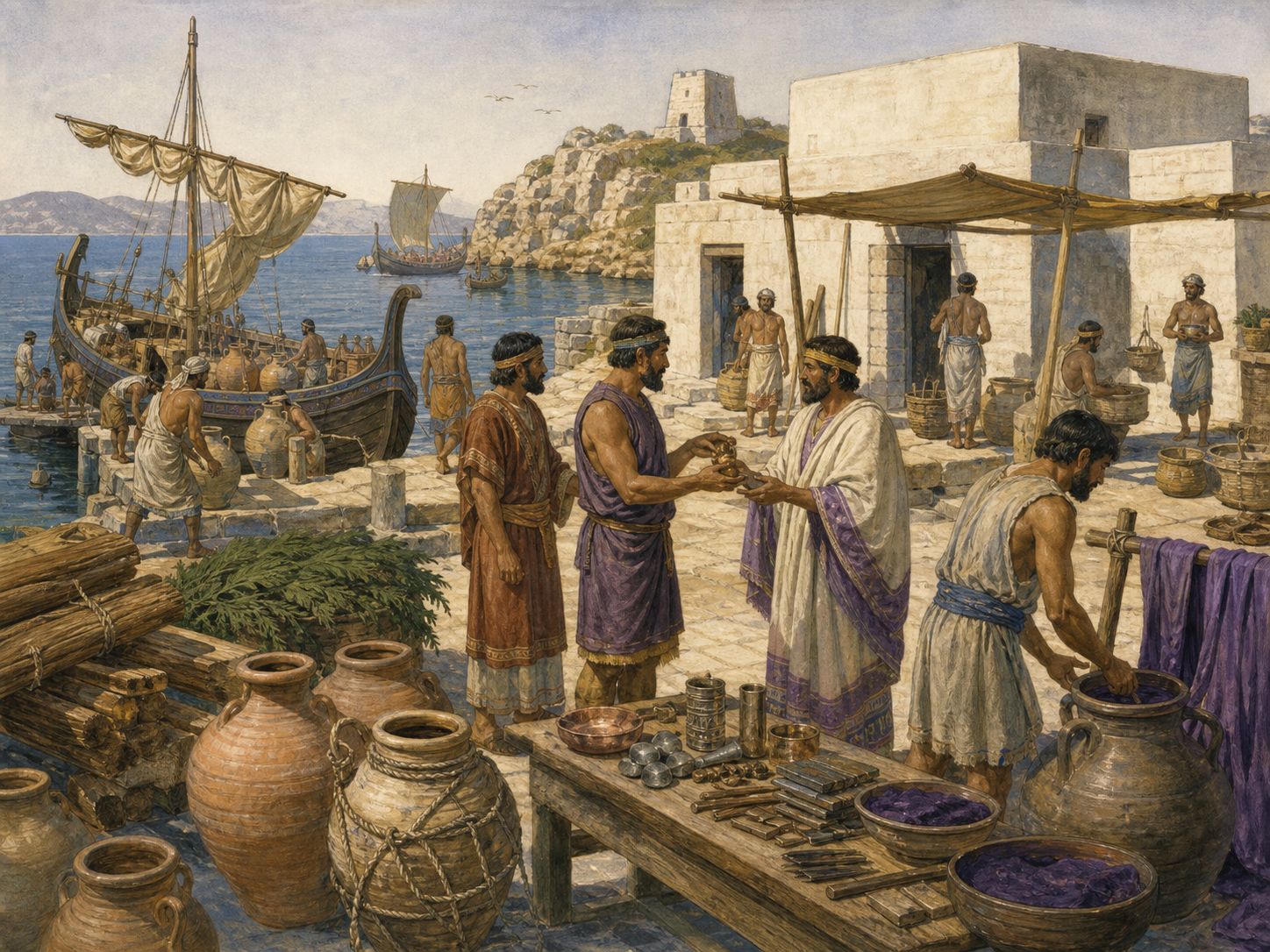
Phoenician sailors and merchants extended coastal trading posts toward North Africa and Iberia, building hubs such as Carthage through the movement of goods, skills, scripts, and cultural practices.
- Phoenician sailors and merchants extended coastal trading posts toward North Africa and Iberia, building hubs such as Carthage through the movement of goods, skills, scripts, and cultural practices.
- Conditions behind the action: Levantine city-states sought timber, metals, dyes, craft goods, and markets, while established sailing and harbor knowledge connected the eastern Mediterranean to western shores.
- Meaning of the turning point: From about 1000 to 600 BCE, Phoenician cities such as Tyre and Sidon established trading posts and colonies around the Mediterranean, extending maritime networks.
Outcome
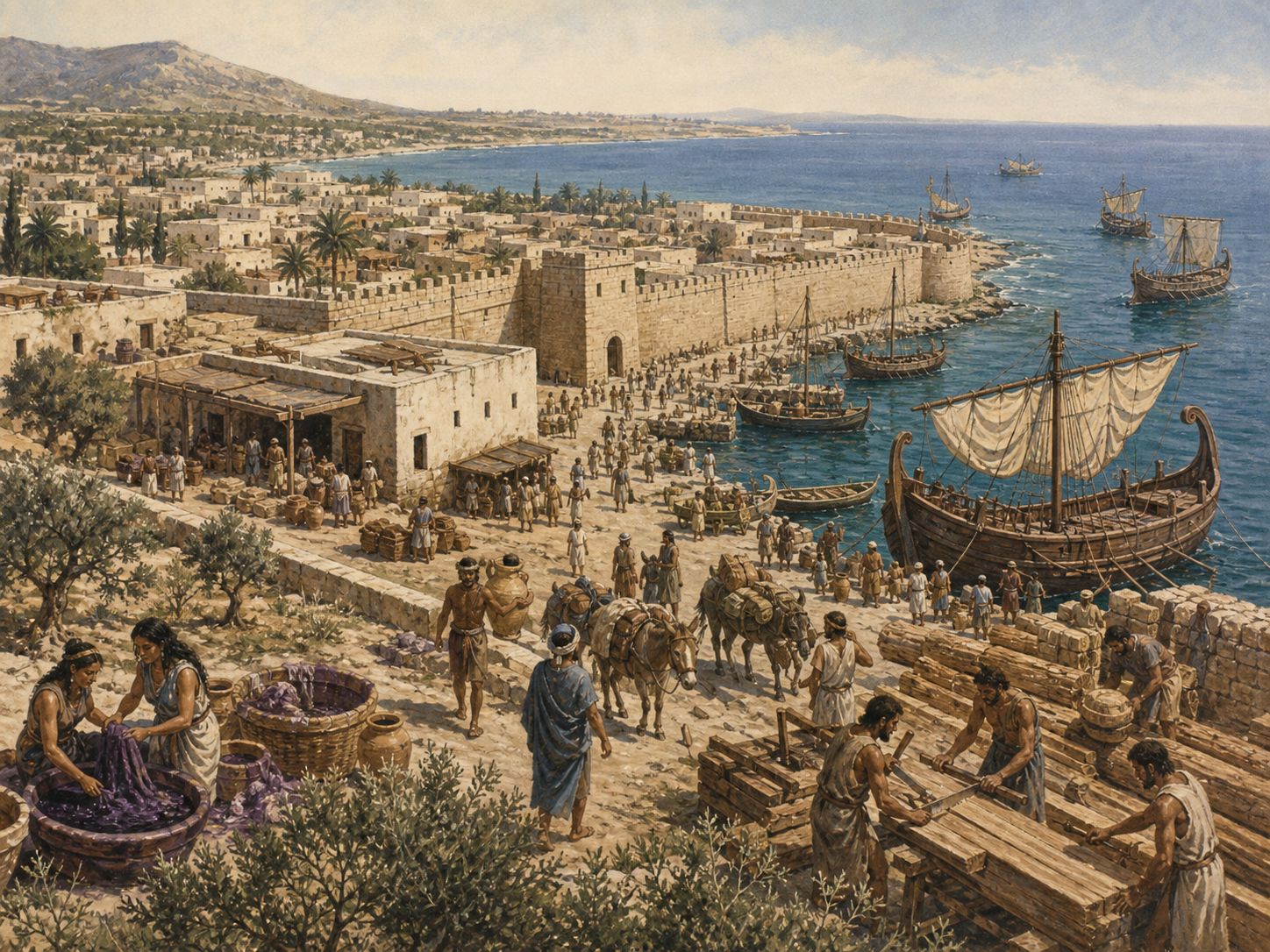
A wide western Mediterranean trade network emerged, and Carthage became a major city-state. Assyrian, Greek, and Roman pressure later altered the political position of individual settlements.
- A wide western Mediterranean trade network emerged, and Carthage became a major city-state.
- Assyrian, Greek, and Roman pressure later altered the political position of individual settlements.
- Process producing the result: Phoenician sailors and merchants extended coastal trading posts toward North Africa and Iberia, building hubs such as Carthage through the movement of goods, skills, scripts, and cultural practices.
Historical significance
Colonization was not a single form of migration: ports, local communities, trading partners, and rival powers all shaped a connected maritime world and the varied meanings of settlement.
- Colonization was not a single form of migration: ports, local communities, trading partners, and rival powers all shaped a connected maritime world and the varied meanings of settlement.
- Immediate consequence: A wide western Mediterranean trade network emerged, and Carthage became a major city-state. Assyrian, Greek, and Roman pressure later altered the political position of individual settlements.
- Historical turning point: From about 1000 to 600 BCE, Phoenician cities such as Tyre and Sidon established trading posts and colonies around the Mediterranean, extending maritime networks.
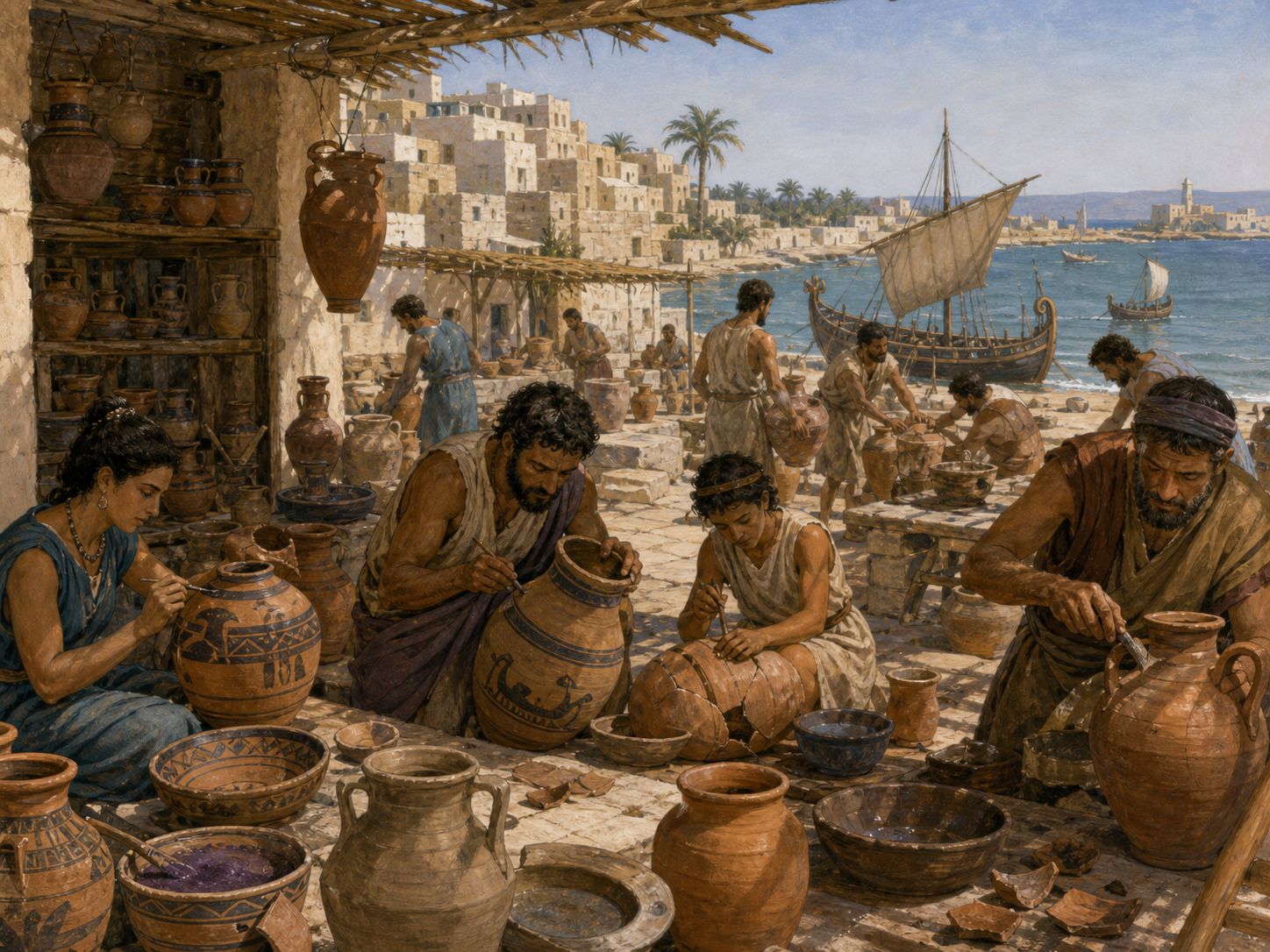


Related events
c. 1200 BC–c. 1000 BC
Levantine city-states and maritime trade
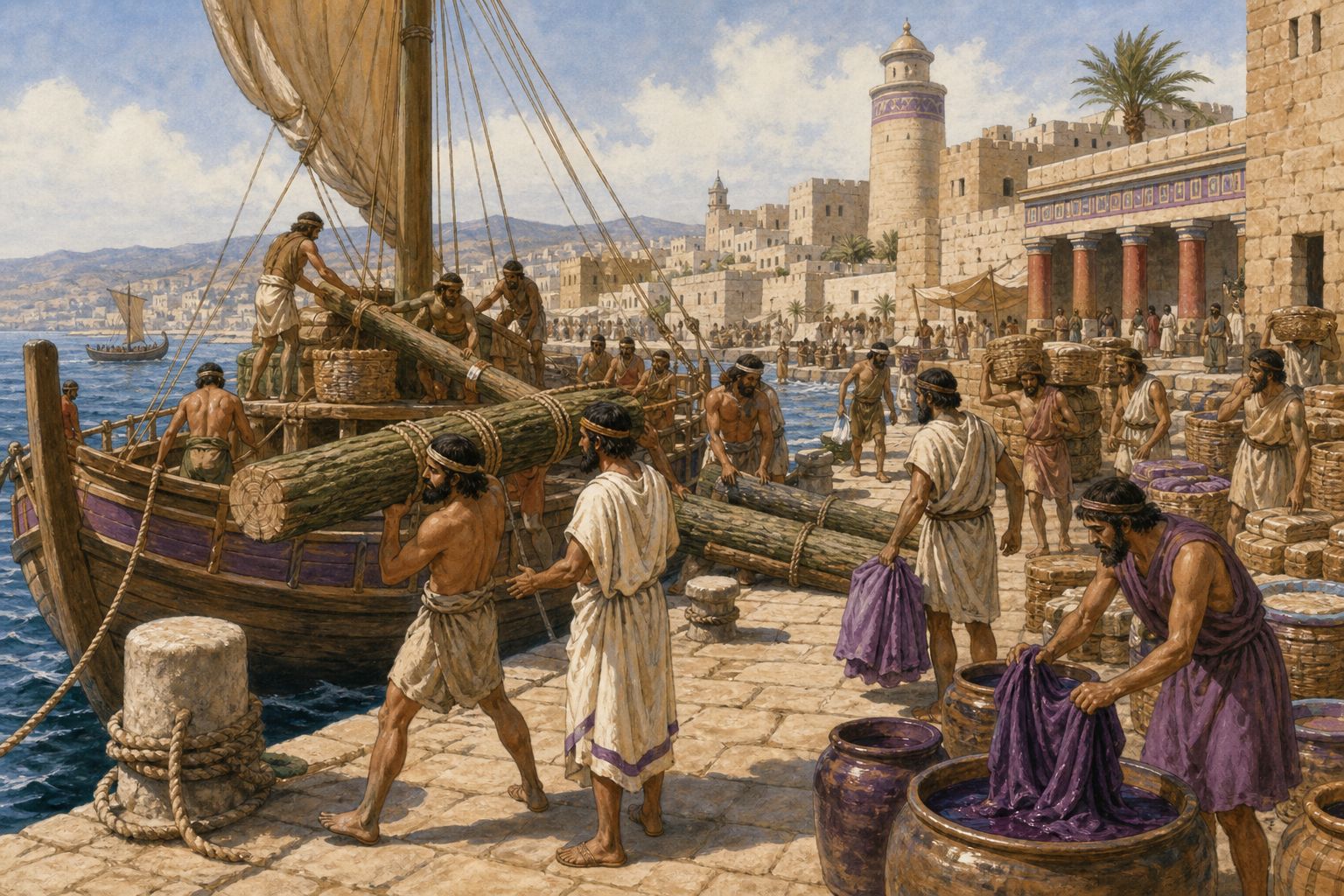
Levantine city-states and maritime trade — Background: Levantine city-states sought timber, metals, dyes, craft goods, and markets, while established sailing and harbor knowledge connected the eastern Mediterranean to western shores.
c. 1000 BC–c. 800 BC
Trading posts across the Mediterranean
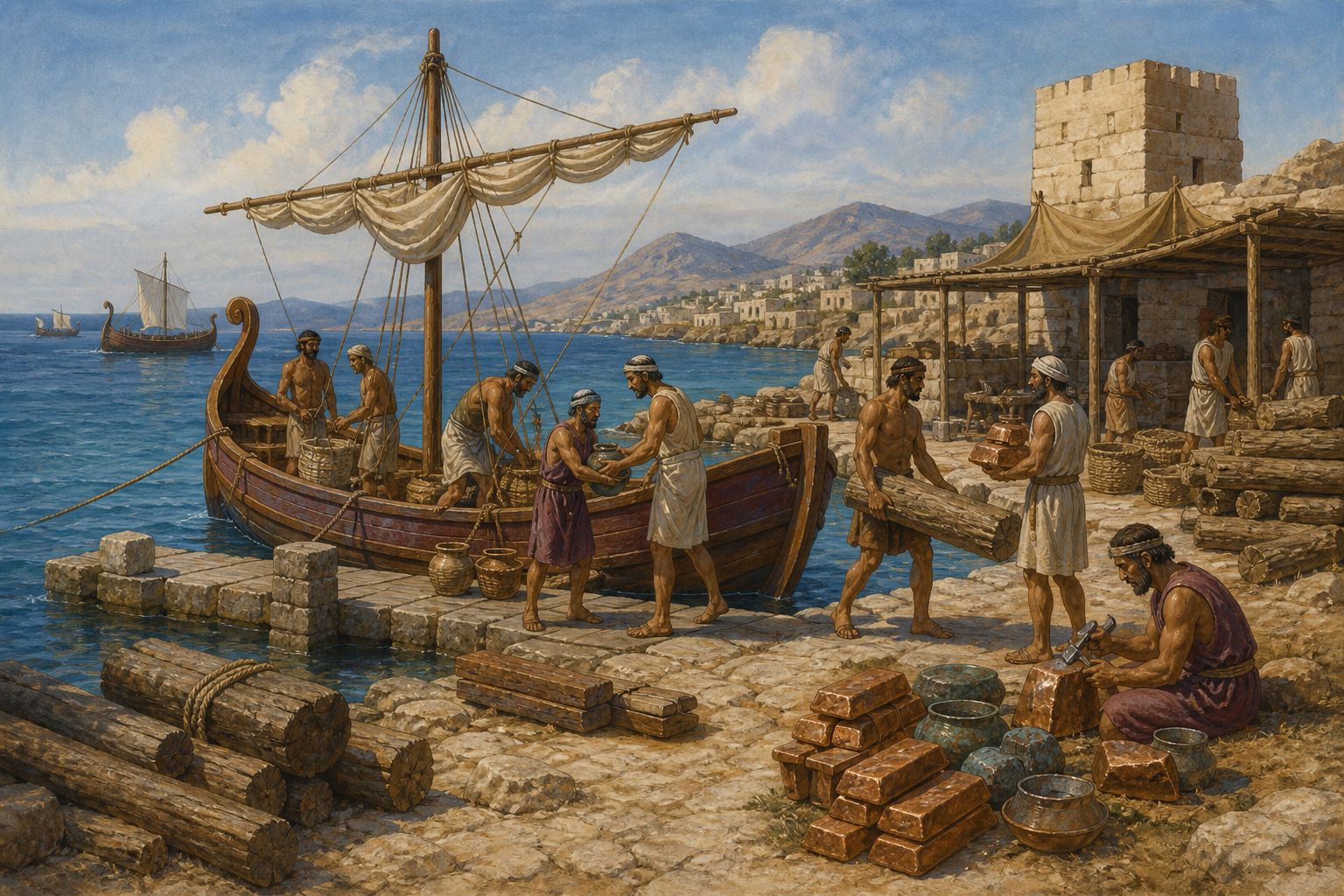
Trading posts across the Mediterranean — Build-up: Phoenician sailors and merchants extended coastal trading posts toward North Africa and Iberia, building hubs such as Carthage through the movement of goods, skills, scripts, and cultural practices.
814 BC–814 BC
Traditional foundation of Carthage
Current event
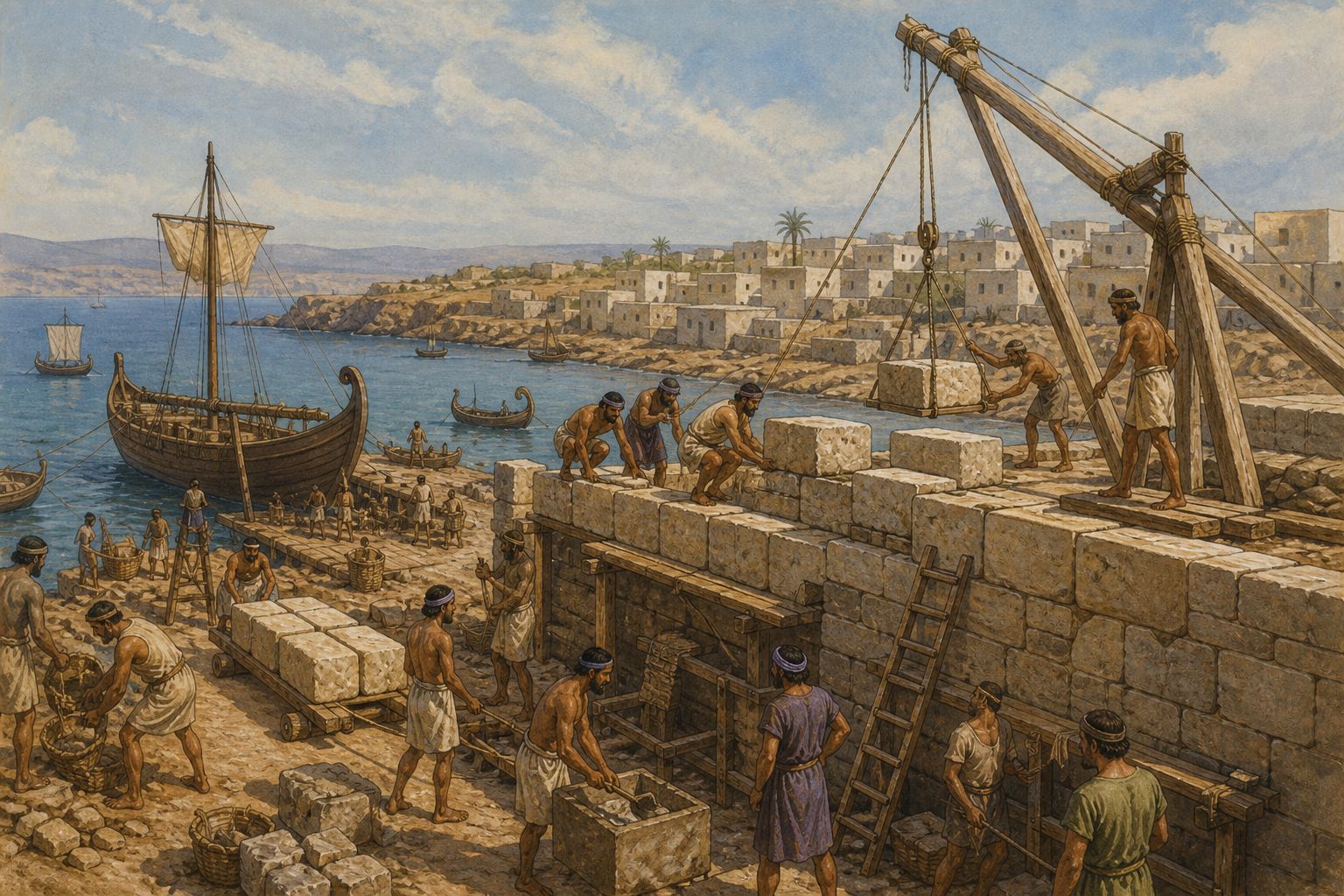
Traditional foundation of Carthage — Central transition: From about 1000 to 600 BCE, Phoenician cities such as Tyre and Sidon established trading posts and colonies around the Mediterranean, extending maritime networks.
c. 800 BC–c. 600 BC
Western Mediterranean network
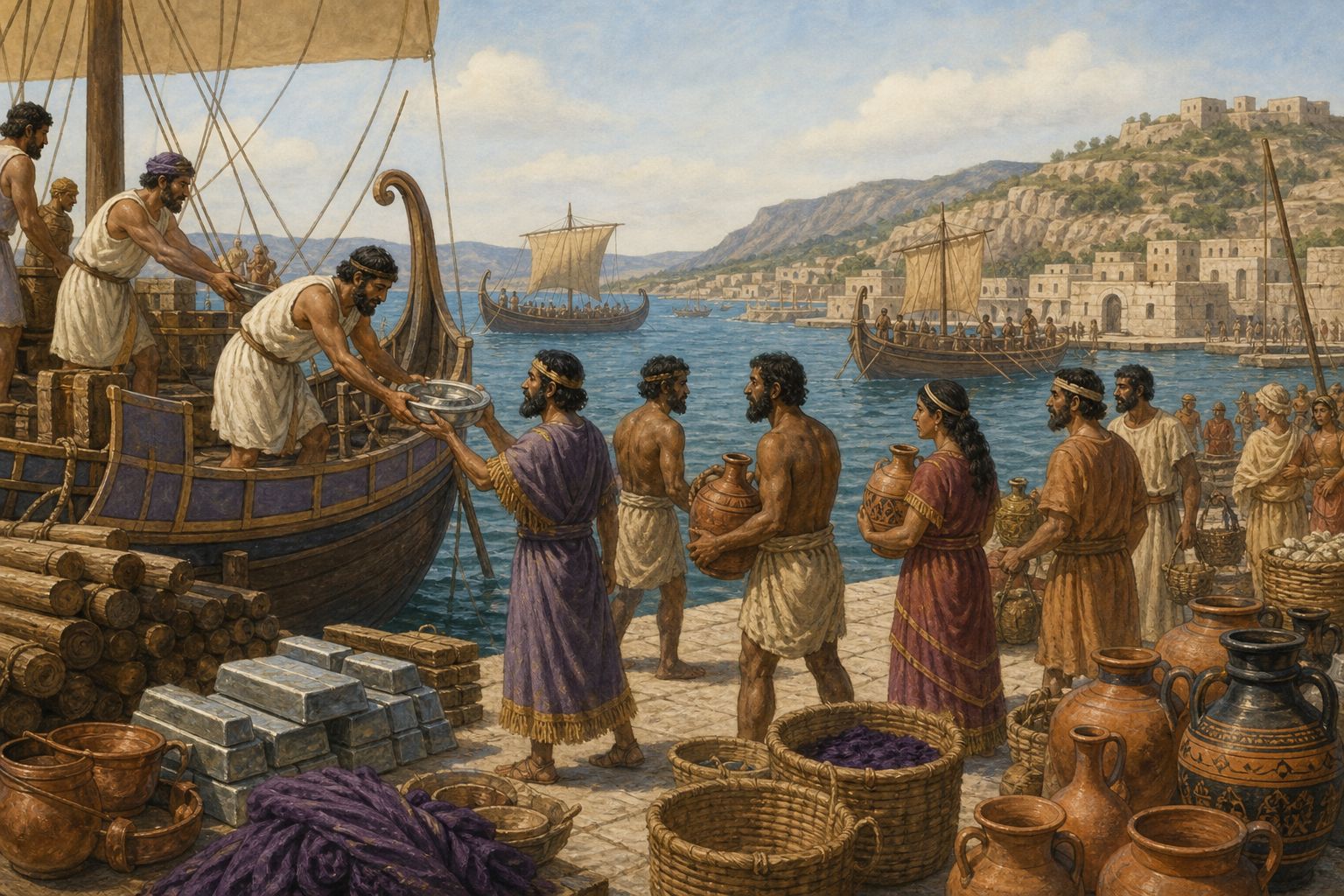
Western Mediterranean network — Immediate result: A wide western Mediterranean trade network emerged, and Carthage became a major city-state. Assyrian, Greek, and Roman pressure later altered the political position of individual settlements.
c. 700 BC–c. 146 BC
Imperial and regional pressure
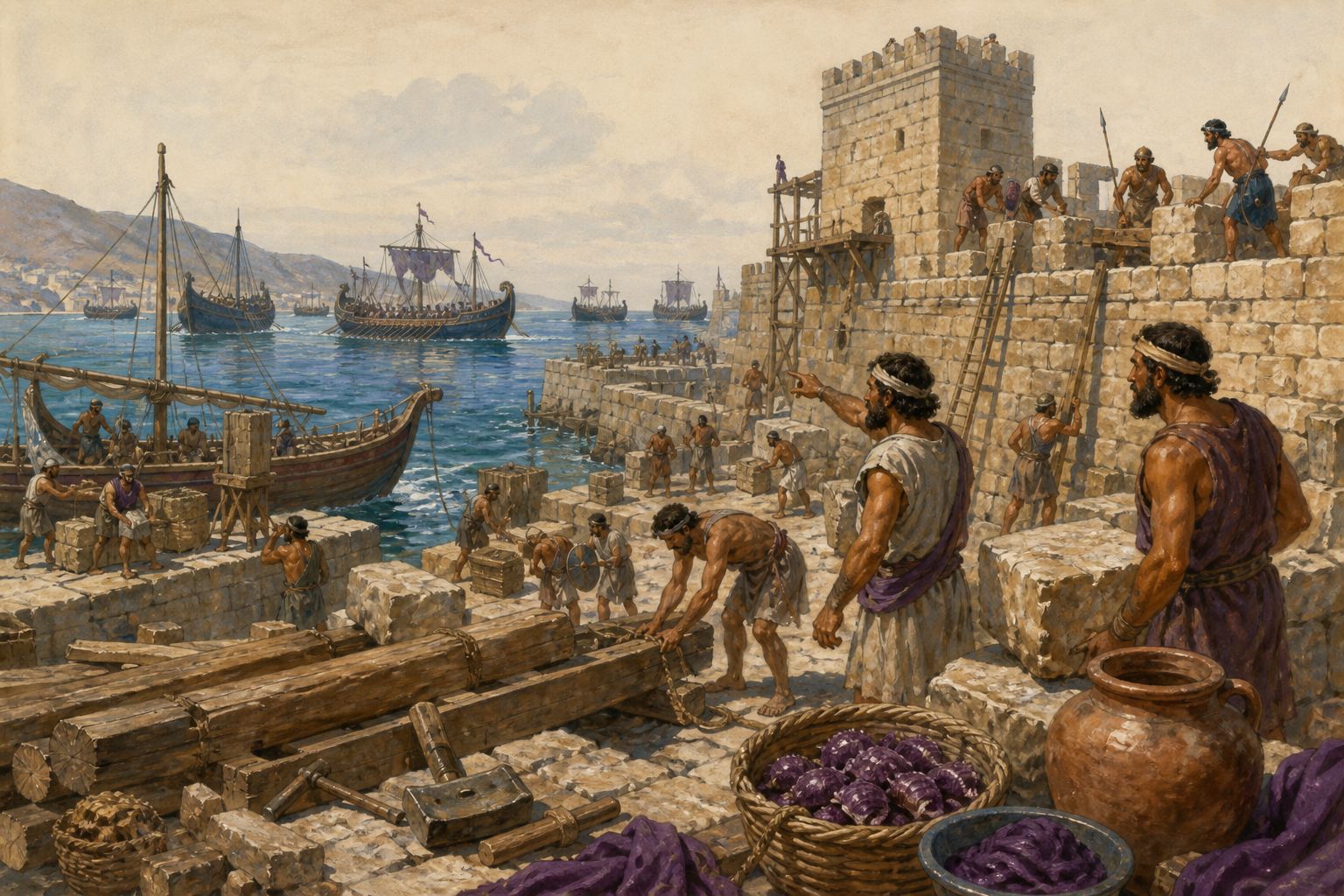
Imperial and regional pressure — Long-term significance: Colonization was not a single form of migration: ports, local communities, trading partners, and rival powers all shaped a connected maritime world and the varied meanings of settlement.


Sources
- Phoenician Colonization — Phoenician Colonization (Encyclopaedia Britannica)britannica.comThis Encyclopaedia Britannica resource supports the chronology, setting, and course of Phoenician Colonization.
- Phoenician Colonization — Hd Phoenician Colonization (The Metropolitan Museum of Art)metmuseum.orgThis The Metropolitan Museum of Art resource supports the chronology, setting, and course of Phoenician Colonization.
- Phoenician Colonization — Phoenician Colonization (World History Encyclopedia)worldhistory.orgThis World History Encyclopedia resource supports the chronology, setting, and course of Phoenician Colonization.