
Portuguese Conquest of Malacca
1511
Portuguese forces led by Afonso de Albuquerque captured Malacca, a strategic node in maritime trade between East and West.

- Period
- 1511
- Kind
- War
- Regions
- Southeast Asia, Europe
- Keywords
- Portuguese Conquest of Malacca · Malacca and the Strait of Malacca · early-modern · background · turning point · impact
Follow the story · Four stages
Background
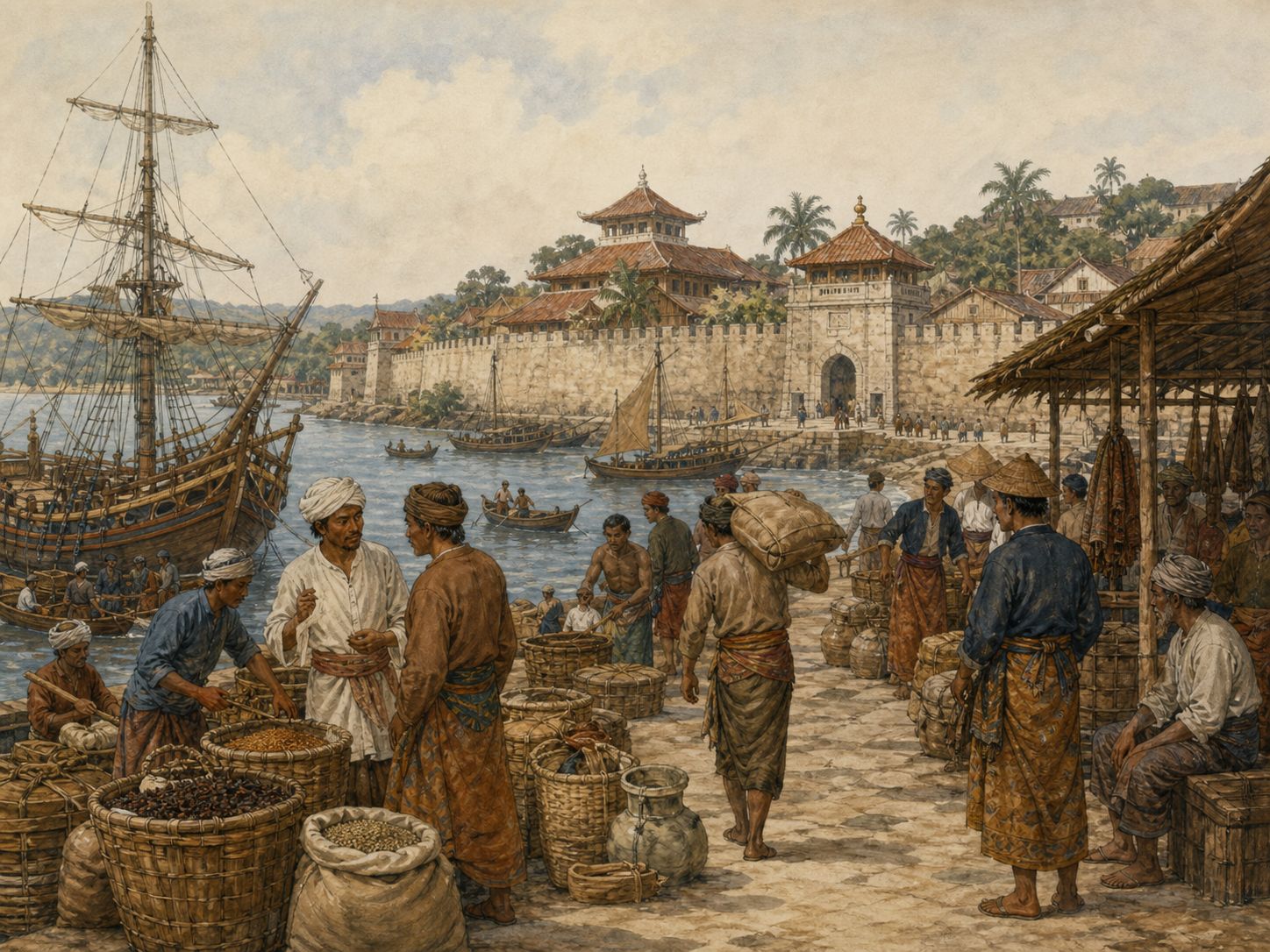
Political, social, and commercial changes around Malacca formed the setting: Portuguese forces led by Afonso de Albuquerque captured Malacca, a strategic node in maritime trade between East and West.
- In and around Malacca, the setting took shape as Portuguese forces led by Afonso de Albuquerque captured Malacca, a strategic node in maritime trade between East and West.
- Core event: Portuguese forces led by Afonso de Albuquerque captured Malacca, a strategic node in maritime trade between East and West.
- Connection to the next stage: Portuguese forces led by Afonso de Albuquerque captured Malacca, a strategic node in maritime trade between East and West. The change unfolded through decisions by rulers, institutions, and local communities.
Course
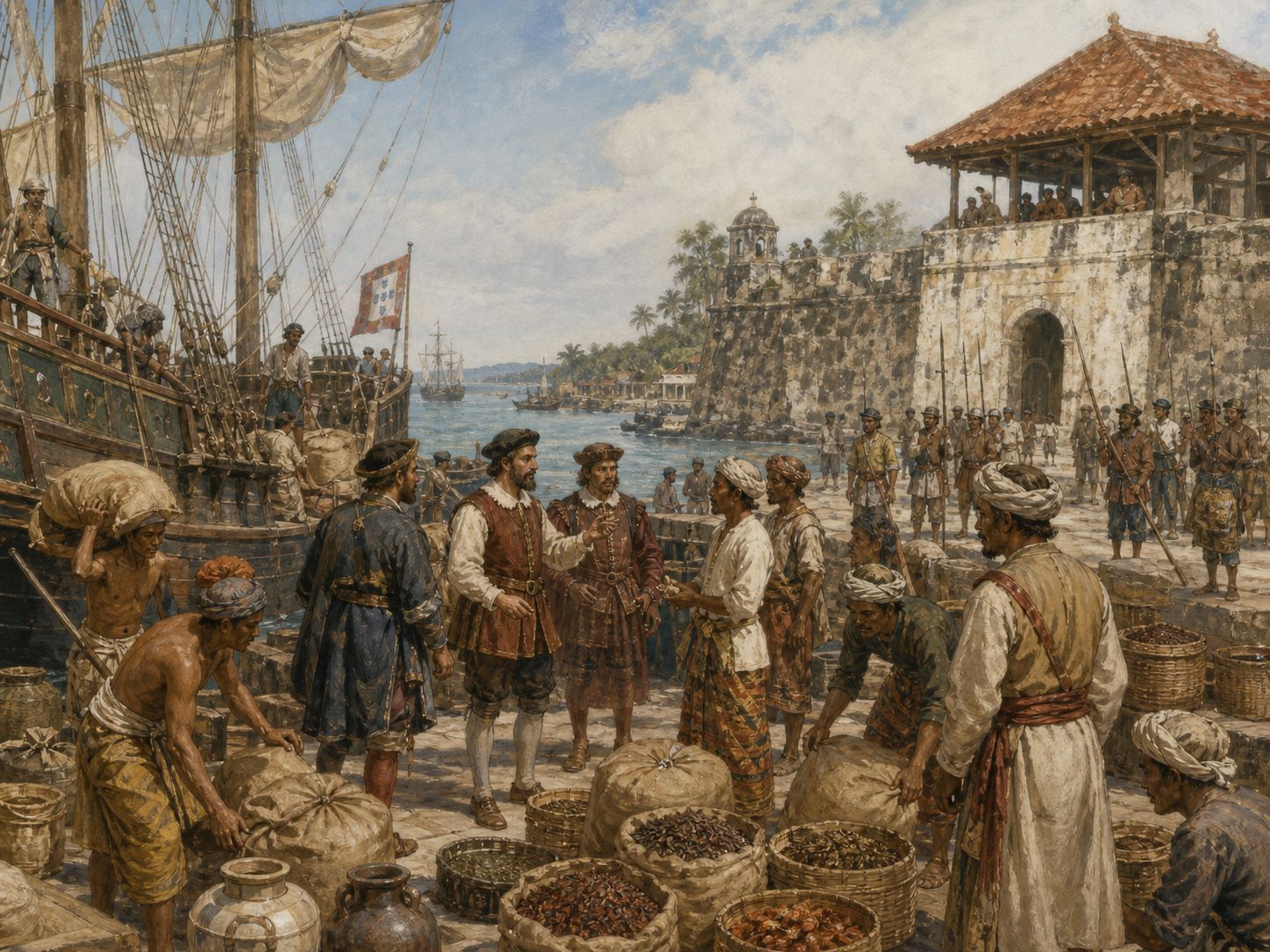
Portuguese forces led by Afonso de Albuquerque captured Malacca, a strategic node in maritime trade between East and West. The choices of the participating powers and responses of local communities shaped the course.
- Portuguese forces led by Afonso de Albuquerque captured Malacca, a strategic node in maritime trade between East and West.
- The change unfolded through decisions by rulers, institutions, and local communities.
- Conditions behind the action: In and around Malacca, the setting took shape as Portuguese forces led by Afonso de Albuquerque captured Malacca, a strategic node in maritime trade between East and West.
Outcome
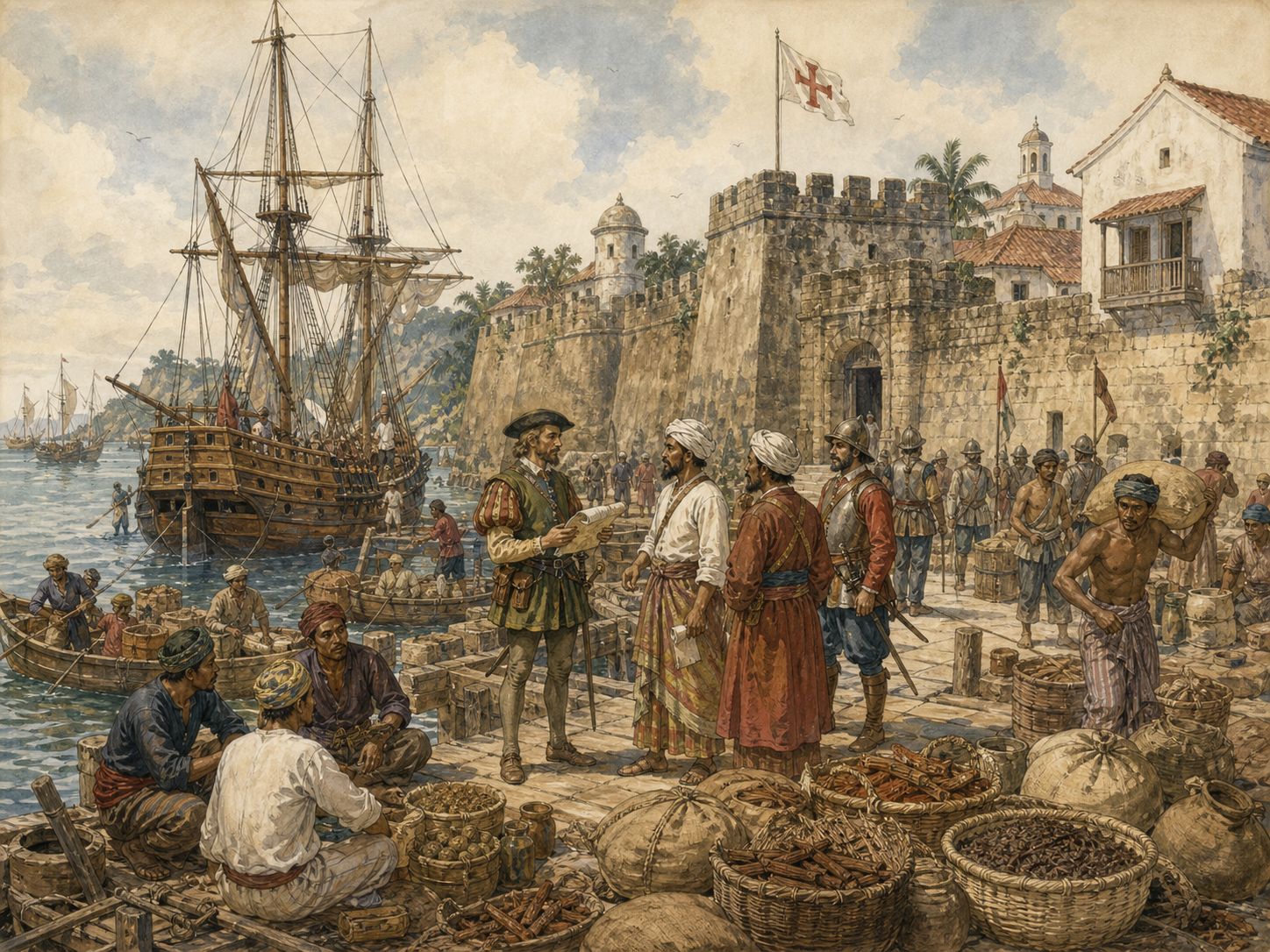
As a result, It marked a major military intervention by a European maritime empire in Indian Ocean and Southeast Asian trade.
- It marked a major military intervention by a European maritime empire in Indian Ocean and Southeast Asian trade.
- Process producing the result: Portuguese forces led by Afonso de Albuquerque captured Malacca, a strategic node in maritime trade between East and West. The change unfolded through decisions by rulers, institutions, and local communities.
- Question carried forward: In the longer term, it marked a major military intervention by a european maritime empire in indian ocean and southeast asian trade.
Historical significance
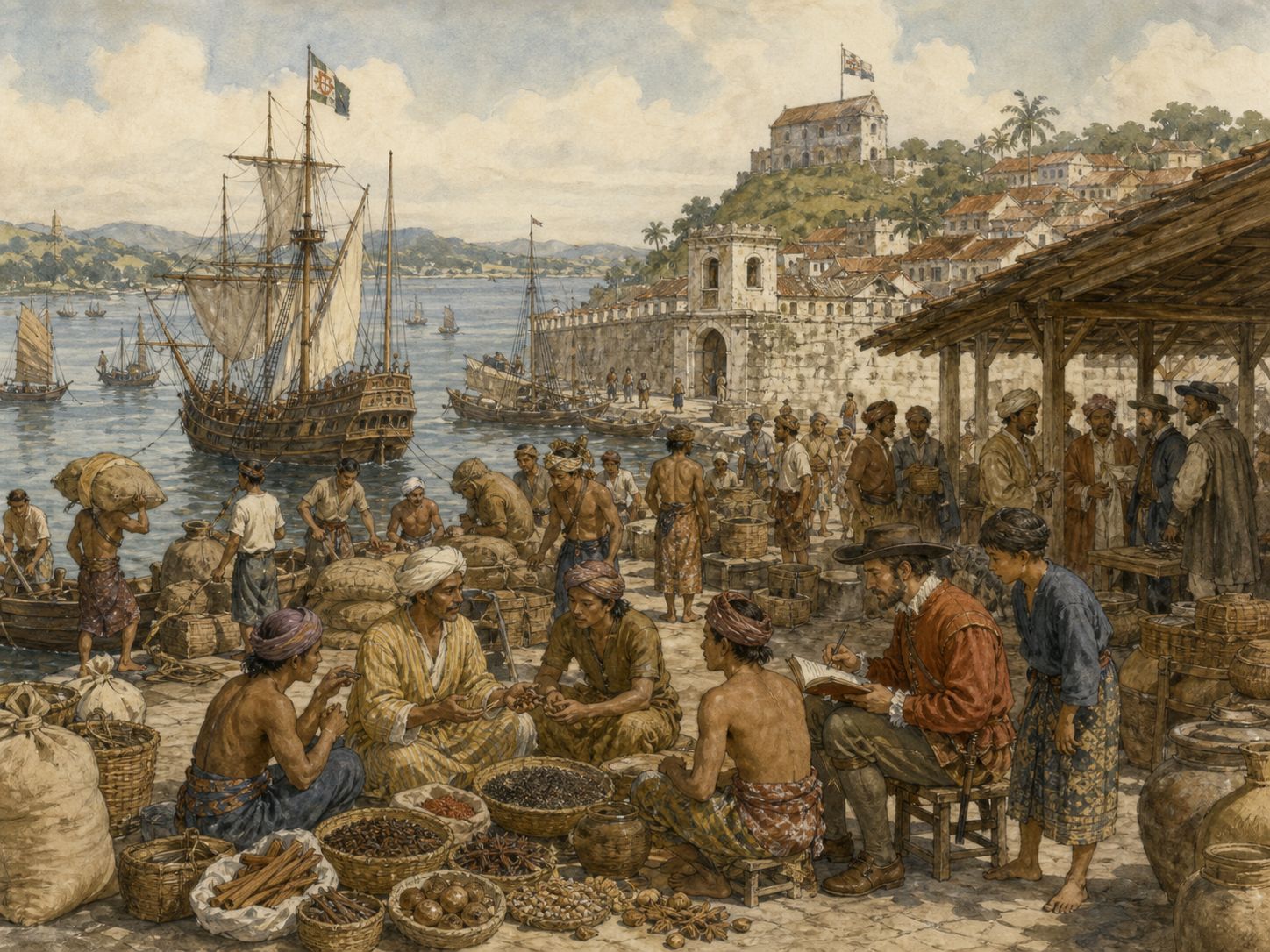
The significance of this event lies in the fact that it marked a major military intervention by a european maritime empire in indian ocean and southeast asian trade.
- In the longer term, it marked a major military intervention by a european maritime empire in indian ocean and southeast asian trade.
- Immediate consequence: It marked a major military intervention by a European maritime empire in Indian Ocean and Southeast Asian trade.
- Historical turning point: Portuguese forces led by Afonso de Albuquerque captured Malacca, a strategic node in maritime trade between East and West.


Related events
1509
First Portuguese mission ends in conflict
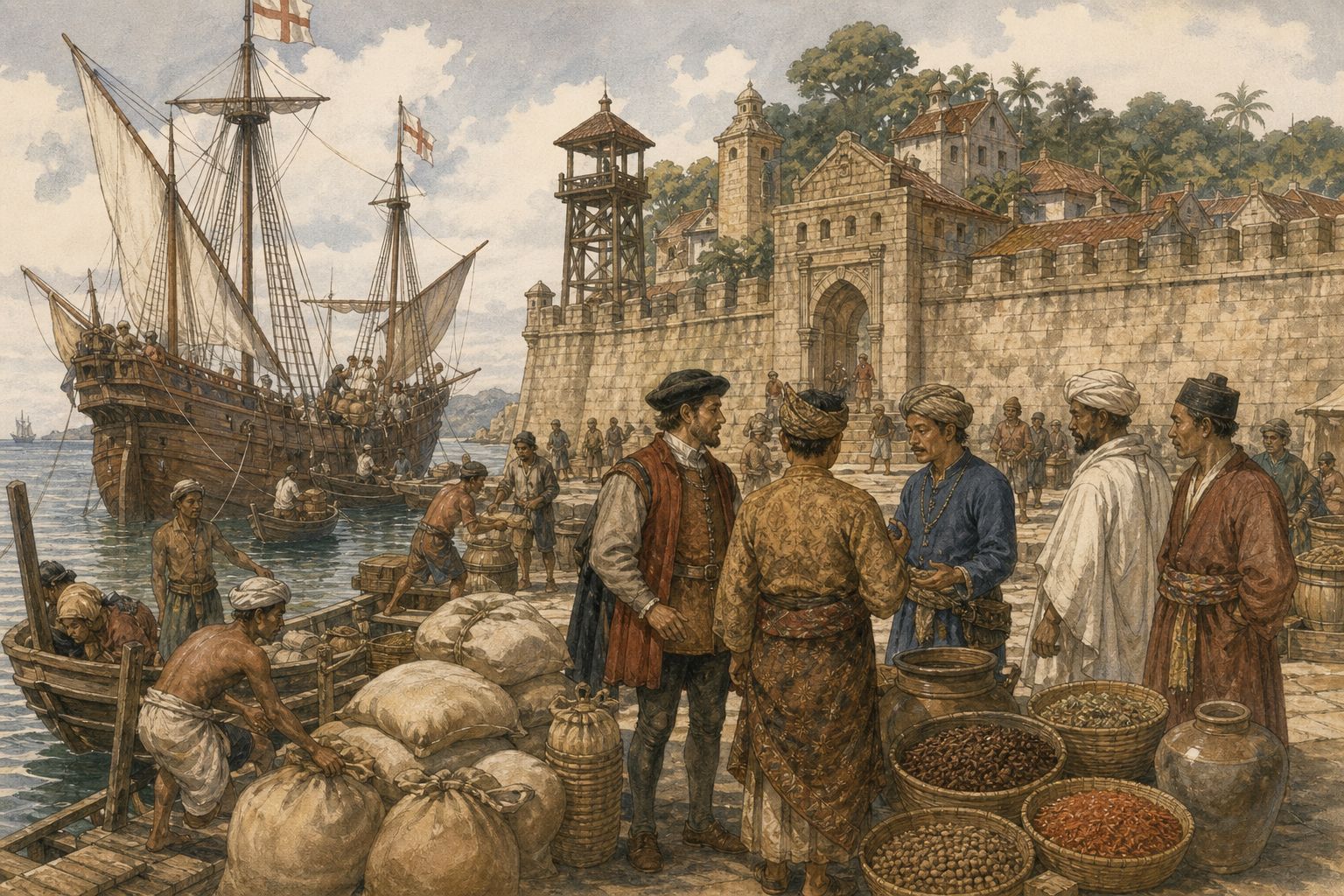
First Portuguese mission ends in conflict — In and around Malacca, the setting took shape as Portuguese forces led by Afonso de Albuquerque captured Malacca, a strategic node in maritime trade between East and West.
1510
Portuguese power established at Goa
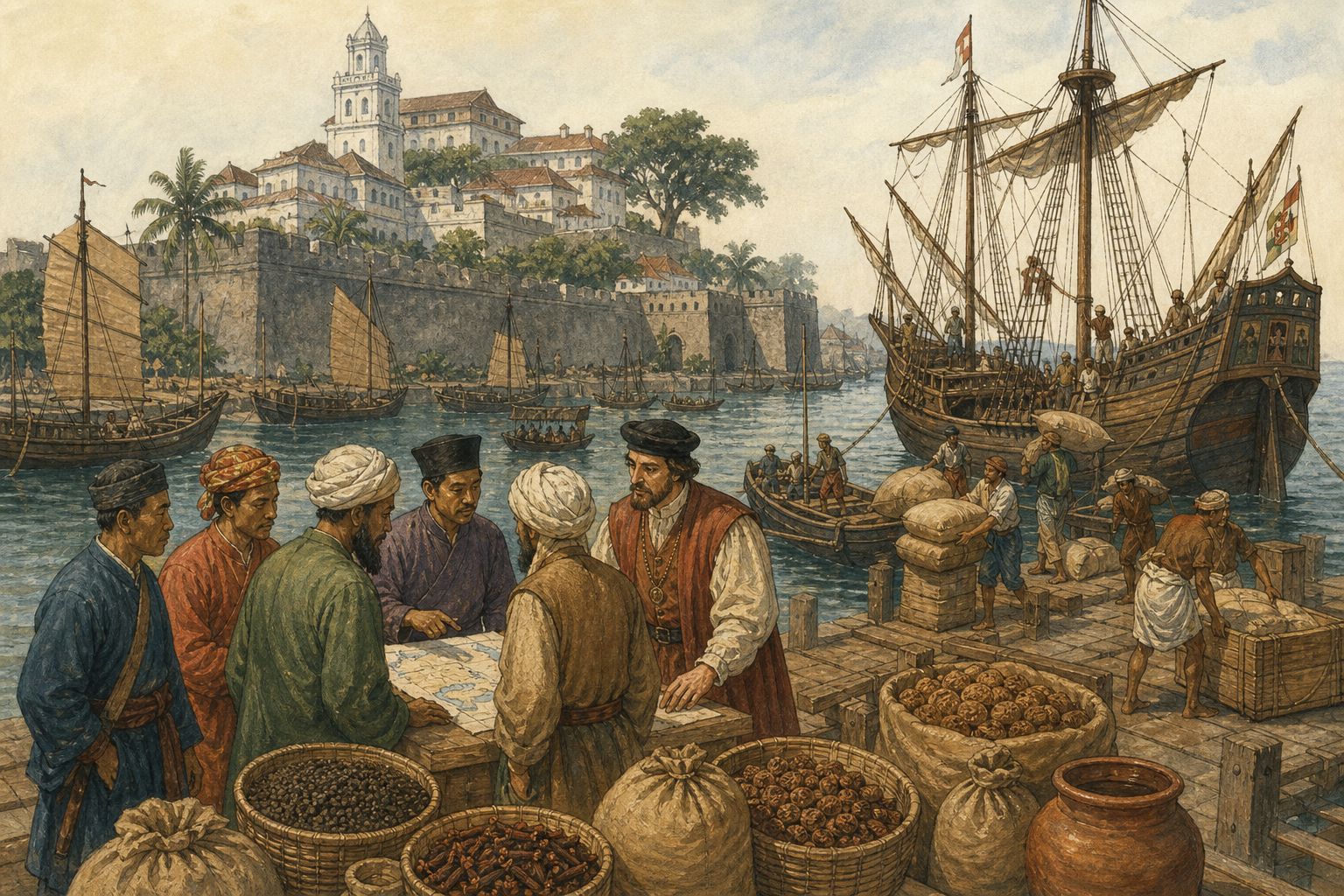
Portuguese power established at Goa — Portuguese forces led by Afonso de Albuquerque captured Malacca, a strategic node in maritime trade between East and West. The change unfolded through decisions by rulers, institutions, and local communities.
1511
Afonso de Albuquerque captures Malacca
Current event
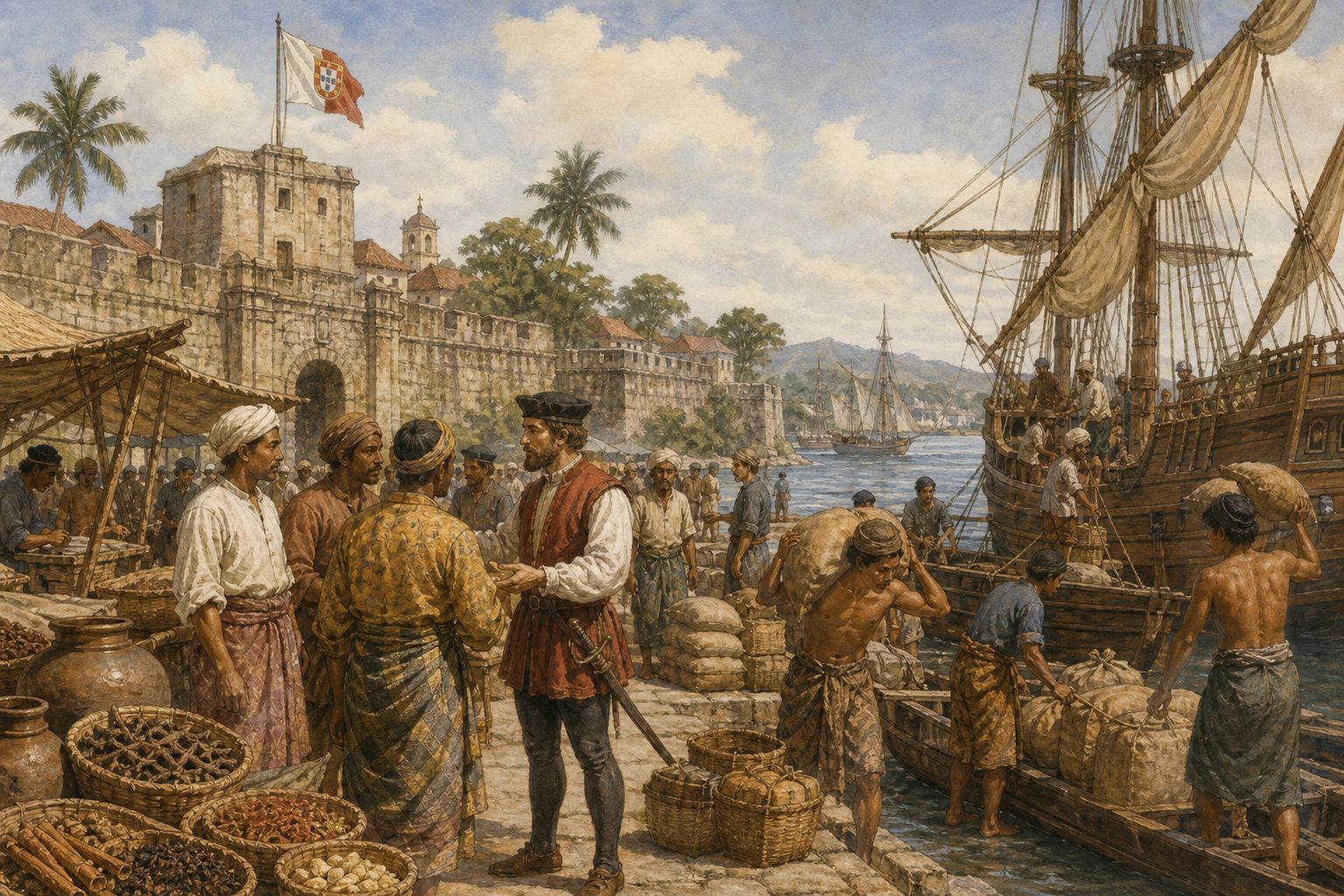
Afonso de Albuquerque captures Malacca — Portuguese forces led by Afonso de Albuquerque captured Malacca, a strategic node in maritime trade between East and West.
c. 1512
The Malacca court regroups to the south
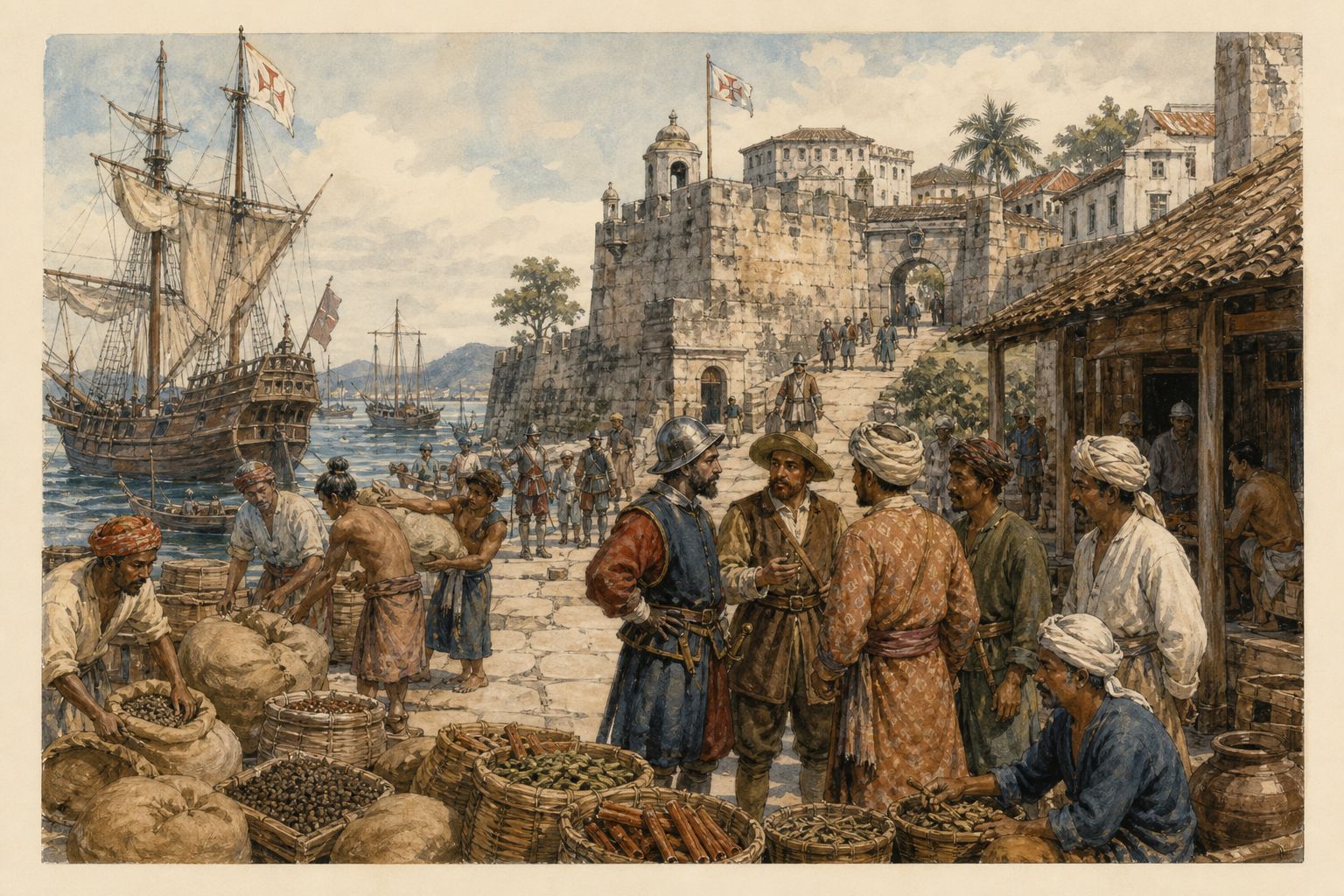
The Malacca court regroups to the south — It marked a major military intervention by a European maritime empire in Indian Ocean and Southeast Asian trade.
1641
Dutch forces take Portuguese Malacca
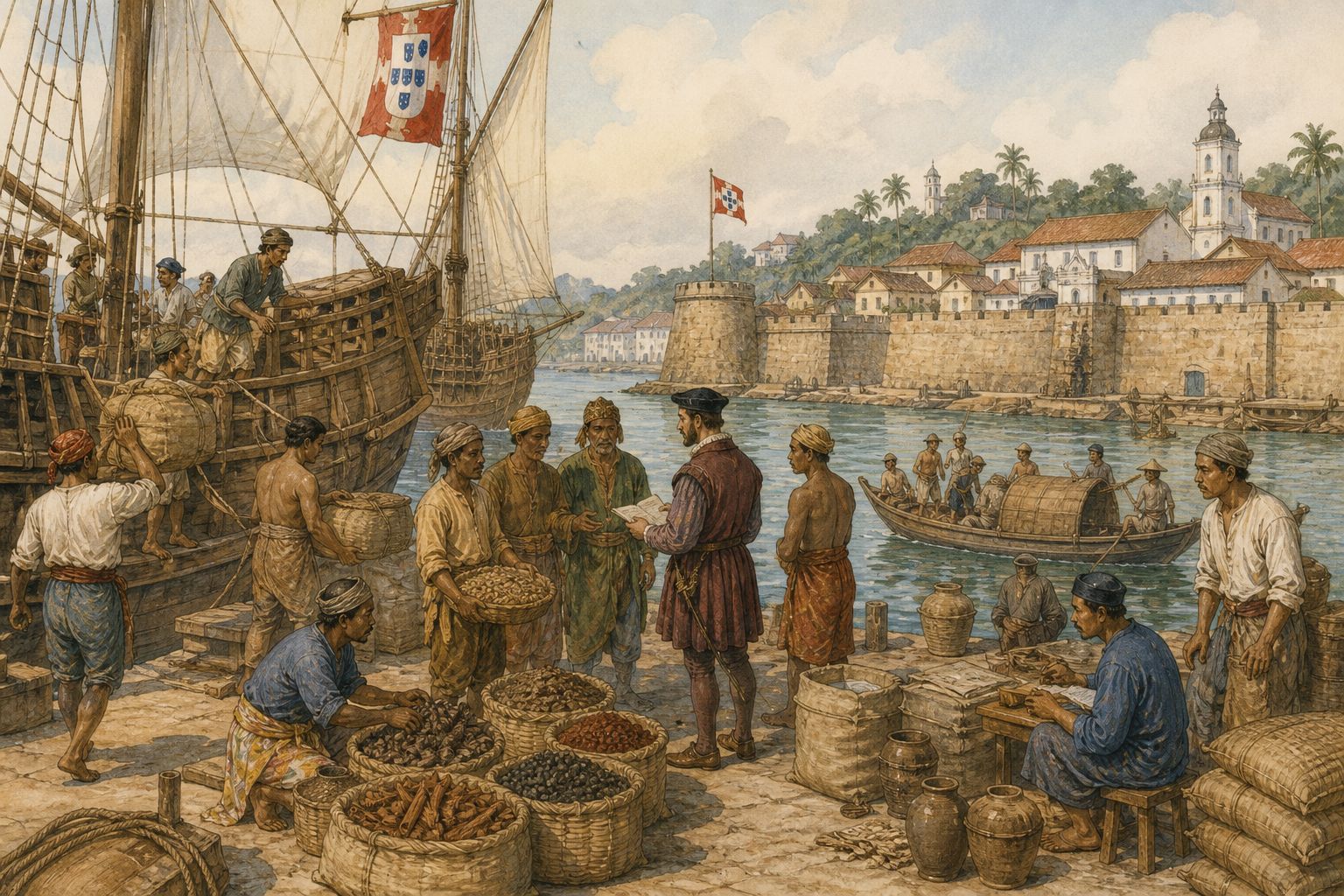
Dutch forces take Portuguese Malacca — In the longer term, it marked a major military intervention by a european maritime empire in indian ocean and southeast asian trade.


Sources
- Portuguese Conquest of Malacca — Timeline (Daiichi Gakushusha)www.daiichi-g.co.jpThis Daiichi Gakushusha resource supports the chronology, setting, and course of Portuguese Conquest of Malacca.
- Portuguese Conquest of Malacca — Portuguese Conquest Of Malacca (Encyclopaedia Britannica)www.britannica.comThis Encyclopaedia Britannica resource supports the chronology, setting, and course of Portuguese Conquest of Malacca.
- Portuguese Conquest of Malacca — Portuguese Conquest Of Malacca (Wikidata)www.wikidata.orgThis Wikidata resource supports the chronology, setting, and course of Portuguese Conquest of Malacca.