Printing Press Revolution
c. 1450–c. 1500
In the mid-fifteenth century, movable metal type and press mechanics transformed the reproduction and circulation of books in Europe, expanding readership and print markets.

- Period
- c. 1450–c. 1500
- Kind
- Political event
- Regions
- Europe
- Keywords
- Printing Press Revolution · letterpress printing · movable metal type · Gutenberg Bible · political event · early modern
Follow the story · Four stages
Background
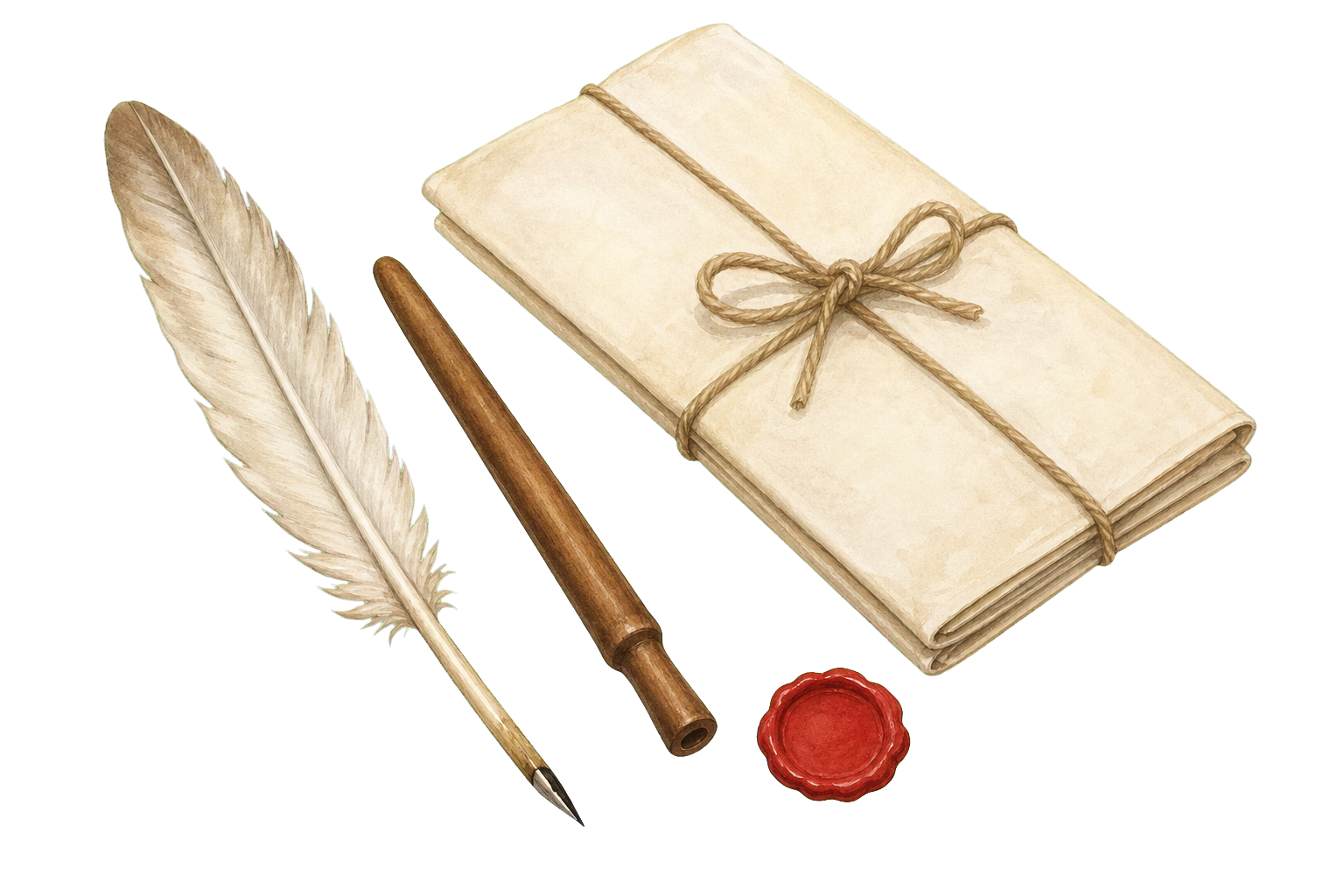
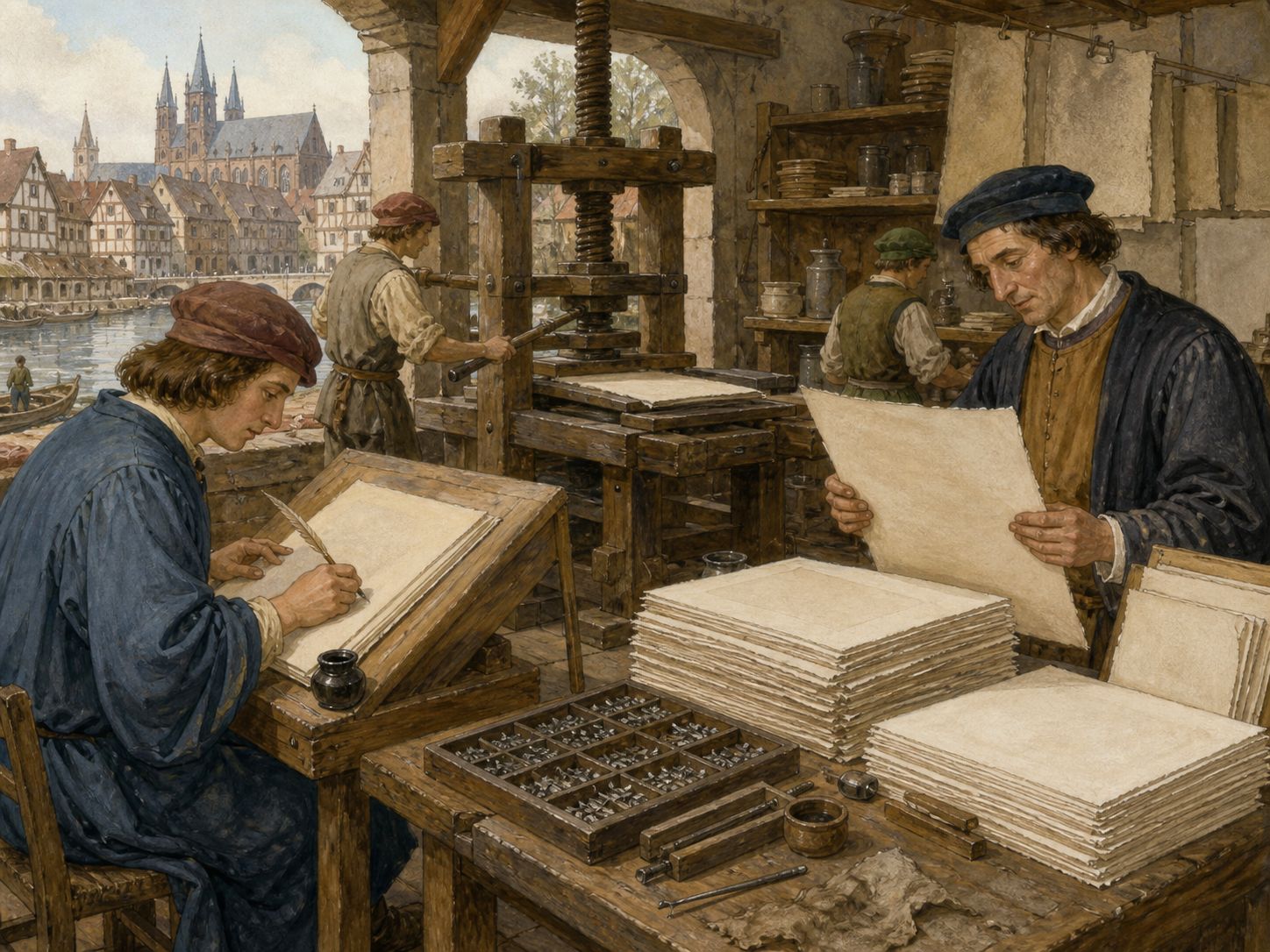
Paper, manuscript culture, metalworking, presses, and demand for books created a technological and commercial setting in which craftsmen in Mainz and Strasbourg developed repeatable printing.
- Scribes and paper supply
- Skill and time in book workshops
- Urban commerce and demand for reading
Course
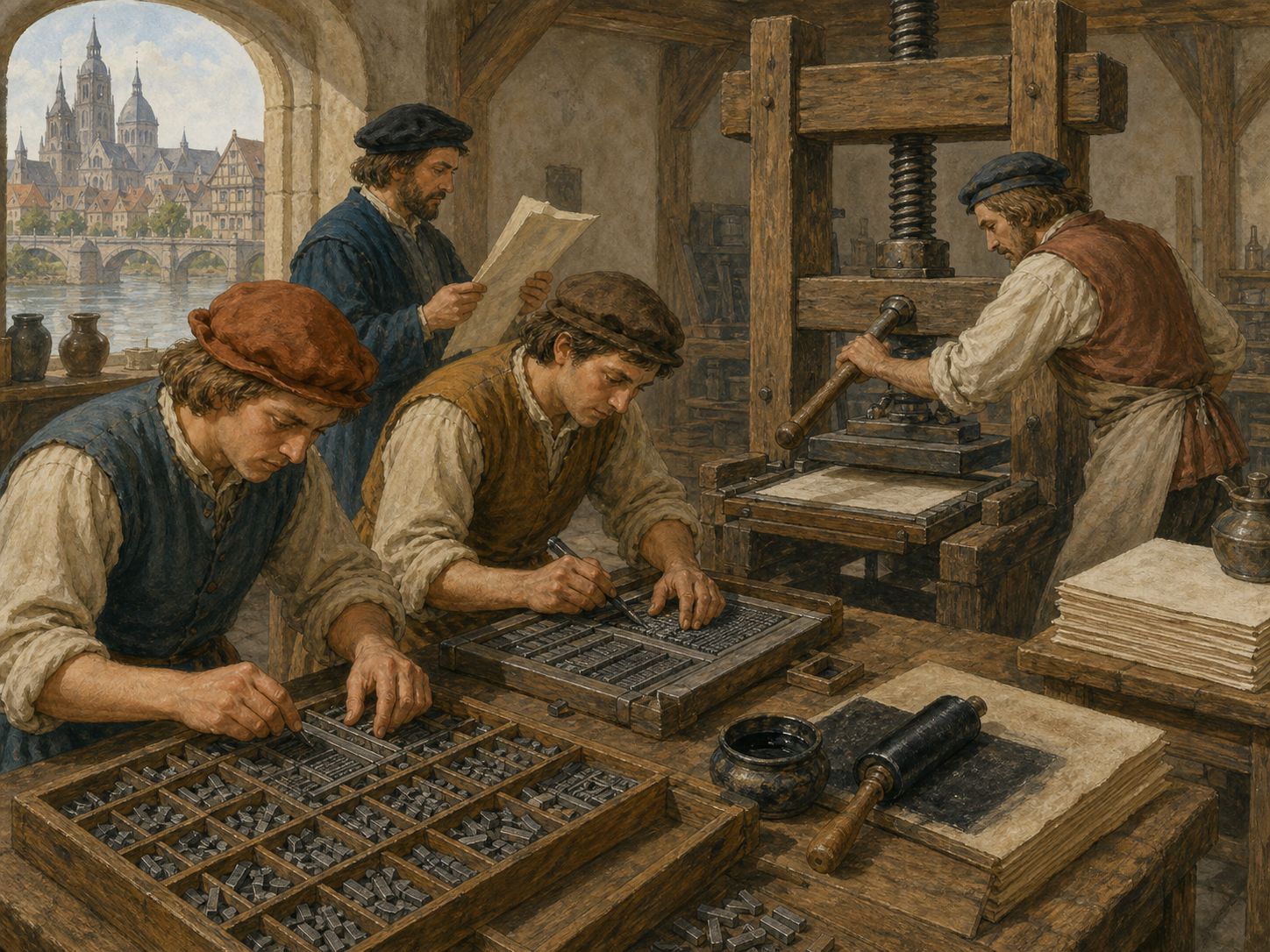
Workshops associated with Gutenberg used movable type and oil-based ink to produce books, including Bibles in the 1450s. Printers and booksellers spread to centers such as Venice and built new distribution networks.
- Compositors arranging type
- Wooden presses and oil-based ink
- Technology moving between cities
Outcome
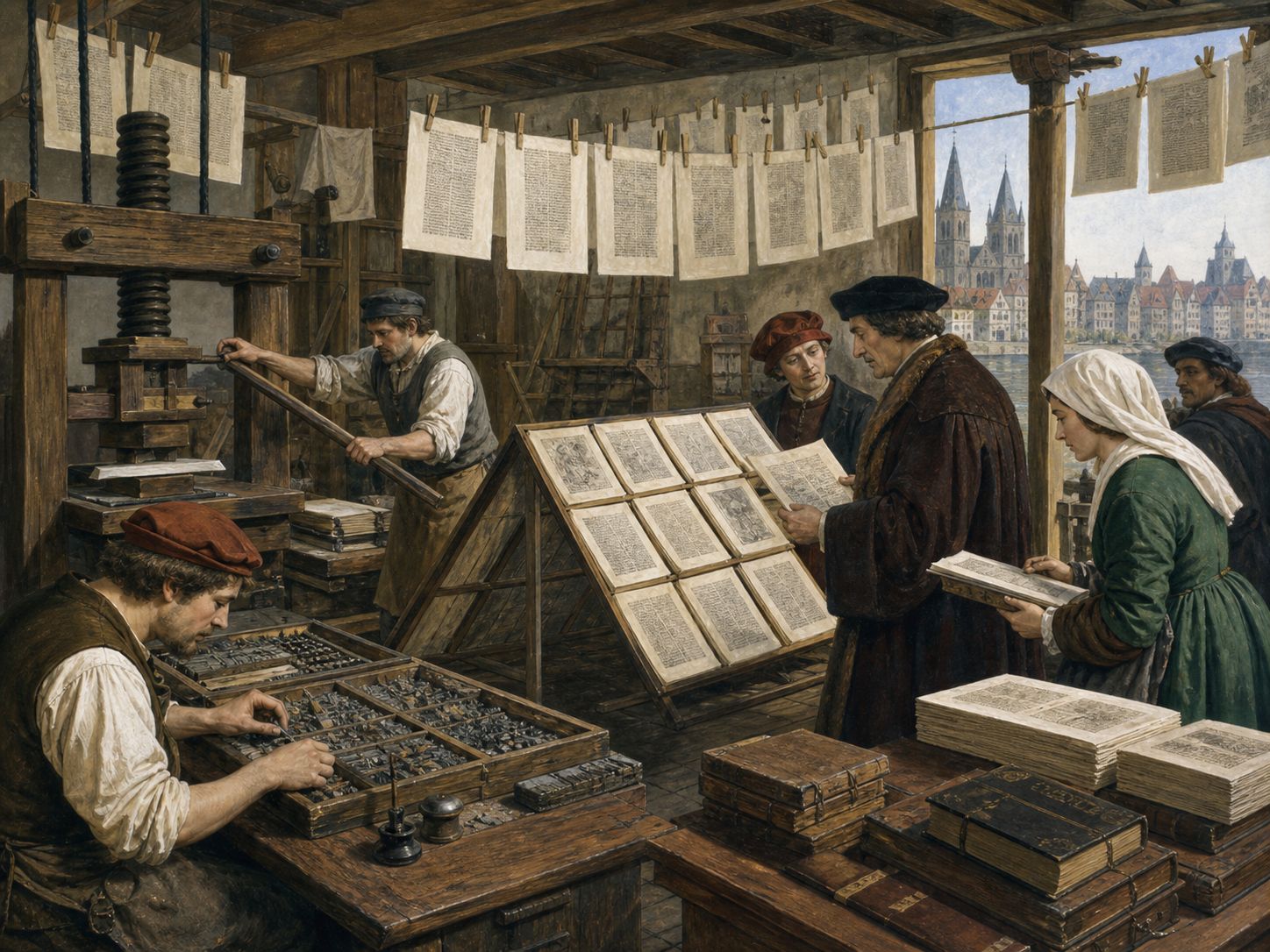
Books circulated beyond dependence on hand copying, accelerating humanism, the Reformation, education, and administrative communication. European printing was also one chapter in a longer history that included earlier East Asian precedents.
- Faster and larger-scale reproduction
- Changes in price and circulation
- Specialization in publishing trades
Historical significance
Printing widened access to knowledge while also scaling censorship, polemic, misinformation, and unequal literacy. The revolution is best understood as an institution involving craftsmen, publishers, readers, and markets, not technology alone.
- A technology that changed copying at scale
- Expansion of religious, scholarly, and political debate
- One foundation of modern information culture
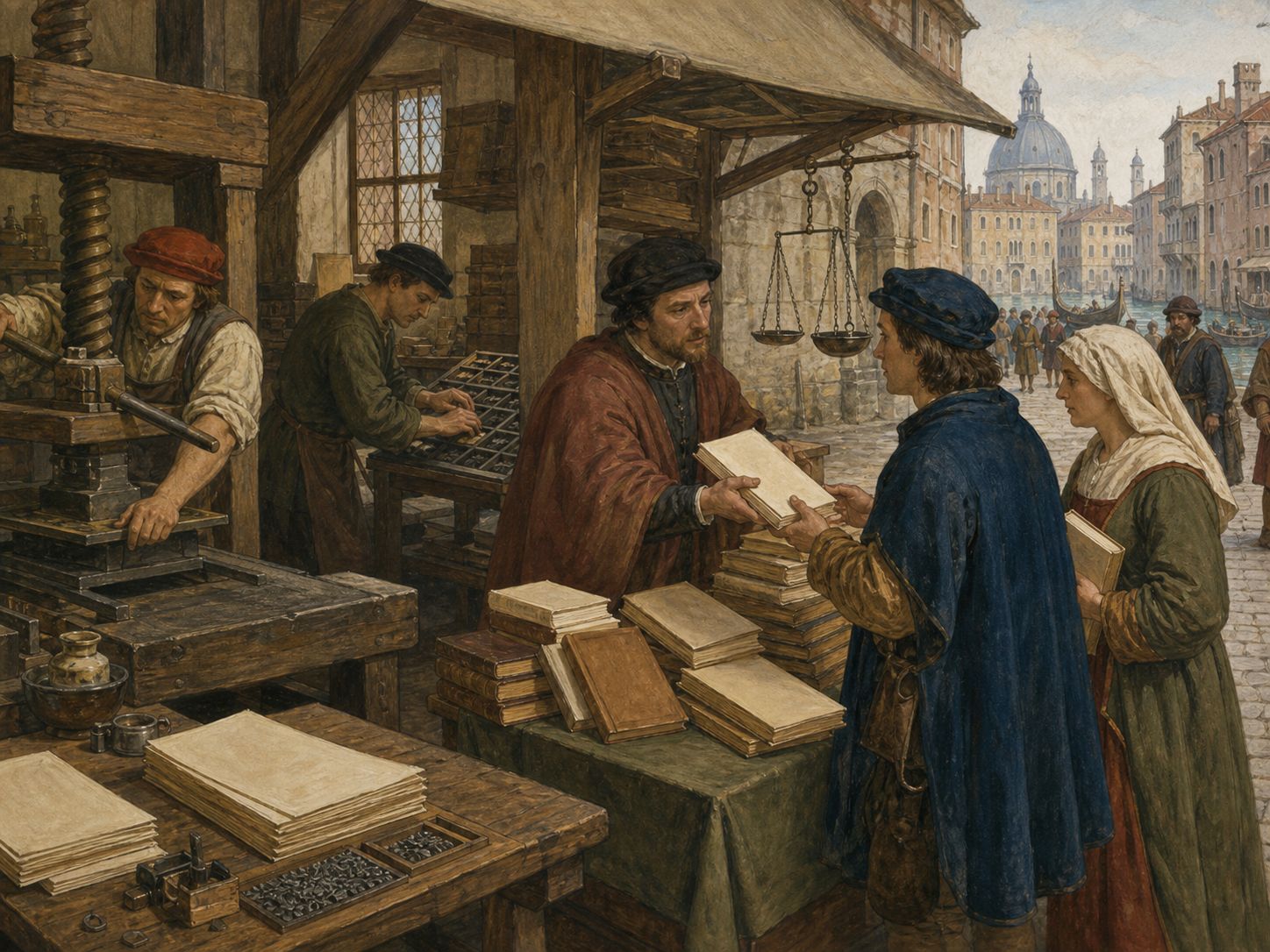


Related events
c. 1400
The manuscript tradition
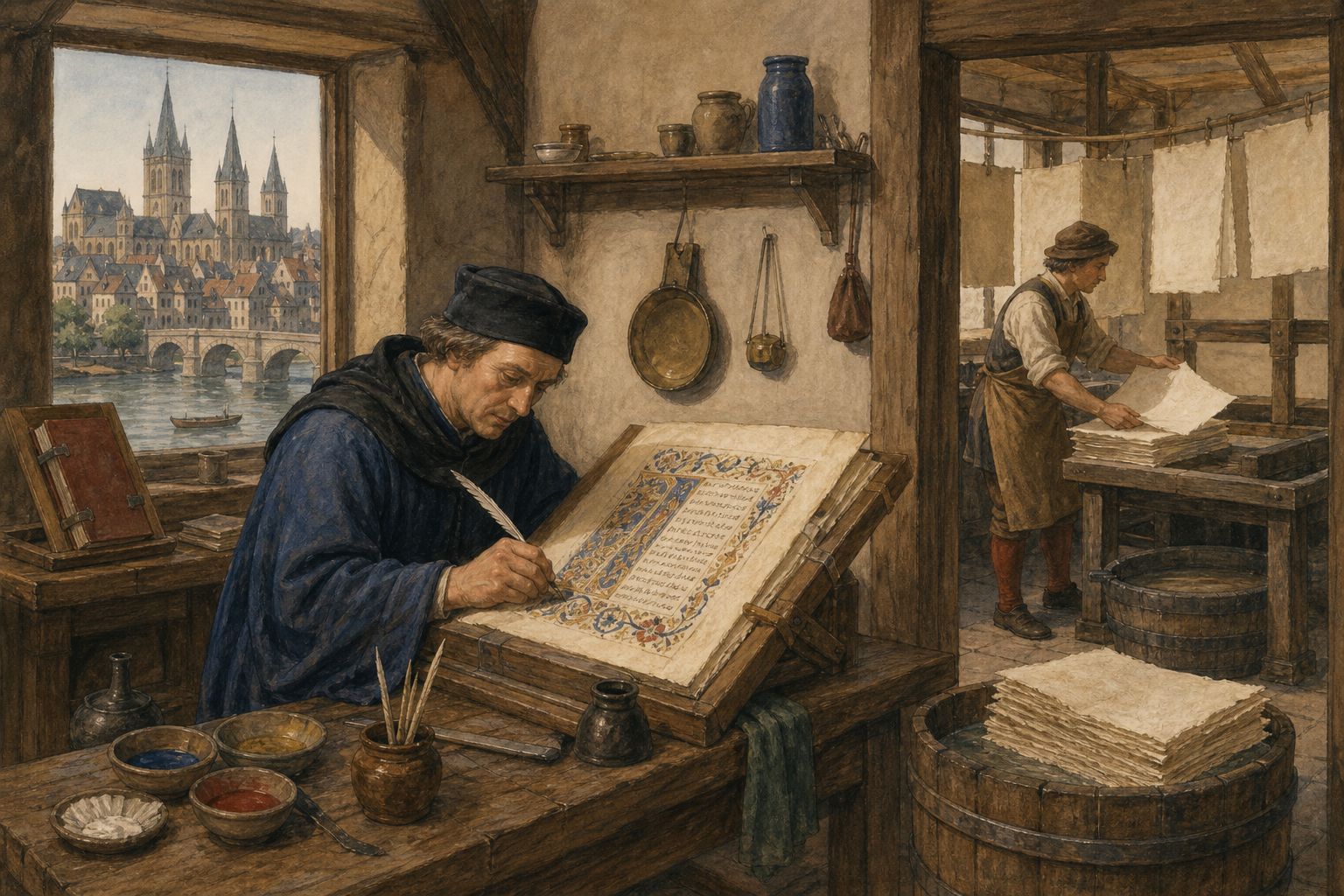
Before printing, knowledge was reproduced by scribes, paper, parchment, and book workshops.
c. 1450
Gutenberg’s workshop
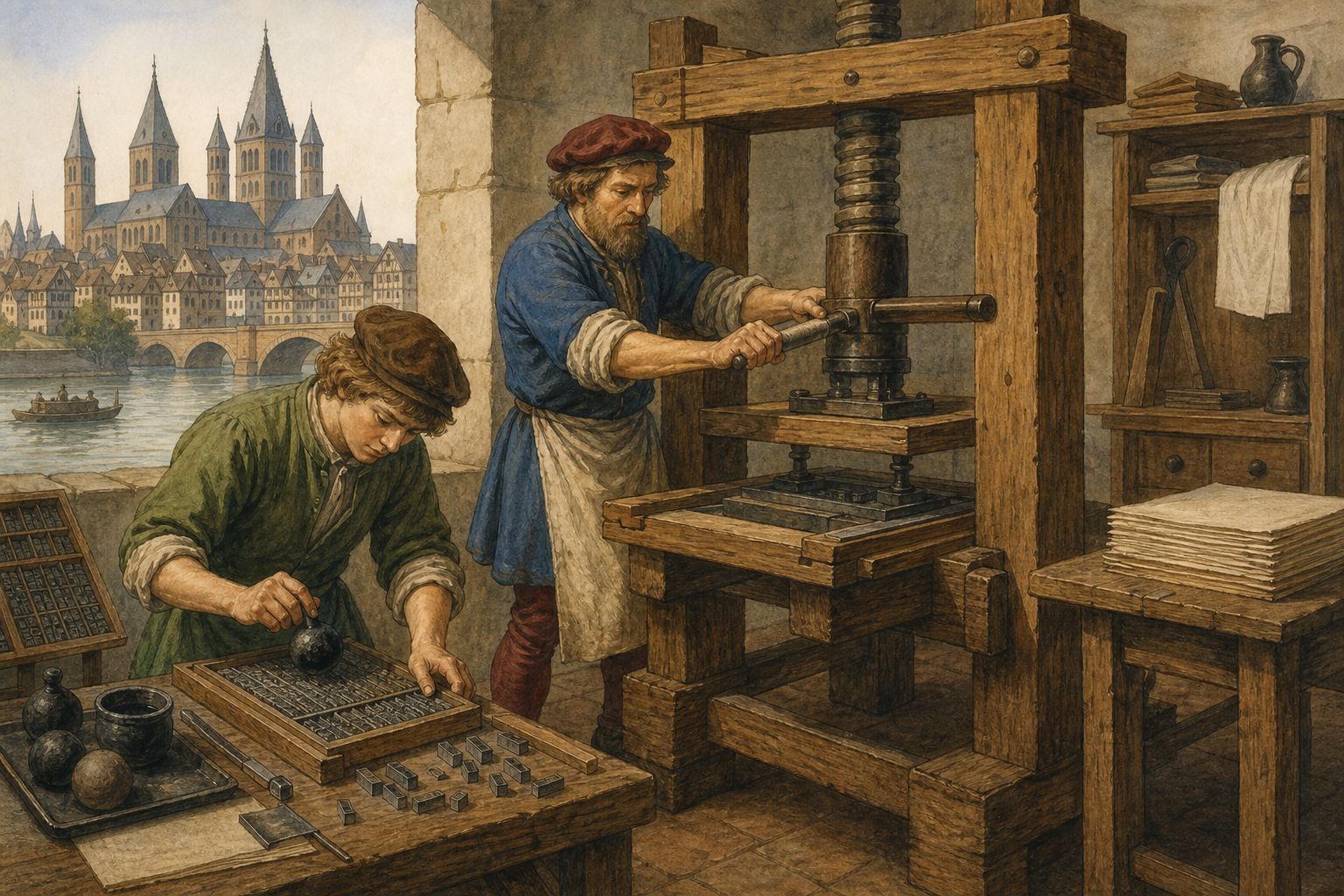
In Mainz, experiments combined movable type, ink, and a wooden press.
c. 1450–c. 1500
The spread of movable type
Current event
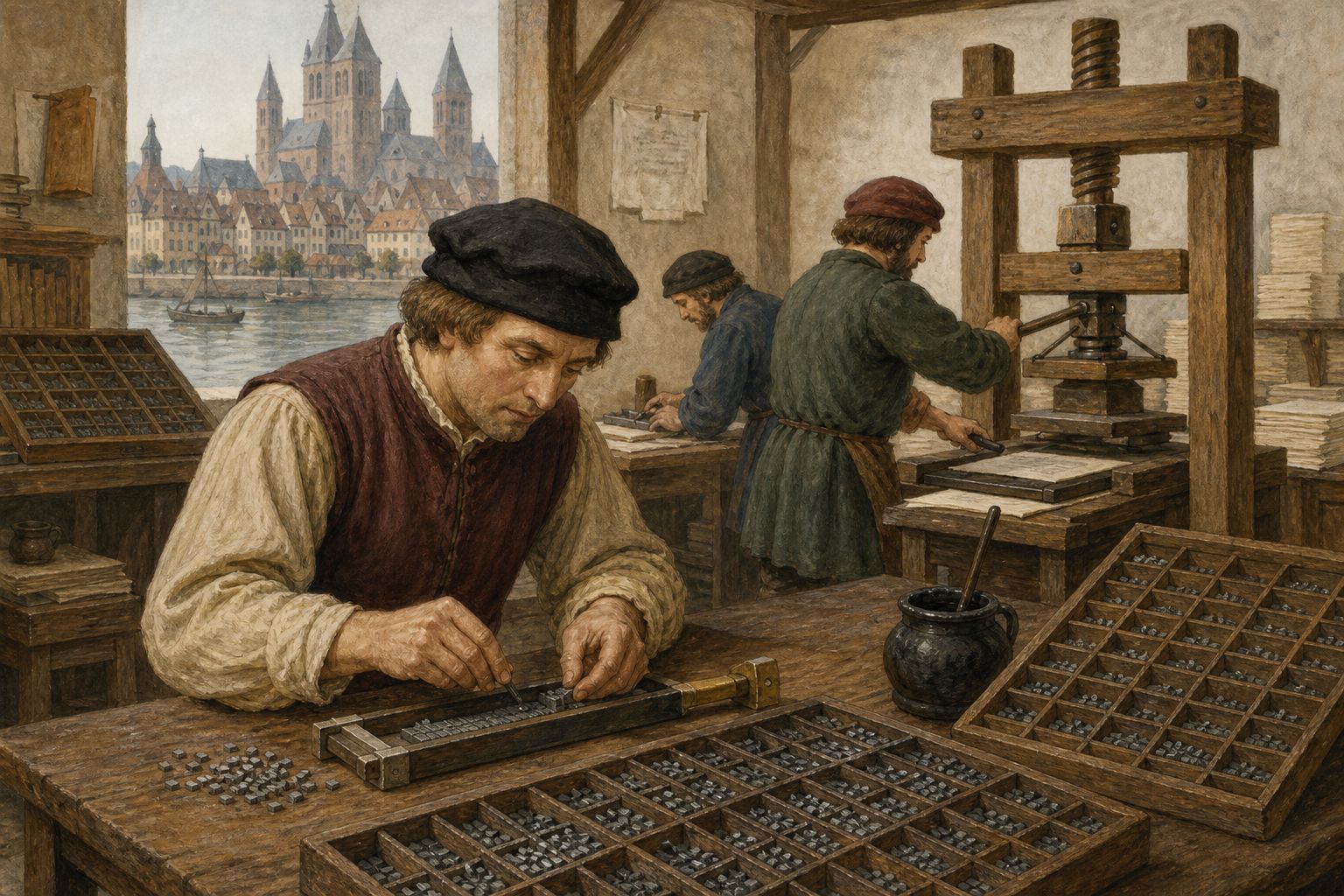
Movable type transformed the speed and scale of book reproduction and spread through urban workshops.
1469
Printing in Venice
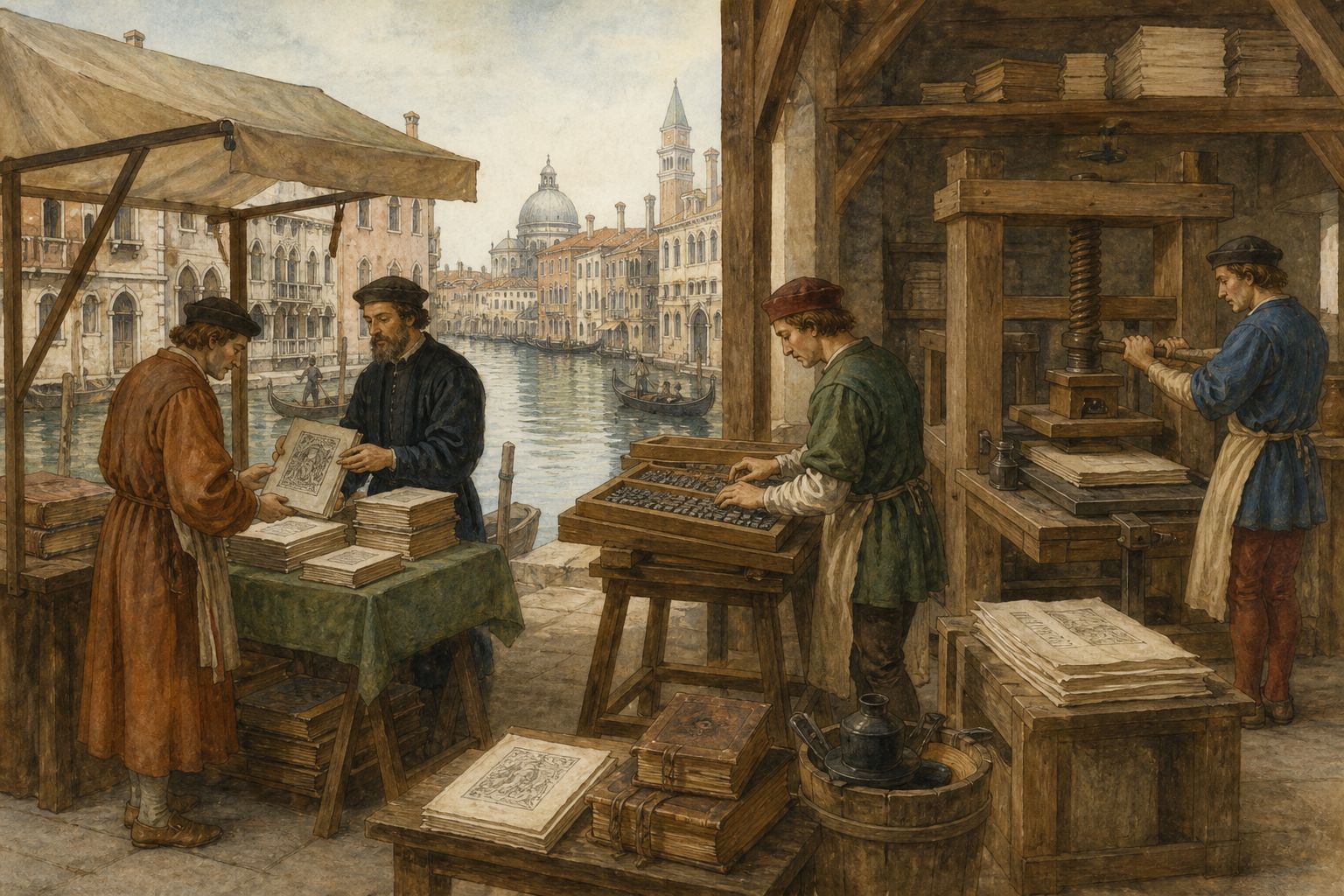
Venice became a commercial and publishing hub that expanded the circulation of printed books.
c. 1500
A print culture takes shape
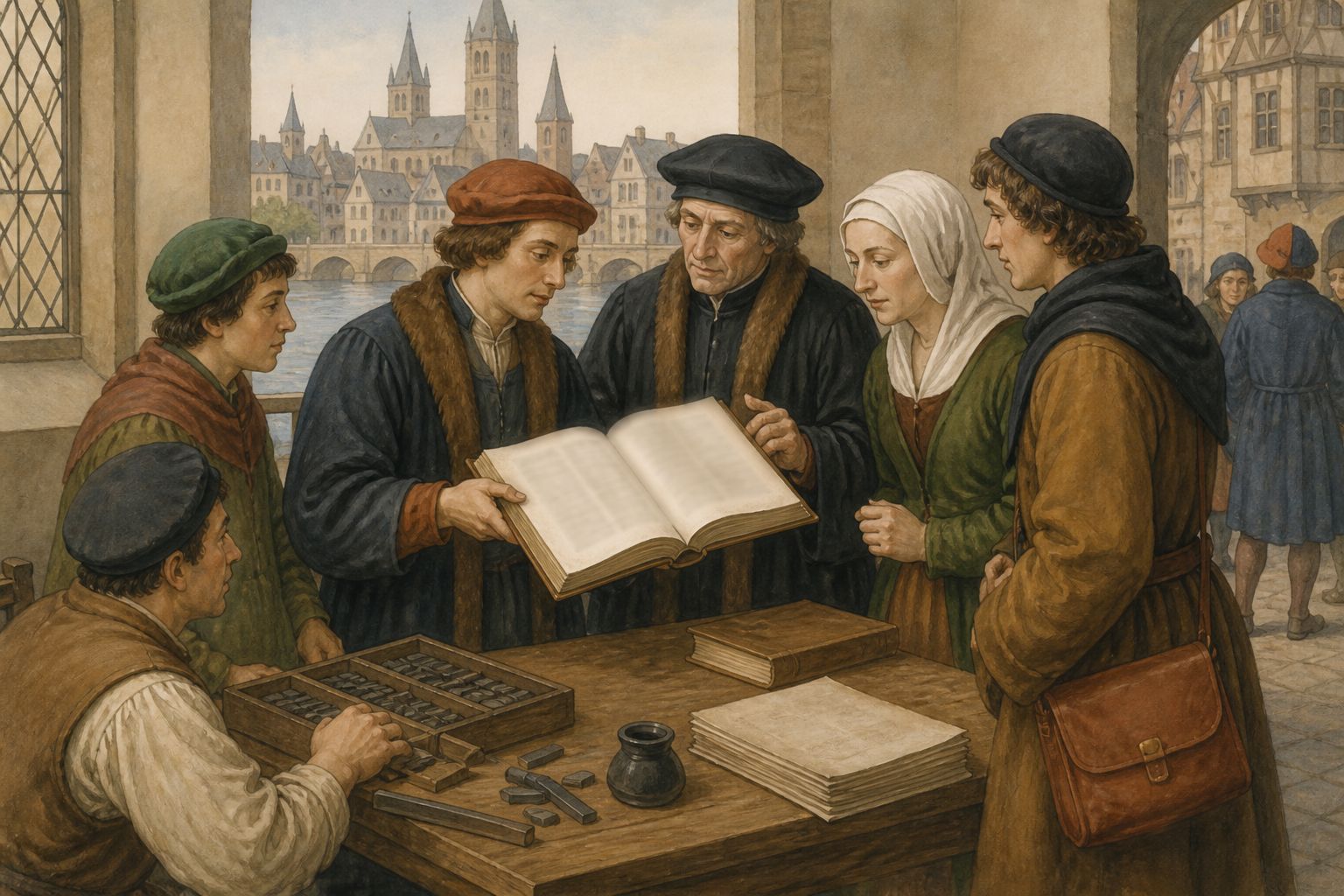
Print connected readers, booksellers, schools, and debates over religious reform.


Sources
- DruckgeschichteGutenberg-Museum MainzThis Mainz resource supports the chronology, setting, and course of Printing Press Revolution.
- A Short History of PrintingUniversity of Chicago LibraryThis Lib resource supports the chronology, setting, and course of Printing Press Revolution.
- Printing: Gutenberg's EuropeBibliothèque nationale de FranceThis Bnf resource supports the chronology, setting, and course of Printing Press Revolution.