Rise and Consolidation of the Great Seljuk Empire
1038–1157
From about 1038 to the mid-twelfth century, Seljuk rulers of Oghuz origin expanded from Khurasan across Iran, Iraq, and parts of Anatolia, combining Sunni legitimacy with court administration.

- Period
- 1038–1157
- Kind
- Political event
- Regions
- Middle East, Central Asia
- Keywords
- Rise and Consolidation of the Great Seljuk Empire · Great Seljuk Empire · Seljuk Empire · Nizam al-Mulk · political-event
Follow the story · Four stages
Background
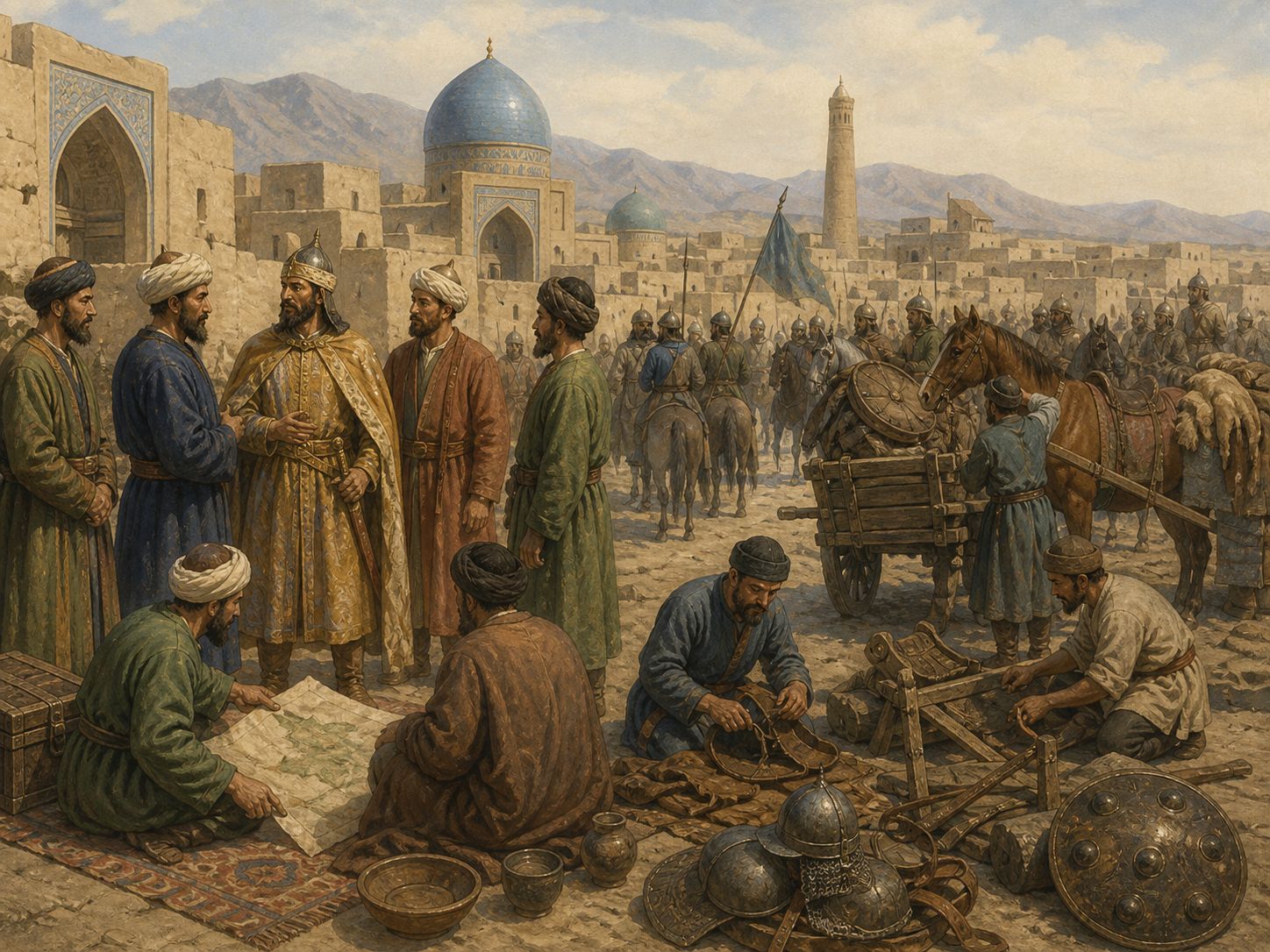
Nomadic powers from Central Asia were entering a world of Islamic dynastic politics, while Ghaznavid and Buyid authority was weakening. Seljuk military power depended on cooperation with urban officials, scholars, and regional elites.
- Nomadic powers from Central Asia were entering a world of Islamic dynastic politics, while Ghaznavid and Buyid authority was weakening.
- Seljuk military power depended on cooperation with urban officials, scholars, and regional elites.
- Core event: From about 1038 to the mid-twelfth century, Seljuk rulers of Oghuz origin expanded from Khurasan across Iran, Iraq, and parts of Anatolia, combining Sunni legitimacy with court administration.
Course
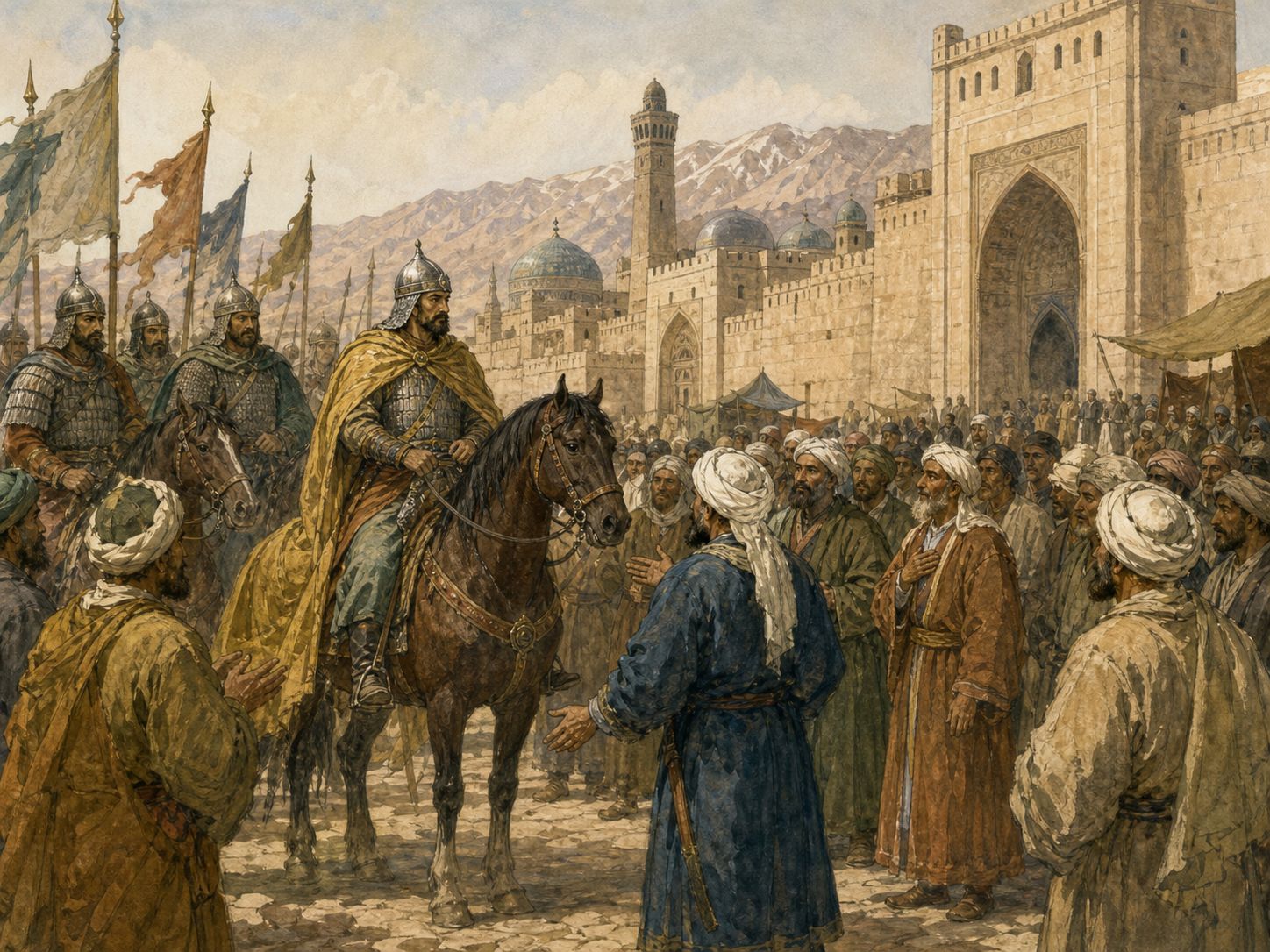
After the victory at Dandanaqan, Tughril Beg and his successors expanded across Iran and entered Baghdad in 1055. Under Alp Arslan and Malik Shah, viziers such as Nizam al-Mulk organized administration and institutions of learning.
- After the victory at Dandanaqan, Tughril Beg and his successors expanded across Iran and entered Baghdad in 1055.
- Under Alp Arslan and Malik Shah, viziers such as Nizam al-Mulk organized administration and institutions of learning.
- Conditions behind the action: Nomadic powers from Central Asia were entering a world of Islamic dynastic politics, while Ghaznavid and Buyid authority was weakening. Seljuk military power depended on cooperation with urban officials, scholars, and regional elites.
Outcome
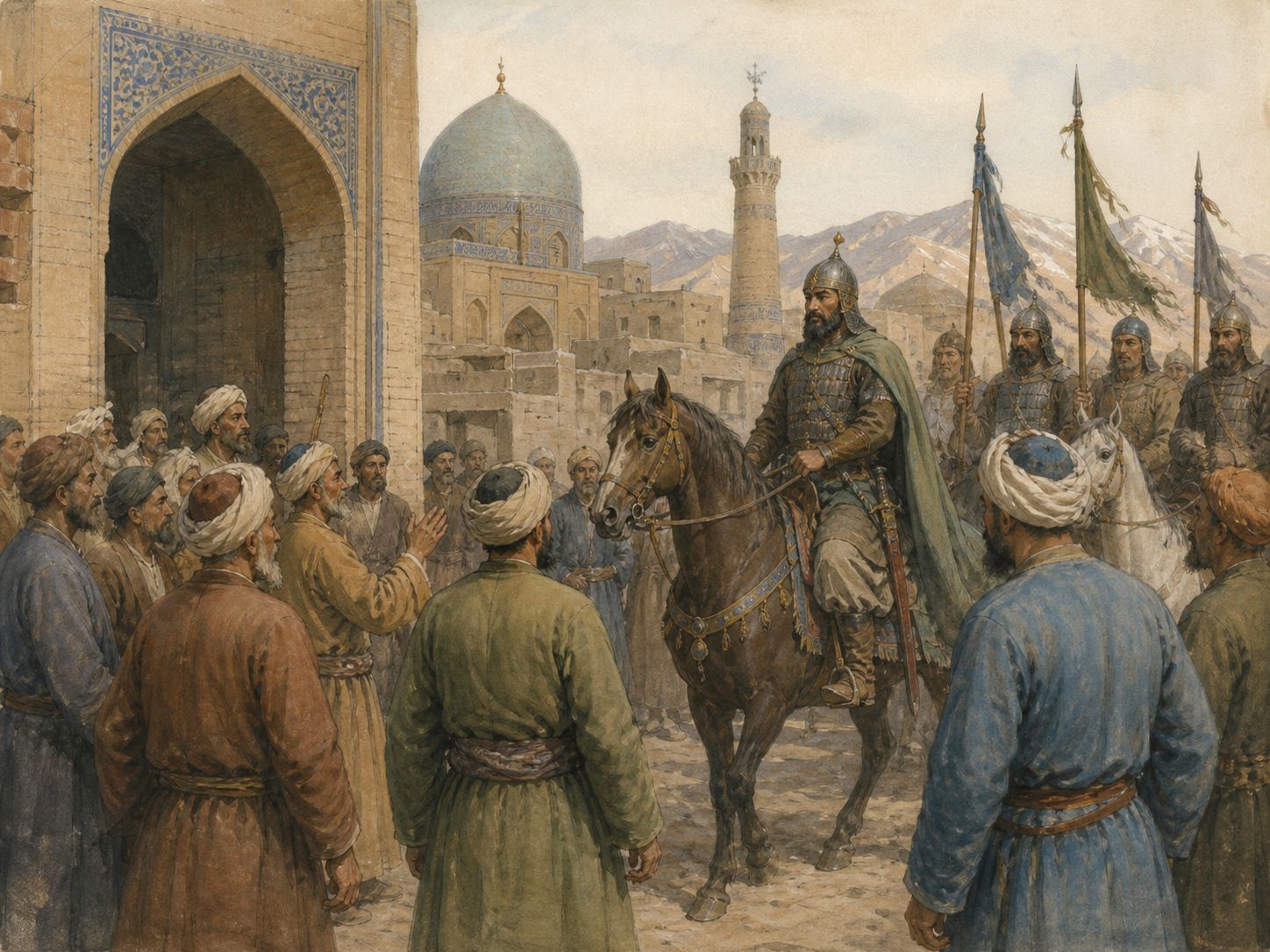
The empire linked Iran, Iraq, Syria, and parts of Anatolia, but succession disputes and regional autonomy divided its branches. The death of Sultan Sanjar in 1157 marked the end of the Great Seljuk center of integration.
- The empire linked Iran, Iraq, Syria, and parts of Anatolia, but succession disputes and regional autonomy divided its branches.
- The death of Sultan Sanjar in 1157 marked the end of the Great Seljuk center of integration.
- Process producing the result: After the victory at Dandanaqan, Tughril Beg and his successors expanded across Iran and entered Baghdad in 1055. Under Alp Arslan and Malik Shah, viziers such as Nizam al-Mulk organized administration and institutions of learning.
Historical significance
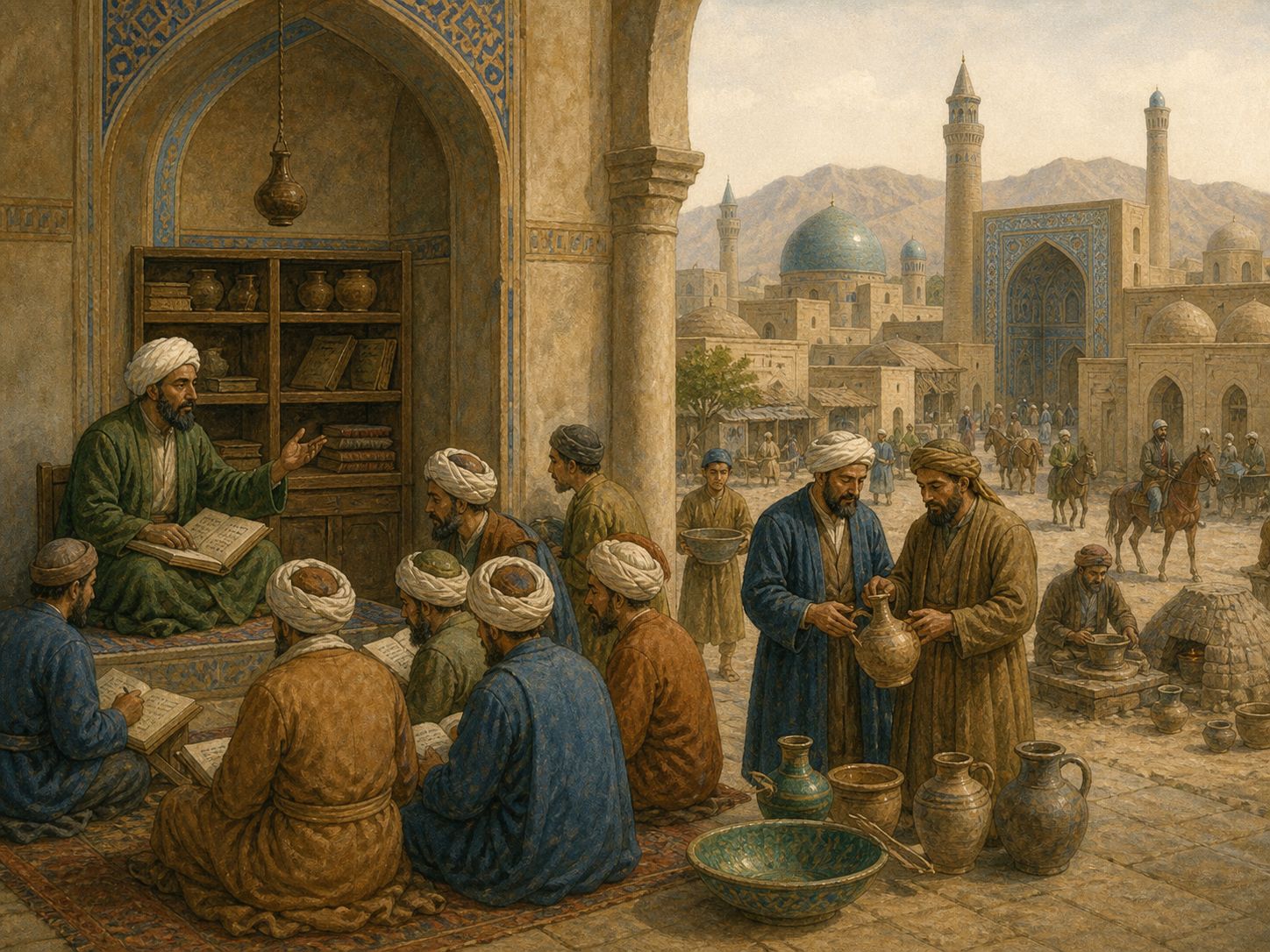
The Seljuk period joined Turkic military elites, Persian bureaucratic culture, and the religious authority of the Abbasid caliph. Its institutions and artistic networks continued through successor dynasties and should not be reduced to a uniform empire.
- The Seljuk period joined Turkic military elites, Persian bureaucratic culture, and the religious authority of the Abbasid caliph.
- Its institutions and artistic networks continued through successor dynasties and should not be reduced to a uniform empire.
- Immediate consequence: The empire linked Iran, Iraq, Syria, and parts of Anatolia, but succession disputes and regional autonomy divided its branches. The death of Sultan Sanjar in 1157 marked the end of the Great Seljuk center of integration.


Related events
c. 1002
Prelude
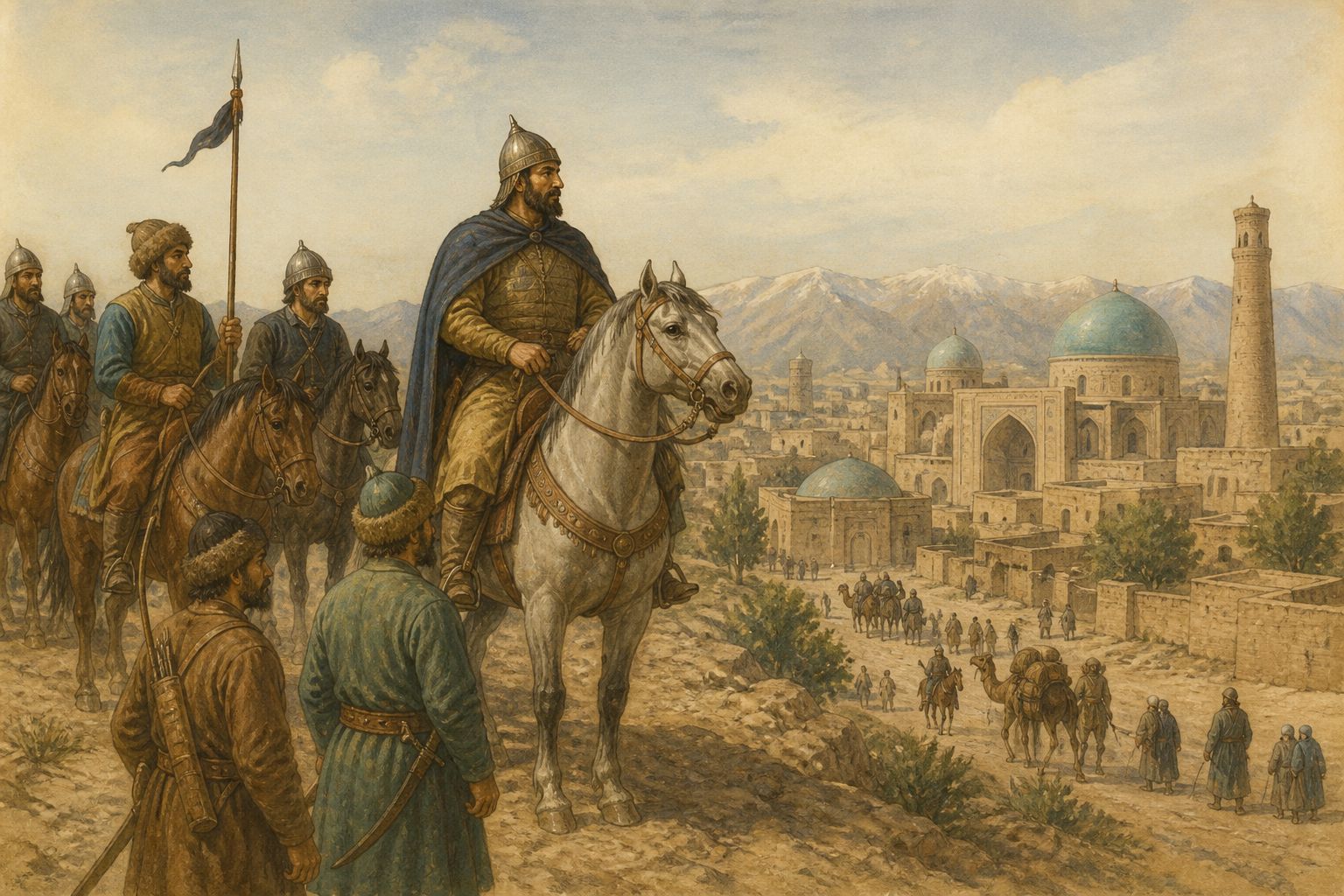
Prelude — Background: Nomadic powers from Central Asia were entering a world of Islamic dynastic politics, while Ghaznavid and Buyid authority was weakening. Seljuk military power depended on cooperation with urban officials, scholars, and regional elites.
c. 1037
Turning point
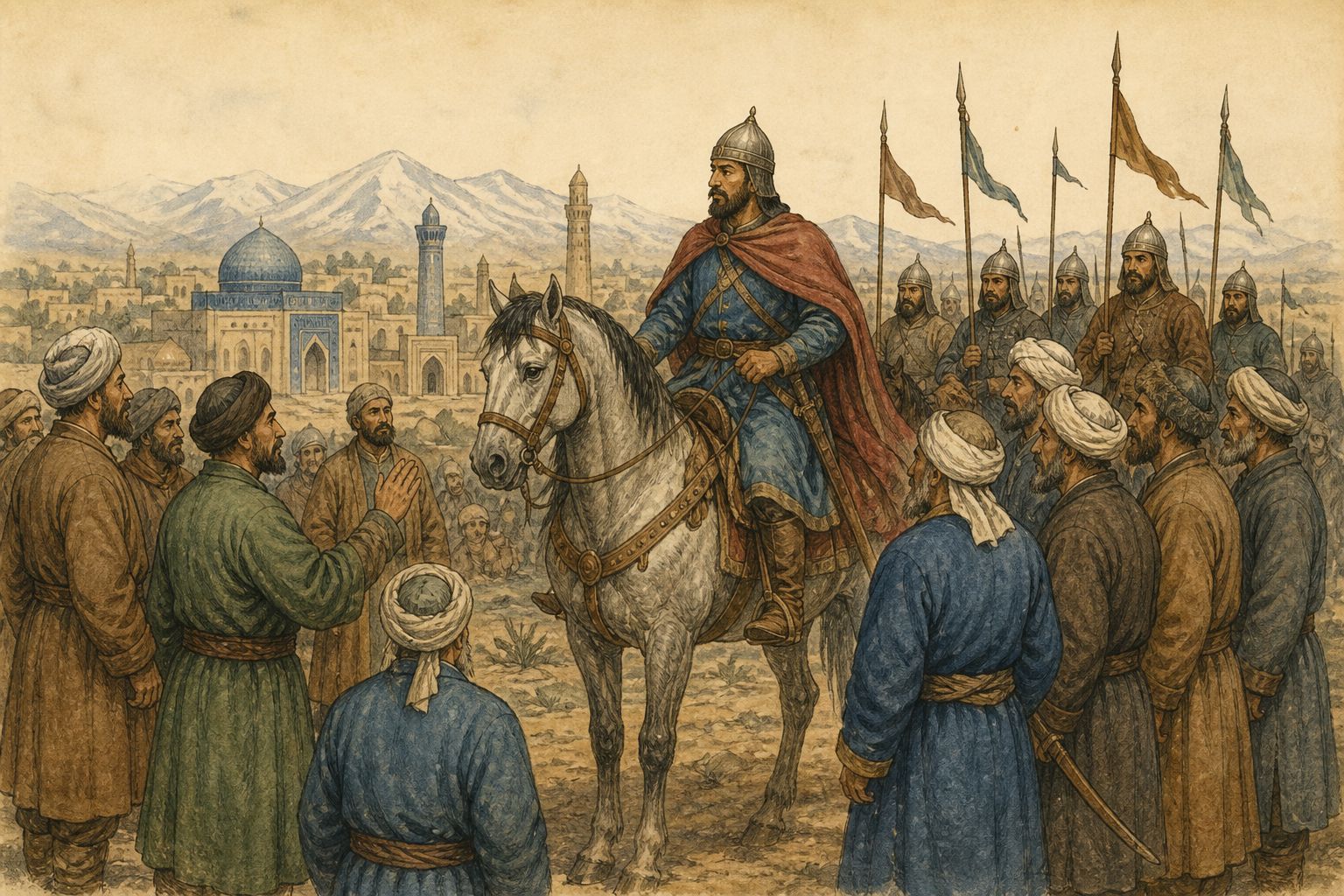
Turning point — Build-up: After the victory at Dandanaqan, Tughril Beg and his successors expanded across Iran and entered Baghdad in 1055. Under Alp Arslan and Malik Shah, viziers such as Nizam al-Mulk organized administration and institutions of learning.
1038–1157
Rise and Consolidation of the Great Seljuk Empire
Current event
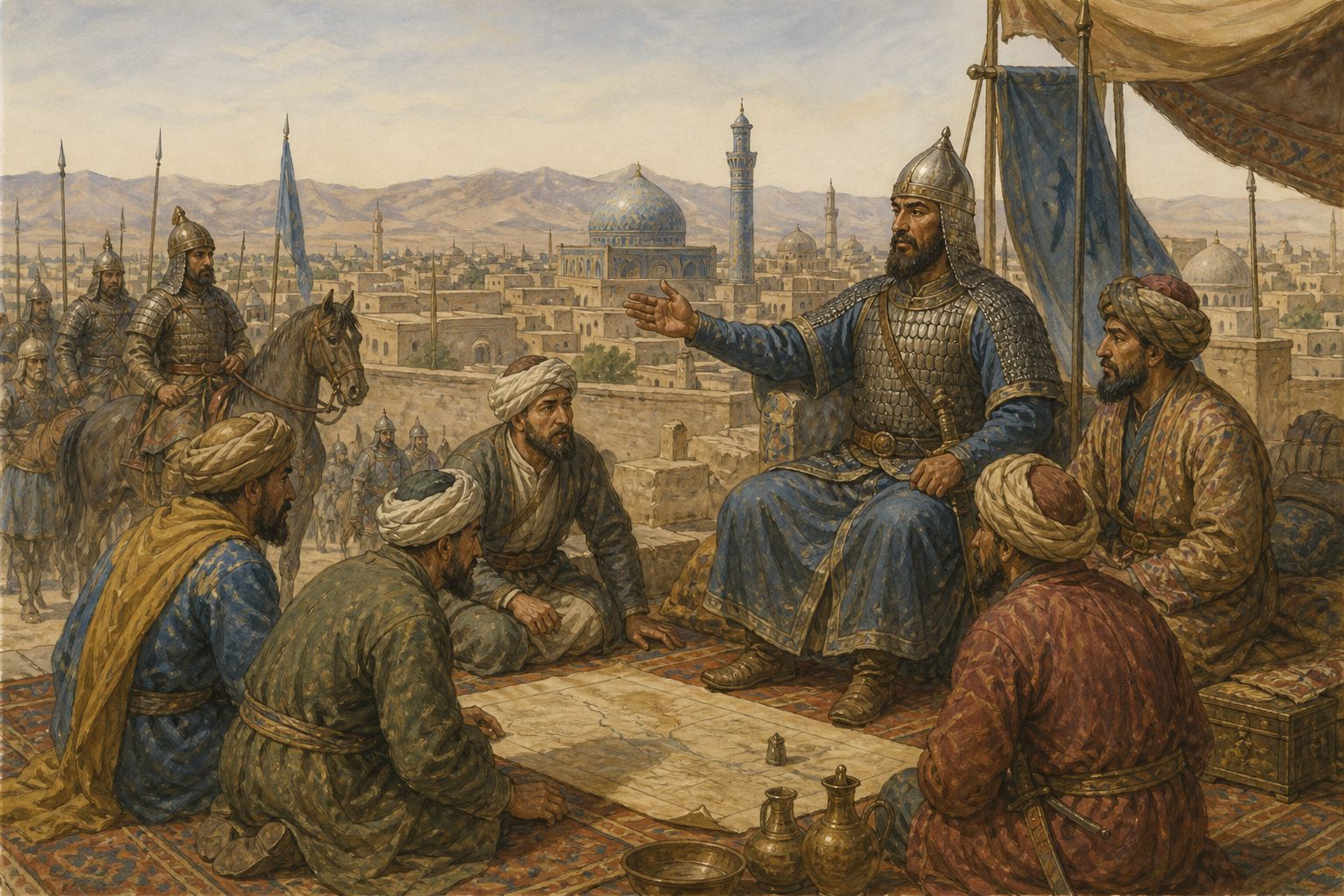
Rise and Consolidation of the Great Seljuk Empire — Central transition: From about 1038 to the mid-twelfth century, Seljuk rulers of Oghuz origin expanded from Khurasan across Iran, Iraq, and parts of Anatolia, combining Sunni legitimacy with court administration.
c. 1199
Immediate aftermath
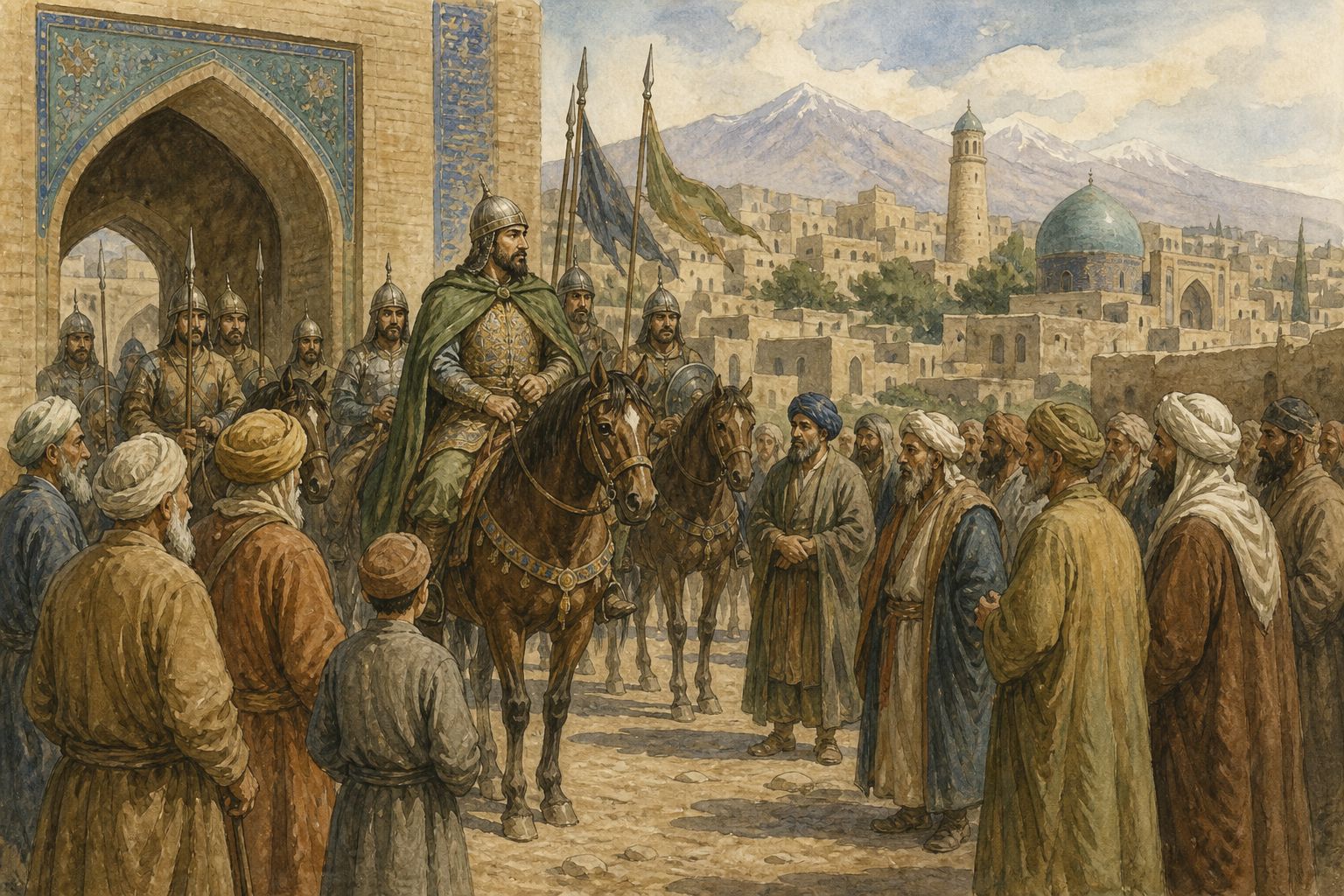
Immediate aftermath — Immediate result: The empire linked Iran, Iraq, Syria, and parts of Anatolia, but succession disputes and regional autonomy divided its branches. The death of Sultan Sanjar in 1157 marked the end of the Great Seljuk center of integration.
c. 1336
Long-term significance
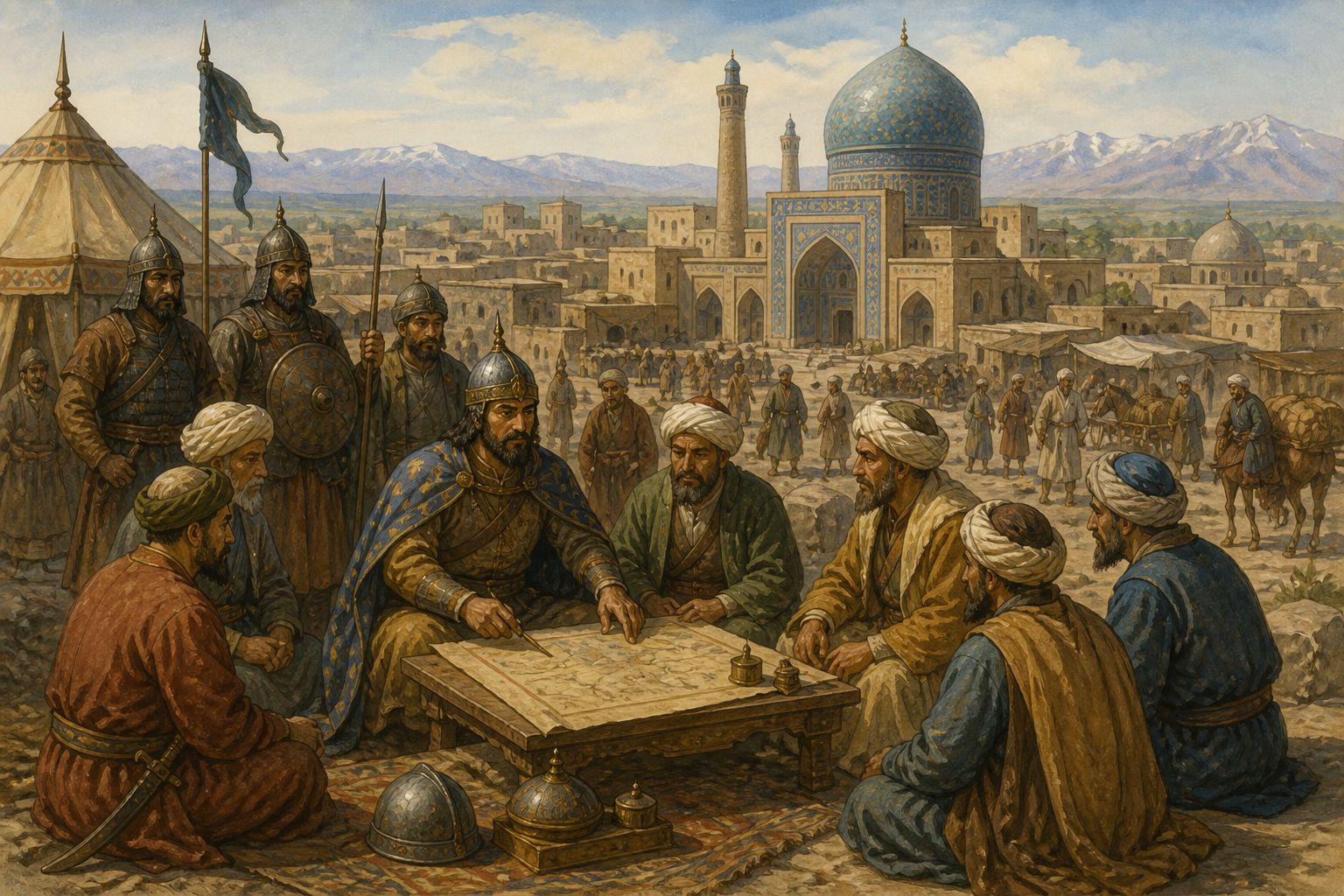
Long-term significance — Long-term significance: The Seljuk period joined Turkic military elites, Persian bureaucratic culture, and the religious authority of the Abbasid caliph. Its institutions and artistic networks continued through successor dynasties and should not be reduced to a uniform empire.


Sources
- Rise and Consolidation of the Great Seljuk Empire — The Seljuqs And Their Successors Iran And Central Asia C 1040 1250 (The Metropolitan Museum of Art)metmuseum.orgThis The Metropolitan Museum of Art resource supports the chronology, setting, and course of Rise and Consolidation of the Great Seljuk Empire.
- Rise and Consolidation of the Great Seljuk Empire — Saljuqs I History (Iranicaonline)iranicaonline.orgThis Iranicaonline resource supports the chronology, setting, and course of Rise and Consolidation of the Great Seljuk Empire.
- Rise and Consolidation of the Great Seljuk Empire — Seljuq (Encyclopaedia Britannica)britannica.comThis Encyclopaedia Britannica resource supports the chronology, setting, and course of Rise and Consolidation of the Great Seljuk Empire.