
Rise of the Achaemenid Empire
c. 550 BC
Around 550 BCE, Cyrus II defeated the Median kingdom and established the power base from which the Achaemenid dynasty grew into a major West Asian empire.

- Period
- c. 550 BC
- Kind
- Political event
- Regions
- Middle East
- Keywords
- Rise of the Achaemenid Empire · Achaemenid Empire · First Persian Empire · Cyrus the Great · political-event
Follow the story · Four stages
Background
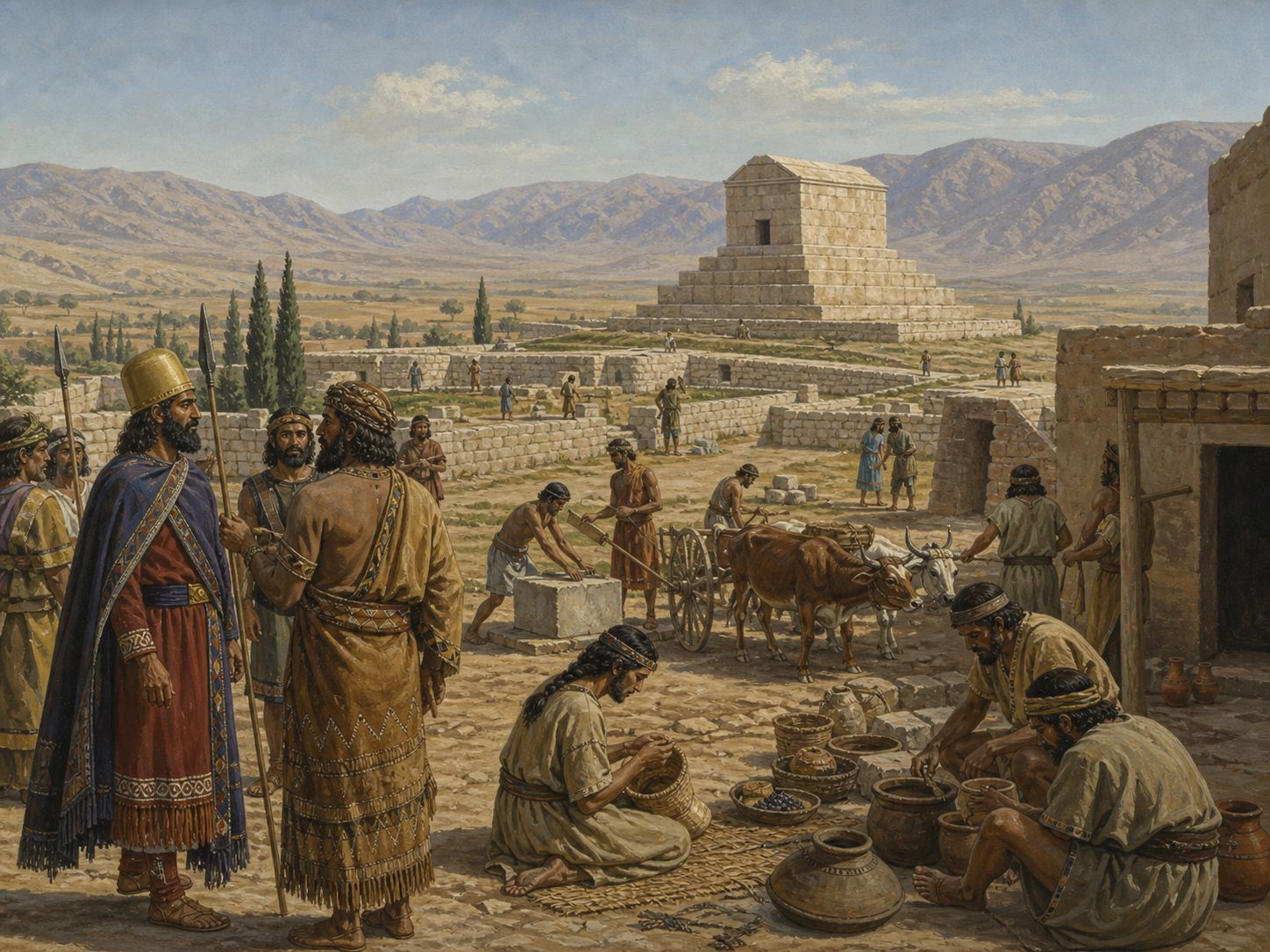
The Persian royal house had operated within a world shaped by Median power, while Lydia and Neo-Babylonia competed for influence. Accounts of Cyrus rely partly on later Greek narratives, so the details of his early conquests require caution.
- The Persian royal house had operated within a world shaped by Median power, while Lydia and Neo-Babylonia competed for influence.
- Accounts of Cyrus rely partly on later Greek narratives, so the details of his early conquests require caution.
- Core event: Around 550 BCE, Cyrus II defeated the Median kingdom and established the power base from which the Achaemenid dynasty grew into a major West Asian empire.
Course
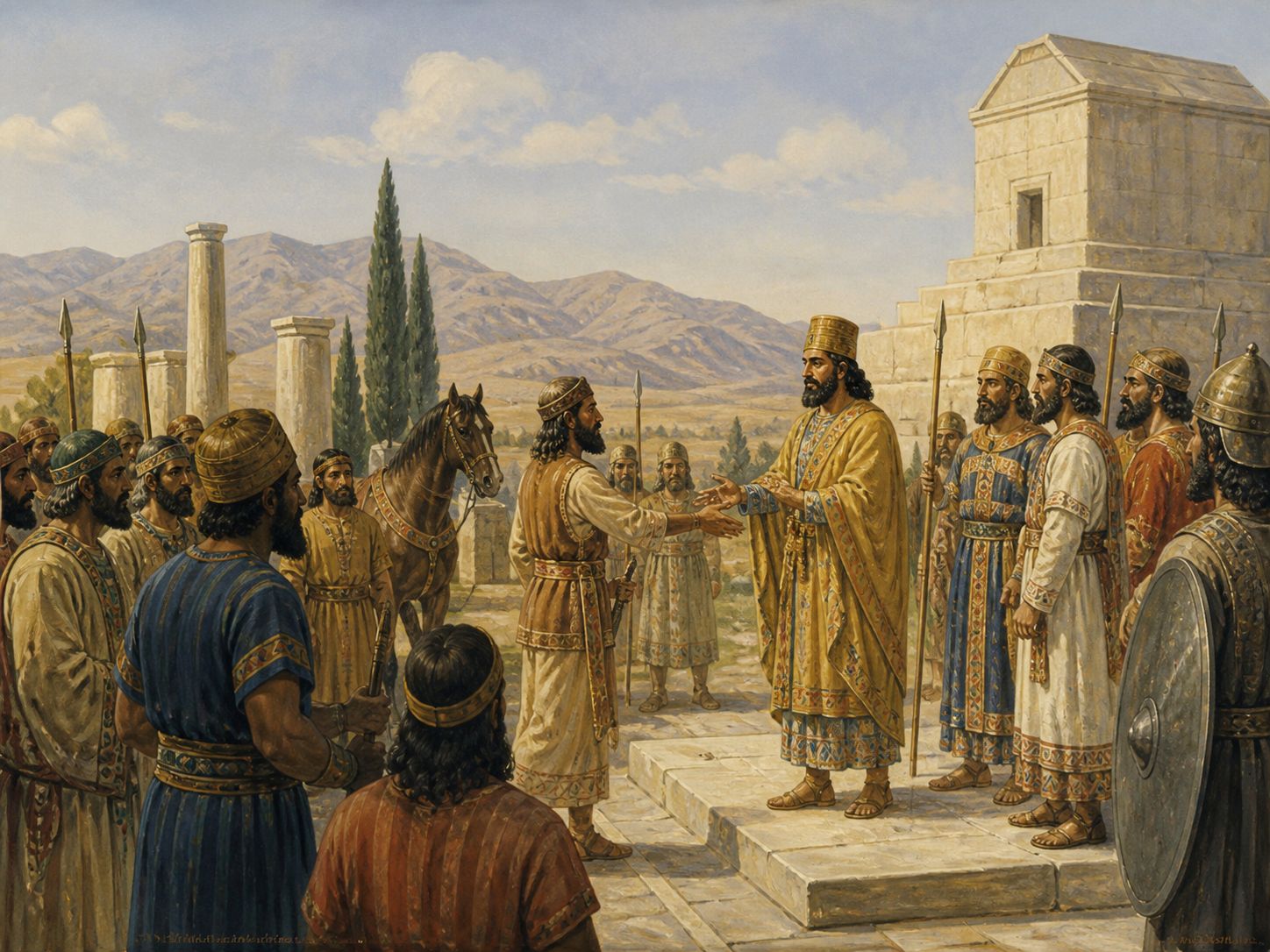
After defeating the Medes, Cyrus brought Lydia in Anatolia and Babylon in Mesopotamia under his rule. His son Cambyses II later conquered Egypt, extending the empire across several cultural and ecological zones.
- After defeating the Medes, Cyrus brought Lydia in Anatolia and Babylon in Mesopotamia under his rule.
- His son Cambyses II later conquered Egypt, extending the empire across several cultural and ecological zones.
- Conditions behind the action: The Persian royal house had operated within a world shaped by Median power, while Lydia and Neo-Babylonia competed for influence. Accounts of Cyrus rely partly on later Greek narratives, so the details of his early conquests require caution.
Outcome
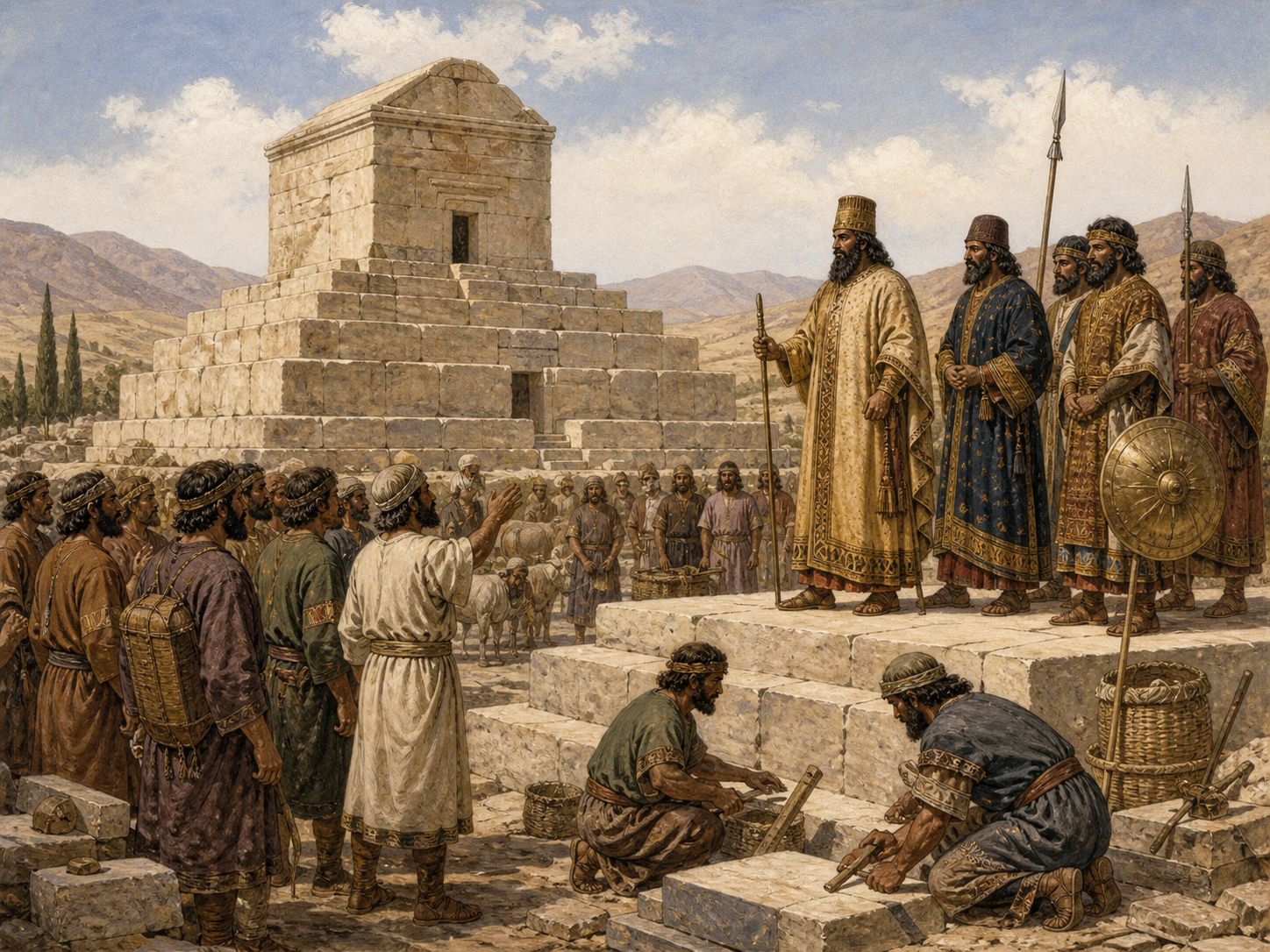
Royal roads, provincial administration, taxation, and multilingual records connected a vast territory. Rule often combined tribute and allegiance to the king with the continuation of local cults and customs rather than uniform cultural replacement.
- Royal roads, provincial administration, taxation, and multilingual records connected a vast territory.
- Rule often combined tribute and allegiance to the king with the continuation of local cults and customs rather than uniform cultural replacement.
- Process producing the result: After defeating the Medes, Cyrus brought Lydia in Anatolia and Babylon in Mesopotamia under his rule. His son Cambyses II later conquered Egypt, extending the empire across several cultural and ecological zones.
Historical significance
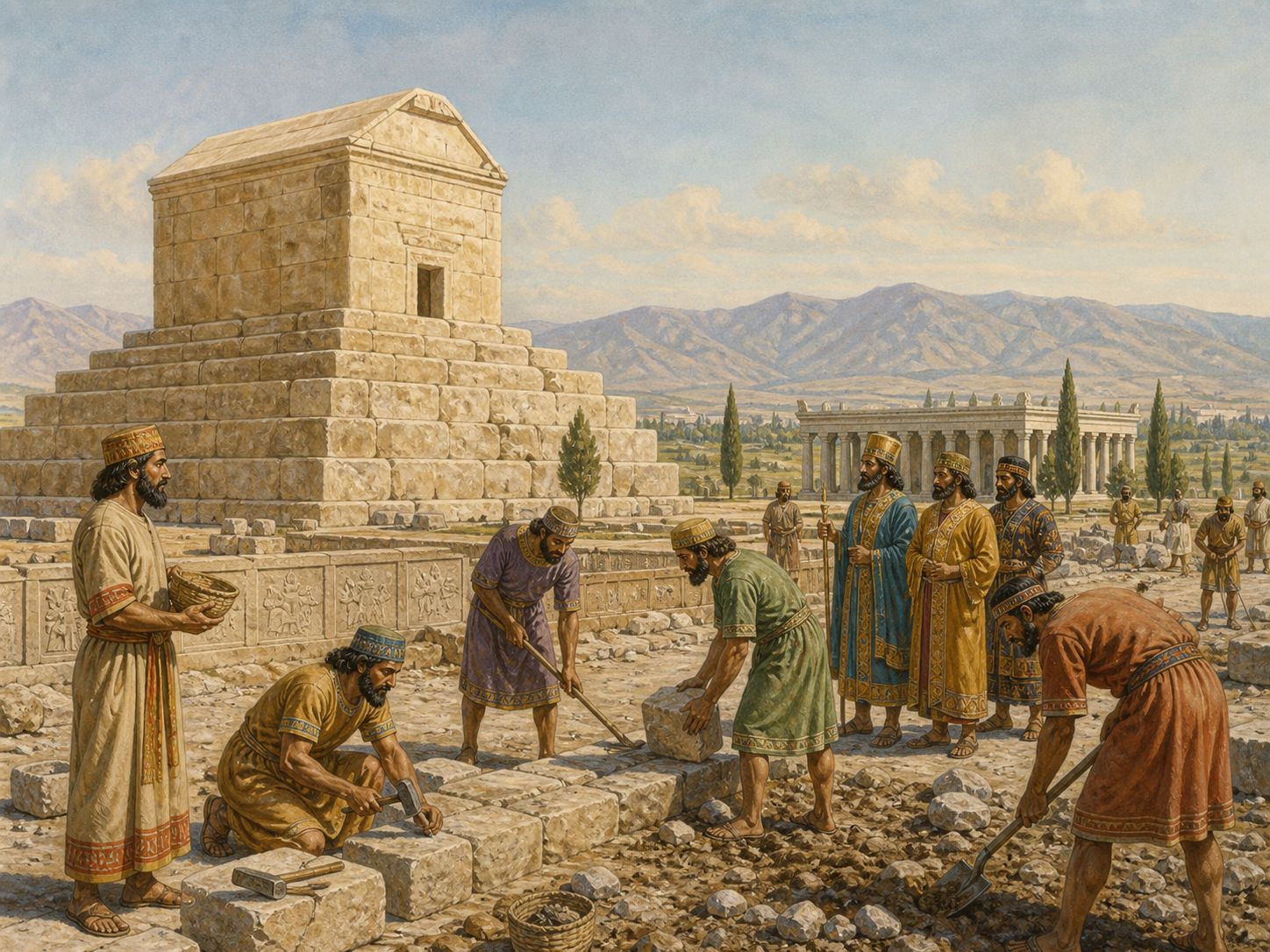
The Achaemenid polity left a major model of imperial administration from Iran to the Aegean, Egypt, and Central Asia. Later images of a uniquely tolerant empire must be read alongside royal propaganda and the varied experiences of subjects.
- The Achaemenid polity left a major model of imperial administration from Iran to the Aegean, Egypt, and Central Asia.
- Later images of a uniquely tolerant empire must be read alongside royal propaganda and the varied experiences of subjects.
- Immediate consequence: Royal roads, provincial administration, taxation, and multilingual records connected a vast territory. Rule often combined tribute and allegiance to the king with the continuation of local cults and customs rather than uniform cultural replacement.


Related events
c. 551 BC
Prelude
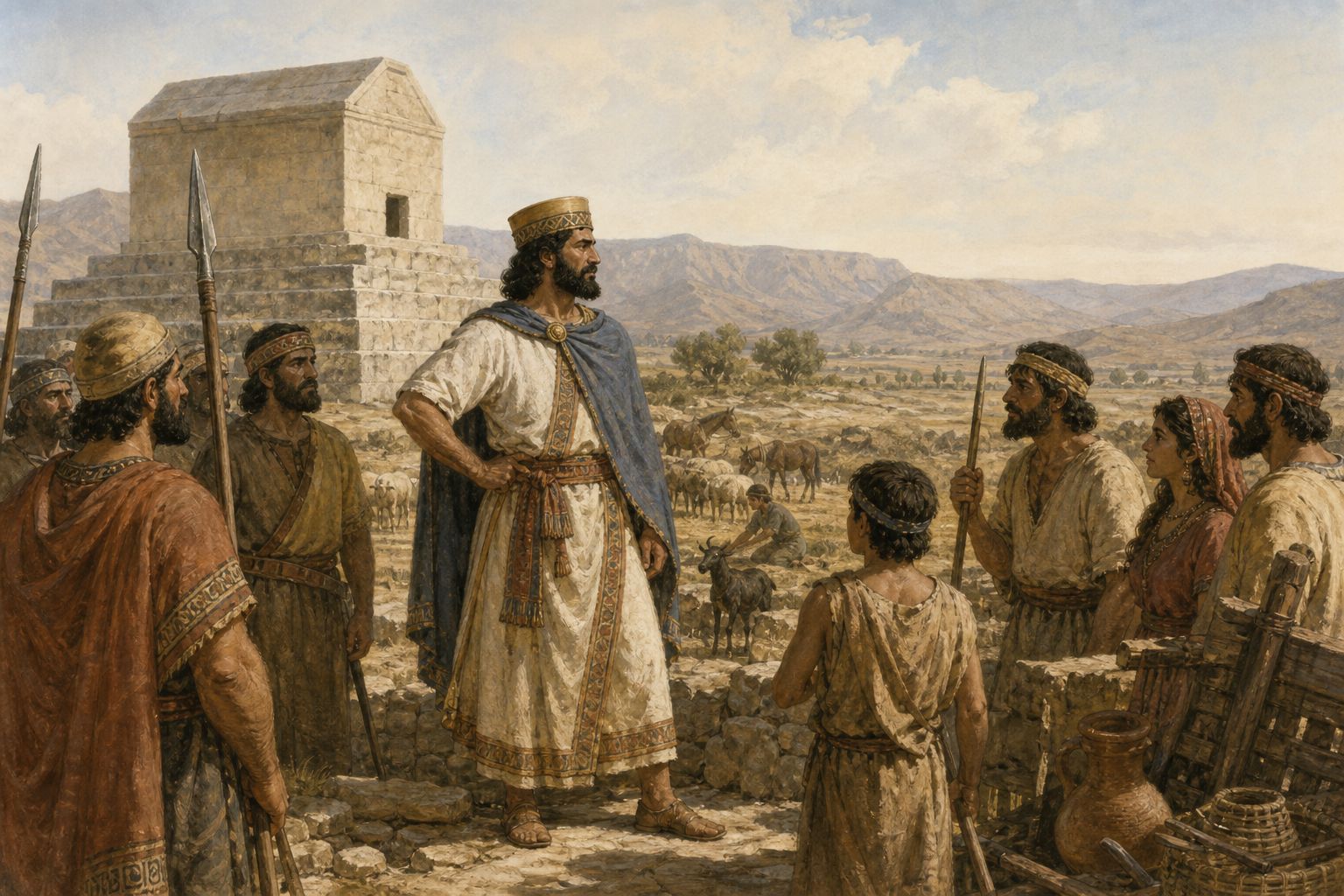
Prelude — Background: The Persian royal house had operated within a world shaped by Median power, while Lydia and Neo-Babylonia competed for influence. Accounts of Cyrus rely partly on later Greek narratives, so the details of his early conquests require caution.
c. 551 BC
Turning point
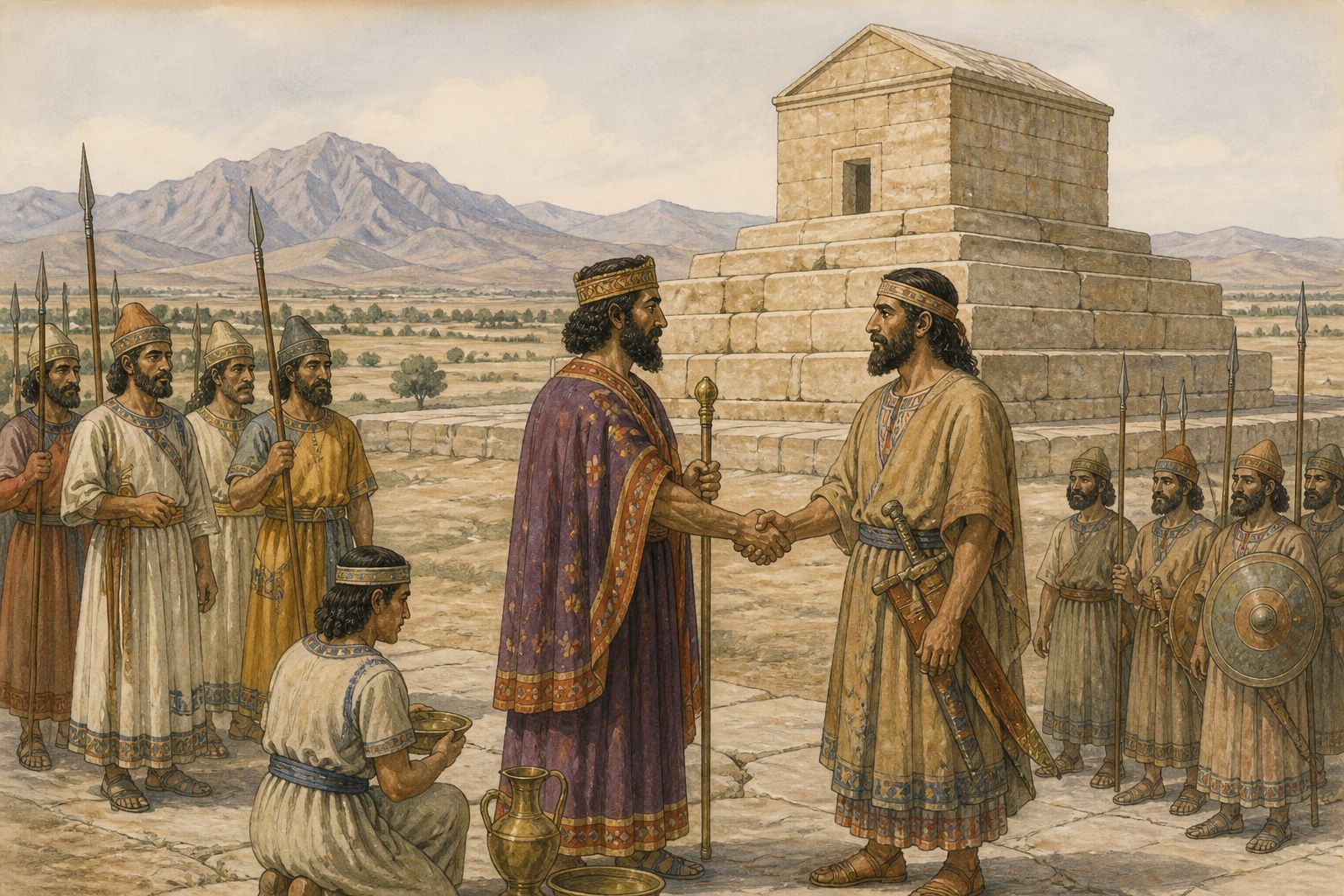
Turning point — Build-up: After defeating the Medes, Cyrus brought Lydia in Anatolia and Babylon in Mesopotamia under his rule. His son Cambyses II later conquered Egypt, extending the empire across several cultural and ecological zones.
c. 550 BC
Rise of the Achaemenid Empire
Current event
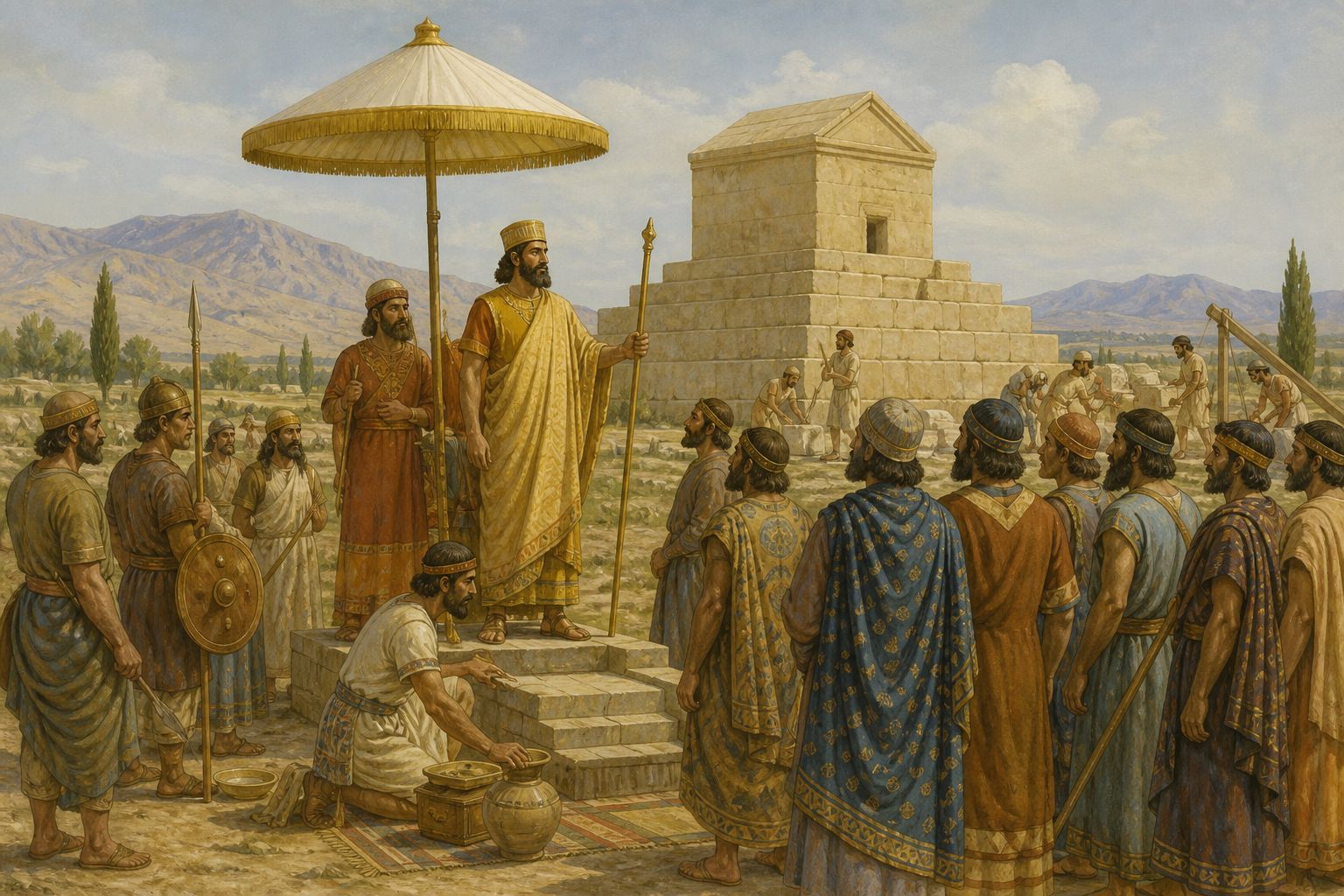
Rise of the Achaemenid Empire — Central transition: Around 550 BCE, Cyrus II defeated the Median kingdom and established the power base from which the Achaemenid dynasty grew into a major West Asian empire.
c. 549 BC
Immediate aftermath
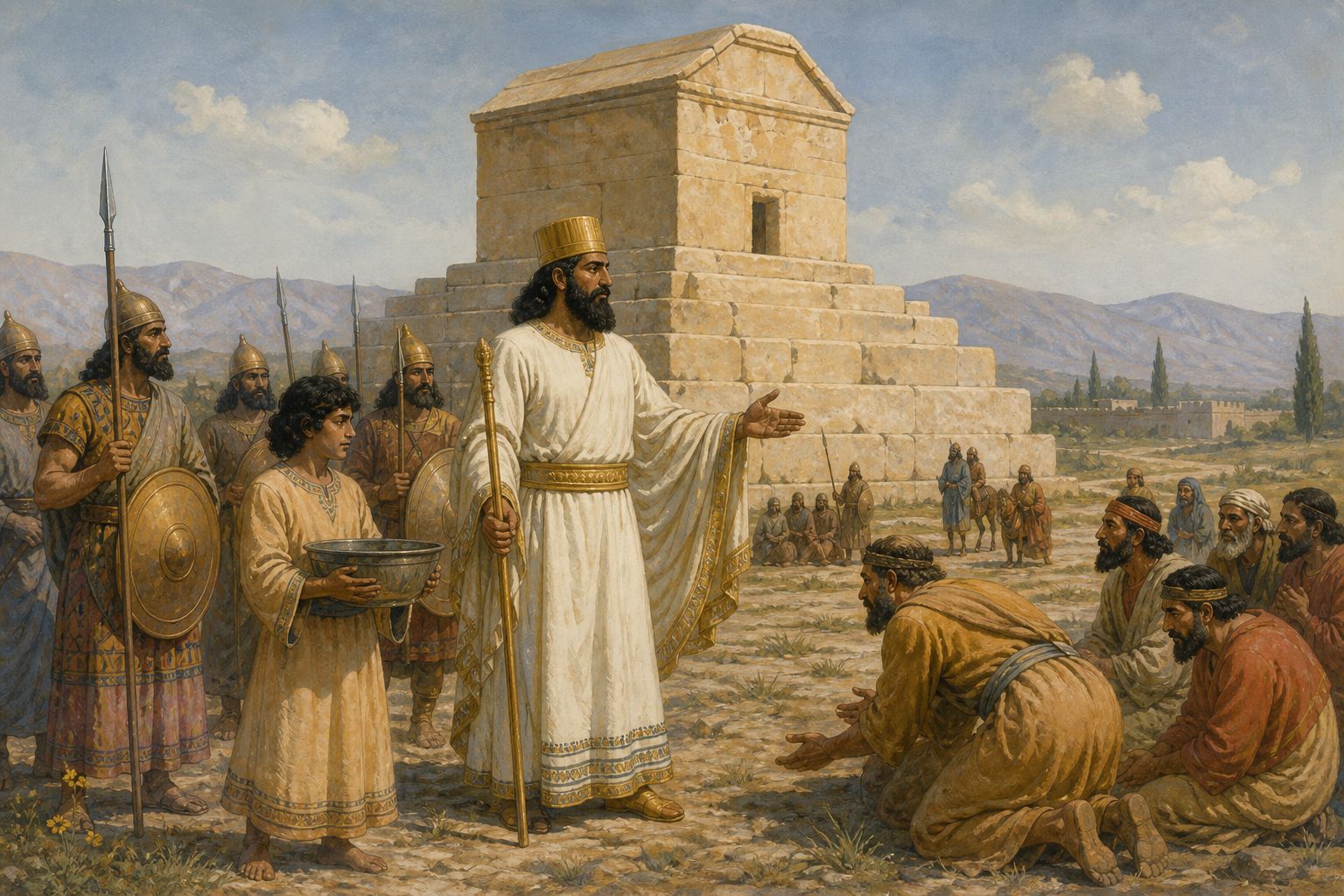
Immediate aftermath — Immediate result: Royal roads, provincial administration, taxation, and multilingual records connected a vast territory. Rule often combined tribute and allegiance to the king with the continuation of local cults and customs rather than uniform cultural replacement.
c. 540 BC
Long-term significance
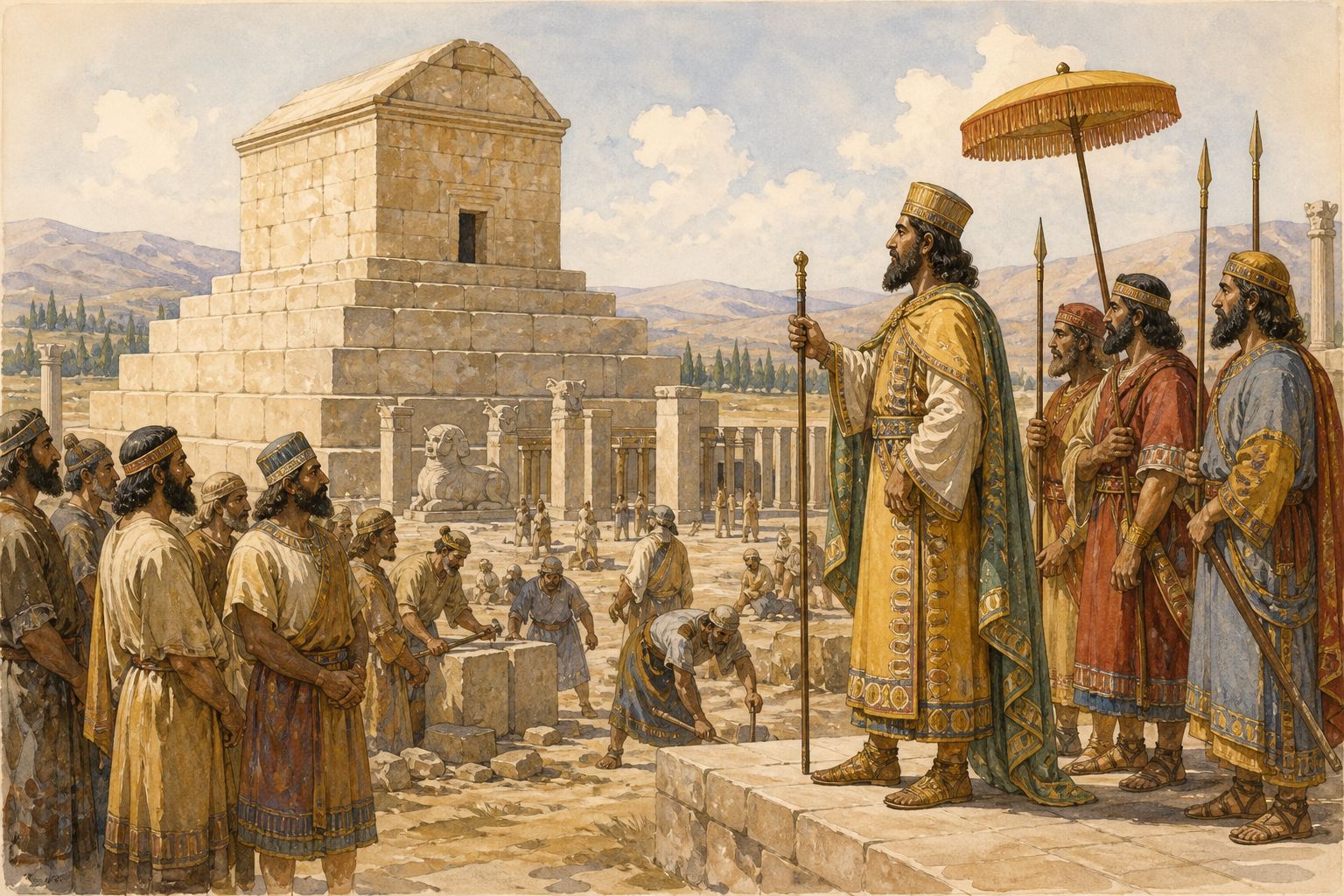
Long-term significance — Long-term significance: The Achaemenid polity left a major model of imperial administration from Iran to the Aegean, Egypt, and Central Asia. Later images of a uniquely tolerant empire must be read alongside royal propaganda and the varied experiences of subjects.


Sources
- Rise of the Achaemenid Empire — Achaemenian Dynasty (Encyclopaedia Britannica)britannica.comThis Encyclopaedia Britannica resource supports the chronology, setting, and course of Rise of the Achaemenid Empire.
- Rise of the Achaemenid Empire — Achaemenid Dynasty (Iranicaonline)iranicaonline.orgThis Iranicaonline resource supports the chronology, setting, and course of Rise of the Achaemenid Empire.
- Rise of the Achaemenid Empire — Hd Pers (The Metropolitan Museum of Art)metmuseum.orgThis The Metropolitan Museum of Art resource supports the chronology, setting, and course of Rise of the Achaemenid Empire.