
Rise of Islam
610–632
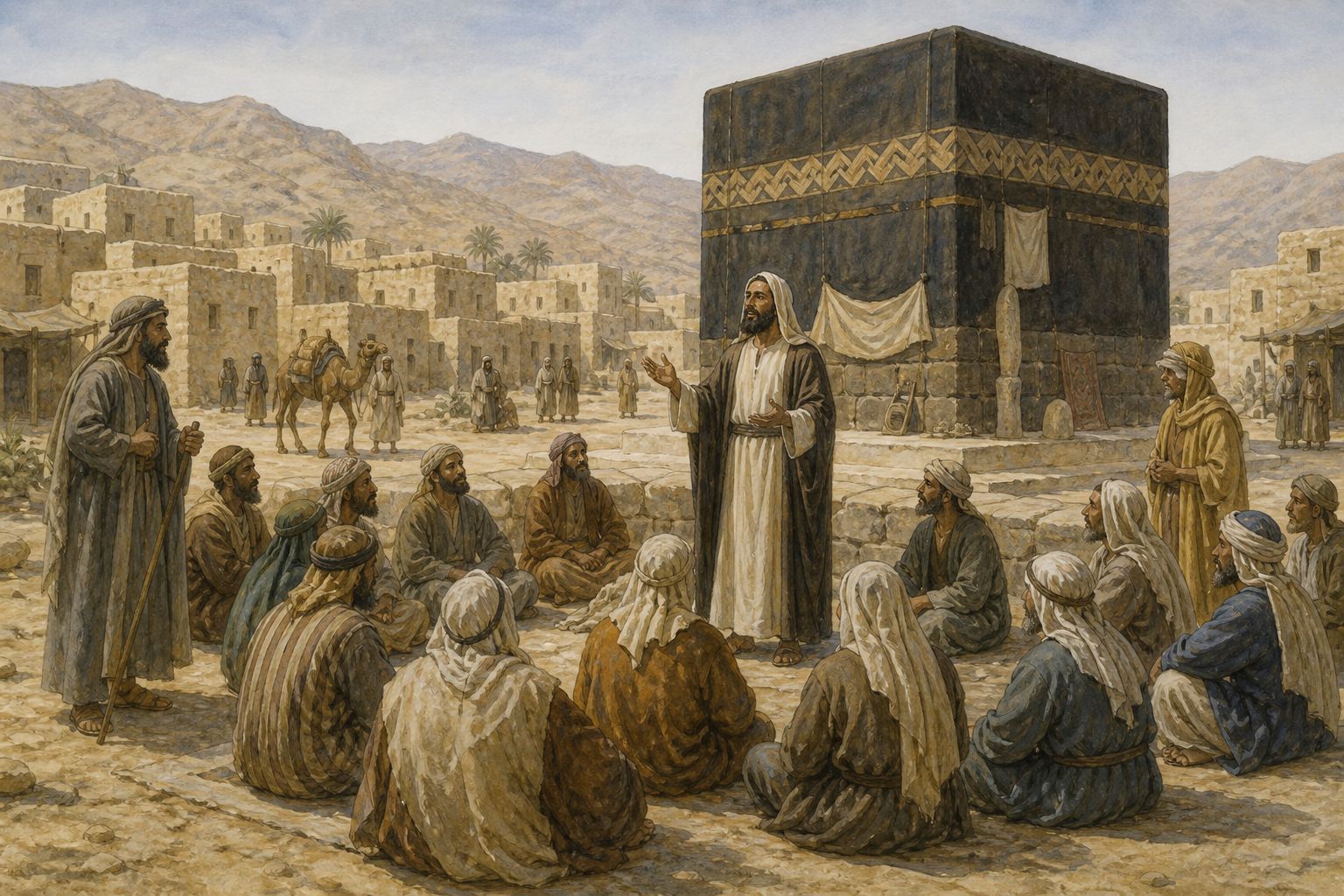
From about 610 to 632, revelations to Muhammad helped form a community in Mecca and Medina in which religious teaching and political solidarity spread across Arabia.

- Period
- 610–632
- Kind
- Movement
- Regions
- Middle East
- Keywords
- Rise of Islam · formation of Islam · Hijra · early Muslim community · movement
Follow the story · Four stages
Background
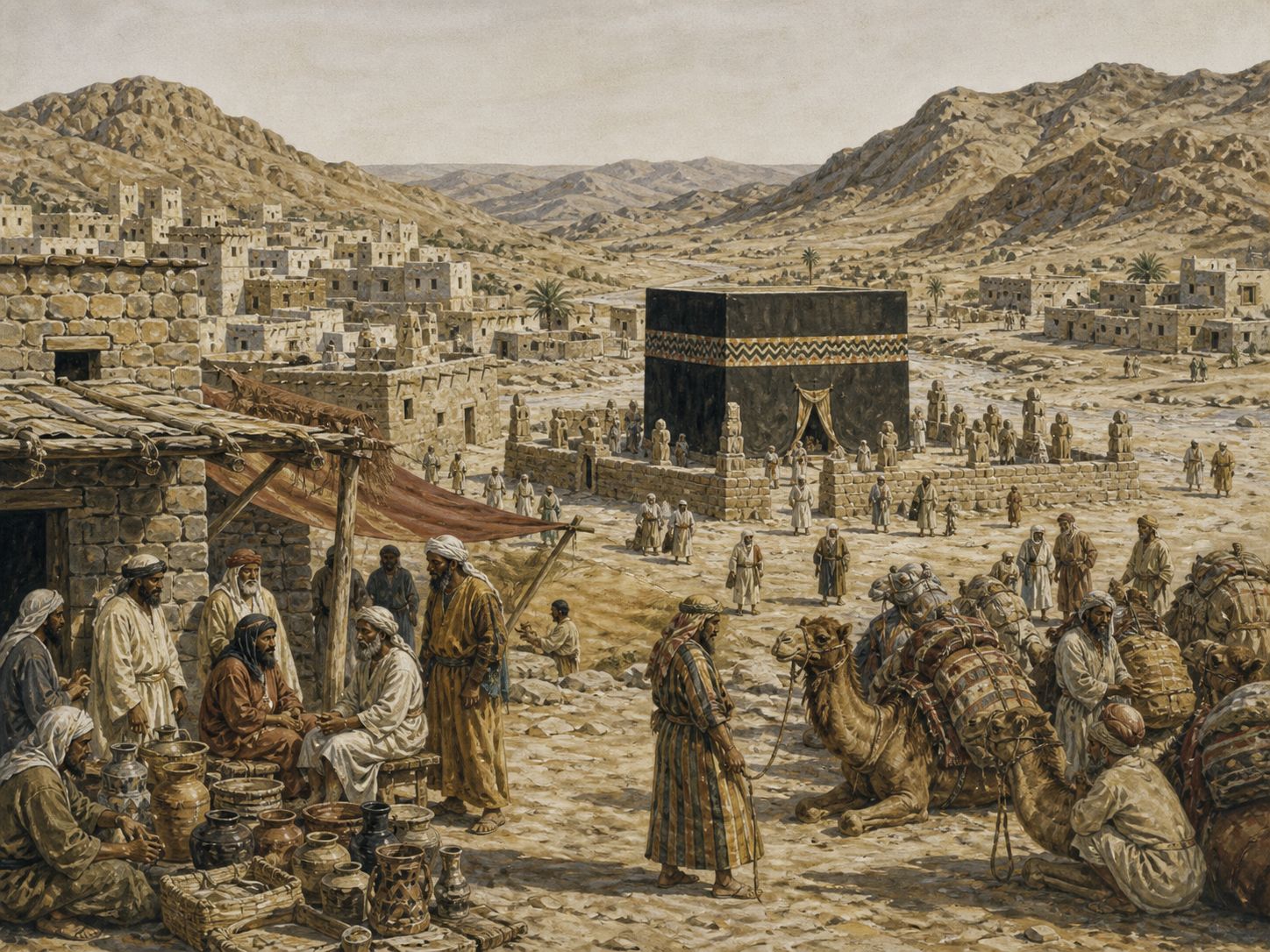
Western Arabia brought together trading towns, tribal relationships, and a religious environment that included Jewish and Christian traditions. In Mecca, Muhammad’s call to monotheism and social responsibility met both support and opposition.
- Western Arabia brought together trading towns, tribal relationships, and a religious environment that included Jewish and Christian traditions.
- In Mecca, Muhammad’s call to monotheism and social responsibility met both support and opposition.
- Core event: From about 610 to 632, revelations to Muhammad helped form a community in Mecca and Medina in which religious teaching and political solidarity spread across Arabia.
Course
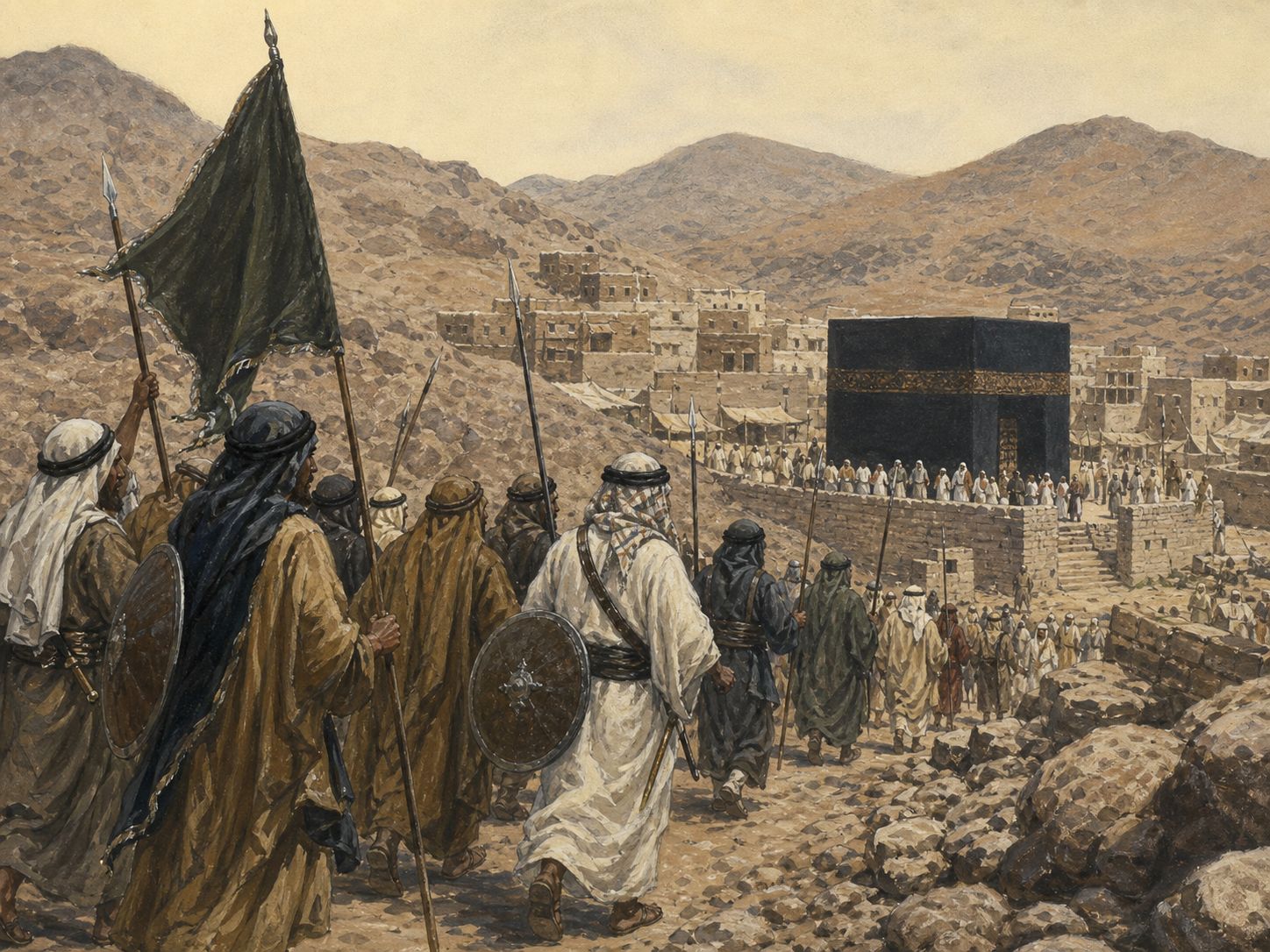
The Hijra of 622 moved Muhammad and his followers to Medina, where migrants and local supporters organized a new community. Warfare and negotiation with Meccan forces culminated in the capture of Mecca in 630 and wider relationships across Arabia.
- The Hijra of 622 moved Muhammad and his followers to Medina, where migrants and local supporters organized a new community.
- Warfare and negotiation with Meccan forces culminated in the capture of Mecca in 630 and wider relationships across Arabia.
- Conditions behind the action: Western Arabia brought together trading towns, tribal relationships, and a religious environment that included Jewish and Christian traditions. In Mecca, Muhammad’s call to monotheism and social responsibility met both support and opposition.
Outcome
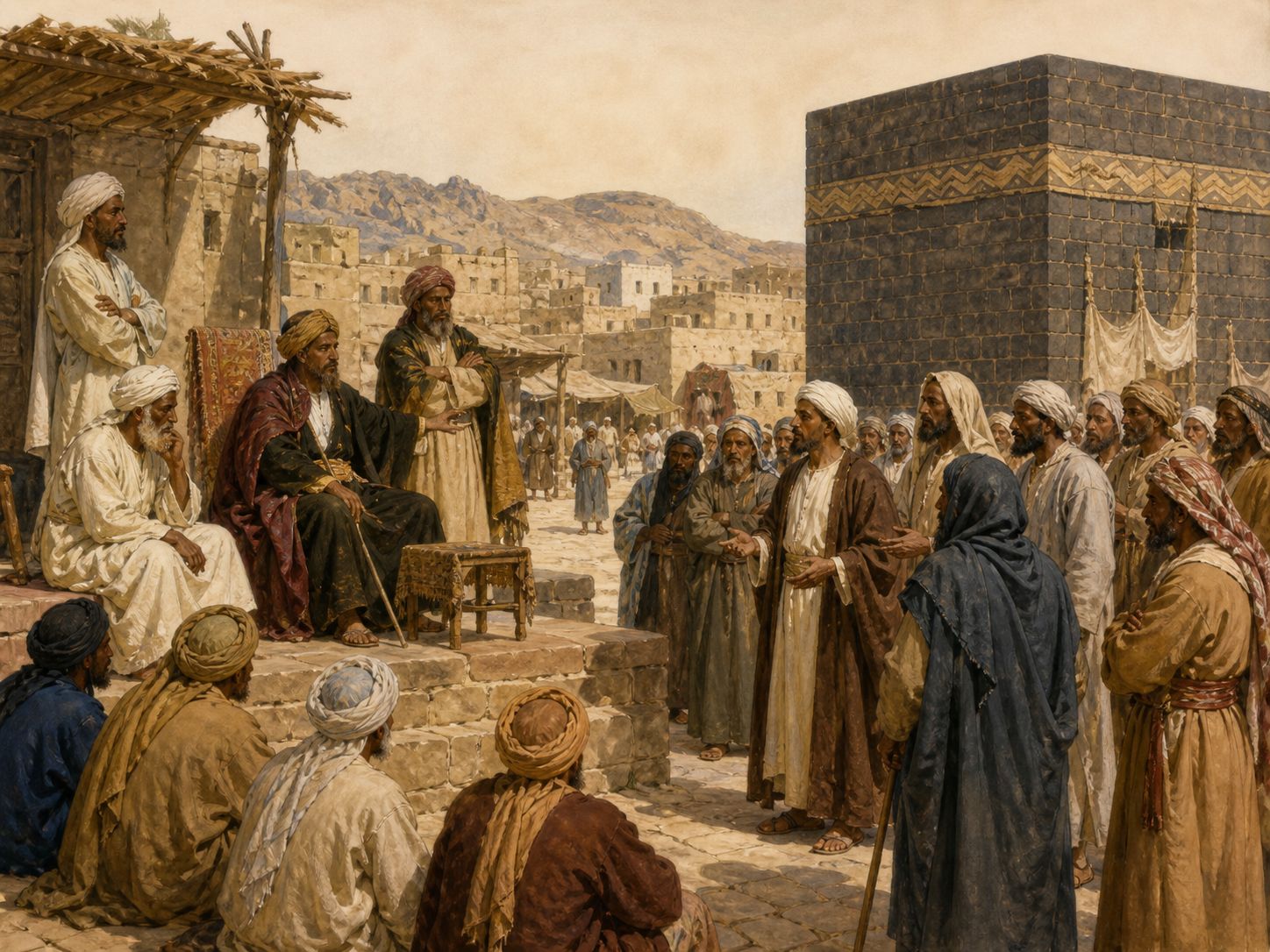
By Muhammad’s death in 632, groups recognizing his religious and political leadership had formed across much of the peninsula. Questions of succession remained, while the community expanded rapidly under the caliphs.
- By Muhammad’s death in 632, groups recognizing his religious and political leadership had formed across much of the peninsula.
- Questions of succession remained, while the community expanded rapidly under the caliphs.
- Process producing the result: The Hijra of 622 moved Muhammad and his followers to Medina, where migrants and local supporters organized a new community. Warfare and negotiation with Meccan forces culminated in the capture of Mecca in 630 and wider relationships across Arabia.
Historical significance
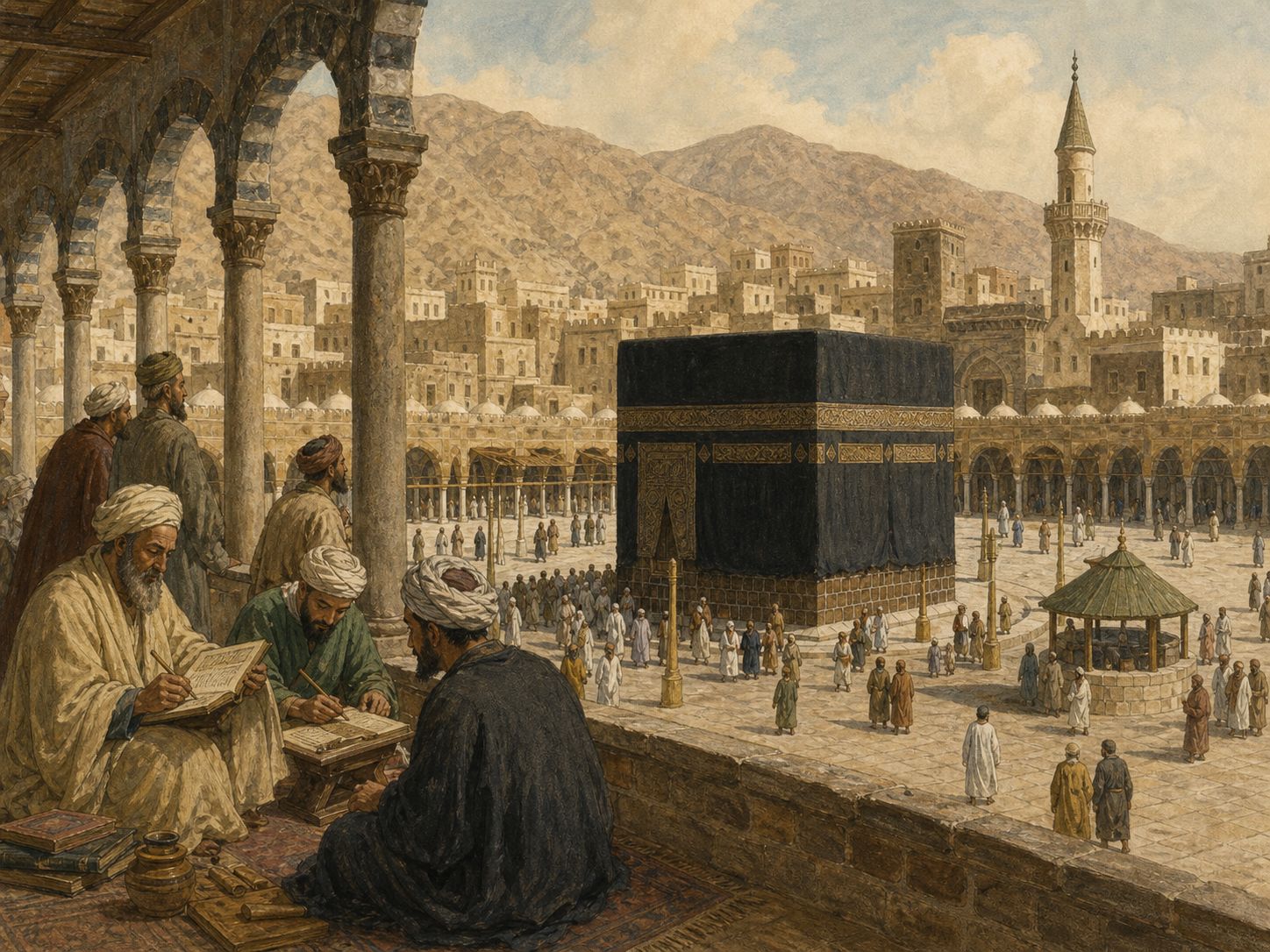
The idea of the umma joined worship, ethics, mutual obligation, and governance, shaping later Islamic societies. Early sources preserve layers of transmission, so mature later institutions should not be projected unchanged onto the first community.
- The idea of the umma joined worship, ethics, mutual obligation, and governance, shaping later Islamic societies.
- Early sources preserve layers of transmission, so mature later institutions should not be projected unchanged onto the first community.
- Immediate consequence: By Muhammad’s death in 632, groups recognizing his religious and political leadership had formed across much of the peninsula. Questions of succession remained, while the community expanded rapidly under the caliphs.


Related events
c. 603
Prelude
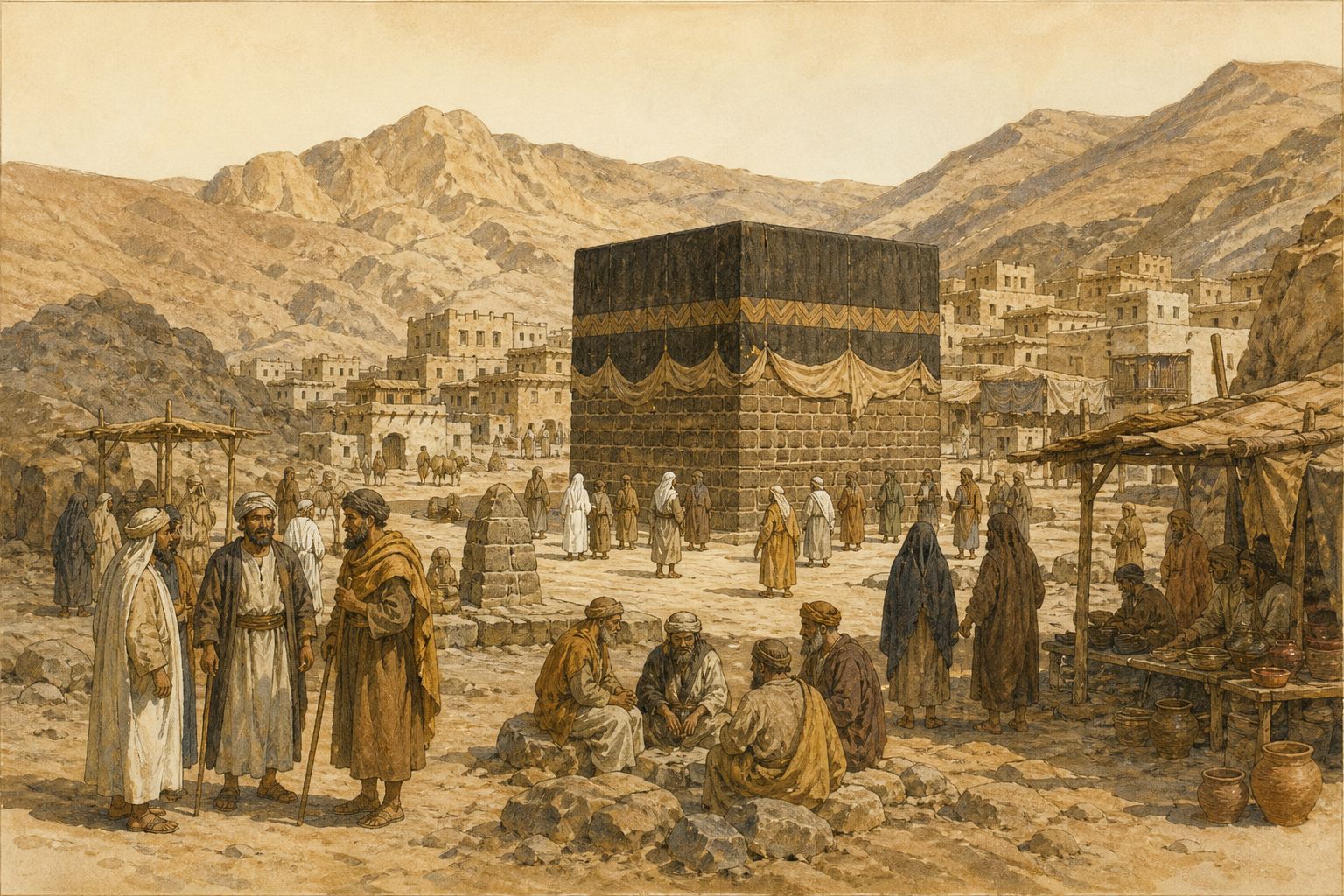
Prelude — Background: Western Arabia brought together trading towns, tribal relationships, and a religious environment that included Jewish and Christian traditions. In Mecca, Muhammad’s call to monotheism and social responsibility met both support and opposition.
c. 609
Turning point
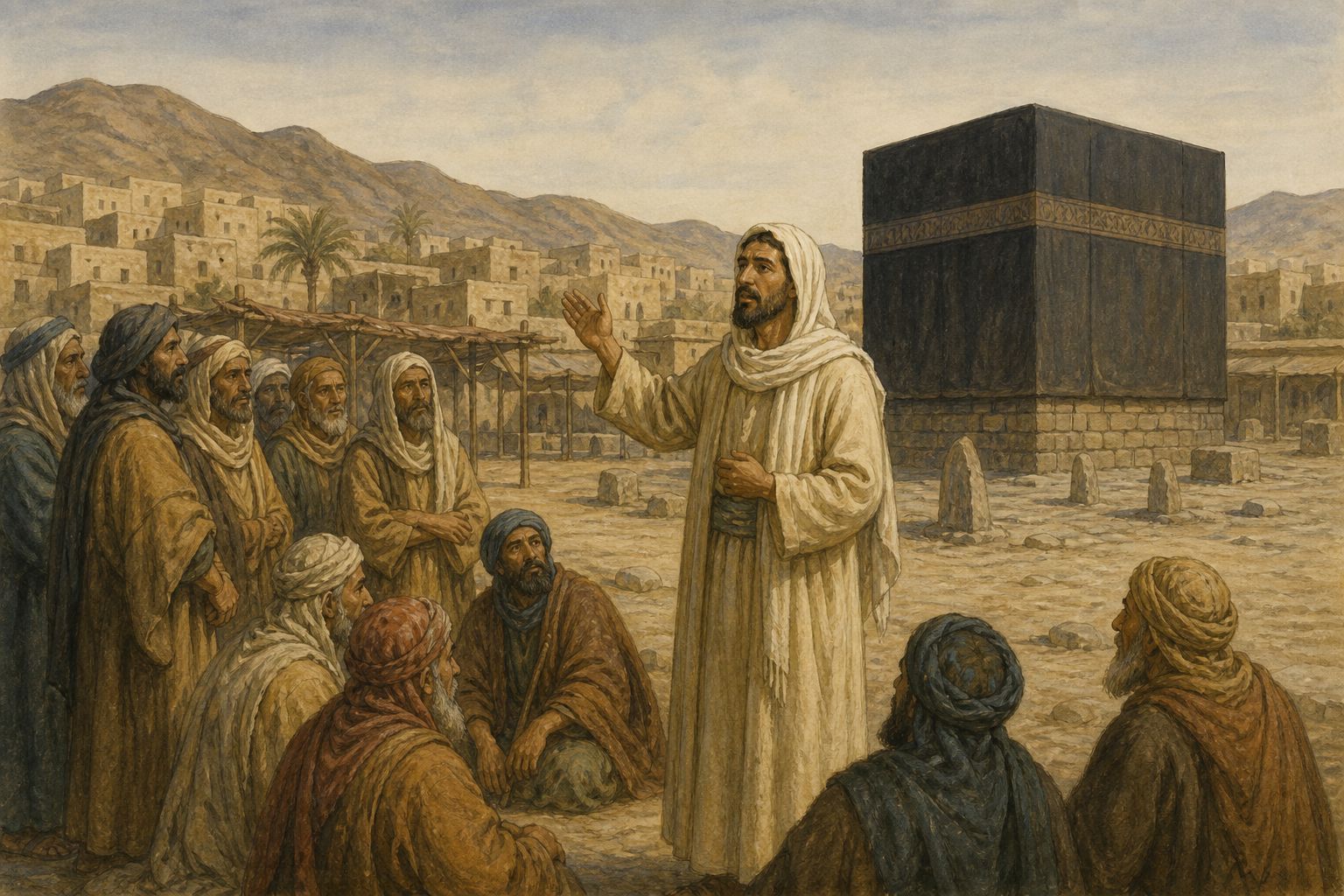
Turning point — Build-up: The Hijra of 622 moved Muhammad and his followers to Medina, where migrants and local supporters organized a new community. Warfare and negotiation with Meccan forces culminated in the capture of Mecca in 630 and wider relationships across Arabia.
610–632
Rise of Islam
Current event
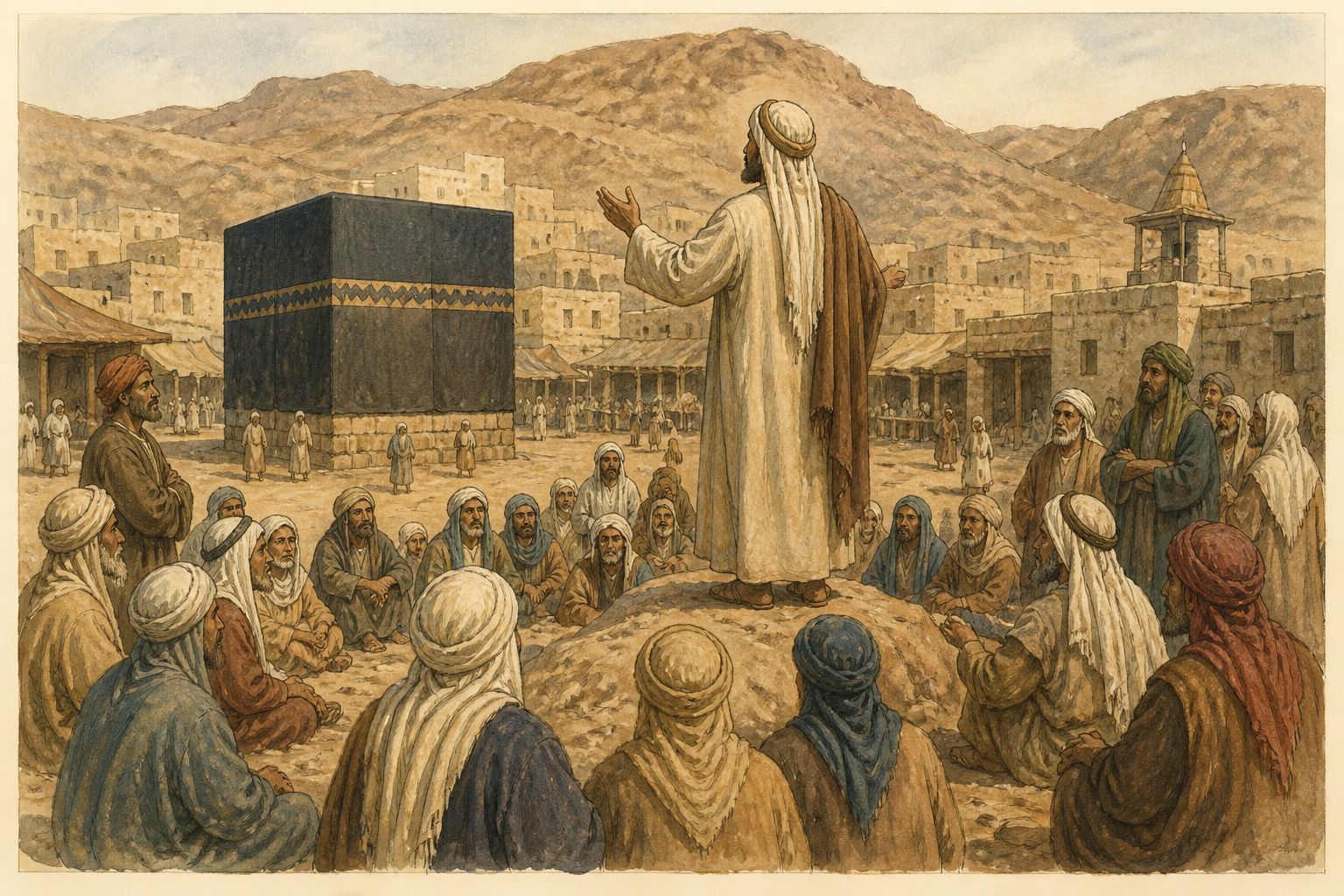
Rise of Islam — Central transition: From about 610 to 632, revelations to Muhammad helped form a community in Mecca and Medina in which religious teaching and political solidarity spread across Arabia.
c. 640
Immediate aftermath
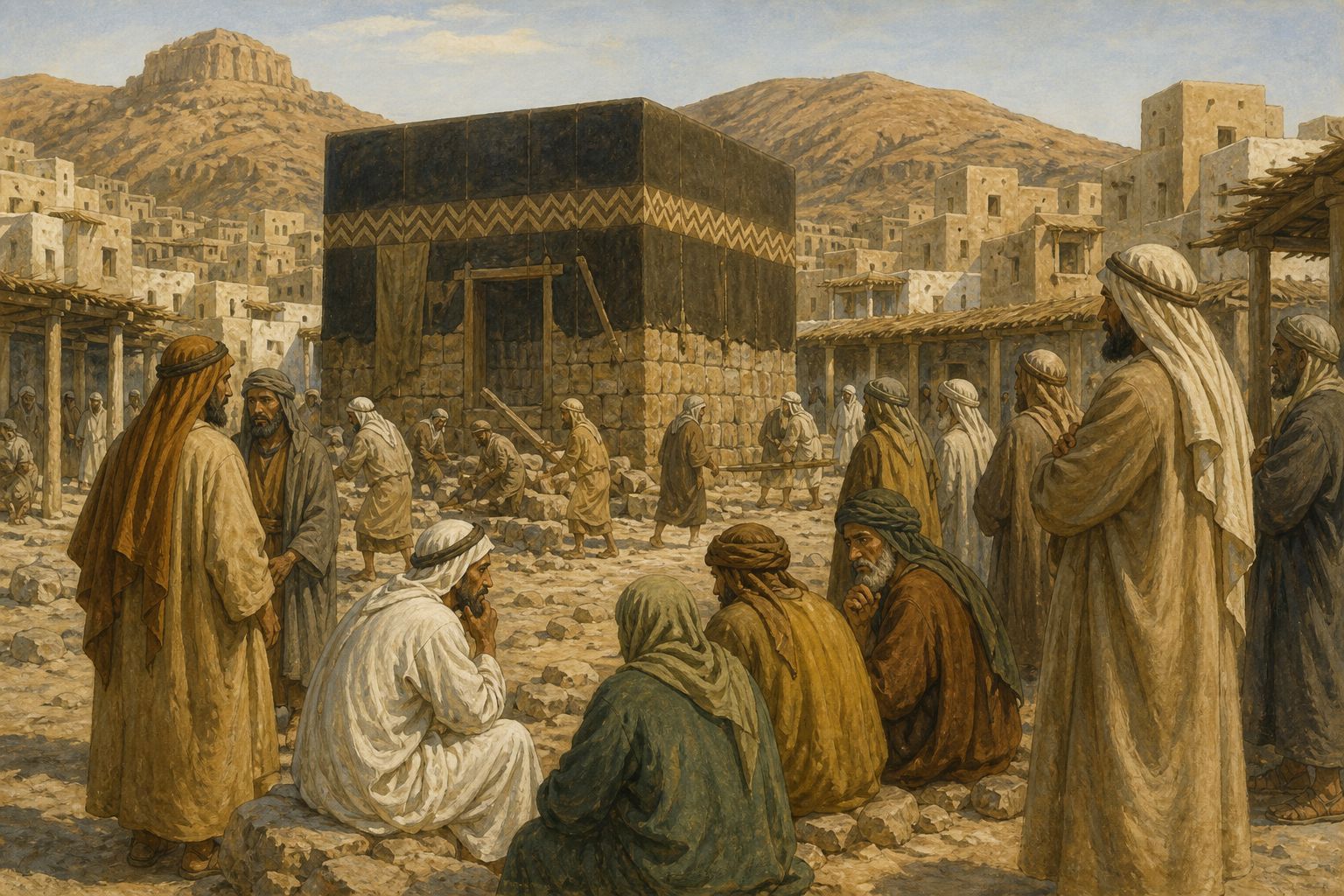
Immediate aftermath — Immediate result: By Muhammad’s death in 632, groups recognizing his religious and political leadership had formed across much of the peninsula. Questions of succession remained, while the community expanded rapidly under the caliphs.
c. 665
Long-term significance
Long-term significance — Long-term significance: The idea of the umma joined worship, ethics, mutual obligation, and governance, shaping later Islamic societies. Early sources preserve layers of transmission, so mature later institutions should not be projected unchanged onto the first community.


Sources
- Rise of Islam — Islam (Encyclopaedia Britannica)britannica.comThis Encyclopaedia Britannica resource supports the chronology, setting, and course of Rise of Islam.
- Rise of Islam — Hd Isla (The Metropolitan Museum of Art)metmuseum.orgThis The Metropolitan Museum of Art resource supports the chronology, setting, and course of Rise of Islam.
- Rise of Islam — Islamic World (Encyclopaedia Britannica)britannica.comThis Encyclopaedia Britannica resource supports the chronology, setting, and course of Rise of Islam.