
Rise of the Neo-Assyrian Empire
c. 900 BC–c. 612 BC
From the ninth century to the fall of Nineveh in 612 BCE, Assyria expanded from northern Mesopotamia into a major power across the Near East.

- Period
- c. 900 BC–c. 612 BC
- Kind
- War
- Regions
- Middle East
- Keywords
- Rise of the Neo-Assyrian Empire · Neo-Assyrian Empire · Assyrian Empire · war · ancient · middle east
Follow the story · Four stages
Background
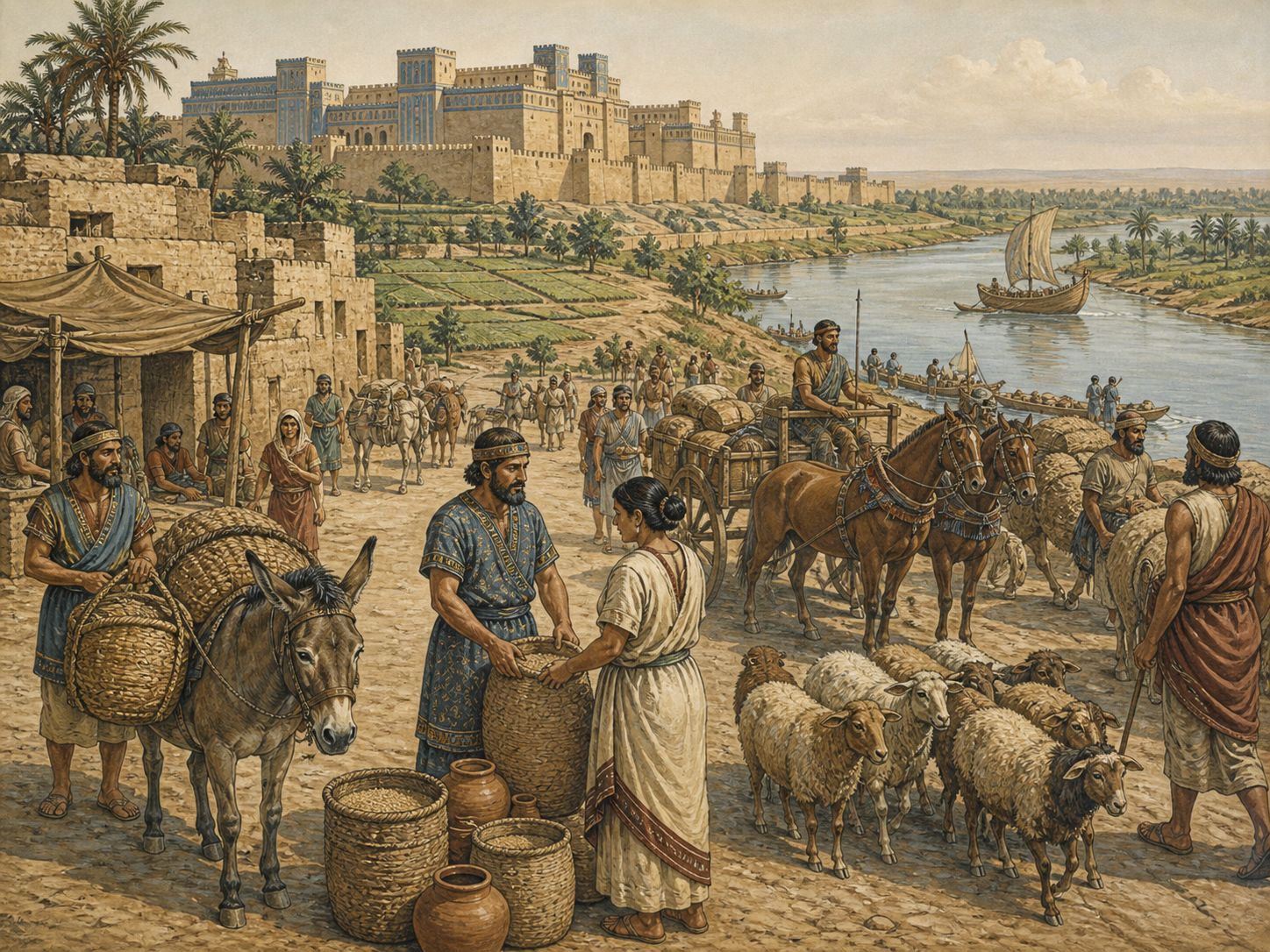
The kingdom centered on Ashur recovered from earlier territorial losses and combined royal authority, military organization, and provincial administration to project power outward.
- Agriculture and exchange along the Tigris
- Grain, livestock, and labor supporting capitals
- Urban foundations of northern Mesopotamia
Course
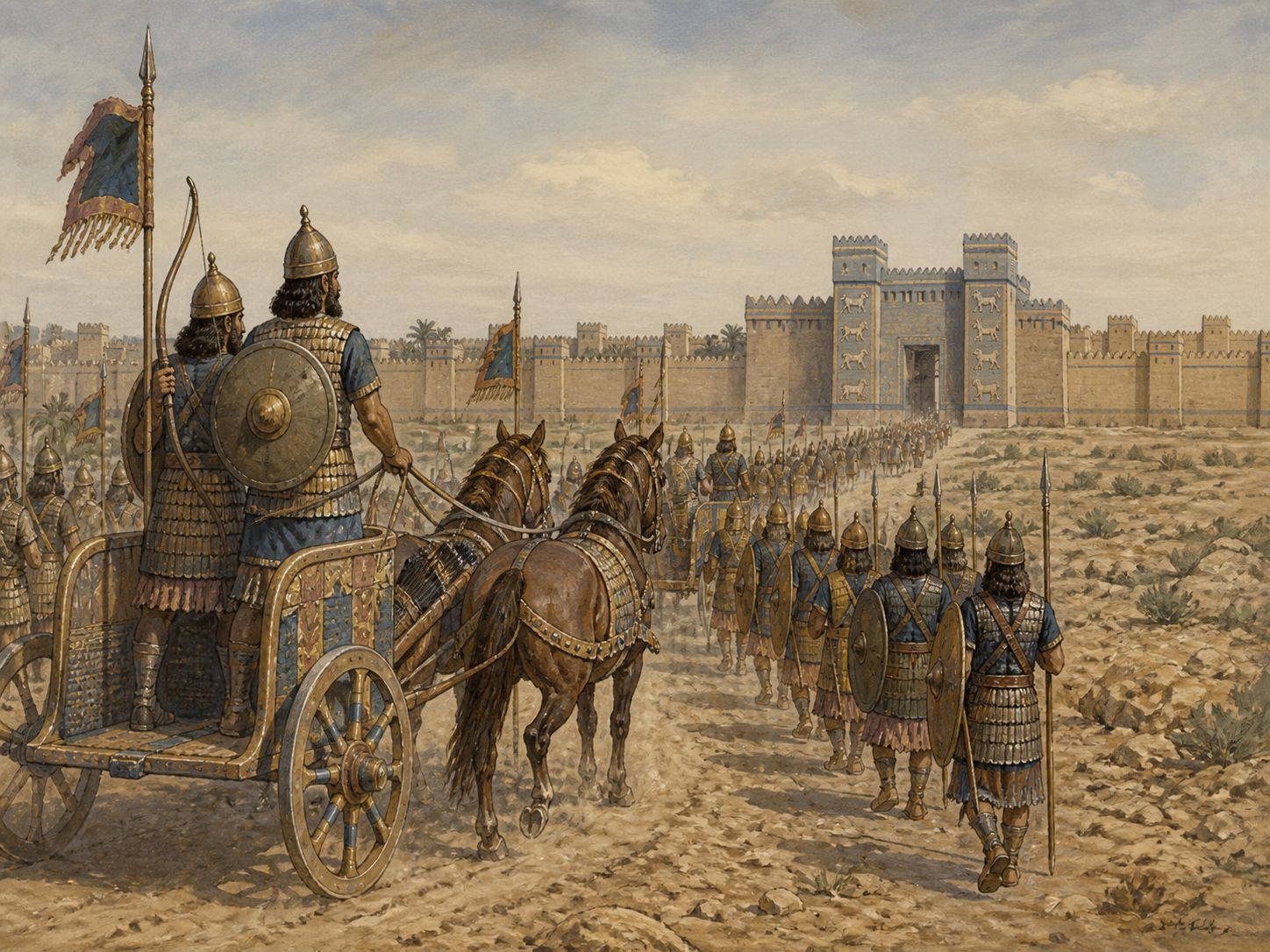
Successive kings campaigned in Syria, the Levant, and Babylonia, using tribute, deportation, and garrisoned administration to extend control. Nimrud and Nineveh became royal and administrative centers.
- Campaigns combining chariots and infantry
- Rule linking provinces, roads, and palaces
- Tribute gathered and redistributed
Outcome
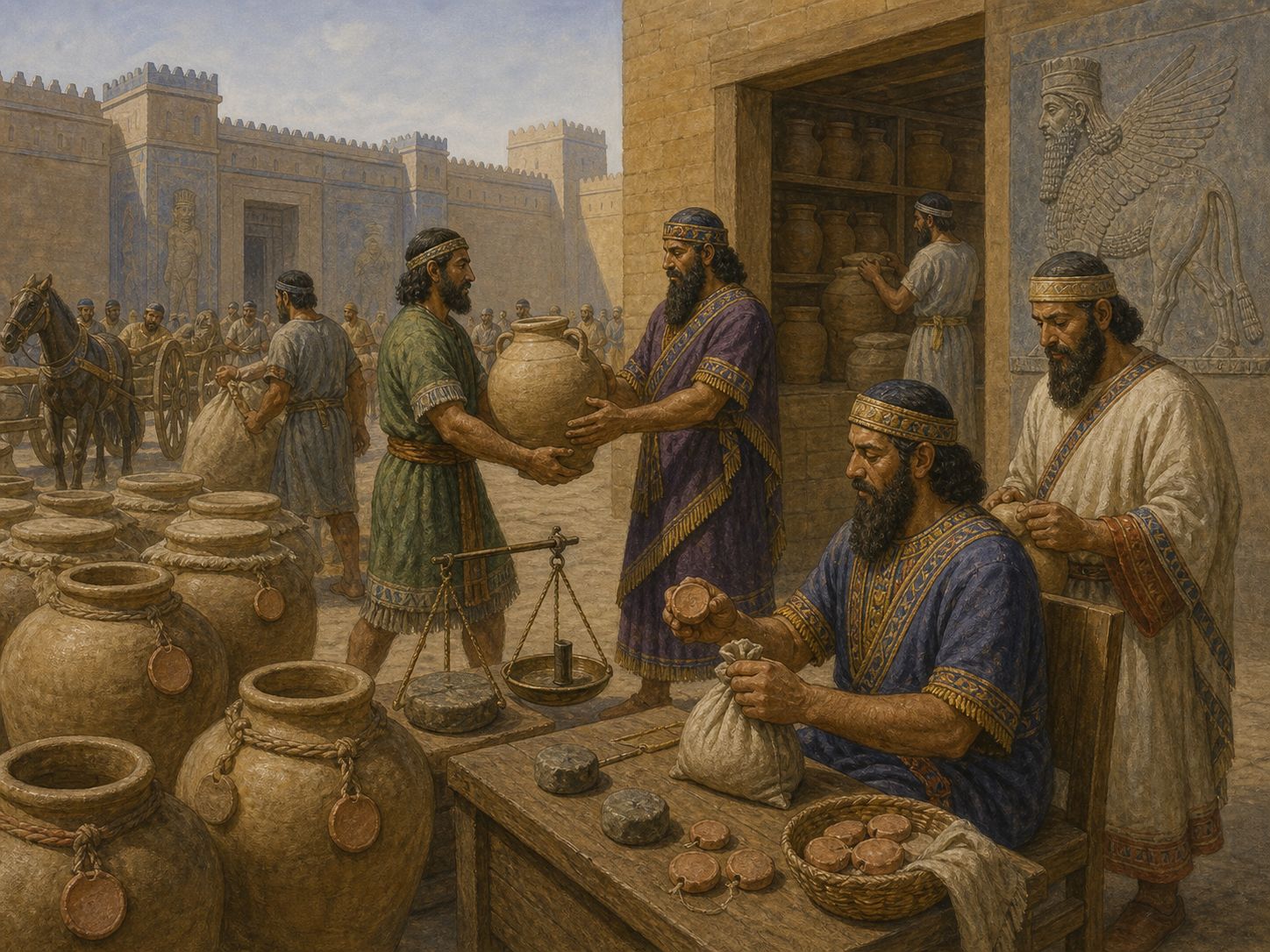
Assyria dominated trade routes and neighboring states across much of the Near East before rebellion and external pressure converged. Babylonian and Median attacks brought the fall of Nineveh in 612 BCE.
- Expansion of capitals such as Nimrud
- Concentration of records and palace art
- Formation of a wide imperial order
Historical significance
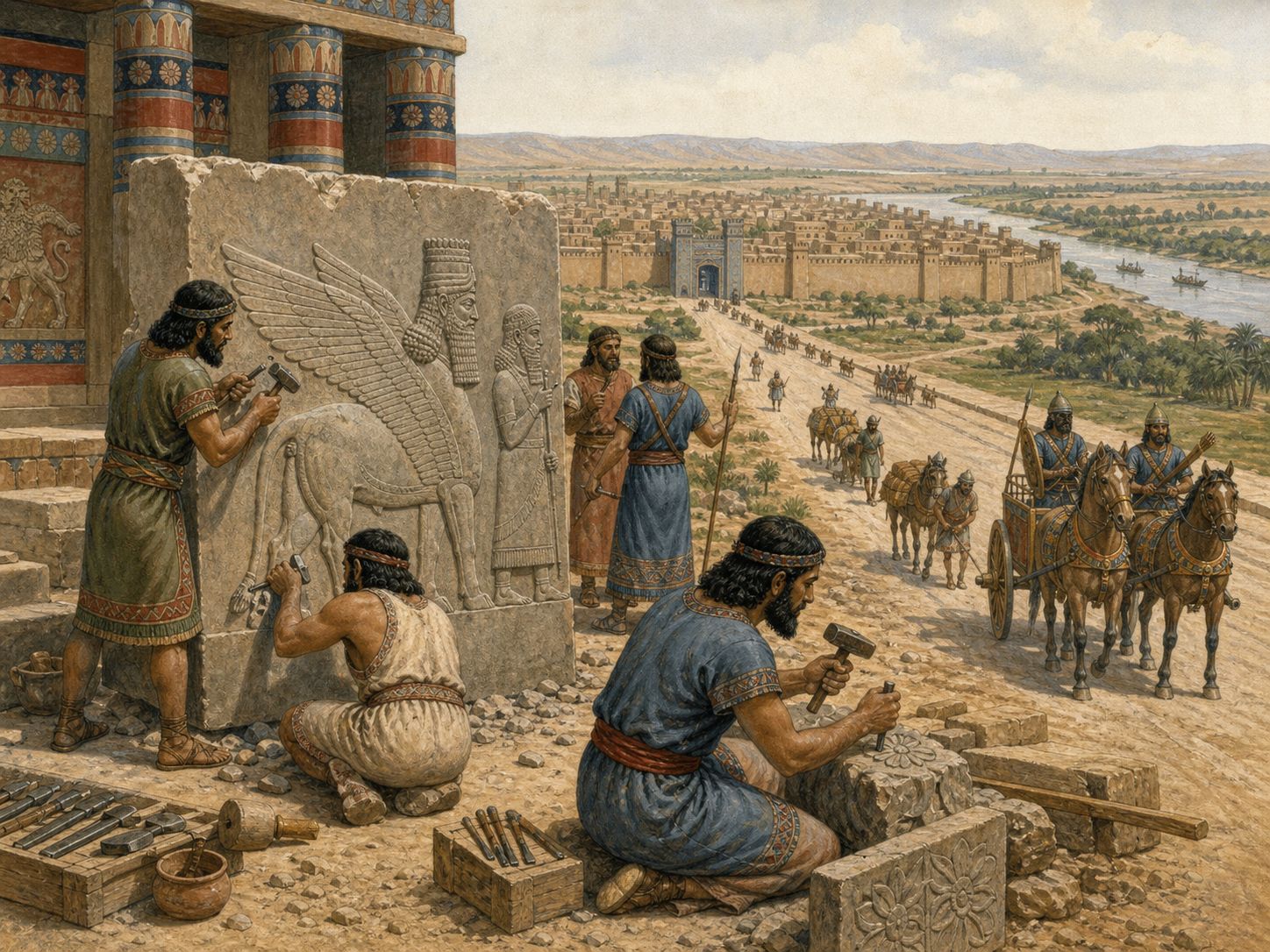
Neo-Assyrian military practice, record keeping, and palace art influenced later empires. Its history is heavily mediated by royal inscriptions and conquerors’ accounts, so coercion and administration must be considered together.
- An early model of Near Eastern empire
- A legacy of relief sculpture and record keeping
- Administrative techniques inherited by later kingdoms


Related events
c. 900 BC
Early expansion
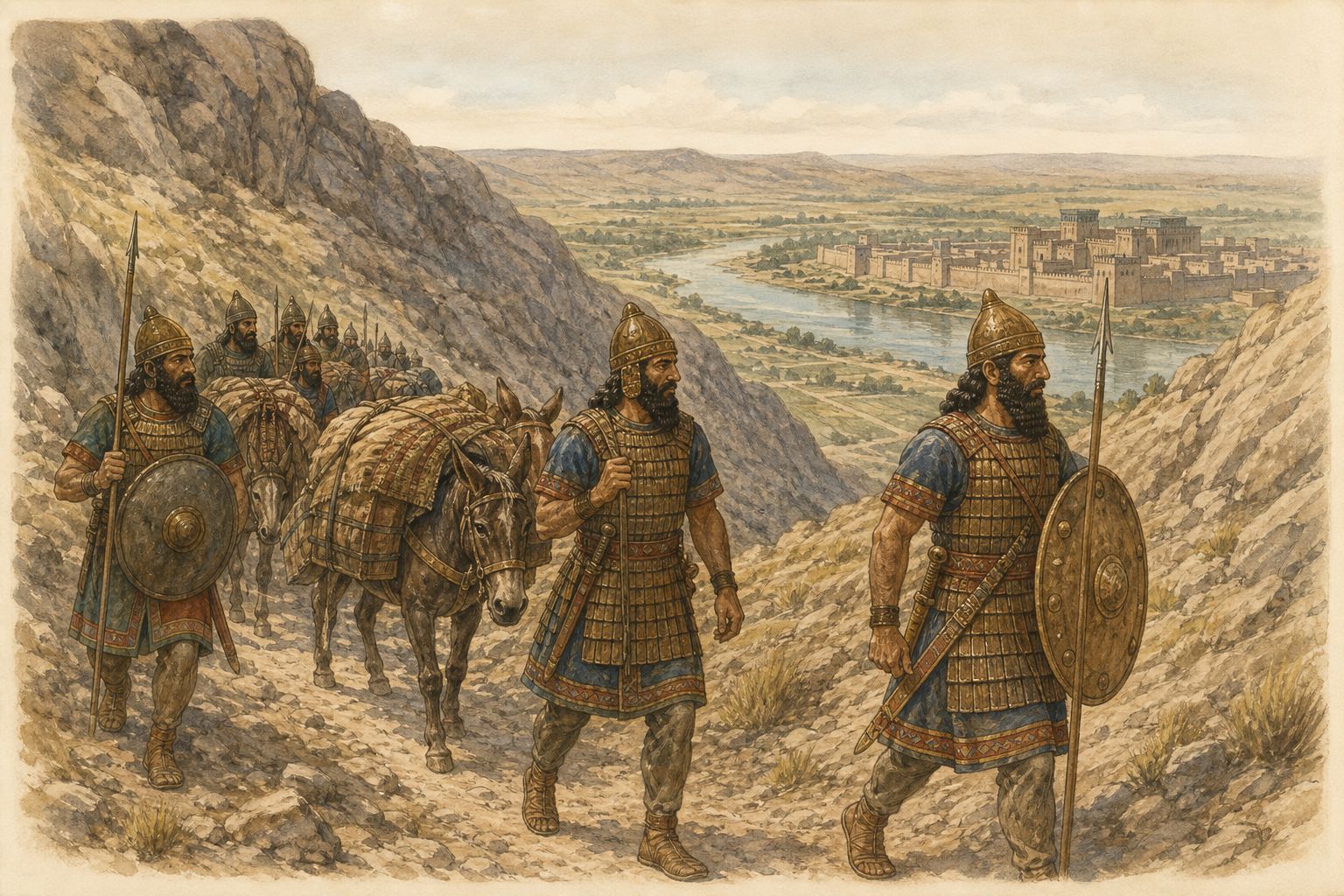
The northern Mesopotamian kingdom began extending military and administrative influence beyond its core.
879 BC
Nimrud becomes a capital
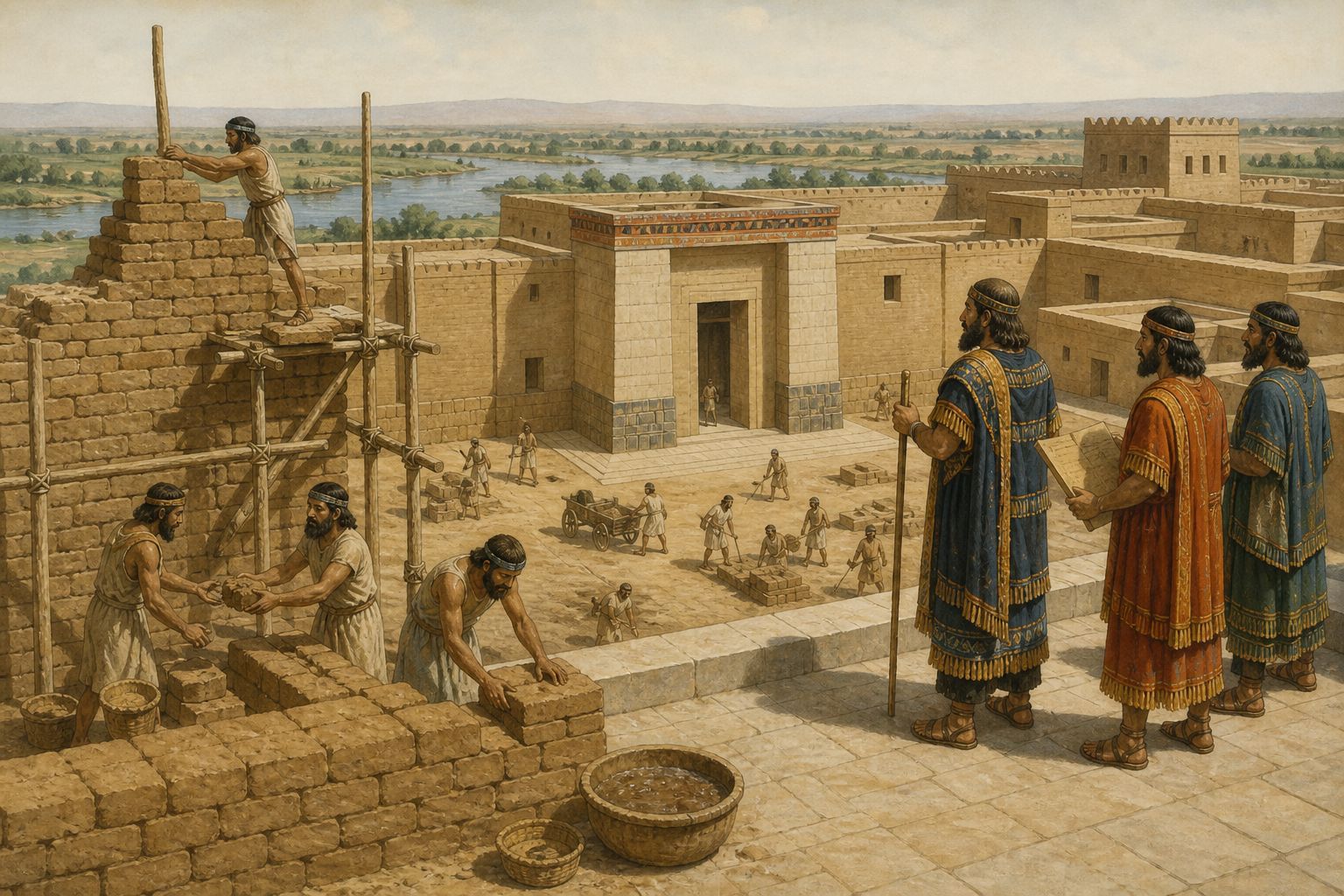
Nimrud, ancient Kalhu, was developed as a royal capital with palaces and administrative facilities.
c. 900 BC–c. 612 BC
The Neo-Assyrian imperial expansion
Current event
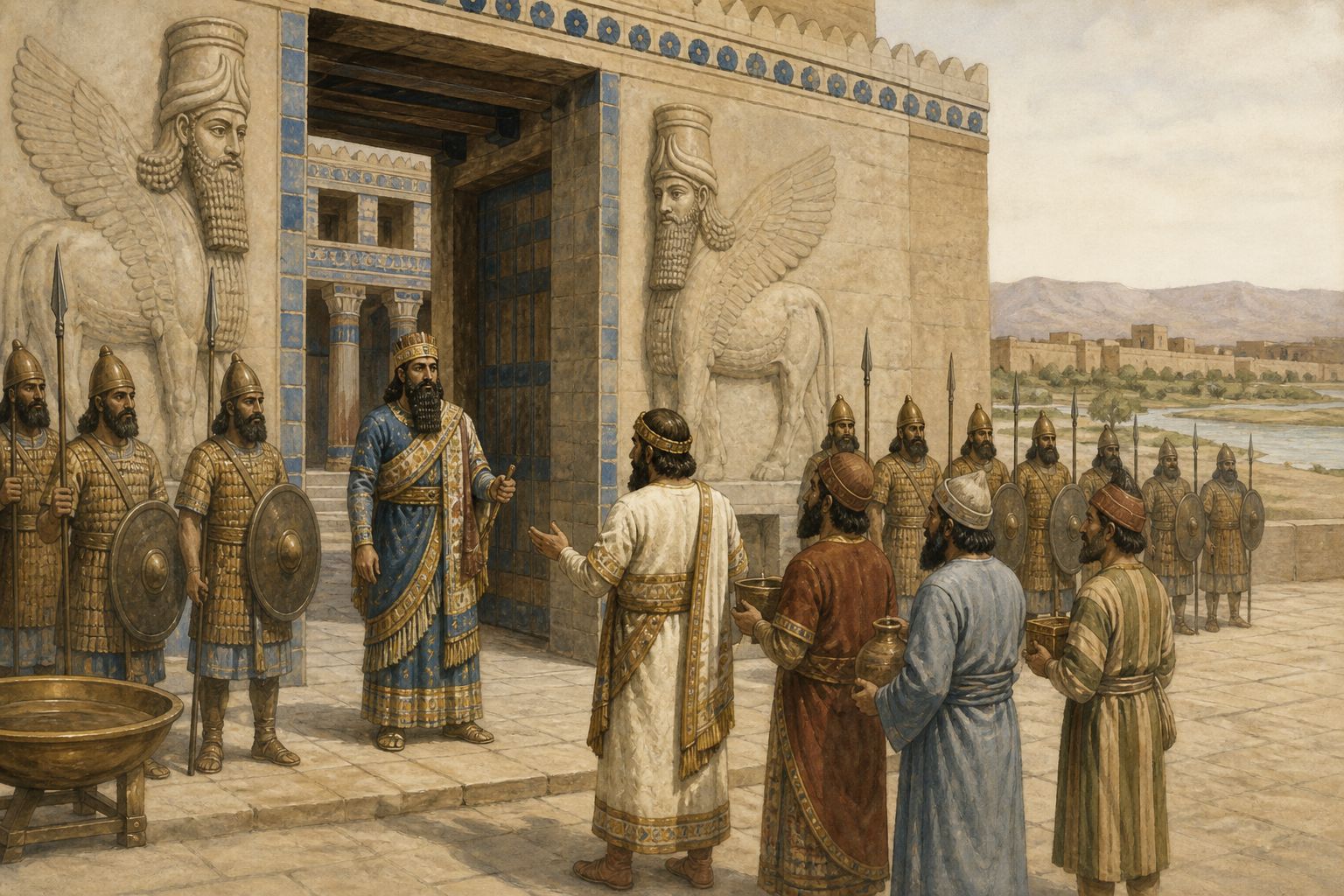
Military power, provincial administration, and roads combined to expand an empire from northern Mesopotamia.
612 BC
The fall of Nineveh
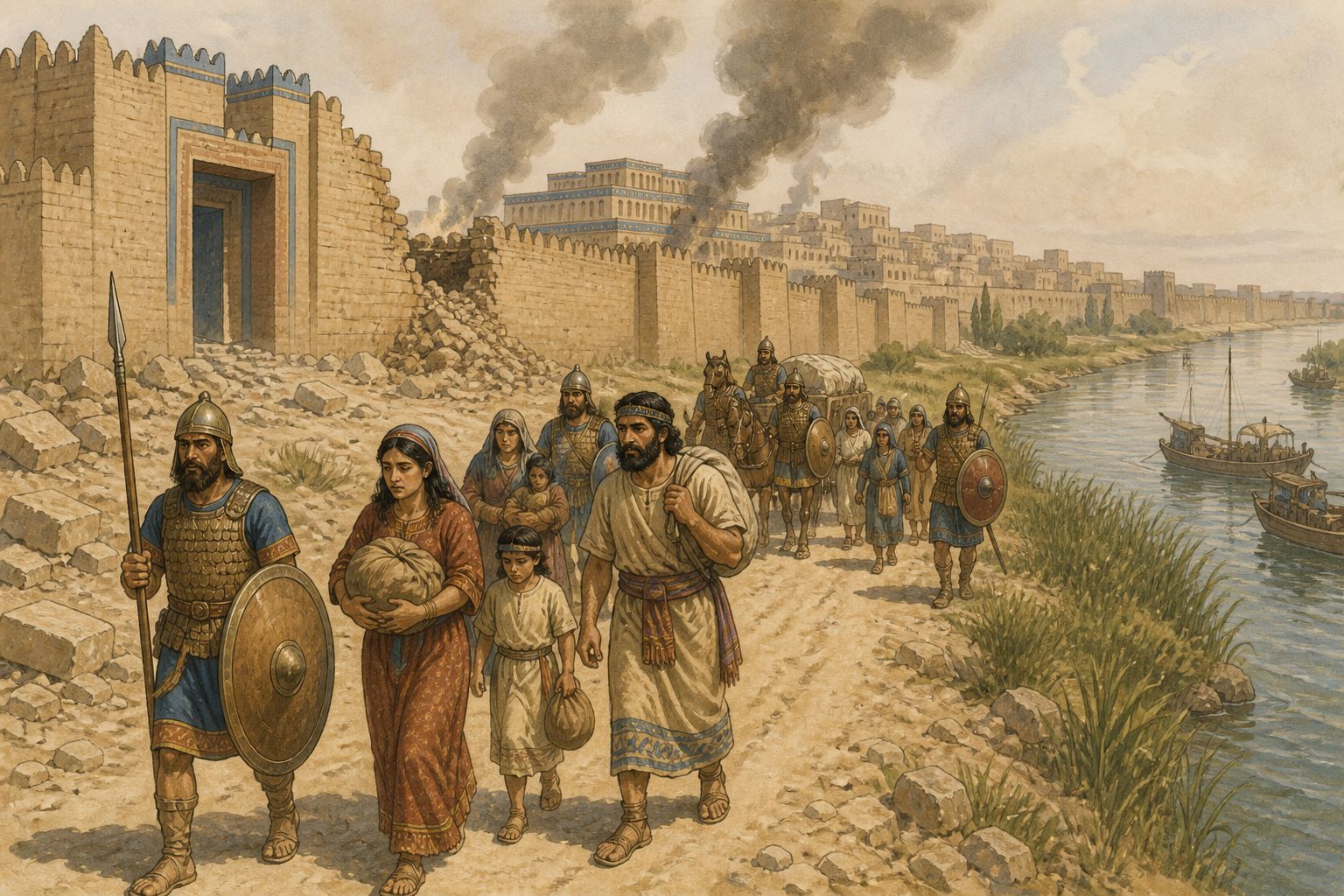
A coalition attack brought down Nineveh and shattered the center of the Neo-Assyrian Empire.
600 BC
An imperial legacy

Palace arts, administrative techniques, and military institutions influenced later kingdoms of the Near East.


Sources
- Assyria, 1365–609 B.C.The Metropolitan Museum of ArtThis The Metropolitan Museum of Art resource supports the chronology, setting, and course of Rise of the Neo-Assyrian Empire.
- Introducing the AssyriansThe British MuseumThis British Museum resource supports the chronology, setting, and course of Rise of the Neo-Assyrian Empire.
- Assyria to Iberia at the Dawn of the Classical AgeThe Metropolitan Museum of ArtThis Resources resource supports the chronology, setting, and course of Rise of the Neo-Assyrian Empire.