
Rise of the Sasanian Empire
c. 224
Around 224, Ardashir I defeated the Parthian royal order and founded the Sasanian dynasty.

- Period
- c. 224
- Kind
- Political event
- Regions
- Middle East
- Keywords
- Rise of the Sasanian Empire · political event · ancient · middle east
Follow the story · Four stages
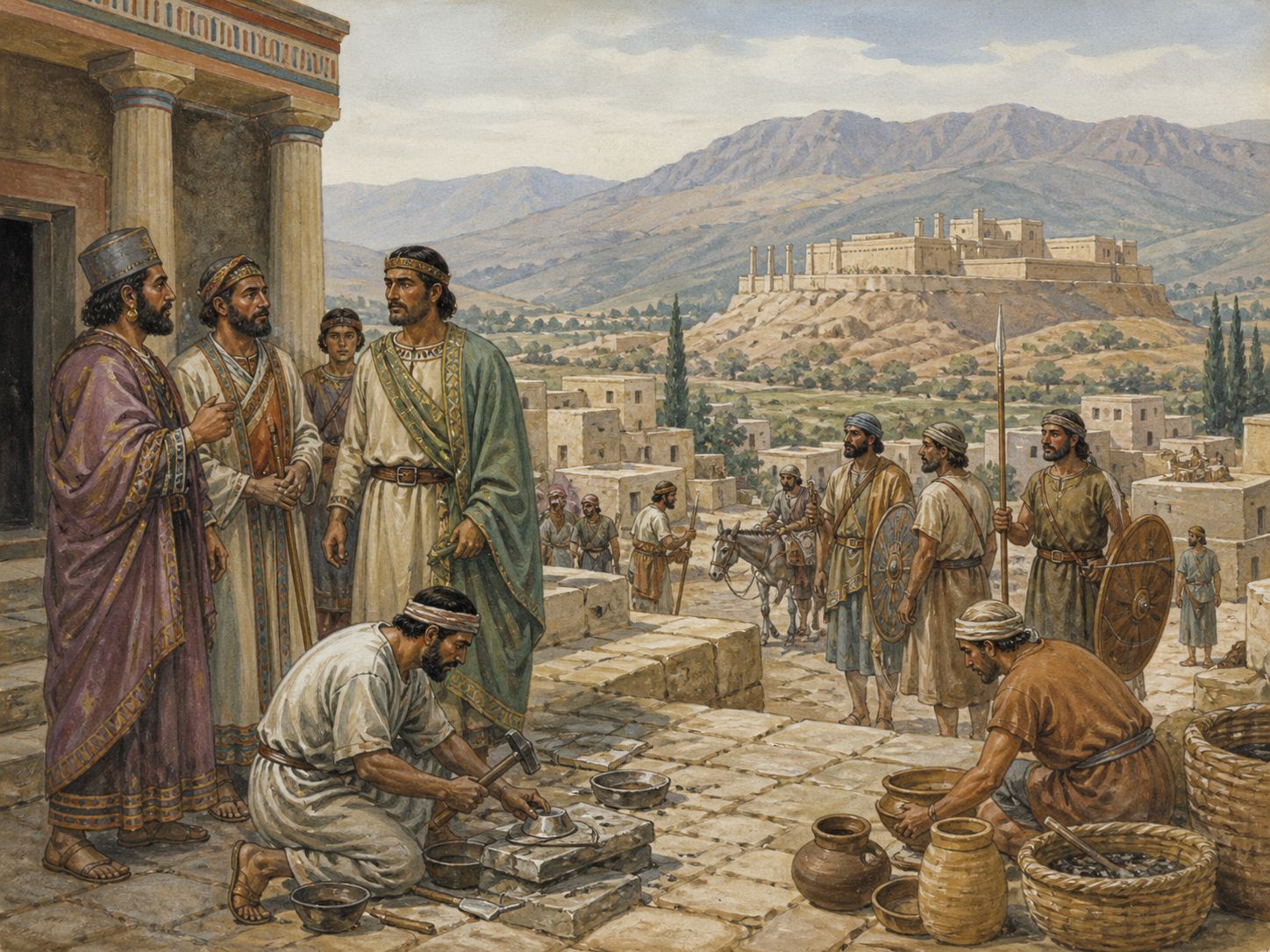
Background
Under the decentralized Arsacid monarchy, the local power of Persis had grown increasingly autonomous.
- Under the decentralized Arsacid monarchy, the local power of Persis had grown increasingly autonomous.
- Core event: Around 224, Ardashir I defeated the Parthian royal order and founded the Sasanian dynasty.
- Connection to the next stage: Ardashir expanded from southwestern Iran and confronted Rome over Armenia and Mesopotamia.
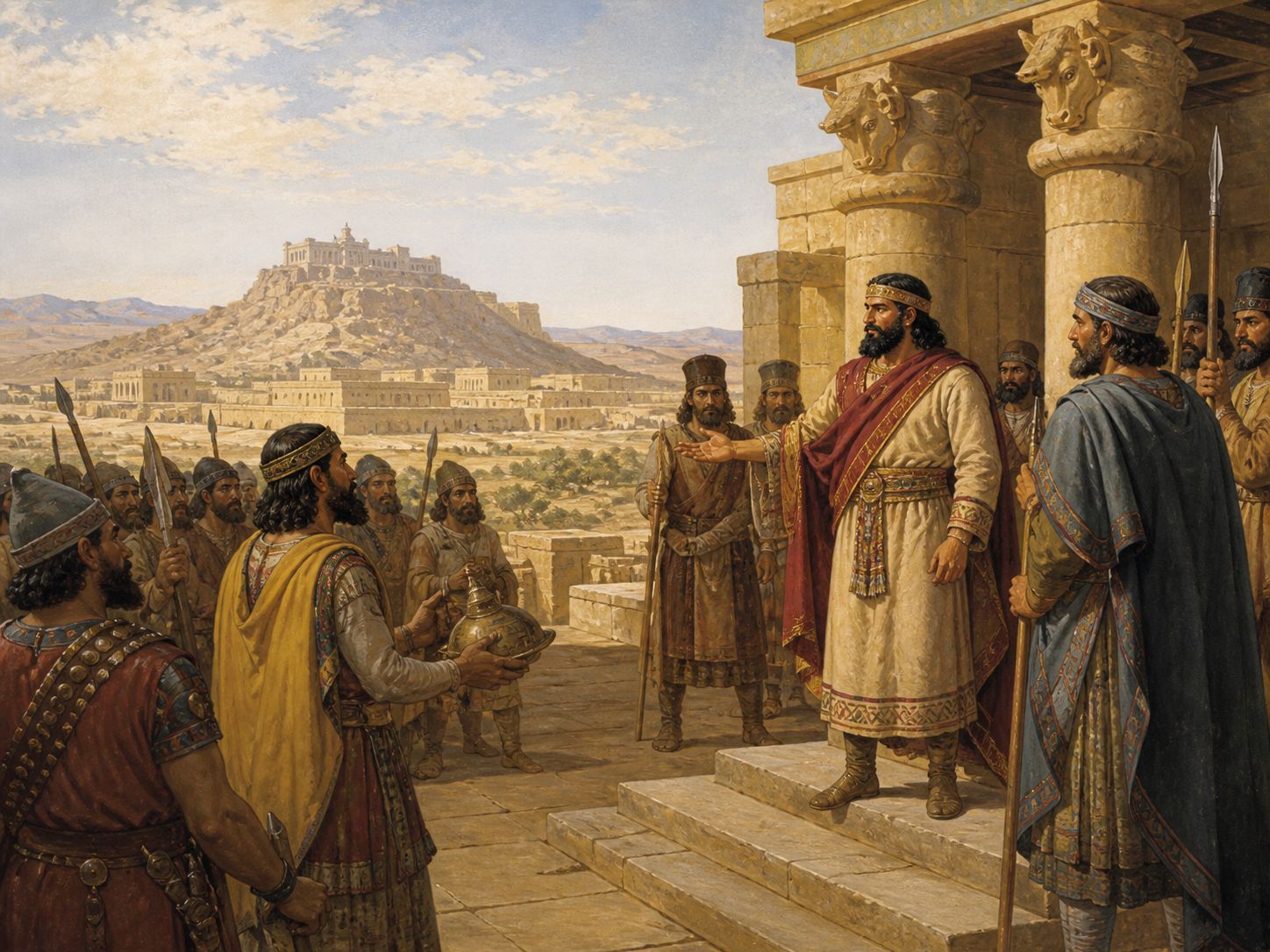
Course
Ardashir expanded from southwestern Iran and confronted Rome over Armenia and Mesopotamia.
- Ardashir expanded from southwestern Iran and confronted Rome over Armenia and Mesopotamia.
- Conditions behind the action: Under the decentralized Arsacid monarchy, the local power of Persis had grown increasingly autonomous.
- Meaning of the turning point: Around 224, Ardashir I defeated the Parthian royal order and founded the Sasanian dynasty.
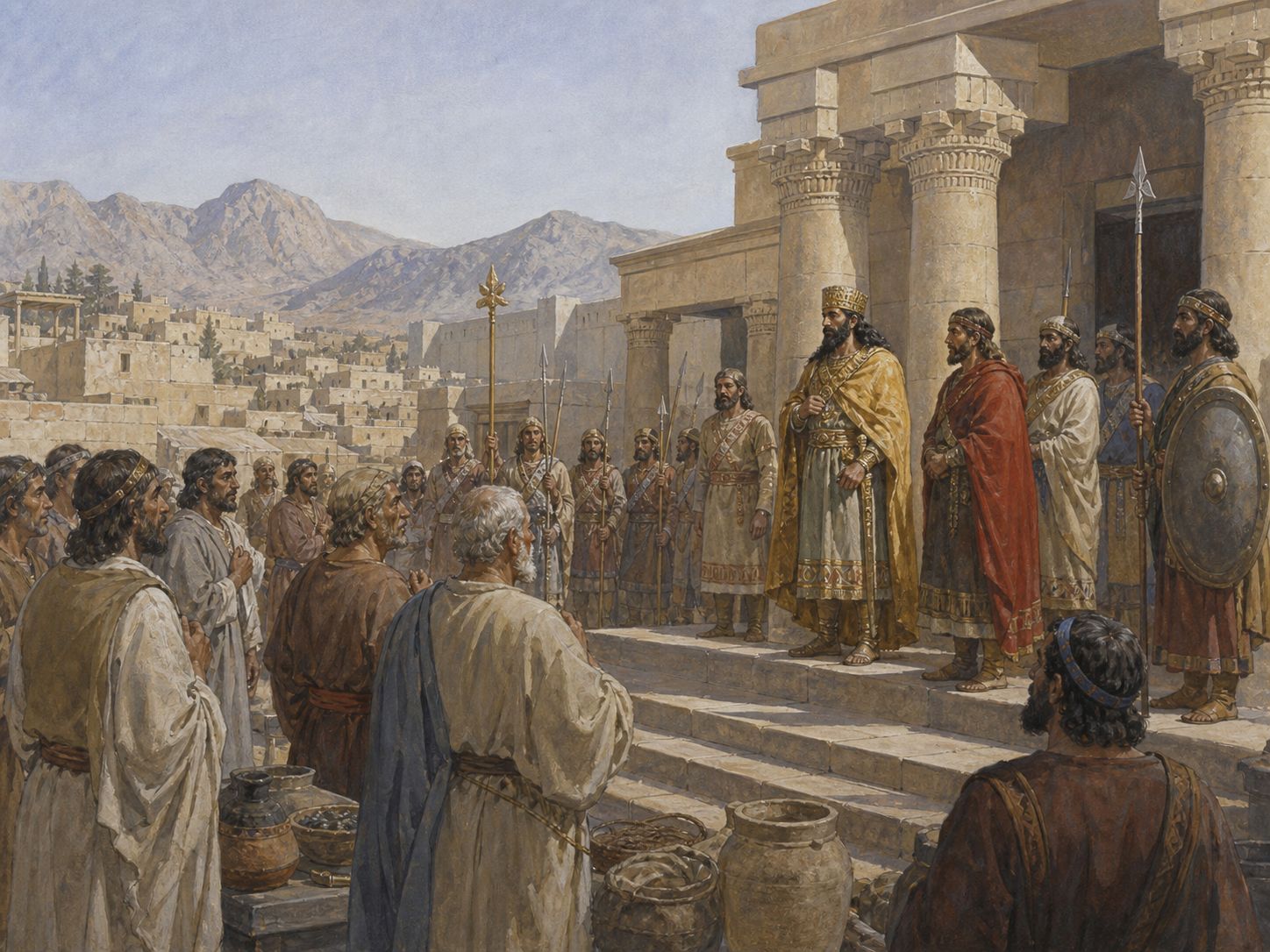
Outcome
The new dynasty linked kingship, Zoroastrian ritual, and bureaucracy to reorganize an empire centered on Iran.
- The new dynasty linked kingship, Zoroastrian ritual, and bureaucracy to reorganize an empire centered on Iran.
- Process producing the result: Ardashir expanded from southwestern Iran and confronted Rome over Armenia and Mesopotamia.
- Question carried forward: Through rivalry with Rome and Byzantium and exchange with Central and South Asia, the Sasanians shaped late antique West Asia.
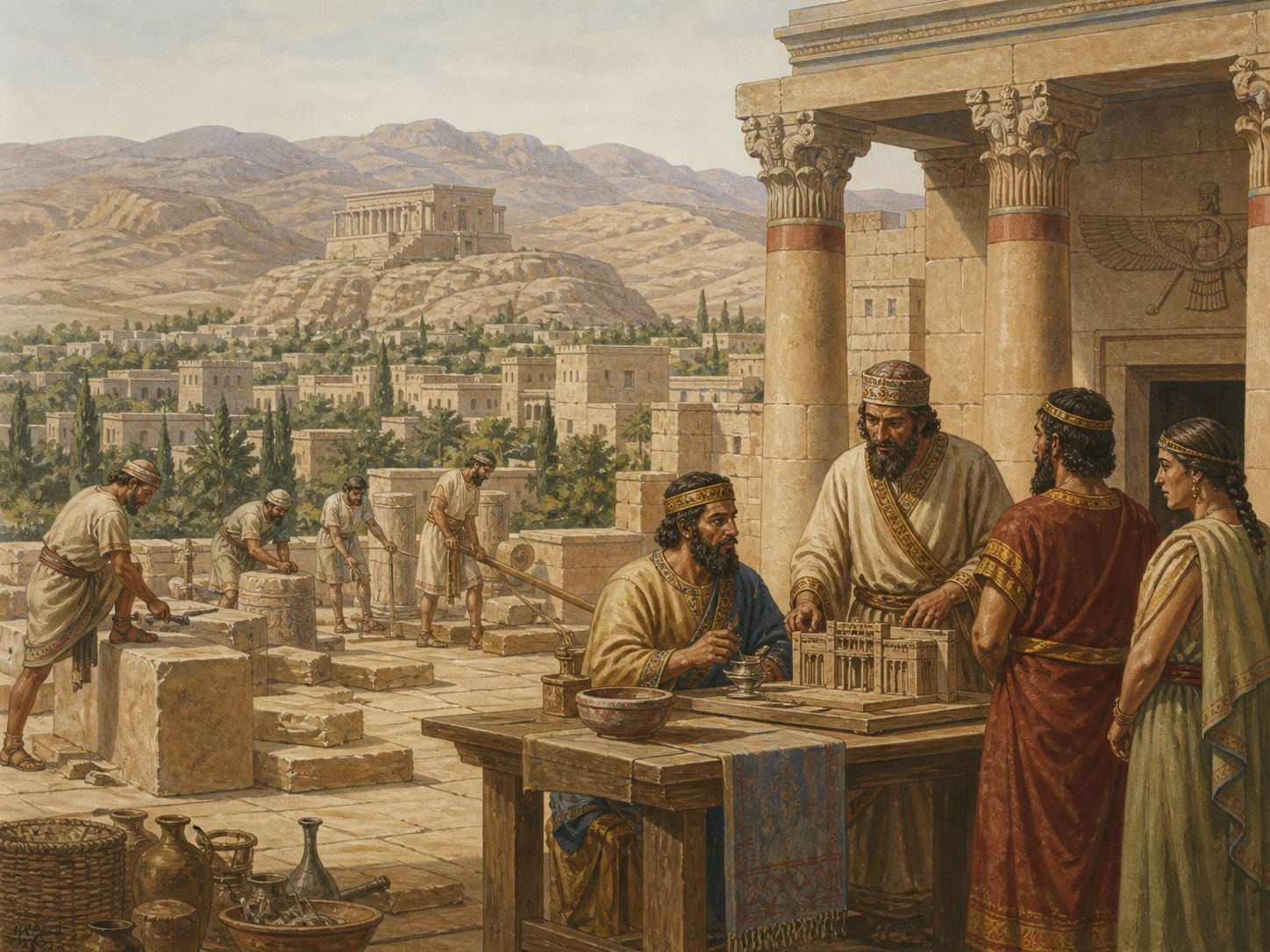
Historical significance
Through rivalry with Rome and Byzantium and exchange with Central and South Asia, the Sasanians shaped late antique West Asia.
- Through rivalry with Rome and Byzantium and exchange with Central and South Asia, the Sasanians shaped late antique West Asia.
- Immediate consequence: The new dynasty linked kingship, Zoroastrian ritual, and bureaucracy to reorganize an empire centered on Iran.
- Historical turning point: Around 224, Ardashir I defeated the Parthian royal order and founded the Sasanian dynasty.


Related events
c. 223
Prelude
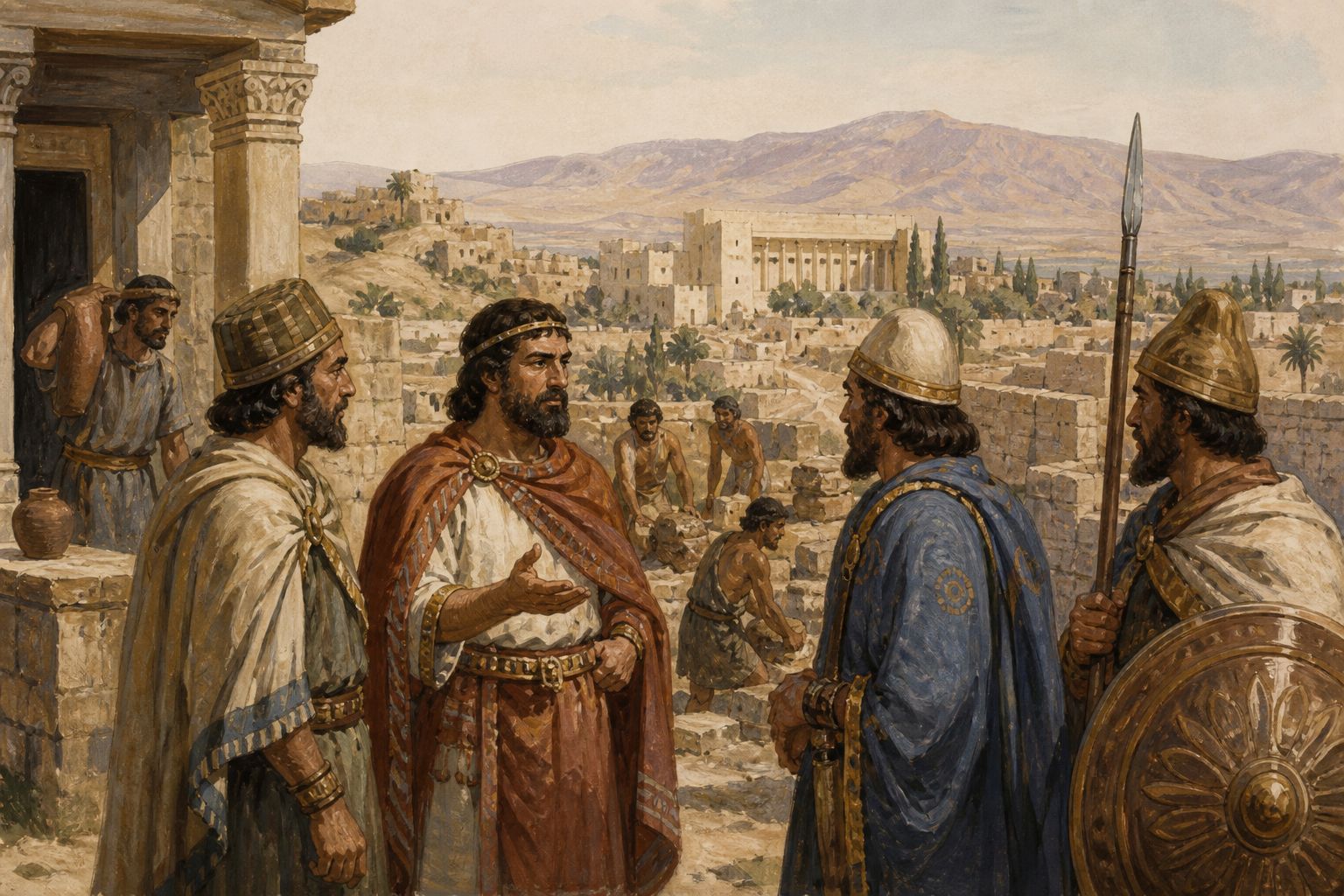
Prelude — Background: Under the decentralized Arsacid monarchy, the local power of Persis had grown increasingly autonomous.
c. 223
Turning point

Turning point — Build-up: Ardashir expanded from southwestern Iran and confronted Rome over Armenia and Mesopotamia.
c. 224
Rise of the Sasanian Empire
Current event
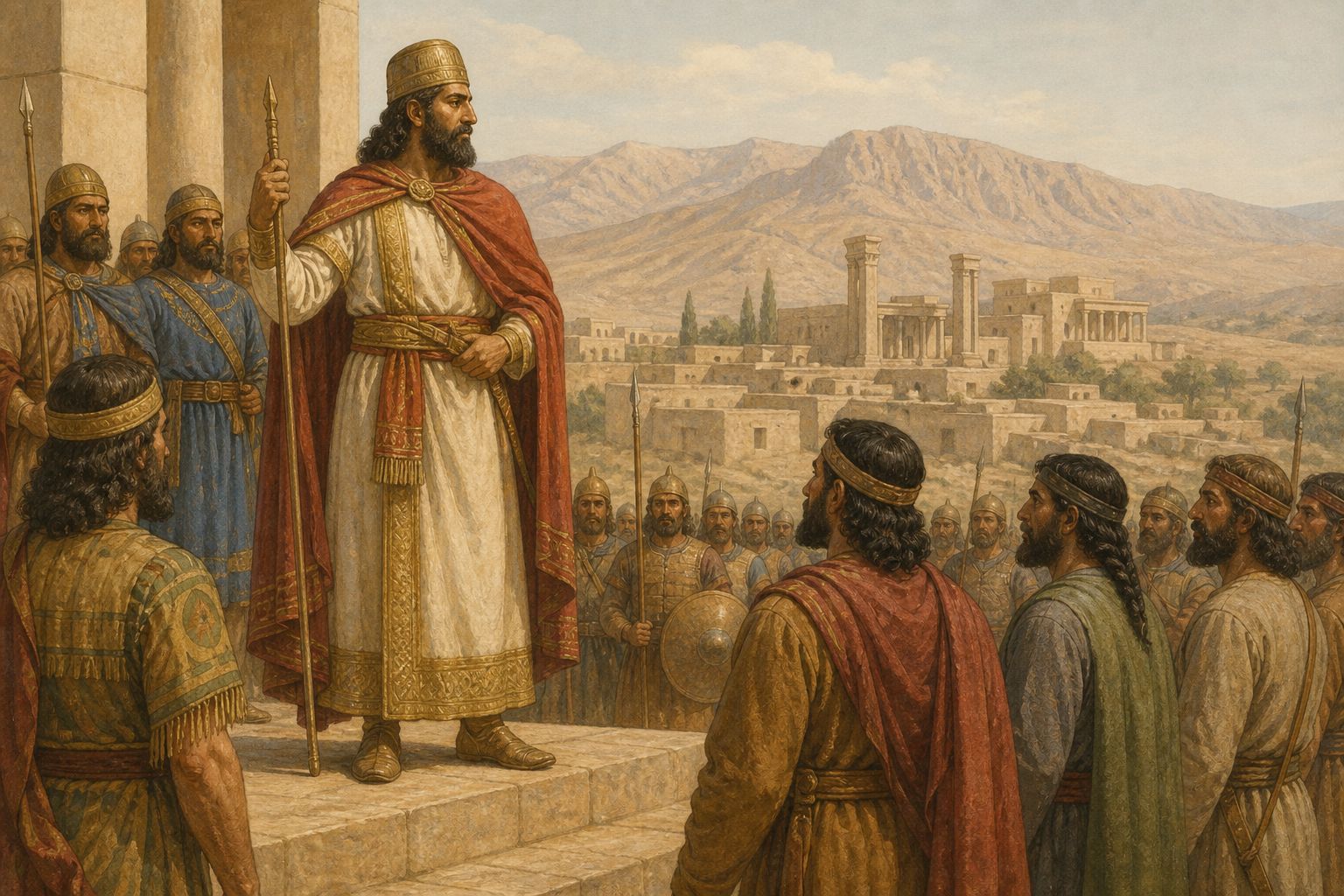
Rise of the Sasanian Empire — Central transition: Around 224, Ardashir I defeated the Parthian royal order and founded the Sasanian dynasty.
c. 225
Immediate aftermath
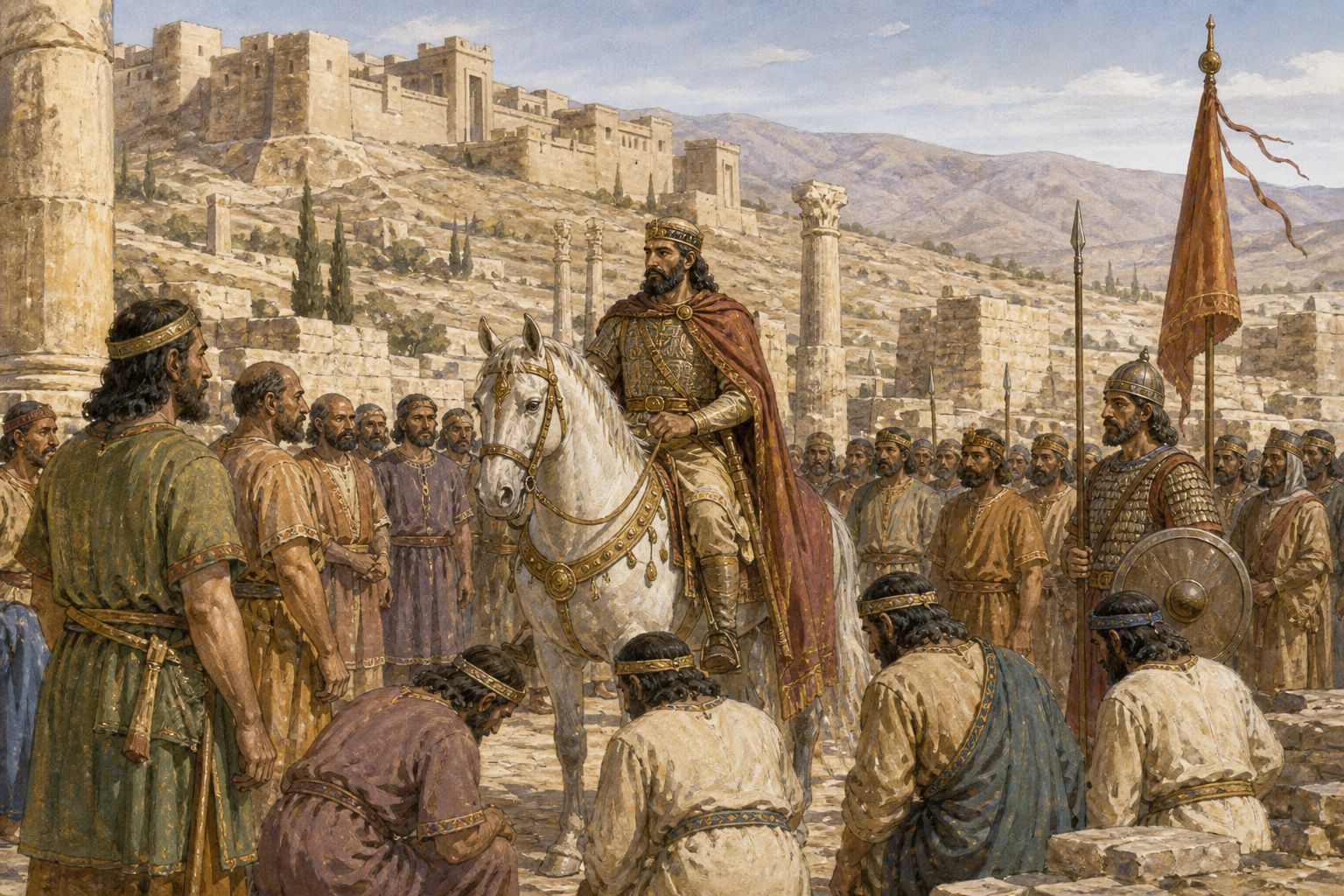
Immediate aftermath — Immediate result: The new dynasty linked kingship, Zoroastrian ritual, and bureaucracy to reorganize an empire centered on Iran.
c. 234
Long-term significance
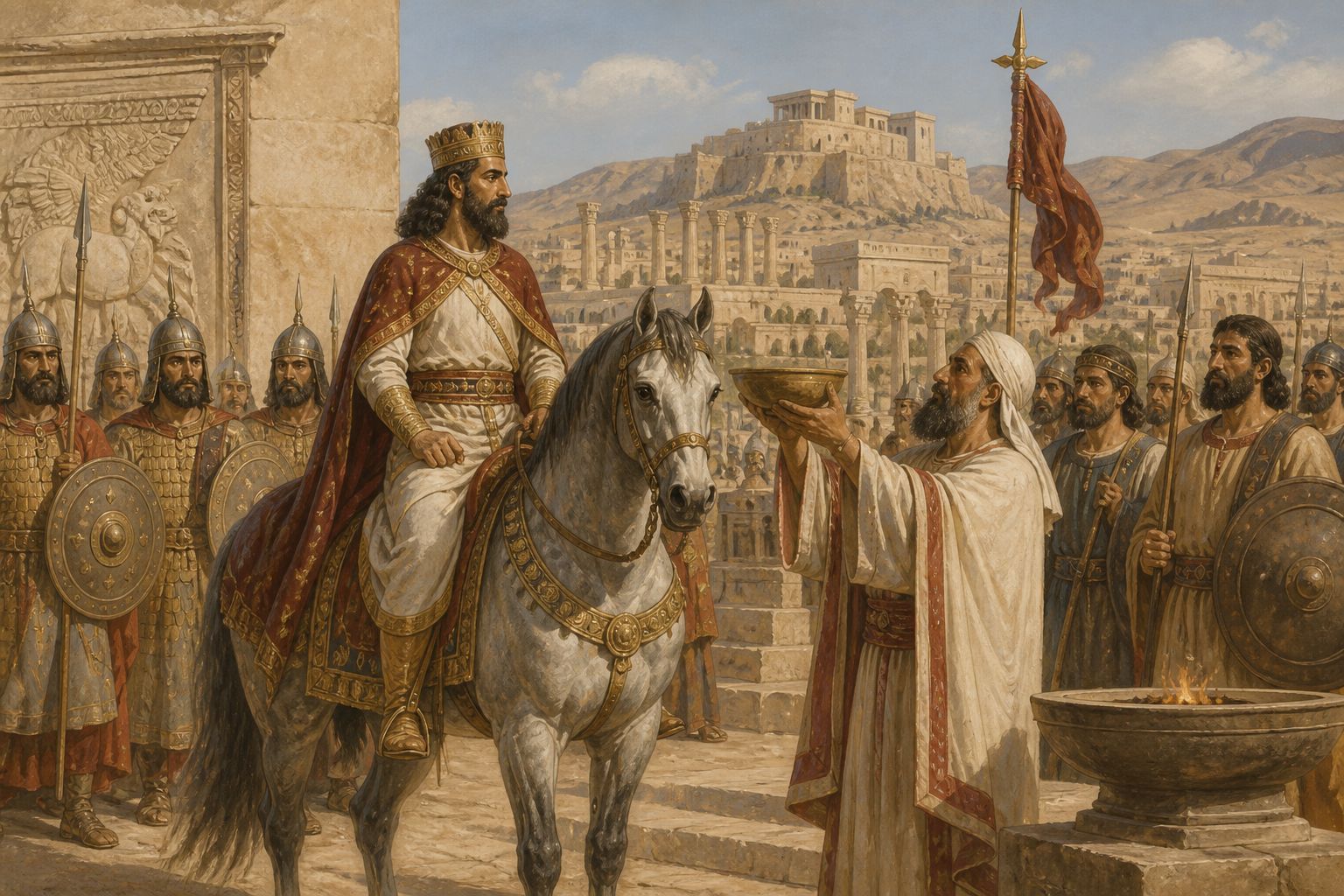
Long-term significance — Long-term significance: Through rivalry with Rome and Byzantium and exchange with Central and South Asia, the Sasanians shaped late antique West Asia.


Sources
- Rise of the Sasanian Empire — Ancient Iran (Encyclopaedia Britannica)britannica.comThis Encyclopaedia Britannica resource supports the chronology, setting, and course of Rise of the Sasanian Empire.
- Rise of the Sasanian Empire — Sasanian Dynasty (Iranicaonline)iranicaonline.orgThis Iranicaonline resource supports the chronology, setting, and course of Rise of the Sasanian Empire.
- Rise of the Sasanian Empire — Hd Sasa (The Metropolitan Museum of Art)metmuseum.orgThis The Metropolitan Museum of Art resource supports the chronology, setting, and course of Rise of the Sasanian Empire.