
Foundation of the Roman Republic
c. 509 BC
After the Roman monarchy ended, a republic centered on the Senate and annually elected consuls took shape, traditionally dated from around 509 BCE.

- Period
- c. 509 BC
- Kind
- Cultural event
- Regions
- Europe
- Keywords
- Foundation of the Roman Republic · Roman monarchy · consuls · Senate · Struggle of the Orders
Follow the story · Four stages
Background
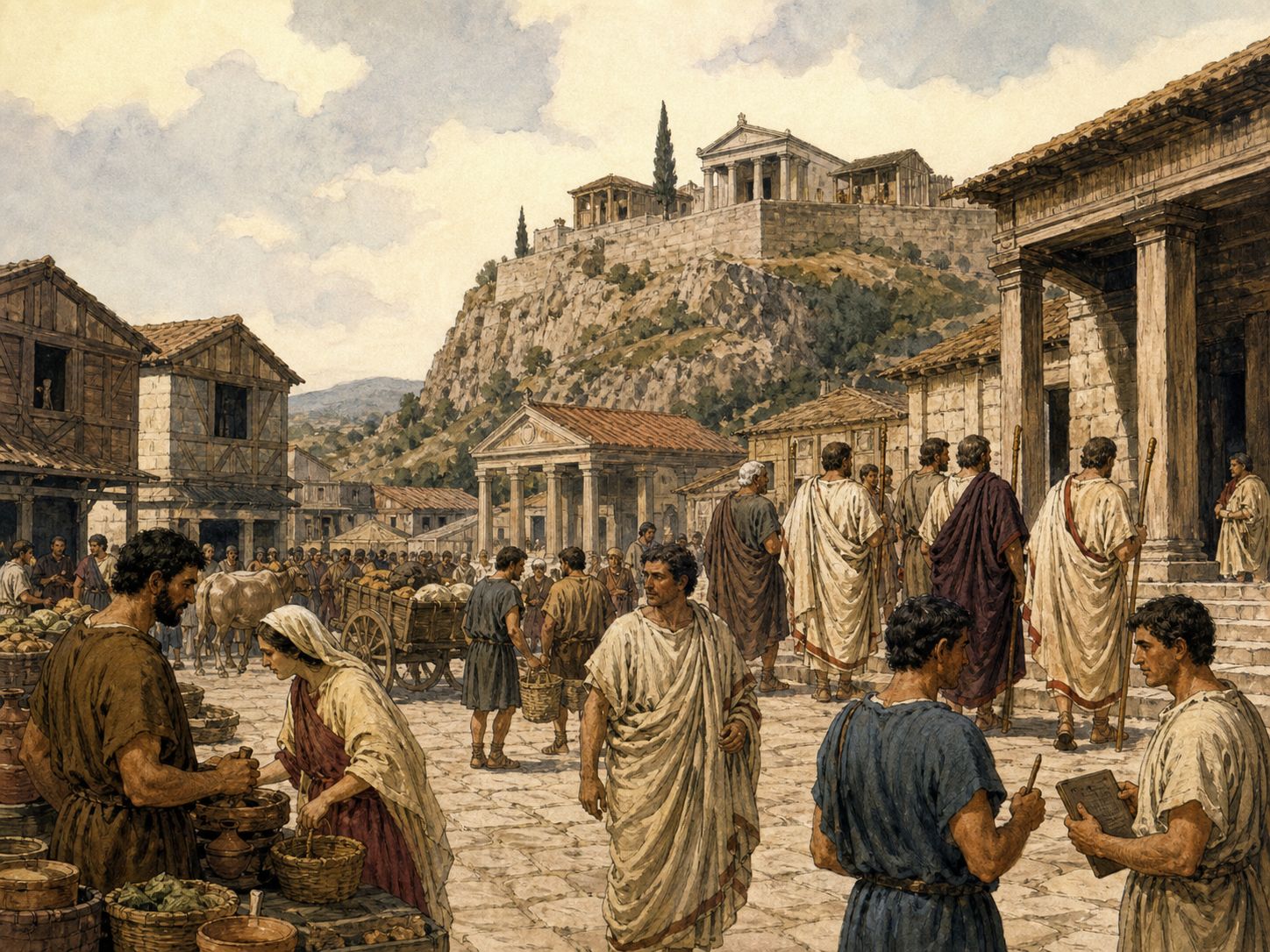
Tensions over royal rule and aristocratic power, together with the memory of the monarchy’s overthrow, demanded a new political arrangement.
- Tensions over royal rule and aristocratic power, together with the memory of the monarchy’s overthrow, demanded a new political arrangement.
- Core event: After the Roman monarchy ended, a republic centered on the Senate and annually elected consuls took shape, traditionally dated from around 509 BCE.
- Connection to the next stage: After the monarchy, two annually elected consuls and the Senate governed, while struggles between patricians and plebeians gradually altered the republic’s institutions.
Course
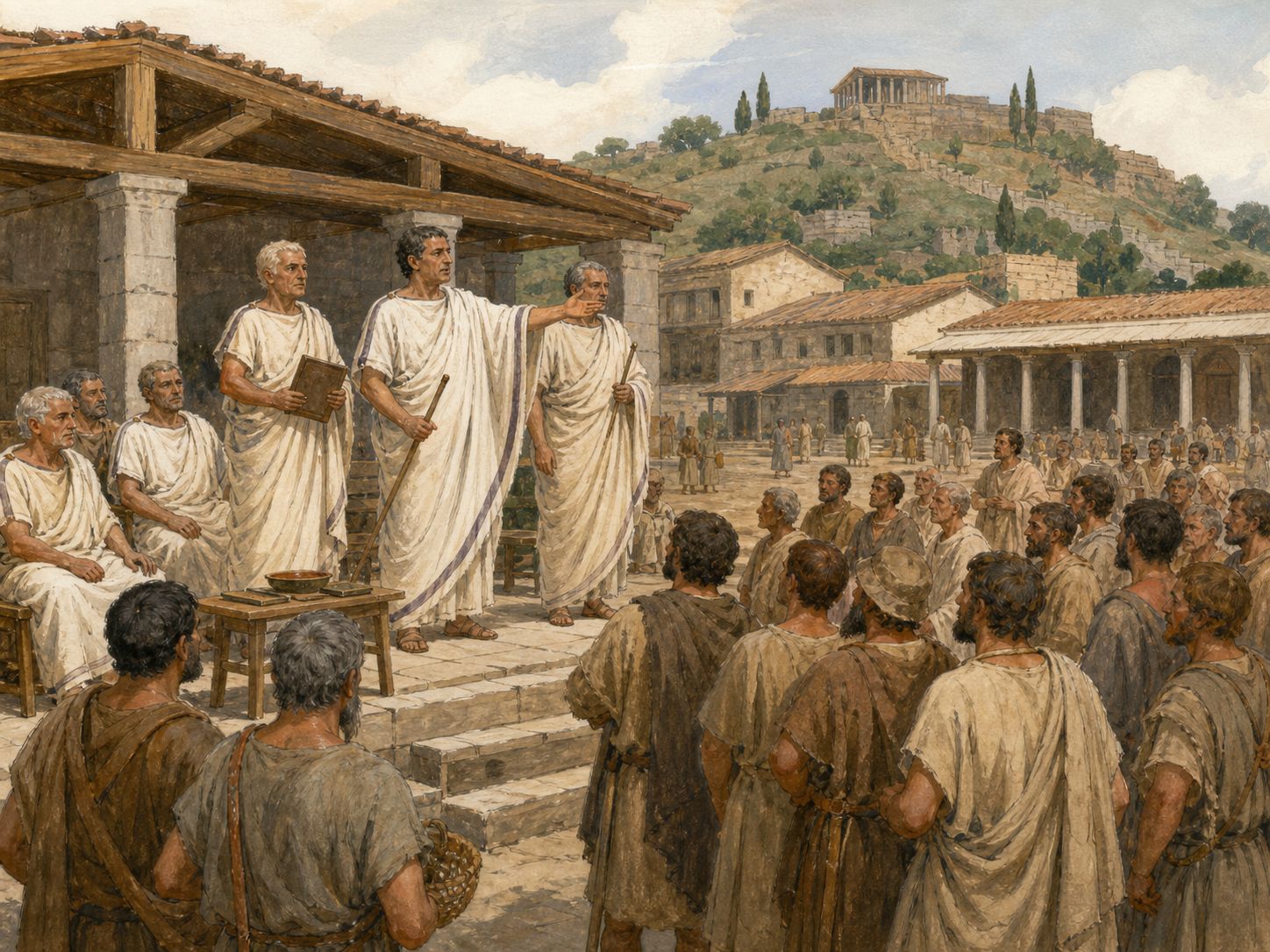
After the monarchy, two annually elected consuls and the Senate governed, while struggles between patricians and plebeians gradually altered the republic’s institutions.
- After the monarchy, two annually elected consuls and the Senate governed, while struggles between patricians and plebeians gradually altered the republic’s institutions.
- Conditions behind the action: Tensions over royal rule and aristocratic power, together with the memory of the monarchy’s overthrow, demanded a new political arrangement.
- Meaning of the turning point: After the Roman monarchy ended, a republic centered on the Senate and annually elected consuls took shape, traditionally dated from around 509 BCE.
Outcome
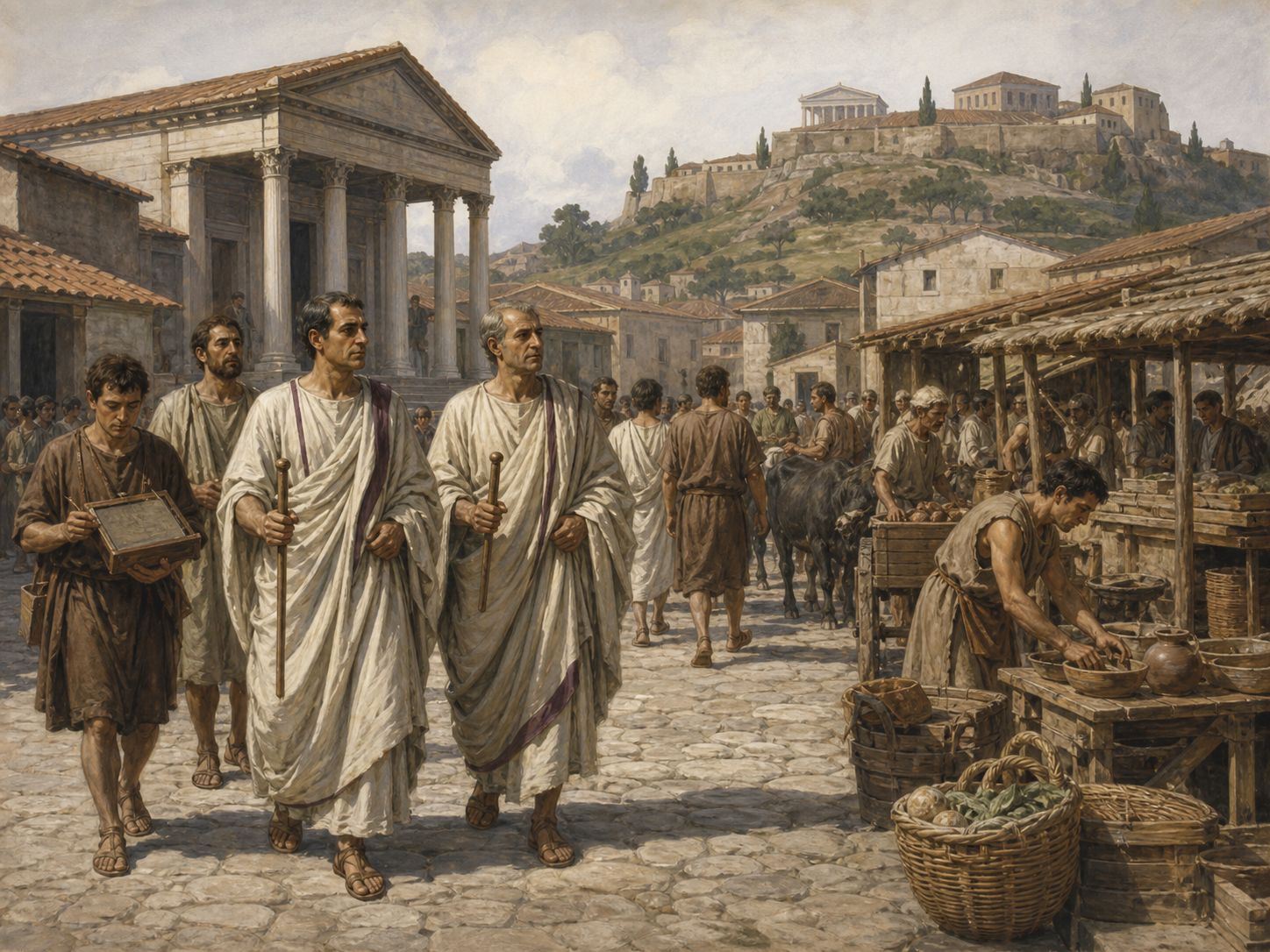
The republic was not completed in one moment; tribunes, written law, and access to office expanded through long cycles of conflict and compromise.
- The republic was not completed in one moment; tribunes, written law, and access to office expanded through long cycles of conflict and compromise.
- Process producing the result: After the monarchy, two annually elected consuls and the Senate governed, while struggles between patricians and plebeians gradually altered the republic’s institutions.
- Question carried forward: Roman institutions supplied later political thought with a powerful vocabulary of republican government, while initially excluding women, enslaved people, and non-citizens.
Historical significance
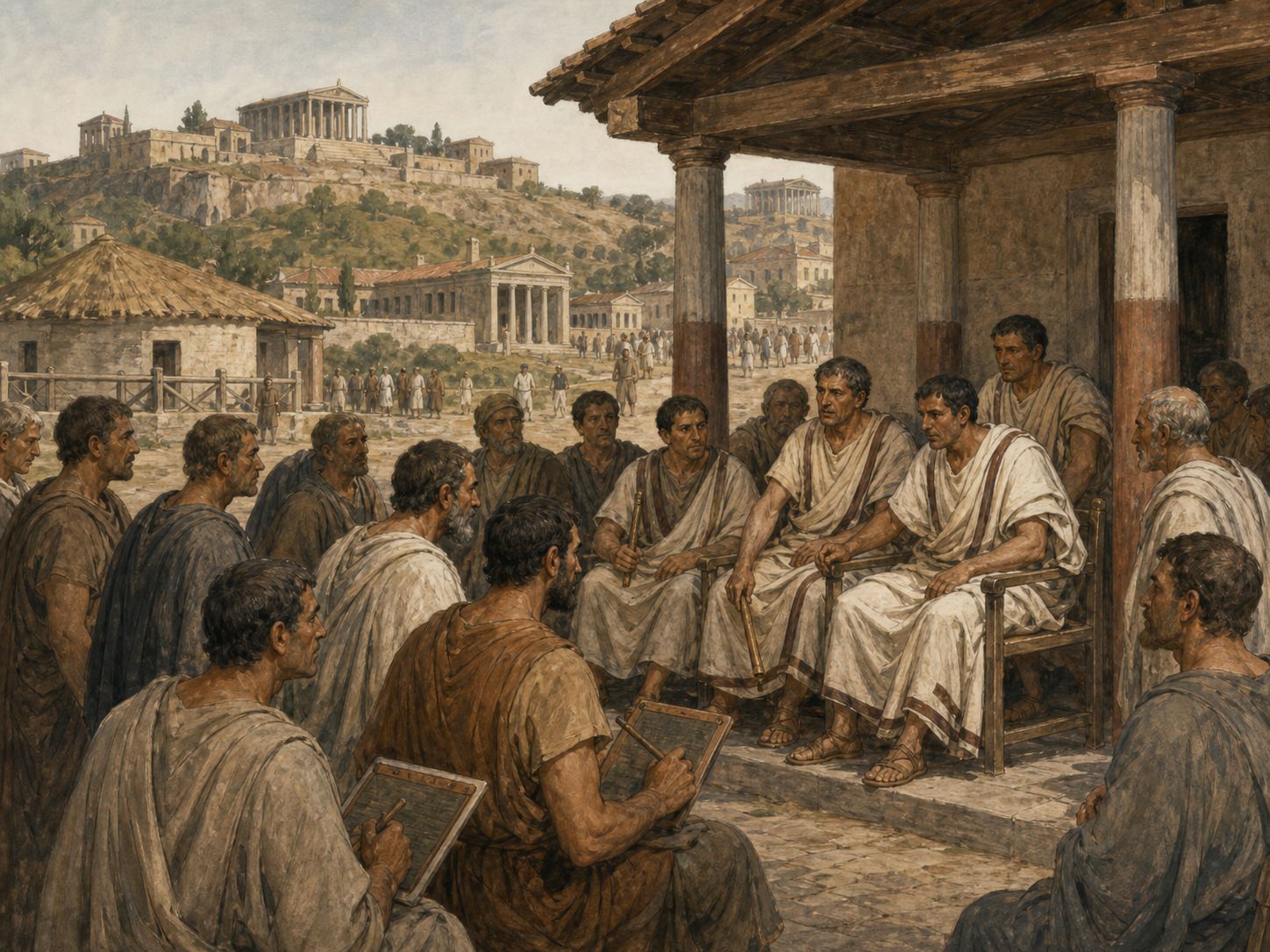
Roman institutions supplied later political thought with a powerful vocabulary of republican government, while initially excluding women, enslaved people, and non-citizens.
- Roman institutions supplied later political thought with a powerful vocabulary of republican government, while initially excluding women, enslaved people, and non-citizens.
- Immediate consequence: The republic was not completed in one moment; tribunes, written law, and access to office expanded through long cycles of conflict and compromise.
- Historical turning point: After the Roman monarchy ended, a republic centered on the Senate and annually elected consuls took shape, traditionally dated from around 509 BCE.


Related events
c. 753 BC–c. 509 BC
Kingship and aristocratic competition
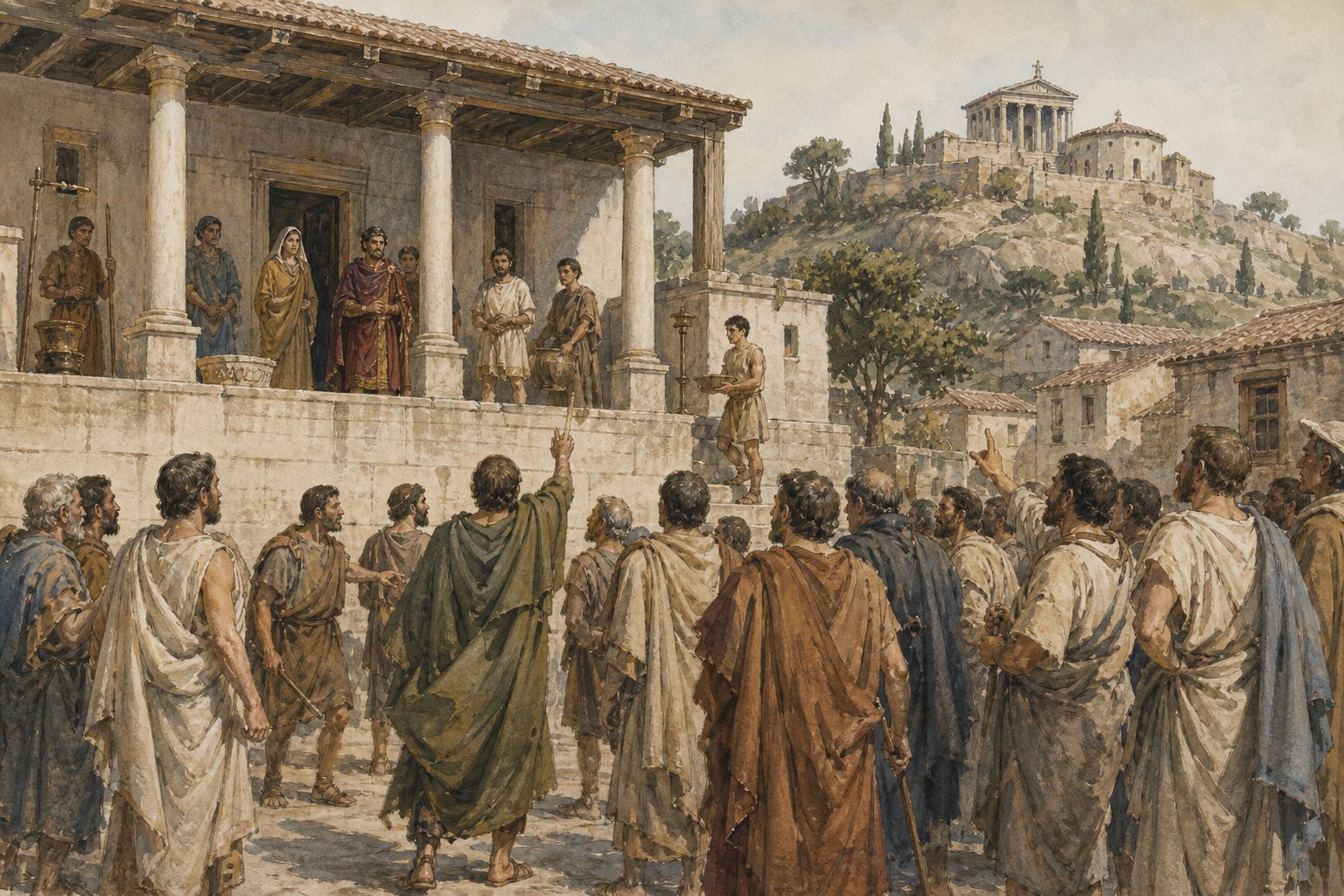
Kingship and aristocratic competition — Background: Tensions over royal rule and aristocratic power, together with the memory of the monarchy’s overthrow, demanded a new political arrangement.
c. 509 BC
Traditional expulsion of the last king
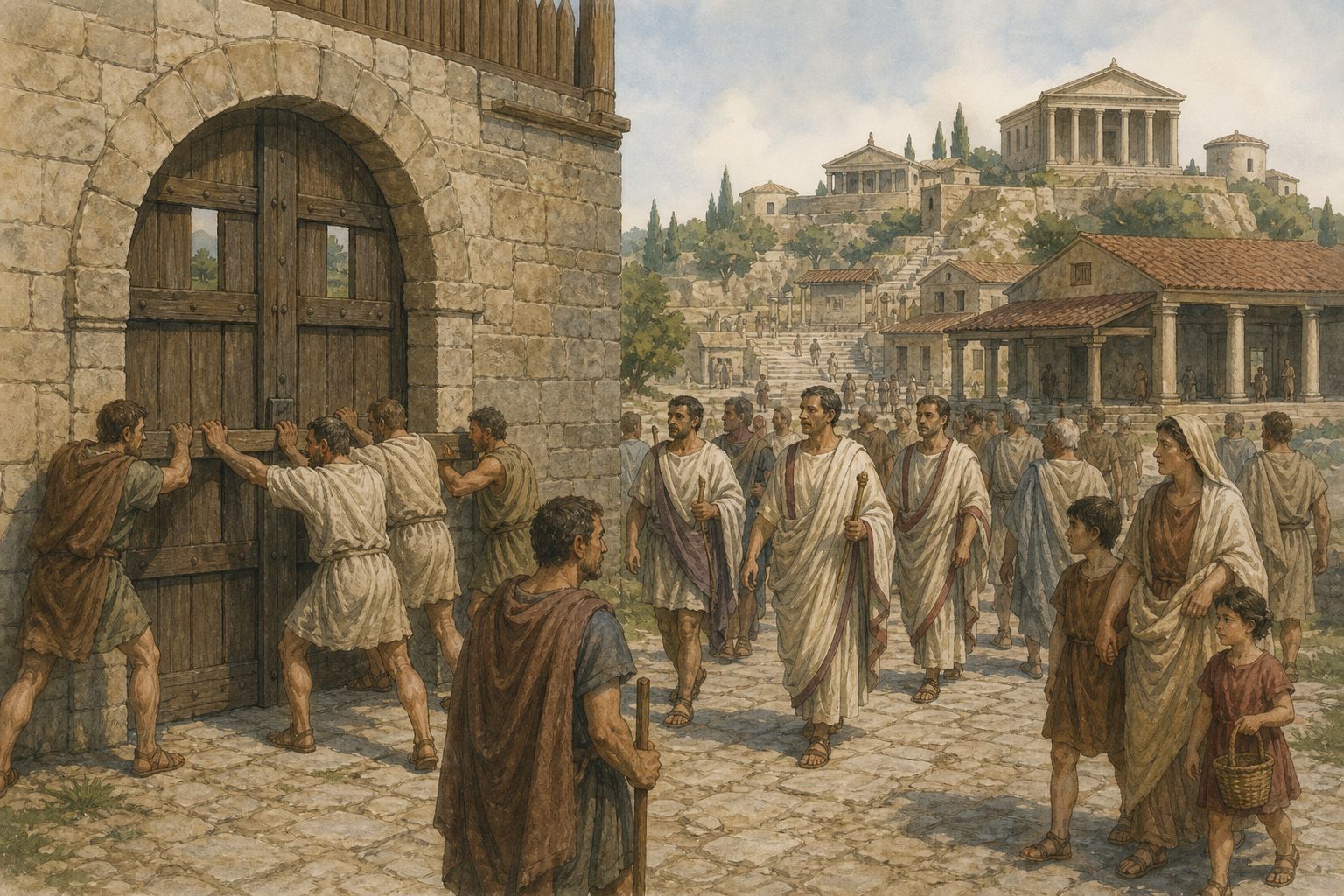
Traditional expulsion of the last king — Background: Tensions over royal rule and aristocratic power, together with the memory of the monarchy’s overthrow, demanded a new political arrangement.
c. 509 BC
Consuls and the Senate established
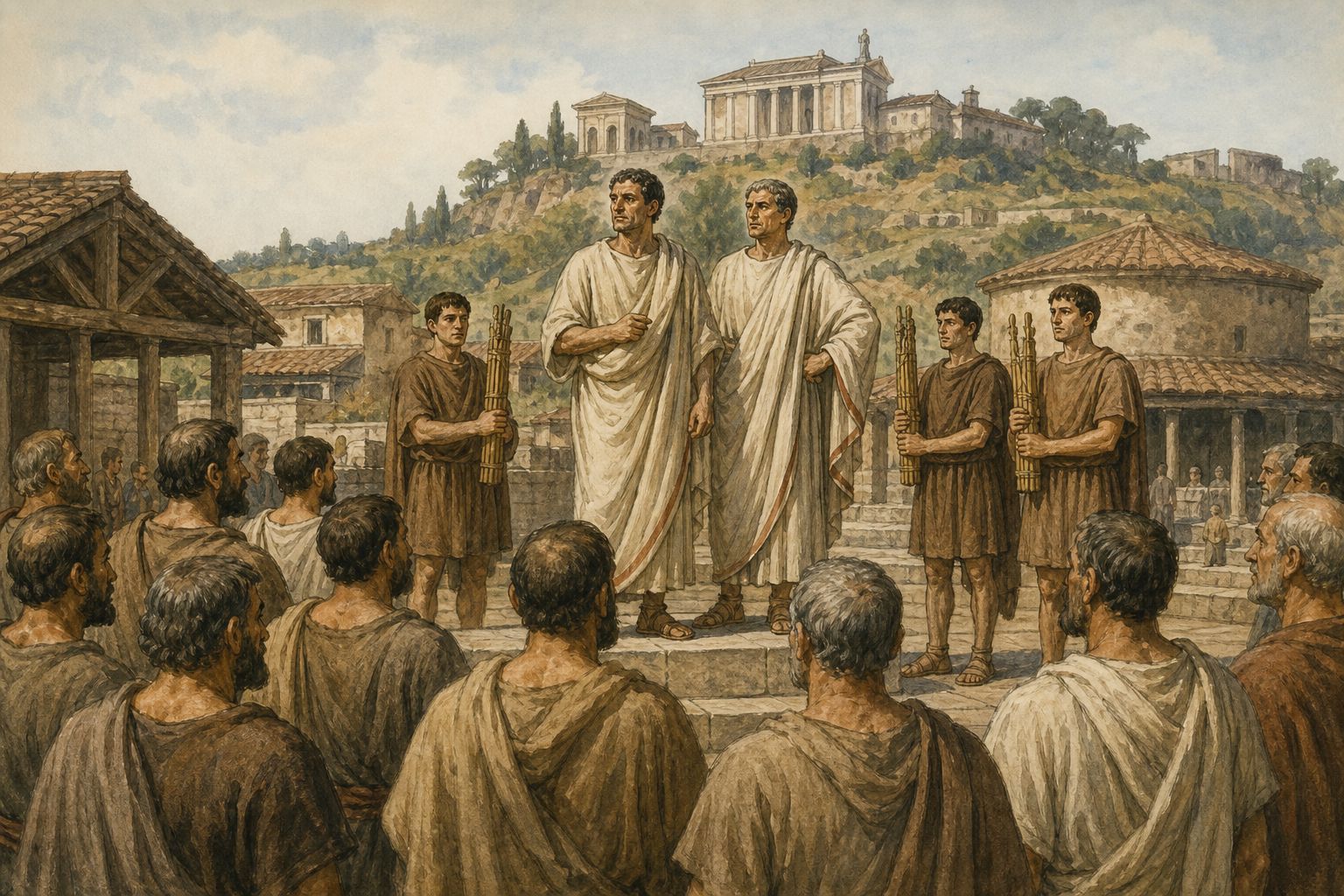
Consuls and the Senate established — Background: Tensions over royal rule and aristocratic power, together with the memory of the monarchy’s overthrow, demanded a new political arrangement.
c. 494 BC–c. 287 BC
The Struggle of the Orders and written law
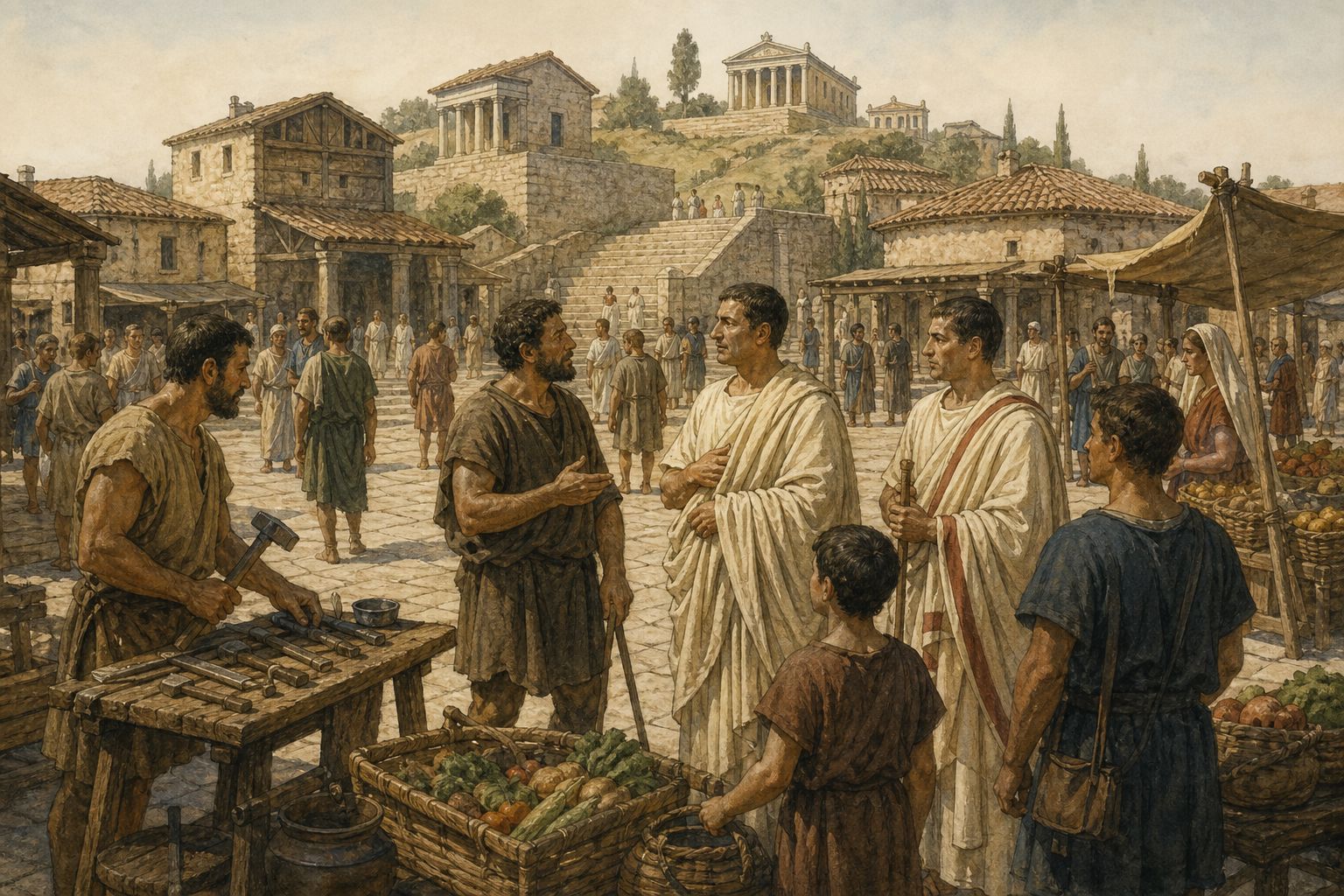
The Struggle of the Orders and written law — Build-up: After the monarchy, two annually elected consuls and the Senate governed, while struggles between patricians and plebeians gradually altered the republic’s institutions.
c. 509 BC–c. 27 BC
Republican institutions and exclusion
Current event
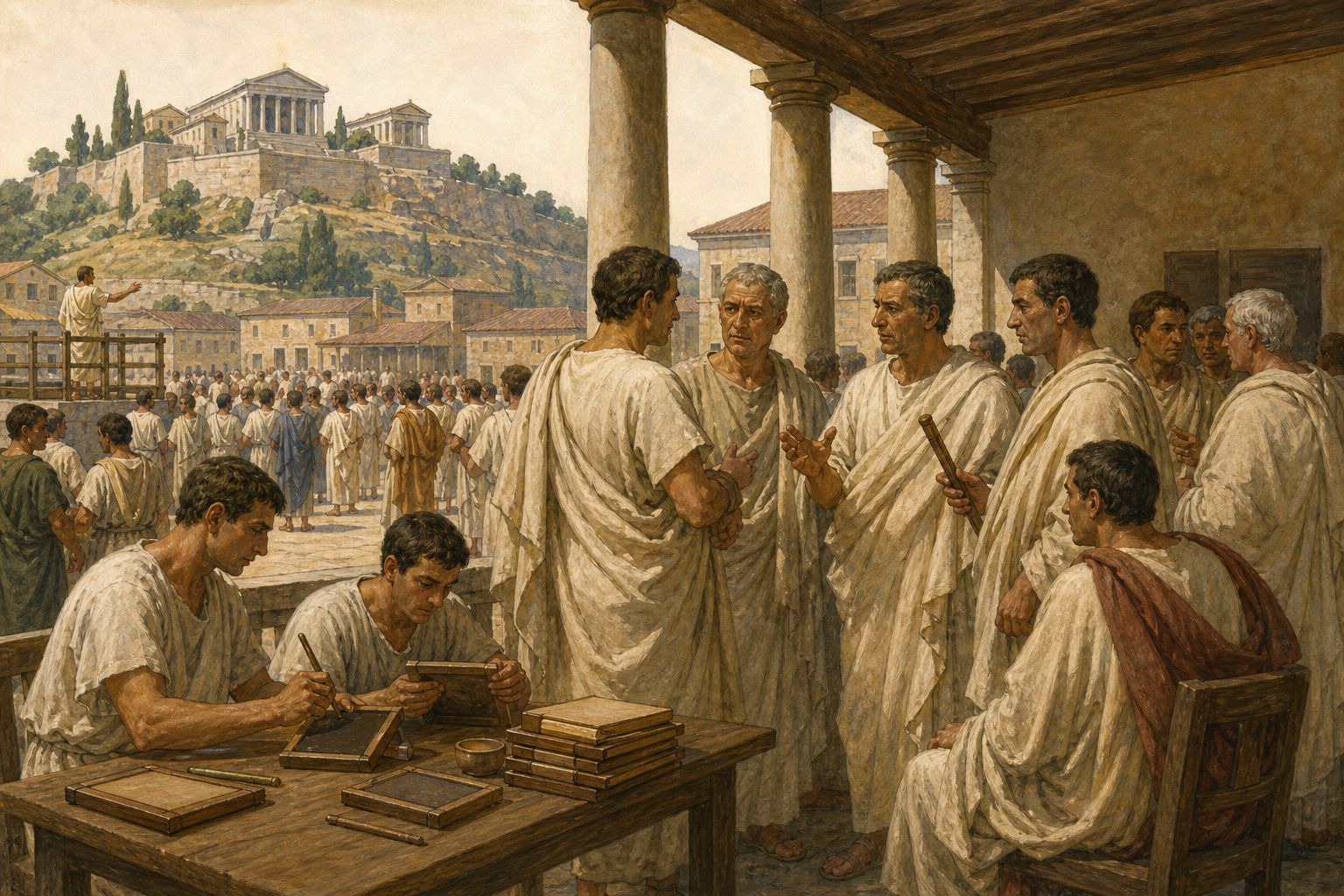
Republican institutions and exclusion — Central transition: After the Roman monarchy ended, a republic centered on the Senate and annually elected consuls took shape, traditionally dated from around 509 BCE.


Sources
- Foundation of the Roman Republic — Roman Republic Foundation (Encyclopaedia Britannica)britannica.comThis Encyclopaedia Britannica resource supports the chronology, setting, and course of Foundation of the Roman Republic.
- Foundation of the Roman Republic — Hd Roman Republic Foundation (The Metropolitan Museum of Art)metmuseum.orgThis The Metropolitan Museum of Art resource supports the chronology, setting, and course of Foundation of the Roman Republic.
- Foundation of the Roman Republic — Roman Republic Foundation (World History Encyclopedia)worldhistory.orgThis World History Encyclopedia resource supports the chronology, setting, and course of Foundation of the Roman Republic.