
Foundation of the Roman Republic
509 BC
Roman tradition places the end of kingship and the beginning of a republic centered on elected consuls and the Senate in this period.

- Period
- 509 BC
- Kind
- Political event
- Regions
- Europe
- Keywords
- Foundation of the Roman Republic · Rome · ancient · background · turning point · impact
Follow the story · Four stages
Background
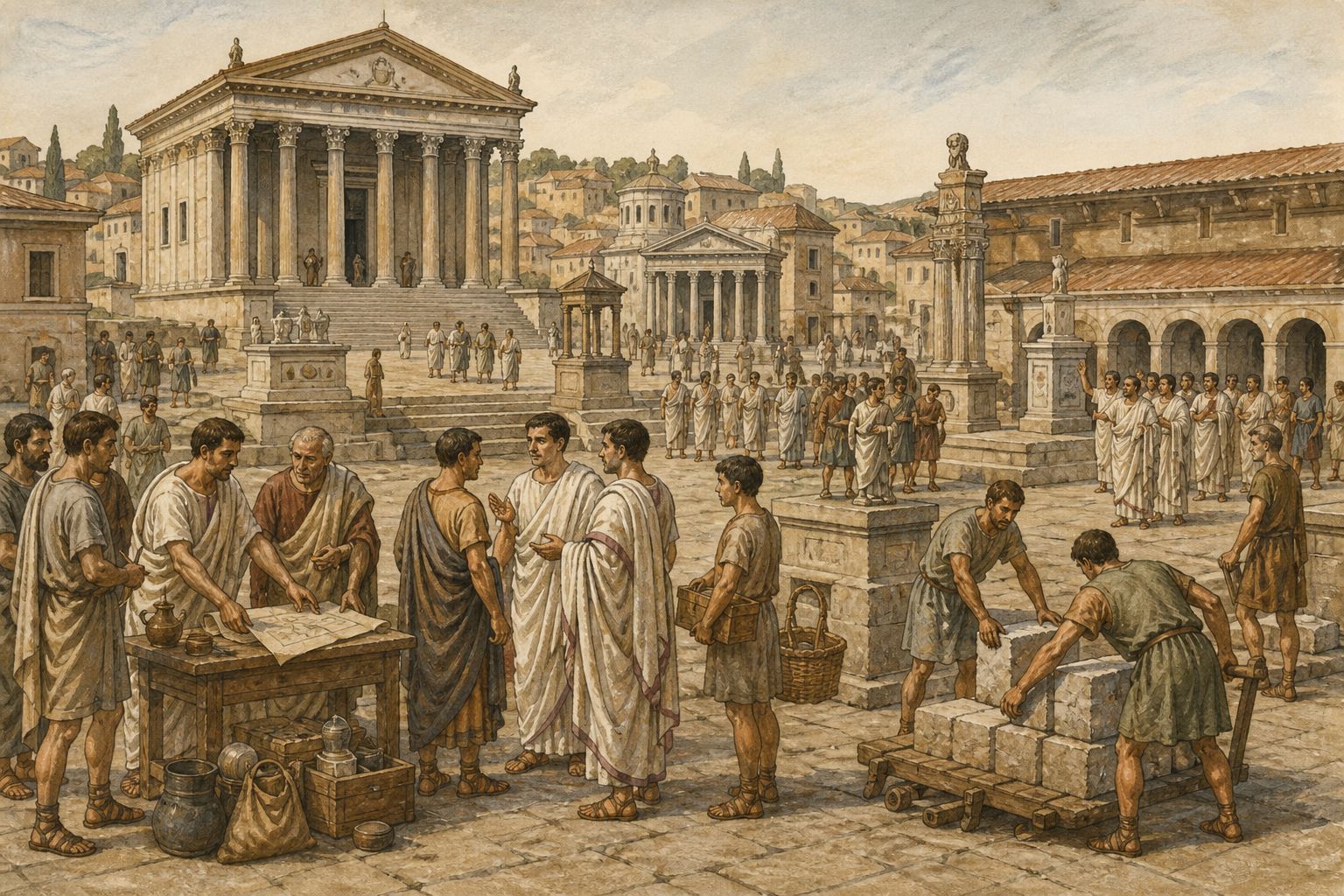
Political, social, and commercial changes around Rome formed the setting: Roman tradition places the end of kingship and the beginning of a republic centered on elected consuls and the Senate in this period.
- In and around Rome, the setting took shape as Roman tradition places the end of kingship and the beginning of a republic centered on elected consuls and the Senate in this period.
- Core event: Roman tradition places the end of kingship and the beginning of a republic centered on elected consuls and the Senate in this period.
- Connection to the next stage: Roman tradition places the end of kingship and the beginning of a republic centered on elected consuls and the Senate in this period. The change unfolded through decisions by rulers, institutions, and local communities.
Course
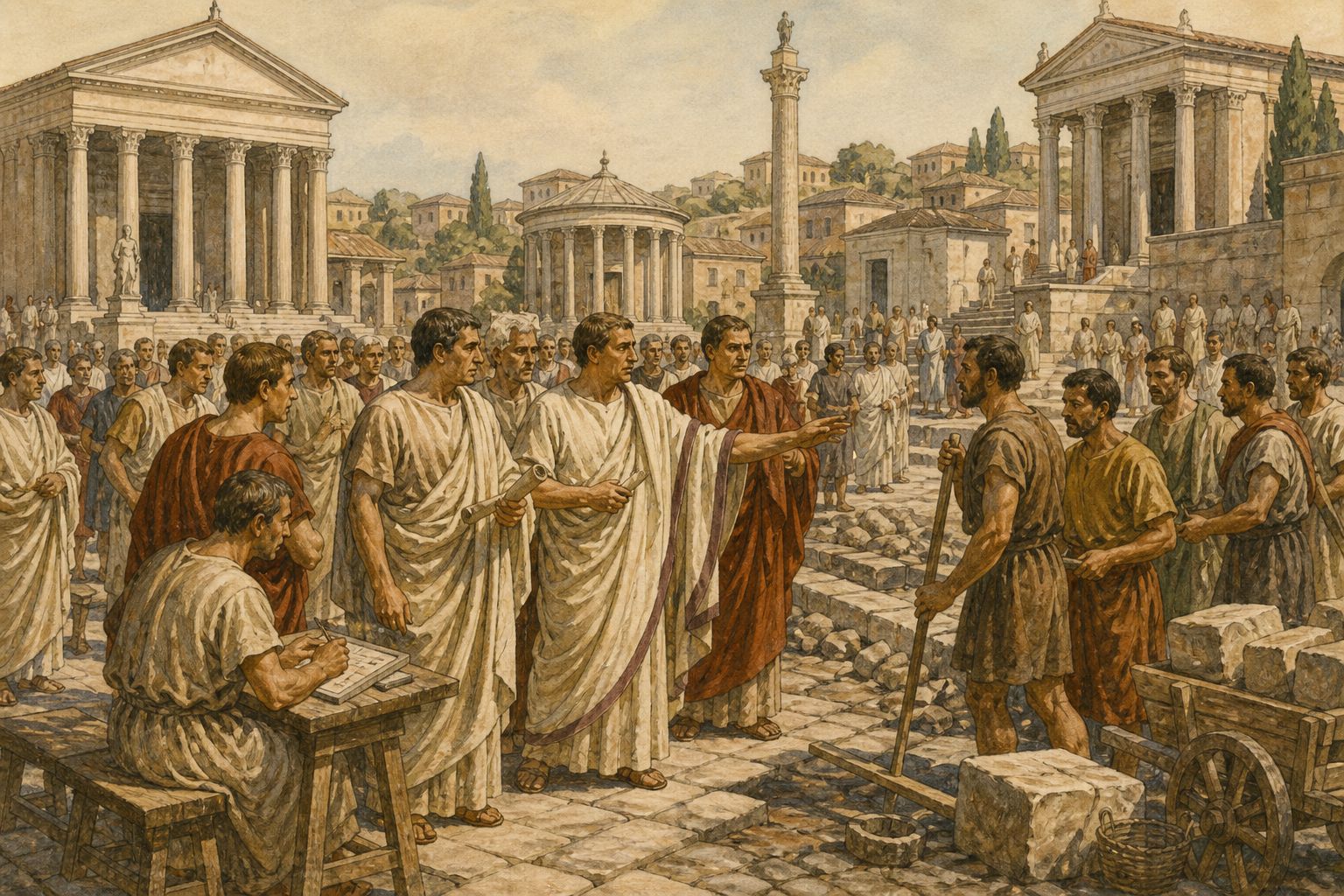
Roman tradition places the end of kingship and the beginning of a republic centered on elected consuls and the Senate in this period. The choices of the participating powers and responses of local communities shaped the course.
- Roman tradition places the end of kingship and the beginning of a republic centered on elected consuls and the Senate in this period.
- The change unfolded through decisions by rulers, institutions, and local communities.
- Conditions behind the action: In and around Rome, the setting took shape as Roman tradition places the end of kingship and the beginning of a republic centered on elected consuls and the Senate in this period.
Outcome
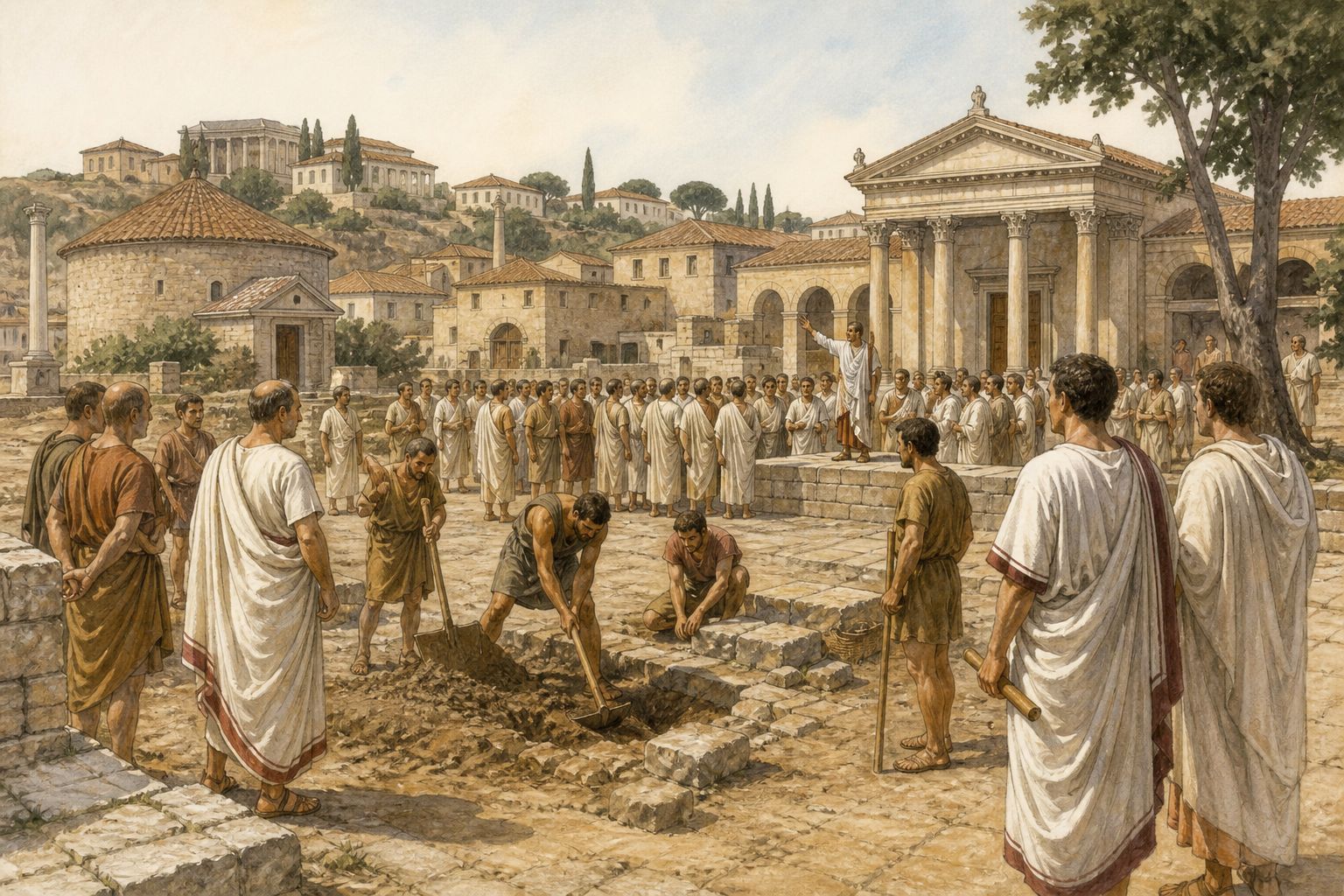
As a result, Citizenship and legal institutions expanded through social conflict and became a political model across the Mediterranean world.
- Citizenship and legal institutions expanded through social conflict and became a political model across the Mediterranean world.
- Process producing the result: Roman tradition places the end of kingship and the beginning of a republic centered on elected consuls and the Senate in this period. The change unfolded through decisions by rulers, institutions, and local communities.
- Question carried forward: In the longer term, citizenship and legal institutions expanded through social conflict and became a political model across the mediterranean world.
Historical significance
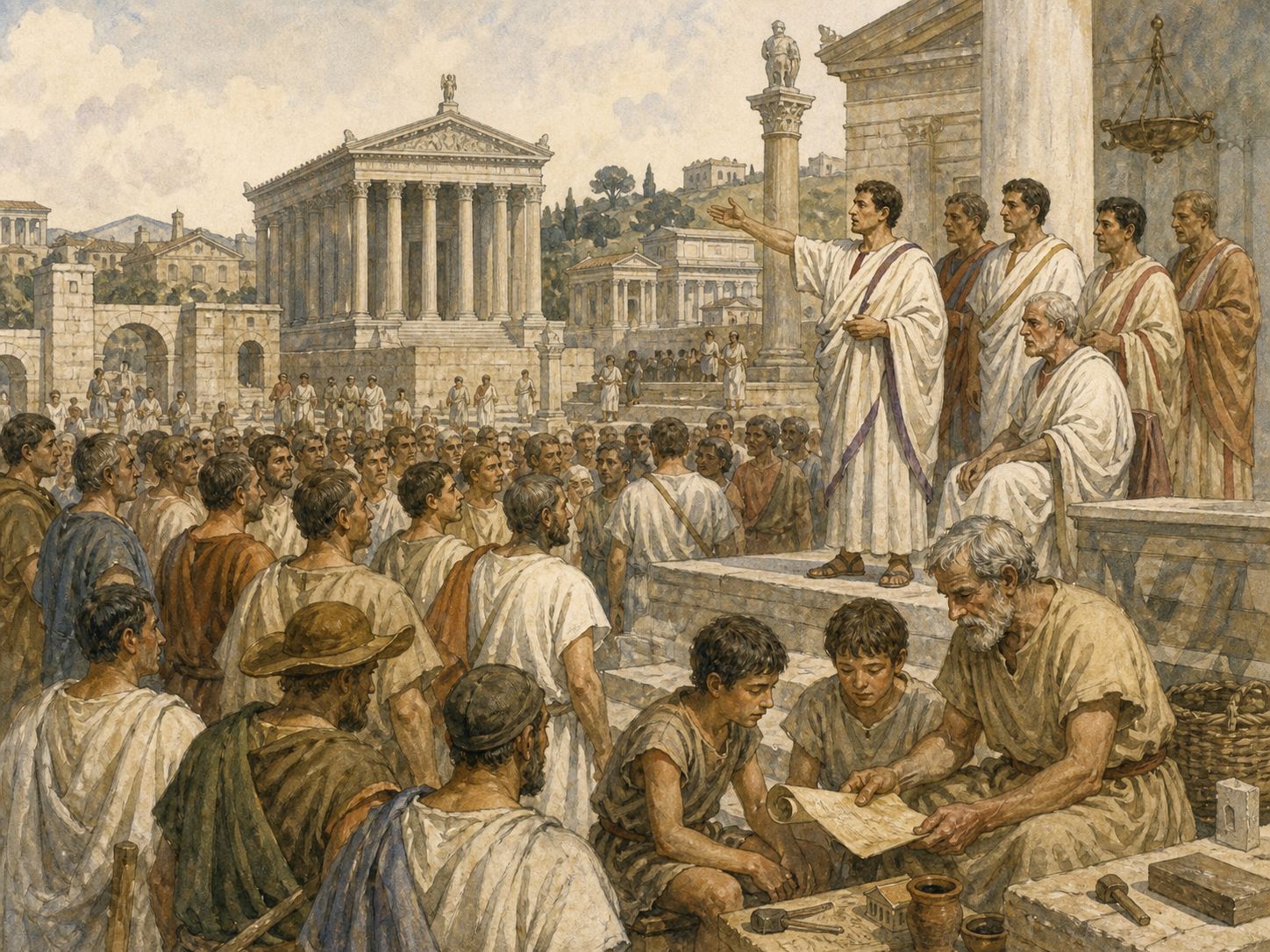
The significance of this event lies in the fact that citizenship and legal institutions expanded through social conflict and became a political model across the mediterranean world.
- In the longer term, citizenship and legal institutions expanded through social conflict and became a political model across the mediterranean world.
- Immediate consequence: Citizenship and legal institutions expanded through social conflict and became a political model across the Mediterranean world.
- Historical turning point: Roman tradition places the end of kingship and the beginning of a republic centered on elected consuls and the Senate in this period.


Related events
c. 534 BC
Reign traditionally assigned to Tarquinius
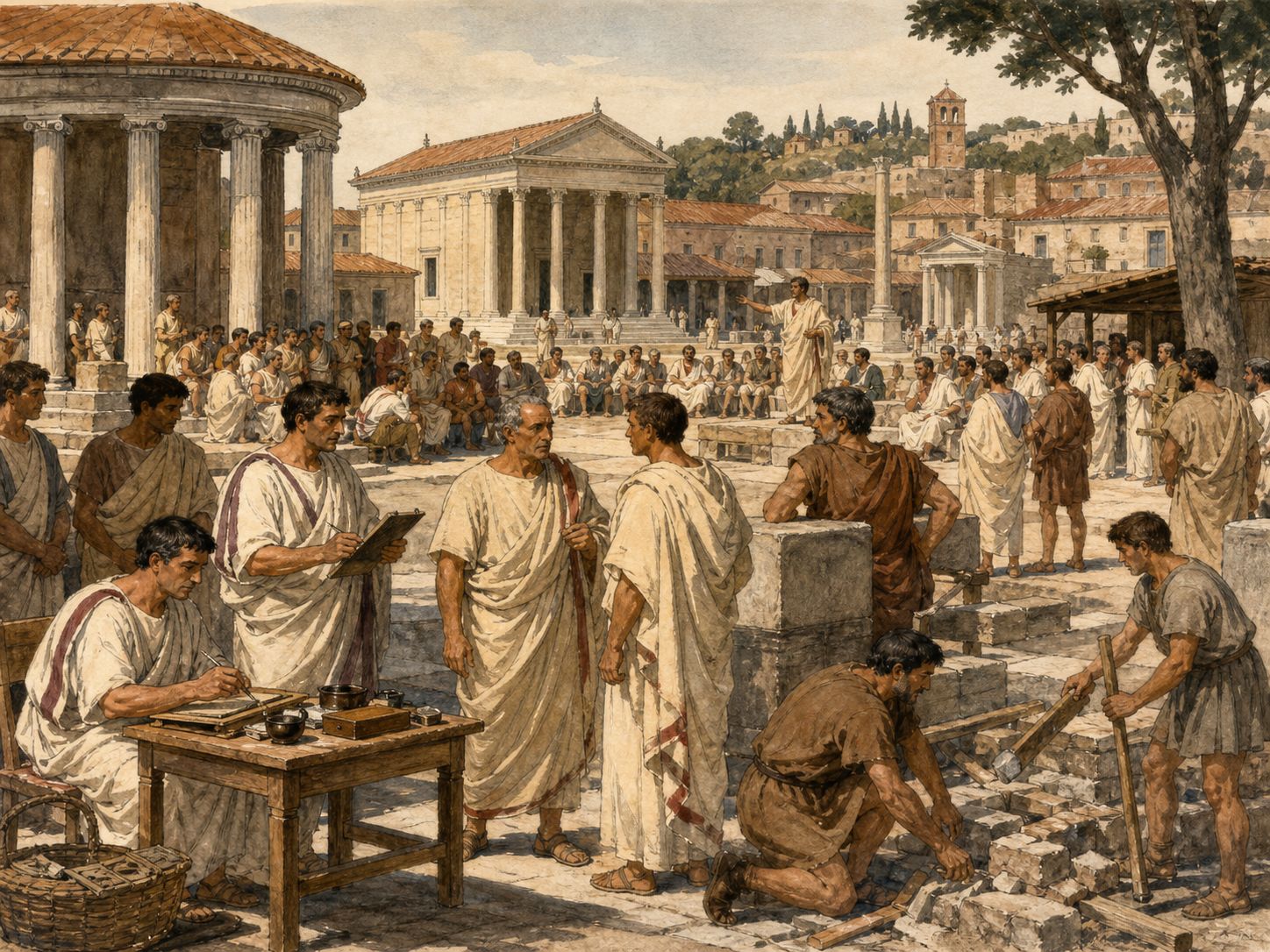
Reign traditionally assigned to Tarquinius — In and around Rome, the setting took shape as Roman tradition places the end of kingship and the beginning of a republic centered on elected consuls and the Senate in this period.
c. 510 BC
Crisis of the Roman monarchy
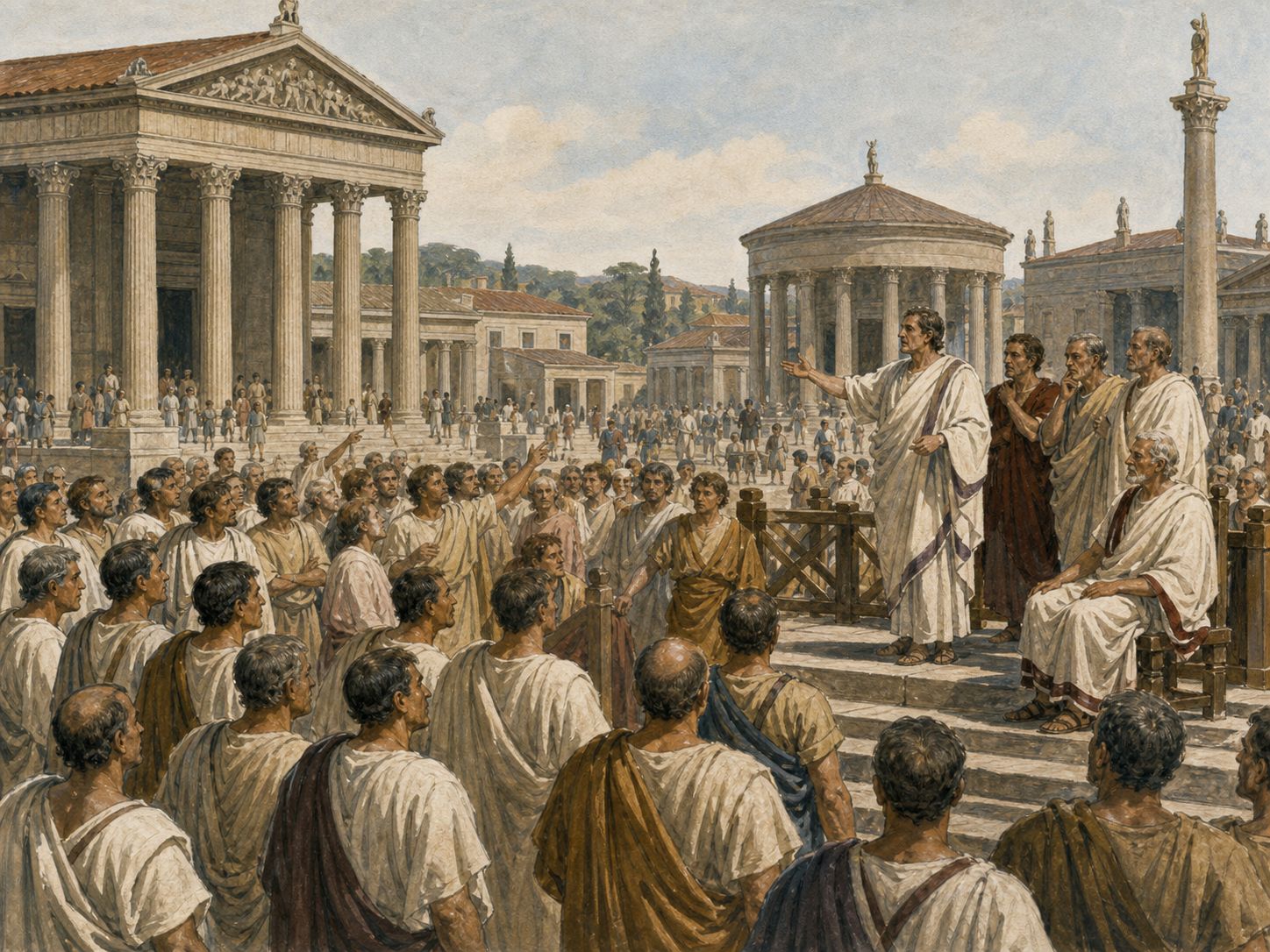
Crisis of the Roman monarchy — Roman tradition places the end of kingship and the beginning of a republic centered on elected consuls and the Senate in this period. The change unfolded through decisions by rulers, institutions, and local communities.
c. 509 BC
Republican magistracies begin
Current event
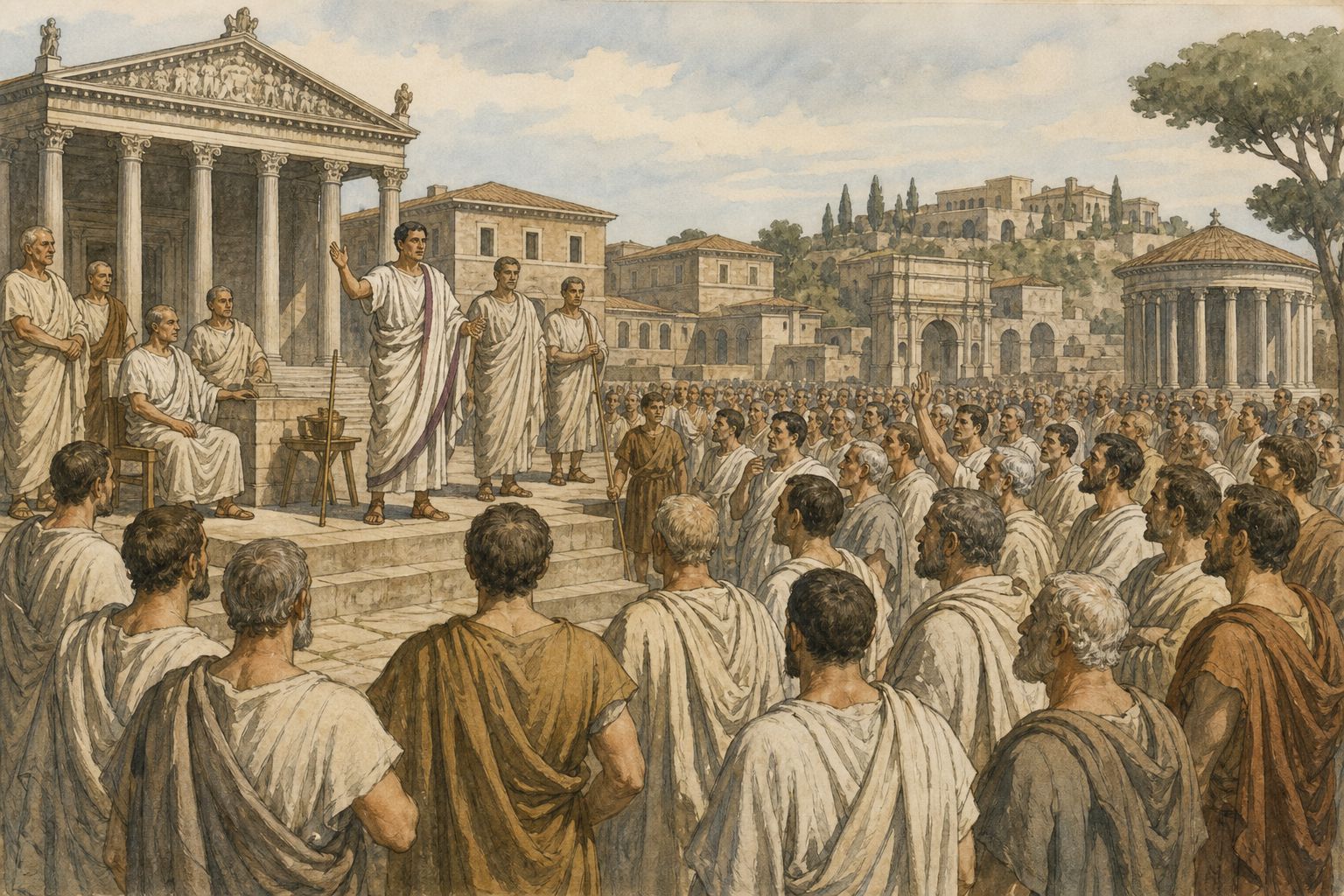
Republican magistracies begin — Roman tradition places the end of kingship and the beginning of a republic centered on elected consuls and the Senate in this period.
c. 494 BC
First secession of the plebs
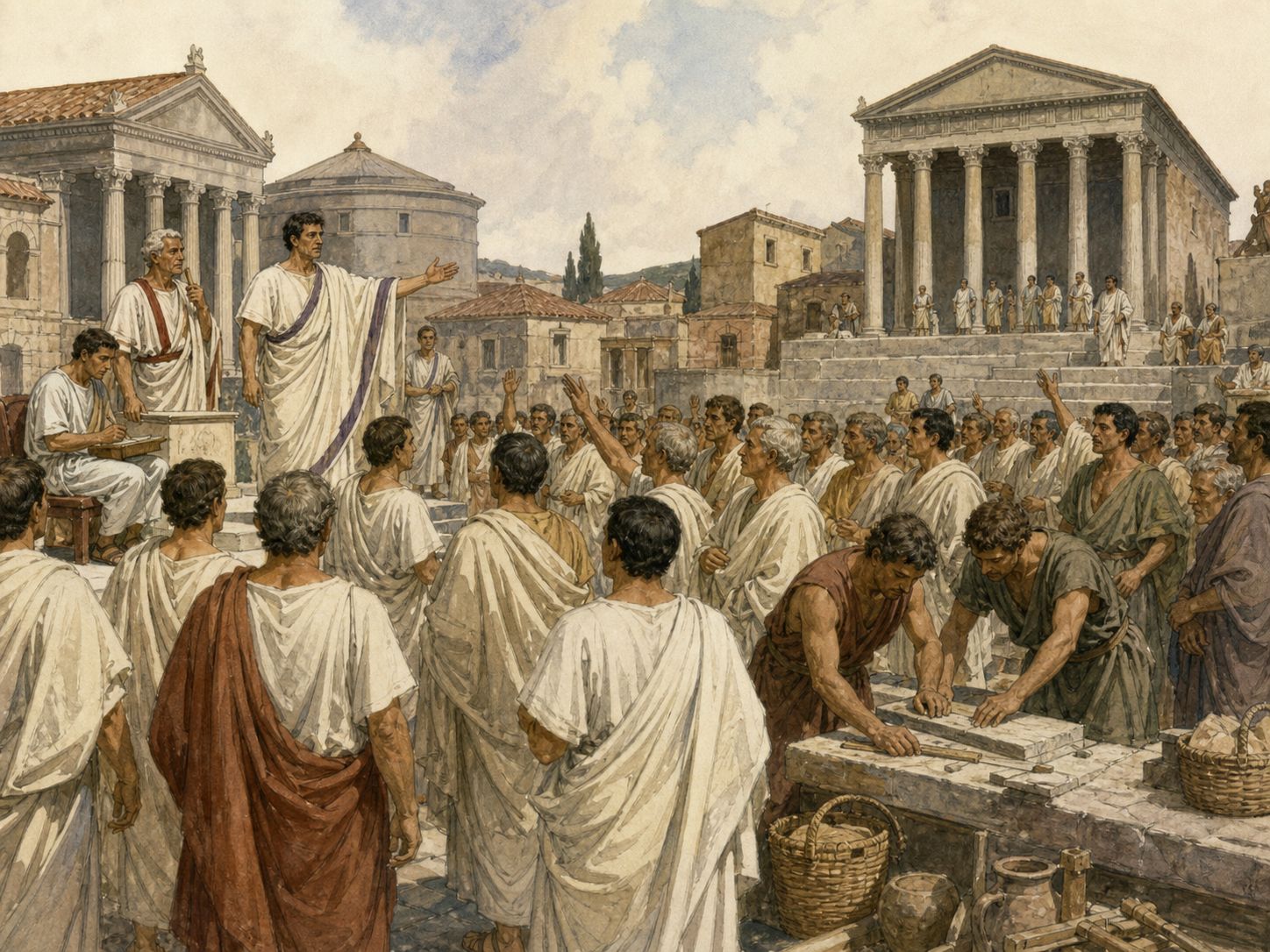
First secession of the plebs — Citizenship and legal institutions expanded through social conflict and became a political model across the Mediterranean world.
c. 451 BC
Twelve Tables are drafted
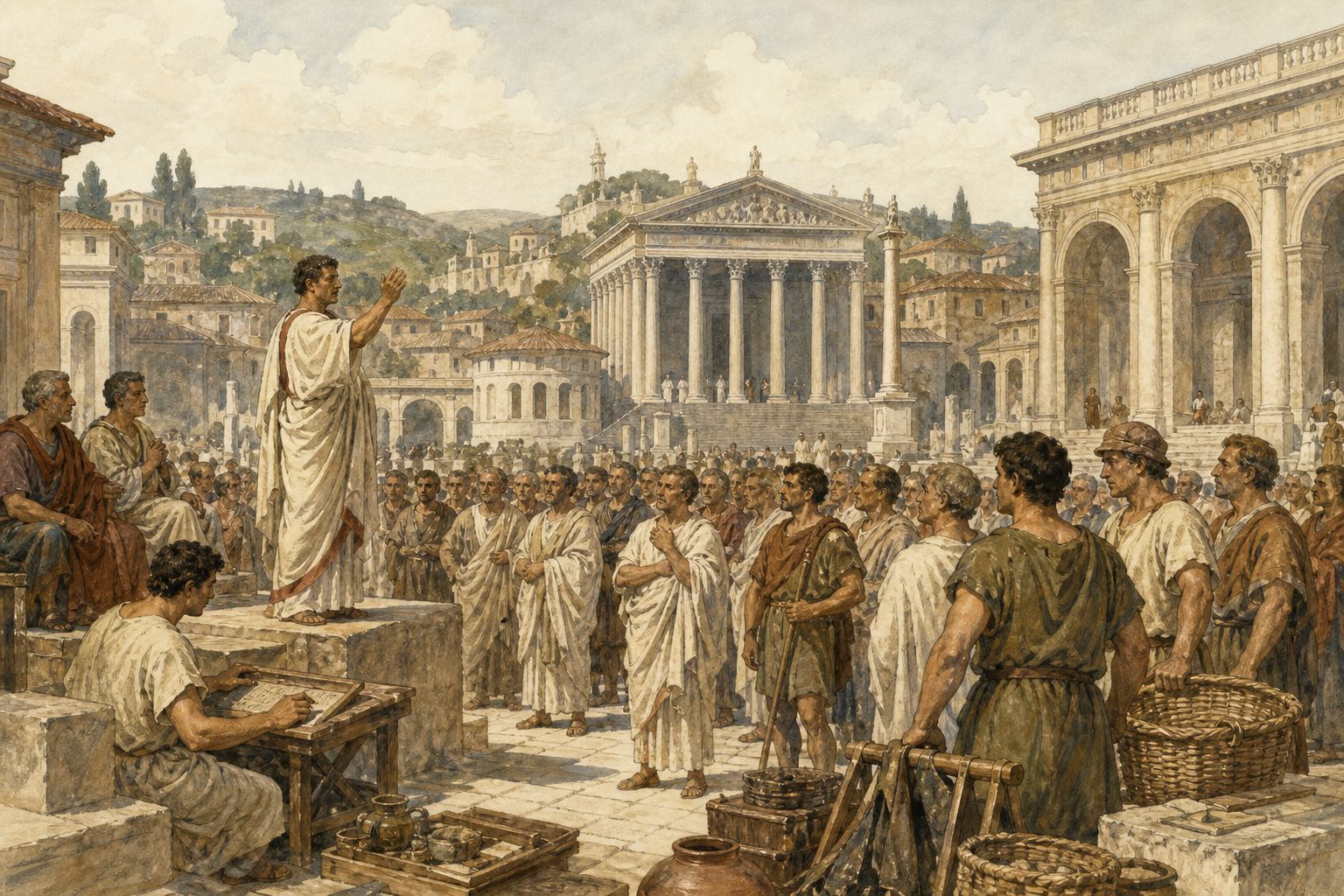
Twelve Tables are drafted — In the longer term, citizenship and legal institutions expanded through social conflict and became a political model across the mediterranean world.


Sources
- Foundation of the Roman Republic — Timeline (Daiichi Gakushusha)www.daiichi-g.co.jpThis Daiichi Gakushusha resource supports the chronology, setting, and course of Foundation of the Roman Republic.
- Foundation of the Roman Republic — Foundation Of The Roman Republic (Encyclopaedia Britannica)www.britannica.comThis Encyclopaedia Britannica resource supports the chronology, setting, and course of Foundation of the Roman Republic.
- Foundation of the Roman Republic — Foundation Of The Roman Republic (Wikidata)www.wikidata.orgThis Wikidata resource supports the chronology, setting, and course of Foundation of the Roman Republic.