
Social War
91 BC–88 BC
From 91 to 88 BCE, Italian allies revolted for Roman citizenship, forcing a transformation of Rome’s citizenship system.

- Period
- 91 BC–88 BC
- Kind
- Political event
- Regions
- Europe
- Keywords
- Social War · political event · ancient · europe
Follow the story · Four stages
Background
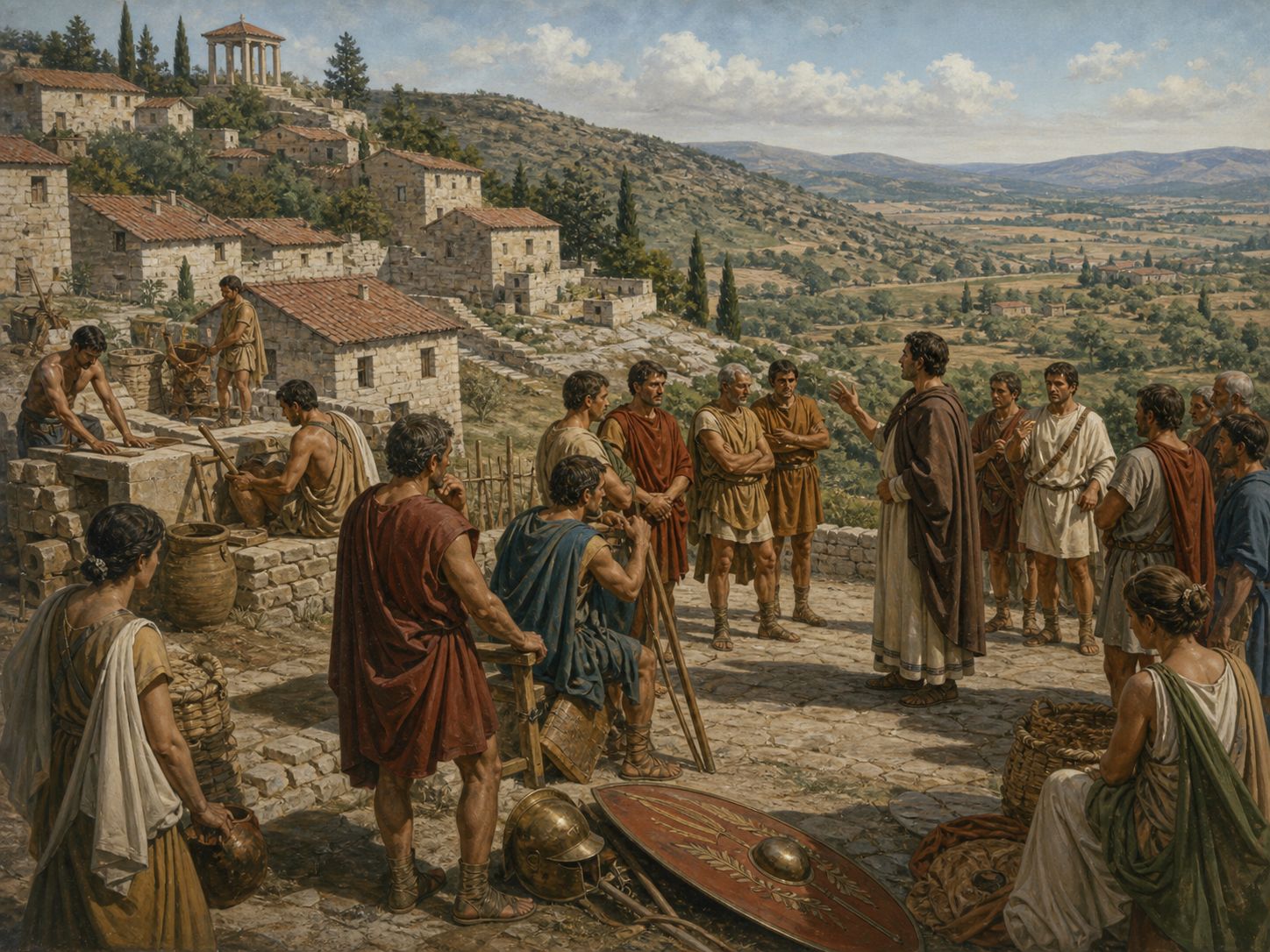
Italian communities had supported Rome’s expansion militarily while remaining excluded from full citizenship.
- Italian communities had supported Rome’s expansion militarily while remaining excluded from full citizenship.
- Core event: From 91 to 88 BCE, Italian allies revolted for Roman citizenship, forcing a transformation of Rome’s citizenship system.
- Connection to the next stage: The allies organized a confederation and issued coinage, while Rome combined military suppression with new citizenship concessions.
Course
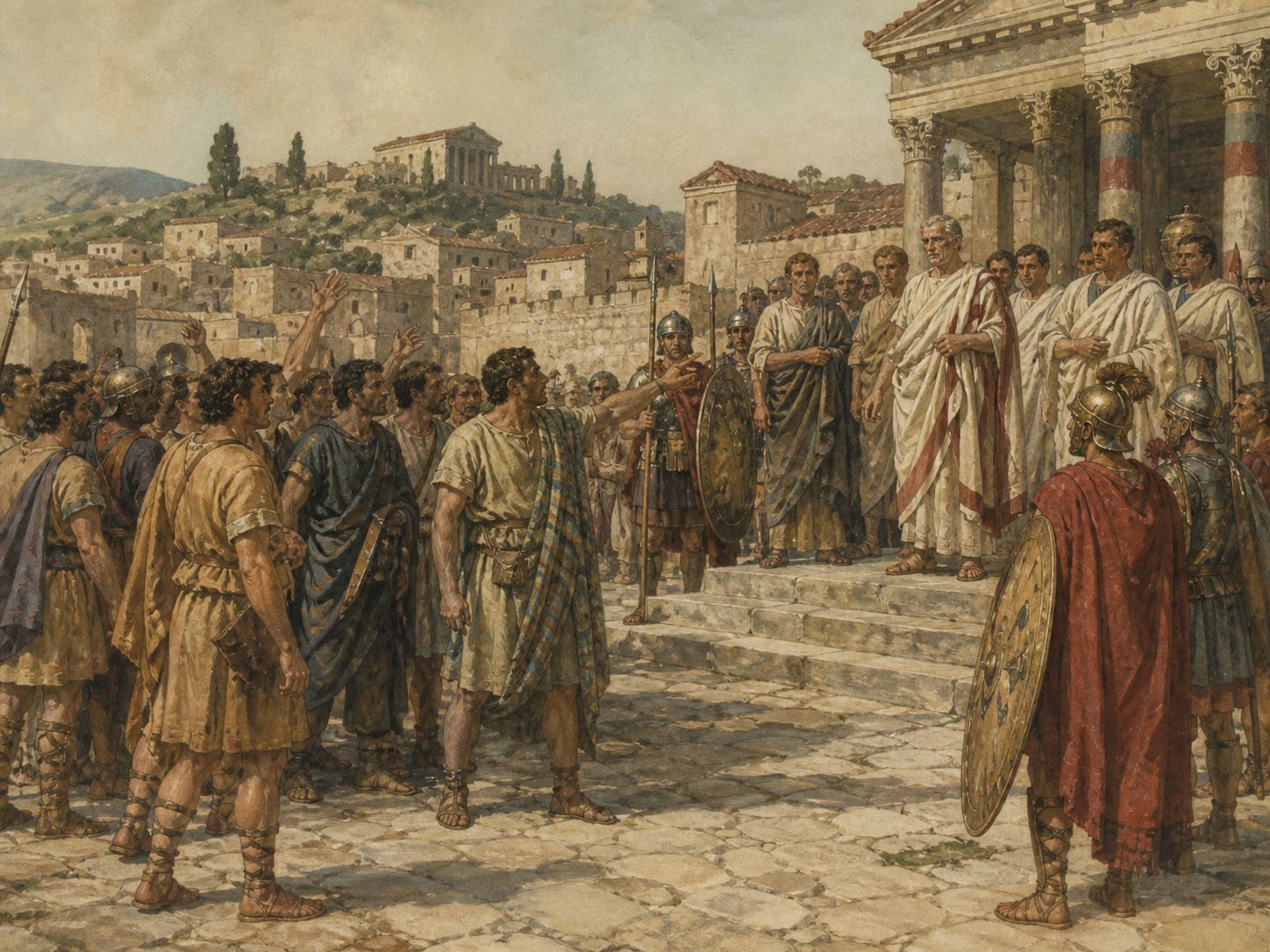
The allies organized a confederation and issued coinage, while Rome combined military suppression with new citizenship concessions.
- The allies organized a confederation and issued coinage, while Rome combined military suppression with new citizenship concessions.
- Conditions behind the action: Italian communities had supported Rome’s expansion militarily while remaining excluded from full citizenship.
- Meaning of the turning point: From 91 to 88 BCE, Italian allies revolted for Roman citizenship, forcing a transformation of Rome’s citizenship system.
Outcome
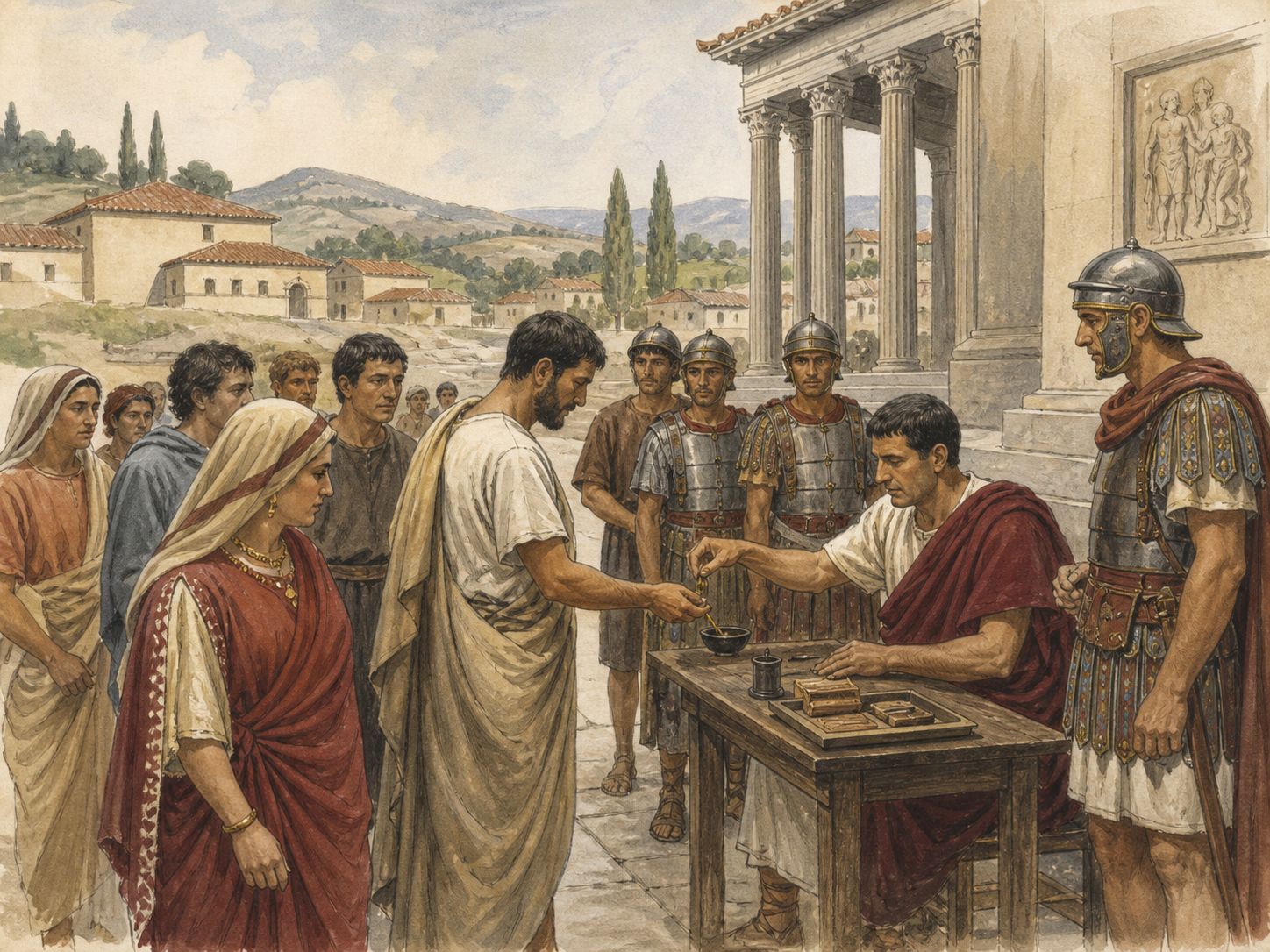
Through legislation and enrollment, many free inhabitants of Italy gained Roman citizenship.
- Through legislation and enrollment, many free inhabitants of Italy gained Roman citizenship.
- Process producing the result: The allies organized a confederation and issued coinage, while Rome combined military suppression with new citizenship concessions.
- Question carried forward: The expansion reorganized Rome’s political community without extending inclusion to provincial populations or enslaved people.
Historical significance
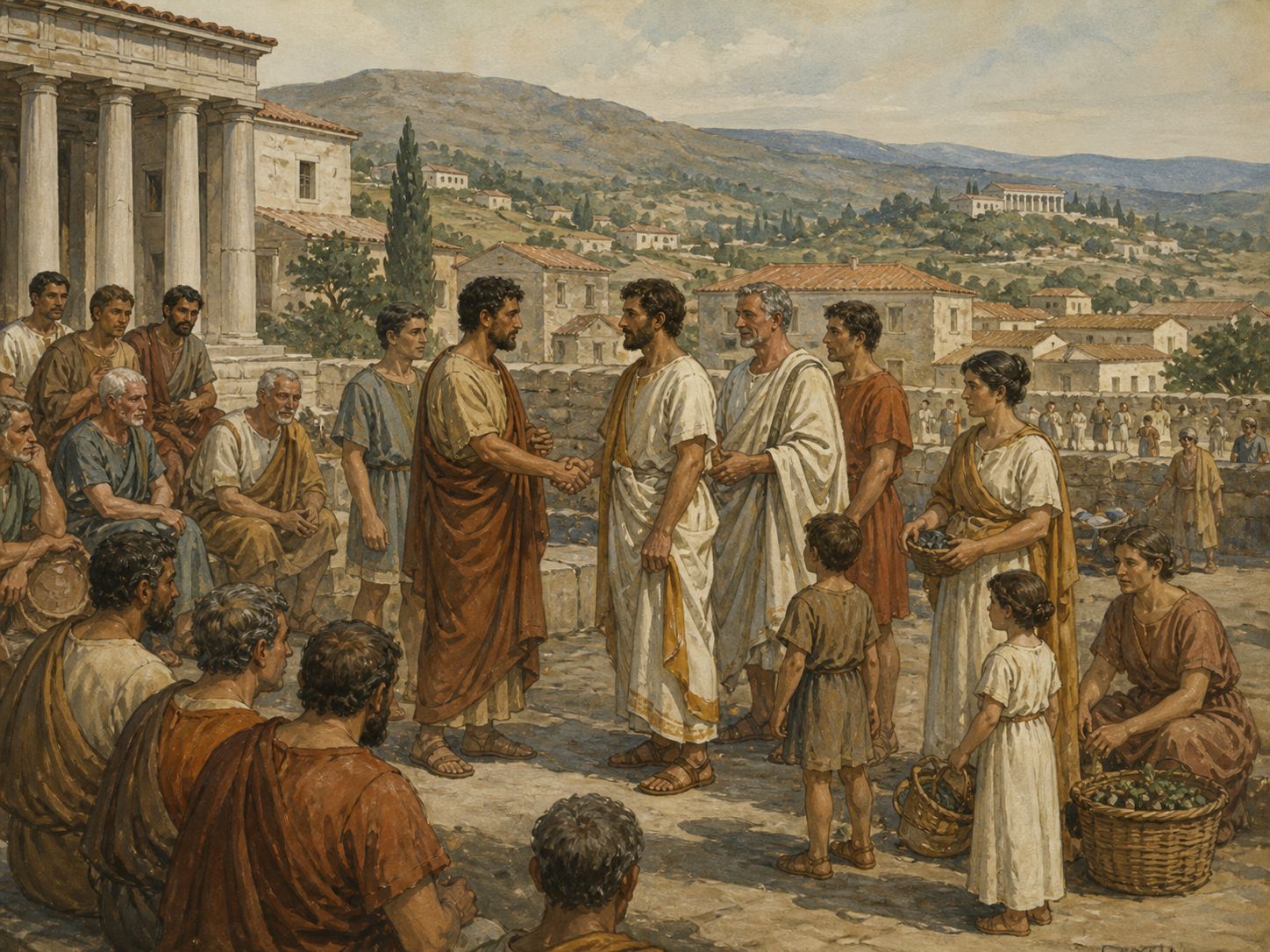
The expansion reorganized Rome’s political community without extending inclusion to provincial populations or enslaved people.
- The expansion reorganized Rome’s political community without extending inclusion to provincial populations or enslaved people.
- Immediate consequence: Through legislation and enrollment, many free inhabitants of Italy gained Roman citizenship.
- Historical turning point: From 91 to 88 BCE, Italian allies revolted for Roman citizenship, forcing a transformation of Rome’s citizenship system.


Related events
c. 92 BC
Prelude

Prelude — Background: Italian communities had supported Rome’s expansion militarily while remaining excluded from full citizenship.
c. 92 BC
Turning point

Turning point — Build-up: The allies organized a confederation and issued coinage, while Rome combined military suppression with new citizenship concessions.
91 BC–88 BC
Social War
Current event
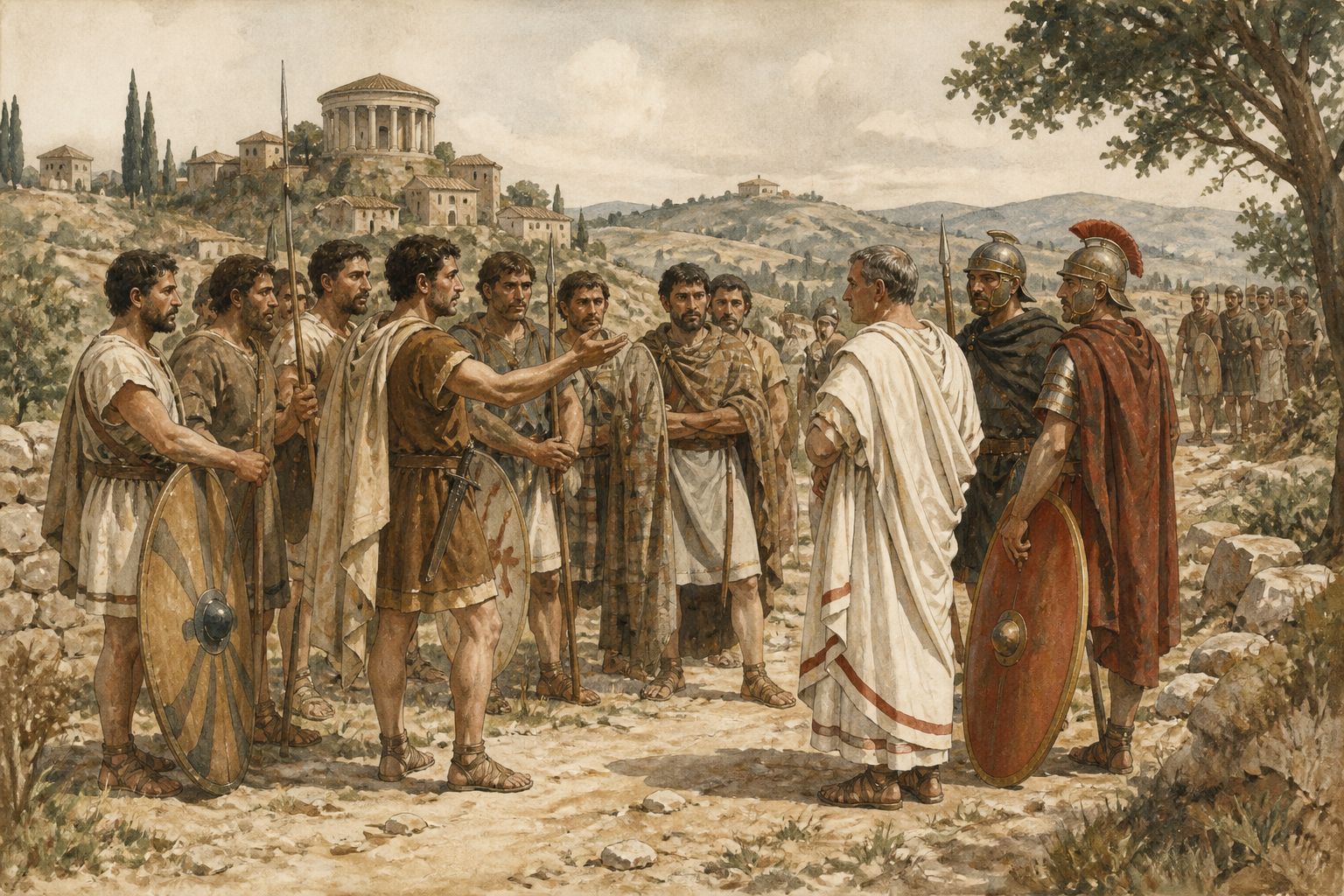
Social War — Central transition: From 91 to 88 BCE, Italian allies revolted for Roman citizenship, forcing a transformation of Rome’s citizenship system.
c. 86 BC
Immediate aftermath
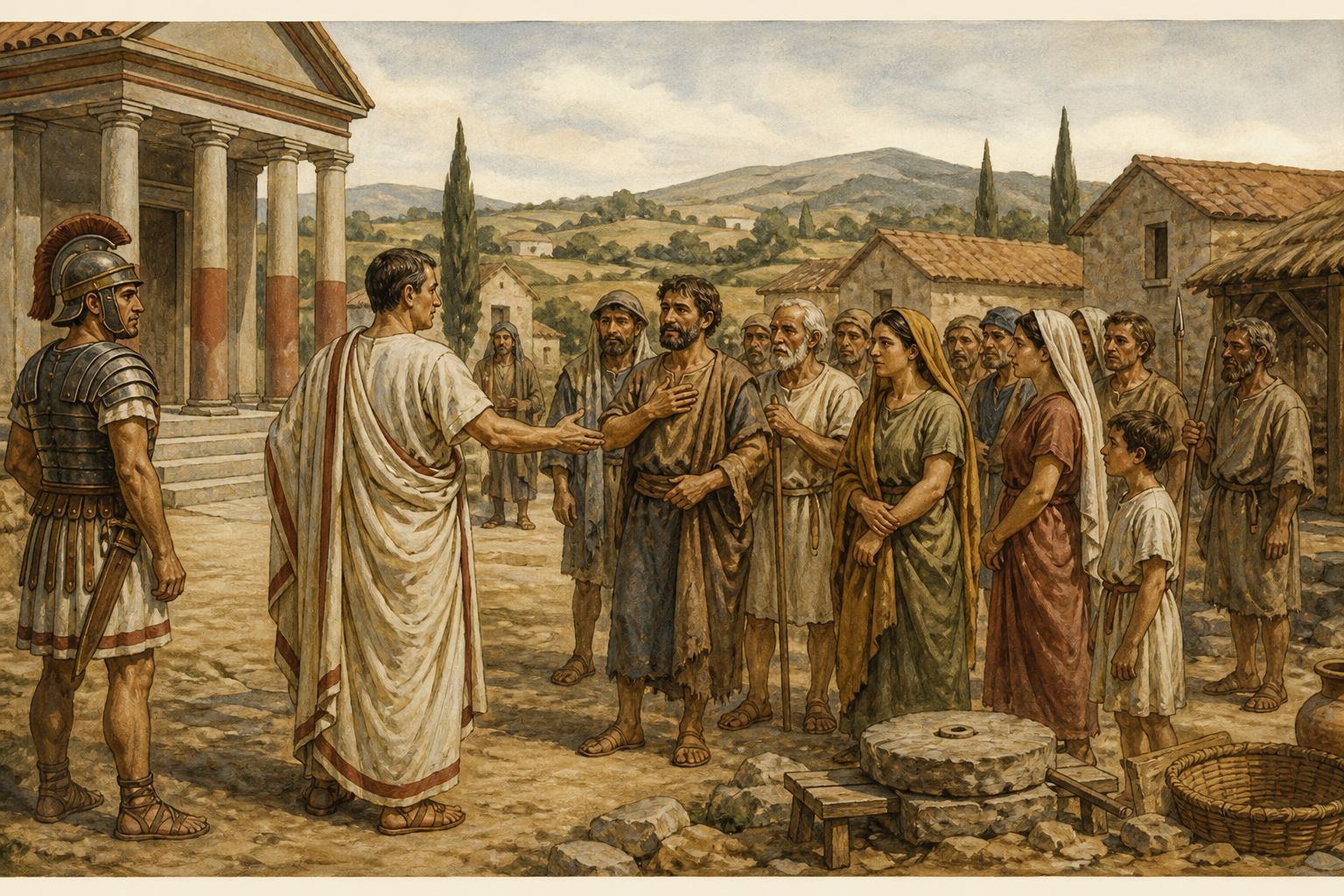
Immediate aftermath — Immediate result: Through legislation and enrollment, many free inhabitants of Italy gained Roman citizenship.
c. 78 BC
Long-term significance

Long-term significance — Long-term significance: The expansion reorganized Rome’s political community without extending inclusion to provincial populations or enslaved people.


Sources
- Social War — Social War Roman History (Encyclopaedia Britannica)britannica.comThis Encyclopaedia Britannica resource supports the chronology, setting, and course of Social War.
- Social War — Italian Allies (Livius)livius.orgThis Livius resource supports the chronology, setting, and course of Social War.
- Social War — 1F8A8B5AA0B5D4D2A8B0A8F0AC4D4F0E (Cambridge University Press)cambridge.orgThis Cambridge University Press resource supports the chronology, setting, and course of Social War.