
Rwandan Genocide
c. 1994–c. 1994
From April to July 1994, organized mass killing targeted Tutsi and moderate Hutu in Rwanda until the Rwandan Patriotic Front stopped it by taking control of the country.

- Period
- c. 1994–c. 1994
- Kind
- War
- Regions
- Middle East
- Keywords
- Rwanda · Tutsi · genocide · civil war · memory
Follow the story · Four stages
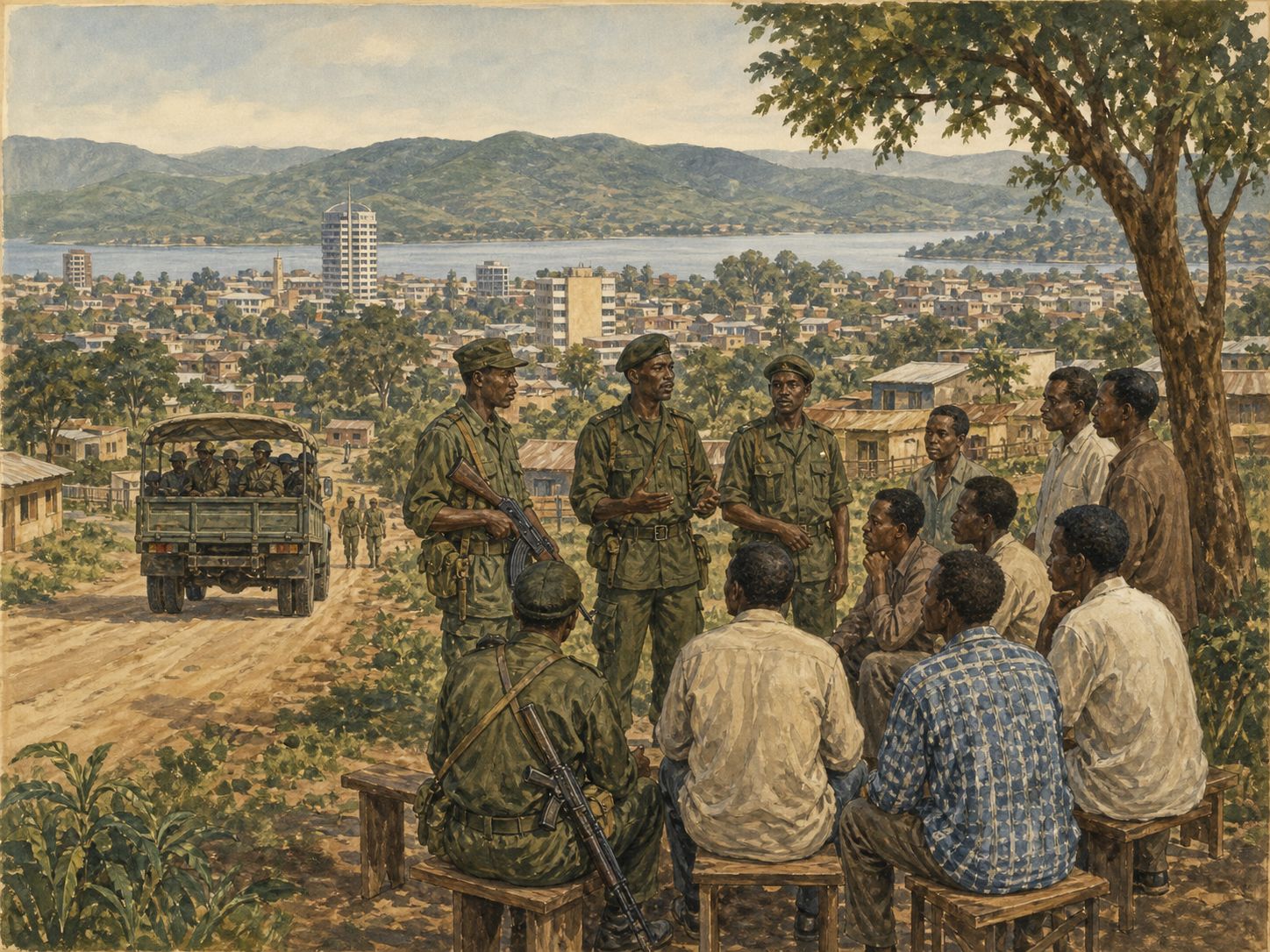
Background
Colonial ethnic classification, post-independence exclusion, civil war, economic crisis, and backlash against peace negotiations created conditions for organized violence.
- Colonial ethnic classification, post-independence exclusion, civil war, economic crisis, and backlash against peace negotiations created conditions for organized violence.
- Core event: From April to July 1994, organized mass killing targeted Tutsi and moderate Hutu in Rwanda until the Rwandan Patriotic Front stopped it by taking control of the country.
- Connection to the next stage: After the 6 April 1994 plane assassination of President Juvénal Habyarimana, extremist authorities, soldiers, and militias targeted Tutsi and moderate Hutu and extended the killings through local networks.
Course
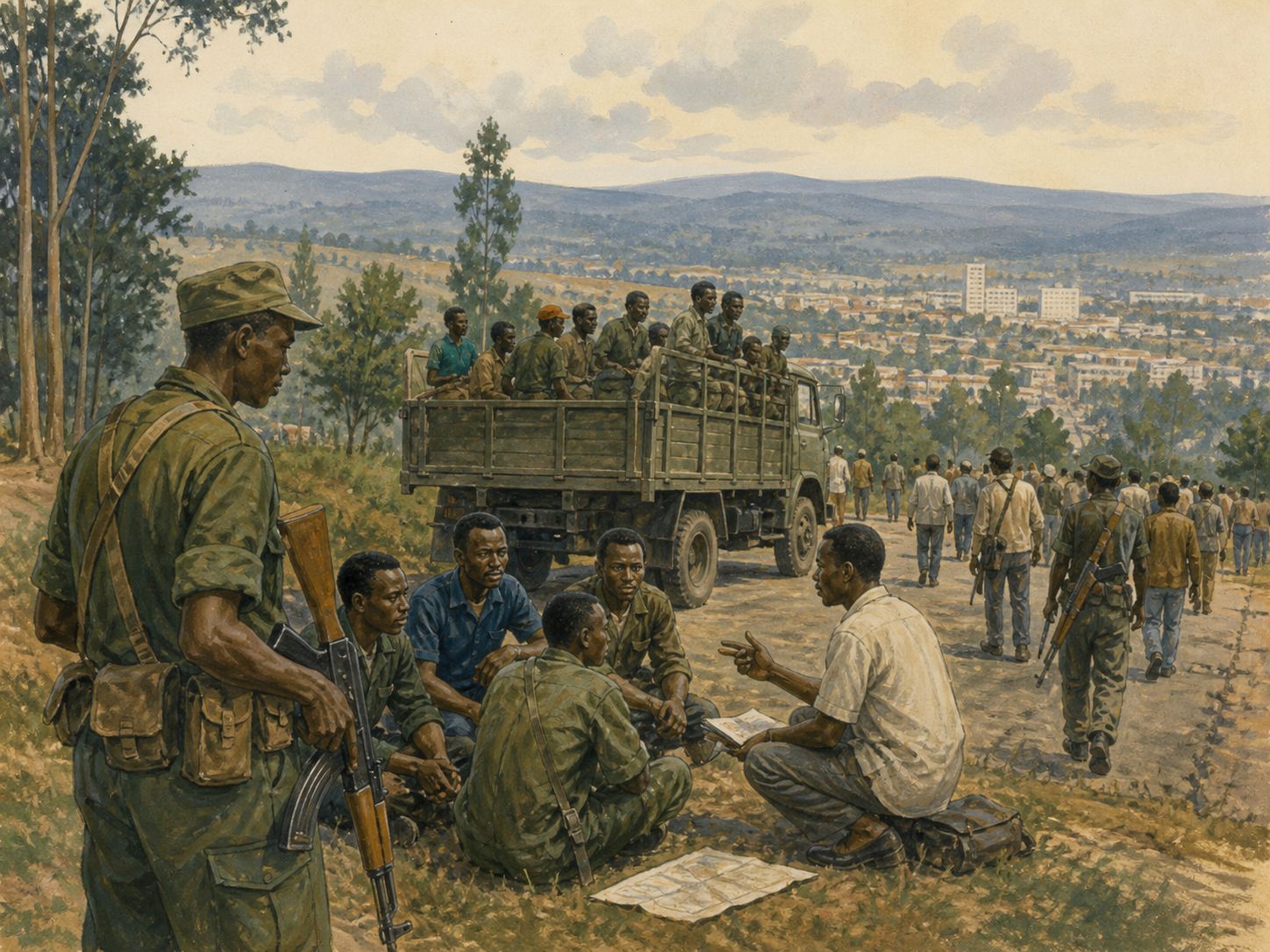
After the 6 April 1994 plane assassination of President Juvénal Habyarimana, extremist authorities, soldiers, and militias targeted Tutsi and moderate Hutu and extended the killings through local networks.
- After the 6 April 1994 plane assassination of President Juvénal Habyarimana, extremist authorities, soldiers, and militias targeted Tutsi and moderate Hutu and extended the killings through local networks.
- Conditions behind the action: Colonial ethnic classification, post-independence exclusion, civil war, economic crisis, and backlash against peace negotiations created conditions for organized violence.
- Meaning of the turning point: From April to July 1994, organized mass killing targeted Tutsi and moderate Hutu in Rwanda until the Rwandan Patriotic Front stopped it by taking control of the country.
Outcome
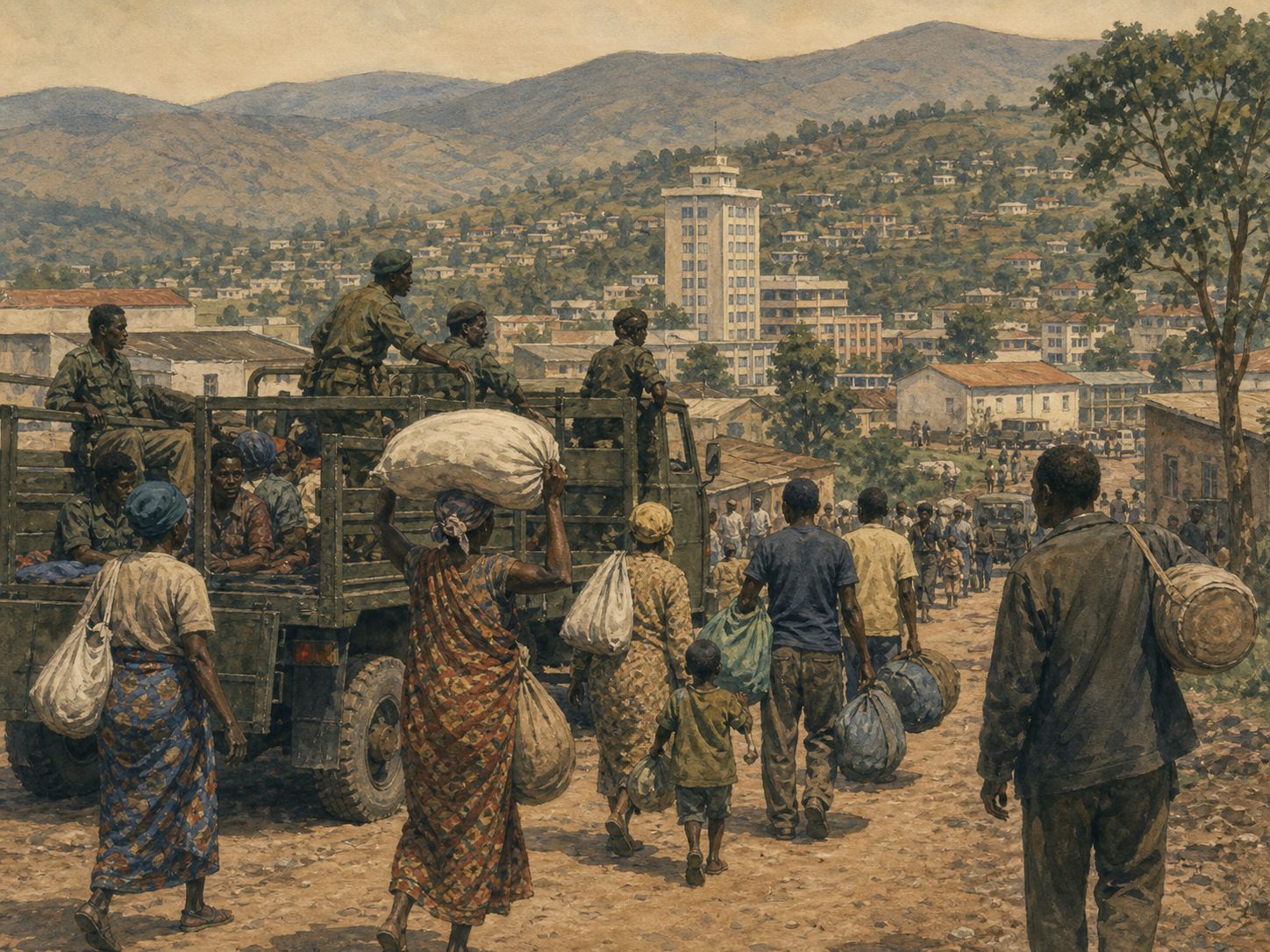
The Rwandan Patriotic Front captured major cities in July and stopped the genocide. About 800,000 people are generally estimated to have been killed, followed by mass displacement and a regional refugee crisis.
- The Rwandan Patriotic Front captured major cities in July and stopped the genocide.
- About 800,000 people are generally estimated to have been killed, followed by mass displacement and a regional refugee crisis.
- Process producing the result: After the 6 April 1994 plane assassination of President Juvénal Habyarimana, extremist authorities, soldiers, and militias targeted Tutsi and moderate Hutu and extended the killings through local networks.
Historical significance
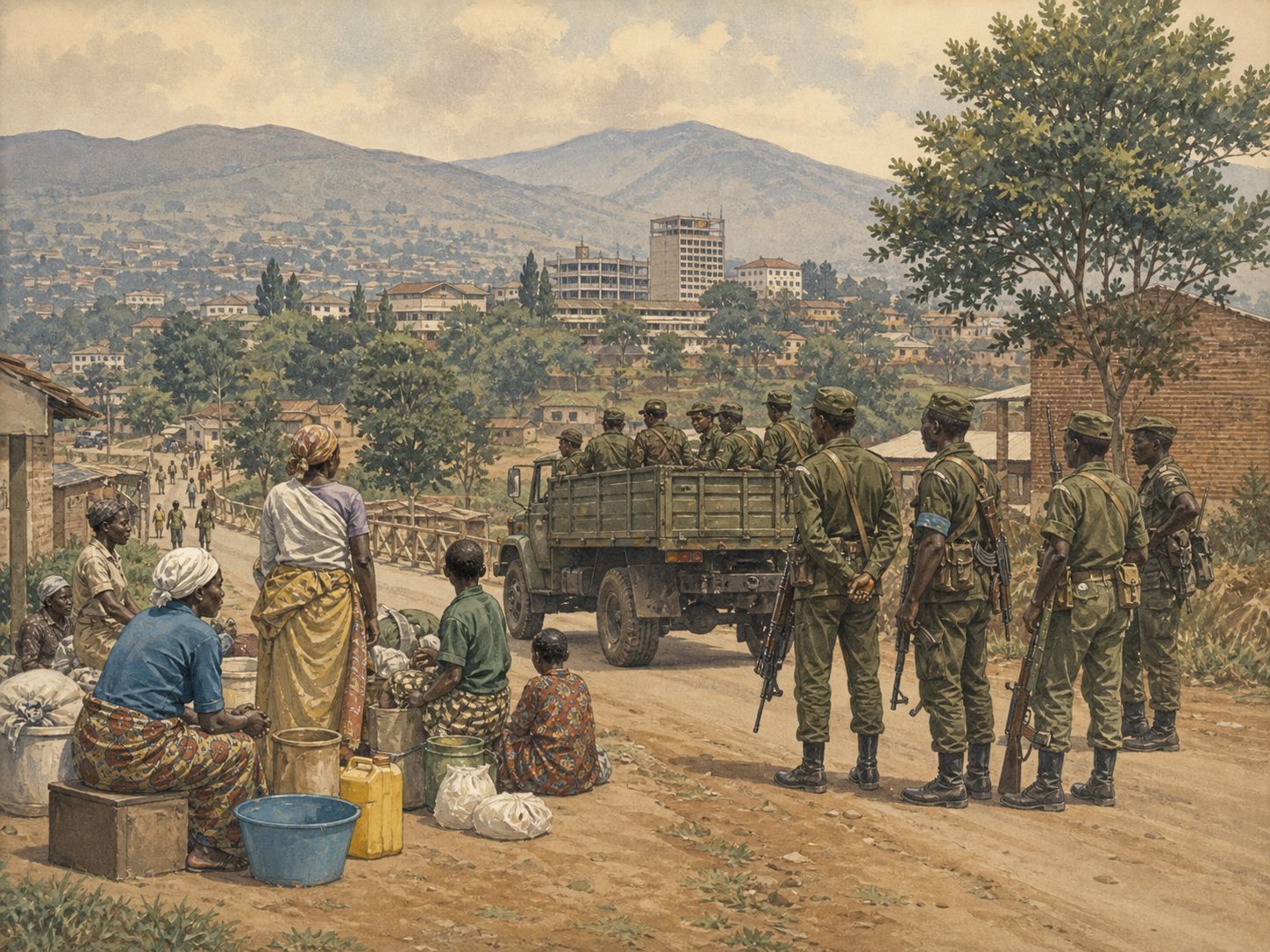
The genocide was not a natural eruption of ancient ethnic hatred but a modern crisis in which institutions, political organization, propaganda, weapons, and international inaction converged.
- The genocide was not a natural eruption of ancient ethnic hatred but a modern crisis in which institutions, political organization, propaganda, weapons, and international inaction converged.
- Immediate consequence: The Rwandan Patriotic Front captured major cities in July and stopped the genocide. About 800,000 people are generally estimated to have been killed, followed by mass displacement and a regional refugee crisis.
- Historical turning point: From April to July 1994, organized mass killing targeted Tutsi and moderate Hutu in Rwanda until the Rwandan Patriotic Front stopped it by taking control of the country.


Related events
c. 1890–c. 1962
Colonial ethnic classification
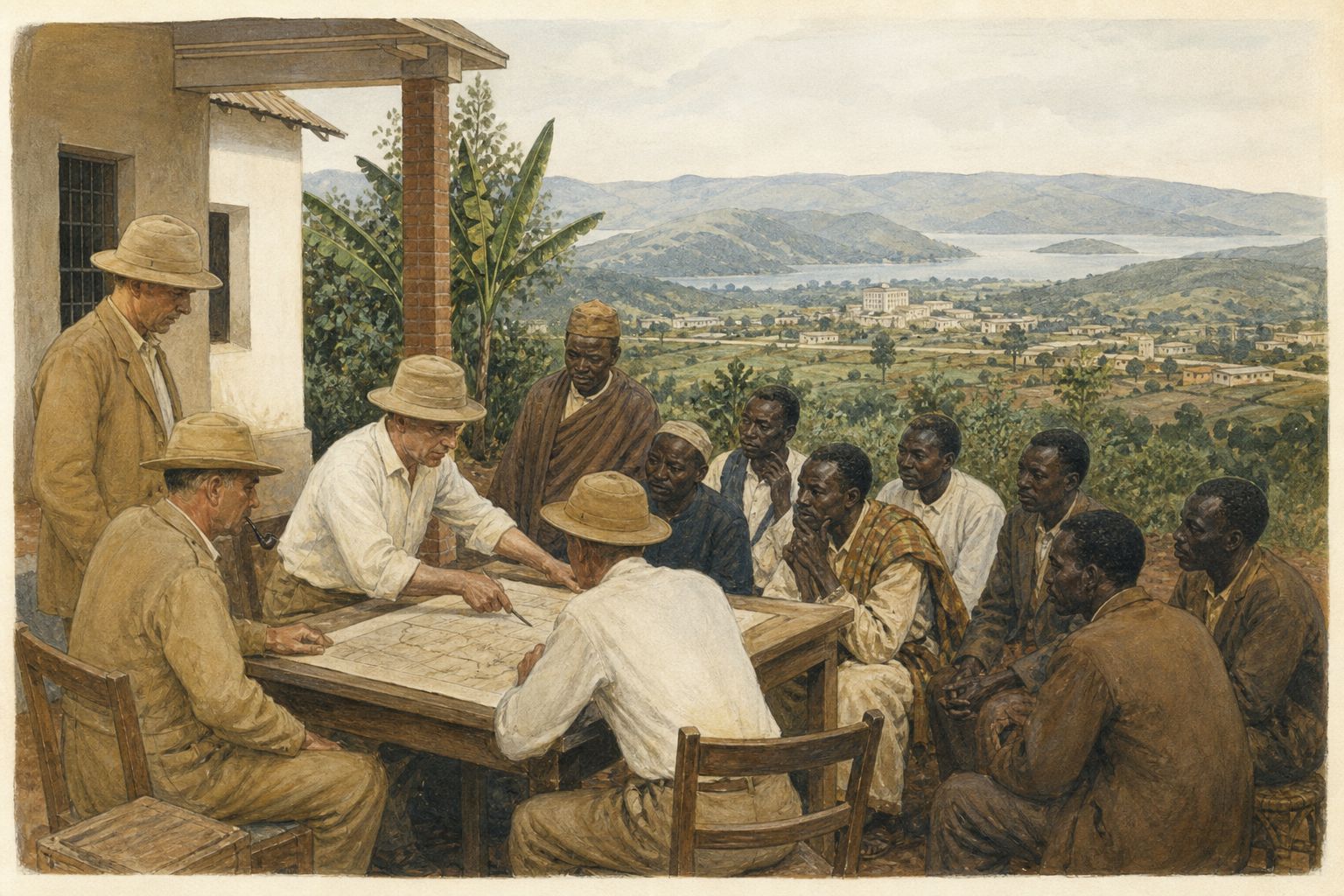
Colonial ethnic classification — Background: Colonial ethnic classification, post-independence exclusion, civil war, economic crisis, and backlash against peace negotiations created conditions for organized violence.
1994
Presidential plane assassination
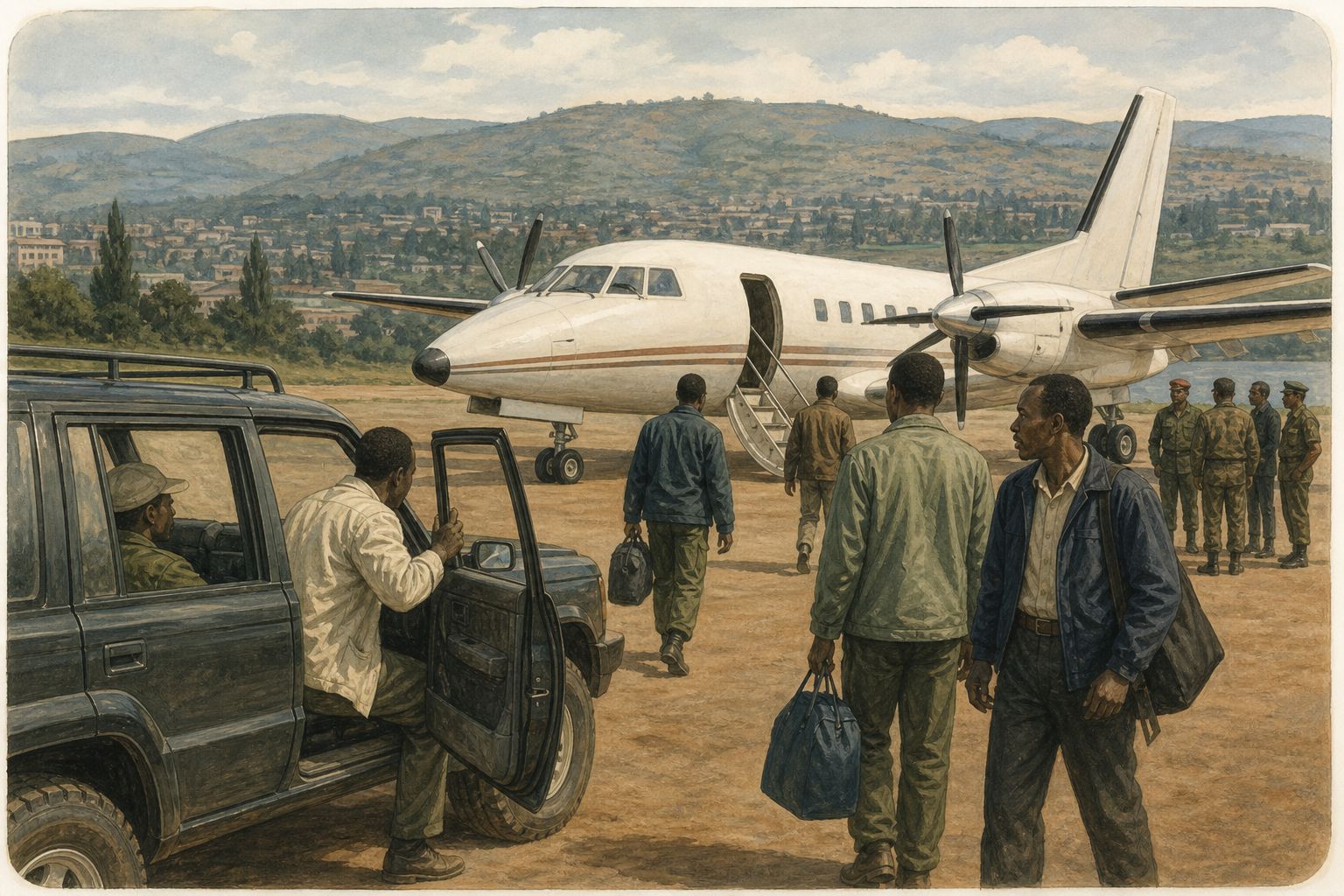
Presidential plane assassination — Build-up: After the 6 April 1994 plane assassination of President Juvénal Habyarimana, extremist authorities, soldiers, and militias targeted Tutsi and moderate Hutu and extended the killings through local networks.
1994–1994
Organized mass killing
Current event
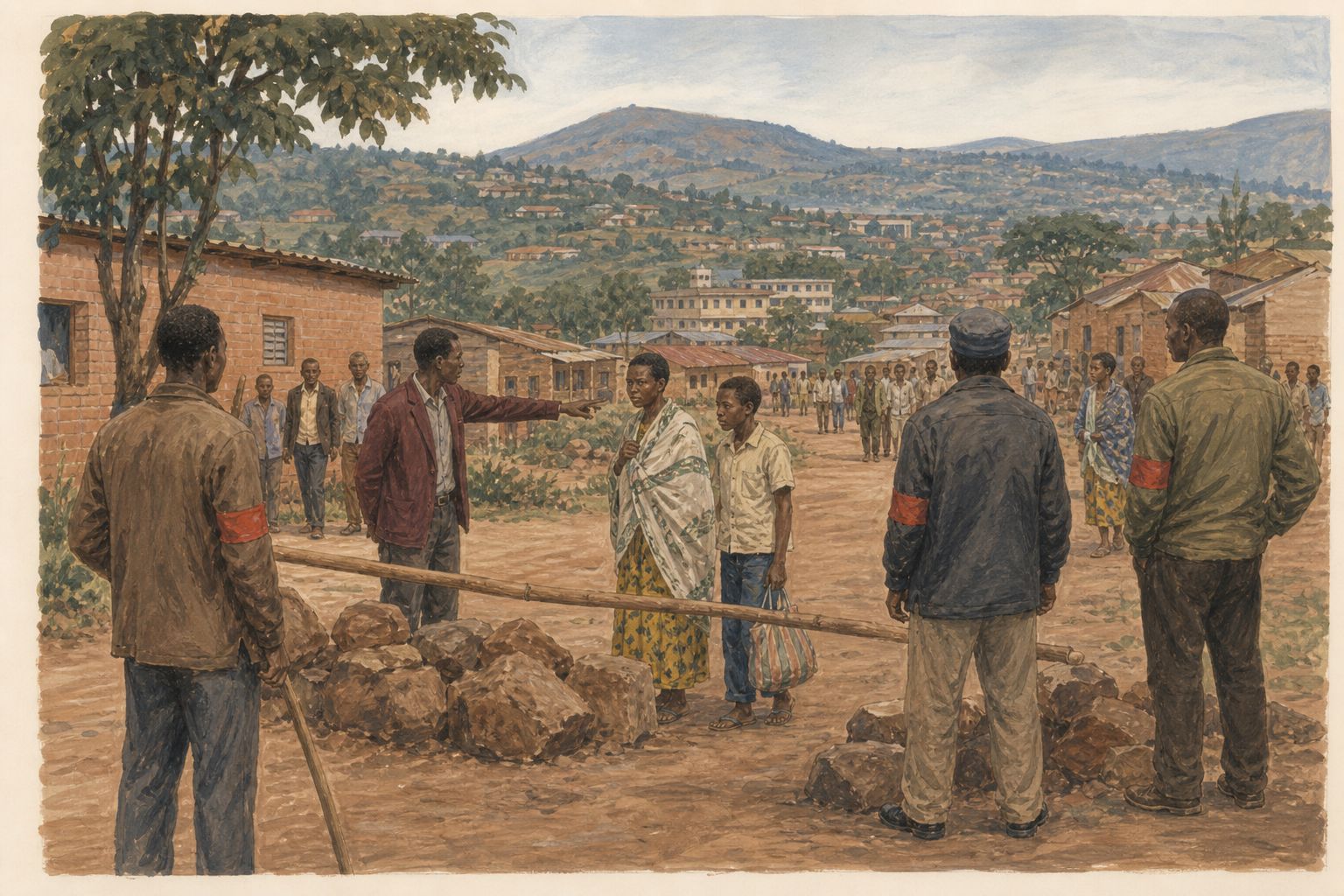
Organized mass killing — Central transition: From April to July 1994, organized mass killing targeted Tutsi and moderate Hutu in Rwanda until the Rwandan Patriotic Front stopped it by taking control of the country.
1994
RPF offensive
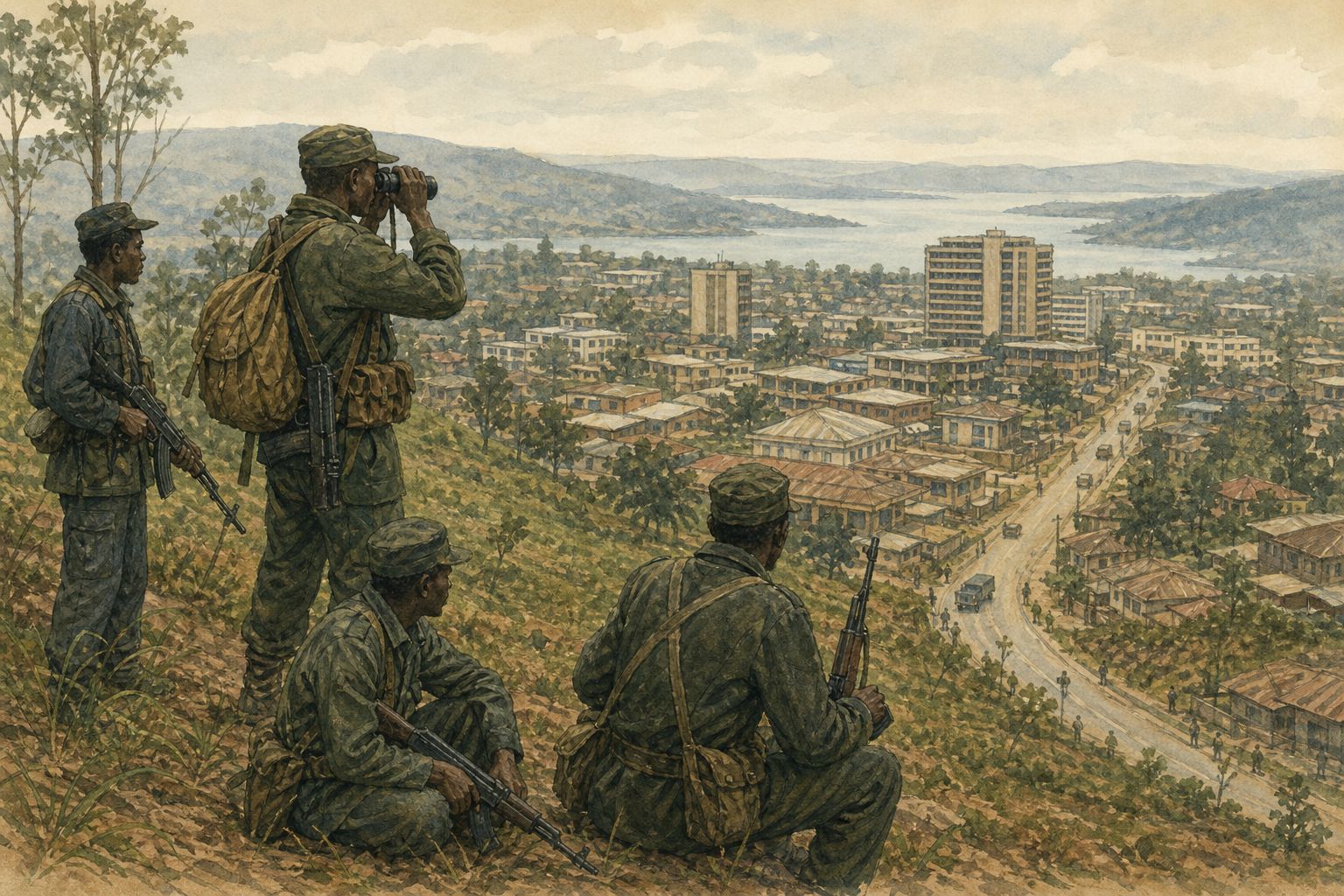
RPF offensive — Immediate result: The Rwandan Patriotic Front captured major cities in July and stopped the genocide. About 800,000 people are generally estimated to have been killed, followed by mass displacement and a regional refugee crisis.
c. 1994–c. 2003
Post-genocide memory and reconstruction
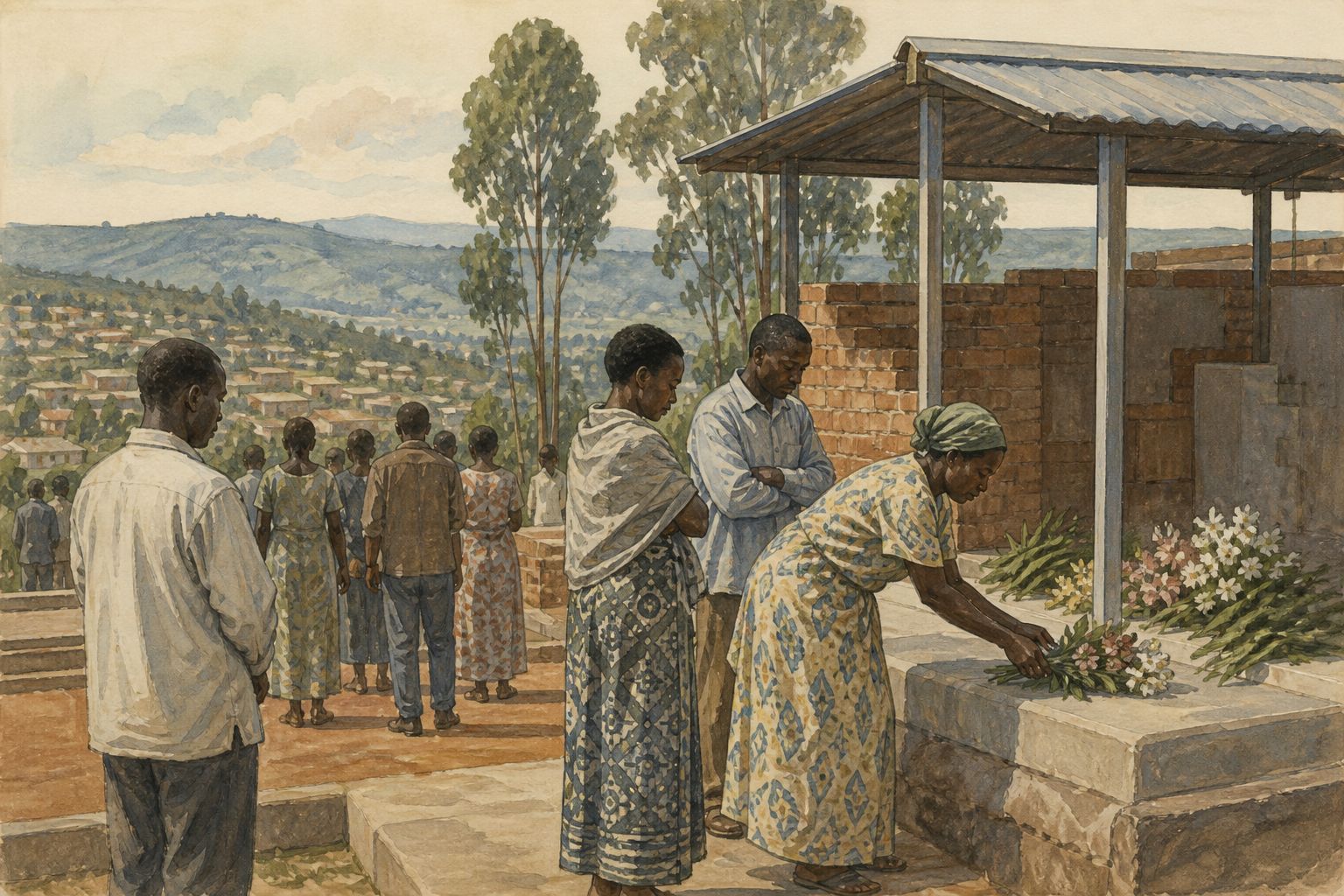
Post-genocide memory and reconstruction — Long-term significance: The genocide was not a natural eruption of ancient ethnic hatred but a modern crisis in which institutions, political organization, propaganda, weapons, and international inaction converged.


Sources
- Rwandan Genocide — Rwandan Genocide (Encyclopaedia Britannica)www.britannica.comThis Encyclopaedia Britannica resource supports the chronology, setting, and course of Rwandan Genocide.
- Rwandan Genocide — Hd Rwandan Genocide (The Metropolitan Museum of Art)www.metmuseum.orgThis The Metropolitan Museum of Art resource supports the chronology, setting, and course of Rwandan Genocide.
- Rwandan Genocide — Rwandan Genocide (World History Encyclopedia)www.worldhistory.orgThis World History Encyclopedia resource supports the chronology, setting, and course of Rwandan Genocide.