Foundation of the Safavid Empire
1501
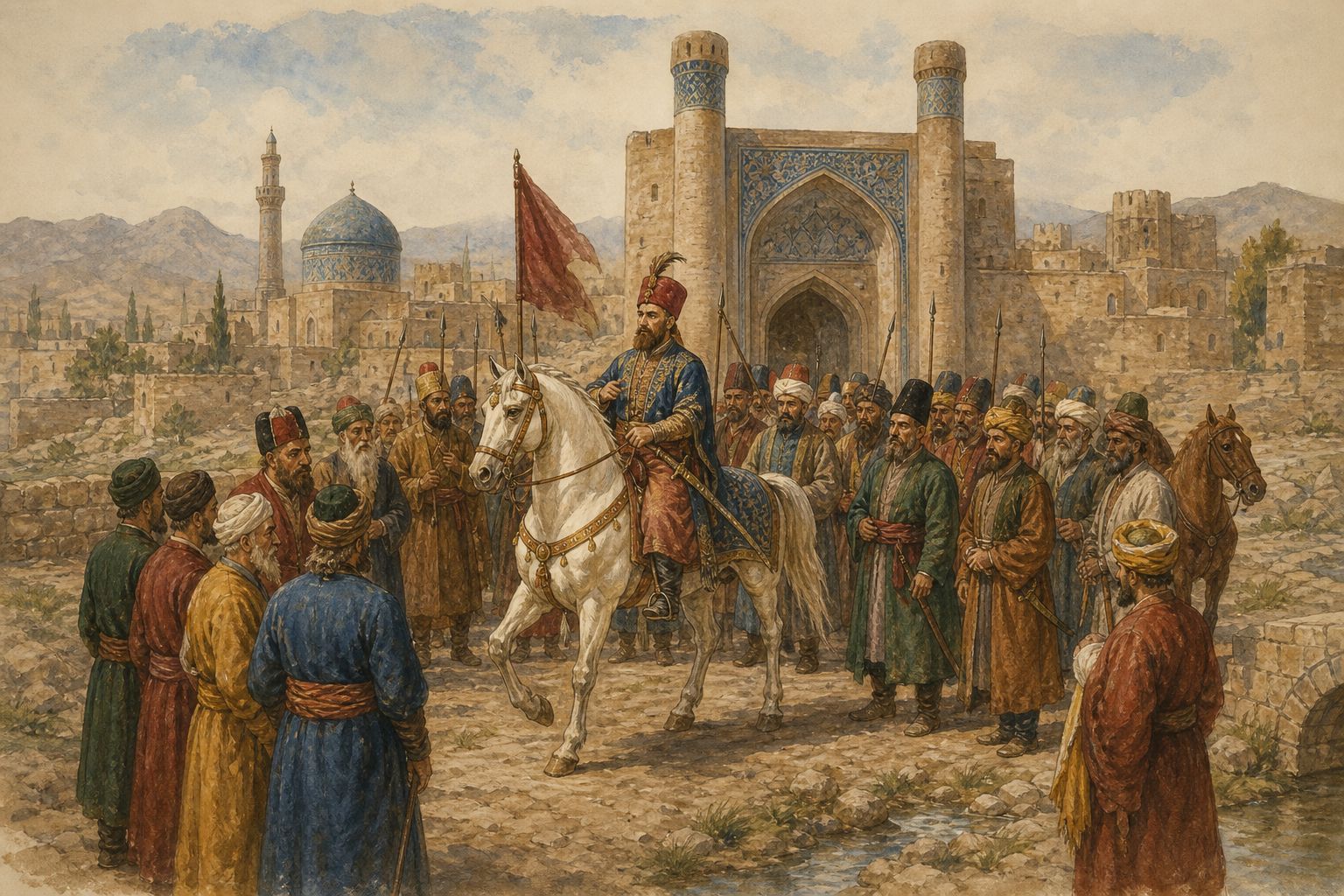
In 1501, Ismail I proclaimed himself shah at Tabriz and founded the Safavid dynasty around Twelver Shiism.

- Period
- 1501
- Kind
- Political event
- Regions
- Middle East
- Keywords
- Foundation of the Safavid Empire · political event · early modern · middle east
Follow the story · Four stages
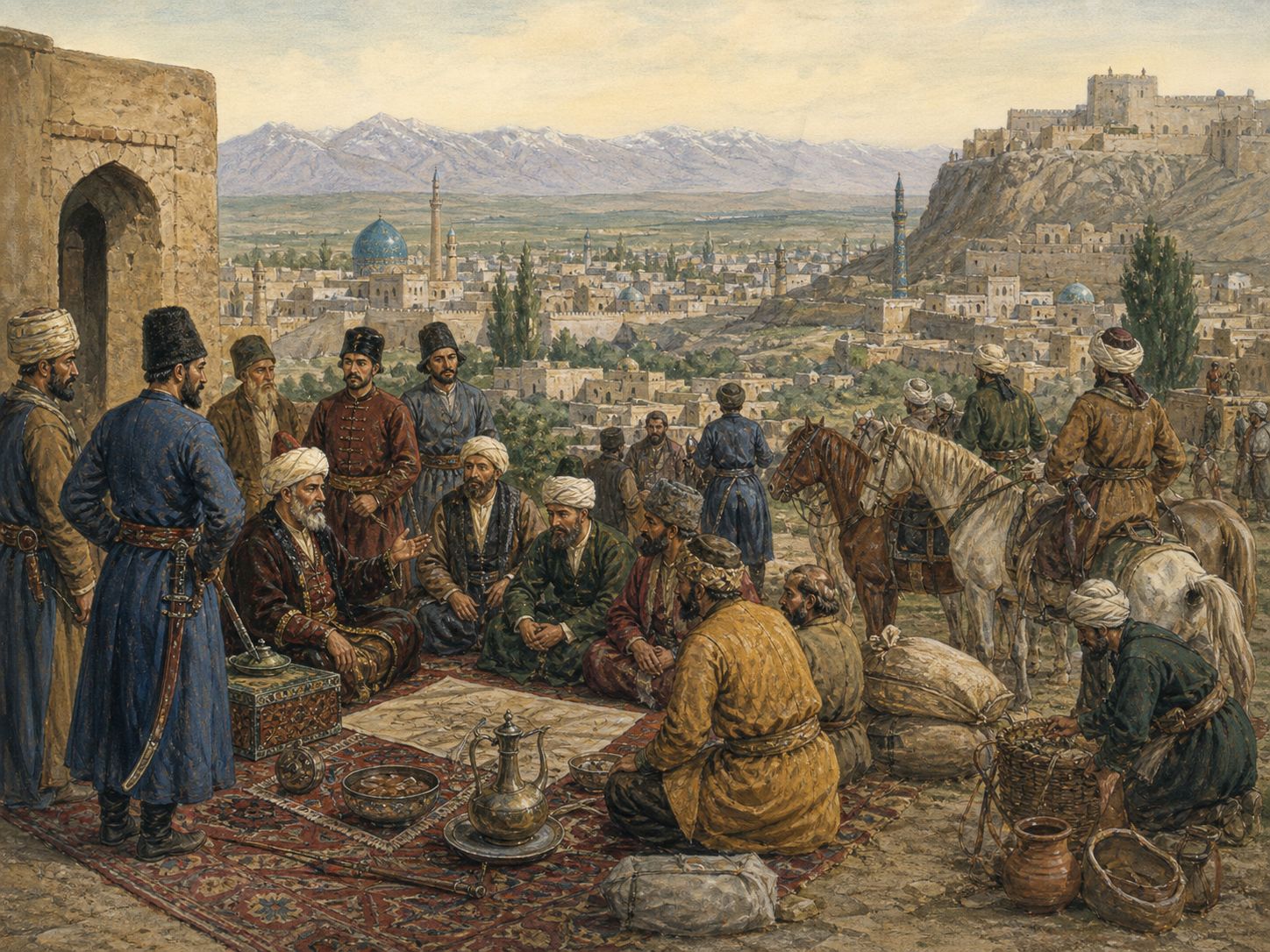
Background
The Safavid family drew on a Sufi order and gathered Turkic supporters across Anatolia and Iran.
- The Safavid family drew on a Sufi order and gathered Turkic supporters across Anatolia and Iran.
- Core event: In 1501, Ismail I proclaimed himself shah at Tabriz and founded the Safavid dynasty around Twelver Shiism.
- Connection to the next stage: With Qizilbash military support, Ismail defeated the Aq Qoyunlu and brought cities across the Iranian plateau under his rule.
Course
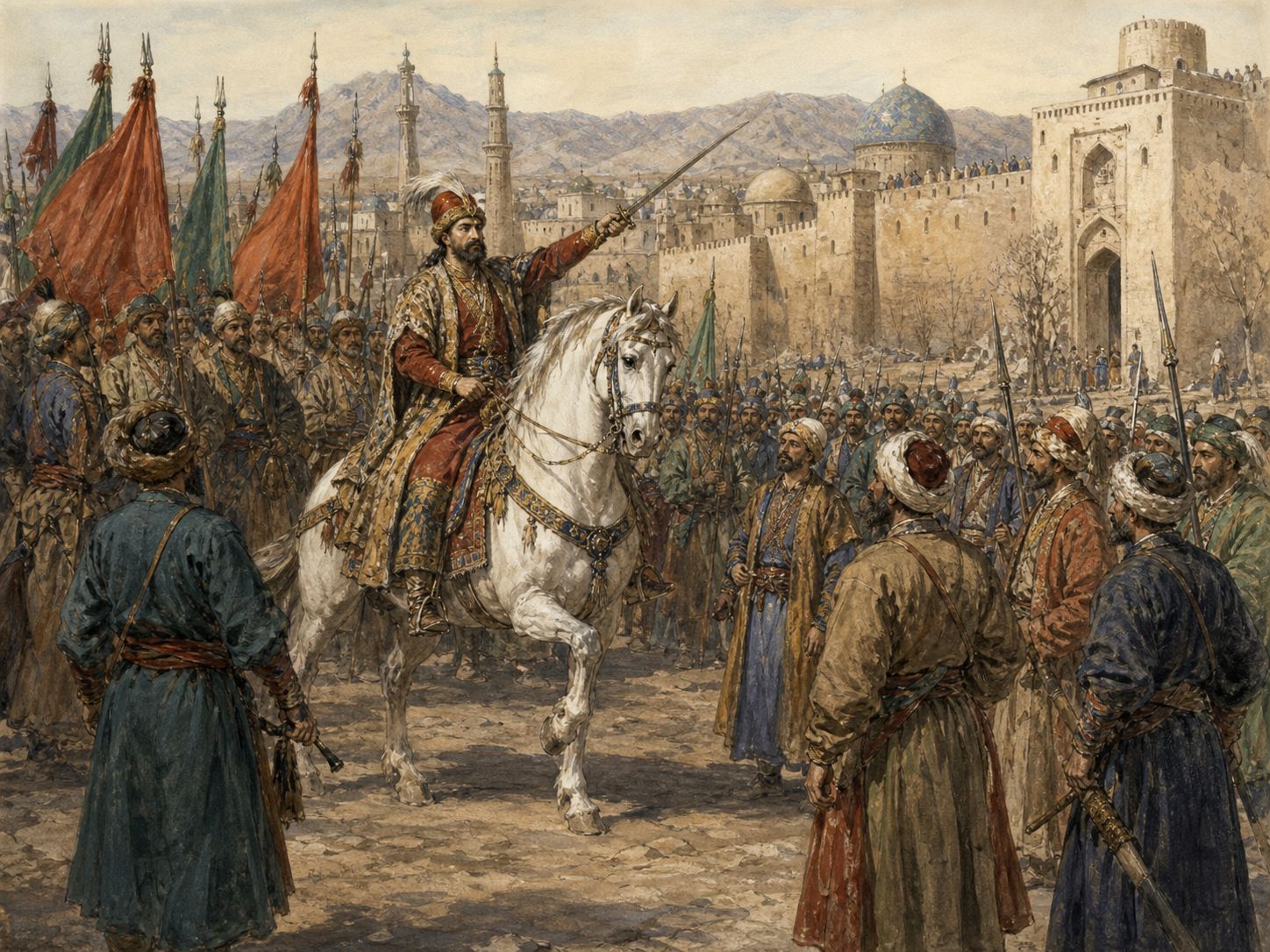
With Qizilbash military support, Ismail defeated the Aq Qoyunlu and brought cities across the Iranian plateau under his rule.
- With Qizilbash military support, Ismail defeated the Aq Qoyunlu and brought cities across the Iranian plateau under his rule.
- Conditions behind the action: The Safavid family drew on a Sufi order and gathered Turkic supporters across Anatolia and Iran.
- Meaning of the turning point: In 1501, Ismail I proclaimed himself shah at Tabriz and founded the Safavid dynasty around Twelver Shiism.
Outcome
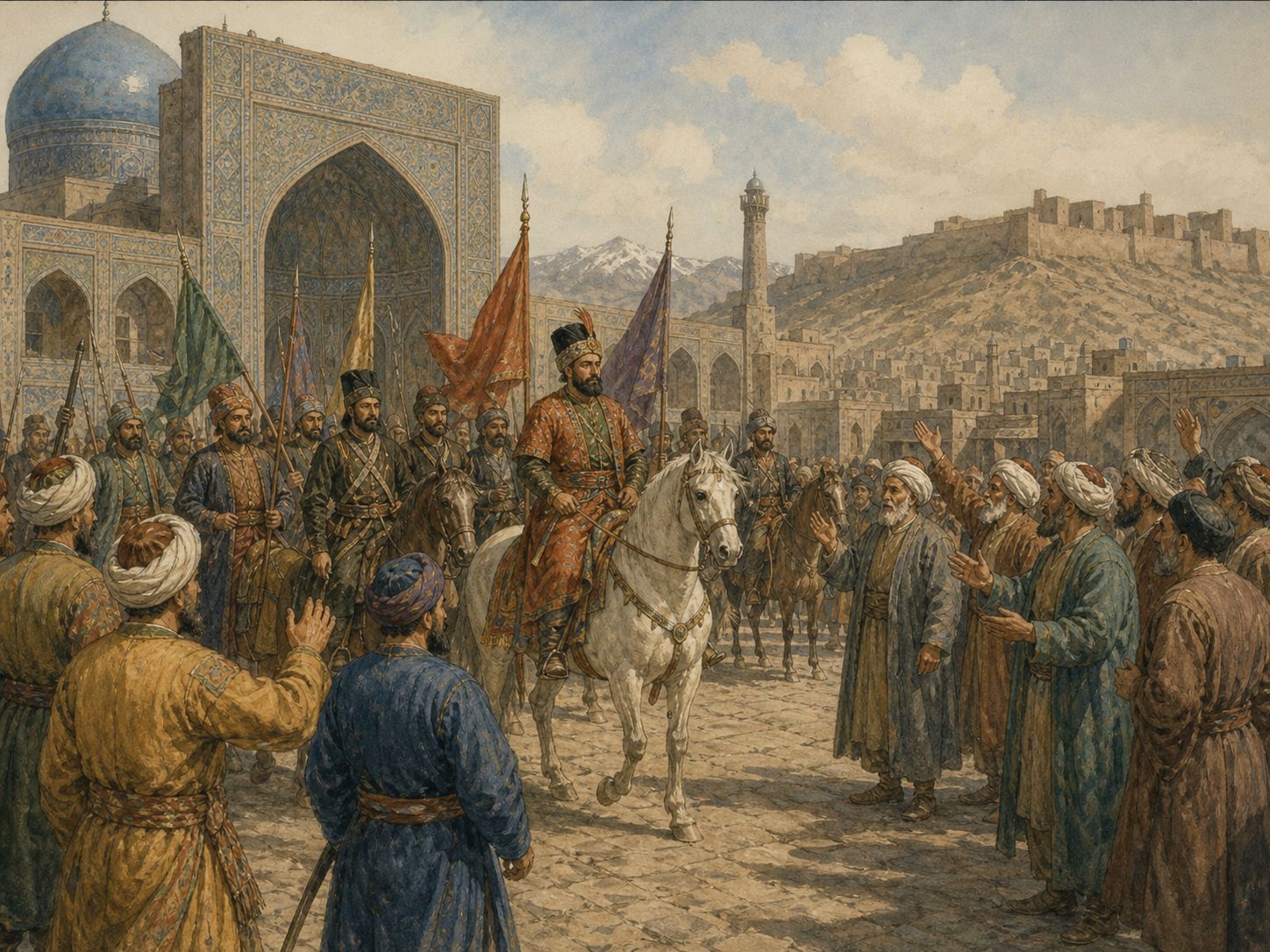
Twelver Shiism became a pillar of dynastic legitimacy and state institutions, while rivalry with the Ottoman Empire intensified.
- Twelver Shiism became a pillar of dynastic legitimacy and state institutions, while rivalry with the Ottoman Empire intensified.
- Process producing the result: With Qizilbash military support, Ismail defeated the Aq Qoyunlu and brought cities across the Iranian plateau under his rule.
- Question carried forward: The Safavid foundation was a major turning point in the sectarian and territorial formation of early modern Iran.
Historical significance
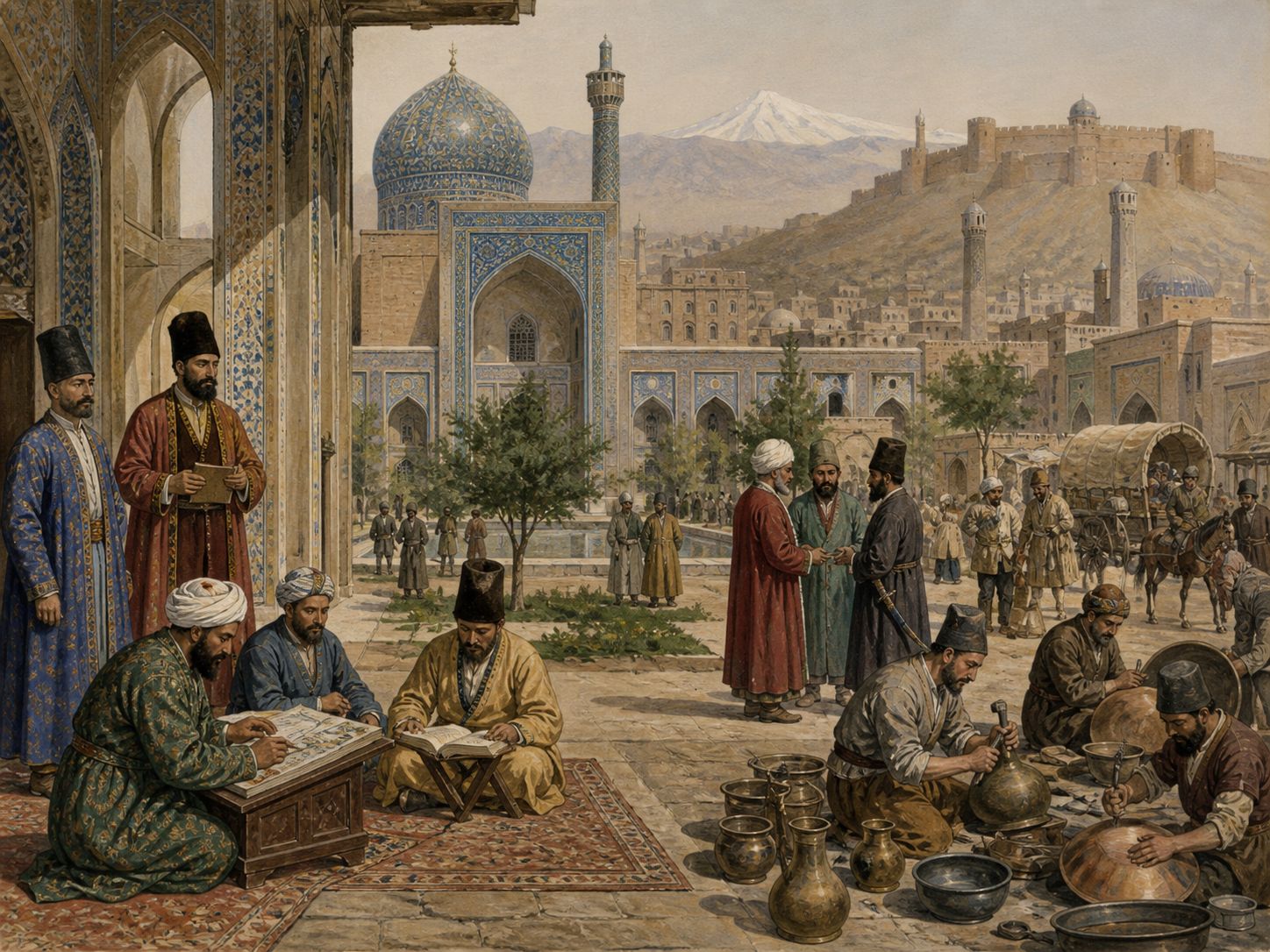
The Safavid foundation was a major turning point in the sectarian and territorial formation of early modern Iran.
- The Safavid foundation was a major turning point in the sectarian and territorial formation of early modern Iran.
- Immediate consequence: Twelver Shiism became a pillar of dynastic legitimacy and state institutions, while rivalry with the Ottoman Empire intensified.
- Historical turning point: In 1501, Ismail I proclaimed himself shah at Tabriz and founded the Safavid dynasty around Twelver Shiism.


Related events
c. 1500
Prelude
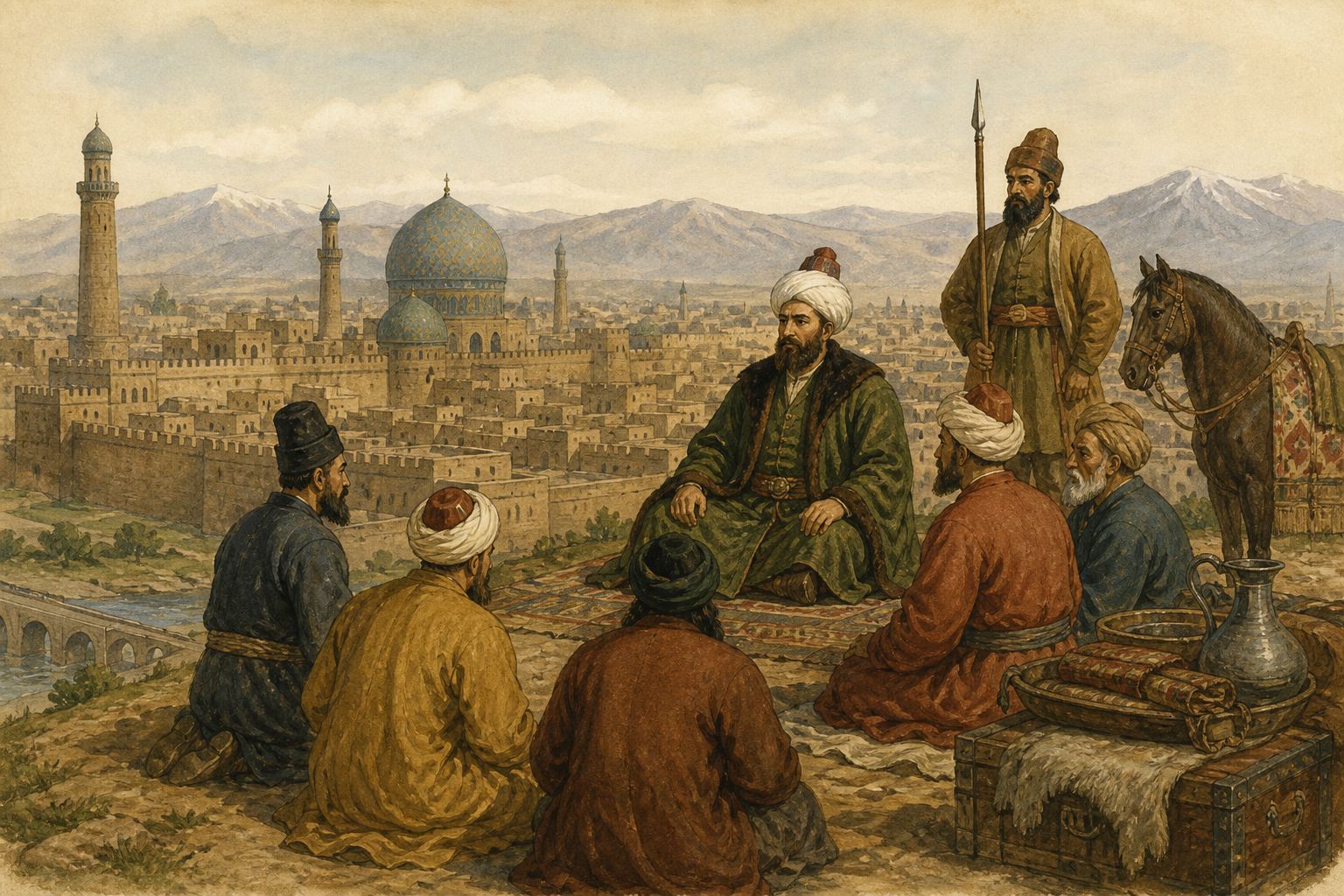
Prelude — Background: The Safavid family drew on a Sufi order and gathered Turkic supporters across Anatolia and Iran.
c. 1500
Turning point
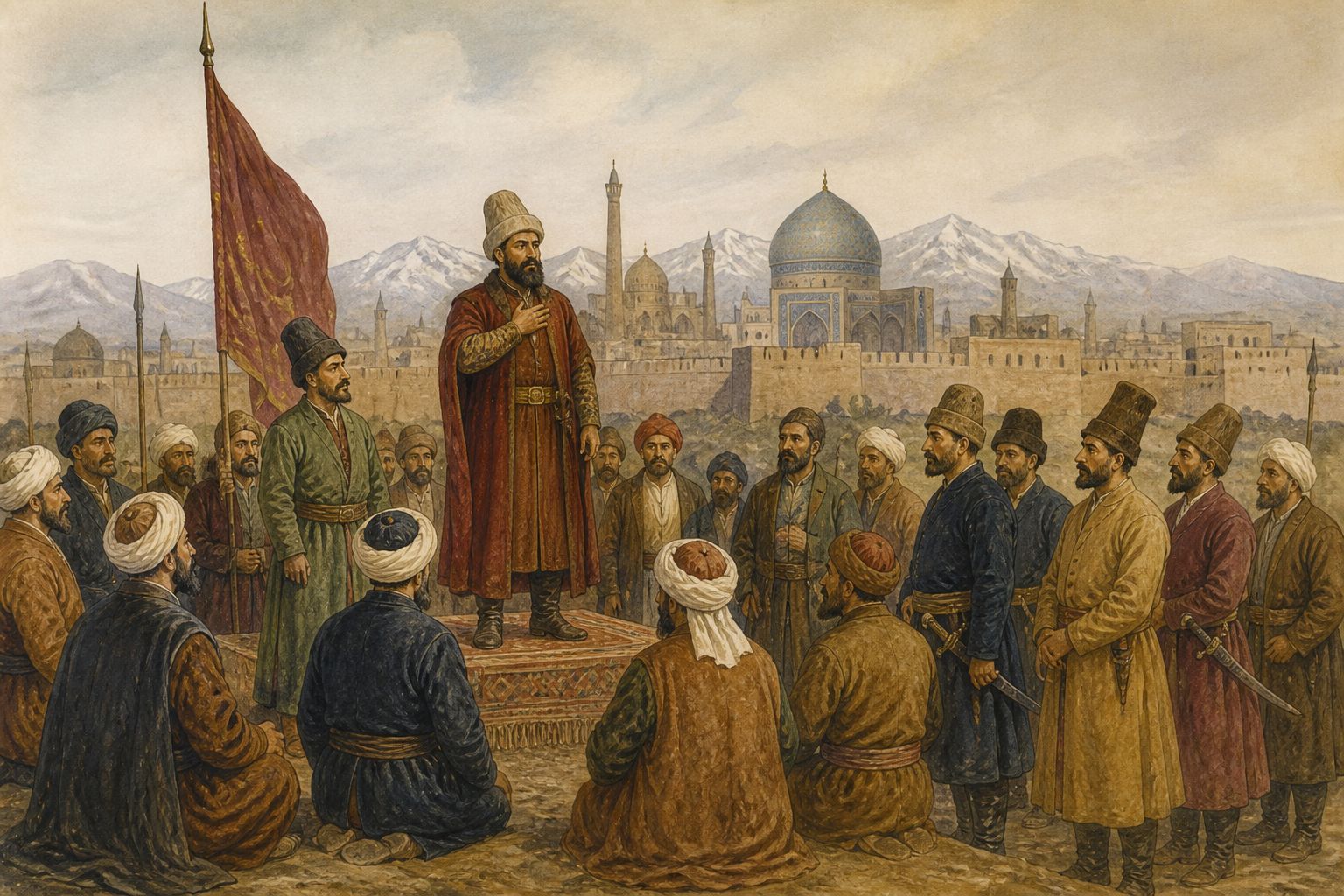
Turning point — Build-up: With Qizilbash military support, Ismail defeated the Aq Qoyunlu and brought cities across the Iranian plateau under his rule.
1501
Foundation of the Safavid Empire
Current event
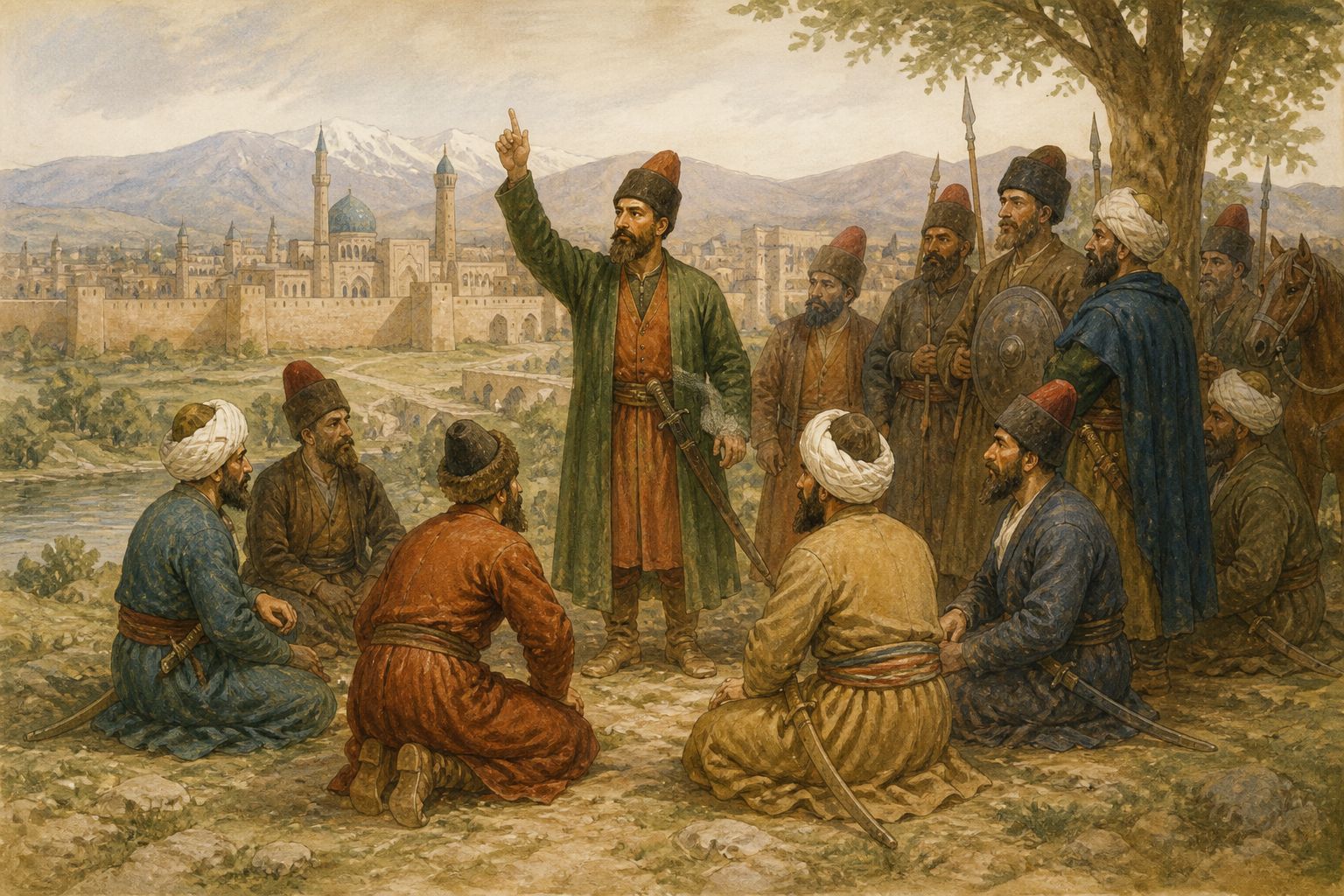
Foundation of the Safavid Empire — Central transition: In 1501, Ismail I proclaimed himself shah at Tabriz and founded the Safavid dynasty around Twelver Shiism.
c. 1502
Immediate aftermath
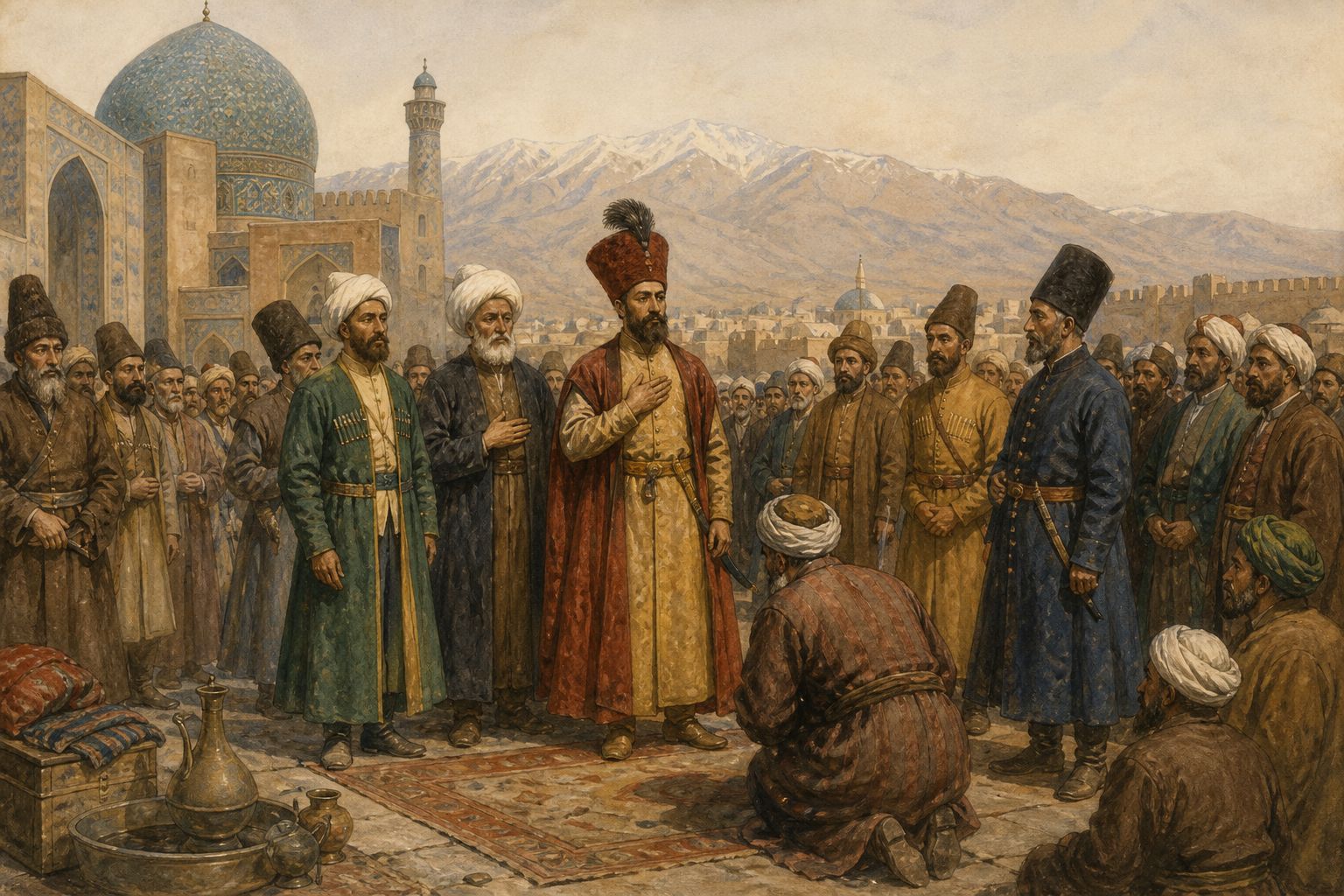
Immediate aftermath — Immediate result: Twelver Shiism became a pillar of dynastic legitimacy and state institutions, while rivalry with the Ottoman Empire intensified.
c. 1511
Long-term significance
Long-term significance — Long-term significance: The Safavid foundation was a major turning point in the sectarian and territorial formation of early modern Iran.


Sources
- Foundation of the Safavid Empire — Safavid Dynasty (Encyclopaedia Britannica)britannica.comThis Encyclopaedia Britannica resource supports the chronology, setting, and course of Foundation of the Safavid Empire.
- Foundation of the Safavid Empire — Safavids (Iranicaonline)iranicaonline.orgThis Iranicaonline resource supports the chronology, setting, and course of Foundation of the Safavid Empire.
- Foundation of the Safavid Empire — Hd Safa (The Metropolitan Museum of Art)metmuseum.orgThis The Metropolitan Museum of Art resource supports the chronology, setting, and course of Foundation of the Safavid Empire.