
Scramble for Africa
c. 1870–c. 1914
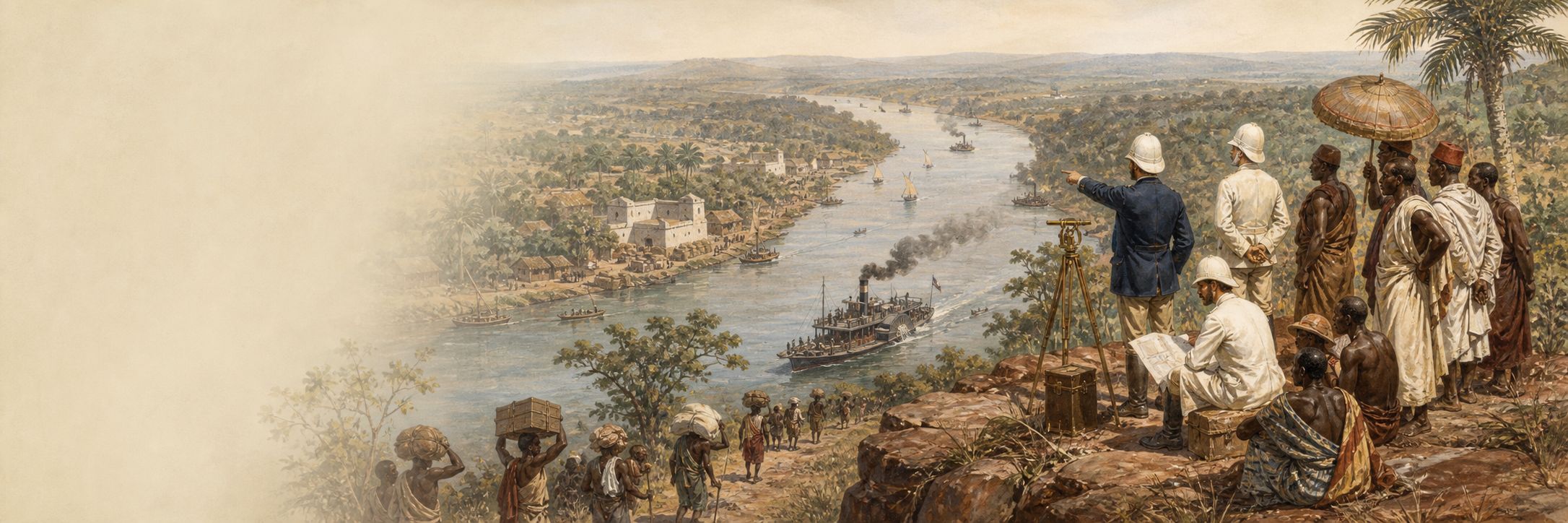
From the 1870s to 1914, European powers competed to divide African territories, routes, and resources while African states and communities negotiated, resisted, and adapted.

- Period
- c. 1870–c. 1914
- Kind
- War
- Regions
- Latin America
- Keywords
- Scramble for Africa · Berlin Conference · European colonization of Africa · war · modern · latin america
Follow the story · Four stages
Background
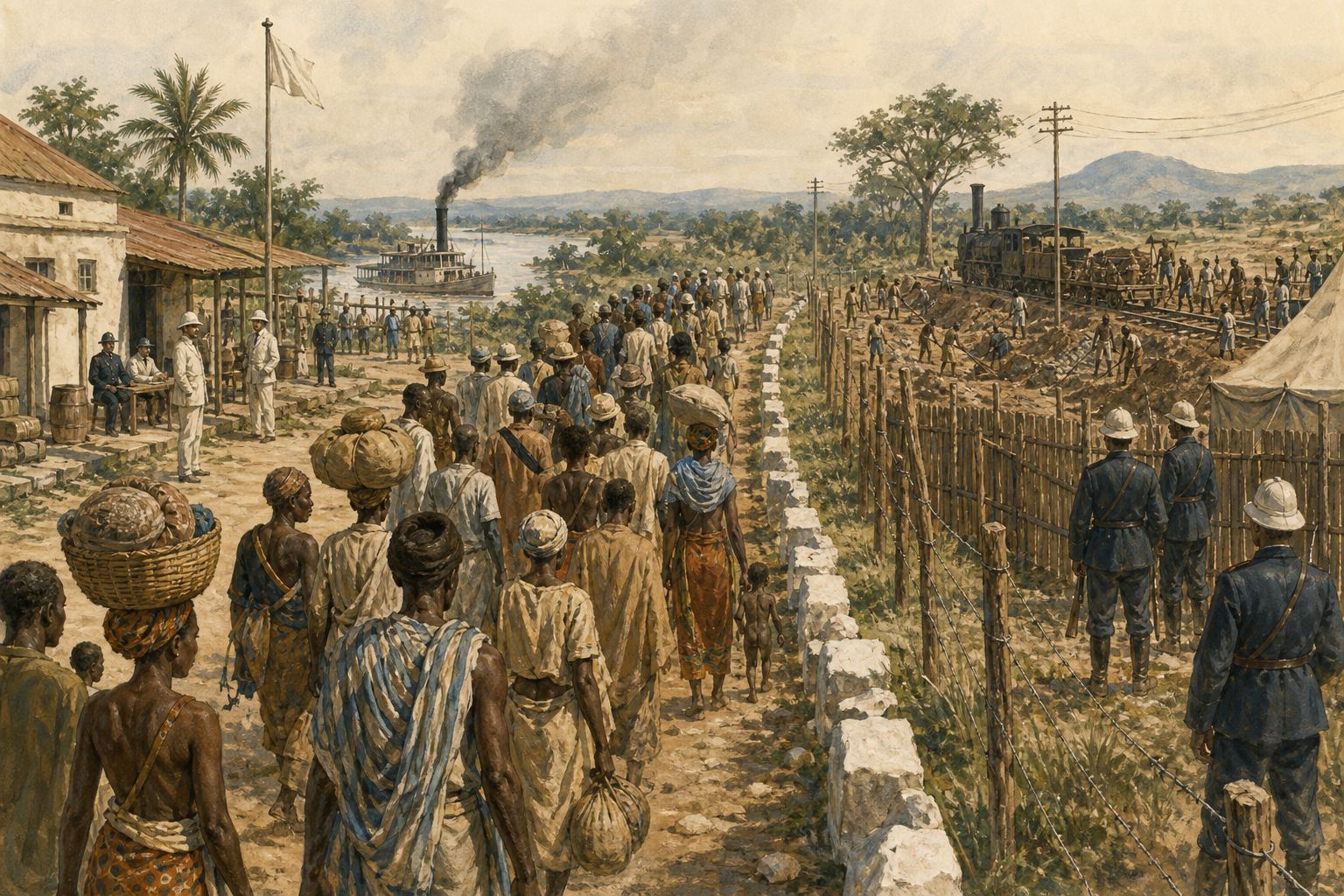
Industrial resource demand, interest in ports and rivers, and rivalry among European empires intensified intervention in African trade networks and political systems.
- Industrial resource demand, interest in ports and rivers, and rivalry among European empires intensified intervention in African trade networks and political systems.
- Core event: From the 1870s to 1914, European powers competed to divide African territories, routes, and resources while African states and communities negotiated, resisted, and adapted.
- Connection to the next stage: At the Berlin Conference of 1884–1885, European states discussed procedures for territorial claims. Treaties, military campaigns, trading stations, and railways then expanded effective occupation.
Course
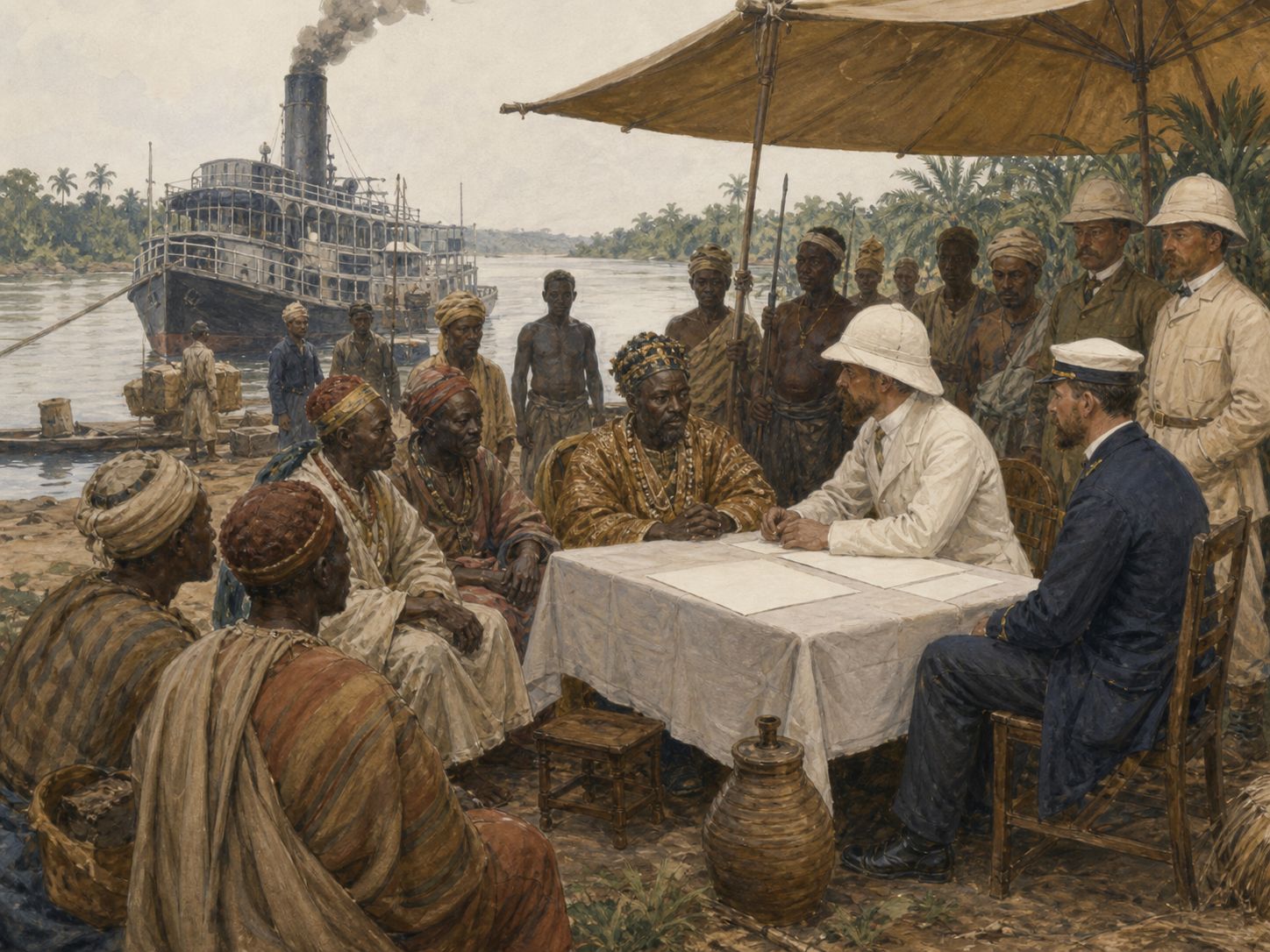
At the Berlin Conference of 1884–1885, European states discussed procedures for territorial claims. Treaties, military campaigns, trading stations, and railways then expanded effective occupation.
- At the Berlin Conference of 1884–1885, European states discussed procedures for territorial claims.
- Treaties, military campaigns, trading stations, and railways then expanded effective occupation.
- Conditions behind the action: Industrial resource demand, interest in ports and rivers, and rivalry among European empires intensified intervention in African trade networks and political systems.
Outcome
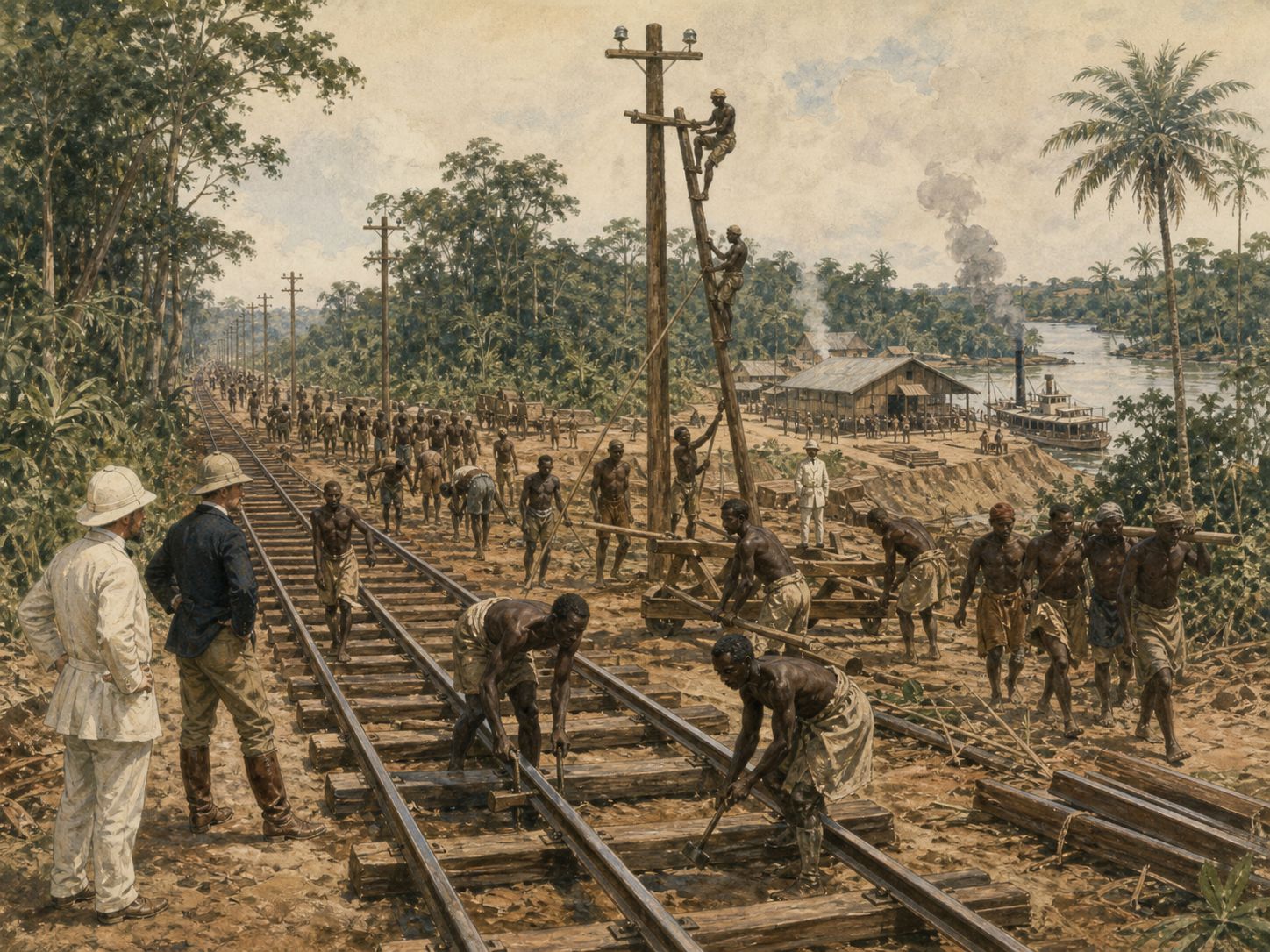
By the early twentieth century, most of Africa was under European colonial rule, while Ethiopia and Liberia remained independent. Resistance and colonial borders left long political and social legacies.
- By the early twentieth century, most of Africa was under European colonial rule, while Ethiopia and Liberia remained independent.
- Resistance and colonial borders left long political and social legacies.
- Process producing the result: At the Berlin Conference of 1884–1885, European states discussed procedures for territorial claims. Treaties, military campaigns, trading stations, and railways then expanded effective occupation.
Historical significance
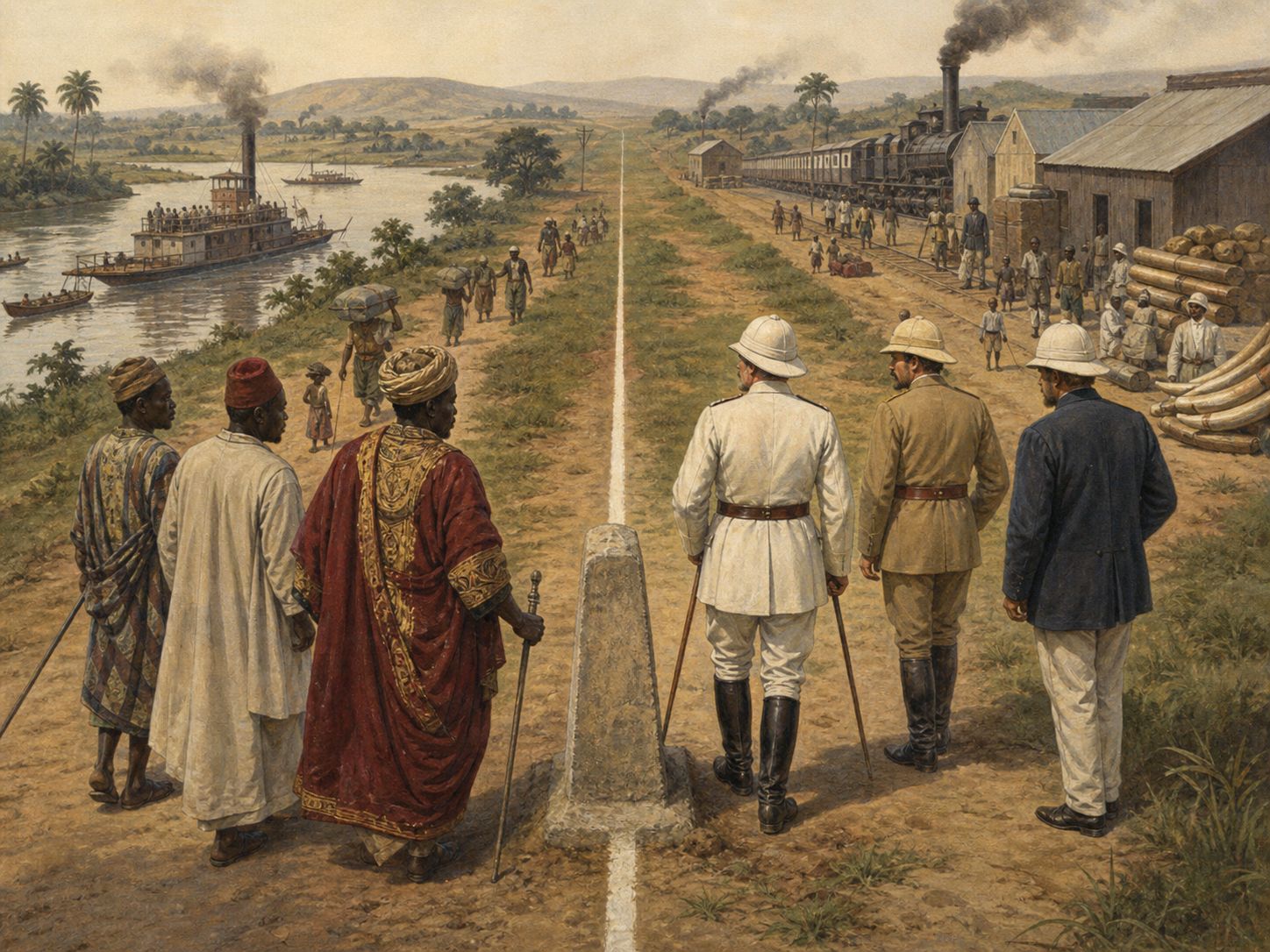
The Scramble was not only European diplomacy: African political actors, labor, trade, and resistance shaped its course. Colonial boundaries and systems of resource rule continued to influence postcolonial politics.
- The Scramble was not only European diplomacy: African political actors, labor, trade, and resistance shaped its course.
- Colonial boundaries and systems of resource rule continued to influence postcolonial politics.
- Immediate consequence: By the early twentieth century, most of Africa was under European colonial rule, while Ethiopia and Liberia remained independent. Resistance and colonial borders left long political and social legacies.


Related events
c. 1800–c. 1870
African trade networks and coastal exchange
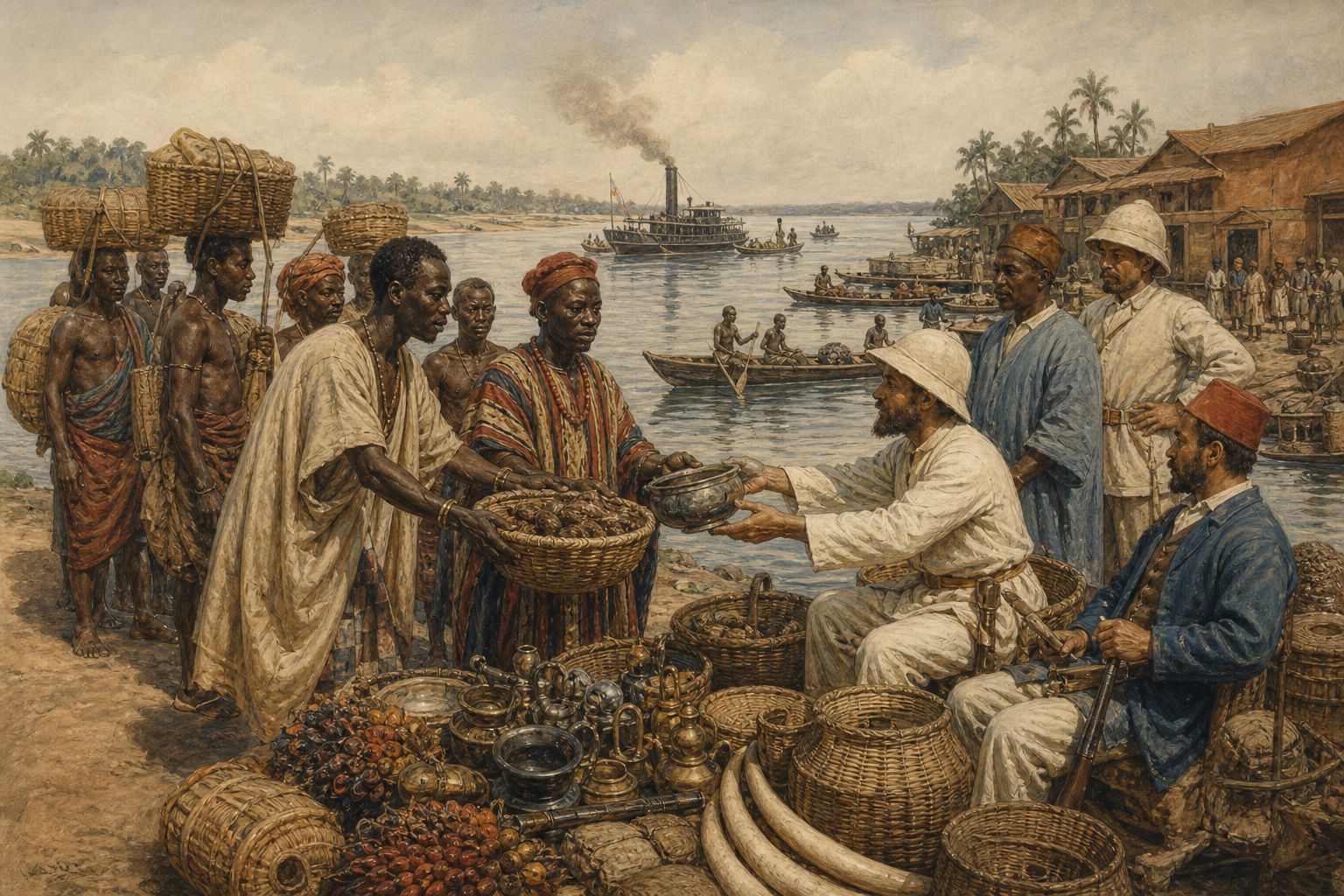
African trade networks and coastal exchange — Background: Industrial resource demand, interest in ports and rivers, and rivalry among European empires intensified intervention in African trade networks and political systems.
1884–1885
Berlin Conference
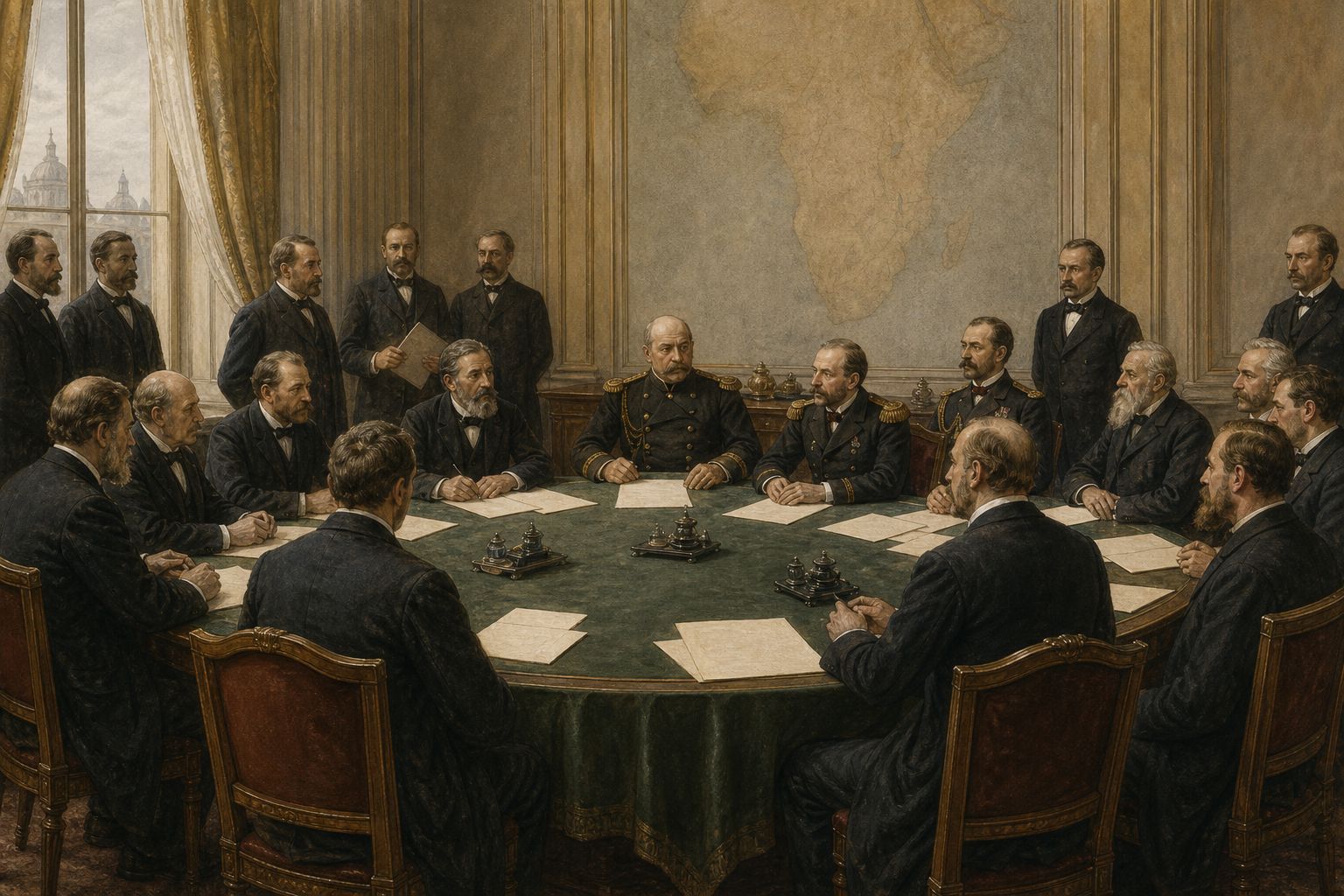
Berlin Conference — Build-up: At the Berlin Conference of 1884–1885, European states discussed procedures for territorial claims. Treaties, military campaigns, trading stations, and railways then expanded effective occupation.
c. 1885–c. 1900
Effective occupation and territorial claims
Current event
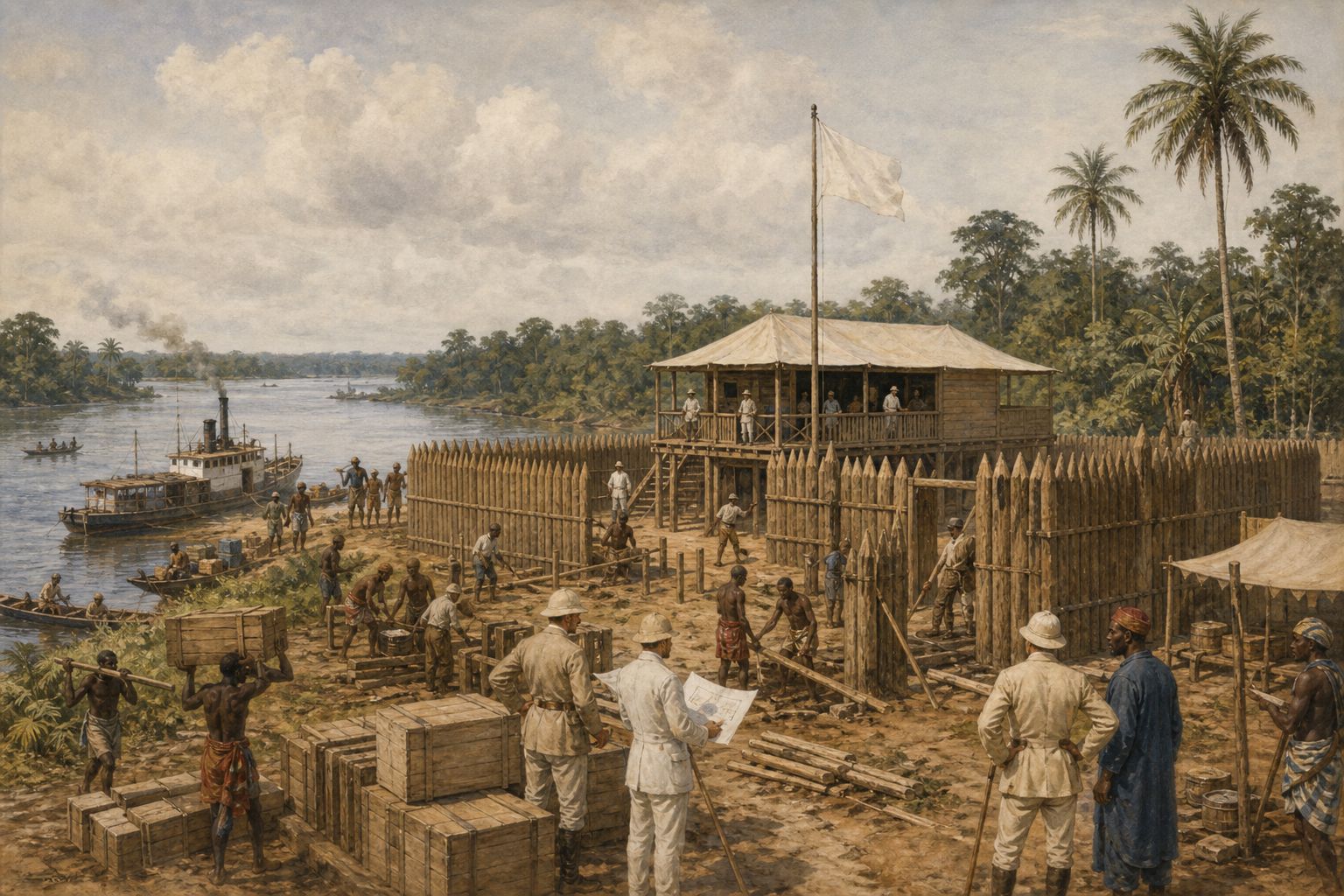
Effective occupation and territorial claims — Central transition: From the 1870s to 1914, European powers competed to divide African territories, routes, and resources while African states and communities negotiated, resisted, and adapted.
c. 1890–c. 1910
African resistance and colonial conquest
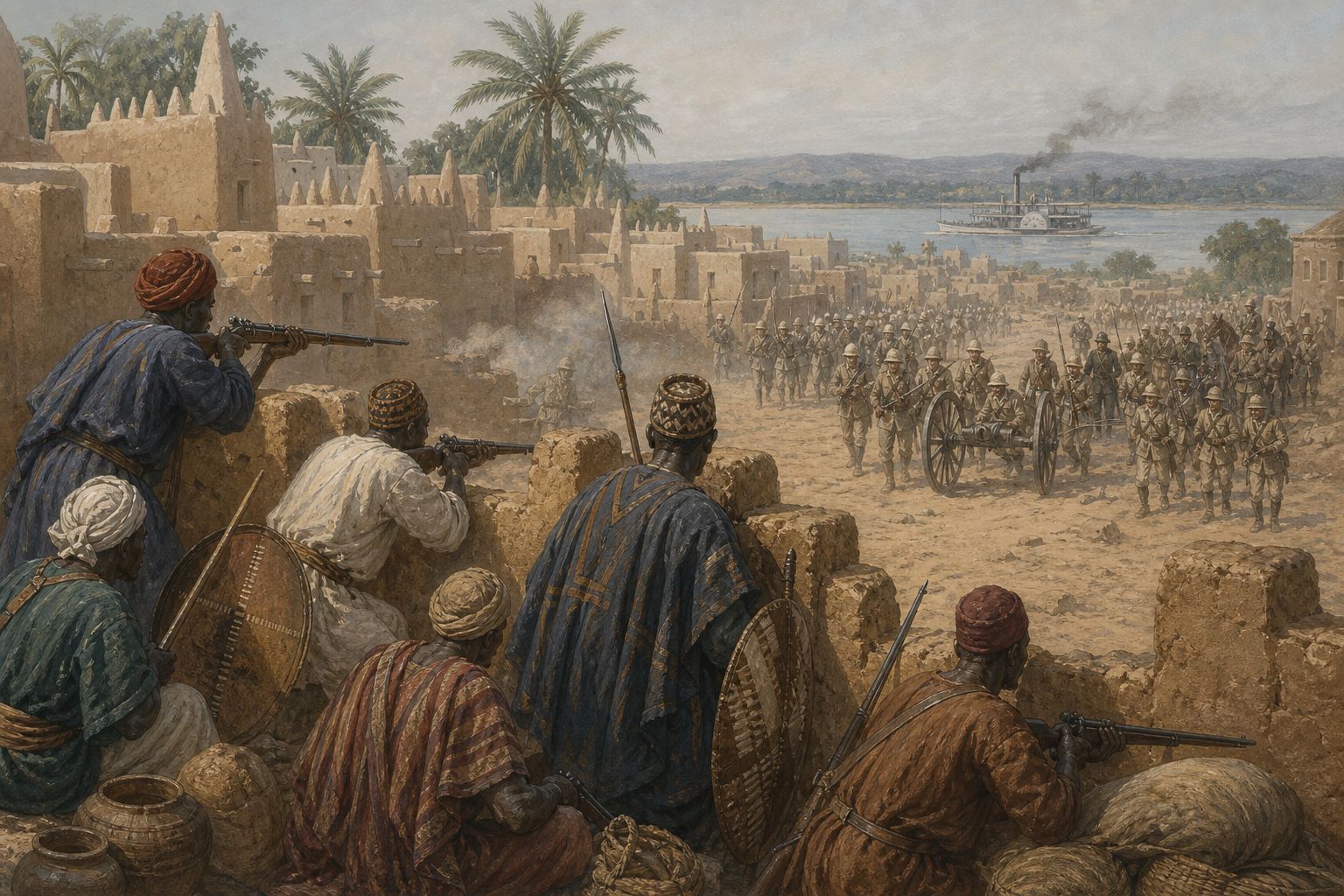
African resistance and colonial conquest — Immediate result: By the early twentieth century, most of Africa was under European colonial rule, while Ethiopia and Liberia remained independent. Resistance and colonial borders left long political and social legacies.
c. 1910–c. 1960
Colonial borders and independence legacy
Colonial borders and independence legacy — Long-term significance: The Scramble was not only European diplomacy: African political actors, labor, trade, and resistance shaped its course. Colonial boundaries and systems of resource rule continued to influence postcolonial politics.


Sources
- Scramble for Africa — Scramble For Africa (Encyclopaedia Britannica)www.britannica.comThis Encyclopaedia Britannica resource supports the chronology, setting, and course of Scramble for Africa.
- Scramble for Africa — Hd Scramble For Africa (The Metropolitan Museum of Art)www.metmuseum.orgThis The Metropolitan Museum of Art resource supports the chronology, setting, and course of Scramble for Africa.
- Scramble for Africa — Scramble For Africa (World History Encyclopedia)www.worldhistory.orgThis World History Encyclopedia resource supports the chronology, setting, and course of Scramble for Africa.