
Expansion of Silk Road Exchange
c. 130–c. 300
Overland routes linking Han China with Central and West Asian powers carried silk, horses, metals, religions, and technologies.

- Period
- c. 130–c. 300
- Kind
- Voyage
- Regions
- East Asia, Central Asia, Middle East
- Keywords
- Expansion of Silk Road Exchange · the Tarim Basin and Central Asia · ancient · background · turning point · impact
Follow the story · Four stages
Background
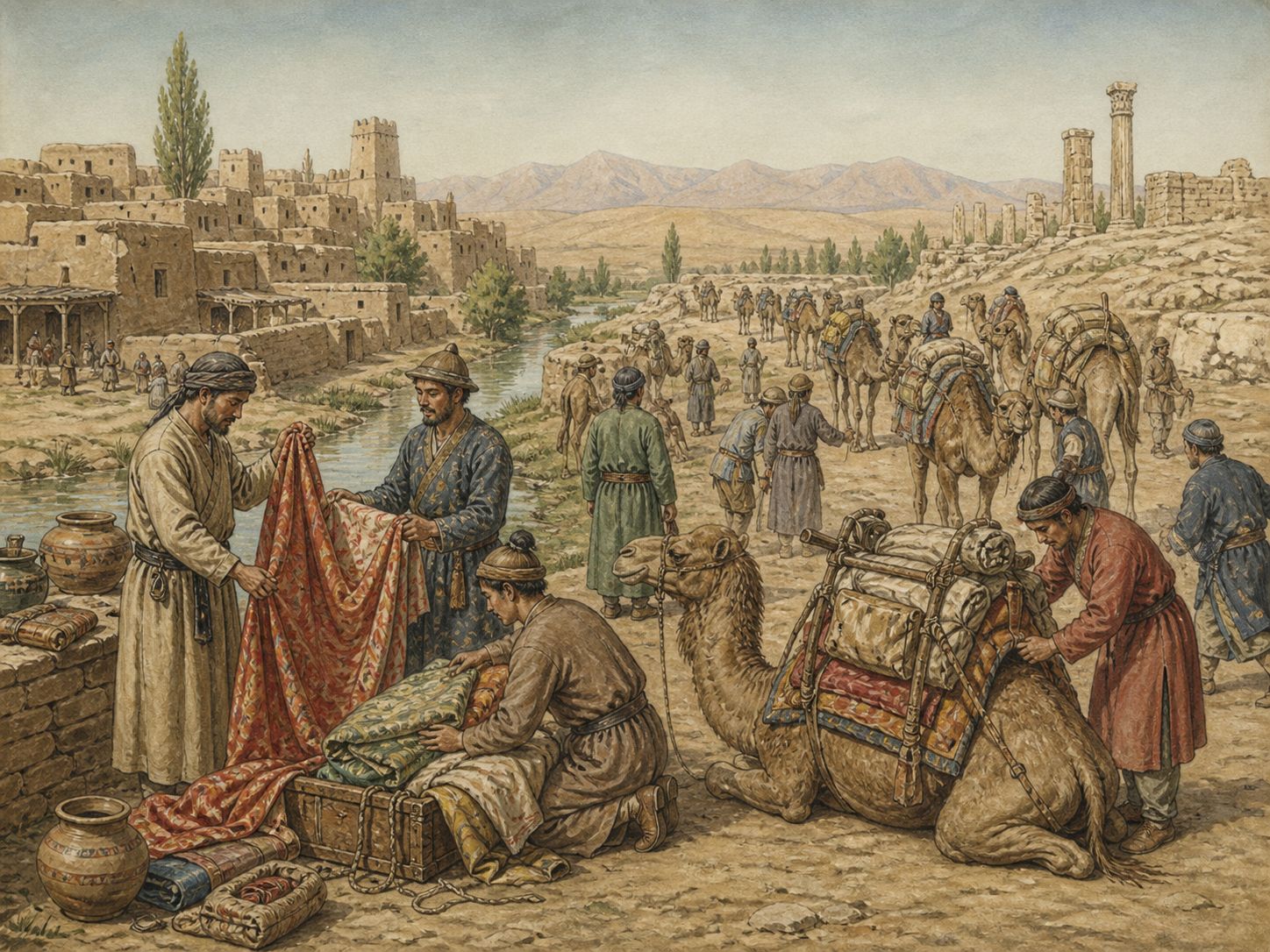
Political, social, and commercial changes around the Tarim Basin and Central Asia formed the setting: Overland routes linking Han China with Central and West Asian powers carried silk, horses, metals, religions, and technologies.
- In and around the Tarim Basin and Central Asia, the setting took shape as Overland routes linking Han China with Central and West Asian powers carried silk, horses, metals, religions, and technologies.
- Core event: Overland routes linking Han China with Central and West Asian powers carried silk, horses, metals, religions, and technologies.
- Connection to the next stage: Overland routes linking Han China with Central and West Asian powers carried silk, horses, metals, religions, and technologies. The change unfolded through decisions by rulers, institutions, and local communities.
Course
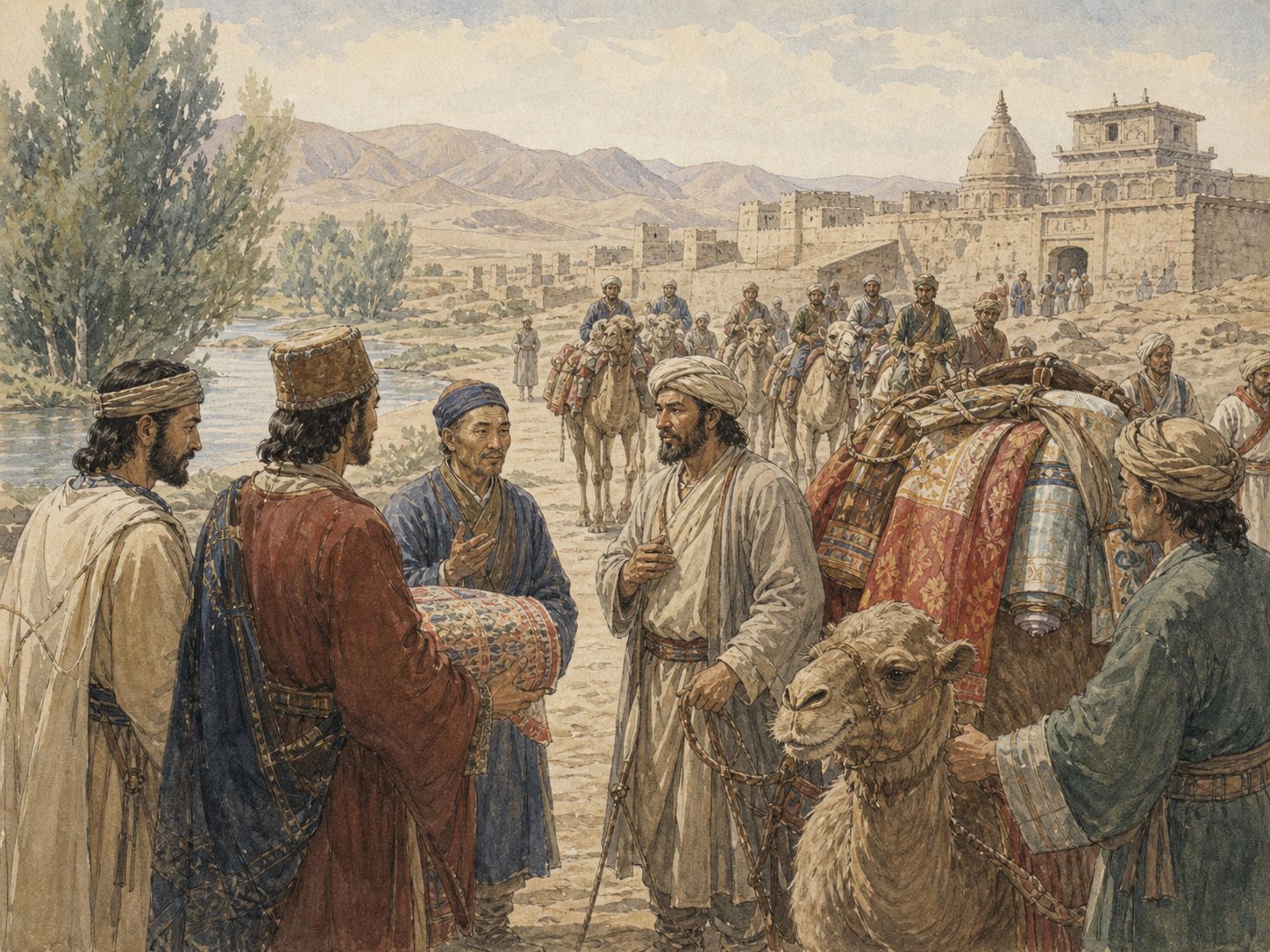
Overland routes linking Han China with Central and West Asian powers carried silk, horses, metals, religions, and technologies. The choices of the participating powers and responses of local communities shaped the course.
- Overland routes linking Han China with Central and West Asian powers carried silk, horses, metals, religions, and technologies.
- The change unfolded through decisions by rulers, institutions, and local communities.
- Conditions behind the action: In and around the Tarim Basin and Central Asia, the setting took shape as Overland routes linking Han China with Central and West Asian powers carried silk, horses, metals, religions, and technologies.
Outcome
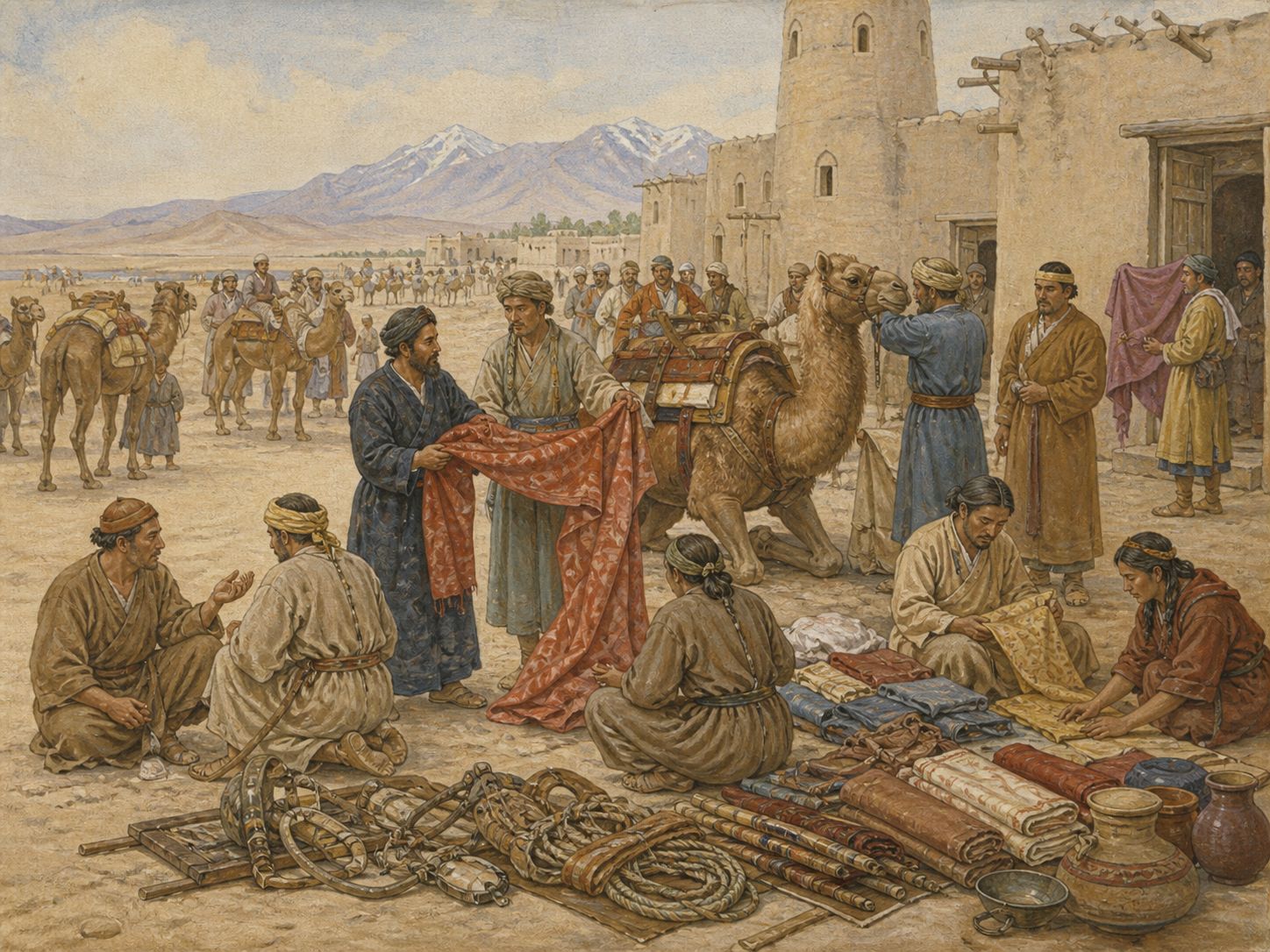
As a result, The routes became a foundation for Eurasian exchange in which knowledge and diseases moved alongside goods.
- The routes became a foundation for Eurasian exchange in which knowledge and diseases moved alongside goods.
- Process producing the result: Overland routes linking Han China with Central and West Asian powers carried silk, horses, metals, religions, and technologies. The change unfolded through decisions by rulers, institutions, and local communities.
- Question carried forward: In the longer term, the routes became a foundation for eurasian exchange in which knowledge and diseases moved alongside goods.
Historical significance
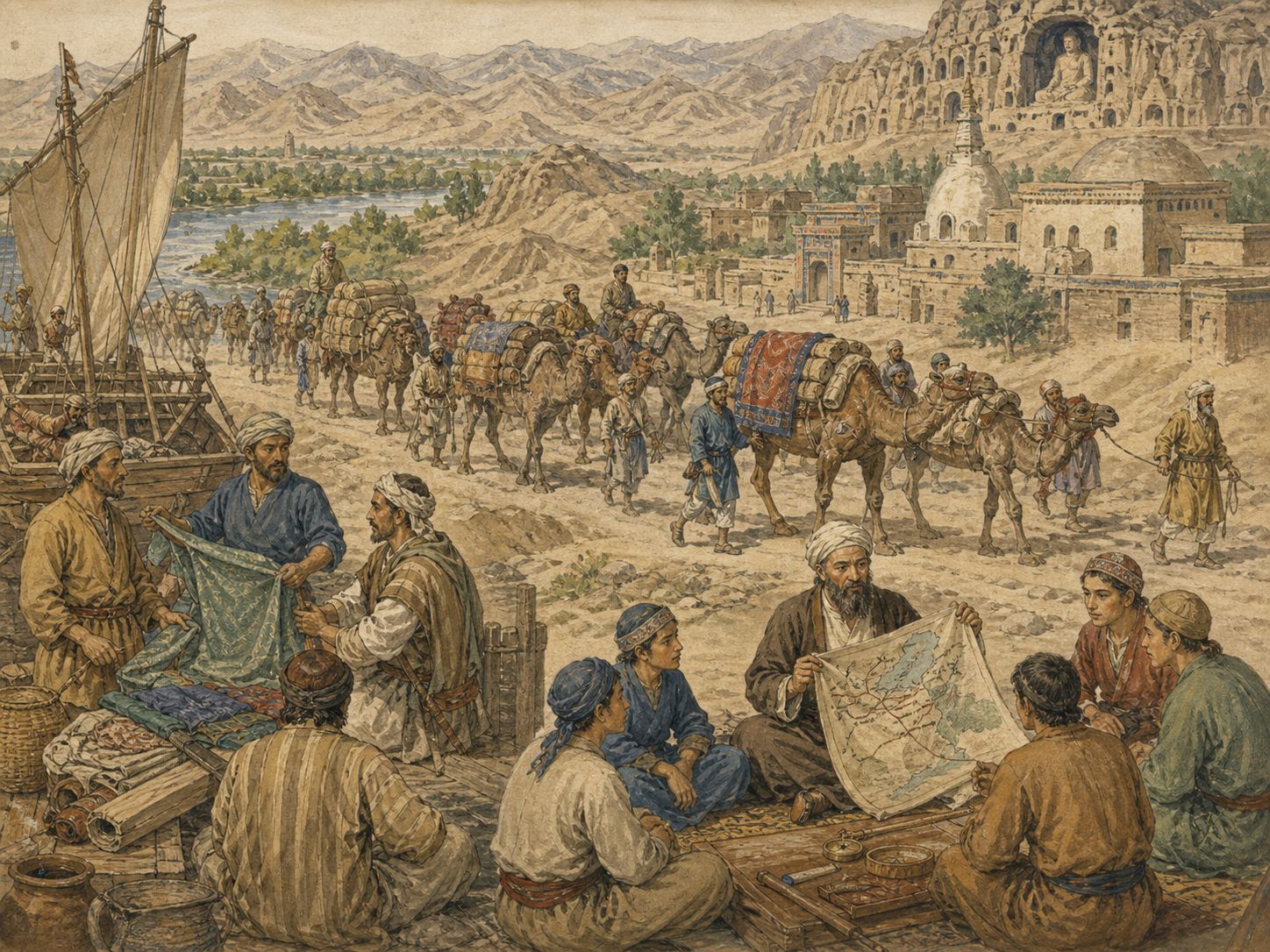
The significance of this event lies in the fact that the routes became a foundation for eurasian exchange in which knowledge and diseases moved alongside goods.
- In the longer term, the routes became a foundation for eurasian exchange in which knowledge and diseases moved alongside goods.
- Immediate consequence: The routes became a foundation for Eurasian exchange in which knowledge and diseases moved alongside goods.
- Historical turning point: Overland routes linking Han China with Central and West Asian powers carried silk, horses, metals, religions, and technologies.


Related events
c. 130
Earlier conditions
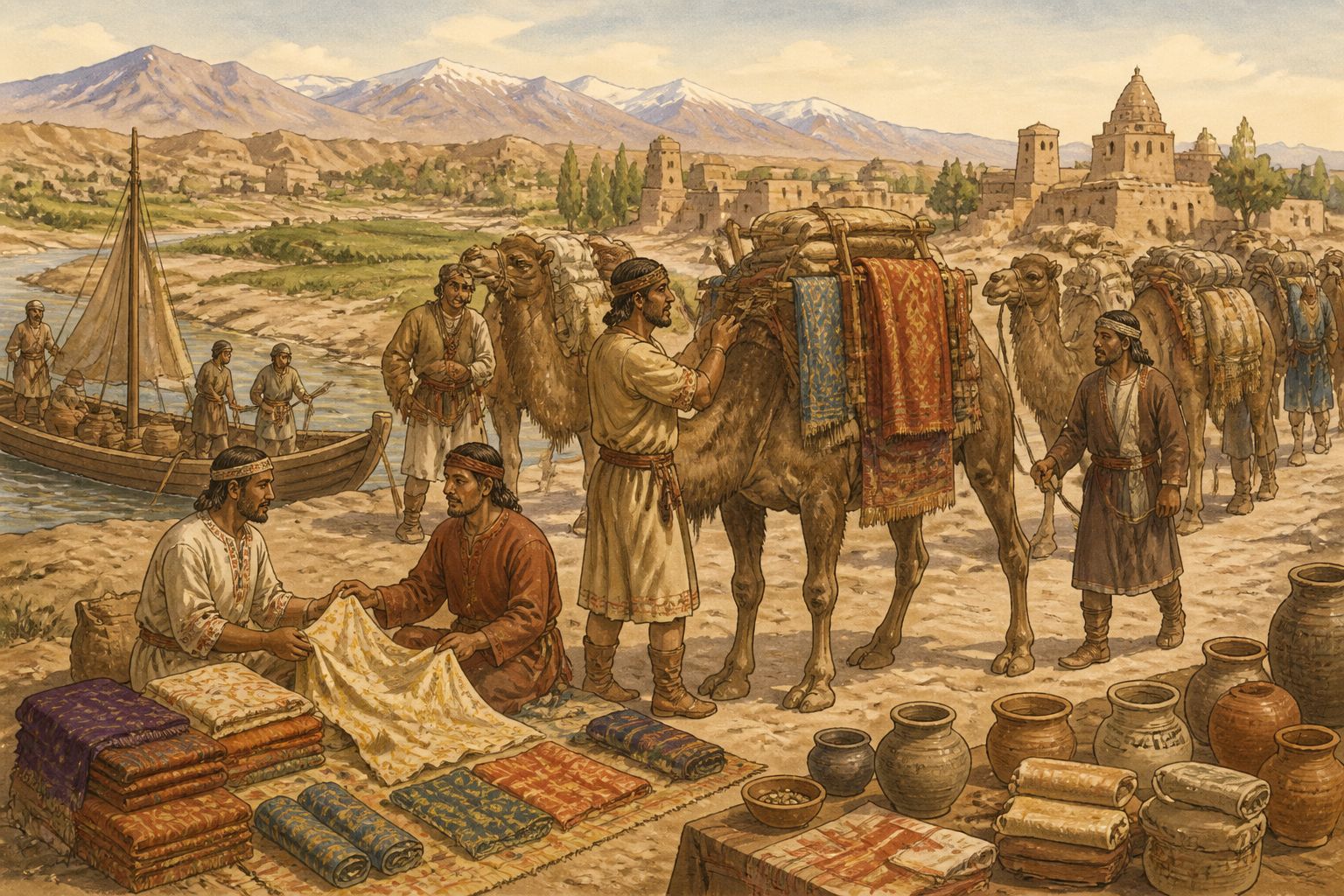
Earlier conditions — Background: In and around the Tarim Basin and Central Asia, the setting took shape as Overland routes linking Han China with Central and West Asian powers carried silk, horses, metals, religions, and technologies.
c. 130
Forces in motion
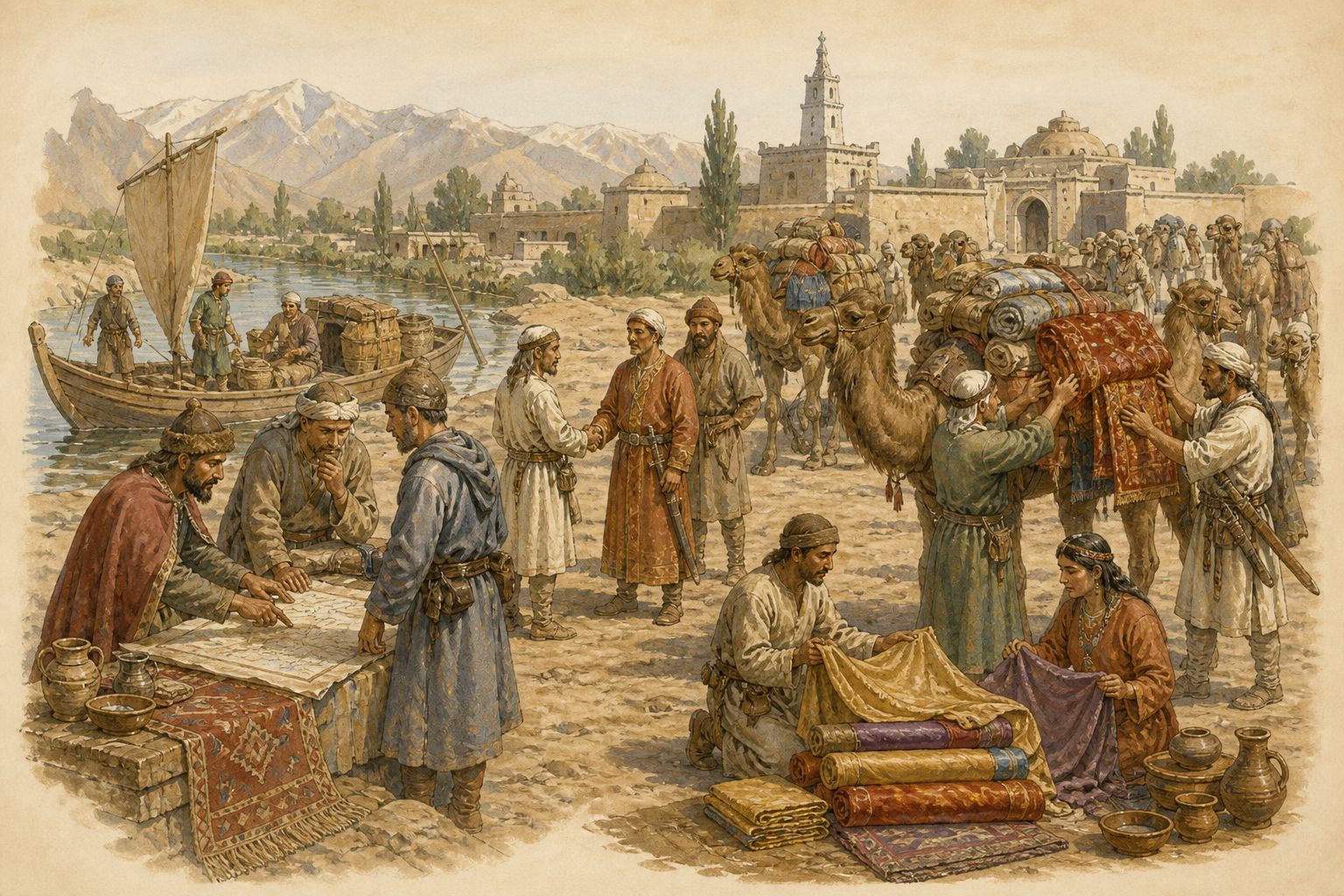
Forces in motion — Build-up: Overland routes linking Han China with Central and West Asian powers carried silk, horses, metals, religions, and technologies. The change unfolded through decisions by rulers, institutions, and local communities.
c. 130–c. 300
Expansion of Silk Road Exchange
Current event
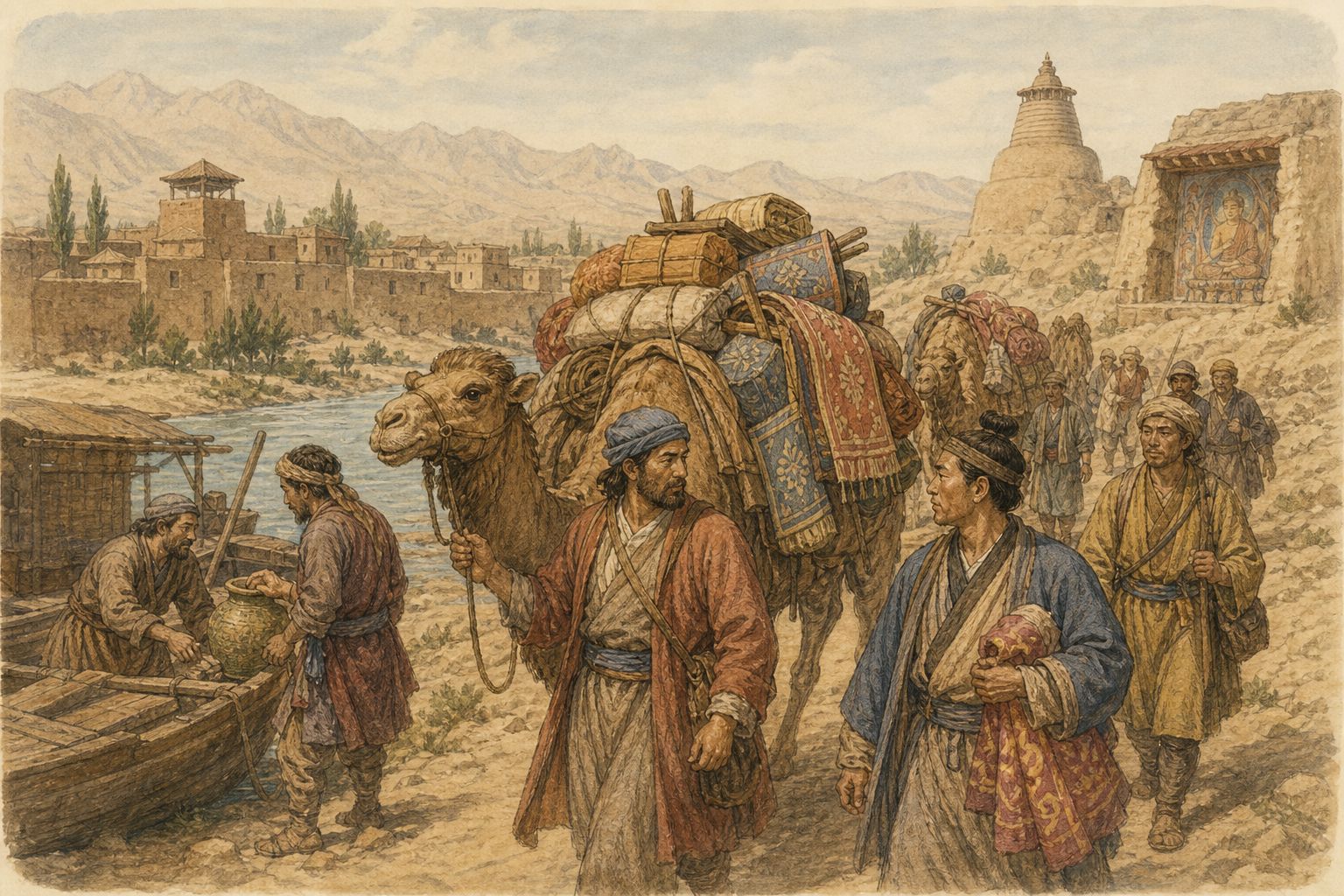
Expansion of Silk Road Exchange — Central transition: Overland routes linking Han China with Central and West Asian powers carried silk, horses, metals, religions, and technologies.
c. 300
Immediate aftermath
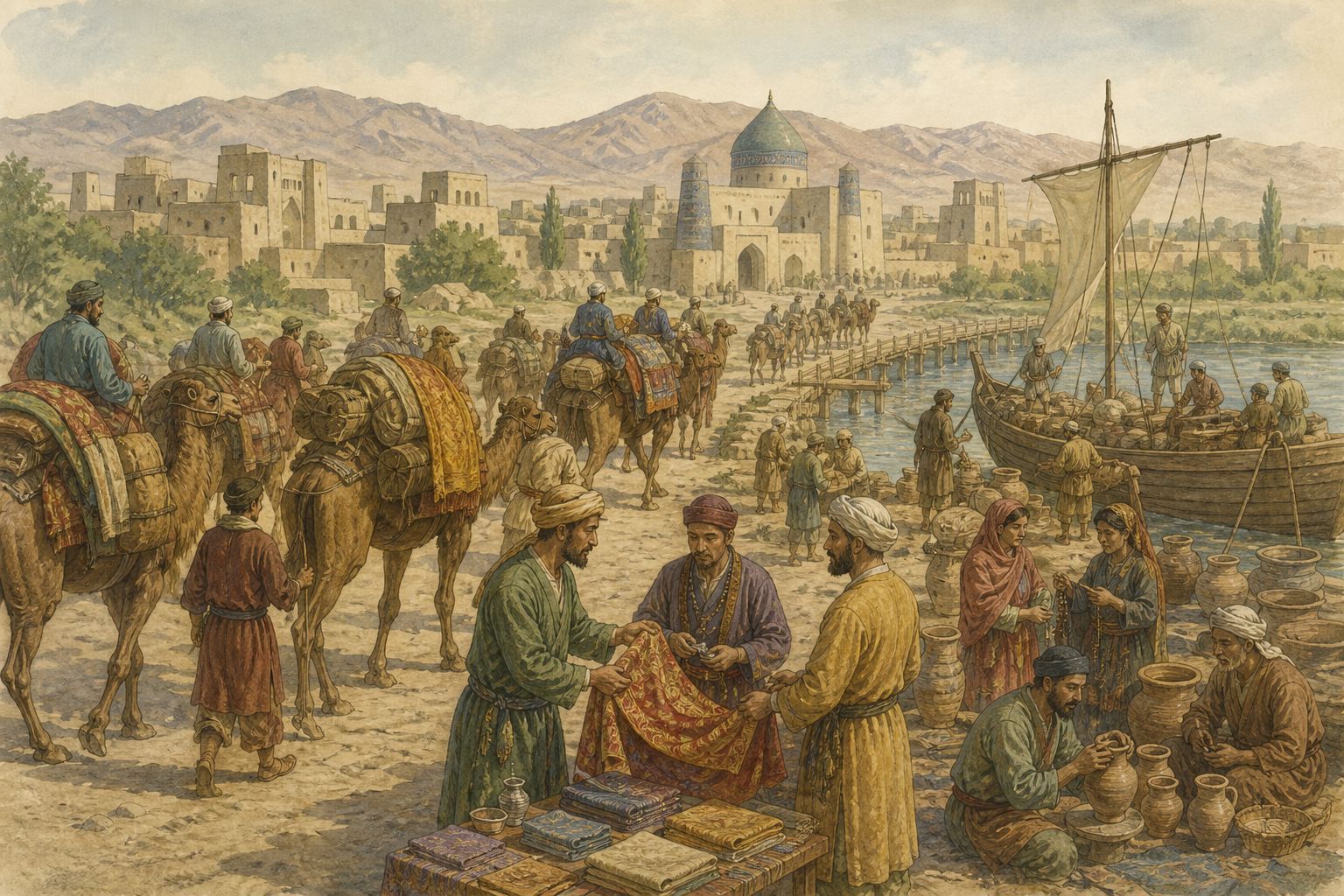
Immediate aftermath — Immediate result: The routes became a foundation for Eurasian exchange in which knowledge and diseases moved alongside goods.
c. 300
Enduring consequences
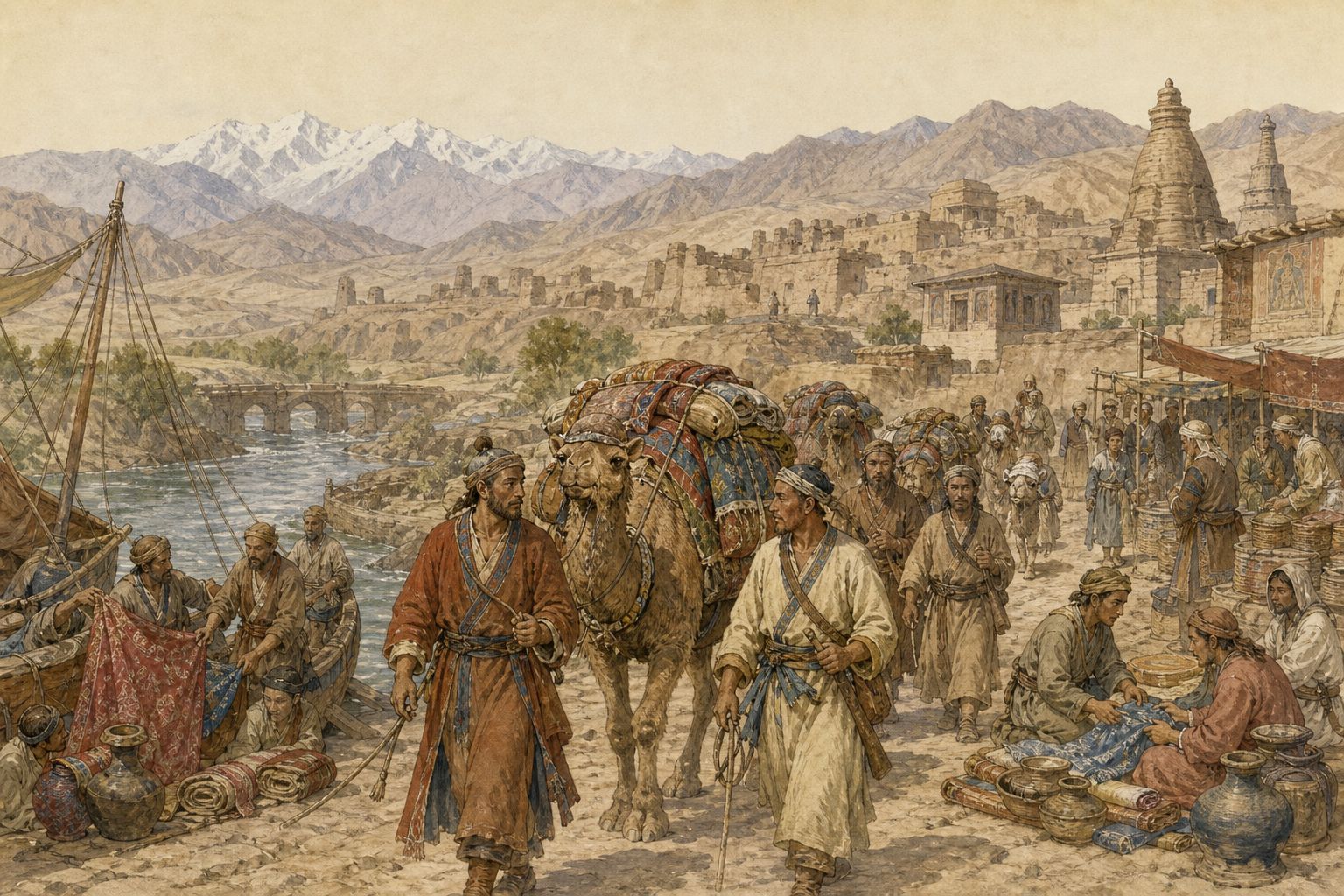
Enduring consequences — Long-term significance: In the longer term, the routes became a foundation for eurasian exchange in which knowledge and diseases moved alongside goods.


Sources
- Expansion of Silk Road Exchange — Timeline (Daiichi Gakushusha)www.daiichi-g.co.jpThis Daiichi Gakushusha resource supports the chronology, setting, and course of Expansion of Silk Road Exchange.
- Expansion of Silk Road Exchange — Expansion Of Silk Road Exchange (Encyclopaedia Britannica)www.britannica.comThis Encyclopaedia Britannica resource supports the chronology, setting, and course of Expansion of Silk Road Exchange.
- Expansion of Silk Road Exchange — Expansion Of Silk Road Exchange (Wikidata)www.wikidata.orgThis Wikidata resource supports the chronology, setting, and course of Expansion of Silk Road Exchange.